Villa Rentals in Chiang Mai, Thailand: 2025 Guide for Foreign Renters
Chiang Mai has long been a favored destination for foreigners seeking a blend of rich culture, mild climate, and affordable living. In 2025, the city’s villa rental market continues to thrive, attracting a diverse range of foreign renters – from retirees enjoying their golden years to young digital nomads, families, long-stay tourists, and remote professionals. This comprehensive guide provides a formal overview of Chiang Mai’s villa rental landscape, focusing on the needs of foreign renters. We will explore current market trends, compare rental prices across key areas (in both Thai Baht and USD), and discuss what to expect in different neighborhoods. Whether you’re considering a short-term stay or a long-term lease, this report will help you navigate the villa rental market in Chiang Mai with confidence.
Chiang Mai Rental Market Overview (2025)
The rental market in Chiang Mai is robust and steadily growing in 2025. After pandemic-related lulls, demand has rebounded strongly – rents for houses (“villas”) have seen modest increases year-on-year (often in the 5–10% range) as both locals and expatriates compete for desirable homes. Notably, overall rental demand rose around 8% in 2023 and has carried that momentum into 2024 and 2025, reflecting Chiang Mai’s enduring appeal as a living destination. This upward trend is driven in part by an influx of foreign residents: many expatriates, digital nomads, and retirees are choosing Chiang Mai for its lower cost of living and high quality of life compared to Bangkok or coastal resort areas.
Despite rising demand, Chiang Mai’s rental prices remain moderate by international standards. As of 2025, the median monthly rent for houses in the area hovers around ฿25,000 (approximately $750), though there is a wide range depending on property type and location. Villas – which in Chiang Mai typically means detached houses with some yard (and sometimes a private pool) – can range from budget local-style houses under ฿10,000 to luxury pool villas over ฿100,000 per month. This variety means foreign renters have options at every price point. The city’s real estate development has kept pace with demand: new housing estates (known locally as moo baan or gated communities) have been built in suburban districts, adding supply of modern homes with amenities. In the city center, however, availability of standalone houses is limited, which keeps those rents relatively higher for what you get.
Another notable trend in 2025 is the importance of foreign tenants in the Chiang Mai market. Local purchasing power for homes has been somewhat constrained in recent years, so many property owners are especially keen to rent to foreigners who often have stable overseas incomes or pensions. Government infrastructure projects – improved roads, plans for a transit system, and upgraded hospitals – are enhancing the city’s livability, further attracting long-term foreign residents. Overall, Chiang Mai’s rental market is stable with a slight upward trajectory, and landlords are generally professional and experienced in dealing with international tenants. Foreign renters can expect a mature market with transparent practices, yet still enjoy lower costs and a more relaxed pace of life than Thailand’s bigger cities.
Foreign Renter Profiles: Major Personas
Different types of foreign renters have varying needs and preferences. Here we focus on several key personas – retirees, digital nomads, families, long-stay tourists, and remote professionals – and how each typically approaches villa rentals in Chiang Mai:
Retirees
Retirees form a significant segment of long-term foreign renters in Chiang Mai. Typically aged 50+, often on retirement visas, they are attracted by the low living costs, warm climate, and excellent healthcare facilities in the city. Retirees usually seek peaceful, comfortable homes where they can settle for years. One-story villas or bungalows are popular to avoid stairs, and a bit of garden space for relaxation is a plus. Many retired expats prefer the quieter suburbs: for example, areas like Hang Dong and San Phak Wan (south of the city) host active retiree communities thanks to their laid-back lifestyle and budget-friendly houses. These neighborhoods offer Western-style houses in gated communities, providing security and neighborly feel without the noise of the city center. Retirees often appreciate being near other expat retirees for socializing, but not too far from hospitals and malls. Chiang Mai delivers on these needs – top private hospitals (such as Bangkok Hospital Chiang Mai and Chiangmai Ram Hospital) are a short drive away from most villa neighborhoods, and modern shopping centers and grocery stores are within reach.
In terms of rentals, retirees almost always opt for long-term leases (annual contracts). They value stability, so they tend to sign 1- or 2-year rental agreements and sometimes renew indefinitely, effectively making Chiang Mai their second home. Many landlords appreciate such stable, long-term tenants. Monthly rents that retirees are willing to pay vary with their pension budgets, but a large portion seek mid-range houses (e.g. ฿15,000–฿30,000 per month) which afford plenty of comfort in Chiang Mai. These could be 2–3 bedroom detached houses in a gated community with a small yard. Retirees with higher budgets might splurge on a luxury villa with a private pool (~฿50,000+), but even a modest budget of ~$800 (around ฿26,000) can secure a very comfortable home by local standards. Overall, retirees prioritize quiet surroundings, safety, and convenience over being in the heart of the action. Chiang Mai’s villa offerings cater well to these priorities, making the city one of Asia’s top retiree havens.
Digital Nomads
Chiang Mai has been dubbed a “digital nomad capital” for years, known for its café culture, coworking spaces, and affordable lifestyle for remote workers. Digital nomads are typically younger (20s–30s) professionals or entrepreneurs who work online and move locations periodically. They usually come on tourist or special digital nomad visas and might stay anywhere from a few weeks to six months in Chiang Mai. This group historically gravitated towards condo rentals in trendy areas like Nimmanhaemin, but an increasing number are also interested in renting villas – especially those traveling as a couple or small group, or those simply desiring more space and a home office setup.
Digital nomads value convenience and connectivity. Many prefer to stay in or near Nimman (Nimmanhaemin Road area) and the adjacent Suthep district, because it’s the heart of Chiang Mai’s modern scene: dozens of coffee shops with Wi-Fi, coworking hubs, international eateries, and a vibrant nightlife are all within walking distance. Villa rentals in the Nimman area are limited (it’s mostly apartments and condos), but just beyond the main strips one can find a few houses for rent. Often these are older Thai houses or townhomes tucked in side streets. They may not have the polish of a new condo, but they offer multiple rooms and more privacy – useful if a few nomads are sharing a house. Alternatively, some digital nomads choose houses on the city’s outskirts for tranquility and low cost, treating it like a “work retreat.” For example, a small house in a semi-rural area like Doi Saket or San Sai can be very affordable and allow a nomad to focus on projects, then ride into town on a motorbike for socializing on weekends.
Short-term flexibility is important to this group. Digital nomads often seek monthly rentals rather than year-long leases. They take advantage of Airbnb or monthly rental platforms where villas and houses are offered with all utilities and furniture ready. The trade-off for flexibility is price: a house that might rent for ฿20,000 on a yearly contract could cost ฿25,000–฿30,000 for a single month rental. Still, relative to Western housing costs, this is attractive for someone splitting costs with roommates. Nomads usually require high-speed internet above all else – fortunately, Chiang Mai has reliable fiber-optic broadband in most areas, and many landlords catering to this market ensure Wi-Fi is set up. In sum, digital nomads in Chiang Mai lean toward central locations and convenience, often renting smaller units, but there is a niche of nomads renting villas (or sharing a villa) to enjoy a larger living space. The city’s mix of modern amenities and affordable house rentals continues to make it ideal for this demographic.
Families
Foreign families – whether expatriates on work assignments or global citizens who relocated for the lifestyle – make up a crucial part of Chiang Mai’s long-term renter community. These are often families with children, meaning their priorities revolve around space, safety, and schooling. A typical expat family renting in Chiang Mai might consist of two parents (perhaps one or both working remotely or locally) and one or more school-age kids. For them, villa rentals are the accommodation of choice, as they offer multiple bedrooms and outdoor space which condos cannot. Families usually look for 3- to 5-bedroom houses with a yard, located in family-friendly neighborhoods.
The most popular areas for foreign families are in the suburbs with good access to international schools. Notably, the Hang Dong district to the south of the city is a family magnet. It contains or is close to many of Chiang Mai’s international schools – for example: Chiang Mai International School (though in city center) isn’t far, but within Hang Dong and nearby are Lanna International School, Grace International School, Panyaden School, and several bilingual schools. Living in Hang Dong allows families to avoid long commutes for the kids each day. Subdistricts like Nong Kwai, Ban Waen, and Mae Hia (on the fringe of Hang Dong and the city) are filled with gated communities that specifically attract expat families. These gated communities (moo baans) often have amenities such as 24-hour security, shared swimming pools, playgrounds, gardens, and sometimes tennis courts or gyms. Children can safely ride bicycles on the quiet streets inside these estates, and neighbors are often a mix of Thai and foreign families, creating a supportive community.
In terms of rental costs, family-sized villas in these areas are reasonably priced for what they offer. A modern 3-bedroom house with a small garden in Hang Dong might rent for around ฿25,000–฿35,000 per month (approximately $800–$1,100). Less upscale or slightly smaller homes can be found in the ฿15,000–฿20,000 range as well, which is attractive for families on a tighter budget. Higher-end luxury family villas (large homes with private pools or extensive gardens) also exist in the suburbs, often in the ฿50,000–฿80,000 range, for executives or those seeking more luxury. Families usually sign long leases (12 months or more) since they plan to stay for several school years. They also tend to bring a car or two – a necessity in suburban areas – and appreciate houses with covered carports or garages. Proximity to supermarkets and medical facilities is another consideration; these suburban zones fortunately have seen development of shopping centers and clinics. For instance, Kad Farang (a shopping village in Hang Dong) offers Western grocery stores, cafes, and restaurants, making daily life convenient. In summary, Chiang Mai caters exceptionally well to foreign families: spacious villas in safe communities are plentiful, and the environment is ideal for raising children, with education and recreation needs well covered.
Long-Stay Tourists
Not everyone renting a villa in Chiang Mai is a permanent resident; a share are long-stay tourists or visitors on extended holidays. These individuals (or sometimes families) might come for a few months up to half a year, escaping winters back home or exploring Thailand at a slower pace. They differ from digital nomads in that they might not be working regularly – many are semi-retired or taking a sabbatical, here to enjoy the culture and leisure activities. Long-stay tourists typically seek fully furnished, hassle-free rentals with flexible terms. They want the comforts of a home without committing to a year-long contract, since they may only be in the country for 90 or 180 days on tourist visas.
For this group, short-term villa rentals are very appealing. Chiang Mai has a vibrant market for vacation and monthly rentals – there are entire villas listed on Airbnb or similar platforms that cater to month-to-month tenants. A long-stay tourist might, for example, rent a 2-bedroom cozy villa with a garden for 2 or 3 months to have a “home base” during their Asia trip. Popular areas for long-stay visitors often include the Old City and other central neighborhoods, because these renters generally want to experience Chiang Mai’s culture, food, and events with ease of access. A small house inside the Old City walls or in the nearby Wat Umong/Pong Noi area (which has a green, arty vibe) allows them to immerse in local life – visiting markets, temples, and cafes on foot or bicycle. On the other hand, some long-term vacationers look for a scenic retreat: for instance, renting a villa on the outskirts with mountain views (such as in Mae Rim or near Doi Suthep foothills) to enjoy peace and nature.
Since their stays are short, these renters are willing to pay a premium for convenience. They usually expect a property that comes fully equipped – from kitchen utensils to bed linens – and inclusive of utilities, Wi-Fi, and sometimes cleaning services. In 2025, a typical budget for a comfortable short-term villa might be ฿30,000–฿50,000 per month ($900–$1,500), which often covers all bills. Many hosts offer significant monthly discounts compared to nightly rates, making a multi-month stay quite economical versus hotels. Long-stay tourists also appreciate that they can find unique villas, such as traditional teakwood houses, Lanna-style cottages, or modern pool villas, depending on the experience they seek. Flexibility is key: these renters often negotiate for a 2-3 month agreement and prefer places that allow them to simply unpack and live as a local. Chiang Mai’s combination of tourist attractions and homey rentals makes it perfect for this style of extended travel.
Remote Professionals
The rise of remote work has given birth to a category of renters who are similar to digital nomads but generally more settled and career-oriented – here we refer to them as remote professionals. These are people employed full-time by companies abroad or running established businesses online, who choose to base themselves in Chiang Mai. They may be in their 30s, 40s or beyond, often with stable incomes. Some are single or couples without children, while others might overlap with the “family” category if they bring kids along. What distinguishes remote professionals is that they typically stay for longer periods (a year or more) and have a daily work routine, so they require a home that supports a comfortable work-life balance.
Villa rentals are highly attractive to this group because they offer space for a dedicated home office, privacy for conference calls, and a more “settled” atmosphere than a small apartment. Remote professionals often seek houses in quieter residential areas where they can work without distraction. For example, a software engineer working US hours might rent a villa in a quiet part of San Sai or Mae Hia, enjoying a peaceful day environment and reliable internet, then take a short ride into Nimman or the Night Bazaar in the evenings for social interaction. Many remote workers are willing to be a bit outside the tourist zones if it means a larger, more tranquil house. That said, proximity to amenities is still important – they often appreciate being near a supermarket or having food delivery options since they stay home much of the day.
These renters tend to sign long-term leases and integrate into the community. They might get a one-year lease on a modern townhouse or a 3-bedroom villa and fully settle in, sometimes even buying additional furniture or equipment to customize their workspace. Their rental budgets vary by income level, but generally mid-range to high-end villas are in demand because remote professionals see their home as both a living space and an office. Spending ฿25,000–฿50,000 per month (about $750–$1,500) is common for a well-furnished villa with strong air conditioning, a good office/study room, and fast internet. Unlike transient nomads, remote professionals might invest in better office chairs, extra monitors, or request the landlord’s permission to install stronger internet lines – all reflecting their longer-term commitment to the location.
In Chiang Mai, remote professionals benefit from a supportive infrastructure: there are plenty of coworking spaces and networking events if they want a break from working at home, and the city’s relatively low cost means they can afford domestic help (some hire a cleaner or part-time cook) to improve their work-life balance. This persona values reliability and comfort – they will carefully check that a prospective rental has a solid internet connection, backup fans or generators (to mitigate occasional power cuts), and a landlord who is responsive about maintenance. Overall, Chiang Mai’s villas serve remote professionals very well, offering them an enviable lifestyle: a spacious home office in a beautiful city, and the ability to log off work and be surrounded by nature or rich culture in minutes.
Short-Term vs. Long-Term Rentals
When renting a villa in Chiang Mai, foreign tenants should understand the differences between short-term and long-term rental arrangements, as the experience and cost can vary significantly.
Short-Term Rentals (Vacations and Monthly Stays): “Short-term” generally refers to rental periods from a few days up to around six months. In Chiang Mai, short-term villa rentals are often found on holiday rental platforms (like Airbnb, Vrbo) or through specialized agencies catering to expats and tourists. These rentals are typically fully furnished and turn-key, meaning you can move in with just your suitcase. The rent usually includes utilities, internet, and sometimes weekly cleaning or other services, since the stay is temporary. For example, a 3-bedroom villa might be advertised at ฿50,000 per month inclusive of electricity, water, Wi-Fi, and cable TV, available for one- to three-month stays. Short-term rentals offer maximum flexibility – you won’t need to sign an annual contract, and you can often extend month-to-month if needed. Many long-stay visitors and digital nomads opt for this route initially to test out neighborhoods.
However, the convenience of short-term rentals comes at a premium price. On a per-month basis, short leases are more expensive than long-term ones. A house that a landlord would normally rent for ฿25,000 on a one-year lease might fetch ฿35,000–฿40,000 as a month-to-month rental (due to higher wear-and-tear, vacancy risk, and included bills). Additionally, during peak tourist season (November through February), short-term rates can surge because of increased demand from travelers – it’s not uncommon for the nicest villas to be booked out well in advance for the winter months. Another consideration is legal: Thailand technically requires properties renting for under 30 days to have hotel licenses, but monthly stays generally skirt this issue. As a tenant, you likely won’t encounter legal complications, but you may notice some condominium buildings disallow nightly rentals – this is more about condos than villas, though.
Long-Term Rentals (Residential Leases): Long-term rentals in Chiang Mai typically mean a 6-month or, more commonly, 12-month contract directly with a landlord or through a real estate agent. If you plan to reside in Chiang Mai for an extended period, this is the most cost-effective option by far. Long-term villa leases come with lower monthly rates because you are guaranteeing the landlord occupancy and steady income. Utilities (electricity, water, internet, etc.) are almost always paid separately by the tenant based on actual usage, which can save money if you are energy-conscious. For instance, you might rent a villa for ฿20,000 per month on a year lease, but then pay your own electricity (~฿2,000–฿3,000 for moderate A/C use), water (perhaps ฿200), and internet (around ฿700 for a high-speed plan). This could still total much less than a comparable short-term package. Long-term rentals require more commitment: you will sign a lease agreement (usually bi-lingual in Thai and English) and put down a refundable security deposit (commonly equal to two months’ rent), as well as often the first month rent in advance. So, renting a place at ฿30,000/month might require ฿90,000 upfront (฿60k deposit + ฿30k first month). This deposit is returned at the end of the lease, provided no significant damage is done to the property.
Long-term tenants have the opportunity – and responsibility – to make the house a home. You might need to purchase small appliances, bedding, or kitchenware if not fully provided (though many villas are rented fully furnished, some could be semi-furnished). Maintenance responsibilities are usually outlined in the lease: landlords generally handle structural issues or major appliance repairs, while tenants take care of minor upkeep like changing light bulbs or gardening. Speaking of gardening, if your long-term rental has a yard or pool, clarify whether a gardener or pool service is included. Often for larger properties, landlords will include a weekly gardener visit in the rent or for a small extra fee, as they want to keep the property in good shape. Negotiating power tends to be higher for long-term renters – you can often negotiate a slightly lower rent for a longer lease or request improvements (like added air-con units or a microwave oven) as part of the deal.
In summary, short-term rentals in Chiang Mai offer ease and flexibility at a higher cost, ideal for visitors or those “trying out” the city. Long-term rentals offer value and stability, better suited for committed stays of a year or more. Many foreign renters actually start with a short-term rental (to get their bearings and decide on a neighborhood), then transition to a long-term lease once they decide to settle in Chiang Mai for the foreseeable future. Both segments are well-developed in Chiang Mai, so foreigners will find plenty of options either way.
Rental Prices by Area in Chiang Mai (2025)
Rental prices for villas in Chiang Mai vary widely by location. Generally, areas closer to the city center or in popular expat enclaves command higher rents, while houses farther out in rural districts are cheaper for the space provided. Below is a comparison table of typical monthly rent ranges for a standard 2–3 bedroom furnished villa in various Chiang Mai areas. Prices are given in Thai Baht, with an approximate equivalent in US Dollars (using 2025 exchange rates, roughly ฿33 ≈ $1). This will give you an idea of what budget to expect in each locale:
|
Area
|
Typical Rent (THB/month)
|
Approx. Rent (USD/month)
|
|
Old City (Historic Center)
|
10,000 – 25,000
|
$300 – $750
|
|
Nimmanhaemin (City – Trendy)
|
15,000 – 35,000
|
$450 – $1,050
|
|
Hang Dong (South Suburbs)
|
15,000 – 40,000
|
$450 – $1,200
|
|
Mae Rim (North Suburbs)
|
12,000 – 30,000
|
$360 – $900
|
|
San Sai (Northeast)
|
10,000 – 25,000
|
$300 – $750
|
|
Doi Saket (East Outskirts)
|
8,000 – 20,000
|
$240 – $600
|
|
Saraphi (Southeast Outskirts)
|
10,000 – 25,000
|
$300 – $750
|
Notes: The above ranges represent typical long-term lease rates for standard villas (2-3 bedrooms, one kitchen, living area, some yard). High-end luxury villas with private pools or extensive grounds can exceed these ranges significantly (e.g. a large luxury home in Hang Dong or Mae Rim can rent for ฿70k–฿100k+ or $2,000-$3,000+ per month). Conversely, smaller or older houses in local neighborhoods might be available at the lower end or slightly below the listed ranges, although those may lack certain amenities that foreign renters prefer (such as air-conditioning or Western-style kitchens). These figures serve as a general guide for comparison by area.
As shown, the city center and prime expat zones (Old City, Nimman) tend to have higher rents for villas due to convenience and demand, though finding a standalone house in those areas can be challenging. The suburban districts (Hang Dong, Mae Rim, etc.) offer more house for the money, making them popular among long-term foreign residents. Outlying rural areas (Doi Saket, distant parts of San Sai or Saraphi) provide the lowest prices and largest plots, but require more compromise on commute and amenities.
Next, we’ll delve into the characteristics of these areas – their rental market nuances, amenities, and the types of villas typically found in each.
Area-Specific Insights and Amenities
Chiang Mai’s neighborhoods each have a distinct character. Below is a closer look at different areas, focusing on what foreign renters can expect in terms of environment, amenities, and villa types:
City and Lifestyle Areas (Old City & Nimman)
Old City (Chiang Mai Historic Center): The Old City is the cultural and historical heart of Chiang Mai, defined by the square moat and remnants of ancient walls. It’s a vibrant area filled with temples, markets, cafes, and guesthouses. Villa rentals here mostly consist of older Thai-style houses or townhomes tucked in the small lanes (sois). These houses often have a quaint charm – wooden balconies, traditional Lanna architecture – but can be on the smaller side and right amidst dense local housing. Foreign renters who choose the Old City usually do so for the immersive experience: you can walk to restaurants, street food stalls, Tha Pae Gate events, and even iconic temples like Wat Chedi Luang. The trade-off is that homes here may not have large gardens or private parking, and noise can be an issue (night markets, nearby bars, or early morning temple drums). Amenities in the Old City include abundant eateries (both Thai and Western), small supermarkets, pharmacies, and boutique shops. Modern shopping malls are outside the moat area, but still only a 10-15 minute ride away. A villa in the Old City might be a renovated shophouse or a modest two-bedroom home; expect a local neighborhood feel where you’ll see monks on morning alms rounds and tourists cycling by. This area suits those who prioritize culture and convenience over space and modern luxury.
Nimmanhaemin & Suthep: Just west of the Old City lies Nimmanhaemin Road, commonly called Nimman. This is Chiang Mai’s trendiest district, known for its chic coffee shops, international restaurants, nightlife, and the Maya Shopping Mall. It’s also adjacent to Chiang Mai University, giving the area a youthful energy. Nimman and the greater Suthep ward surrounding it have relatively few detached houses directly on the main streets (most development there is commercial or apartments). However, the Pong Noi area up the hill (still part of Suthep District) and lanes behind Nimman contain some villas for rent. Villas in Nimman/Suthep are typically in two forms: either modern homes in small gated communities (for example, a cluster of houses developed just off Canal Road or around the base of Doi Suthep mountain), or older large houses that have been there for years, hidden behind walls on residential sois. Many of these older houses were built in the 1980s-90s on decent-sized plots and can be rented, though the interior may be a bit dated. Renting in Nimman is ideal for those who want an urban, walkable lifestyle – you’ll have access to co-working spaces, gyms, cinemas, trendy grocery stores like Rimping at Maya mall, and countless dining options ranging from local street food to gourmet burgers. The area is very popular with digital nomads and young expats, so one can easily network and socialize. The convenience does mean higher rent per square meter and often smaller land plots. Parking is at a premium; if your Nimman-area house doesn’t have private parking, you might need to rely on street parking (which fills up fast in evenings) or forego a car in favor of a motorbike. In short, Nimman/Suthep offers a cosmopolitan lifestyle in Chiang Mai – if you secure a nice villa here, you get the best of both worlds (house living plus city amenities), but expect to pay a bit of a premium for it.
Suburban Expat Enclaves (Hang Dong & Surroundings)
If you ask a long-time expat in Chiang Mai where the majority of foreign house-dwellers live, they will likely point to Hang Dong and its vicinity. This large district south of the city has become the primary expat suburban area. It encompasses several subdistricts mentioned earlier (Nong Kwai, Ban Waen, San Phak Wan, Nam Phrae, etc.), each dotted with moo baan (gated communities) and standalone homes. What makes Hang Dong so attractive to foreign renters are the space, facilities, and community it offers.
Houses in Hang Dong typically sit on larger plots than in the city – having a yard or garden is common, and many properties are detached single-family homes with 3+ bedrooms. Gated communities here, such as World Club Land, Lanna Thara, Home in Park, or Koolpunt Ville (various phases), often feature wide streets, clubhouse facilities (pool, fitness center, sometimes tennis courts), and security guards at the entrance. Living in one of these communities provides a sense of safety and also neighborly camaraderie; it’s normal to see both Thai and foreign children playing in the evenings or families out for a walk. For families especially, this environment is reassuring. Even outside gated estates, Hang Dong has many individual houses for rent, often owned by locals or expats who invested in property. These can range from simple Thai-style homes to grand modern villas with private pools.
Amenities in Hang Dong are well-developed considering its suburban nature. The area boasts several large supermarkets (including a Tesco Lotus and Big C on the Hang Dong Road, and a Makro wholesale store), as well as local fresh markets for produce. Notably, Kad Farang Village is a popular shopping and dining complex in Ban Waen subdistrict that caters to expat tastes – it has a Rimping supermarket (known for imported groceries), a variety of Western fast-food outlets and cafes (Starbucks, McDonald’s, etc.), boutiques, and even a weekend farmers’ market. Additionally, Hang Dong is dotted with international schools and daycare centers, as mentioned. Healthcare needs are met by a few clinics in the area and bigger hospitals 20–30 minutes away in the city.
One thing to be aware of is transportation: Hang Dong is a car-friendly (or motorbike-friendly) area. Public transport is limited to songthaews (red truck taxis) or ride-hailing services; most expats living here drive themselves. The commute to the city center can range from 20 minutes (off-peak) to 40+ minutes (in rush hour), as traffic along Hang Dong Road and other main arteries can get congested during school start/end times and weekend peaks. However, many expats find they don’t need to go into the city daily – with so much available within Hang Dong itself, day-to-day life can be maintained locally.
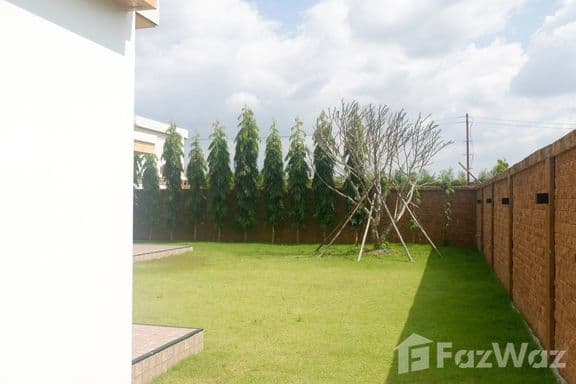
In terms of villa types, Hang Dong has everything from cozy bungalows to opulent estates. You’ll find modest 2-bedroom homes for ฿15k/month in older moo baans, standard 3-bedroom modern houses around ฿20k–฿30k, and luxurious 4-5 bedroom pool villas that can be ฿60k or more. Construction styles vary: some homes feature the contemporary “Bangkok style” with tile floors, sleek kitchens, and modern facades; others might have a touch of northern Thai design, like wooden eaves and tiled roofs. Because land is cheaper than in the city, many houses include nice extras such as sala pavilions (gazebos) in the yard, fish ponds, or orchards with mango and banana trees.
Surrounding Areas: Bordering Hang Dong, the Mae Hia subdistrict (technically in Mueang Chiang Mai District, near the airport) is another popular spot. Mae Hia has the advantage of being a bit closer to town and right near the Chiang Mai Airport and Airport Plaza Mall, yet it still hosts several quiet housing estates with rents in the 15k–30k range. It’s a good compromise for those who want suburban style but quick city access. Similarly, Nong Hoi and Pa Daet areas, just south of the Old City along the Ping River, offer some older expat-favored neighborhoods (like houses along “Big Tree Road” in Nong Hoi, known for its picturesque canopy of large trees). These are technically suburban but nearly within the city, giving another option for renters who want a house very close to downtown (prices there might be a bit higher, up to 40k for nicer homes, due to prime location).
In summary, the southern suburbs epitomized by Hang Dong provide comfortable Western-style living at Thai prices. You get space, modern amenities, and a built-in expat community. It’s an ideal area for anyone planning to stay long-term with family or simply wanting a quieter life than the city center – provided you don’t mind driving and being a bit removed from the urban buzz.
Outskirts and Rural Living (Mae Rim, San Sai, Doi Saket, Saraphi)
Beyond the immediate suburbs, Chiang Mai province offers several outskirts districts where many foreigners also rent villas, especially those looking for a more tranquil or nature-oriented lifestyle. These areas typically offer larger properties (sometimes with substantial land) and a deeper immersion in local countryside life, at the cost of some convenience. Let’s look at a few notable ones:
Mae Rim (Northwest of city): Mae Rim is a district about 15–20 km north of central Chiang Mai. It is renowned for its lush scenery – it’s the gateway to mountain attractions like waterfalls, botanical gardens, elephant sanctuaries, and the Samoeng forest. Mae Rim has long attracted both affluent Thais and expats who desire country estates or golf course living. A prominent residential area in Mae Rim is around the Green Valley Country Club, where one finds upscale housing estates and custom-built villas (some of which are available for rent). These homes can be quite luxurious, often with private pools, high fences, and manicured gardens – suitable for retirees or executives who want privacy and perhaps to play golf regularly. However, Mae Rim also offers simpler rural houses; drive along some of its smaller roads and you’ll see “House for Rent” signs on sizable but older properties, sometimes at very affordable rates (as low as ฿12k for a basic 3-bedroom on a large plot). Foreign renters in Mae Rim enjoy the cooler temperatures (it’s slightly elevated and greener), and the space – it’s feasible to rent a house with a huge yard or even a small farm. Mae Rim is also home to Prem Tinsulanonda International School, so a few expat families choose to live up here for proximity to that campus. Daily amenities in Mae Rim town include local markets, a Makro retail store, and some Western-oriented restaurants (though far fewer than in the city). It’s about a 30-40 minute drive to reach central Chiang Mai or Hang Dong from Mae Rim, which is a consideration if one needs to commute frequently. In short, Mae Rim offers a blend of luxury and rustic charm – you could be renting a high-end villa in a gated golf community, or a simple house next to rice fields with water buffalo in view.
San Sai (Northeast of city): San Sai district lies to the northeast, roughly 10–15 km from the city center. It includes the area around Mae Jo University and extends toward Doi Saket in the east. San Sai has seen quite a bit of development in recent years due to spillover from the city’s growth. Several modern housing subdivisions in San Sai (some by large developers like Land & Houses and Sansiri) cater to middle-class Thai buyers, and these often have rentals available. The Meechok Plaza area at the southern end of San Sai (near the border with the city’s San Phi Suea subdistrict) is a hotspot – it has a Rimping supermarket, restaurants, and is near the stylish Chiang Mai Bangkok Hospital facility. Around there, you can find newer houses for rent in gated communities like “Serene Lake” or “Perfect Place” which are attractive to expats who want a blend of urban and suburban life. Deeper into San Sai, towards Mae Jo, the environment becomes more rural and quiet. Rents in San Sai are generally moderate; you might find a modern 3-bed, 2-bath house for ฿18k, whereas the same might cost ฿25k in Hang Dong or city. San Sai appeals to those who want to be in the north side of Chiang Mai – perhaps they work at the university or simply prefer the less touristy, local vibe of the north. It’s also relatively convenient to reach Central Festival (one of Chiang Mai’s largest malls) from San Sai, since the district connects via the Chiang Mai – Doi Saket Road. In terms of foreign renters, you will find some retired expats living quietly in San Sai, enjoying gardening and perhaps integrating with local village life. Overall, San Sai provides affordable modern housing with a semi-rural feel and access to city-edge amenities.
Doi Saket (East): Doi Saket district is directly east of San Sai, stretching out along Route 118. It is known for its picturesque countryside, including rice paddies and small hills, and the landmark Doi Saket temple that overlooks the plain. Doi Saket is decidedly rural and peaceful. Many foreigners who choose Doi Saket are those truly looking to escape the hustle and enjoy a slower pace – artists, meditation practitioners, or simply those who love nature. It’s not uncommon for a foreigner to rent a house in Doi Saket and have enough land for an organic garden or even a hobby farm. Houses for rent here can be very inexpensive relative to size; for example, one might find a simple country house for ฿8,000–฿10,000 per month. There are also a few boutique villa properties – occasionally, a beautifully designed Lanna-style villa or modern home with a pool comes up for rent, aimed at long-term expats who cherish solitude. Keep in mind, Doi Saket lacks the convenience of city life: only basic shops and local markets are available (though a drive to Central Festival mall might be 20-25 minutes). A car is absolutely necessary for living out here, as public transit is minimal. That said, the main highway is well-paved, and one can drive into the city without too much trouble outside of rush hours. Foreign renters in Doi Saket often form their own little communities or circles, meeting at the local market or a handful of Western-style cafes that have popped up along the highway. This area best suits retirees or remote workers who prioritize tranquility and space over quick access to city attractions.
Saraphi (South/Southeast): Heading south and east of central Chiang Mai, across the Ping River, lies Saraphi district. This area is sometimes overlooked, but it offers lovely semi-rural living very close to town. The landscape of Saraphi includes quiet lanes lined with longan fruit orchards, Buddhist monasteries, and the gentle Ping River winding through. Several colonial-style and traditional teakwood villas are hidden in Saraphi, some of which have been converted to homestays or are available for rent. The appeal of Saraphi is that one can enjoy a country atmosphere (with chirping birds and perhaps a river breeze) while being only a 15-minute drive from the Night Bazaar or Airport. Rents in Saraphi are comparable to San Sai: moderately priced, with good value for larger homes. A 3-bedroom house with a big yard might go for ฿20k monthly here. Saraphi doesn’t have gated communities to the extent Hang Dong does, but it has a handful of upscale developments and many individual homes. Notably, along the river and some of the old highways, you’ll find large properties – these might belong to Thai families historically, but some are put up for rent when owners are not using them. Expats drawn to Saraphi include those working in the city who prefer to live in a green environment, and some retirees. There are a few international schools toward the south (one campus of Varee International School, for example), which could make Saraphi a quiet alternative to Hang Dong for families (though school options are fewer). Amenities are improving; Saraphi has small supermarkets and is close to Promenada Mall (an eastern shopping center), though that mall is quieter than others. In essence, Saraphi offers serene riverside or country living on Chiang Mai’s doorstep.
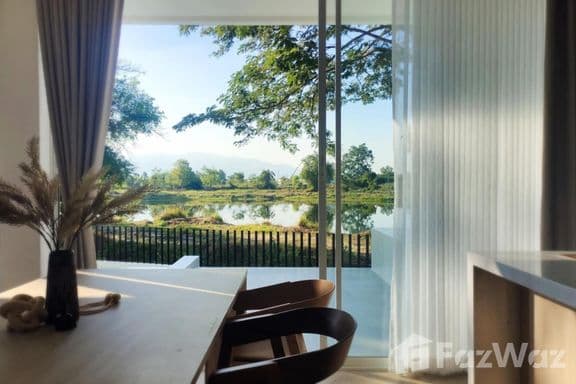
Across all these outskirts areas, a common theme is that villa types vary from rustic to luxurious – you can often get either a very local-style house (perhaps without Western kitchen or with older fixtures) at a low price, or find a hidden gem like a designer villa built by an expat who has since relocated, at a higher price point. Internet connectivity in these areas is generally good (fiber lines have extended even to many rural villages as of 2025), but always verify if high-speed internet is installed or can be installed at a given house if you plan to work from home. Also, living further out means you must plan for transportation, healthcare (you’ll travel to the city for major hospitals), and possibly language barriers (fewer English-speaking service people around). Many foreign renters absolutely love the outskirts for the authentic Thai community feel and natural beauty – waking up to mountain views or tending a garden can be a dream come true – but it’s a lifestyle best suited for the independent and adaptable.
Typical Villa Types and Features in Chiang Mai
The term “villa” in Chiang Mai can refer to a range of detached house styles. Here’s what foreign renters can typically expect in terms of villa types and their features:
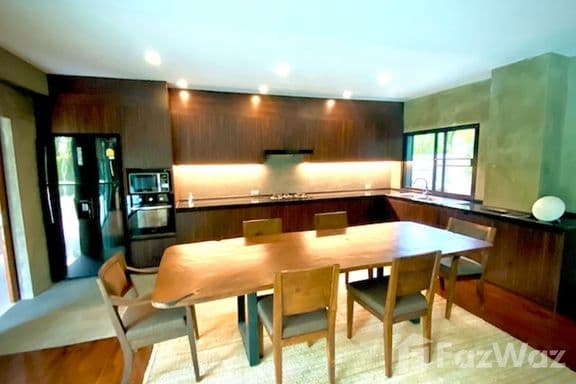
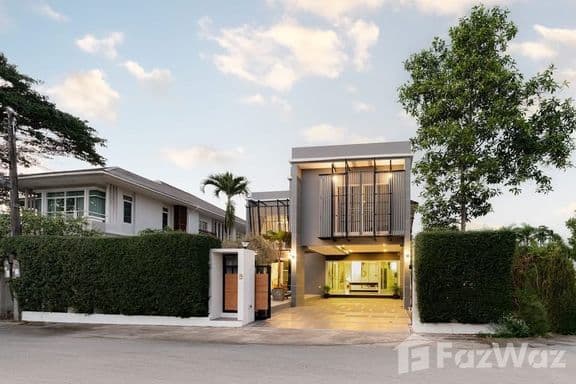
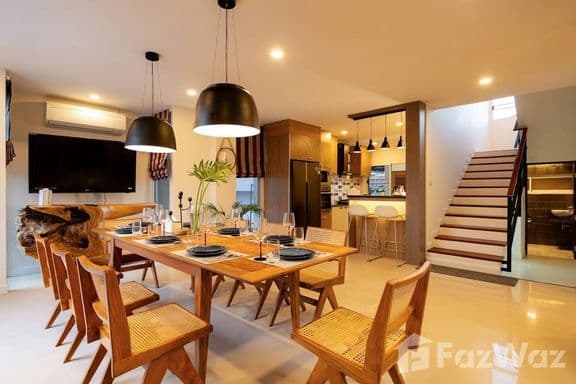
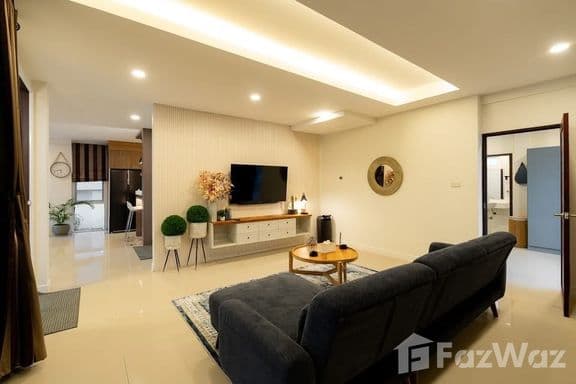
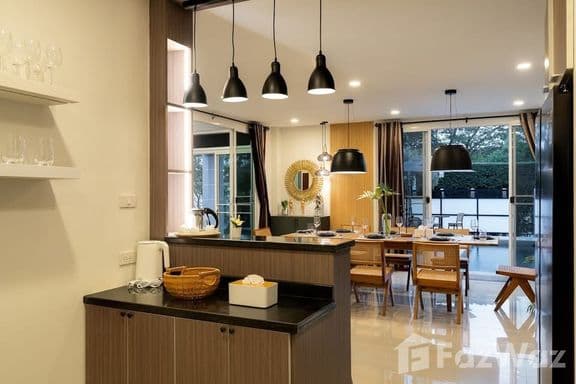
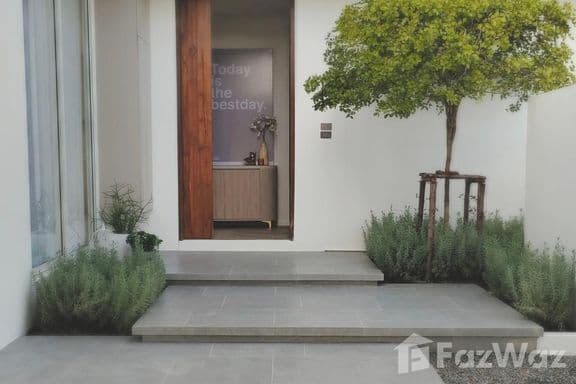
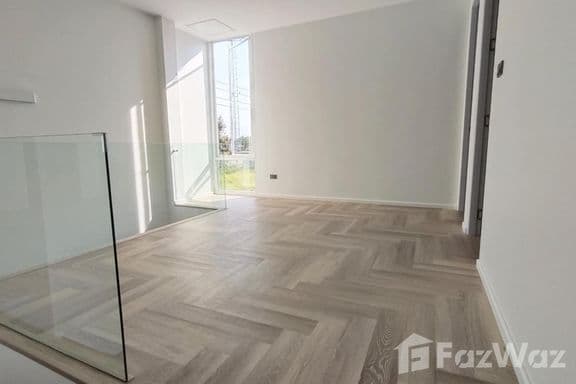
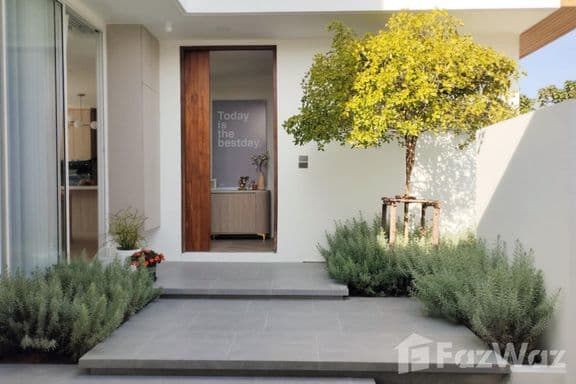
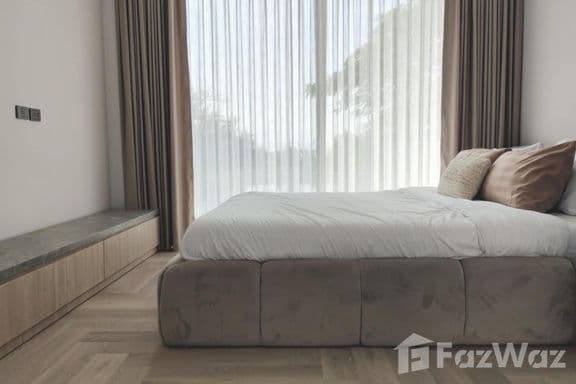
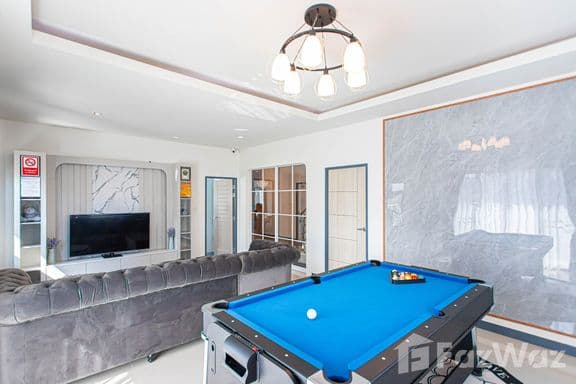
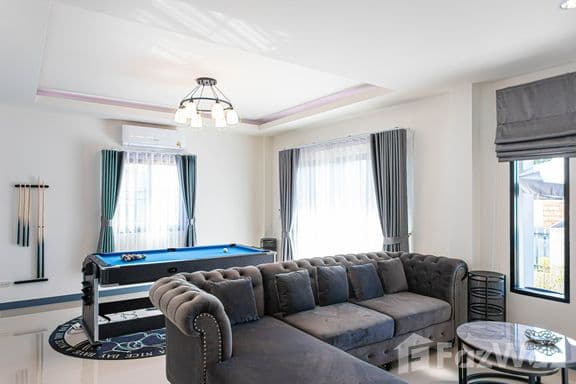
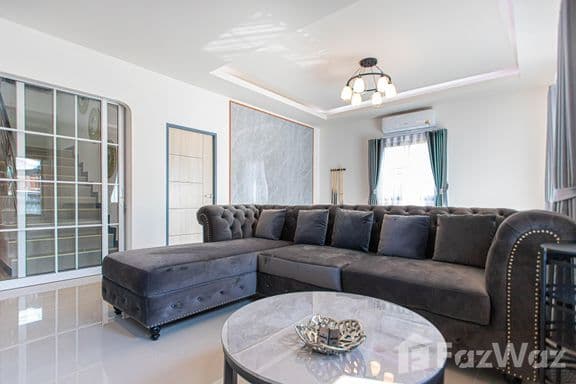
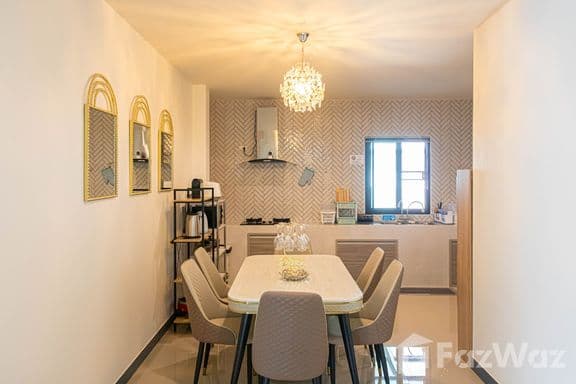
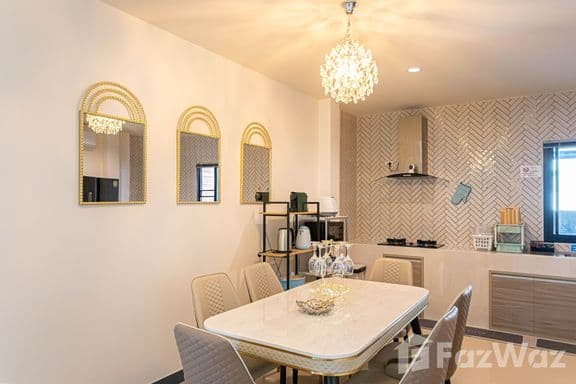
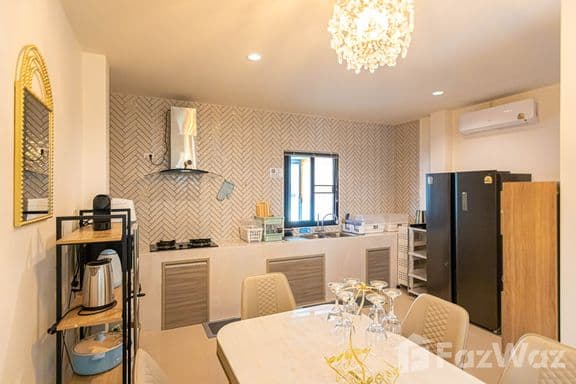
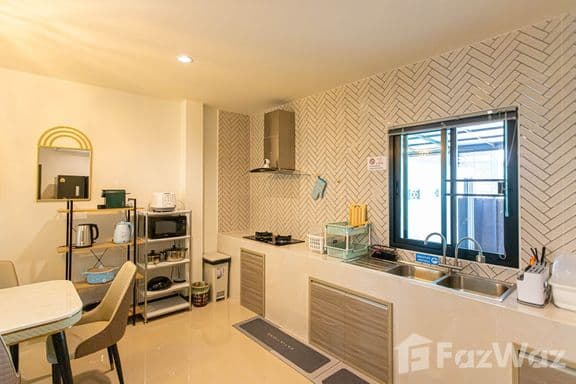
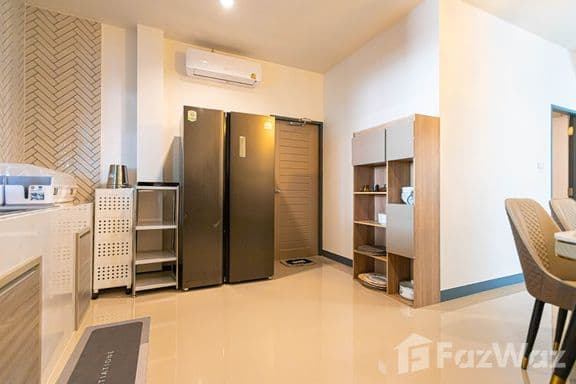
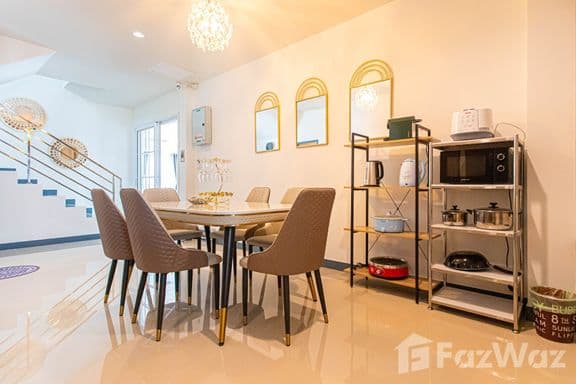
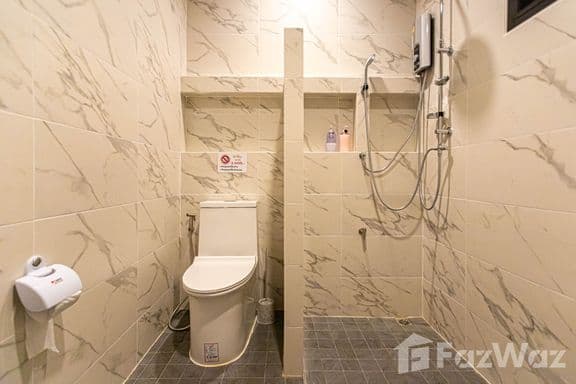
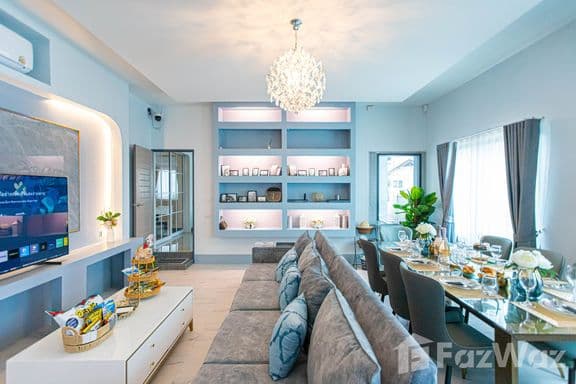
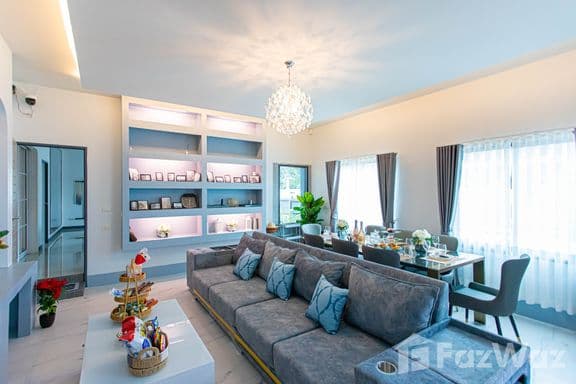
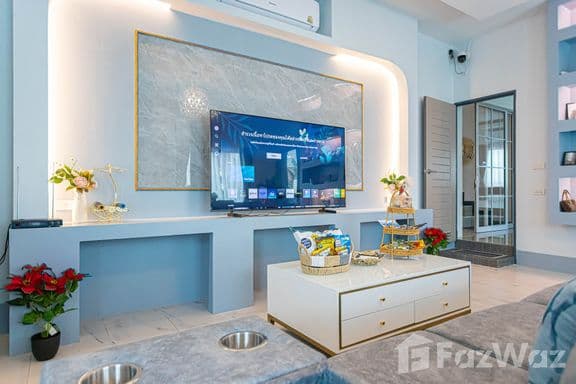
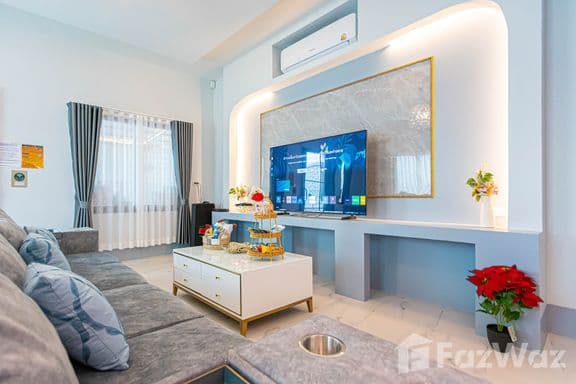
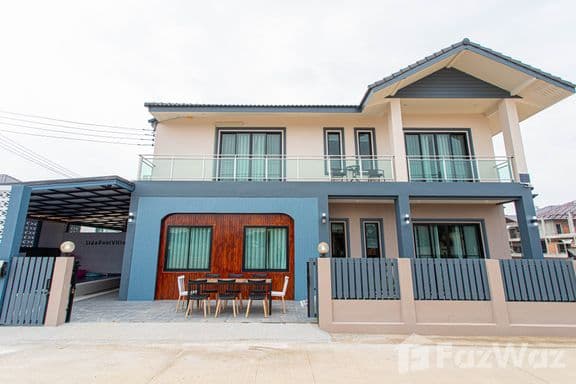
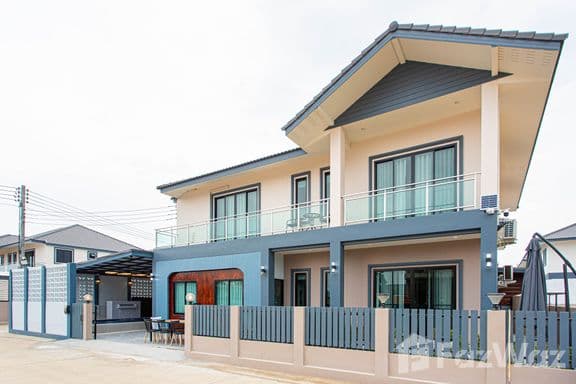
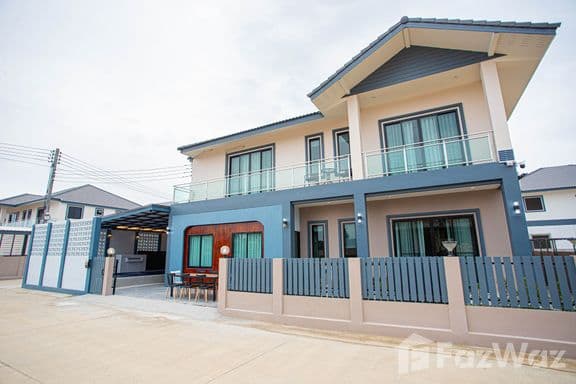
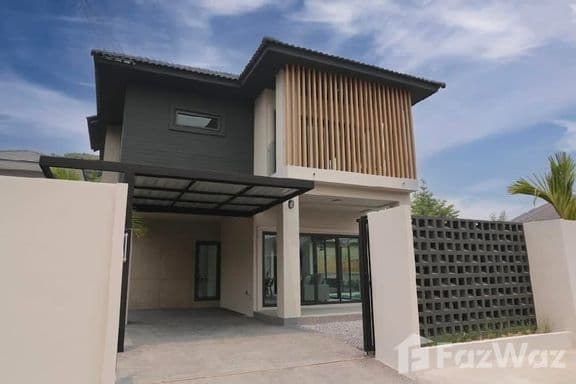
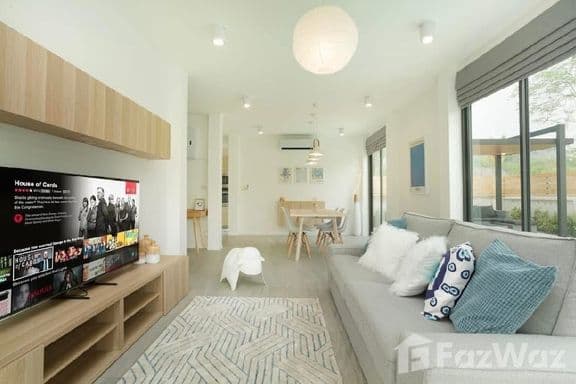
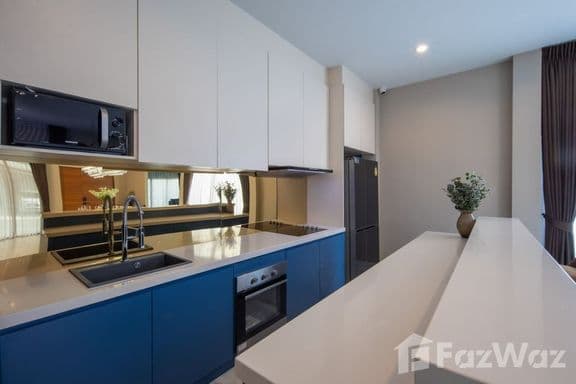
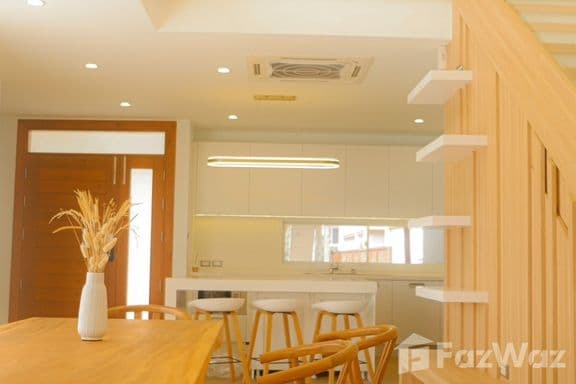
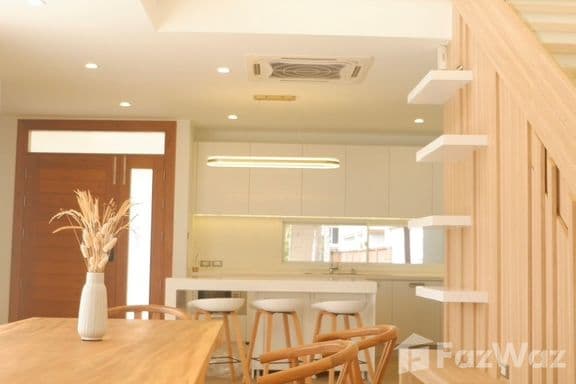
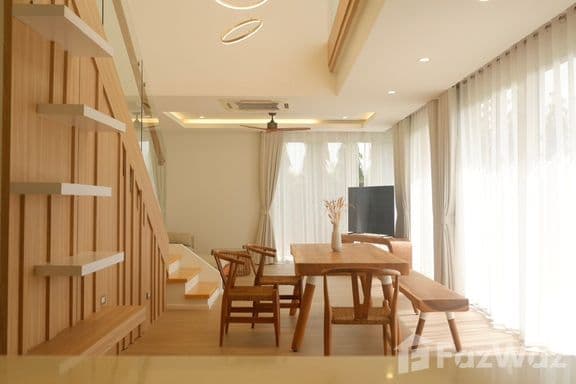
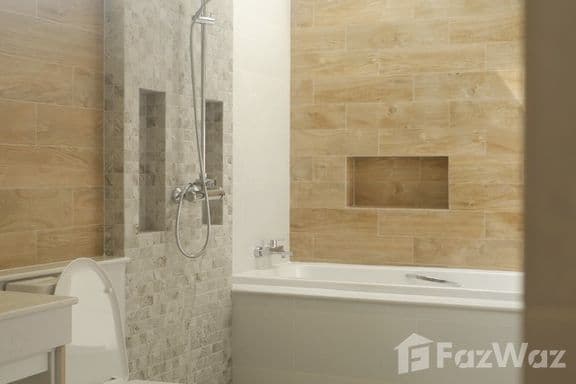
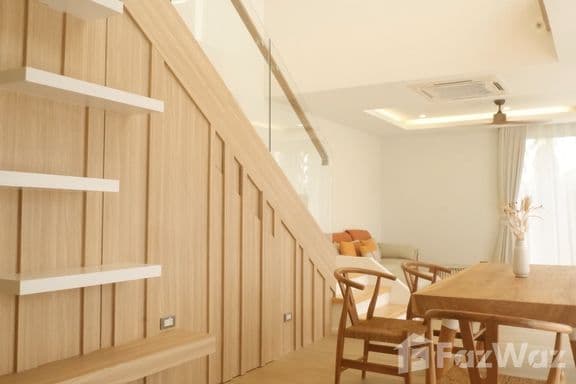
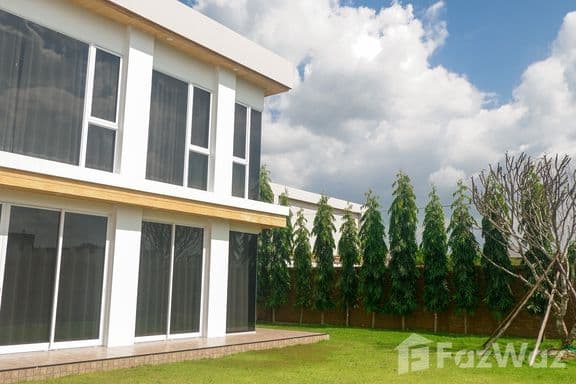
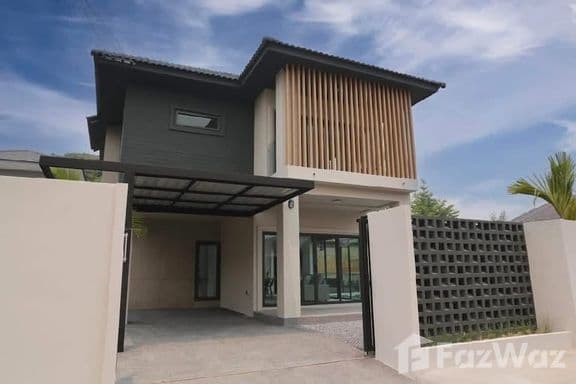
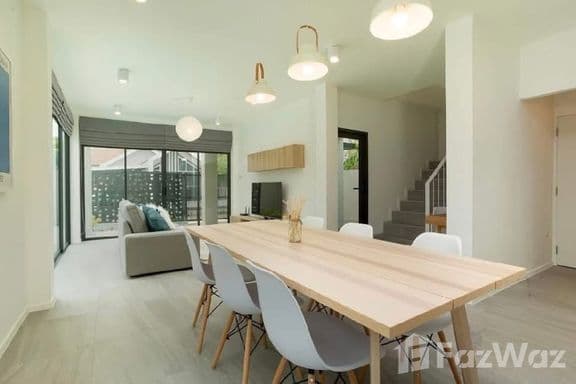
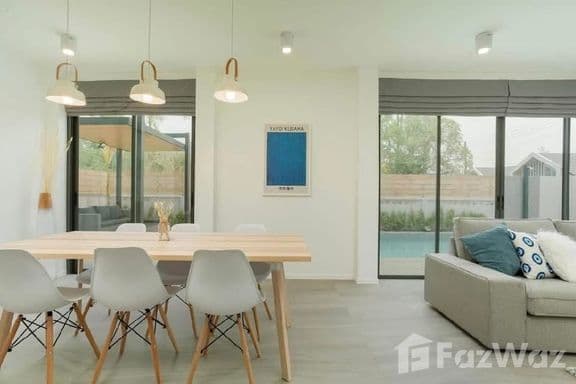
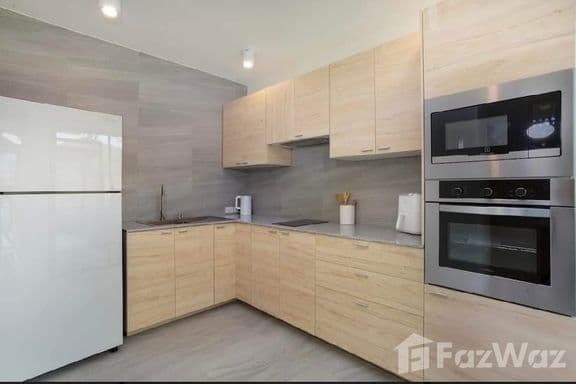
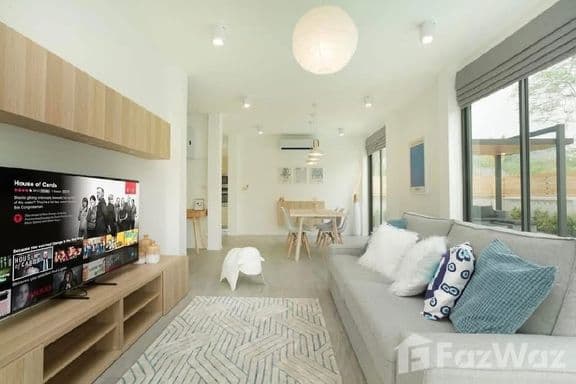
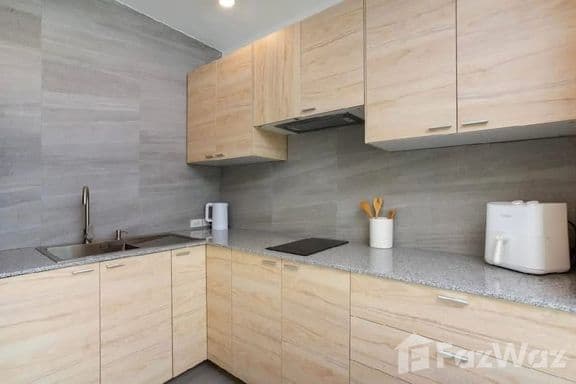
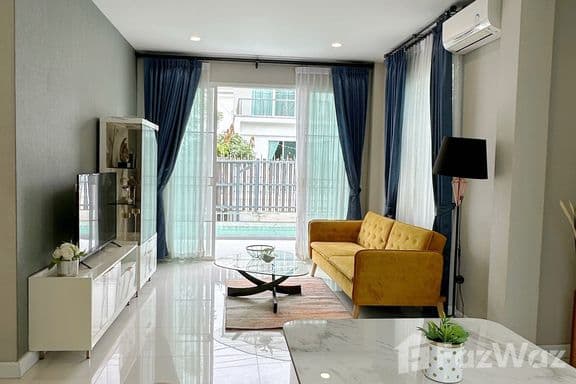
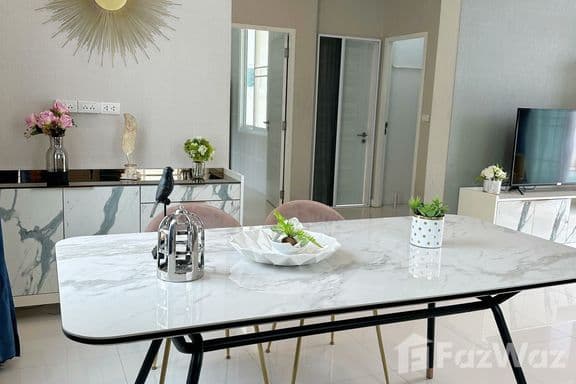
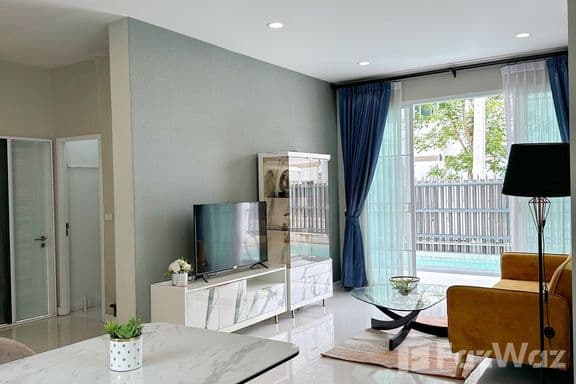
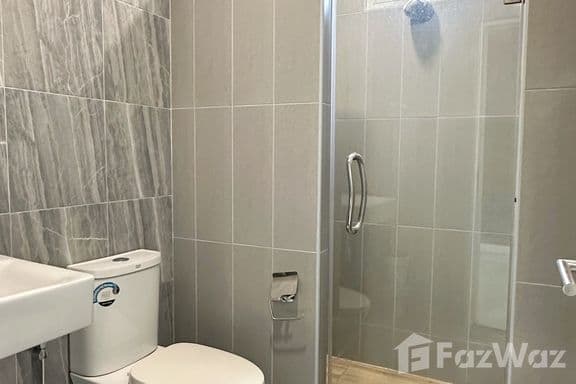
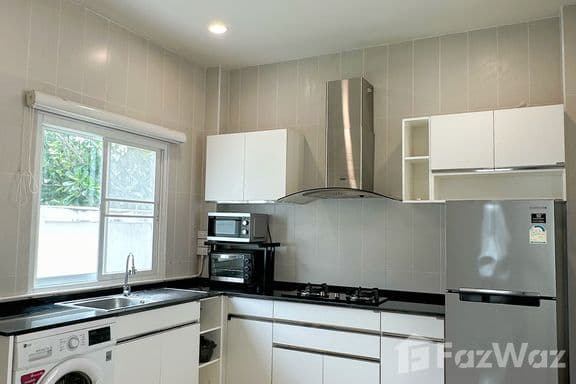
- Modern Gated Community Houses: A large portion of rental villas are within planned developments (moo baans). These houses often have a modern, Western-influenced design. Commonly they are 2-story homes with 3 or 4 bedrooms, tiled floors, plastered walls, and a modest yard. They usually come fully furnished or partly furnished (basic furniture and appliances provided). Features often include air-conditioning units in the bedrooms (and sometimes living areas), Western-style kitchens (with stovetop, microwave, fridge; an oven is less common but higher-end homes might have one), and hot water heaters in the bathrooms. The build quality can range from basic to high-end; upscale ones have higher ceilings, better insulation, and imported fixtures. In gated communities, you’ll also benefit from uniform maintenance of roads and possibly recreational facilities as mentioned earlier.
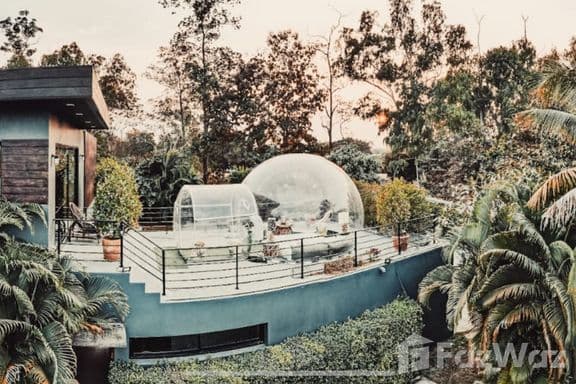
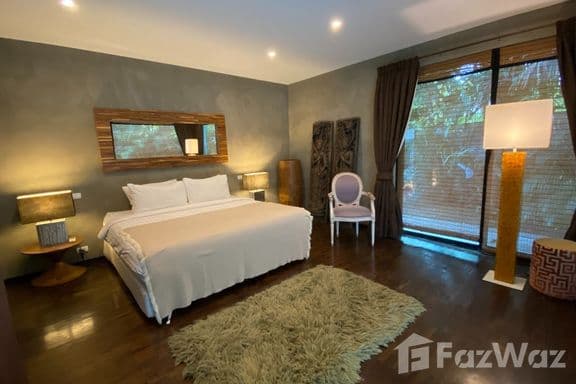
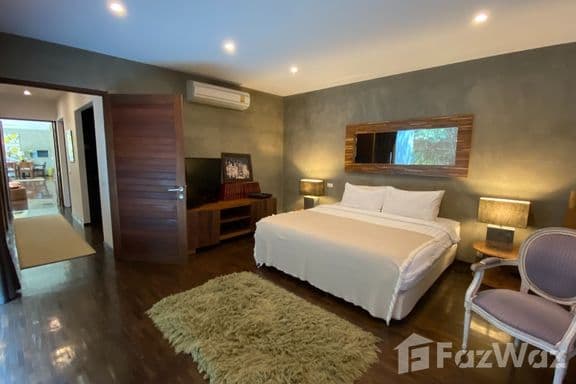
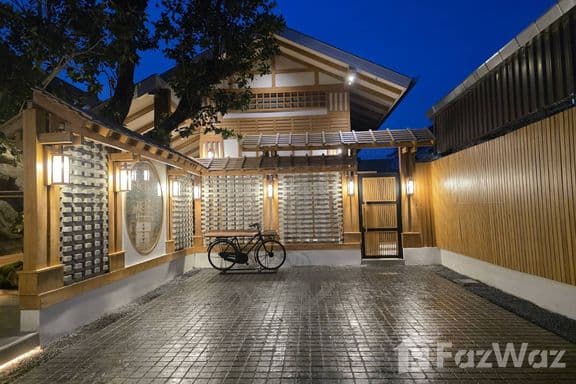
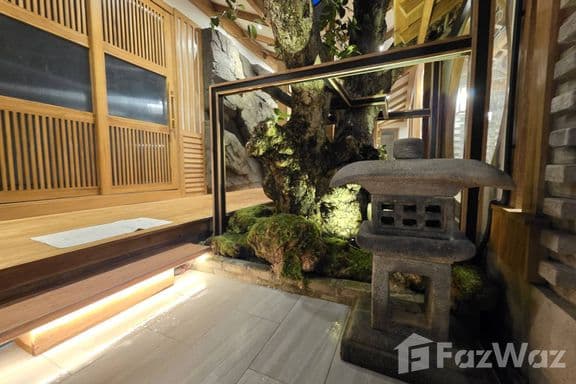
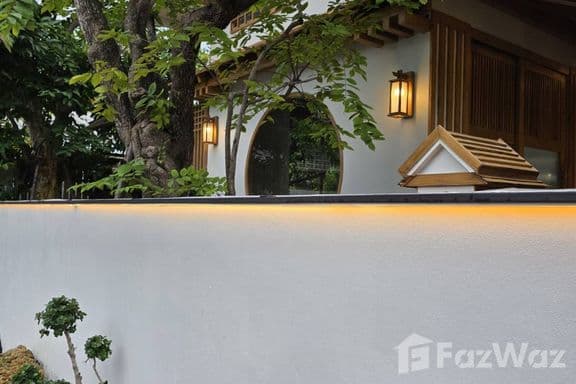
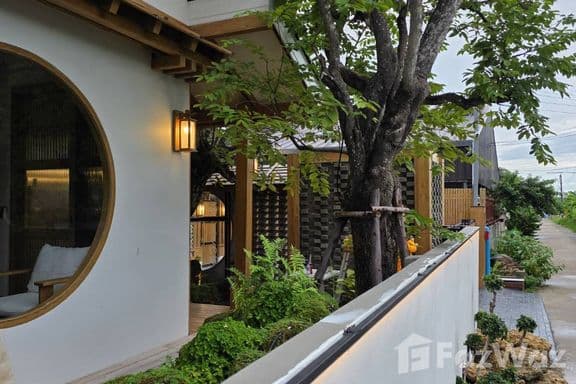
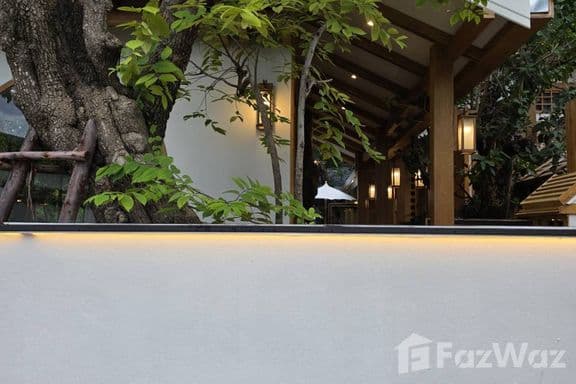
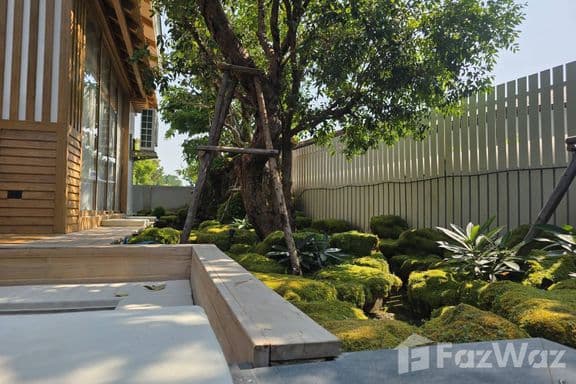
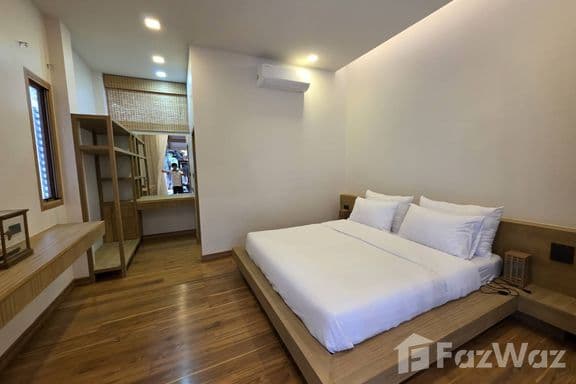
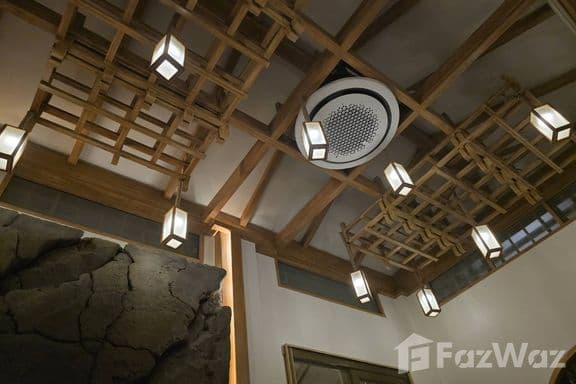
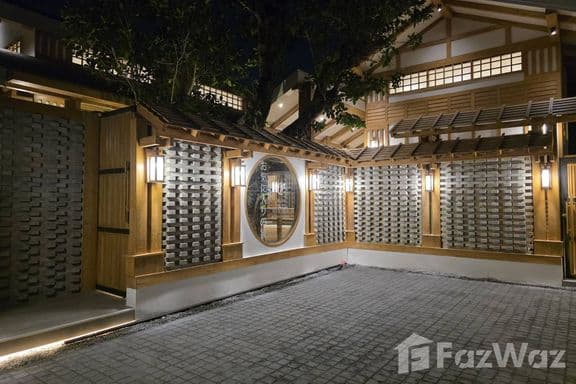
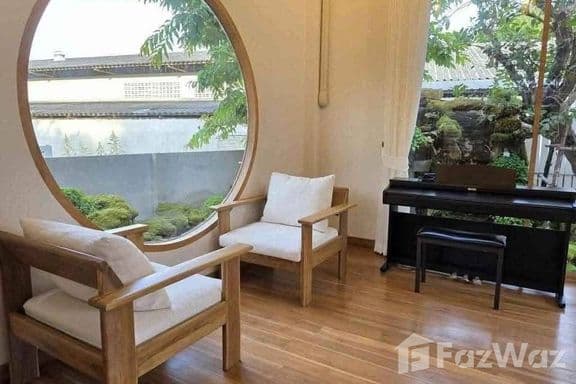
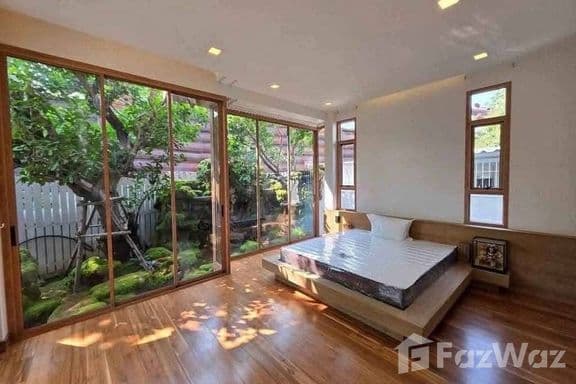
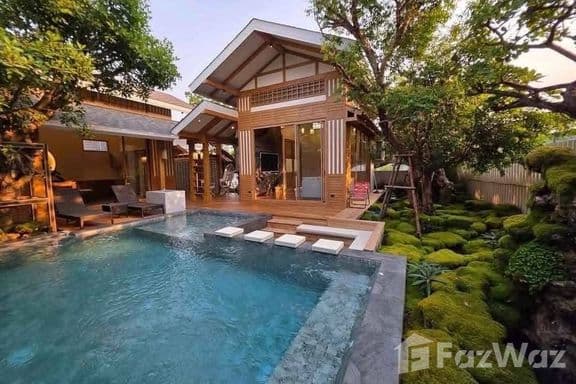
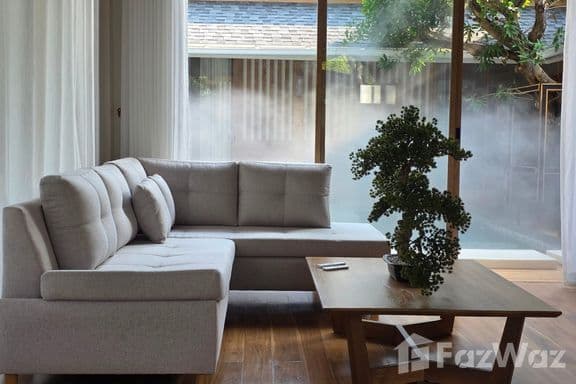
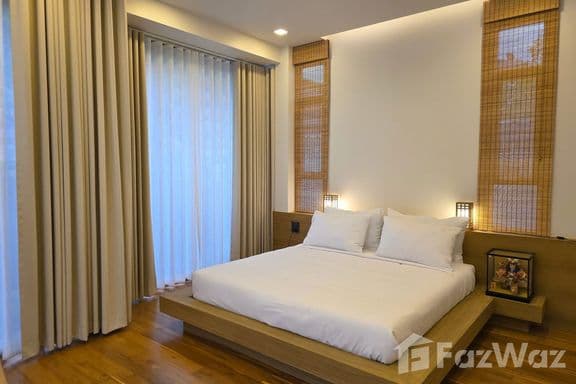
- Traditional Lanna/Thai-Style Villas: Some renters seek out the charm of a traditional Northern Thai house. These might be teak wood villas with intricate carvings, often raised on stilts with a lower open area and an upper living area. Inside, these houses have wooden floors and a distinct aesthetic – they stay cool naturally but might not be as airtight (meaning potential for a few insects or dust, and they may lack built-in air-con in every room unless retrofitted). Renting a classic Lanna house offers ambiance and a cultural experience; they are often found in the older parts of town or semi-rural settings. Landlords of such houses often furnish them with rattan or hardwood furniture to match the style. Be prepared that “character” comes with quirks: older wiring (you may not be able to run too many appliances at once), occasionally weaker water pressure, etc. Still, many expats adore these for their beauty. A subset of these are “resort villas” – essentially houses that look like those in boutique resorts, sometimes part of a small compound. They may have lush gardens and a very tropical feel.
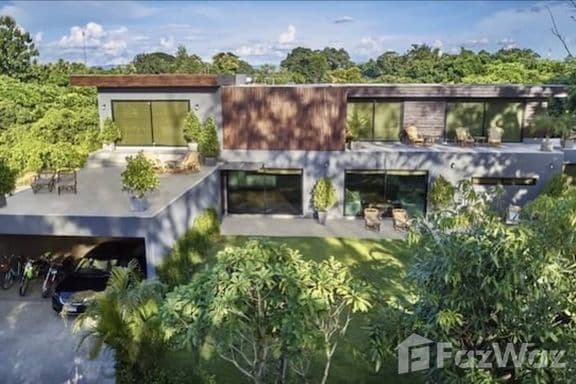
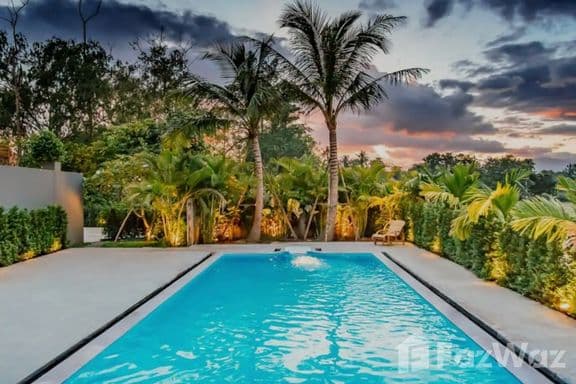
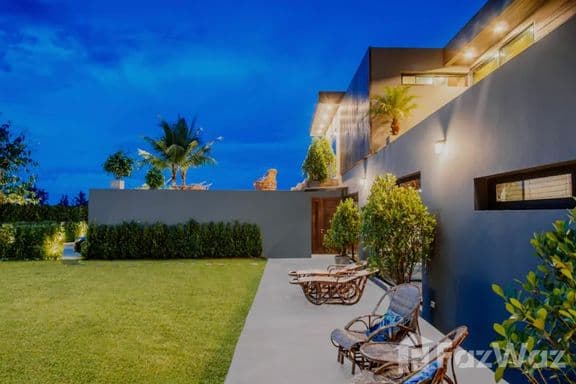
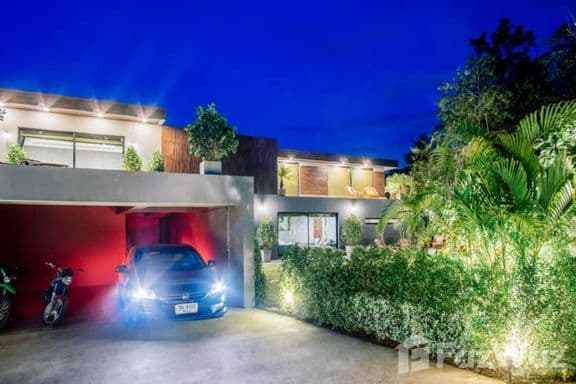
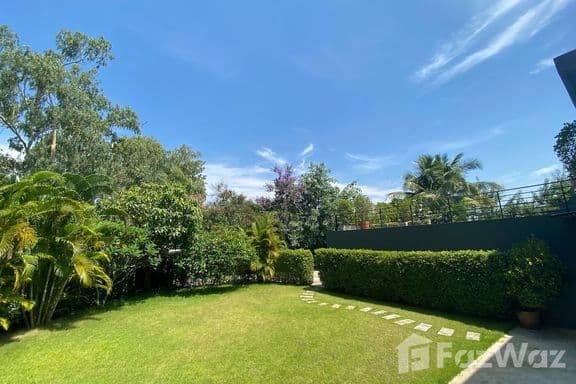
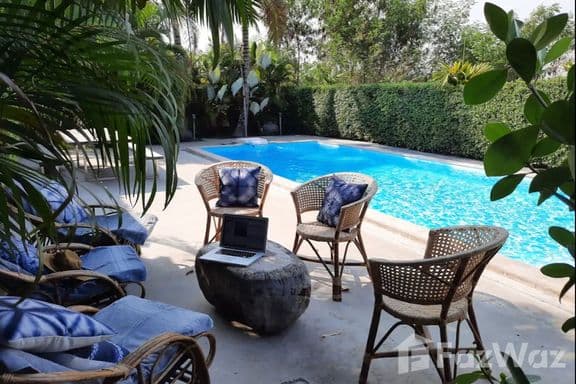
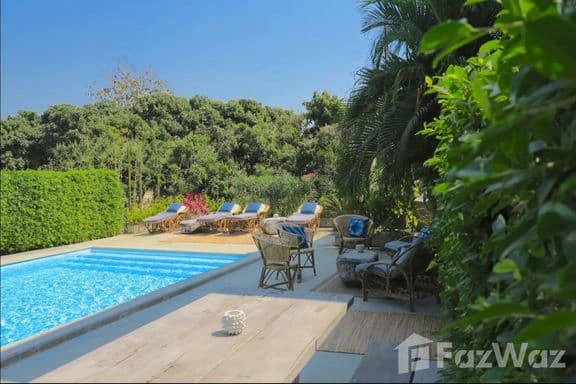
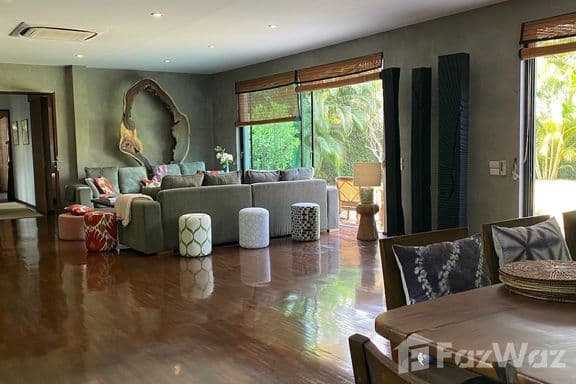
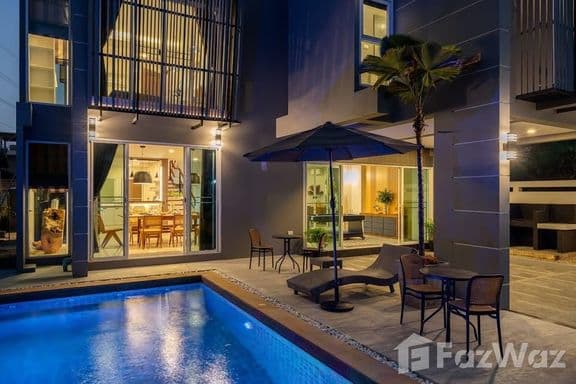
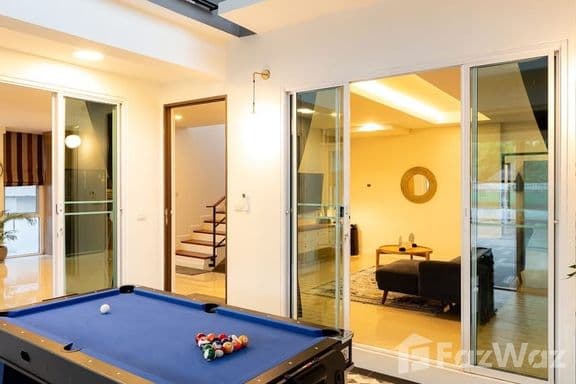
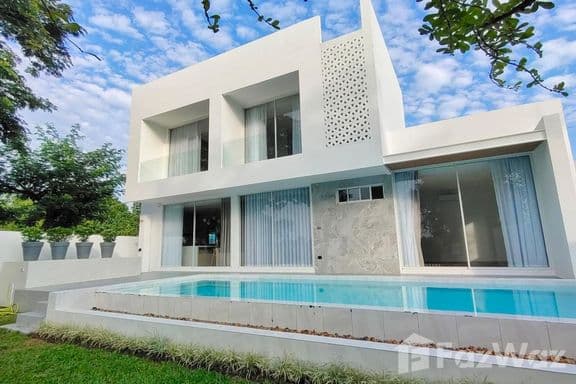
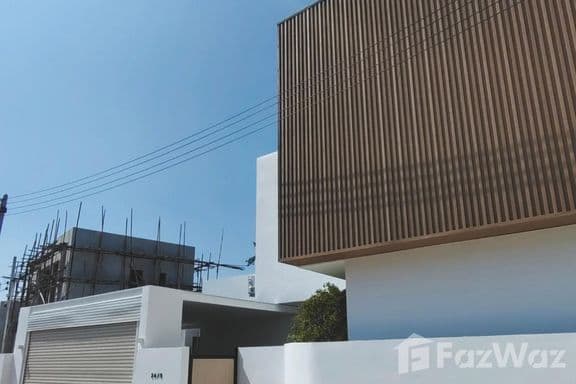
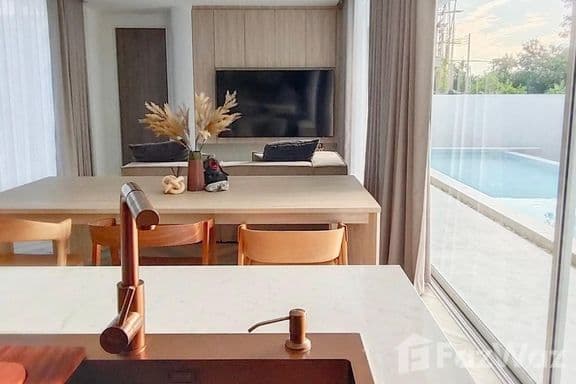
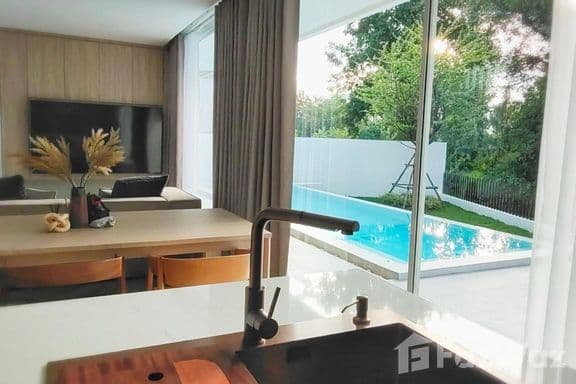
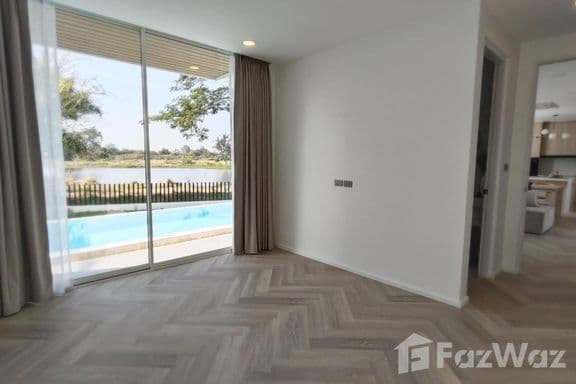
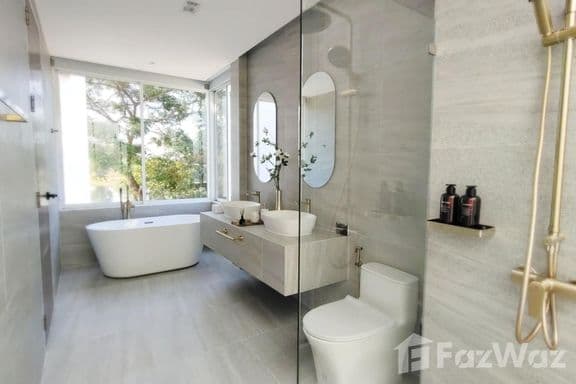
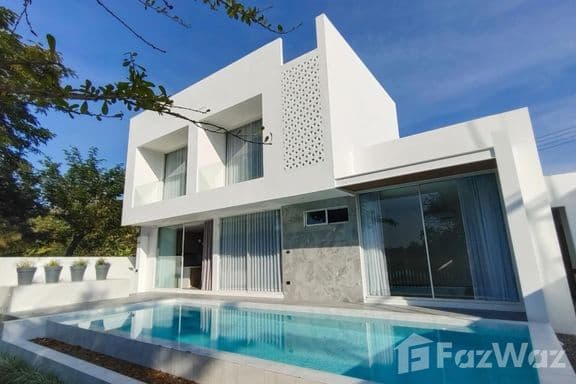
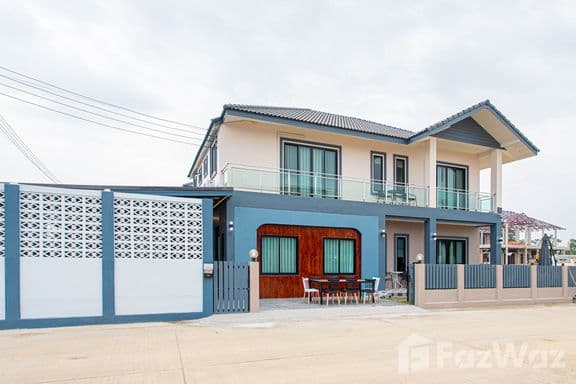
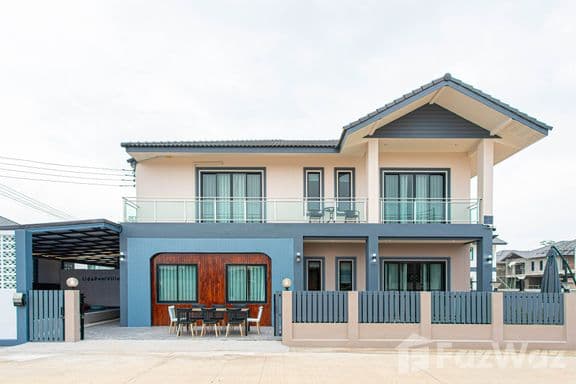
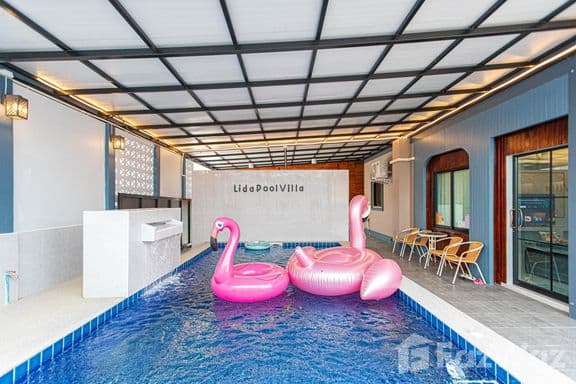
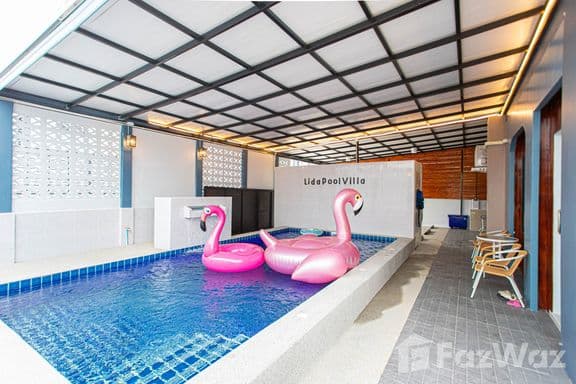
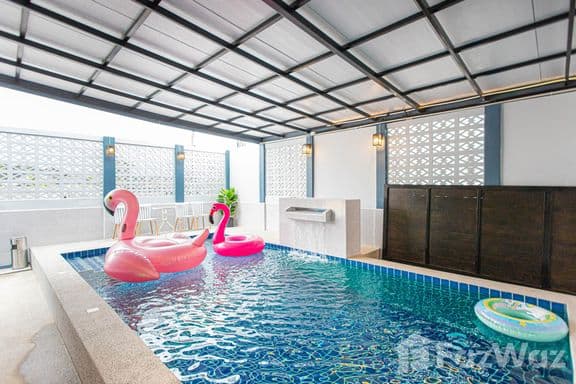
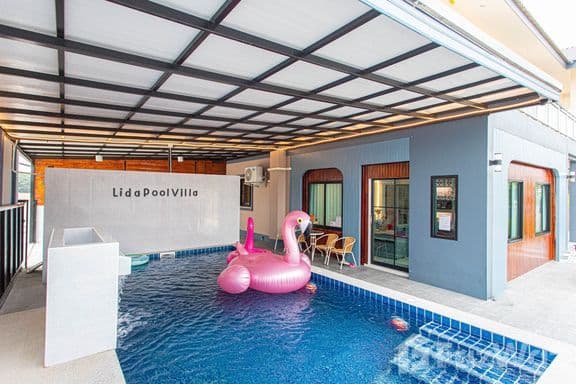
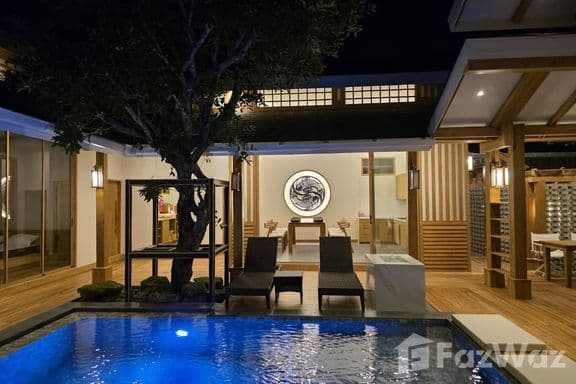
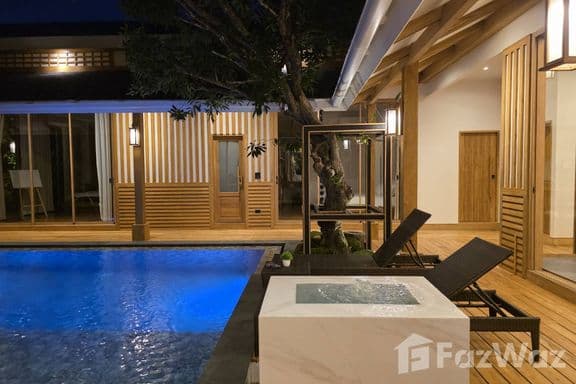
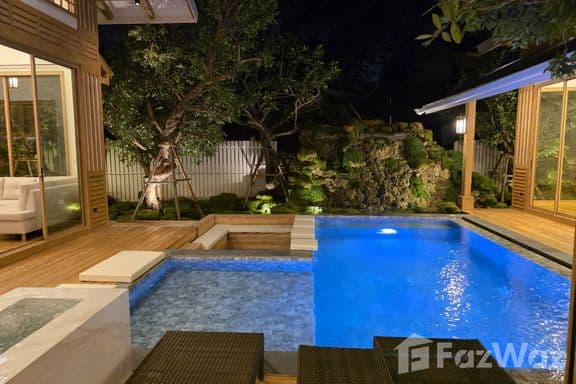
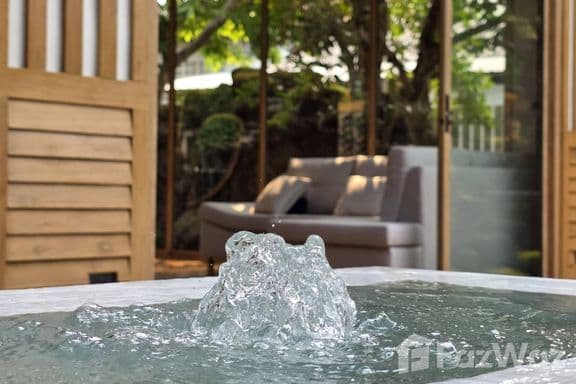
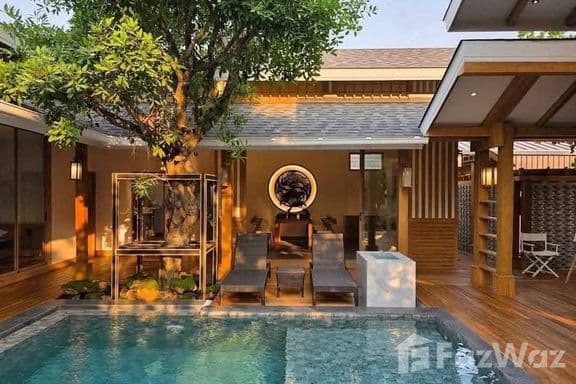
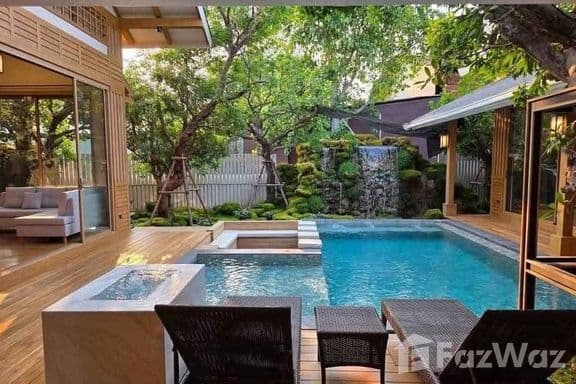
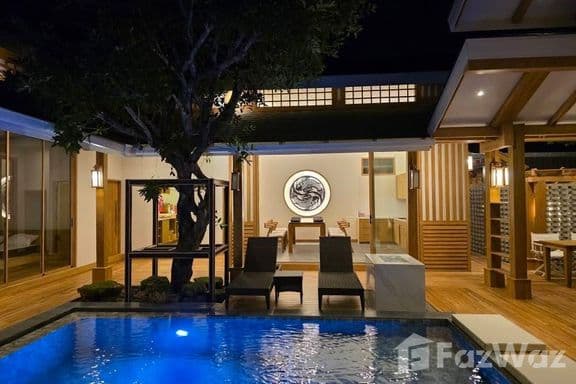
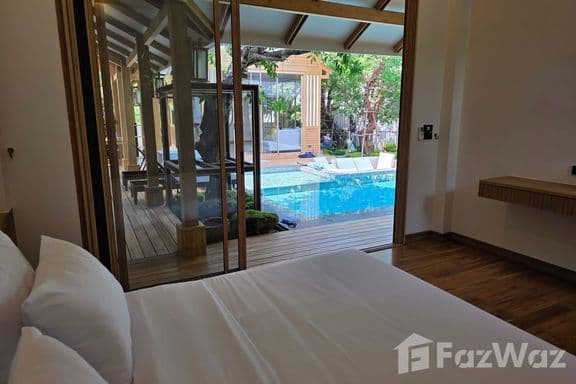
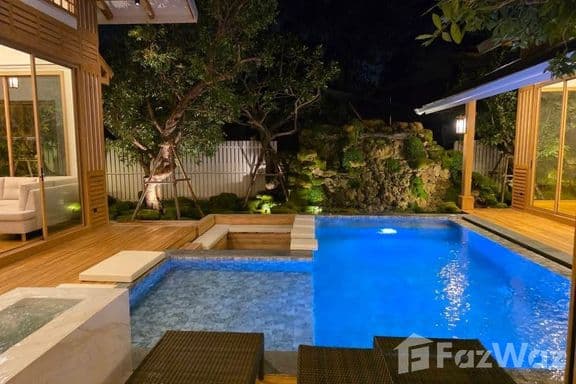
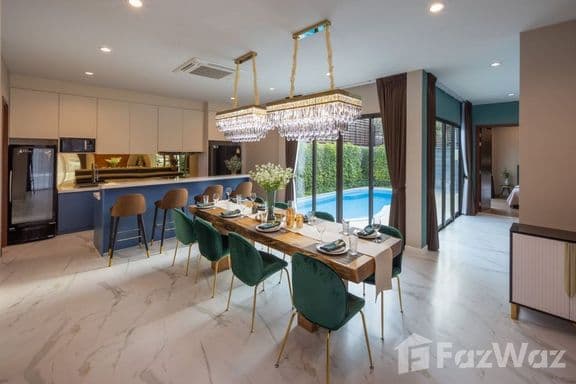
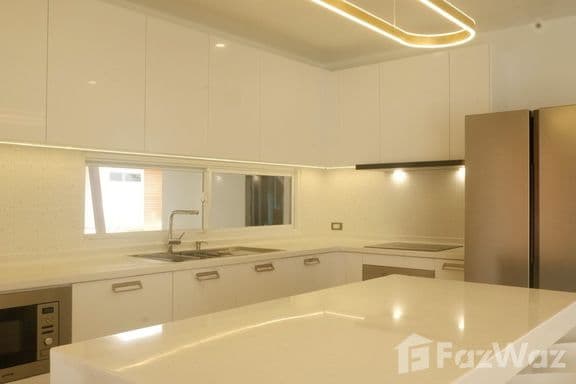
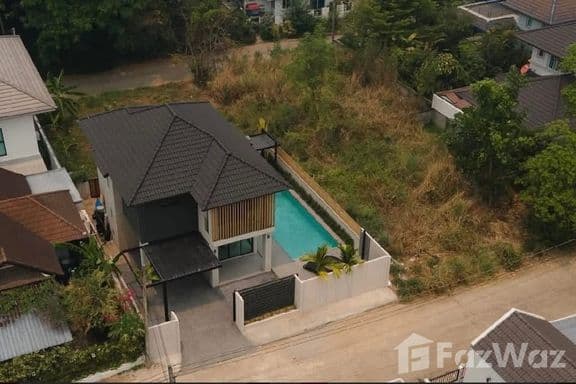
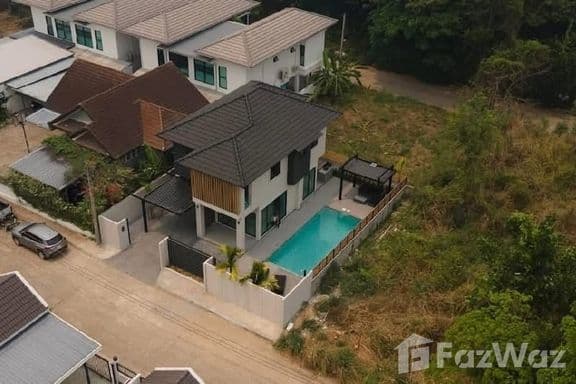
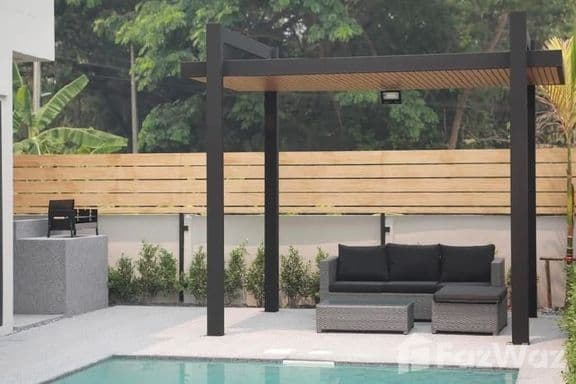
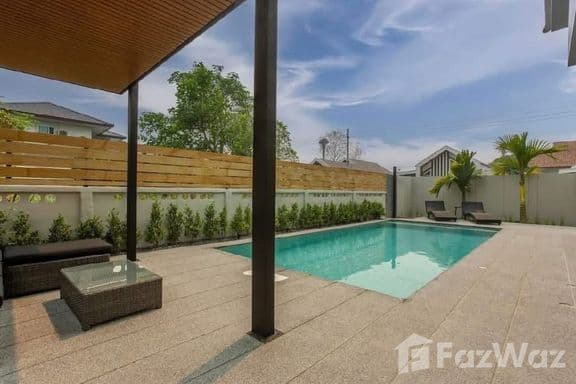
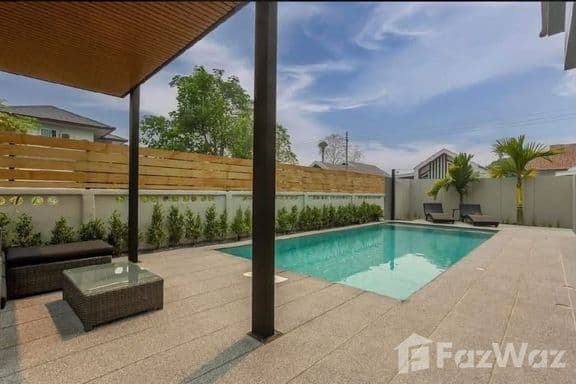
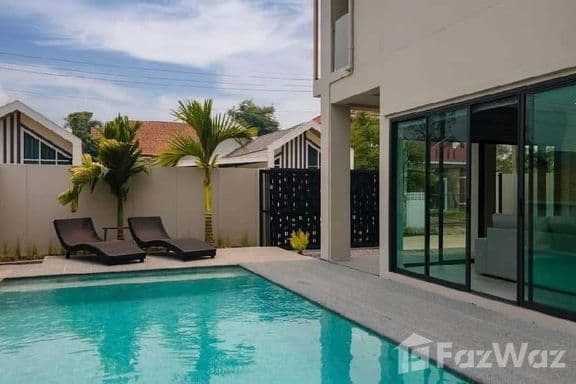
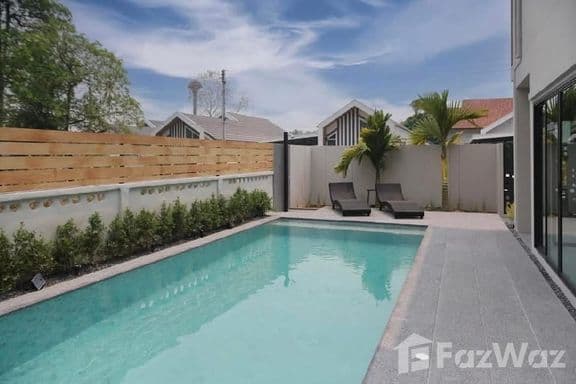
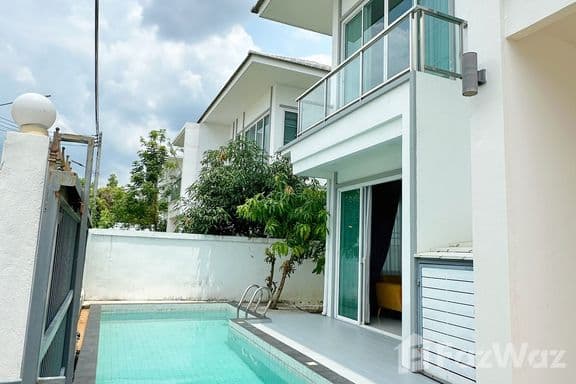
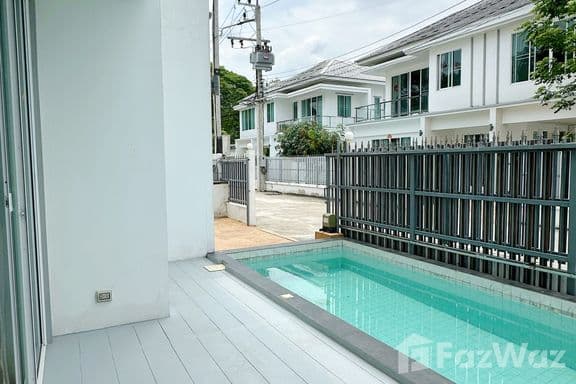
- Luxury Pool Villas: At the top end of the market, Chiang Mai has a selection of truly luxurious villas. These are often large, custom-built homes owned by wealthy Thais or foreign investors. They can be found in enclaves of Hang Dong, Mae Rim, or even quiet pockets of the city. These properties often feature a private swimming pool, high walls for privacy, expansive gardens, multiple living rooms or entertainment areas, and 4-6 bedrooms. Interiors might include marble or hardwood floors, full Western kitchens with an island and dishwasher, bathtubs or even jacuzzis in master baths, and stylish decor. Some luxury rentals come with extra services – for instance, the owner might include weekly pool cleaning or even a housekeeper who comes a few times a week (for an added fee). Renting such a villa can cost as much as a high-end apartment in Bangkok, but you get an entire estate for yourself. This category mostly appeals to executives, diplomats, or multi-generational families, or sometimes as a short-term luxury holiday rental.
- Townhouses and Duplexes: While not “villas” in the strict sense, foreigners might also encounter townhouses or twin-houses (duplexes) for rent, which can be an economical step between condo and villa. These are typically 2- or 3-story attached homes, narrow but with multiple bedrooms, often located in urban or peri-urban areas. They have less outdoor space (maybe a small patio or carport), but can still provide a comfortable living for a small family. The rent for townhouses is usually lower than for detached houses in the same area. Many are found in the city and the outskirts like around the Superhighway or near local markets.
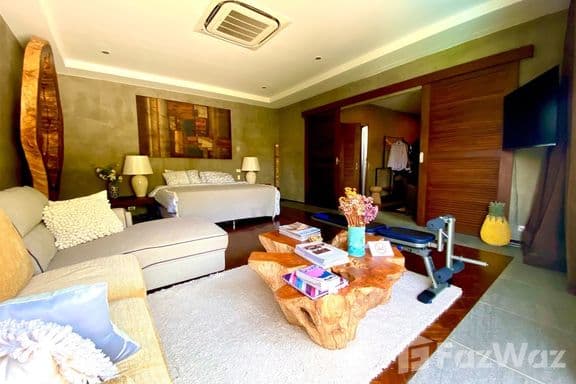
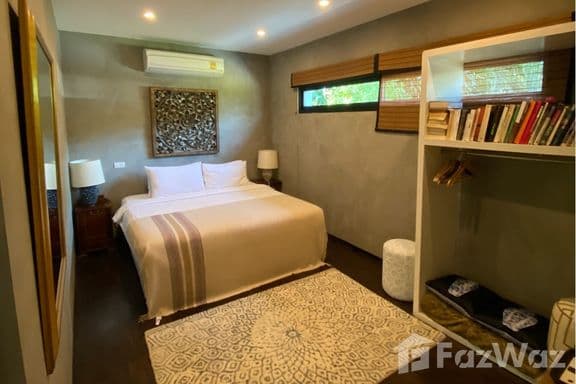
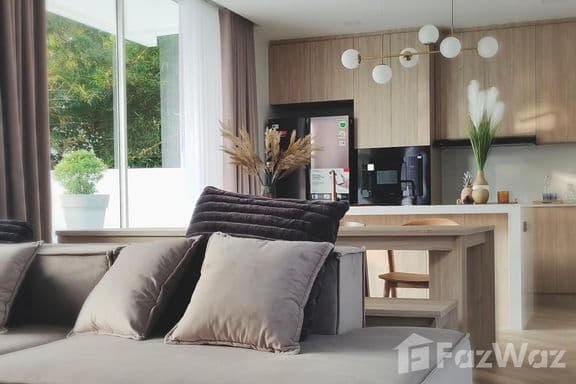
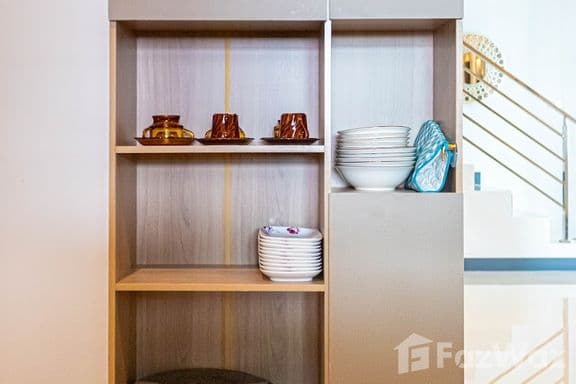
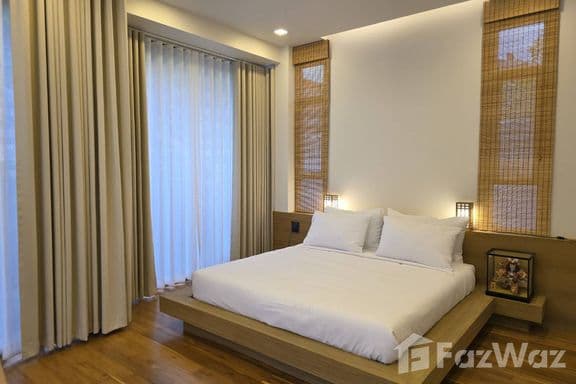
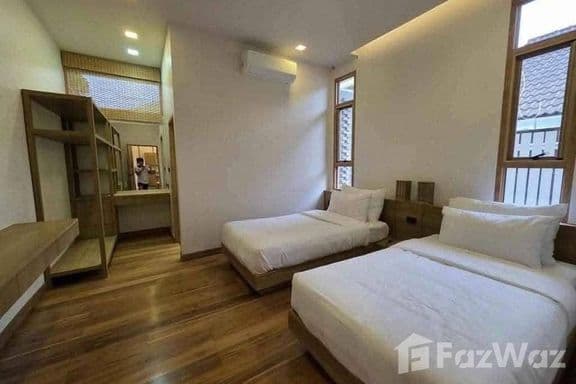
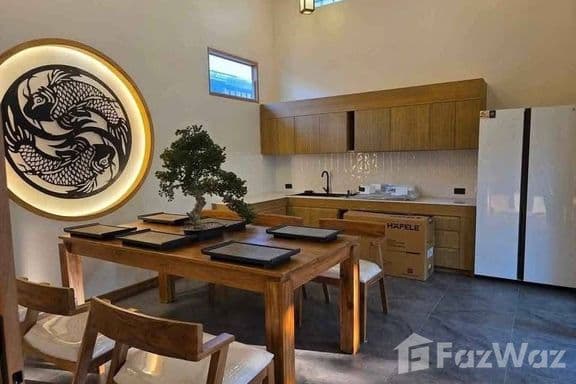
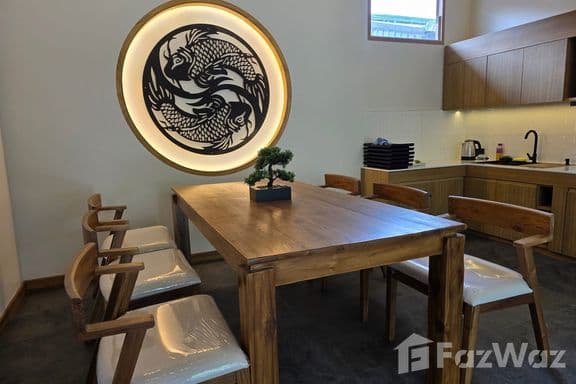
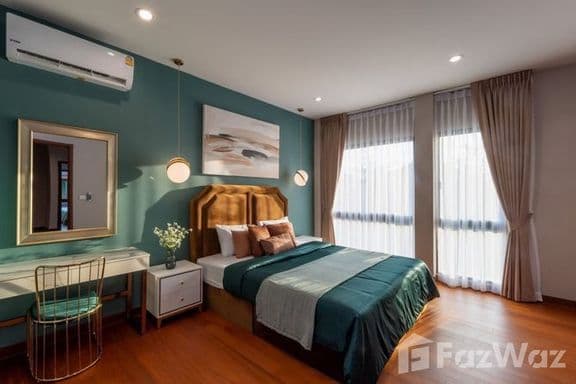
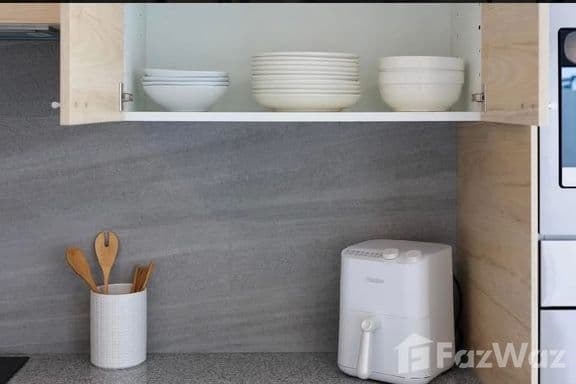
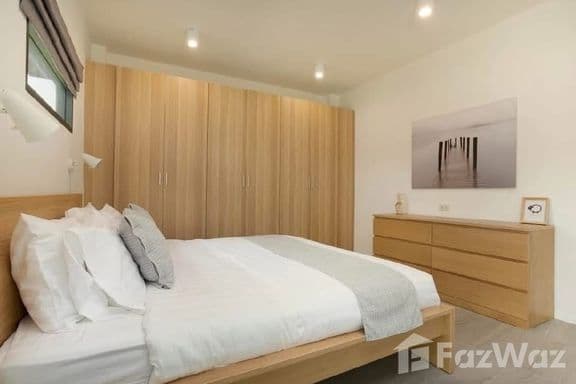
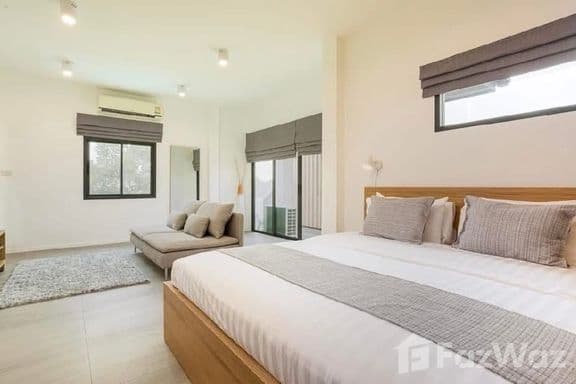
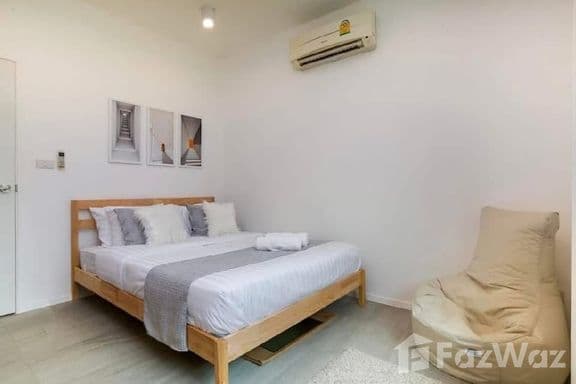
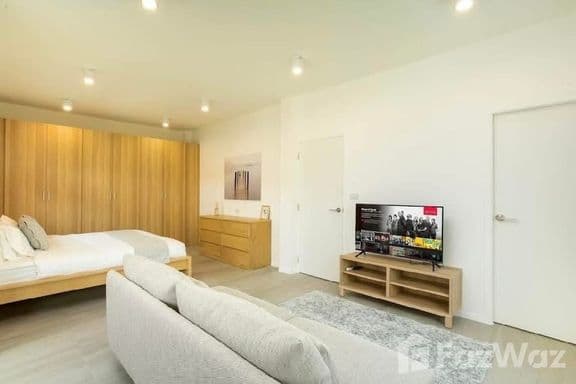
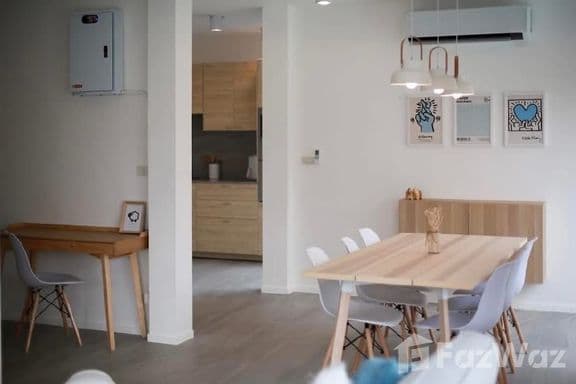
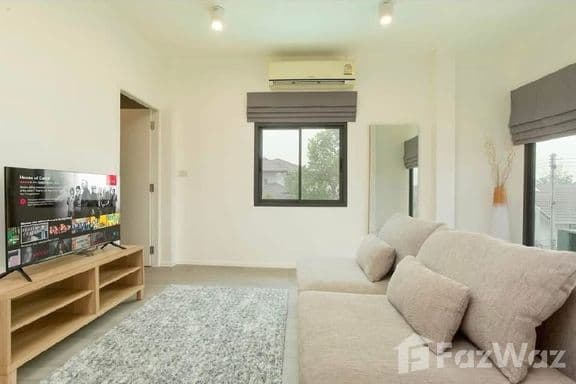
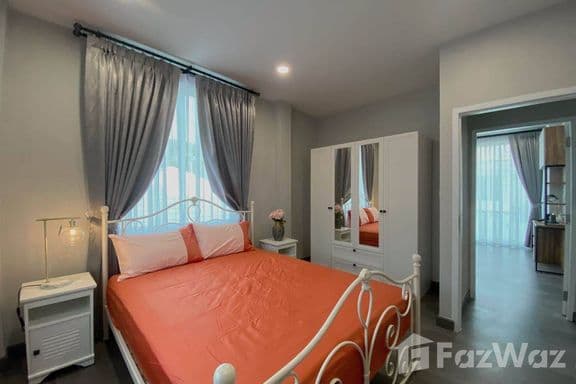
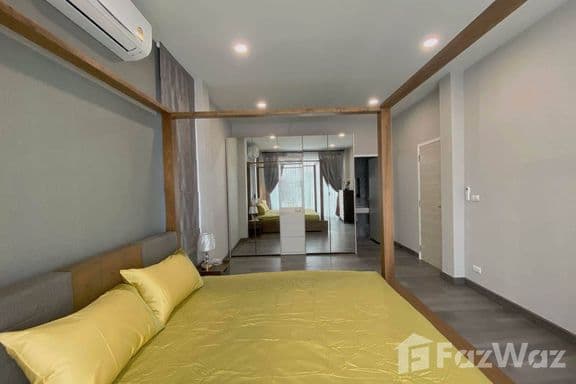
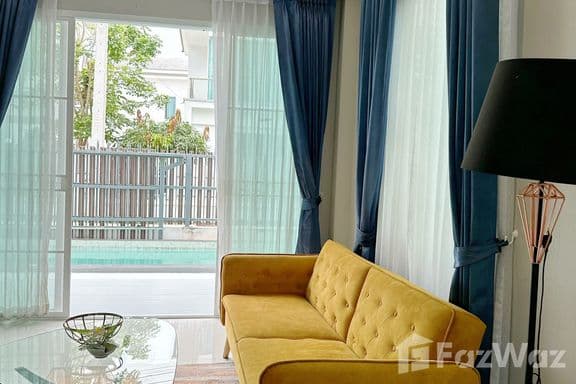
Regardless of type, furnishings and appliances are a critical aspect for foreign renters. Most rentals geared towards foreigners in Chiang Mai are offered furnished. This typically includes: beds and wardrobes in bedrooms, a sofa and dining set in living areas, basic cooking appliances (stovetop or portable electric burners, microwave, refrigerator), a washing machine, and often a television. Not all houses include dryers or dishwashers – those are considered luxury appliances in Thailand, as the climate allows air-drying laundry and many locals wash dishes by hand. If those are important to you, you may need to seek higher-end rentals or negotiate/arrange to install your own.
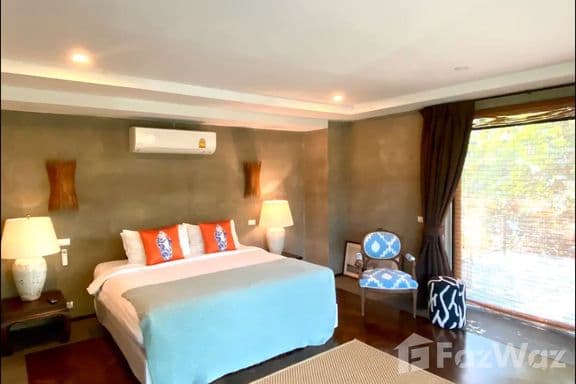
Air conditioning is present in the vast majority of expat-oriented rentals, at least in the bedrooms. Some houses might not have AC in the living room – something to check if you plan to spend a lot of daytime at home, as it can get warm in the hot season. Houses are generally equipped with ceiling fans as well, and screen windows to help with ventilation and keeping mosquitoes out.
Internet and utilities: As mentioned, broadband internet is widely available. It’s common for tenants to set up their own internet contract (for long-term leases), with choices of several providers (AIS, 3BB, etc.) offering fiber service (100–1000 Mbps plans). The cost is modest (around ฿600–฿1000 per month for robust plans). If you are working from home, it’s wise to have the router installed in a central location and maybe invest in a backup mobile data plan for redundancy. Electricity in Chiang Mai is stable, though the occasional outage can happen in heavy storms – some luxury homes have backup generators or at least emergency lights. Water supply is city-provided in urban areas and often from wells in rural areas; either way, many houses have reserve water tanks and pumps so you shouldn’t notice interruptions. Be aware that the tap water is not potable – like elsewhere in Thailand, you’ll use bottled water or install a filtration system for drinking.
Security: Crime rates in Chiang Mai are low, and gated communities provide added security through guards and sometimes CCTV. Individual houses often have gated driveways and window grilles for peace of mind. Many expats feel very safe living here – common-sense precautions (locking doors, etc.) are usually sufficient. Some expats do choose to keep a dog which doubles as a security alert, but this is more a personal preference. If you have pets (dog or cat), check with the landlord – most houses are pet-friendly or can be negotiated to allow pets, unlike many condos which have strict no-pet rules.
Maintenance: Expect that houses, especially older ones, will need occasional maintenance (air-con servicing, minor plumbing fixes, etc.). It’s standard in Chiang Mai that landlords will handle major repairs if something breaks due to wear and tear (for example, if the water heater fails or the roof leaks, they fix it at their cost), whereas tenants handle minor day-to-day issues (replacing light bulbs, unclogging a drain, etc.). It’s important to have clear communication with your landlord or property manager about how to request repairs. In many cases, landlords are quite responsive and have a handyman on call. In a long-term lease, you might be responsible for the villa’s garden upkeep unless stated otherwise – some tenants enjoy gardening, but if you do not, you might arrange a gardener for a monthly fee (around ฿1,000–฿1,500) to trim the lawn and plants.
Overall, Chiang Mai’s villas range from simple and homey to grand and luxurious, but even the simpler ones can offer a very comfortable living standard for foreigners. By Western comparisons, you might be surprised at what is available within your budget – for instance, a $600/month home with three bedrooms, a yard, and mountain views is quite attainable in 2025. The key is to match the property type with your personal needs: those seeking authenticity and character might lean towards older or traditional houses, while those prioritizing convenience and efficiency will prefer modern builds with all the latest comforts.
Practical Tips for Renting in Chiang Mai as a Foreigner
Renting a villa in Chiang Mai is generally a straightforward process, but here are some practical tips and considerations to ensure a smooth experience for foreign renters:
- Lease Agreements & Deposits: Expect to sign a written lease (often in English and Thai) for long-term rentals. Read it carefully or have it reviewed – it will state the rent, term, deposit, and responsibilities. Standard practice is two months’ rent as security deposit plus one month's rent paid upfront. Make sure the agreement notes the condition of the house and any existing furniture/appliances. This helps avoid disputes when you move out and seek your deposit refund.
- House Hunting & Agents: It’s wise to use a reputable real estate agent or a well-known property website to find a villa. Many agents in Chiang Mai specialize in helping foreigners and speak English. Their commission is usually paid by the landlord, so typically it’s free for renters. They can help negotiate rent and terms. Nonetheless, you can also find rentals through local Facebook groups or expat forums – just be cautious and always visit a property in person (or via virtual tour) before committing.
- Inspect the Property: Before signing a lease, do a thorough walk-through. Check that all appliances and fixtures work – turn on the air-con, run water in all taps and showers (water heater on), flush toilets, test light switches. Look for any signs of pests or mold. Small issues are common in any house, but you’ll want to have anything significant addressed by the landlord prior to move-in or noted in the contract. Also, ask about any known issues like water supply outages or if the area is prone to smoke/haze (Chiang Mai has a burning season; some areas are more affected than others).
- Understand Utility Costs: On top of rent, factor in utilities. Electricity is billed by the Provincial Electricity Authority – if you run air-conditioning often, this will be your biggest utility expense. Thailand’s electricity tariffs mean a large house could incur ฿2,000–฿5,000 ($60–$150) per month in the hot season with daily AC use; lighter use can be much less. Water is very cheap (often under ฿200 or $6 monthly). Internet and cable TV are also affordable (maybe ฿700–฿1,000 for high-speed fiber internet, as mentioned). Some gated communities charge a small monthly community fee or security fee – clarify if this is included in your rent or is extra. Knowing these costs helps avoid surprises.
- Transportation Considerations: Chiang Mai is not a very public-transport-oriented city outside of the central areas. If you live in a villa, especially inthe suburbs or rural areas, you will likely need a motorbike or car. Many expats purchase or lease vehicles; however, if you prefer not to drive, consider staying in areas like Nimman or the Old City where ride-hailing services (Grab), local taxis, and red trucks are readily available. There are also motorbike taxis and, new in 2025, some electric “smart buses” on fixed routes around town – but these don’t yet reach the farther suburbs. Plan your location around your mobility: e.g., a retiree who doesn’t drive might be happier in a central townhouse rather than a remote villa, whereas a family with a car can enjoy a large Hang Dong home with no issues.
- Amenities and Local Services: When evaluating an area, think about proximity to the services you value. Grocery shopping – is there a market or supermarket nearby? Healthcare – how far to the nearest clinic or international hospital? Chiang Mai has good hospitals but if you have specific medical needs, living 45 minutes away might be a factor. Schools – if you have children, the daily school run will define your schedule, so living near the school or on the school bus route is beneficial. Also consider leisure: if you love dining out often, being near areas with many restaurants (Nimman, Old City, or malls) might be important; if you crave green spaces, perhaps a villa near the foot of Doi Suthep or by the river in Saraphi would be pleasing.
- Social and Cultural Adaptation: Chiang Mai locals are generally very welcoming to foreigners. Learn a few basic Thai phrases (even just hello and thank you) to greet your neighbors or the security guards – it goes a long way to building good rapport. Cultural norms in renting include being respectful of noise (many Thais keep relatively quiet at home, especially in the evenings), dressing modestly in common areas of a moo baan, and understanding the concept of jai yen (cool heart) – staying calm and polite to resolve issues. Most foreign renters enjoy a very positive relationship with their Thai landlords and neighbors. If any misunderstandings arise (language barrier, etc.), approach them calmly or seek a Thai speaker’s help rather than getting frustrated.
- Landlord Interaction: Clarify how you will pay rent each month (cash, bank transfer?) and on what date. Thai landlords are increasingly accepting bank transfers, and having a Thai bank account can simplify this process – otherwise, some may require cash. Also, clarify the process for repairs: get the landlord’s phone number or LINE app contact. Usually, they’re responsible for major repairs, so you inform them and they will send a technician. However, minor issues like a blown fuse or insect control might be considered the tenant’s duty (though often you can ask for help and they might assist anyway). It’s also a good idea to verify if the landlord will handle the TM30 registration (required immigration reporting of a foreigner’s address). By Thai law, property owners should report their stay to immigration within 24 hours of move-in – many experienced landlords do this routinely. It’s something to remind them of, since it affects your visa good standing when re-entering Thailand.
- Plan for the Seasons: Chiang Mai has a cooler season, a hot season, and a rainy season, as well as the smoky “burning” season typically around March-April. When renting a house, consider how it handles these seasons. Does it have water heaters for cool season (most do, but very local houses might not)? Is there air-con or at least fans for the hot months? Are there screens on windows so you can ventilate in cooler evenings without bugs coming in? During rainy season, check if the property has good drainage (no history of flooding in the yard). And for the smoky months, many expats invest in air purifiers for their homes – ask if any are provided or budget to get one or two if you’ll be here in March. Being prepared will keep you comfortable year-round.
Finally, remember that flexibility and open-mindedness will serve you well. Living in a villa in Chiang Mai can be a delightful experience – you might have geckos chirping on your walls (they eat insects, they’re considered good luck!), discover new fruits growing in your backyard, or have friendly neighbors bringing over mango sticky rice. Embrace these unique aspects. At the same time, if something isn’t working for you, communicate politely with your landlord or seek advice from the expat community. Most issues can be resolved easily in this laid-back city.
By keeping these tips in mind, foreign renters can smoothly navigate renting a villa in Chiang Mai and fully enjoy all that this wonderful city has to offer. Welcome to your new home in the “Rose of the North”!






















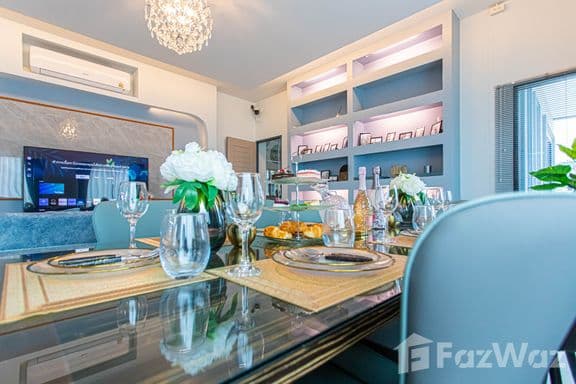
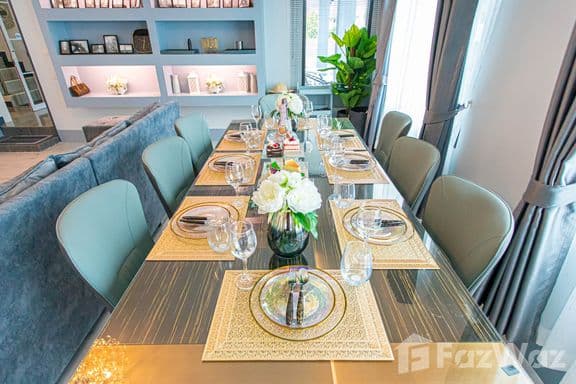
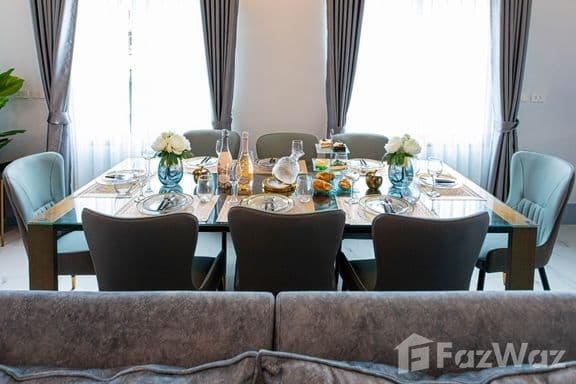
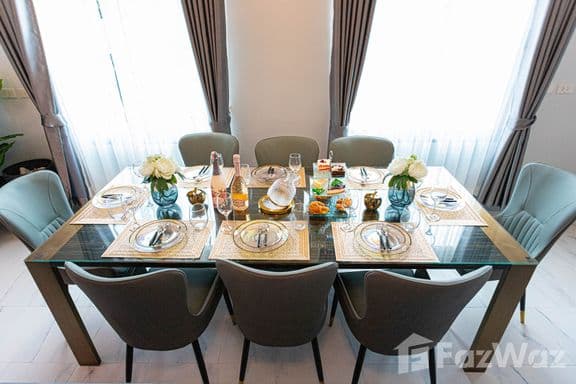






























 Popular condos in Chiang Mai

