Buying a House in Chiang Mai: Complete Guide for Foreign Buyers in 2025
Introduction
Chiang Mai, often called the cultural capital of northern Thailand, has become an increasingly attractive real estate destination for foreign buyers in 2025. This vibrant city offers a unique blend of historic charm and modern convenience. Ancient temples and a centuries-old Old City coexist with trendy cafes, international restaurants, and co-working spaces. The atmosphere is more relaxed and the climate cooler than Bangkok’s, making Chiang Mai especially appealing for retirees and digital nomads seeking a comfortable lifestyle.
In recent years, Chiang Mai’s property market has gained momentum. The city’s affordability compared to major Thai hubs like Bangkok or Phuket is a major draw. Foreign investors and expats can find spacious homes at prices significantly lower than those in many Western countries, all while enjoying a high quality of life. An established expat community, reliable infrastructure, and continuous improvements such as airport expansions and planned transit projects have positioned Chiang Mai as a rising star in Thailand’s real estate scene.
This guide provides a comprehensive overview for foreign buyers interested in purchasing a house in Chiang Mai. We will cover the latest market trends, explain why international buyers are drawn to the city, compare popular neighborhoods, describe the types of properties available, and delve into the legal aspects of foreign property ownership. You’ll also learn about the buying process, investment potential, and get insights into typical buyer profiles and house prices across different areas. Whether you’re an investor eyeing rental returns or someone looking for a retirement home, this guide will equip you with the knowledge to navigate Chiang Mai’s property market with confidence.
Market Overview (2025)
Chiang Mai’s real estate market in 2025 is experiencing steady, moderate growth. Overall, home prices have been gradually rising each year, but not at a rapid or volatile pace. This stability is part of Chiang Mai’s appeal it’s not a speculative bubble market, but one driven by real demand from both locals and foreigners.
Trends: Post-pandemic, there’s been a noticeable rebound in interest. Foreign buying activity is strong, partly offsetting cautious local buyers. High-end properties (e.g., luxury homes above THB 7 million) have held their value and even seen price upticks, thanks to interest from wealthier Thais and foreign investors. Entry-level homes (below THB 3 million) have a softer market as local first-time buyers face economic pressures and higher loan costs. In general, mid-range family homes and anything with a good location are selling at stable prices. The median house price in Chiang Mai is often cited around THB 56 million, significantly lower than in Bangkok, highlighting the affordability for what you get.
Supply & Demand: There’s a healthy supply of houses, especially in suburban zones where new housing estates continue to be developed. Most new construction in Chiang Mai tends to be low-rise housing and condos within a short drive of the city (within 10 km of the center). On the demand side, foreign buyers are increasingly important. It’s estimated that foreigners (either directly or via Thai companies/spouses) account for a sizable chunk of property transactions in Chiang Mai now. Chinese buyers in particular have grown in number, drawn by Chiang Mai’s lower prices and quality of life; they often invest in multiple properties. Western expats, retirees, and remote workers also form a steady demand stream typically looking for comfortable homes rather than pure investments.
Factors Influencing the Market: Chiang Mai’s appeal as a lifestyle destination underpins its property market. The cost of living is low, healthcare and services are good, and the city has a reputation as safe and culturally rich all of which attract long-term foreign residents. Government policies like long-stay visas (retirement visas, the new long-term resident visa, Thailand Elite visa) make it easier for foreigners to reside here and thus more inclined to buy property. Infrastructural improvements are on the horizon too: plans for a new light rail and even a second airport, if they materialize in coming years, could boost property values, especially in areas near these developments. For now, those remain future prospects, but they contribute to positive sentiment.
In summary, Chiang Mai’s market in 2025 can be characterized as stable and growing. It’s not prone to extreme swings, and it benefits from a balanced mix of Thai and foreign buyers. Prices are gradually increasing, particularly in prime locations, but the city remains one of the more affordable major destinations in Thailand. This gives foreign buyers a chance to enter the market without the sky-high prices seen in Bangkok or coastal resort areas, while still expecting reasonable appreciation and rental potential over time.
Why Foreign Buyers Choose Chiang Mai
Foreigners are drawn to Chiang Mai for a variety of compelling reasons:
- Rich Lifestyle & Cultural Charm: Chiang Mai offers a uniquely attractive lifestyle. It’s a city steeped in culture dotted with ancient temples, art galleries, and craft markets yet it also has modern comforts. The pace of life is relaxed compared to Bangkok. Many expats love that they can enjoy local festivals, learn Thai cooking or massage, and explore mountain trails, all while still having access to shopping malls and reliable services. The climate adds to the charm: it’s hot but more temperate in the cool season, and the surrounding nature (mountains, waterfalls, and national parks) provides a beautiful backdrop for daily life.
- Affordable Cost of Living: Compared to Western cities (and even Bangkok or Phuket), Chiang Mai is very affordable. Housing prices are reasonable you can get a spacious home without spending a fortune. Day-to-day expenses like groceries, dining out, transportation, and healthcare are low. Retirees find that their pensions go much further here, allowing for a comfortable lifestyle (dining out regularly, having household help, etc.). Digital nomads appreciate that they can maintain a high quality of life (air-conditioned apartment, frequent cafe visits, coworking space membership) on a modest budget. Essentially, the lower cost of living means foreign buyers can afford property and lifestyle luxuries in Chiang Mai that might be out of reach back home.
- Expat-Friendly Infrastructure & Community: Chiang Mai has a well-established expat community and the infrastructure to support it. English-speaking real estate agents, lawyers, and doctors are available, making processes like buying property or getting medical care easier. The city boasts international hospitals and clinics, as well as several international schools (important for those moving with children). There are plenty of social outlets from expat clubs and networking events to hobby groups (yoga classes, cycling clubs, etc.). Importantly, Chiang Mai is known for being safe and welcoming. Crime rates are low, and locals are used to foreigners and generally very hospitable. This strong support system and sense of safety give foreign buyers confidence that they can settle in comfortably.
- Accessibility and Connectivity: Despite its far-north location, Chiang Mai is well connected. The Chiang Mai International Airport offers frequent one-hour flights to Bangkok and direct connections to regional hubs like Singapore, Kuala Lumpur, Hong Kong, and cities in China. This makes it easy for foreign residents to travel or have friends and family visit. Within Thailand, Chiang Mai is a gateway to exploring the north (Pai, Chiang Rai, etc.) and just a short flight from beaches in the south. On a local level, getting around the city is convenient: ride-hailing services (Grab) and local taxis (red songthaews) are plentiful and cheap. Looking ahead, infrastructure projects (like a proposed light rail transit in the city) promise to enhance urban mobility even further. For foreign buyers, knowing they can easily get to and from Chiang Mai and navigate the city once there is a significant plus.
All these factors combined make Chiang Mai a top choice for expats, retirees, digital nomads, and international investors alike. It’s a place where you can enjoy an enriching, comfortable life without breaking the bank, all set against the backdrop of a charming city that’s just the right size.
Neighborhood Analysis: Key Districts
Chiang Mai has a variety of neighborhoods, each with a unique appeal. Here’s an overview of five key districts for house buyers:
Nimmanhaemin (Nimman)
Nimman is Chiang Mai’s trendiest urban area. It’s a vibrant district packed with chic cafes, international restaurants, boutique shops, and nightlife. Living in Nimman means you’re at the heart of the city’s modern scene Maya shopping mall, co-working spaces, and lively streets are all nearby. Housing here is mostly condos and townhouses; standalone houses are rare and often expensive due to high land values. This area appeals to those who want city convenience and a cosmopolitan lifestyle. It’s especially popular with young expats, digital nomads, and anyone who loves being within walking distance of entertainment and dining. Bear in mind, Nimman is bustling and can be busy with traffic a trade-off for being in the most happening part of town.
Old City (Historic Center)
The Old City, encircled by its ancient moat and walls, is the cultural heart of Chiang Mai. Temples, traditional architecture, and quaint lanes give it a unique charm. Houses inside the Old City are limited in supply; many properties are used for guesthouses, cafes, or small hotels. If you do find a house for sale here, it might be an older Lanna-style home or a renovated boutique residence. Living in the Old City is ideal for those who value heritage and don’t mind tourists in the area. You can walk to markets, temples, and restaurants easily. It’s quieter at night (apart from occasional festival events), and the community feels very local. However, because the area is historic, parking and large gardens are uncommon. Foreign buyers choose the Old City for its character and central location, fully embracing the “living in history” experience.
Hang Dong
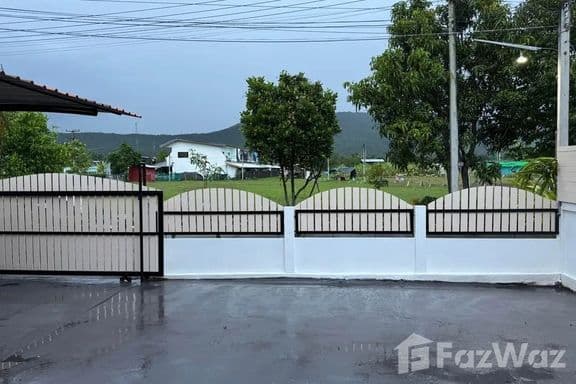
Hang Dong district, to the south of the city, is known for its suburban, family-friendly environment. It features numerous gated communities and housing estates with modern single-family homes. Here you can find spacious houses with gardens at more reasonable prices per square meter than in the city center. The area is popular with expat families and retirees. International schools, such as American Pacific (APIS) and Lanna International School, are located in or near Hang Dong, making school runs easier. The vibe is peaceful and green you’ll see tree-lined streets and maybe a view of distant mountains. Having a car is almost a necessity, as downtown Chiang Mai is a 2030 minute drive away. For those looking for a calm lifestyle with the comforts of a Western-style house (driveway, backyard, perhaps a community clubhouse), Hang Dong is a top choice.
Mae Rim
Mae Rim lies north of the city and is famed for its lush scenery and tourist attractions (waterfalls, elephant camps, botanical gardens). It offers a semi-rural lifestyle think cooler nights, mountain views, and lots of open space. Houses in Mae Rim range from simple country homes to high-end villas and resort-like estates. This area attracts foreign buyers who prioritize natural beauty and privacy. It’s common for Chiang Mai’s luxury homes or retirement retreats to be in Mae Rim, where one can own a large plot of land with a pool or garden. However, daily commuting to the city can be time-consuming (30+ minutes drive), so it suits those who either work from home or don’t need to go into town often. Mae Rim provides a tranquil escape and a close-to-nature way of life, while still being within reach of the city’s conveniences when needed.
San Sai
San Sai is a growing residential area to the northeast of Chiang Mai. It represents a blend of local Thai neighborhoods and new developments. Houses here tend to be more affordable than in the city or in Hang Dong, making it attractive for budget-conscious buyers who want a house rather than a condo. You’ll find modern housing subdivisions as well as older homes with bigger yards. San Sai is near key amenities like Central Festival (a major shopping mall) and not far from some international schools on the northeast side of town. The environment is suburban with a mix of rice fields and emerging commercial pockets. It’s less touristy than other areas, offering a more authentic local feel. With improving roads and infrastructure, San Sai is becoming increasingly convenient. It’s an ideal location for those who work in the city but prefer a quieter home base at a lower price point, or for investors betting on an area that’s gradually rising in popularity.
Each district offers something different: Nimman for excitement, Old City for culture, Hang Dong for family comfort, Mae Rim for retreat-like living, and San Sai for value and local flavor. Foreign buyers should choose based on the lifestyle they envision urban or suburban, lively or tranquil and of course, their budget.
Property Types Available
Foreign buyers will encounter various housing options in Chiang Mai’s market:
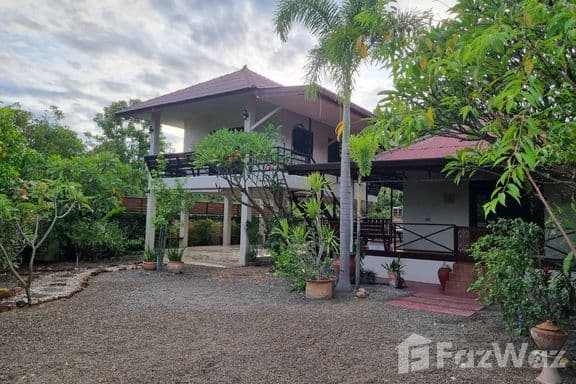
- Traditional Thai Houses: Often wooden homes with Lanna-style architecture (gable roofs, teak wood). These charming houses can be found in older neighborhoods or rural areas. They offer cultural appeal but may require renovation to meet modern comforts.
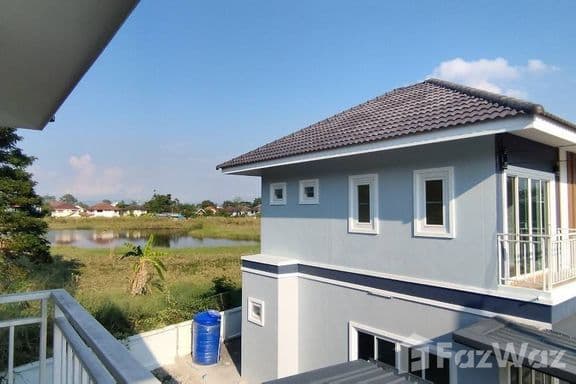
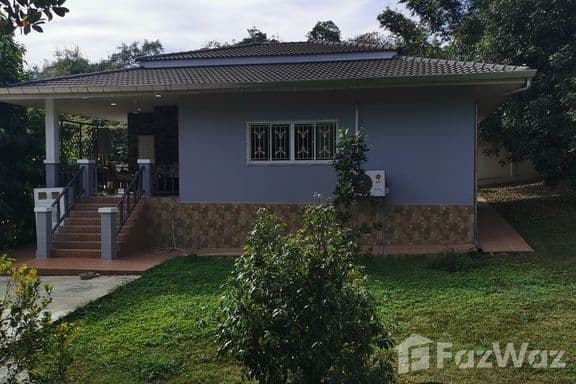
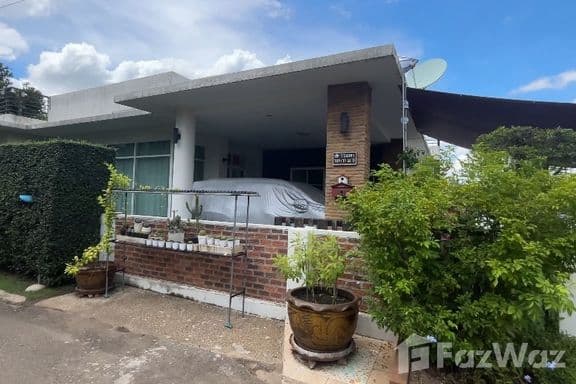
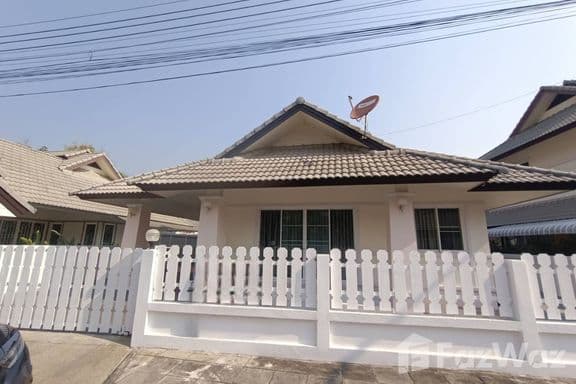
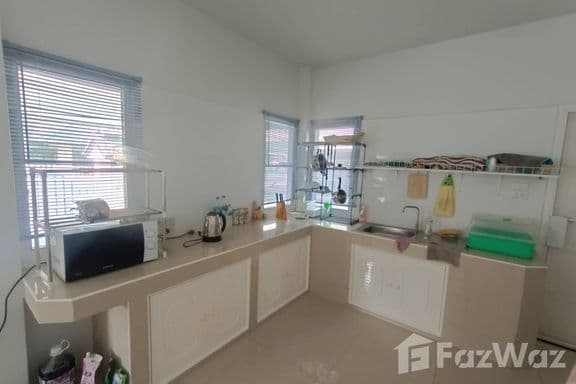
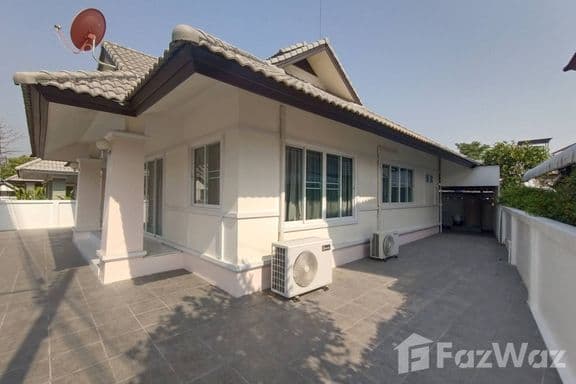
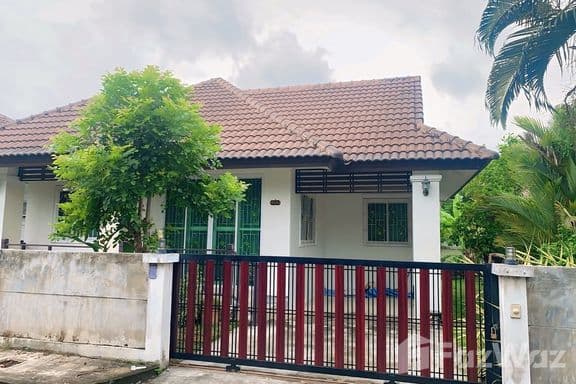
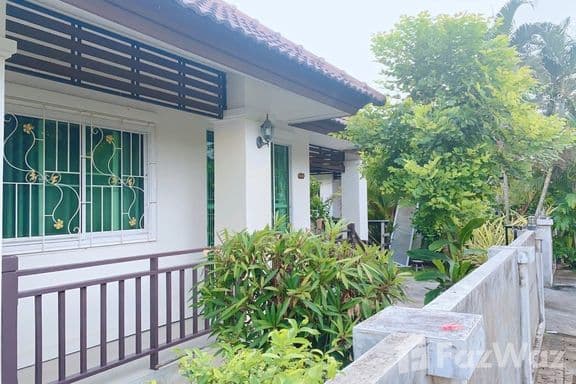
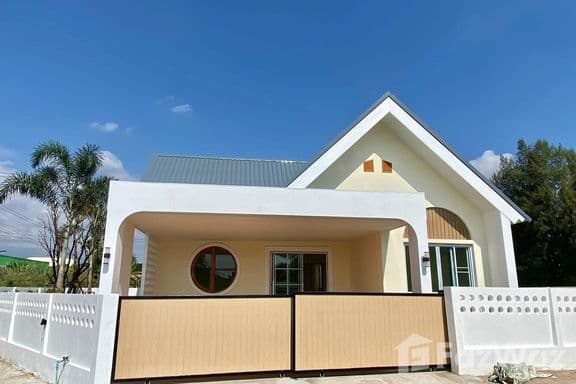
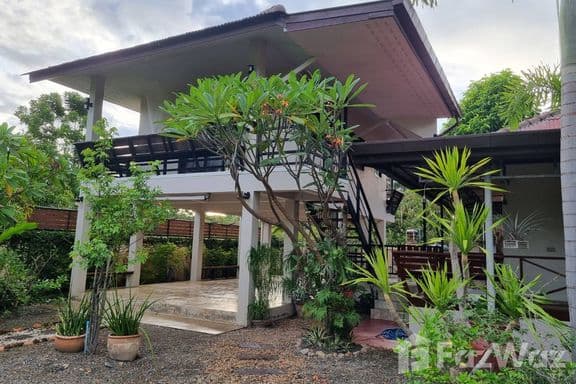
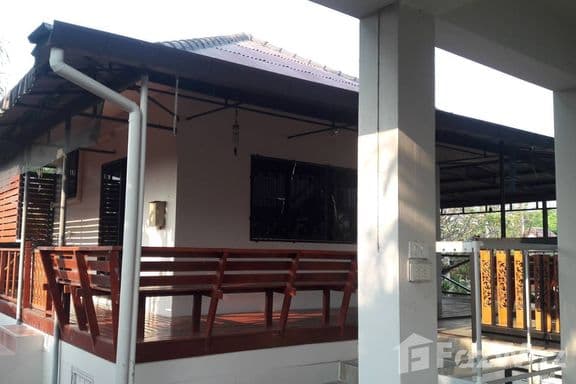
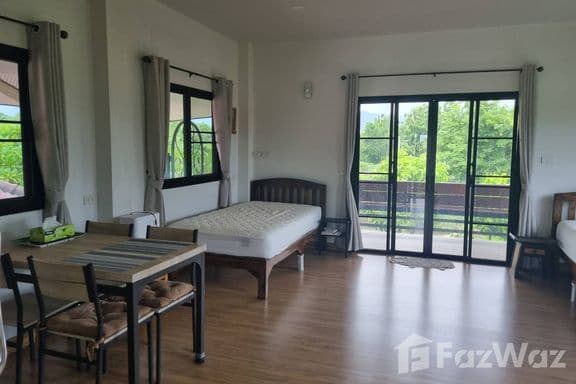
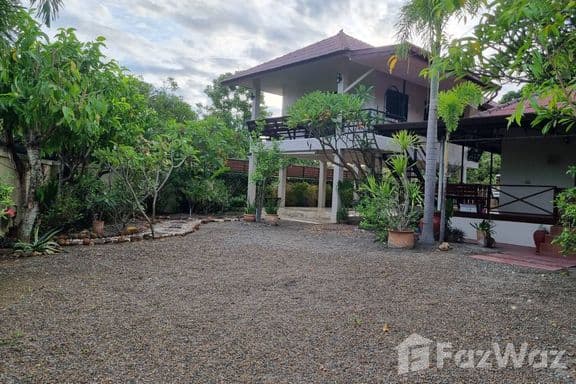
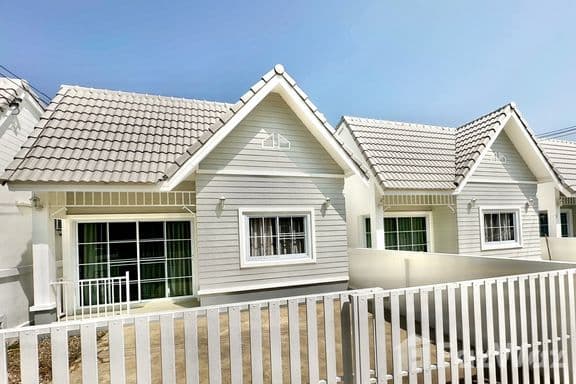
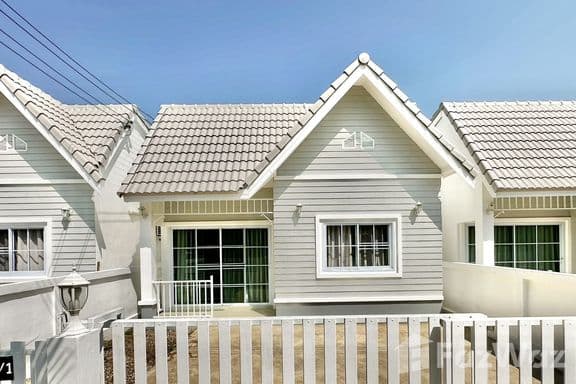
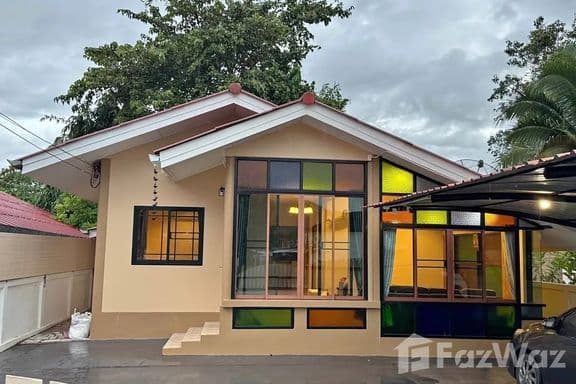
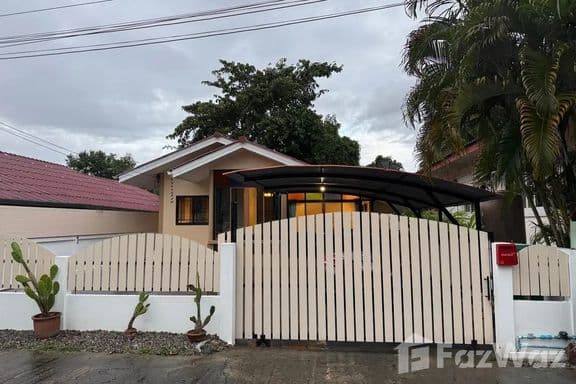
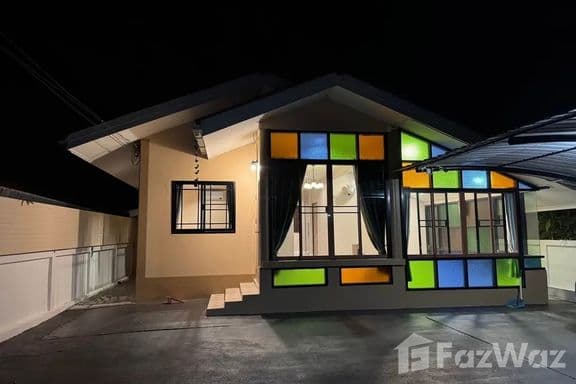
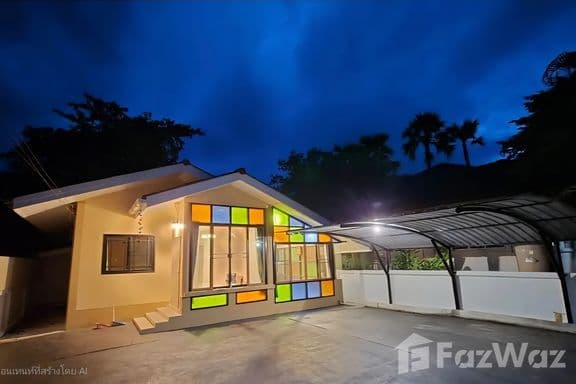
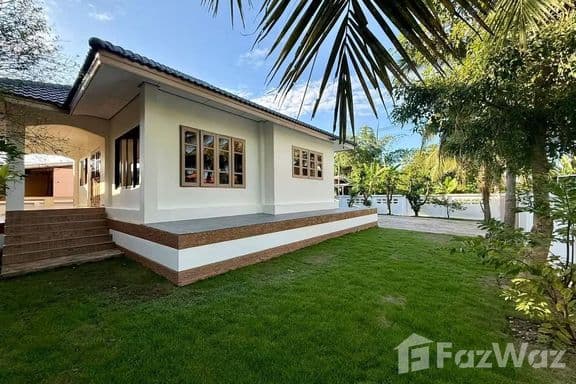
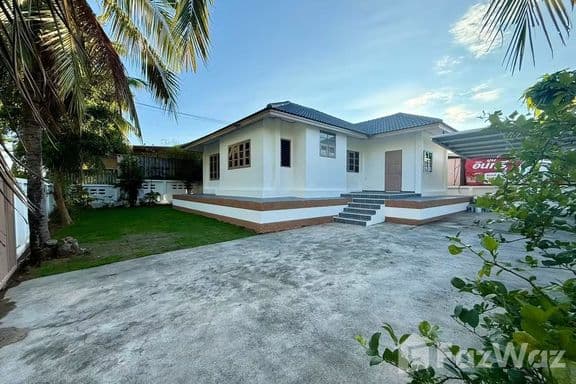
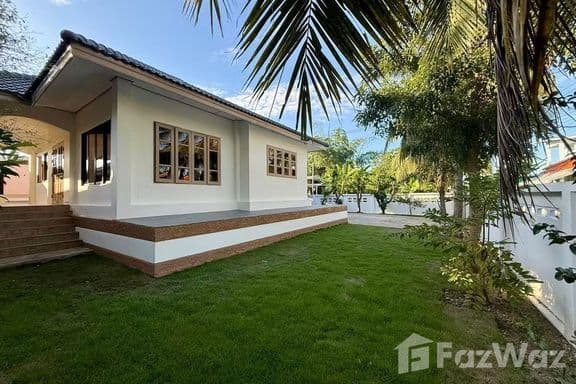
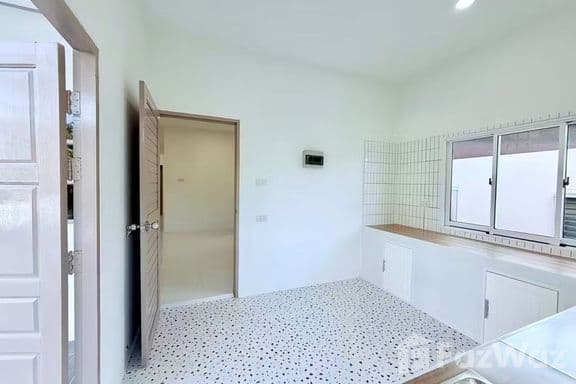
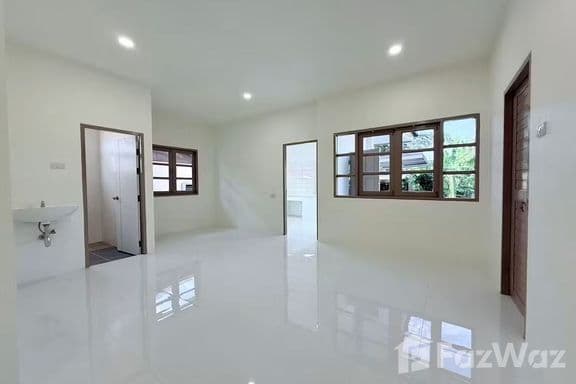
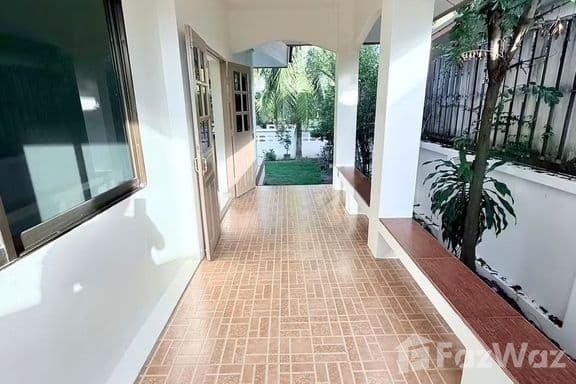
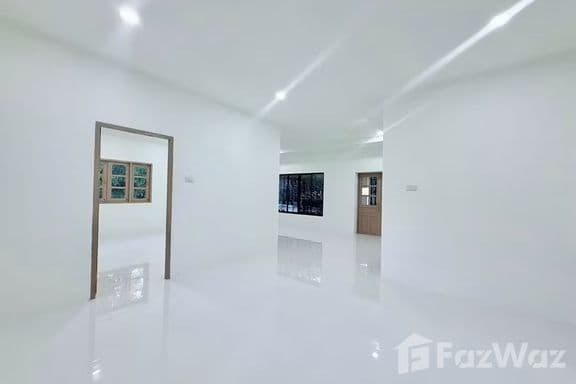
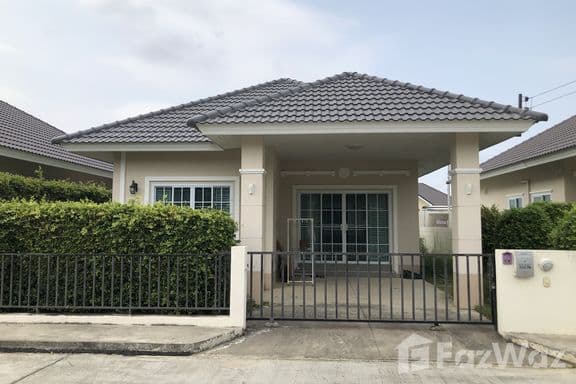
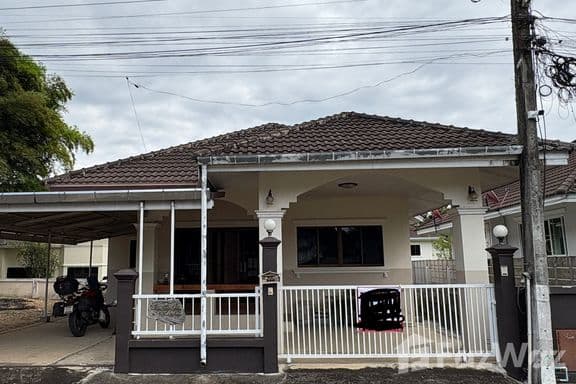
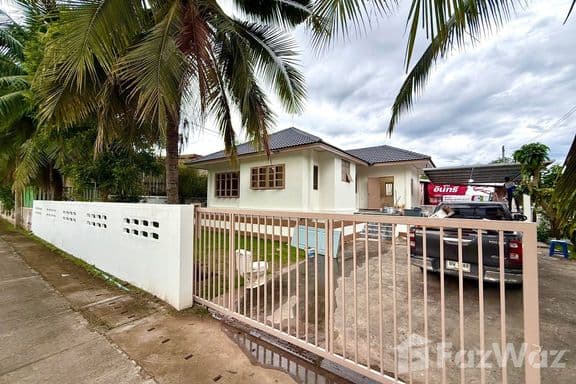
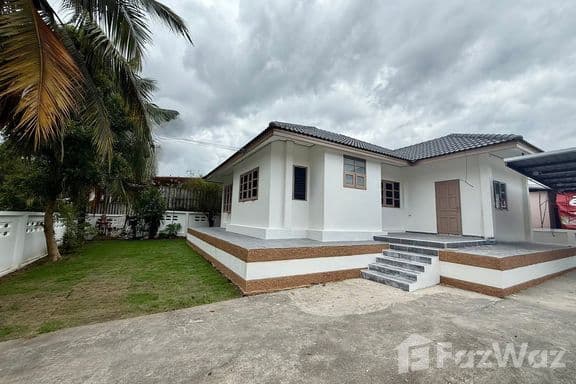
- Modern Detached Houses: Standard stand-alone homes built with brick and cement. These typically have 24 bedrooms, parking space, and small gardens. In gated communities, modern houses come with Western amenities (built-in kitchens, air-conditioning) and are popular among expats for their convenience.
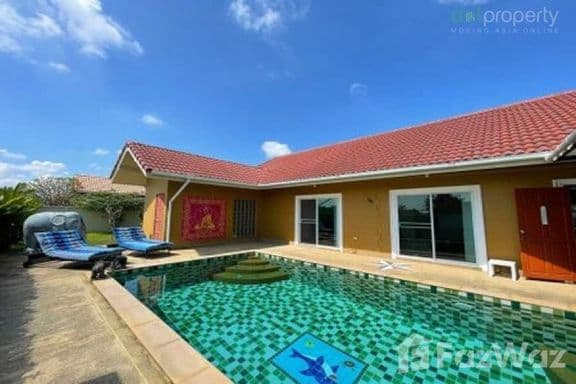
- Luxury Villas: High-end homes, sometimes custom-built, that feature expansive floor plans, private gardens, and often a swimming pool. These can be found in upscale estates or scenic locations like Mae Rim. They cater to buyers seeking privacy and luxury finishes at a price tag significantly higher than average.
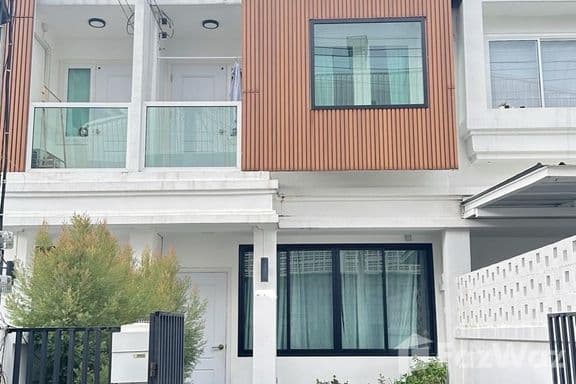
- Townhouses: Multi-story homes attached in a row (usually 2 or 3 floors). Townhouses are common in the city and some suburbs. They provide a more affordable entry into the market; you might get 23 bedrooms and a small carport, but little outdoor space. Many townhouses in Chiang Mai are in mixed local-expat communities.
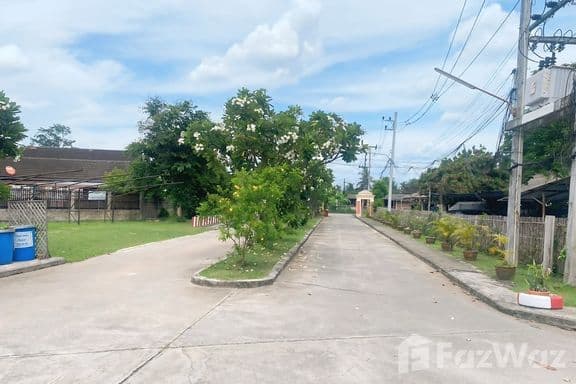
- Gated Community Houses: Many expat buyers choose homes in gated communities (also called “mooban”). These are planned neighborhoods with security and sometimes shared facilities like parks or pools. Houses in these communities range from compact to spacious. The environment is controlled and safe, and neighbors are often a mix of Thais and foreigners. Homeowner association fees apply for maintenance of common areas.
Each property type has its pros and cons. For example, a traditional house gives character but needs upkeep, whereas a new build in a gated estate offers convenience but might feel generic. It’s important to consider your lifestyle: do you want a big yard and private pool (look at villas or detached houses), or do you prefer a low-maintenance home base (perhaps a townhouse or condo)? In Chiang Mai, there’s something for everyone understanding these categories will help you target the right kind of property in your search.
Legal Aspects of Foreign Ownership
Thailand has strict rules on land ownership by foreigners, so special structures are needed when buying a house in Chiang Mai. Key points include:
- Foreigners Cannot Own Land: By law, a foreign individual cannot hold a land title deed in their name. This means you can own a house (the building) but not the land it sits on in a freehold sense.
- Leasehold Solution: Most foreign buyers use a long-term lease. You can secure a 30-year lease, registered at the Land Office, which gives you legal rights to the land for that period (often with an option to renew for additional terms agreed upon with the landowner). This is straightforward and safe during the lease term, you essentially have full control, and the lease stays valid even if the property is sold (the new owner must honor your lease).
- Thai Company Ownership: Another method is to form a Thai limited company in which you (the foreigner) own up to 49% of shares, and Thai partners hold 51%. The company can buy the land and house, and you control the company. This method requires setting up a legitimate business entity, paying annual fees, and keeping it in compliance. It’s a common workaround for purchasing villas and larger investments, but it’s crucial to do it with proper legal guidance to ensure everything is above board.
- Thai Spouse Ownership: If you’re married to a Thai citizen, your spouse can purchase the property in their name. The foreign spouse will typically have to sign a declaration at purchase that the funds used are the Thai spouse’s and they waive any claim to the property (to satisfy legal requirements). Many couples use this approach, though it effectively means the property is owned solely by the Thai partner. Some foreign spouses in this scenario arrange a lease or usufruct in their favor as an added layer of security.
- Usufruct (Right of Use): A usufruct is a legal right that can be registered giving a foreigner the right to use and even rent out a property for their lifetime (or a set term). It doesn’t confer ownership, but it ensures lifetime occupancy. This is sometimes used when, for example, a foreigner’s Thai spouse owns the land the foreigner then holds a usufruct on it.
- Condo Alternative: Remember, foreigners can own condominium units outright (freehold) under Thailand’s condo law (up to 49% of the building’s units). If owning land proves too complex, some buyers choose a condo for simplicity. But for those set on a house, the leasehold or company structures above are the main legitimate paths.
Bottom Line: Always hire a qualified property lawyer when purchasing. They will ensure the chosen ownership method is properly executed and that you’re in compliance with Thai law. With the right structure, thousands of foreigners safely own and enjoy houses in Thailand it’s entirely doable, just make sure to do it legally and transparently.
Buying Process: Step-by-Step Overview
Buying a house in Chiang Mai as a foreigner involves several key steps. Here’s a condensed overview from start to finish:
- Define Your Budget and Needs: Determine how much you’re willing to spend and outline your requirements (location, size, style of house). This will guide your search and prevent wasting time on unsuitable properties.
- Engage an Agent and Start Searching: It’s wise to use a local real estate agent familiar with Chiang Mai’s market. They’ll provide listings matching your criteria. As you visit properties, take note of the neighborhood, proximity to facilities, and the house’s condition. This stage can take days or weeks until you find the right home.
- Make an Offer and Negotiate: Once you find a house you like, you’ll put in an offer (usually through the agent). Negotiations with the seller may cover price, what fixtures or furniture are included, and the timeline for completion. When an agreement is reached, a small deposit (often 510% of the price) is typically paid to secure the deal, and a reservation agreement or memorandum of understanding is signed.
- Legal Due Diligence: Hire a lawyer to perform checks on the property. They will verify the title deed (ensuring the seller truly owns the property and there are no liens or unpaid taxes) and review any building permits. This process protects you from hidden surprises. If everything is clear, you proceed to signing a formal sale and purchase contract.
- Sign the Sale & Purchase Agreement (SPA): This contract, prepared or reviewed by your lawyer, spells out all terms the agreed price, payment schedule, transfer date, and any special conditions (like repairs to be done or furniture to remain). Once both parties sign the SPA, the deal is binding. At this point, you’ll typically pay an additional deposit as specified in the contract (bringing the total down payment to perhaps 1030% of the price, depending on terms).
- Arrange Payment and Ownership Structure: Before the final transfer, ensure your funds are ready in Thailand. International buyers often remit money from abroad in foreign currency and convert to Thai Baht through a Thai bank. Meanwhile, sort out the ownership structure for a leasehold, have the lease agreement drafted; for a company purchase, your Thai company should be set up and ready to take title. Your lawyer will guide these preparations.
- Transfer Ownership at the Land Office: On the agreed date, buyer and seller (or their representatives) meet at the Land Department to transfer the property. The remaining balance of the purchase price is paid (usually via cashier’s check or bank transfer on the spot). For foreigners using a lease, the lease is officially registered on the title deed at this time. If a company is the buyer, the land title is transferred to the company’s name. The Land Office collects the transfer fee and any taxes due. Once the paperwork is completed, you receive the updated title deed (or a copy with the lease notation) showing your interest in the property.
- Post-Purchase Wrap-Up: After transfer, you take possession of the house. Change the locks if needed, and transfer utilities (electricity, water) into your name. If in a gated community, inform the juristic office of the new ownership. Keep the purchase documents and the title deed in a safe place. At this stage, you can settle into your new home.
Typical Timeline: From offer acceptance to completion, it often takes about 48 weeks. This allows time for due diligence, fund transfers, and any administrative processes (like company formation, if applicable). It’s a relatively straightforward process when guided by professionals. Remember, having a diligent lawyer and a cooperative agent will smooth out most of the complexities, letting you focus on the excitement of getting your new house.
Investment Potential
For those thinking of a house in Chiang Mai as an investment, here are key considerations:
Rental Yields: Rental yields on houses in Chiang Mai are moderate roughly in the 4% to 6% per year range for long-term rentals. If you buy in a prime area like Nimman or near the Old City, you might command higher-than-average rent, especially if you rent to expats or operate the property as a specialized rental (e.g., a furnished home for digital nomads or a monthly vacation rental). Generally, houses in suburban areas yield a bit less percentage-wise but still provide steady income if there’s demand from expat families or retirees. Short-term rental (Airbnb-style) can fetch higher nightly rates, but remember the legal limitations; many investors prefer month-to-month rentals to stay compliant. Overall, you shouldn’t expect sky-high yields Chiang Mai is more of a stable yield market rather than a high-yield one.
Capital Appreciation: Property values in Chiang Mai have shown steady, gradual appreciation. It’s not uncommon to see home values rise by a few percent each year in line with inflation and development of the city. Over the long term, well-located properties can appreciate more significantly for example, a house in a neighborhood that was semi-rural 10 years ago but now is in demand could have seen a solid jump in value. Looking forward, experts predict continued modest growth. Think on the order of 35% annual appreciation on average, with the best gains in areas that are developing quickly or have new infrastructure coming in. It’s a more conservative growth profile compared to Bangkok or some other Asian cities, but it also means less volatility.
Resale Market and Exit Strategy: When you purchase, it’s wise to consider how easy it would be to sell later. Chiang Mai’s resale market is active, but the time to sell can be a few months or more, depending on the property. Houses that appeal to both locals and foreigners say, a well-built home in a convenient yet peaceful area will have the broadest resale audience. If your house is very specialized (ultra-luxury or very remote), finding the right buyer could take longer. Many foreign owners eventually sell to other expats or Bangkok Thais looking for a second home. Working with a good agent and pricing appropriately for the market are key to a successful sale when that time comes.
Future Developments: Keep an eye on city developments, as these can affect property values. For instance, if a new shopping center, hospital, or international school opens near an area, that neighborhood often becomes more desirable. Government infrastructure projects like the mooted Chiang Mai light rail or improvements around the airport can also boost nearby real estate prices. Early investors sometimes target land or houses in areas earmarked for such projects to ride the appreciation wave. While not all plans come to fruition quickly, Chiang Mai’s trajectory is generally upward as it grows in population and popularity.
In summary, a house in Chiang Mai can be both a wonderful living space and a sound investment. You’re likely to get reliable rental income and steady value growth rather than dramatic gains. Many buyers treat the investment potential as an added bonus to the lifestyle reward of owning a home in Chiang Mai. By choosing a good location and maintaining the property well, you should see your asset appreciate over time while you enjoy all the benefits of living there (or the rental income it provides).
Buyer Personas: Typical Foreign Buyers in Chiang Mai
Retiree Couple Seeking Comfort and Community
Profile: A couple in their 60s from abroad, looking to spend their retirement in Chiang Mai. They value a peaceful environment, good healthcare access, and an active expat social scene.
Budget & Home Preference: Around THB 810 million. They prefer a single-story house with a garden something low-maintenance yet spacious enough for visiting family.
Ideal Areas: Suburban areas like Hang Dong are popular with retirees. In Hang Dong, they can find gated communities with security and neighbors who are fellow retirees or families. Proximity to international hospitals and a quieter atmosphere is a plus. Mae Rim is another consideration for its scenic beauty, though it’s farther from city amenities. Generally, these buyers prioritize comfort, tranquility, and convenience over being in the heart of the city.
Digital Nomad/Remote Professional Live-Work Convenience
Profile: A single professional or young couple in their 20s30s working remotely. Drawn to Chiang Mai’s modern amenities and co-working culture, they want a base that balances work and leisure.
Budget & Home Preference: Approximately THB 36 million. They might choose a modern townhouse or a small house; some even consider condos but a house/townhouse gives more space for a home office.
Ideal Areas: Nimmanhaemin (Nimman) is the top choice for its vibrant atmosphere. Being walking distance to cafes, co-working spaces, gyms, and nightlife is important. A townhouse on a quiet soi near Nimman provides both proximity and a bit of privacy. Santitham or the Old City’s outskirts are secondary options if budget is tighter they still offer city convenience at slightly lower prices. These buyers value a central location, reliable internet, and easy transport (often using scooters or ride-hailing apps instead of owning a car).
Expat Family Space and Schools
Profile: A foreign family (often in their 30s or 40s) relocating to Chiang Mai for work or a change of lifestyle. They have school-age children.
Budget & Home Preference: Around THB 1015 million for a large 3-4 bedroom house with a garden. They need space for kids and possibly a home office.
Ideal Areas: Family-oriented districts like Hang Dong or San Sai. These areas have several international schools nearby (making school runs easier) and offer larger houses with yards. In a gated community, children can safely ride bikes and make friends. Hang Dong is favored for its established expat enclaves and amenities like supermarkets carrying international products. San Sai is also considered, particularly for families connected to schools on that side of town. What matters most is a safe neighborhood, a short commute to school, and a community of fellow families.
Property Investor ROI Focused
Profile: A foreign investor (individual or couple) who may not live full-time in Chiang Mai but wants to purchase property for rental income and long-term appreciation.
Budget & Home Preference: Perhaps THB 812 million. Could be used to buy one higher-end house or two smaller homes. Often interested in properties that will appeal to renters (expats or tourists).
Ideal Areas: Central areas (like near Nimman or the Old City) for short-term rental potential, or a well-located suburban house for long-term tenants. For example, an investor might buy a modern villa in a sought-after Hang Dong community, knowing expatriate families would rent it. Others might target a unique traditional house in the Old City to convert into a vacation rental (keeping an eye on legalities of short-term renting). Investors evaluate locations based on rental demand and future resale value Nimman for its high rent appeal, Old City for its uniqueness, or emerging areas near infrastructure projects for capital growth. They will often set up professional property management if they are not local.
Each persona type has distinct needs, but Chiang Mai’s diverse real estate market can accommodate all of them from quiet retirement retreats to high-yield investment properties.
Price Comparison by Area
To give a clearer picture of how house prices vary across Chiang Mai’s popular areas, below is a simplified comparison of typical price ranges. (Prices are in Thai Baht, with approximate USD equivalents for reference):
|
Area
|
Typical House Price Range (THB)
|
Approx. USD Equivalent*
|
|
Nimmanhaemin (City Center)
|
6 20 million THB
|
~$170,000 $570,000
|
|
Old City (Historic Core)
|
8 20 million THB
|
~$230,000 $570,000
|
|
Hang Dong (Suburban South)
|
3 10 million THB
|
~$85,000 $285,000
|
|
Mae Rim (Northern Scenic)
|
5 15 million THB
|
~$140,000 $430,000
|
|
San Sai (Northeast Suburb)
|
3 8 million THB
|
~$85,000 $230,000
|
*USD conversions are approximate, based on mid-2025 exchange rates (around 35 Thai Baht per 1 USD). Actual prices can vary depending on property specifics—such as land size, house condition, and unique features (for example, a newly built pool villa vs. an older home in need of renovation).
Insights: From the table, we see that areas like Nimman and the Old City command higher prices; this is due to their central location and high demand. In contrast, suburban districts like Hang Dong and San Sai offer much more affordable options, which is why they’re popular among families and retirees looking for value. Mae Rim sits in between properties there can range from moderately priced homes to luxury estates, reflecting its mix of rural charm and high-end developments. When planning your budget, remember also to account for any taxes, legal fees, and possible renovation costs on top of these purchase price ranges.
Frequently Asked Questions (FAQ)
Q: Can a foreigner own a house or land in Chiang Mai?
A: Not directly. Thai law prohibits foreigners from owning land outright. However, you can own the house structure and secure long-term rights to the land via methods like a registered 30-year lease (commonly renewable) or using a Thai limited company to hold the land title. Many foreigners in Chiang Mai purchase houses by leasing the land. Another route is if you have a Thai spouse the land can be in your spouse’s name (with you often registering a protective interest like a long lease or usufruct). And remember, foreigners can own condos freehold (up to 49% of a condo building). In summary, you can’t hold land in your name, but with the right legal structure, you can safely buy a house in Chiang Mai.
Q: What additional costs should I budget for besides the house price?
A: Expect a few extra costs when buying:
- Transfer Fee: ~2% of the property’s official value (often split with the seller by agreement).
- Taxes: Typically the seller covers most taxes. These include stamp duty or a specific business tax (if they sell within 5 years) and a withholding tax on the sale. As a buyer, your main cost is the transfer fee, but it’s wise to clarify who pays what in the contract.
- Legal Fees: Paying a lawyer for due diligence, contract work, and any company setup if needed. This might be a fixed package or hourly fee.
- Lease Registration Fee (if leasing): 1% of the total lease value.
Additionally, factor in currency exchange fees (if bringing money from abroad) and any renovation or furnishing costs after purchase. Overall, buyer closing costs in Thailand are relatively low often just a couple of percent of the purchase price.
Q: Can I get a mortgage in Thailand as a foreigner?
A: It’s difficult. Thai banks generally do not lend to foreign individuals unless you have permanent residency or a Thai co-borrower. A few banks have limited programs for foreigners (for example, if you have a local work permit and income), but most foreign buyers pay cash or use financing from their home country. In practice, plan to self-finance your house purchase. If you’re set on a mortgage, you will need to shop around extensively and be prepared for a sizable down payment and possibly higher interest rates.
Q: Do I really need a lawyer or real estate agent?
A: It’s highly recommended to use both. A real estate agent will help identify properties and negotiate terms (usually at no direct cost to you, since the seller pays their commission). A lawyer is crucial for conducting title checks, preparing the purchase contracts, and advising on the correct ownership structure (lease, company, etc.). Thai property laws are complex for foreigners, so having legal guidance protects you from costly mistakes. While it may be possible to handle things yourself, the small extra cost of professional help is well worth the peace of mind.
Q: Can I rent out my Chiang Mai house (for example, on Airbnb)?
A: Yes, but be aware of regulations. Long-term rentals (monthly or yearly leases) are straightforward and common many expat owners rent their houses to other expats or locals. For short-term rentals (like Airbnb stays of a few nights), Thai law requires that the property have a hotel license unless the rental is 30 days or more. Individual home owners typically don’t get hotel licenses, so renting out daily/weekly can technically breach the Hotel Act. Many do it discreetly, but there is some enforcement, especially in condos. The safer approach is to aim for tenants staying a month or longer. If you do short-term rentals, proceed with caution and understand the local rules. On the upside, well-located houses can generate good rental income given Chiang Mai’s steady demand from tourists and long-stay visitors.
Q: Does buying property in Thailand give me a long-term visa or residency?
A: No owning property does not automatically grant any visa status. You must qualify for a visa independently. Common options for foreign buyers include:
- A retirement visa (if age 50+, with required financial proof).
- A Thai Elite visa, which is essentially a long-term visa you can purchase for a fee.
- A work visa (if you have employment or start a business in Thailand).
Property ownership can make your stay more convenient, but you’ll still need to arrange a visa to live in Thailand long-term. Plan your residency and visa in parallel with your property purchase.
Final Thoughts
Chiang Mai has emerged as a compelling destination for foreign homebuyers, blending an appealing lifestyle with a stable real estate market. By 2025, the city offers a rare combination of affordability, comfort, and cultural richness that is hard to find elsewhere in the region. Whether you’re drawn by the idea of retiring amidst misty mountains, relocating your family to a community-friendly city, or investing in an up-and-coming property market, Chiang Mai has something to offer you.
Before you take the plunge, ensure you’ve done thorough research and have a trusted team real estate agents, lawyers, maybe fellow expats to support you through the process. This guide has given you an overview of all the key aspects: from choosing the right neighborhood and property type to understanding legal constraints and the purchase procedure. Armed with this knowledge, you can approach your property search with confidence and clarity.
In the end, buying a house in Chiang Mai is not just a financial transaction, but also the start of a new chapter. It’s about joining a community and a way of life that thousands of expats already enjoy. With careful planning and the right help, you’ll soon be settling into your Chiang Mai home, sipping a coffee on your terrace while listening to the sounds of a city that, despite its growth, still feels like a warm, welcoming village at heart.
Ready to turn the dream into reality? Start by reaching out to local real estate professionals or expat forums to get the latest on available properties. Make a list of homes to view, plan a trip (if you’re overseas), and take that first step. With its welcoming charm and promising future, Chiang Mai is ready to greet you and the house you’ve been envisioning might just be waiting for you in the Rose of the North.





















































 Popular condos in Chiang Mai

