Buying Land in Chiang Mai: Complete 2025 Guide for Foreign Investors
Introduction: Chiang Mai’s Land Appeal to Foreign Investors in 2025
Chiang Mai has long been a beloved destination for expatriates and investors, and in 2025 its appeal is stronger than ever. This northern Thai city offers a unique blend of rich culture, temperate climate, and comparatively affordable real estate that draws foreign retirees, entrepreneurs, and developers alike. Land prices in Chiang Mai remain significantly lower than in Bangkok or other Asian hubs, yet the city boasts modern amenities, international schools, and a thriving expat community. The post-pandemic recovery has brought a surge in tourism and foreign interest, with Chinese, European, and American buyers all recognizing Chiang Mai’s value. In fact, foreign buyers (especially from China) have become key drivers of the local property market, helping sustain demand amid a softening in local Thai purchasing power. This trend underscores Chiang Mai’s emergence as not only a cultural and retirement haven, but also an attractive investment prospect on the global stage.
From picturesque mountains to a growing infrastructure network, Chiang Mai presents a strategic mix of lifestyle and growth potential. Ongoing and planned infrastructure projects – such as new retail centers, improvements to the international airport, and future transit developments – are poised to stimulate the real estate market further. For foreign investors in 2025, buying land in Chiang Mai offers an opportunity to capitalize on steady price appreciation (experts forecast annual gains of around 5–10% in property values) while enjoying the region’s high quality of life. This comprehensive guide will delve into everything a foreign buyer needs to know – from legal ownership structures and market trends to the best districts, pricing, purchase process, and strategic tips – to successfully invest in Chiang Mai land.
(Note: Thai law restricts direct land ownership by foreigners. This guide focuses on methods and considerations for foreign nationals, excluding Thai citizens.)
Legal Overview: Land Ownership Options for Foreigners
Thailand’s laws impose strict limits on foreign ownership of land. As a foreign buyer, it’s crucial to understand the legal mechanisms available for acquiring land use or indirect ownership. Below is an overview of the primary land ownership structures and alternatives open to foreigners in Chiang Mai:
- Leasehold (Long-Term Lease): The most common method for foreigners to control land is via a long-term lease. Under Thai law, a foreign individual may lease land for up to 30 years, with an option to renew the lease for additional terms (commonly an additional 30 years)belaws.com. Each lease term must be registered at the Land Department to be enforceable against the title deed. In practice, many foreign buyers secure a 30-year lease with a contractual right to renew, giving them effective use of the land for decades. While residential leases are capped at 30 years per term, leases for commercial or industrial purposes can extend up to 50 years under the 1999 Property Lease Act (with one renewal, allowing a total of 50 years)belaws.combelaws.com. Leasehold arrangements give the foreigner a secure right to occupy and use the land, although ownership of the land itself remains with the Thai lessor. It’s important to have any renewal clauses clearly written in the contract and understand that renewals are not automatic – they depend on the lessor (or their heirs) honoring the agreement in the future. Nevertheless, a registered leasehold is generally a safe and straightforward route for foreigners to invest in land use.
- Thai Limited Company Ownership: Some foreign investors choose to form a Thai company to hold land. Thai companies can legally own land if they are majority-owned by Thai nationals (i.e. Thai shareholders must hold over 50% of the shares). In this structure, the foreign investor typically holds 49% or less of the shares and often controls the company through voting rights or preferential shares, while one or more Thai partners hold 51%. However, using nominee Thai shareholders (in name only) is illegal. Thai authorities have penalties for Thais who act as straw owners (up to 3 years imprisonment or fines) and for foreigners who evade the law using such schemes. Thus, if pursuing the company route, it must be a bona fide business with real Thai participation. That said, a properly structured Thai limited company (e.g. one in which the foreigner has significant management control and genuine Thai partners) can purchase land with freehold title, which the company would own outright. Many foreign developers and business owners use this method to acquire land for projects, but professional legal guidance is absolutely essential. The company must remain compliant with Thai corporate laws (annual filings, Thai directors or employees as required, etc.), and the land can only be used for the business purposes of the company. This approach is more complex than a lease, but it effectively allows indirect ownership of land. Do note that U.S. citizens operating under the U.S.-Thailand Treaty of Amity (which allows 100% US-owned companies in certain sectors) are not exempt from the land ownership restriction – even an Amity company cannot own land if it’s foreign-majority.
- BOI-Promoted Company (Investment Promotion): If a foreign investor establishes a business that is promoted by Thailand’s Board of Investment (BOI), additional privileges apply. BOI-promoted companies can be 100% foreign-owned and are explicitly allowed to purchase land for their business operations. For example, a BOI company may be permitted to own up to 1 rai of land for an office or residence for its foreign executives, and in some cases larger plots for factories or specific projects (with BOI approval and capital requirements, such as 50 million baht registered capital for larger land holdings). BOI promotion is typically available for certain industries (manufacturing, tech, tourism facilities, etc.) that meet Thailand’s investment criteria. While this route is not applicable to a passive investor, it’s very relevant if you plan a substantial business venture in Chiang Mai (for example, building a promoted resort, medical facility, or factory). The Investment Promotion Act allows land ownership as long as the land is used in accordance with the promoted business and must be sold if the BOI status expires. In short, BOI promotion can overcome many foreign ownership hurdles – including land – for qualifying investors.
- High-Value Investment (40 Million Baht Scheme): Thailand permits a special exemption for foreign individuals who make a significant investment in the country. Under Section 96 bis of the Land Code, a foreigner who invests at least 40 million THB (approximately $1.2 million) in specified Thai assets or government-approved investments may be allowed to purchase up to 1 rai (1,600 m²) of land for residential use. The investment must be maintained for at least 3 years and be deemed beneficial to Thailand’s economy or society. Additionally, the land must be located in a designated municipal area (e.g. in a city or specified zones – Chiang Mai city qualifies as a municipality). This regulation was clarified in 2024 by the Land Department, essentially reinforcing an existing but seldom-used provision. It’s important to note that this is not an automatic right – it requires government approval and strict compliance. Because of the high investment threshold and conditions, relatively few foreigners use this method. Those who do are typically wealthy individuals seeking a personal residence in Thailand. If you have substantial funds, this could be an avenue to outright ownership of a house plot (up to 0.4 acres). However, you should consult with legal experts and the BOI or Ministry of Interior to understand eligible investments and application procedures.
- Thai Spouse Ownership: Many foreigners who are married to Thai citizens choose to have land purchased in the Thai spouse’s name. Thai law prohibits a foreigner from jointly owning land with a Thai spouse (the Thai spouse must prove funds used are non-foreign), so any land acquired during marriage is treated as the Thai spouse’s separate property. The foreign spouse must formally disclaim rights to the land at the land office. While this means the land is legally the Thai spouse’s asset, it is a common practice for foreign husbands or wives to build a home on land held by their Thai partner. This route can be pragmatic for personal residential property – but it carries the inherent risk that the foreigner has no ownership if the relationship ends. As a protective measure, some couples arrange long-term leases or usufruct rights (see below) in favor of the foreign spouse as an added layer of security. If you trust your Thai spouse and plan to settle in Chiang Mai, this is a viable option to have a family home, but be aware of the legal implications (essentially, it’s the Thai spouse who owns the land outright).
- Usufruct, Superficies, and Other Rights: Apart from the above, Thai law provides some legal rights that can benefit foreigners using land. A usufruct is a right to use and benefit from someone else’s land for the life of the usufruct holder (or 30 years maximum if a fixed term). A foreigner can be granted a registered usufruct on Thai-owned land, which would allow them to live on and use the land (and even profit from it, e.g. through farming or renting out a house) for their lifetime. The land still belongs to the Thai owner, but the usufructuary has a strong legal right that survives even if the land is sold (until the usufruct ends). Right of superficies is another mechanism, where a foreigner can own any structures (buildings) on the land and have the right to use the land, usually for a period (e.g. 30 years, often renewable). This separates ownership of the land from ownership of the house – the foreigner might register a superficies agreement so that they legally own the home they build, even though the land is owned by a Thai (such as their spouse or a company). These instruments are useful for safeguarding a foreigner’s interests: for example, a retiree might lease land or have it in a spouse’s name, and also register a usufruct or superficies to ensure they can stay for life and even pass usage rights to heirs. They don’t confer ownership of land, but they are recognized rights under Thai law that can be tailored to one’s needs.
In summary, while foreigners cannot directly own freehold land in Thailand in their personal name, there are legitimate pathways to control land or own it indirectly:
Leasehold is simple and popular for personal use; a Thai company route can achieve freehold ownership if done lawfully; a BOI-promoted enterprise or large investment can unlock special ownership permissions; and personal situations like a Thai spouse or use of usufruct/superficies can provide practical solutions for long-term habitation. It’s highly recommended to consult with a qualified Thai real estate attorney to decide the best structure for your situation and to ensure compliance with all legal requirements. With proper guidance, foreign investors are successfully purchasing and using land in Chiang Mai through the above methods – each method comes with its own responsibilities and risks to manage.
(Important: Attempts to circumvent the laws with proxy arrangements are risky. The government has increased scrutiny on nominee arrangements and can nullify illegal transactions. Always use transparent and legal channels when structuring your land purchase.)
Market Overview: Chiang Mai Land Trends, Prices & Infrastructure (2025)
Market Trends: Chiang Mai’s property market in 2025 is experiencing a steady uptick, fueled largely by foreign demand and a rebounding economy. While local Thai buyers, especially in lower-income brackets, continue to face mortgage constraints and high household debt, higher-end segments are growing and foreign buyers are filling the gap. There has been a notable shift post-2022: before the pandemic, Western retirees and expats were prime foreign buyers, but now investors from China and other Asian countries have become especially prominent. In fact, Chinese buyers have outpaced all other foreign groups recently, purchasing hundreds of housing units and land plots across Chiang Mai’s suburbs. They are attracted by Chiang Mai’s lower real estate costs (property prices here are several times cheaper than in major Chinese cities) and the city’s liveability – as seen by the increase in Chinese establishing second homes and businesses here. This influx of foreign capital has helped keep the real estate market buoyant despite a softening of domestic demand in some sectors.
Price Growth: Property values in Chiang Mai have been on a gentle rise. The consensus among real estate experts is that prices will continue to appreciate moderately in 2025. Forecasts suggest annual price growth on the order of 3% to 7% for Chiang Mai real estate, though certain high-demand locations and property types could see higher gains. Land prices, in particular, are trending upward in sought-after areas just outside the city (e.g. Hang Dong, Mae Rim), where new projects and expat interest are high. For instance, the upper-end housing market (properties above ~7 million THB) saw over 10% growth in sales last year, whereas lower-end segments shrank – indicating that value is concentrating in mid-to-high tier properties often favored by foreigners or wealthier Thais. Still, Chiang Mai remains very affordable compared to Bangkok or coastal resort markets: one can find land and house packages in Chiang Mai at a fraction of the price of equivalent properties in the capital. The city’s price-to-rent ratios are reasonable (Numbeo estimates around the global average), suggesting that buying can be a sound investment relative to renting. Overall, the outlook is positive but not frothy – a healthy, moderate growth trajectory as the market absorbs new supply and benefits from increased demand.
Infrastructure & Development: One of the drivers of land value in Chiang Mai is the ongoing improvement of infrastructure and the arrival of new developments:
- Transport: Chiang Mai’s international airport is the fourth busiest in Thailand, and plans are underway to significantly expand its capacity (including a new terminal) to handle the growth in tourism and residents. Moreover, a second international airport (Lanna Airport) has been proposed in nearby Lamphun Province to serve Chiang Mai – feasibility studies are completed and construction is expected to start by 2027, aiming for operation by 2032. This is a long-term project, but it signals the government’s recognition of Chiang Mai’s growth. Additionally, improvements to highways and ring roads around the city are ongoing, easing connectivity to suburbs. There is also discussion of a high-speed rail line linking Bangkok to Chiang Mai (in cooperation with Japan), though that project’s timeframe is further in the future (possibly 2030s). On a city level, a light rail transit system has been in planning, slated to launch by 2031 as a sustainable urban transport solution. While these large-scale transport projects are years away, their prospect is already stimulating interest in strategically located land (for example, land near future train stations or improved highways can expect value appreciation).
- Retail & Commercial: Major retail investments are arriving in Chiang Mai, boosting the local economy and real estate demand. In Hang Dong district (southwest of the city), CP Group is opening an innovative large-scale retail project called “Future Convenience Store” in 2025 that will feature big-name anchors like IKEA and Decathlon. This kind of development not only creates jobs but also elevates the attractiveness of surrounding land for residential and commercial use. Similarly, HomePro (a home improvement retailer) has just opened a 450 million THB mega-store in the San Sai area (north of the city), which executives predict will stimulate housing demand in San Sai, Mae Rim, and San Kamphaeng districts. New shopping centers, supermarkets, and community malls have been springing up in growing suburbs, meaning residents no longer need to travel into the old city for amenities. These conveniences drive more people to consider living (and thus buying land) in the outskirts.
- Urban Development: The Chiang Mai city municipality continues to balance growth with heritage preservation. Zoning laws (discussed in the next section) have kept the historic Old City low-rise and culturally intact, which in turn pushes new growth to peripheral areas. There are new condominium and housing projects targeted at both locals and foreign buyers – for example, modern condos appealing to Chinese buyers, and gated housing communities for expat families. The government’s initiative to promote Chiang Mai as a “Creative City” and a tech hub (with a growing IT industry and universities) is attracting younger expatriates and digital entrepreneurs, which increases demand for both residential and co-working/commercial space. On the hospitality front, Chiang Mai’s tourism recovery has led to new hotels, wellness resorts, and even vineyard and farmstay developments in the surrounding valleys, all of which involve land acquisitions and often foreign investment partnerships.
- Economic Factors: The broader Thai economy in 2025 is on a recovery path, and northern Thailand is benefiting from revived tourism and cross-border trade (Chiang Mai is a gateway to Myanmar and China’s Yunnan region). The Thai baht’s exchange rate remains competitive (hovering around 33 THB to 1 USD), which gives foreign buyers good value for money. Government policies are also favorable – the “Long-Term Resident (LTR) Visa” program has been introduced to attract wealthy retirees, professionals, and investors by offering 10-year visas and other perks. Many LTR visa holders choose Chiang Mai for its livability. Additionally, low property taxes in Thailand (see FAQ on taxes) and the absence of stamp duty for most personal transactions make holding land inexpensive compared to some Western countries. These factors collectively enhance Chiang Mai’s appeal as a place to invest in property.
Summary: The Chiang Mai land market in 2025 can be characterized as stable and gently rising, with foreign buyers playing an increasingly important role. Trends include a growing influence of Chinese and other foreign investors, a resilience in the mid-to-high end property segment, and strong interest in well-located suburban land. Prices are rising but remain attractive on a global scale. Infrastructure improvements (retail centers, planned transport upgrades) are expected to further uplift real estate values in key areas such as Hang Dong, San Sai, Mae Rim, and Doi Saket. Investors should keep an eye on where the government and private sector are pouring resources – often land nearby these projects will appreciate the most. By understanding the market dynamics and growth nodes, a foreign investor can make a strategic land purchase that not only provides personal enjoyment but also strong potential returns in the coming years.
Land Types and Zoning: Residential, Commercial, Agricultural & More
Before buying land in Chiang Mai, it’s essential to understand the zoning and land-use regulations that apply to various areas. Thailand uses a color-coded zoning system in city plans, and Chiang Mai’s provincial town plan designates land for different purposes such as residential, commercial, agricultural, industrial, etc. Zoning will determine what you are allowed to do with the land – for example, whether you can build a house, an apartment building, a factory, or only use it for farming. It also sets limits like building height, density, and distance from roads. Here’s an overview of the main land types and zoning categories relevant to Chiang Mai:
- Residential Zones (Yellow, Orange, Brown): These zones are for housing. In Chiang Mai’s plan, Yellow areas are low-density residential – typically these are suburban or semi-rural neighborhoods where you can build houses but usually only low-rise (often a height limit around 12 meters for a house, roughly 2-3 stories). Orange zones indicate medium-density residential, allowing more clustered housing developments, townhouses, or small apartment buildings. Brown zones are often high-density residential (in some plans brown is also used for mixed old-city areas with cultural value). In central Chiang Mai, there is a specific “Thai Arts and Culture Preservation” zone (light brown around the Old City) which has strict rules – for instance, near the historical moat and temples, buildings cannot exceed 12 or 23 meters depending on proximity. Just outside the historic core, red and brown zones allow condos and taller buildings. In practice, if you buy land in a residential zone, you are generally allowed to construct a home or rental villas. The exact type of residence (single house vs. multi-unit) will depend on sub-zoning and land size. Residential zoning also permits certain community facilities (e.g. a small cafe or local shop might be allowed in a residential neighborhood) but prohibits industrial use. Always check the local ordinances: for example, a yellow zone might allow only one house per 100 square wah of land, to maintain low density.
- Commercial Zones (Red): Red zones are designated for commercial and high-density uses – typically city centers, major roadways, or town centers. In Chiang Mai, areas in and around downtown (outside the Old City walls and along main roads like Chang Klan, Nimmanhaemin, etc.) are often red zones. If you buy land in a red zone, you can generally build commercial buildings, offices, retail space, hotels, or high-density residential like condominiums. These zones have higher allowable Floor Area Ratios (FAR) and building heights. For example, in some red zones of Chiang Mai, buildings over 20-30 stories have been contemplated (there was even mention that a skyscraper similar to Bangkok’s Baiyoke Tower could be allowed in certain development zones, though none that tall exists yet). Commercial zoning is ideal if you intend to develop a business, such as a hotel, shopping plaza, or mixed-use project. The trade-off is that land in red zones tends to be more expensive due to its prime location and potential. Additionally, even in commercial zones, environmental and cultural rules can impose limits (like preserving sight lines to Doi Suthep mountain or temple areas). Nonetheless, red-zone land is the most versatile – it’s basically intended for urban development. Foreign investors often target such land via a company structure if they plan a commercial project.
- Agricultural & Rural Zones (Green): Green zones are set aside for agriculture, forestry, or simply to limit urban sprawl. Much of the outer areas of Chiang Mai province – and even swaths around the city’s outer ring roads – are green zones to preserve “breathing space”. In green zones, the permissible uses are restricted: farming, orchards, and low-impact uses are fine. Building residential structures is allowed on agricultural land but with limitations (for instance, only a low-rise house and perhaps it must not exceed a certain size). No large commercial or industrial developments can normally take place on plain green zones. There are also sub-categories like “light green” for conservation or recreation areas (parks, golf courses, etc.). If you purchase land zoned for agriculture, you should plan to use it accordingly – e.g. to create a farm, a wellness retreat with large gardens, or simply a private estate with lots of open land. The building height might be capped (often 12 meters max for any structure). Notably, if you leave agricultural land unused, the government imposes higher property tax to discourage speculation (see FAQ on taxes). On the upside, green zone land is generally the most affordable and can offer beautiful environments (rice fields, mountain backdrops). Many foreigners buy green-zone land to build a single-family home with a big garden or to start a small organic farm, accepting the trade-off that they cannot build multiple units or commercial buildings on it. Over time, some green zones may be re-designated as the city expands, but one should never bank on rezoning – it’s safer to purchase land already zoned for your intended use.
- Mixed-Use Zones: Some parts of Chiang Mai are effectively mixed-use, often near city outskirts or along highways. These might not have a single color code but in practice, local authorities might allow a mix of residential, commercial, and light industrial activities. For example, land along the Superhighway or near new community malls could host a shop-house (ground floor shop, upstairs residence), which is a mixed use. “Purple” zones in the official plan are industrial, but Chiang Mai’s industrial zones are limited (mainly in certain parts of Hang Dong, Mae Rim, and Lamphun areas for factories). However, smaller workshops or warehouses could be allowed in designated sub-districts. “Blue” zones indicate areas reserved for public facilities or government use (schools, hospitals, utilities). And as mentioned, brown/light-brown may denote special mixed urban areas (historic or high-density residential). From an investor’s perspective, if you are looking at land to develop something like a co-working space with residences, or a small resort that combines hospitality and farming, you’d likely look at semi-rural land on a case-by-case basis. Chiang Mai officials can sometimes grant waivers or permits for certain uses if they fit within community development plans, but it’s crucial to verify zoning with the Land Office or the City Planning Office. Hiring a planning consultant or lawyer to do a zoning check is a wise step in due diligence.
- Industrial Zones (Purple): Chiang Mai is not heavily industrial, but there are zones (purple on maps) earmarked for industry and warehouses. These are mostly outside the city center, for instance parts of San Kamphaeng (near the Handicraft Highway), or in hangars near the airport, etc. Foreign investors who want to set up a manufacturing facility or workshop would target these areas. Under Thai law, a foreign-majority company can lease industrial land for up to 50 years as mentioned earlier, and through BOI may even purchase land for a factory. Industrial-zoned land is often cheaper per square wah than residential/commercial land, but one should only buy it if the intention is indeed industrial or logistics use – building a home on pure industrial land is typically not allowed (and wouldn’t be pleasant due to factories around). For most expat investors in Chiang Mai, industrial land is not a focus, unless one is establishing a business that requires it (like a food processing facility or a workshop).
In summary, zoning dictates what can be built and done on a land plot:
- If you want to build a private home or an expat housing compound, look for land in a residential or rural zone (yellow, green, etc.) and check any density rules.
- If you plan a commercial venture (café, hotel, offices), land in a commercial/red zone or certain mixed-use areas is necessary.
- Always conduct a zoning and planning regulation check as part of due diligence. This includes understanding any local ordinances: e.g., Chiang Mai has specific rules near temples (100m radius building height limits) and in scenic view corridors (to protect views of Doi Suthep). Also remember that the closer to the city center, the stricter the rules can be in terms of aesthetics and height, whereas further out, the main restrictions will be about not polluting and staying within allowed uses.
For foreigners, another practical aspect is access to utilities and roads (which ties into land classification). A piece of land might be technically in a residential zone but if it’s down a narrow soi with no public road access, you could face challenges building or might need to negotiate right-of-way with neighbors. Similarly, “utilities zone” (blue) is relevant: check if the plot has electricity lines, municipal water, etc. Often in green zones or outskirts, these exist but sometimes a few hundred extra meters of line need to be installed; it’s doable but it’s a cost to factor in.
In essence, match your investment goal with the appropriate land type. Chiang Mai’s urban planning aims to preserve its heritage while allowing growth in designated nodes. By respecting the zoning laws, you ensure your project (be it a dream home or a rental villa business) is viable and legal. Zoning compliance is also critical for getting building permits down the line. This is a technical area where your lawyer or a knowledgeable real estate agent can assist. Don’t hesitate to ask for the “Por Mor Dor” (city planning map) for your land and an explanation of its color zone and any specific regulations attached. Getting this clarity upfront will save you from unwelcome surprises after purchase.
Best Areas to Buy Land in Chiang Mai
Chiang Mai offers a variety of locales, each with its own character and investment appeal. For foreign investors – whether you’re planning to build a home or develop a project – certain districts around the city are particularly popular due to their combination of accessibility, scenery, and existing expat communities. Below are some of the best areas to consider when buying land in Chiang Mai (focusing on the greater Chiang Mai region outside the congested Old City). These areas are frequently chosen by expats, retirees, and developers for their balance of convenience and tranquility:
Hang Dong – Upscale Suburban Living in the South
Hang Dong is a district located south and southwest of Chiang Mai City, roughly 15–20 minutes’ drive from the airport. It has become one of the most sought-after areas for foreigners seeking land. Hang Dong offers a tranquil suburban lifestyle with plenty of green space, yet it’s well connected to the city. The area is known for its luxury gated communities, large villa properties, and international schools, which make it ideal for families and retirees who want comfort and convenience.
In Hang Dong you’ll find high-end housing estates and custom-built homes on sizable plots. Many are drawn by the lush natural surroundings – the district is flanked by mountains and dotted with rice paddies and fruit orchards, offering beautiful views and a cooler breeze than the city center. Hang Dong’s charm lies in this peaceful, semi-rural atmosphere combined with modern amenities. Within the district are attractions like the Night Safari, Royal Park Ratchaphruek (botanical gardens), and various cafes and organic markets catering to the expat crowd.
The area boasts excellent infrastructure: there are two major international schools (Chiang Mai International School’s new campus and Panyaden School) in or near Hang Dong, making it popular for expatriate families. Shopping needs are met by Kad Farang (an outdoor lifestyle mall with a Rimping supermarket), Big C, and HomePro, all located in Hang Dong. Numerous restaurants – both Thai local eateries and Western/Asian cuisines – are found here, meaning one doesn’t have to drive to the city for a good meal. As one expat resident described, Hang Dong has “the perfect mix of expats and locals” and enough facilities that “I don’t have to leave my neighborhood to do much… yet I’m only 15 minutes from Old Town”.
For investors, Hang Dong’s land is relatively high-value but still cheaper than city-center land on a per-square-wah basis. Typical plots come in larger sizes (it’s not uncommon to see 1–2 rai plots for sale, often already filled and ready to build). Land prices in Hang Dong reflect its desirability: the median listing price per square wah is about ฿15,276 in 2023, which translates to roughly ฿6 million per rai (approximately $180,000 USD per rai). This is higher than many other districts, but investors get a prime location for luxury homes or boutique developments. Hang Dong is also where some upscale resorts and health retreats have been established, leveraging the scenic environment. With the upcoming CP Group retail project (IKEA/Decathlon store) in Hang Dong, the district’s profile will rise even further, likely pushing land demand up.
Who is it best for? Hang Dong is ideal for those wanting an upscale lifestyle – retirees looking to build a dream villa with a garden, families needing space and proximity to schools, or developers planning high-end housing projects. The vibe is “peaceful luxury”: safe, quiet neighborhoods (many gated communities) and an existing network of foreign residents. If you value being near fellow expats and modern conveniences while still enjoying mountain vistas and open space, Hang Dong should be at the top of your list.
Mae Rim – Scenic Retreat and Recreation Hub to the North
Mae Rim lies to the north of Chiang Mai city (about 20 km from Old City) and is famous as a leisure and nature zone. It’s a large district stretching from the fertile valley north of the city up into the Mae Sa mountain range. Mae Rim has long attracted both tourists and expat homeowners because of its stunning natural attractions and cooler climate at higher elevations. Waterfalls, elephant sanctuaries, botanical gardens, and golf courses (e.g., the Summit Green Valley Country Club) are located here, giving Mae Rim a resort-like appeal.
For those seeking a serene, countryside lifestyle, Mae Rim is highly appealing. Many retirees choose Mae Rim to build homes with panoramic mountain views. There are also established expat communities and even retirement villages in this area, as well as wellness resorts. One key draw is the presence of numerous international and bilingual schools (like Prem Tinsulanonda International School in the Mae Rim area), which makes it popular for expat families too. The district has good healthcare access with several hospitals and clinics around. Essential shops and fresh markets are available, although for major shopping trips residents might drive into the city or to Ruamchok mall on the way.
Land in Mae Rim comes in diverse settings – valley flats perfect for agriculture or homes, and hillside plots ideal for exclusive villas or resorts. Land prices in Mae Rim average around ฿13,304 per wah² (median). That’s roughly ฿5.3 million per rai (~$160,000 per rai) as of early 2023, a bit lower per unit than Hang Dong. However, total land parcels here can be larger. In fact, the average listing in Mae Rim was over 9,600 m² (~6 rai), indicating many large estates and farmland plots on the market. Areas closer to the main Mae Rim town or tourist sites can fetch higher prices, whereas further out in the rural parts are cheaper. A notable trend is that some upscale developments (luxury gated communities and resorts) have been built in Mae Rim due to its scenic value – these often cause surrounding land to appreciate.
Mae Rim’s atmosphere is described as peaceful and rejuvenating. Retirees enjoy the quiet villages and cooler nights, while adventure seekers enjoy activities like ATV riding, ziplining, and hiking in the mountains. The local government has also improved roads leading up into the hills, making previously remote areas more accessible. If you buy land here, you might be waking up to misty mountain views and be within a short drive of attractions like Queen Sirikit Botanic Garden or Mae Sa waterfall.
Who is it best for? Mae Rim suits retirees and lifestyle buyers who prioritize nature and tranquility. It’s also a good pick for hospitality investors (eco-resorts, boutique hotels, wellness retreats) given its touristic appeal. Developers focusing on the luxury segment or niche communities (like an “artists’ colony” or wellness community) might find Mae Rim’s large tracts and beauty a great canvas. Keep in mind, parts of Mae Rim are a bit farther from the city – daily commute to downtown could be 30–40 minutes, especially during rush hour – so it’s for those who don’t need to be in the city center regularly or who don’t mind the drive. Overall, Mae Rim offers a chance to own a slice of Chiang Mai’s famed countryside that so many visitors fall in love with.
Doi Saket – Quiet Countryside East of the City
Doi Saket is a district to the east and northeast of Chiang Mai, roughly a 30-minute drive along Route 118. It is often mentioned in expat circles as a hidden gem for those wanting large land plots at more affordable prices. Doi Saket town is small and centered around a picturesque hilltop temple (Wat Doi Saket), but the district spans a wide rural area of rice fields, lakes, and gentle hills. This is a predominantly agricultural region, which gives it a very tranquil, traditional Thai charm. You’ll see water buffaloes grazing and farmers tending paddies – a classic rural setting.
Many foreigners who choose Doi Saket are drawn by the prospect of land banking or creating a big home compound. Here, one can acquire a few rai of land without breaking the bank. Land in Doi Saket is among the most affordable in the Chiang Mai vicinity: the median asking price is about ฿8,012 per sq.wah, which is ฿3.2 million per rai ($96,000 USD per rai). Indeed, as of 2023, the median list price for a land plot in Doi Saket was around ฿3.78 million, with an average plot size of about 6,293 m² (~4 rai). This implies you can find sizeable parcels (2–5 rai or more) for a fraction of what it would cost in closer suburbs. In some cases, raw land (especially farther from highways) has been listed around 1–2 million baht per rai – for instance, there have been rice field plots advertised at ฿1.3M per rai, an attractive price point for long-term investment.
Doi Saket’s landscape is mostly flat valley, with the mountain range rising on its eastern edge. It’s known for some hot springs and the Mae Kuang Dam (which has a large reservoir) – areas around the lake have recreational potential. The vibe here is laid-back rural life. Infrastructure is developing: electricity and roads reach most villages, but you might not have city water in very remote spots (wells are common). Small expat communities have formed; for example, some retirees and digital nomads rent or build houses in Doi Saket to enjoy country life on a budget. One Reddit user noted Doi Saket offers “great properties with loads of space to grow” and a slower pace, though it’s “definitely more local – you’ll need some Thai language and a vehicle”.
Access to the city is via a highway that is improving, and with the new outer ring road, parts of Doi Saket are now only ~20 minutes from shopping centers like Central Festival. The new HomePro and other developments in San Sai sort of extend towards Doi Saket’s direction, which in time may spur more growth here too. It is conceivable that as Chiang Mai expands, Doi Saket’s farmland will gradually subdivide into communities or projects (making today’s cheap land a good investment for the patient investor).
Who is it best for? Doi Saket is great for value seekers – those who want maximum land for their money. If you dream of having a large garden, orchard, or even a small farm, this is a place to consider. It’s popular with retirees who are a bit adventurous and okay with living in a real Thai community (some integrate by engaging in local charity or farming). Also, an investor who practices land banking might buy in Doi Saket, betting that continued development will raise land values (for example, land near the main 118 highway or near planned projects could appreciate). Development for commercial use is still sparse – so it’s less about building a business now, more about lifestyle or future potential. Do note, Doi Saket being more rural, one should do extra due diligence: ensure any land has proper title (Chanote or at least Nor Sor 3) and confirmed access roads. But overall, Doi Saket offers a peaceful environment – it’s the kind of place where you wake up to mist over rice fields and the sound of temple drums in the distance.
San Sai – Emerging Residential Area in the North
San Sai is a district to the north and northeast of Chiang Mai, adjoining Mae Rim and Doi Saket. It is often considered a “greater Chiang Mai metro” area because parts of San Sai are quite built-up and close to the city (just outside the official city boundary). San Sai encompasses a mix of suburban housing estates, local villages, and some farmland. It’s a district in transition – formerly largely agricultural, it’s rapidly urbanizing as the city grows northward.
One reason San Sai is on investors’ radar is the presence of several large residential developments. Many mid-range housing projects (geared towards middle-class Thais and expats) have been completed here, offering modern homes with yards at relatively affordable prices. The area of Nong Chom in San Sai, for instance, has become a popular expat enclave with subdivisions and cafes. San Sai benefits from the new road infrastructure: the Chiang Mai Outer Ring Road (Highway 121) runs through it, as does the Chiang Mai – Doi Saket highway, making travel convenient. The new HomePro “Ruamchok” store that opened is technically in San Sai (near the Ruamchok intersection), alongside a fresh market and other stores, turning this zone into a secondary commercial hub. There’s also Meechok Plaza/Ruamchok Mall, which has supermarkets (Rimping and Tesco) and numerous eateries, very close to San Sai. These retail centers have spurred demand for housing nearby.
Land prices in San Sai are moderate – higher than Doi Saket, but a bit lower than Hang Dong on average. The median listing is about ฿12,492 per sq.wah, around ฿5.0 million per rai (~$150,000 USD/rai). However, San Sai’s land market is varied: small residential lots in developed areas can cost more per wah, while larger plots on the fringes might be less. For example, one listing in Nong Chom (a desirable part of San Sai) was 6.75 rai for ฿39.2M – that’s ~฿3,570 per sq.m (approx ฿14,280 per wah), consistent with our median. Meanwhile, farmland a bit further out in San Sai can still be found around ฿2–3M/rai. Overall, San Sai’s land values have been climbing steadily as infrastructure improves and demand rises.
San Sai offers a nice balance of urban and rural. Southern parts of San Sai (closer to the city and on the 3rd Ring Road) feel like extensions of the city – with gated communities, schools, and supermarkets. As you go further north in San Sai, you encounter more rice fields and traditional villages, somewhat like Doi Saket. The environment is generally flat plain, with views of mountains at a distance. It’s an appealing area for expats who want a house with some land but still want to be within a quick drive of Central Festival mall or the international airport (about 30 minutes away).
Who is it best for? San Sai is great for all-around residential investment. If you’re a foreigner looking to build or buy a house for living or rental, San Sai gives you modern conveniences and a growing expat scene (without the premium of Hang Dong). Several international schools (like Unity Concord International School, ABS, etc.) are reachable from San Sai, which is good for families. The area also has some room for small business opportunities – for example, building a small apartment or townhome complex for rent to locals/expats could be viable, given the growing population. A digital nomad or overseas professional who wants to settle might find San Sai ideal – you can get a bit of land to create a home office and garden, yet fiber optic internet and Starbucks are not far away. Additionally, investors looking at rental yield might consider San Sai: it’s close enough to the city that rental demand is strong (for houses and townhouses), including from Thai university students and expats. Buying land to develop a few rental homes or a small co-working retreat could work well here.
Overall, San Sai is an “up-and-coming” area. As Chiang Mai expands, it’s likely to see continued development. The ongoing enhancements in this district (like new roads and retail projects) are indicators of strong growth potential. It’s a solid choice for those who want something between the high-end vibes of Hang Dong and the rural calm of Doi Saket – effectively, a middle-path suburb with increasing value.
Other Notable Areas (“etc”)
In addition to the four districts above, a few other areas deserve mention:
- Saraphi: Located just southeast of Chiang Mai city along the Chiang Mai-Lamphun road, Saraphi is a peaceful district known for its tree-lined country roads and proximity to the Ping River. It’s somewhat similar to Hang Dong in atmosphere but on the opposite side of town. Expats who prefer the riverside living or need to commute to Lamphun’s industrial estates sometimes choose Saraphi. Land in Saraphi is reasonably priced (median around ฿9,824 per wah², or ฿3.9M/rai). The area is great for traditional houses and small farms. It’s also home to some boutique resorts and wellness centers that appreciate the quiet environment. For someone wanting a tranquil home not far from the city (15-20 minutes drive) and near the river, Saraphi is attractive. One consideration is that parts can be prone to flooding in heavy monsoons (being near the river and low-lying), so checking elevation and flood history of a specific land plot is wise.
- San Kamphaeng: To the east of the city, beyond Doi Saket, lies San Kamphaeng – famous for its craft villages (umbrella making at Bo Sang) and the San Kamphaeng hot springs. With the new highway, San Kamphaeng town is more accessible, and a second outer ring road is planned that may cross this area in the future. San Kamphaeng is seeing new housing estates cropping up, particularly near Bo Sang which is only ~12 km from town. Land here is still quite affordable (median ~฿10,112 per wah², ~฿4.0M/rai). As Chiang Mai grows eastward (especially if a new airport is built south-east of the city in Lamphun), San Kamphaeng land could appreciate. It’s a good area for those interested in cultural living (it retains a lot of Lanna culture and artisans) or even wellness tourism (people stop by for hot springs and homestays). The district is also known for a large golf community (Alpine Golf Resort) on its outskirts.
- Chiang Mai City (Mueang District): Within the city proper (Mueang Chiang Mai), land is scarce and very expensive. If you’re considering buying land downtown (areas like Nimmanhaemin, Old City, Chang Klan), be prepared for very high prices per wah – often tens of thousands of baht per wah. For example, a small parcel near Tha Phae Gate was listed at ฿40M for ~287 wah (that’s over ฿139k per wah, or roughly $1,300 per m²!). Such prices reflect the commercial value – usually only viable if you intend to build a hotel, apartment or commercial building. Foreigners rarely buy land in the core city because it’s complicated legally and cost-prohibitive; instead, many opt for condos if they want to be in the city. However, for completeness, note that city neighborhoods like Nimmanhaemin (trendy area with cafes) and Santitham (emerging area for young expats) are very desirable for living – if you were to invest via a company to develop property, those would be prime locations. But any land purchase there would be an entirely different scale of investment (multi-million dollar range for sizable plots). Most foreign investors reading this guide will find better opportunities and fewer headaches focusing on the suburban districts mentioned earlier (Hang Dong, Mae Rim, etc.), where the process is simpler and the land sizes are larger.
In conclusion, each area around Chiang Mai has its unique pros:
- Hang Dong – premium, expat-friendly, and convenient.
- Mae Rim – scenic, resort-like environment.
- Doi Saket – budget-friendly countryside.
- San Sai – developing suburb with good balance.
- Saraphi – quiet, local charm by the river.
- San Kamphaeng – cultural and poised for growth.
When choosing, consider your priorities: Is being close to the city important? Do you want mountain views? Are schools or hospitals a factor? Do you plan to develop the land or just hold it? Luckily, Chiang Mai’s regions offer something for every preference, and all still within an hour’s drive of each other. Many foreigners take the time to visit these districts in person before deciding – what looks ideal on paper might feel different when you’re on the ground. Spend a weekend driving around Hang Dong’s communities, or have lunch in a Mae Rim valley, to get a sense of which area resonates with you. The “best” area is ultimately the one that aligns with your lifestyle and investment goals.
Land Price Table: Cost per Square Wah and per Rai by Area (THB & USD)
To help you compare land costs in different parts of Chiang Mai, the table below provides approximate land prices in key districts. The prices are given in Thai baht (THB) and equivalent US dollars (USD) for both the standard Thai unit of square wah (wp²) – which is 4 m² – and per rai (1 rai = 400 square wah = 1600 m²). These figures are based on median listing prices and market data around 2023–2024, and they give a general idea of land value in each area:
|
Area
|
Price per Sq.Wah (THB)
|
Price per Sq.Wah (USD)
|
Price per Rai (THB)
|
Price per Rai (USD)
|
|
Hang Dong
|
~฿15,000 per sq.wah
|
~$450 per sq.wah
|
~฿6,000,000 per rai
|
~$180,000 per rai
|
|
Mae Rim
|
~฿13,300 per sq.wah
|
~$400 per sq.wah
|
~฿5,320,000 per rai
|
~$160,000 per rai
|
|
San Sai
|
~฿12,500 per sq.wah
|
~$370 per sq.wah
|
~฿5,000,000 per rai
|
~$150,000 per rai
|
|
Doi Saket
|
~฿8,000 per sq.wah
|
~$240 per sq.wah
|
~฿3,200,000 per rai
|
~$96,000 per rai
|
|
Saraphi
|
~฿9,800 per sq.wah
|
~$300 per sq.wah
|
~฿3,930,000 per rai
|
~$120,000 per rai
|
Sources: The THB figures are median prices from market listings and property data for Q1 2023 (Dot Property/DDF reports) for each district as cited. USD conversions assume an exchange rate of roughly 33–34 THB per USD (as of 2024). Prices can vary widely depending on exact location, land condition, road access, and so on. These should be taken as ballpark estimates.
A few observations from the table:
- Hang Dong is the priciest among the listed areas, reflecting its status as a high-end residential district. Small plots in prime parts of Hang Dong can even exceed those averages.
- Mae Rim and San Sai are somewhat similar in cost per wah – both being semi-suburban districts with growing demand.
- Doi Saket and Saraphi offer the lowest land costs per rai, being more rural and farther from the city center. For roughly the price of 1 rai in Hang Dong, one could get close to 2 rai in Doi Saket, highlighting the value difference.
- Prices are given per rai to show overall investment needed: e.g., 1 rai in Hang Dong is around ฿6 million, whereas 1 rai in Doi Saket is about ฿3.2 million. If you needed a large plot (say 4–5 rai for a project), the location drastically affects the total cost.
Keep in mind that within each district, there is a range:
- Land on a main road or near a new mall or school could be much higher than the median.
- Very large plots (like 10+ rai farmland) might have a lower per-wah price than small subdivided lots.
- Land with existing improvements (like walled/fenced or with a house) might be priced differently too.
Also, these are asking prices – actual transaction prices can sometimes be negotiated lower, especially if a seller is motivated or the listing has been on the market for long. In other cases (rare pieces, prime commercial land), competition can drive the price up.
For foreign buyers, it’s wise to consult with local agents or property consultants who can provide recent comps (comparables) of sold land in your area of interest. That will ensure you’re not overpaying. However, this table gives a quick comparative snapshot: for instance, if you’re torn between Hang Dong and Mae Rim, you can see that Hang Dong generally commands a premium. If budget is a primary concern, areas like Doi Saket or Saraphi give more bang for your buck.
Finally, note the USD figures are just for reference – land transactions in Thailand are done in Thai baht, and currency rates fluctuate. Always calculate based on the current exchange rate when planning your investment in foreign terms.
Buying Process for Foreigners: Step-by-Step Guide
Purchasing land in Chiang Mai (or anywhere in Thailand) as a foreigner requires careful adherence to procedures and legal requirements. Below is a step-by-step guide outlining the buying process and the due diligence involved. This guide assumes you have decided on a legal structure (e.g., leasehold, company, etc., as discussed in the Legal Overview) and are now moving forward with a specific land purchase.
- Property Search and Selection:
Begin by identifying land that fits your criteria (location, size, budget, zoning). Many foreigners use real estate agents who are experienced with foreign clients. Websites like FazWaz, DotProperty, and local agents’ listings can be useful to see what’s available. When you spot a potential plot, visit the site in person if possible. Walk the land, check the surroundings (noise, neighbors, access road, views). Verify what is included – e.g., is the land filled and leveled? Are there any structures or fruit trees (and do they come with the sale)? Seeing the land also helps you assess orientation (sun, wind) and any practical issues (like a neighboring house too close to the boundary, or a lack of drainage). It’s advisable to shortlist a few options and not rush on the first one. Also, at this stage, obtain a copy of the land title deed (Chanote or Nor Sor 3) from the seller or agent – you will need this for further due diligence.
- Engage a Lawyer for Due Diligence:
Once you have a specific land in mind, hire a reputable Thai property lawyer or legal firm to conduct due diligence. This is a critical step. Key checks include:
- Title Verification: The lawyer will verify the title deed at the Land Office to ensure the seller truly owns the land and that the title is clean (no liens, mortgages, or encumbrances). They’ll also check that the deed is of a type that can be sold/leased (e.g., Chanote or Nor Sor 3/3 Gor can be transferred; a possessory right cannot be easily transferred). It’s confirmed that Chanote is the preferred deed (full ownership) and that Nor Sor 3 can be upgraded but must be measured etc..
- Land Boundaries Survey: A physical survey may be done (or at least the lawyer will verify the official surveyed map). Ensuring the land’s dimensions and boundary markers match what’s on the deed is vital – occasionally, boundaries can overlap or be disputed. With a Chanote, GPS coordinates are specified. With a Nor Sor 3, the boundaries are less precise, so a survey might be needed to avoid overlap with neighbors.
- Zoning and Land Use: The lawyer can check the zoning or planning regulations for that plot. If you have a specific plan (e.g., build two houses or start a business), confirm that the zoning allows it. Also, check if the land is in any special controlled area (like near a national park or military area) that might restrict development.
- Environmental and Building Restrictions: In Chiang Mai, certain areas near the Old City or temples have height limits. Hillside plots may be subject to forestry laws (some high-slope areas cannot be owned or built on, even if claimed). Ensure the land is not part of protected forest or agricultural reform land (Sor Por Kor land, which cannot be sold to foreigners at all).
- Right-of-Way and Access: It must be clear what road access the land has. Ideally, the plot fronts a public road. If not, does it have a registered right-of-way over adjacent land? Your lawyer should verify any servitudes (easements) and ensure the land isn’t landlocked. Lack of secure access can be a big issue – you don’t want to buy a plot and later find you can’t legally reach it without crossing someone else’s property.
- Utilities and Infrastructure: While not strictly legal due diligence, it’s wise to inquire about utility connections. Can the land be connected to government electricity easily? (Typically if along a road, yes – check distance to the nearest power pole.) Is there municipal water supply or will it require a well? How is drainage in the area (any flood history)? If buying in a housing development, are there common fees or association rules? A good lawyer or agent can help find these answers.
- Preliminary Agreement (Deposit):
Once due diligence is satisfactory and you’re ready to proceed, the next step is often to sign a Reservation Agreement or Deposit Agreement with the seller. This is usually a short document that outlines the basic terms: identification of the land, agreed purchase price, deposit amount, and timeline for full payment/transfer. It’s common to pay a deposit (often 10% of the price, though it’s negotiable) to secure the land. Ensure the agreement states that the deposit will be refunded if the seller cannot transfer clear title or meet any specific conditions (for example, if you’re waiting for a company setup or a lease registration approval). At this point, both parties are essentially committing to the deal. Have your lawyer review or draft this agreement to protect your interests. Note: If you are buying via a Thai company, the buyer on the agreement would be the company; if via lease, the agreement might actually be to enter a lease rather than transfer ownership, etc.
- Arrange Funds and Financial Prep:
Foreign buyers must bring funds from abroad for property purchases in Thailand (particularly when buying condos, but for land via a company or lease, it’s also wise to show an incoming transfer). Plan how you will pay the remaining amount. Typically, you will transfer the needed funds to your Thai bank account (if you have one) or arrange a cashier’s check in Thai baht for the day of transfer. Large transfers may require notifying your bank in advance. If you are capitalizing a Thai company to buy the land, you’ll need to deposit the funds as the company’s capital in a Thai bank and have the company documentation in order. Ensure currency conversion is done in Thailand so that money is in THB for the transaction. In case you plan to finance the purchase, be aware Thai banks generally do not lend to foreigners for land (they barely lend to foreigners for condos). Some foreigners finance via offshore loans or personal funds. If you have a Thai spouse with borrowing capacity, a loan in their name is another avenue, but that’s beyond the typical scenario. In most cases, be prepared to pay in full.
- Contract Drafting:
For a straightforward sale (like company buying freehold land), the main contract is the Sale and Purchase Agreement (SPA). For a leasehold, it will be a Lease Agreement. Your lawyer should draft or at least review these contracts. Key points to cover:
- Parties involved (if a Thai company is buyer, list company details; if lease, list lessor (Thai owner) and lessee (you or your company)).
- Detailed description of the land (address, title deed number, land size, etc.).
- Purchase price and payment schedule (acknowledge any deposit paid, and remaining amount on transfer date).
- Responsibilities for taxes and transfer fees. It’s common in Thailand for the buyer and seller to share the transfer fees 50/50, but this is negotiable (sometimes the buyer pays all, or the seller pays all, depending on agreed price). Clarify who pays the transfer fee (2% of assessed value), withholding tax (if seller is individual, usually 1% of assessed value or a progressive rate; if seller is company, 1% on registered value; often this is seller’s burden), and stamp duty or specific business tax (if applicable). Also, any lease registration fee (1% of total lease value) if it’s a lease.
- Timeline for completion: set the date for the transfer at Land Office. Typically, completion is within 30–60 days of deposit, but it can be longer if parties agree or need time (for setting up a company, obtaining approvals, etc.).
- Default clause: what happens if either party fails to complete? Usually, if buyer defaults, deposit is forfeited; if seller defaults, they must return deposit (often double). This should be spelled out.
- Any special conditions: e.g., subject to company formation (if you haven’t finished setting up your Thai company, you might add a clause that if it’s not done by X date, either extension or termination); or if you expect the seller to do something like remove debris from the land or get a prior mortgage released before transfer, include that.
- If it’s a lease, ensure the contract covers renewal terms (if any), inheritance of lease (the lease should specify it’s transferable and inheritable – Thai law allows this if in the contractbelaws.com), and clearly define your rights (e.g., right to build structures, etc.). Also specify that the lease will be registered at the Land Office against the title.
- If a structure is involved (say there’s already a house you’re buying with the land), make sure it’s included and described.
Your lawyer will ensure the contract is bilingual (English and Thai) if you require; the Land Office ultimately works with the Thai version, so that must be accurate.
- Company Setup (if applicable):
If you are using a new Thai company to own the land, you’ll need to complete the company registration process before the land transfer. This involves:
- Registering the company with the Ministry of Commerce (having Thai shareholders, etc.).
- Obtaining a company tax ID.
- Injecting the capital (which often should equal or exceed the land price to avoid questions).
- Having a corporate resolution to purchase the property.
- In some provinces, the Land Office may ask for proof that the Thai shareholders have financial capability or are not acting as nominees (e.g., they might ask the Thai shareholders to show bank statements or work history). This is to enforce the anti-nominee laws. Professional firms can guide structuring to pass these checks.
- It’s wise to complete this a bit in advance of the transfer date to ensure all paperwork (affidavit, company stamp, shareholders list) is ready.
- Land Office Transfer Day:
On the agreed date, buyer and seller (or their authorized representatives with power of attorney) meet at the relevant Land Office for the transaction. In Chiang Mai, that’s usually the Chiang Mai Provincial Land Office for properties in the city or nearby districts. Here’s what happens:
- The officials will inspect the original title deed and documents from both parties. The seller must provide the original title deed, their official ID (if individual) or company papers (if a company is selling), and a tabien baan (house registration) if an individual.
- If you as a foreigner are leasing or obtaining a right (usufruct etc.), you provide your passport and proof of entry, etc. If a company is buying, the company director provides company affidavit, resolutions, and ID.
- The Land Office will calculate taxes and fees. They use an “assessed value” of the land (government valuation, often lower than market price) for fees. You or your lawyer should be prepared to pay the required amounts in cash or cashier’s check. Typically: 2% transfer fee on assessed value (shared as per contract), plus whatever withholding tax due from seller (if you agreed to cover it, you pay, otherwise seller does), plus stamp duty (0.5%) or specific business tax (3.3%) if applicable. For a lease registration, it’s 1% of total lease rent for the termbelaws.com (plus 0.1% stamp duty). Make sure you clarify who pays which before going, to avoid awkward discussions at the counter.
- Payment exchange: The buyer will hand over the remaining purchase price to the seller. This is often done in the form of a cashier’s cheque for safety, or sometimes a bank transfer on the spot. If using a company, the payment might come from the company’s account. If it’s a large amount, usually it’s pre-arranged in a form of a check. The Land Office prefers to see that payment has been made before they finalize the transfer.
- Signing: The seller signs the transfer of ownership on the title deed and related forms. If it’s a lease, both parties sign the lease agreement and a lease registration form in Thai. If any mortgages are being released, those documents are signed too.
- If a foreigner is involved, the Land Office may ask you to sign declarations (for example, if you’re married to a Thai, you sign that the funds are your spouse’s etc. in case of Thai spouse buying).
- Once all is in order, the Land Officer will update the title deed. In a sale, the new owner’s name (or company name) is recorded on the Chanote as the proprietor. In a lease, the lease details (lessee name, term, expiration date) are recorded on the back of the title deed as an encumbrance.
- You will then receive the updated deed (or in case of company ownership, your company holds the deed; in case of lease, the lessor holds the original deed but you get a certified copy and the original shows your lease). If buying freehold, ensure you get the original Chanote with your name on it – that is your main proof of ownership.
- The transaction is now legally complete.
Throughout the Land Office process, having your lawyer or a knowledgeable agent with you is very helpful, especially if you don’t speak Thai. They can double-check that everything is correctly recorded. Also, if you’re not personally in Thailand for closing, you can give power of attorney to your lawyer to handle the Land Office registration on your behalf – this is common. (Note: The PoA must be on the official Land Office form and notarized if signed abroad.)
- Post-Purchase Tasks:
After acquisition, there are a few follow-ups:
- If you purchased via a company, update the company accounts to reflect the land asset. Also, keep the title deed in a safe place (many store it in a safe or safety deposit box).
- If you leased, make sure you have copies of the lease registration form and an English-translated lease for your records. Also, consider registering a usufruct or superficies if, for example, you plan to build a house on leased land – this can sometimes be done concurrently.
- If you plan to build, you’ll next hire an architect/engineer to design and submit building plans for approval. Ensure the name on the building permit will align with your arrangement (e.g., if land is in a Thai spouse’s name, the permit should be in their name or both; if lease, often the lessee can apply to build as well).
- Pay any government taxes due. Typically, upon transfer, any income tax or transfer tax is settled. But moving forward, you’ll have annual land and building tax to pay (due each year around April; usually a small amount for residential use, higher if vacant land).
- If any treasurer fees or community fees apply (like in a moo baan gated community), set those up.
- Consider Insurance and Estate Planning:
Now that you have an interest in Thai property, think about protecting it:
- If you built a house, get property insurance (fire/flood insurance).
- If you hold the land via a company, keep the company active (annual filings, accounting) to maintain ownership properly.
- Estate planning: foreign owners should have a Thai Will covering the property/lease, to make inheritance smoother (especially for leasehold, because you’ll want your heirs to inherit the lease or shares of company, etc., without confusion).
Throughout the buying process, communication between you, your lawyer, and the seller (or seller’s agent) is key. Do not hesitate to ask questions or clarify any uncertainty. It’s also advisable not to hand over any large payments until the official transfer moment at the Land Office – except the initial deposit as agreed. Unlike some countries, escrow services are not the norm in Thailand’s property transactions (though it exists in some cases); trust is often supplemented by the presence of agents or lawyers ensuring fairness at the handover.
Timeline: From deposit to transfer can be as quick as 1-2 weeks (if all parties are ready and it’s a cash deal with no complexities). More commonly for foreigners, it takes 30-60 days, especially if setting up a company or waiting on a lease contract drafting. Always coordinate timeframe with the seller; most Thais are flexible if they see progress.
Potential Roadblocks to be mindful of:
- If due diligence finds a problem (e.g., a minor encroachment or an un-cleared mortgage on the title), insist the issue be resolved before proceeding or walk away if it’s serious.
- If dealing with a Nor Sor 3 title, the transfer process is slightly different (public notice may need to be posted for 30 days unless waived). Plan for that extra time or consult lawyer on procedure.
- Currency exchange: For foreigners, if you ever plan to repatriate money, having a “Foreign Exchange Transaction Form” from the bank for money brought in can help prove the investment for later exit (mostly applies to condos, but some keep records for land too).
- Cultural aspect: negotiations in Thailand are often polite and indirect. Working with a Thai agent can help smooth communications with Thai sellers. Don’t be surprised if last-minute minor haggling or requests occur at the Land Office (e.g., seller might ask to under-declare price for tax – do not agree if you’re using a company or want everything clean; always follow legal advice).
- Language: The official transfer documents will be in Thai. If you’re signing, ask your lawyer to translate before you sign anything you don’t understand.
By following these steps diligently, a foreign investor can successfully acquire land in Chiang Mai. While the process might seem bureaucratic, many foreigners do it every year. Chiang Mai’s Land Office is quite used to handling lease registrations for foreigners or transfers to Thai companies owned by foreigners, so as long as everything is in order, it typically goes smoothly. The key takeaway is: do your homework (due diligence) and use professional help, and you will avoid the common pitfalls. With the land now under your control, you can move on to the next exciting phase – whether that’s building your home, starting your project, or simply holding the land as an investment.
Investment Strategies: Making the Most of Your Chiang Mai Land
Buying land is just the first step – how you utilize that land will determine the returns or benefits you get from it. Foreign investors in Chiang Mai employ various strategies to generate income or value from their land investments. Below are some common investment strategies along with considerations for each:
1. Build-to-Rent (Develop and Generate Rental Income)
One popular strategy is to build property on the land to rent out for steady income. Given Chiang Mai’s strong rental market – bolstered by expats, university students, digital nomads, and tourists – a well-planned rental development can yield attractive returns. Here are a few angles:
- Residential Rentals: You could construct one or several houses or bungalows on the land and lease them to long-term tenants (e.g., one-year contracts to expat families or monthly rentals to retirees). For instance, a foreign investor might build a small cluster of 3-4 villas with a shared pool on a 1 rai plot in Hang Dong, and rent them to long-stay foreigners. With monthly rents for a 3-bedroom house in suburban Chiang Mai ranging from ฿20,000–฿50,000 depending on size and location, the yield can be solid. Many expats prefer houses over condos, so there’s demand for quality rental homes. If you go this route, consider security, maintenance, and marketing. You can manage properties yourself or hire a property management service (some realtors offer this).
- Vacation Rentals (Airbnb-style): Chiang Mai is a tourist hotspot much of the year. Some investors build villas or traditional Lanna-style houses to rent short-term to tourists. For example, in Mae Rim or near the Old City edge, a nice villa with a garden and maybe a cook/maid can attract weekly rentals from families or group travelers. Note that operating short-term rentals in Thailand can tread into hotel licensing issues if done at scale, but many individual owners do rent out their homes occasionally. It helps to have a local partner or manager to handle guest check-ins and cleaning. The daily/weekly rates can be high during peak season (December – February). However, seasonality is a factor – one should check occupancy rates and perhaps list on multiple platforms.
- Apartments or Flats: If your land is in a more urban zone (like San Sai or near a university), building a small apartment block could be viable. For instance, a 3-storey building with 10-15 units to rent to students or young professionals. Chiang Mai University, Maejo University, etc., always have student housing demand. The rental per unit might be lower (e.g., ฿5,000–฿10,000 per month for a studio), but with many units the total yield adds up. Ensure zoning permits multi-unit construction (you’d likely need land in an orange or red zone for an apartment).
- Commercial Rentals: Another variant – if you have land on a busy road, you might build shophouses or retail space to lease to businesses. For example, building 4 shophouses (ground floor shop, two floors above as home/office) to rent out to a cafe, salon, or boutique. In hangout areas like Nimmanhaemin or around expat enclaves, this can work well. Commercial tenants can give you stable long leases (3+ years typically). This strategy depends heavily on location; it works best if your land has road frontage in a populated area.
For build-to-rent, financial planning is crucial. Construction costs in Chiang Mai range roughly from ฿12,000–฿20,000 per square meter for standard quality (more for luxury). So building, say, a 200 m² house might cost ~฿3 million. Ensure you budget for this and have a reliable contractor. Also, as a foreigner you cannot directly get a construction mortgage easily – often it’s self-financed or through a Thai company loan arrangement. However, the rental yields (often 5-8% net per year on the property value) can be significantly higher than bank deposit rates, making it an attractive long-term investment. Keep in mind property management effort and costs (maintenance, repairs, possibly dealing with vacancies). If you’re not living in Chiang Mai full-time, hiring a property manager (usually ~10% of rent as a fee) is advisable to handle tenant issues.
2. Land Banking (Buy-and-Hold for Capital Appreciation)
“Land banking” refers to buying land and holding it unused (or minimally used) for a period, aiming to sell later at a profit as land values increase. This is a somewhat passive strategy that relies on capital appreciation rather than immediate income. Land banking can be lucrative in Chiang Mai given its growth trajectory, but it requires choosing the right land and having patience.
Considerations for land banking:
- Location with Growth Potential: Identify areas likely to develop in the next 5–10 years. This could be along planned infrastructure projects (e.g., near where the new outer ring road will intersect or near the site of the proposed second airport). Or areas where population is spilling over (e.g., San Kamphaeng, as new housing moves that way; or south of Hang Dong where city is expanding). Buying large plots on the outskirts at agricultural prices and selling once they become part of the suburbs can yield significant gains.
- Scarcity / Unique Features: Some land bankers buy plots with unique value – e.g., a scenic hilltop or riverside land – even if they don’t plan to build, knowing that such land is finite and a luxury developer might pay a premium down the line. If you bought a few rai by the Ping River in Saraphi today, in 10 years that might be highly sought for a resort or upscale homes, given riverfront is limited.
- Holding Costs: Land banking in Thailand is relatively easy to hold because annual taxes are low for small plots. However, the new Land and Building Tax Act does levy higher taxes on undeveloped land (to discourage leaving land idle). The tax starts very low and increases the longer the land is unused. For example, for vacant land of moderate value, the tax might be 0.3% of appraised value per year. It’s not a deal-breaker but should be factored. One strategy to mitigate this is to put some agricultural activity on the land (e.g., let a local farmer grow rice or mango trees on it) because land used for agriculture gets a much lower tax rate (almost negligible in many cases). Many land investors do this – it keeps the land from being officially “vacant” and supports the local community. Plus, a tended land is less likely to have encroachment issues or become a dump site.
- Exit Strategy: Plan how you will sell when time comes. Will you subdivide the land into smaller plots to sell to individual home builders? (This can increase total value but requires doing subdivision paperwork and providing road access.) Or will you sell the entire parcel to a developer? Keep an eye on market trends – for example, if a major development (like a new mall or industrial park) is announced near your land, that might be an optimal time to sell when excitement (and prices) are high.
- Legal Structure: If you own via a company, note that selling land might involve selling the company or the land asset – both have tax implications. As a foreigner, you cannot just hold land in your own name, so land banking often is done via a company or perhaps via a long lease where you intend to flip the lease or structure later – but flipping a lease is less straightforward. So, usually, this is done by acquiring freehold through a Thai entity. Ensure compliance with laws during the hold period (e.g., keep company filings up).
- Pros & Cons: The benefit of land banking is minimal management – you’re not dealing with tenants. The downside is no cash flow in the interim and your capital is tied up. It’s essentially speculating on the market. Historically, Chiang Mai land prices have been on a steady upward trend, so odds favor appreciation, especially with inflation and urban growth. However, always consider worst-case: you should be able to hold the land for an extended period if the market slows, without financial strain.
3. Hospitality or Specialized Development (Resorts, Hotels, Retreats)
Chiang Mai’s booming tourism and wellness sectors offer opportunities for those looking to develop hospitality projects:
- Boutique Hotel or Resort: With the right piece of land (perhaps in Mae Rim with a mountain view, or near the Old City for a city boutique hotel), a foreign investor could develop a small resort. For example, turning a 2-rai plot into a resort with 10 villas, a pool, and gardens catering to eco-tourists or yoga retreats. Many foreigners partner with Thai operators to do this. A foreigner can’t own the land directly but can own the structures or run the business through a company, possibly with BOI promotion if it’s a large enough tourism project. Chiang Mai’s tourist arrival numbers are climbing again, and unique accommodation that offers local charm is always in demand. If considering this, study the hospitality market: occupancy rates, competition in the area, and what niche you can fill. Perhaps a farmstay experience in Doi Saket or a luxury health retreat in Hang Dong – find an angle that plays to Chiang Mai’s strengths (nature, culture, wellness).
- Bed & Breakfast or Homestay: On a smaller scale, some expats turn their property into a homestay or B&B. For instance, building a main house for themselves and a couple of guest cottages to rent out. This can provide a semi-retirement income and a social way of life. The Thai government has certain licenses required for running accommodation (a hotel license if more than a few rooms), but many “homestays” operate under local permissions. Always check regulations – a small homestay might be categorized differently than a hotel.
- Restaurants or Cafés with Land: Chiang Mai’s café culture is huge. If you have a scenic piece of land, you could establish a cafe or restaurant with a garden, using only part of the land for the structure and keeping the rest as attractive landscape or even as an organic farm that supplies the kitchen. These “destination cafés” or farm-to-table restaurants are popular weekend spots for both locals and tourists. For example, a foreign investor in Mae Rim might open a cafe amidst a flower field – revenue comes from F&B and as an entry fee for photo-taking in the gardens. This strategy means you’d be running a business actively, which requires time and understanding of the market, but it can increase the land’s value (if the business is successful, it adds goodwill).
- Theme or Adventure Business: Land can also be used for things like a yoga retreat center, a cooking school on a farm, an elephant or horse sanctuary (if one is ethically inclined and has a lot of land), or even a wedding venue. Chiang Mai is becoming a destination for weddings, for instance – a beautifully landscaped property could earn income by hosting events. Or a foreign-run meditation center or detox spa – these require special knowledge but can be rewarding both financially and personally.
For hospitality and specialized developments, consider regulations and needed permits. Running a hotel needs a hotel license, serving alcohol needs a liquor license, etc. Many foreigners get Thai partners or managers to handle the on-ground operations due to language/cultural aspects of dealing with local staff, suppliers, and officials. Also, hospitality is sensitive to economic swings (as seen during COVID-19 when tourism dried up), so one should have a contingency or be able to pivot (maybe turn resort into long-term rentals if tourists temporarily vanish).
4. Fix-and-Flip (Improve and Resell)
If you have an eye for property and some project management skills, you might purchase land (or land with an old house) and add value to flip it. Here’s how:
- Land Enhancement: Raw land can sometimes be significantly increased in value by relatively simple improvements. For example, you buy a 2-rai piece of rough land. By investing in land filling (raising low land to road level), fencing it, planting some nice trees, and ensuring utility access, you make it much more appealing to end buyers/builders. You could even subdivide it into smaller plots (if zoning allows) with a small access road; smaller ready-to-build plots often sell faster and at higher combined value than one big raw lot. Essentially, you become a mini-developer, parceling land. Just be sure to follow legal subdivision procedures (if splitting one Chanote into many, you need land office approval; they often require a layout plan and that you donate any new roads to public or establish an easement).
- Renovate or Complete Structures: If you find land that has an old house or an unfinished building, you might get a good price because sellers see it as a headache. A foreign investor with design savvy could renovate the house and then sell the property at a higher price. Chiang Mai has some older homes that, with modernization, attract foreign buyers who want a move-in ready home. If your land purchase via company includes an old teak house, refurbish it; the traditional teak homes are highly valued when restored.
- Flip Contracts or Leases: Sometimes opportunities arise to secure a long lease on a prime piece of land, then flip that lease or sublease to someone else at a profit (effectively wholesaling a deal). For instance, you negotiate a 30-year lease on a central city plot intending to build, but then another investor or a chain comes along wanting that location – you could assign the lease for a fee. This is a niche strategy and needs careful contract wording (some leases restrict transfer without owner consent).
The fix-and-flip approach in land requires understanding the market desires. If you improve land, you should know the target buyer (e.g., are you making smaller 100 wah plots aimed at Thai middle-class buyers? Or a scenic estate aimed at a wealthy Bangkokian wanting a holiday home?). The improvements should align with what adds perceived value to that demographic. Also, factor all your costs (materials, labor, subdivision fees, agent commissions on sale, taxes on profit) to ensure the flip margin is worthwhile.
5. Joint Ventures or Partnerships
Finally, a strategy not mutually exclusive with the above is to partner with others. As a foreign investor, you might have capital and vision, but you may lack legal ability to do certain things alone or local know-how. Entering a joint venture with a Thai developer or a like-minded expat can spread risk and leverage combined strengths.
- For example, you find a great 5-rai plot in San Sai. You could partner with a reputable Thai builder to develop a small gated community of 10 homes, where you finance land and construction partly and they handle construction and sales. Profits are split accordingly. This way, you tap into their sales network and construction team, while they benefit from your capital and maybe foreign market reach (if targeting foreign buyers).
- Or if you have a Thai spouse or trusted Thai friend, you could do a lot through them as a genuine partner (not just a nominee). Many foreign-Thai couples run businesses where the Thai handles formal ownership and local interfacing, and the foreigner handles strategy or technical work.
When doing JV, clear agreements are essential (make contracts for the partnership, define profit-sharing, have exit clauses). Culturally, Thais often rely on trust and family ties, but as a foreign investor, you should still paper everything to avoid misunderstandings.
In summary, Chiang Mai land can be monetized or grown in value in many ways. You could aim for steady rental yields, long-term appreciation, an active business, or quick flips – or a combination thereof. Some investors use a hybrid strategy: for instance, land bank half of a large plot and develop the other half for income, or build a home to live in and also a rental unit on the side (offsetting costs and waiting for land to appreciate).
Tip: Always align your strategy with your personal situation. If you live in Chiang Mai and enjoy hospitality, running a B&B or building-to-rent might be enjoyable. If you live abroad and want a hands-off investment, land banking or minimal development (like just subdividing) might be better. And consider risk tolerance – development has higher potential reward but more moving parts (construction risk, business risk), whereas plain landholding is simpler but slower.
Chiang Mai’s diverse economy (tourism, education, agriculture, tech startups) means multiple demand drivers for property. Do your market research for your chosen niche: if it’s tourism, study trends (e.g., Chinese tourism is rising, so maybe catering to that demographic in design/marketing). If it’s residential, note where expats are moving – currently, a lot of new expats (remote workers) like areas near Nimman or hip outskirts like Hang Dong; retirees often prefer quiet areas like Doi Saket or Mae Rim. Matching supply with demand is the golden rule of real estate investing.
By picking the right strategy and executing it well, your land investment in Chiang Mai can not only be financially rewarding but also personally fulfilling – whether that’s seeing a beautiful project come to life or simply knowing you own a piece of the enchanting Lanna landscape that’s growing in value each year.
Buyer Personas: Tailored Advice for Different Foreign Buyers
Foreign investors in Chiang Mai are not a monolith – they come with varying goals, resources, and lifestyles. Let’s discuss a few common buyer personas and how each might approach buying land in Chiang Mai. By considering which persona (or mix of personas) you align with, you can tailor your strategy and expectations accordingly.
1. The Foreign Property Developer
Profile: This buyer is essentially an investor or company whose aim is to develop real estate for profit. They might be an overseas property development firm or an experienced individual investor. They are focused on ROI, project timelines, and market demand. For example, an investor from Singapore who has developed villas in Bali and now eyes Chiang Mai for a new project, or a Bangkok-based foreign entrepreneur looking to do a housing project in Chiang Mai.
Approach: A developer will almost certainly use a Thai company structure (or partner with a Thai developer) to acquire land, since they need outright ownership to sell units (you can’t sell houses to end-buyers if you only lease the land yourself). They might target larger plots, say 4–10 rai, that can be subdivided or built into a community. Location is critical – a developer will perform market studies to choose the right district (e.g., if planning luxury villas, Hang Dong or Mae Rim; if a condo, the city area). They will also pay attention to zoning and permits more than anyone, as they often push the limits of what can be built. They might engage architects and consultants early to ensure the desired project (number of units, floor space) is permissible on the chosen site.
Legal/Financial: This persona needs to navigate Thai regulatory frameworks like the Condominium Act (if condos) or housing estate laws. They’ll set up a company with proper shareholding (perhaps with Thai venture partners) and possibly seek BOI promotion if eligible (e.g., a large tourism project might get BOI perks). They often finance through a mix of equity and bank loans – note, some Thai banks do lend to Thai-registered companies even if foreign-majority, if the project is sound (though terms might not be as favorable as for Thai-majority firms).
Example Scenario: A foreign developer sets up “Chiang Mai Serenity Homes Co., Ltd.”, partners with a Thai architect, buys 5 rai in San Sai through the company. They build 20 townhouses and sell them to Thai and expat buyers. Their profit comes from sales; thus, they care about land cost (must be low enough), construction efficiency, and selling at the right price. They would ensure the land title is Chanote, possibly re-parcel the Chanote into individual Chanotes for each house or a condominium title if applicable. They also consider infrastructure they must provide (roads, utilities for the estate).
Tips for Developers: Do thorough feasibility studies. Engage a local lawyer who has handled development projects – there are laws about environmental impact assessments if the project is large, requirements to provide green space in big estates, etc. Network with local authorities and community leaders – getting local buy-in (or at least avoiding opposition) can be crucial in Thailand, as neighbors could complain if a high rise suddenly appears in their low-rise area. Also, consider marketing: how to appeal to Thai buyers vs foreign buyers (Thai families might prefer certain designs or have superstitions about house orientation, etc., whereas foreigners might want Western kitchens). A savvy developer caters to both if aiming to sell units.
Finally, plan an exit: if you’re a foreign developer, maybe you do one project, sell out, then exit the Thai company and repatriate profits. Be mindful of taxes on that and currency. Many do multiple phases or projects once they get a foothold, because Chiang Mai is a place where a good reputation can lead to loyal buyers (expat forums will talk about which developers are good or not).
2. The Retiree or Lifestyle Expat
Profile: This is a foreign individual or couple, often 50s, 60s or older, who wish to retire or semi-retire in Chiang Mai. They are drawn by the low cost of living, pleasant climate, and culture. Many have Thai spouses, but many are single as well. They might have savings or pension income, and their goal is to have a comfortable home for the long term. They are less interested in income and more in security and enjoyment.
Approach: Retirees typically want to build a house for personal use – their dream home or a simple bungalow with a garden. If married to a Thai, they often put the land in the spouse’s name (as Thai law permits that), then perhaps register a usufruct for themselves. If single, they may opt for a long-term lease of 30 years on the land for peace of mindbelaws.com. Some retirees buy land via a Thai company, but maintaining a company solely to own one house has ongoing costs and has become less common (and the authorities frown upon “empty shell” companies just for land). Leasehold for 30 years, possibly renewable, is straightforward and typically sufficient for their lifetime horizon.
Location Preferences: Retirees often prioritize tranquility, good access to hospitals, and perhaps other expat neighbors for community. Hang Dong and Mae Rim are popular because they have many fellow retirees and nice environments. Doi Saket attracts those who want a rural life. Some retirees who want more convenience choose Saraphi or San Sai to be nearer to city facilities. If health is a consideration, living not too far from Bangkok Hospital Chiang Mai or Chiang Mai Ram Hospital (both in the city) might influence choice – thus some pick areas like Nong Hoi or Wat Ket (just outside city center).
Budget and Build: Many retirees have a moderate budget – land perhaps in the ฿1-3 million range and building a house for another ฿2-4 million. They should plan for longevity: making a home age-friendly (single-story, wide doors, etc.). They might not need a huge plot; even 100-200 wah (quarter to half a rai) is enough for a nice house and garden, which keeps maintenance easier. However, some retirees love gardening and might buy a rai or two.
Legal & Financial: If on a retirement visa, one can’t legally work, so the focus is on personal use. They should ensure their will is updated (especially if they have children abroad who should inherit the lease or house, etc.). They should also consider that foreign retirement visas require showing income or bank deposits; tying up too much cash in a house might affect that if not managed (though Thailand has lowered some financial requirements for long-term visas). Healthcare insurance is another consideration – proximity to hospitals as mentioned.
Concerns: Retirees often worry about “What happens if I pass away or if I can’t stay any longer?” For leased land, it’s inheritable if specified, so they should ensure the lease contract names a successor (like a child who can take over the remaining lease term)belaws.com. If house is in Thai spouse’s name, trust in the relationship is key (we advise not to put all resources into a house you have no legal share of, unless you’re comfortable with that risk – many are, and many Thai spouses are completely trustworthy, but caution is personal).
Also, retirees should not overspend on ultra-luxury building unless they accept it’s mostly sunk cost; high-end custom homes in Chiang Mai often resell at a fraction of build cost because the pool of buyers is small. So from an investment perspective, building a reasonably sized, easy-to-maintain home is wise – it will have better resale or rental potential if needed.
Example Scenario: John, a 65-year-old from the UK, marries a Thai lady. They buy a 1 rai plot in Hang Dong near other expats. The land is in his wife’s name, and John registers a usufruct for life allowing him to live there. They build a cozy 3-bedroom house with a small pool. John enjoys gardening and joins a local expat club. He doesn’t worry that he can’t own the land; his wife will be secure if he passes, and he has a home for life. Their focus is enjoying retirement – the investment aspect is secondary, though Hang Dong land is likely to appreciate, which might benefit his spouse or kids eventually.
3. The Overseas Business Owner or Entrepreneur
Profile: This persona is a foreigner who sees Chiang Mai as an opportunity for business (beyond just property development). They might be looking to establish or expand a business that requires land – such as a factory, a farm, a school, a retreat center, etc. Alternatively, they could be a corporate investor. For example, a foreign entrepreneur might want to set up a hydroponic farm to export organic vegetables, or open an international school, or a wellness resort as a business venture.
Approach: Typically, this buyer will incorporate a Thai company to both own the land and operate the business. If the business qualifies for BOI incentives (say a tech park or manufacturing of certain goods), they’ll seek that to possibly buy land freehold as a foreign entity. If not, they still use the company route (with 51% Thai shareholding or other structure). They might buy in industrial zones or commercial zones depending on business. Unlike the pure developer, their goal is not flipping real estate but using it long-term for business operation, so they are like an end-user of the land.
Considerations:
- Zoning & Regulations: A business owner must ensure the land is zoned for their intended use (industrial zone if it’s a factory, etc.) and comply with any sector-specific regulations (an educational facility might need approval from the education ministry, a medical cannabis farm – which is a new trend – needs licenses, etc.). For instance, if someone wants to open a wellness resort offering medical services, they might need licensing from health authorities.
- Location Logistics: Factories might prefer proximity to highways and maybe the Lamphun industrial estate (south of CM) rather than in Chiang Mai city. A business like an international school would consider population centers (one new int’l school opened in Saraphi where many expat families live). They will consider land not just as an investment but as a factor in their operational success (e.g., a scenic piece of land is crucial for a resort’s appeal; a large cheap tract is needed for a farm’s viability).
- Financing: Such a buyer often uses a combination of personal funds and loans or investors. Sometimes, they lease land first to test the business and only later buy. Or they might enter joint venture with landowners (e.g., a Thai landowner contributes land, the foreigner contributes capital and know-how, and they share the business).
- Exit Strategy: It’s good for them to think of what happens if the business winds down. They could sell the land and recoup some money. So they should still care about land value appreciation as a backstop. Purchasing land rather than leasing for business can be advantageous – if business fails, land can be sold to recover funds, whereas lease payments would be sunk. This is likely why they’d aim to own via company if possible.
Example Scenario: Maria is a chef from Spain who decides to open a cooking school and farm-to-table restaurant in Chiang Mai. She forms a Thai company with a Thai friend. They buy 3 rai in San Kamphaeng: 1 rai is used to build a beautiful cooking school and cafe, and 2 rai are organic gardens and rice paddy for the students’ experience. She runs culinary courses for tourists and expats. The land is an asset on her company’s books. Over 5 years, her business thrives because it’s a unique offering. Down the line, if she chooses to relocate or retire, she could sell the entire business (land, buildings, goodwill) to someone else, or just sell the land and close shop (the land by then perhaps doubled in value due to the tourist traffic in the area).
Tips: Business owners should engage with the Board of Investment (BOI) early to see if their project qualifies for any promotions – if yes, it simplifies foreign ownership issues (100% foreign-owned company can then own land for the business). They also should integrate with local business networks (Chiang Mai Chamber of Commerce, etc.) to get support and navigate bureaucracies. Depending on the business, environmental and community impact should be managed (e.g., noise, waste management if it’s a factory – ensure compliance with Thai environmental laws to avoid local opposition or legal trouble).
4. The Digital Nomad Entrepreneur
Profile: Chiang Mai is famous as a global hub for digital nomads – remote workers, online business owners, and tech entrepreneurs. While most digital nomads rent condos or coworking space, a subset becomes more established and consider putting down roots. These are typically younger (20s-40s), running online ventures (like e-commerce, software, content creation). They might not have millions in capital, but they accumulate enough to invest. Their interest in land might stem from wanting a home-office setup, or creating a co-working/living space, or even a community project (some nomads talk of co-buying land to form a “digital nomad village”).
Approach: A digital nomad often starts renting, but after a few years could decide to buy land via a company or if married to a Thai, in spouse’s name. Some opt for small plots – they don’t need a farm, maybe just a couple hundred square wah to build a house with a good internet connection and maybe a studio/office. Or they might pool resources; e.g., three friends might jointly set up a company to buy 1 rai and build three tiny homes plus a shared office. They are open to creative ownership models like long-term lease if it’s simpler.
Priorities:
- Internet and Infrastructure: They will check fiber optic availability – fortunately, Chiang Mai has decent coverage even in many rural parts now. They want reliable power (frequent blackouts would disturb remote work). So they may lean toward areas with good existing infrastructure – not too far off-grid.
- Community & Lifestyle: This group enjoys being part of a community of like-minded people. Areas near Nimmanhaemin, Suthep, and Santitham in the city are popular to hang out, but for land purchases, some are gravitating to suburbs where others have settled. For instance, there’s a bit of a creative expat community in Mae Rim and in parts of Hang Dong, so a DN entrepreneur might pick those places to bump into peers at cafes. Some might specifically build an Airbnb or extra room to host visiting nomads or run “workation” retreats.
- Budget: Typically, digital nomads are not as cash-rich as retirees or professional investors. They’ll look for value – maybe a smaller plot in Doi Saket or San Sai that’s affordable. They’re also more willing to DIY and improve land slowly (they might camp on it or convert a shipping container to an office as a starter). They also think about reselling easier since they might move countries after a few years – so a location not too obscure is better for future resale or rental.
Legal: Many digital nomads in Thailand are on tourist visas or education visas, etc., but recently Thailand introduced a Long-Term Residence (LTR) visa for “Work from Thailand Professionals” which some might get (if they have high income). If they formalize a business in Thailand, they might shift to a business visa and work permit. Buying property might necessitate setting up a Thai company if they go that route; many digital nomads lack experience with that, so they should get good advice (it might be simpler to just lease a property or buy a condo which they can own outright). However, some are drawn to the idea of owning land because they can build unique setups (like a loft with a big studio space for their projects, which a condo wouldn’t allow).
Example Scenario: Alex, a 35-year-old software developer from the US, has lived in Chiang Mai for 5 years renting apartments. He’s making good money from his app business. He decides to invest in a piece of land in Saraphi – 200 wah for ฿2 million – via a Thai LLC he sets up (perhaps with a Thai friend as minor partner). He builds a modern 2-storey house with a dedicated fiber line and a soundproof office to record his podcasts. He also builds a small guesthouse in the back which he rents on Airbnb to generate some side income and meet traveling professionals. Alex’s plan is to keep this as a home base. If his business ever takes him elsewhere, he could rent out the property long-term. The land value in Saraphi is also creeping up as more expats quietly move there, so he sees it as a reasonable investment (plus it’s just nice to have a home after years of nomadic life).
Tips: Digital nomads should be realistic about commitment. Buying land is a relatively illiquid investment, and their life situation can change quickly (e.g., a new opportunity in Europe, or Thailand changes visa rules). So if uncertain, they might better start by buying a condo (since that’s easily sellable and requires no complex structuring). But if they are committed to Chiang Mai, land and a custom home/office can greatly enhance their quality of life and provide an asset. They just should ensure they maintain proper visa status – owning property doesn’t grant residency rights in Thailand, so they must still have the correct long-stay visa or one of the new schemes.
Summary Persona Pointers: Regardless of persona, a few universal points:
- All should engage legal counsel to navigate the foreigner restrictions.
- Each persona values different things (developers: ROI, retirees: comfort, business owners: function, nomads: flexibility). Keep your main goal in focus when making decisions (for a retiree, the emotional satisfaction might trump pure investment metrics – and that’s okay; for a developer, personal attachment shouldn’t cloud profit calculations).
- Plan exit or succession: life is unpredictable. If you build a personal home, have a plan for it if you leave (sell, rent, or have family take over). If you start a business, know how you might sell it.
- Leverage the expat network. Chiang Mai has numerous expat clubs, forums (like Chiang Mai Expat Club, online Facebook groups), where each of these personas can find advice or even collaborators. For instance, a retiree can ask others about good builders, a developer can connect with local contractors, a business owner can meet investors, a nomad can find peers for co-living ideas. This social capital is very helpful in a foreign environment.
By recognizing which category you fall into (you might be a mix: e.g., a retiree who also is an entrepreneur), you can tailor your land investment strategy in Chiang Mai to best suit your needs and increase your chance of success and satisfaction.
Tips for Buying Land: Legal Safety, Pitfalls to Avoid, and Getting Professional Help
Buying land as a foreigner in Chiang Mai (or Thailand in general) can be incredibly rewarding, but it also carries risks if not done correctly. Here are some essential tips and best practices to ensure a smooth and safe land purchase:
- Always Use a Qualified Lawyer:
This cannot be stressed enough – engage a reputable law firm or lawyer experienced in Thai real estate before you commit to a purchase. They will protect your interests by conducting title searches, preparing contracts, and explaining legal intricacies. While it’s an additional cost, it’s a fraction of your investment and can save you from potentially devastating mistakes. For instance, a lawyer will verify that the seller truly has the right to sell the land and that the land isn’t under litigation or subject to an expropriation plan. They also ensure the correct transfer of funds and help navigate any foreign currency declaration if needed. Going it alone in a foreign legal system is a recipe for misunderstanding – having legal counsel is like having a safety net.
- Verify the Title Deed and Prefer Chanote:
Thailand has multiple land title types. As mentioned earlier, a Chanote (Nor Sor 4 Jor) is the highest grade – a true title deed with exact GPS boundaries. Whenever possible, purchase land with a Chanote title, as it gives you unequivocal rights (or your Thai entity/lessor) and is transferable and mortgageable. If you encounter Nor Sor 3 or Nor Sor 3 Gor land, proceed only if you fully understand the limitations: these are legal and transferable, but the boundaries might not be 100% clear (for Nor Sor 3), and you may need to apply for upgrade to Chanote in the future, which takes time and is not guaranteed if there are boundary disputes. Avoid completely informal land rights (Sor Kor 1 or possessor rights with only tax receipts) – those cannot be registered for foreign lease or company transfer easily, and they carry a risk of encroachment or competing claims. In summary: do not exchange money until the title is confirmed and acceptable. A lawyer will get an official title document copy from the Land Office and verify its authenticity and status. There have been scams where fake title deeds were shown – checking at the land office prevents that.
- Due Diligence on the Land’s History and Usage:
Beyond the title itself, investigate the land’s background:
- Ask neighbors or local village officials about the plot. Sometimes land might have unregistered squatters or a local temple might claim an easement. Knowing local dynamics helps.
- Check if the land has any existing liens or mortgages. Your lawyer will get a Tor Tor 4 form (title search) to see if any entity (like a bank) has a charge on the land. All encumbrances should be cleared at or before transfer.
- Ensure the seller (if an individual) is of sound mind, the rightful heir if they inherited it, etc. If an elderly owner is selling via a relative with power of attorney, ensure that PoA is valid and recent.
- If the land is part of a new subdivision, make sure the developer followed through legally (some developers pre-sell plots before getting proper subdivision approval – a bit risky).
- Check if the land is accessed by a public road. If it’s only via a private path, confirm a legally binding right-of-way. Landlocked land can be a major headache, potentially rendering your investment unusable. Thai law does allow petitioning for a right-of-way if truly landlocked, but it’s costly and unpleasant to fight in court laterbelaws.com.
- If you plan to build, maybe do a quick soil test. Some areas have soft or marshy soil that requires expensive foundation work. It’s good to know beforehand if possible.
- Be Present at Key Moments (or have a trusted representative):
While your lawyer can handle much, it’s wise for you (the buyer) to be present for the land inspection and ideally the Land Office transfer (unless you gave PoA to someone you completely trust). Being there to witness the handover of payment and the signing at the Land Office gives peace of mind and ensures transparency. If you can’t be, then have a representative (like your lawyer or a trusted friend) there. On site inspections, sometimes you notice things professionals might not mention – like a neighbor’s wall encroaching slightly, or a nearby farm that burns waste (causing smoke in dry season). Seeing the environment yourself at different times of day can reveal such issues (maybe a lovely quiet field in daytime turns into a noisy cricket farm at night – it happened!). Essentially, don’t buy blind.
- Don’t Bypass Regulations with “Nominees”:
One of the biggest pitfalls is attempting to circumvent Thai laws by using so-called nominee arrangements. For example, some foreigners have given money to a Thai acquaintance to buy land in the Thai’s name with a secret side agreement that the foreigner really owns it. This is illegal and very risky – Thai law explicitly forbids using Thai nominees to hold land on behalf of foreigners. If discovered, the land can be seized and both parties may face legal penalties. Similarly, forming a Thai company where the Thai shareholders are just in name only (with the foreigner providing all funds and perhaps having side agreements that Thais hold their shares for the foreigner) is against the law. The Land Office has been known to scrutinize unusual cases (like a company with the foreigner’s wife’s taxi driver and masseuse as the other shareholders – obvious nominees – can be denied registration). It’s not worth it. If you genuinely want freehold, do it properly (e.g., have real Thai partners, or invest through legitimate channels like BOI if possible). Otherwise, use leasehold or other legal methods. There are thousands of foreigners happily living on leased land or in spouse’s name land with no issues. The allure of “I want it 100% in my name” has led some to dangerous arrangements – better safe with a lease than sorry with a voided sale.
- Plan for Worst-Case Scenarios:
Think ahead to situations like:
- Relationship breakdown: If property is in a Thai spouse’s name and the marriage sours, the foreigner has little legal claim (by design, per Thai law). It’s wise to only invest what you’re willing to lose in such worst-case, or structure some protective measures (e.g., lease the land from spouse to foreigner, so you have a registered interest; or keep significant funds separate to not be solely dependent on the property).
- Visa/Country exit: If for some reason you have to leave Thailand long-term, what will you do with the land? It’s illiquid relative to, say, stock investments. You might need to sell remotely or have someone manage renting it out. Having a plan (like a power of attorney given to a friend to sell if needed, or engaging an agency) is useful. Also, if you’re on a visa that’s tied to work and you stop working, ensure you convert to a different long-term visa (like retirement or the new LTR visa) if you plan to still use the property later. Land ownership doesn’t grant the right to reside.
- Political/Legal Changes: Thailand has been politically stable in property rights for a long time, and foreigners’ rights have if anything expanded (with talk of 50-99 year leases, foreign land ownership for investors etc.). But it’s good to keep abreast of any law changes. For instance, if they ever formalize 50-year residential leases or allow some freehold quotas for foreigners, you might want to take advantage.
- Natural events: Check if the land is in a flood zone (some areas near rivers or low-lying can flood in heavy rains). If yes, mitigate by land fill or house elevation, and insure appropriately. Chiang Mai also has a burning season (smoky air in March/April) – some areas get it worse than others (valley traps smoke). That might not affect land purchase per se, but if you have health issues, consider elevation or location accordingly.
- Avoid Under-the-Table Deals:
All financial aspects should be transparent. For example, sometimes sellers may propose declaring a lower sale price to the Land Office to reduce transfer fees/taxes. This is illegal and although commonly done in the past, it’s less so now due to higher assessed values. For a foreigner, it’s doubly not beneficial: if you under-declare, the official records show a lower purchase price, which could hurt if you later sell (tax on gain could be higher, and repatriating money could be tricky since you officially brought in more than the declared price). Insist on doing things by the book – pay the right taxes. They aren’t exorbitant (2-3% typically split) considering the overall investment, and it keeps your conscience and record clean.
- Insurance and Liability:
After purchase, consider getting title insurance if available (in Thailand it’s not common, but some firms offer it for specific cases to insure against title defects – mostly relevant if any doubt on a title’s past, which ideally you avoid in first place). More practically, once you own property, get property insurance. Thailand is relatively low-risk for disasters (no regular earthquakes of note in CM, no typhoons), but fires and floods can happen. If you build a house, insure it. If you have a pool or something that a third party could get injured on, make sure your policy covers liability. It’s not as litigious as the West, but prudent nonetheless.
- Professional Valuation:
If you are unsure about the price, you could hire a property valuer to appraise the land’s market value. While the market ultimately is what a buyer is willing to pay, having a valuation can guide negotiations – you might find the asking price is far above comps. Also check the government assessed value at Land Office; if the asking price is much lower, find out why (could be a red flag like no access road, or could be seller just needs a quick sale – either way, dig deeper).
- Connect with Professionals and Expats:
Beyond lawyers, there are surveyors, architects, builders, and real estate agents who all can provide insights during your purchase. For example, an architect could walk the land and spot issues like a planned road expansion that might cut the edge of the land, etc. Real estate agents can give you background on the neighborhood and if any new projects (like a new highway exit or a landfill) are coming nearby. Use these resources. The expat community, as mentioned, is a wealth of anecdotal info – someone might warn you “don’t buy near that area, the farmer next door raises pigs so it smells”, which you wouldn’t know from a brief visit. Do your homework via multiple sources.
- Patience and Clear Mindset:
Don’t rush into a “too good to be true” deal or buy on impulse because you fell in love with a view. Emotional connection is important especially if building a home, but temper it with rational checks. It’s advisable to spend some months renting in Chiang Mai first (if you’re new) to understand the city layout, traffic patterns (some areas have heavy traffic at peak hours), and where you feel most comfortable. Many expats initially think they want a remote mountain house but later realize they miss being near restaurants and hospitals. Or vice versa, they think they want city but then noise annoys them. Once land is bought and built, moving is harder. So know thyself and the place well.
- Use Official Channels for Transactions:
When moving money for the purchase, transfer through banks directly to your account or the seller’s account – avoid cash transactions for large sums. Not only is it safer, but if you ever repatriate money, having a clear paper trail is helpful (e.g., a Foreign Transaction Form if relevant). If your home country has reporting requirements for foreign property purchases, comply (some have, some don’t; often not, but check). Essentially keep everything above board financially.
By following these tips, you significantly reduce risk and potential stress. Thousands of foreigners have successfully and happily purchased land (in one form or another) in Chiang Mai. The key is diligence, legality, and prudence. If something is unclear, ask questions; if something feels off, investigate further or be ready to walk away – better to lose a small deposit than end up with a problematic property. With the right approach, buying land in Chiang Mai can be a smooth process and you’ll be free to enjoy making that piece of Earth truly your own.
FAQs: Common Questions About Land Purchase in Chiang Mai
Here we address some frequently asked questions foreign investors have when considering buying land in Chiang Mai.
Q1: What’s the difference between Chanote and Nor Sor 3 land titles?
A: A Chanote (officially Nor Sor 4 Jor) is the top-tier title deed in Thailand – it confers full ownership rights and is accurately surveyed with GPS coordinates. If you hold a Chanote (or your Thai company/partner does), you can sell, lease, or mortgage the land freely. A Nor Sor 3, on the other hand, is an older type of land certificate indicating a legal claim to the land but with less precise boundaries and not fully titled. Nor Sor 3 land hasn’t been officially surveyed by the Land Department, so the exact property lines are not fixed on the national grid. It can be upgraded to Chanote in the future (the owner can apply for a survey to convert it once the area is scheduled for mapping or with neighbors’ agreement). There is also Nor Sor 3 Gor (Kor) which is a step closer to Chanote – it has been measured, so its boundaries are defined, but it’s still awaiting the final title deed. In practical terms, you can buy or lease Nor Sor 3 land, but extra caution is needed:
- Ensure there are no boundary disputes (sometimes physical use might overlap).
- Understand that transferring Nor Sor 3 involves posting public notice for 30 days at the Land Office (to allow objections) unless waived – meaning a slightly longer transfer process.
- Some banks won’t lend on Nor Sor 3 as readily as on Chanote. And you cannot register a lease on Nor Sor 3 land longer than 3 years until it’s upgraded (the land must be Chanote or Nor Sor 3 Gor to register a long lease formally). This is a crucial point – for foreigners who intend to do a 30-year lease, the land must have a title that allows it (Chanote or NS3 Gor; a plain NS3 would first need upgrading or a special permission for long lease registration which is not standard).
In summary, Chanote is the “safe bet” and preferred for most, while Nor Sor 3 requires due diligence but can still be a valid investment if handled properly. Always ask your lawyer what title the land is and what that implies.
Q2: Will the land have access to utilities like electricity and water?
A: In most cases, yes, but it can vary by location:
- Electricity: If the land fronts a public road, the Provincial Electricity Authority (PEA) likely already has lines running along that road or nearby. If there are homes in the vicinity, power is usually available. You may need to pay a fee to connect a new meter if none exists. If the land is more remote (say up a mountain track), you might have to pay PEA to extend the line – costs depend on distance (it could be modest for a short span or quite high for several hundred meters of poles and cable). Solar panels are an option for very off-grid land, but for most, grid power is reachable.
- Water: There are two types of water supply – municipal water (piped city water) and local sources. In suburban subdivisions and many villages, there is a government or community piped water system. However, for rural plots, people often rely on well water or communal wells. Drilling a bore well on your land is common in areas without city water, and groundwater in Chiang Mai is generally available at 10-50m depth depending on area. Also consider irrigation canals (called “fang”) that run through many areas – if your land has a canal access, you might use it for agriculture or even filter it for non-drinking household use.
- Internet/Phone: Internet is crucial for many – fortunately, Thailand has extensive fiber optic networks. If your land is in a village or area with existing homes, you can usually get fiber internet (up to 1000 Mbps) from providers like AIS or 3BB. If it’s very remote, you might rely on 4G/5G wireless internet (which in Chiang Mai is surprisingly good in many rural areas now) or satellite internet as a fallback.
- Other utilities: Sewage – most places don’t have central sewer except in city center; you’ll use a septic tank on your property. Trash collection – in villages, local municipalities often have garbage pickup weekly or set collection points, but in very remote areas you might need to dispose of trash yourself (or contract a private service).
Tip: Before buying, ask neighbors “Do you have city water?” and “How is the internet signal here?” If no city water, budget to drill a well (~฿30,000-฿80,000 depending on depth). If no internet lines, check mobile data strength (you can use a phone to test at the site). Generally, areas around Chiang Mai that are likely attractive to foreigners are fairly well-serviced, but it’s best to confirm. In summary, utilities are usually accessible but you might have to pay connection fees or invest in solutions (well, water tank, etc.) depending on the site’s current setup.
Q3: How long can foreigners lease land, and can leases be renewed or sold?
A: The standard maximum lease term for a foreigner on land in Thailand is 30 years, according to the lawbelaws.com. This is a firmly allowed period that can be registered at the Land Office on the title deed. It is common practice to contractually agree on one or two extensions (e.g., “30 years + 30 years renewal + another 30” to total 90), but it’s important to note:
- The Land Office will only register the current 30-year term on the title. The renewals are private agreements and not legally guaranteed or enforceable against a new owner of the land. If the same owner holds the land at time of renewal, typically they will honor it. To strengthen this, some people put a clause that the lease can be renewed by mutual consent and lessee’s heirs can step in, etc., but ultimately Thai law treats each term separatelybelaws.com.
- There have been discussions to extend foreign leaseholds to 50 years or even 99 in the future, but as of 2025, those are not yet in effect (except in the commercial lease law for industrial/commercial as mentioned). Keep an eye on legal changes though; the government periodically raises these proposals to attract investment.
- Renewal Enforcement: While you cannot register more than 30 now, one way to secure renewal is to sign multiple back-to-back leases upfront (for instance, two 30-year leases that start consecutively, and register the first one; keep the second as a binding contract with the current owner too). However, when ownership changes, the unregistered future lease may not bind a new owner unless carefully structured. Another approach is having a share in the owning entity or other collateral arrangement to incentivize renewal.
- Transferability: A leasehold interest is transferable and inheritable, if the lease contract says sobelaws.com. By default, a lease does not automatically pass to heirs unless specified. So include a clause: “The lease shall bind the lessor’s heirs and assigns, and the lease rights shall pass to the lessee’s heirs or may be assigned to a third party by the lessee.” With that, you can sell the remaining lease term to someone else (e.g., if after 10 years you leave Thailand, you could sell the remaining 20-year lease to another expat, subject to notifying the owner and registering the transfer at Land Office). The owner cannot unreasonably withhold this if it’s in the contract, typically. Also if the lessor sells the land, the new owner must respect the existing lease until it ends (that’s why registration is crucial – it protects you even if ownership changes).
- In practice, a 30-year lease is quite secure for that duration. Many foreigners treat it akin to owning for their lifetime (since 30 years often covers it), and some manage renewals by mutual good faith or pre-agreements. If you absolutely want longer security, you might pursue the potential new LTR visa perk (but that still doesn’t extend lease by itself) or invest more to qualify for ownership under Section 96 bis (40M baht rule, 1 rai freehold for residential).
So succinctly: 30 years is the maximum initial lease term for foreigners, with the possibility of contractual renewals to extend it (though not guaranteed by law against third parties). Leases can be structured to be inheritable and sellable – make sure those terms are in your lease contract. Always register the lease with the Land Department; an unregistered long lease (over 3 years) is not legally enforceable beyond 3 years.
Q4: Do I need a Thai partner or spouse to buy land?
A: If you want to own land freehold, yes – either a Thai majority company partner or a Thai spouse (where the spouse owns in their name) is needed because a foreign individual cannot directly own land. However, you do not necessarily need a Thai partner for leasehold. A foreigner can lease land directly from a Thai owner without any company or marriage involved. Also, a foreigner can own structures on land via surface rights independent of owning the land. So it depends on the method:
- Leasehold method: No Thai partner needed; you lease from either a Thai person, a Thai company, or even in theory a Thai government entity if it was some concession. Many single foreigners do exactly this – find a Thai landowner willing to lease for 30 years.
- Thai Company method: If you set up a company, you need Thai shareholders (partners). They should be legitimate stakeholders with ideally some financial contribution or role to avoid “nominee” issues. If you don’t have personal Thai friends or partners, some law firms offer to arrange nominee structures, but again, that’s not legal – avoid dummy shareholders. Instead, maybe find a Thai investor who wants to collaborate. But that comes with its own relationship management issues.
- Thai Spouse method: You must be legally married to that Thai person; then they as a Thai can buy the land. But note, when a Thai married to a foreigner buys land, the Land Office will require a declaration that the funds used are the Thai spouse’s separate property (not the foreigner’s) – basically the foreign spouse signs a letter relinquishing claim. This ensures the foreigner can’t later claim partial ownership through marriage. So if you go this route, understand that legally it’s the spouse’s land entirely. Many couples are fine with that and make private agreements or just have trust.
So, if you are a single foreigner not keen on partnerships, leasehold is your straightforward option (or buying a condo, which is separate since foreigners can own condos outright up to 49% of a building). If you do have a trusted Thai spouse or partner, utilizing them can simplify things in terms of formalities (they own the land), but it introduces personal risk as mentioned. There’s no one-size answer – it depends on your situation and comfort level. But it’s a myth that you must have a Thai involved in some way; leasehold provides a path where you don’t need that.
Q5: What taxes or fees will I have to pay when buying and owning land?
A: There are a few stages of taxes/fees:
- At Transfer (Transaction Taxes): When the land is transferred (or lease registered) at the Land Office, there are taxes and fees. Key ones:
- Transfer Fee: 2% of the official appraised value of the property. This is typically shared between buyer and seller 50/50 by custom (though negotiable).
- Withholding Tax: If the seller is an individual, there’s a withholding tax on the sale, either a fixed 1% of appraised value or a computed amount based on how long they owned and a sliding scale of gains (like income tax). If the seller is a company, a flat 1% of sale price is withheld. In practice, sellers usually bear this tax, but again, it can be adjusted by agreement.
- Stamp Duty / Specific Business Tax: Stamp duty of 0.5% applies if specific business tax is not applicable. Specific Business Tax (SBT) of 3.3% (3% tax + 0.3% local) applies if the property is sold within 5 years of purchase (except certain exemptions). Typically, if SBT applies, stamp duty does not, and vice versa. Sellers often are the ones responsible for these taxes. For example, a developer company selling a plot will pay SBT. A private person who held land over 5 years pays stamp duty instead.
- Lease Registration Fee: If you are leasing, the fee is 1% of total lease rent for the lease termbelaws.com, plus a negligible stamp duty (0.1% of total rent). Often the practice is the lessee and lessor split the 1% fee 50/50 (effectively 0.5% each).
When you negotiate with a seller, clarify who pays what. Many times, the contract might say “Buyer pays transfer fee, seller pays withholding and taxes” or “All taxes and fees split equally.” There is no absolute rule, it’s whatever is agreed. But as a buyer, factor about ~2-4% in total closing costs to be safe.
- Annual Land and Building Tax: This is the property tax applied yearly. Thailand revamped this tax in 2020. For land that is unused or not your primary residence, the rates range depending on use:
- Residential use: If you build a house and register it as your residence (and you are an owner or spouse is), the first 50 million baht of value is exempt (for Thai owner’s principal home) and beyond that small rates apply. But for foreigners, if in spouse’s name, spouse gets that benefit; if lease, you wouldn’t get the owner exemption but the tax for a single house is still modest.
- Agricultural use: very low rates (0.01-0.1% depending on value).
- Unused/Vacant land: starts around 0.3% and can increase by 0.3% every three years of continued vacancy up to max 3%. This escalation is to deter leaving land idle. However, “idle” is defined as no use at all. If you at least cultivate something or even use part of it, often it’s not considered idle. Local municipalities assess this.
- Commercial use: around 0.3% to 0.7% based on value.
These rates apply to the official assessed value, which is usually lower than market. For instance, imagine you have a 1 rai piece of vacant land valued by the state at 2 million baht. 0.3% of 2,000,000 is 6,000 baht per year – not too bad. If you build a house and live there, likely it’s exempt or minimal.
So, annual taxes are relatively low for most scenarios (a few thousand baht). You’ll get a tax bill from the local OrBorTor or municipality each year (usually around March) and you should pay it to avoid penalties.
- Income Tax on Rental (if renting out): If you generate rental income from your land (like you build houses and rent them), you are supposed to pay income tax on that (filed yearly for individuals, or corporate tax if through company). Thailand’s personal income tax is progressive up to 35%. However, many small landlords operate in a grey area especially if they’re overseas – but technically that’s the law. If you run a business on the land, then business taxes apply (corporate income tax 20%, VAT if applicable, etc).
- When Selling (for you as a foreigner later): If you lease, you’re not selling land (you might sell your lease rights). If you own via company, when selling, your company will pay corporate tax on any profit from sale (or you sell the company shares possibly). There’s no separate capital gains tax in Thailand; property gains are just treated as income (with aforementioned withholding at source). Also, note if you send money out of Thailand after selling, having brought it in originally, you’d want those original TT3 forms to show repatriation of investment to avoid issues.
In short, taxes are not very high – the government incentivizes property transactions and holding by keeping taxes modest compared to many countries. Just be sure to comply, pay the annual tax, and factor in the transfer costs when you budget.
Q6: If I build a house on leased land, do I own the house?
A: Under Thai law, buildings and land are considered separable. You can indeed own a house structure even if you don’t own the land. There’s a legal concept called Superficies – it is a right given by the landowner to another person to own structures on the landbelaws.com. In practice, if you are leasing land, your lease contract can state that any house you build is your property and you can even remove it at lease end if you want (though few would). For extra certainty, you can register a Superficies right at the Land Office as well, which will be noted on the title. This right usually lasts for the life of the owner of the land or the term agreed (can be longer than lease or tied to lease).
In absence of a superficies, Thai jurisprudence often treats that whatever is permanently on the land belongs to the landowner. But by making clear contractual terms or registering superficies, you override that. Many foreigners on lease go ahead and build their villa – they essentially have control of it for the lease term. If lease is not renewed, technically the landowner might have claim to the house if left, but usually the agreement is either you’ll sell it to them or dismantle it.
If land is in spouse’s name, you absolutely should register a usufruct or a right of habitation or superficies giving you legal right to the house. For example, a usufruct allows you to use the land (and therefore house) for your lifetime, which is a common way spouses ensure the foreign partner can stay even if, say, the Thai spouse passed away and their heir got the land. The foreigner would still have usufruct for life.
So yes, you can own your house separate from land. To evidence that, have your name on the building permit as the constructor, keep receipts that you paid for construction. Registering the completed house in the local municipality in your name (for house number) is also possible in some cases. But the strongest legal acknowledgement is a Superficies registration – which a friendly landowner should grant if it’s part of the deal. If you are the landowner via company/spouse, not needed (you already own house by owning land effectively).
Key takeaway: If you lease or your spouse owns the land, protect your ownership of the structure via contract or registering an appropriate right. This way, you could even sell the house to another foreigner (they’d either move it or more likely take a lease themself). It gives you more leverage.
Q7: Is financing available for foreign buyers?
A: Generally, Thai banks do not provide mortgages to foreign individuals for land or house purchases (they barely do for condos, only a couple banks with many conditions). They will lend to Thai or Thai companies. If you have a Thai spouse, the spouse might get a mortgage in their name (with the land in their name). If you set up a Thai company that has good financials, some banks might lend to the company for development or purchase – but usually if it has some track record or collateral.
So, expect to use your own funds or financing from outside Thailand. Some foreigners take loans against property in their home country to raise money to buy in Thailand. There are a few international schemes like UOB in Singapore had programs for certain buyers, but it’s niche.
One other route: if you buy through a developer, occasionally they offer installments or financing. For example, a land developer might let you pay over 2 years for a plot (but you get title after full payment). Those are case-by-case and usually for condos or developer projects rather than raw land.
If you plan to build, similarly Thai construction loans are not typically given to foreigners. You’d either have to fund in cash or via a Thai entity.
So, in summary: assume you need cash (or cash from abroad). Don’t rely on getting a Thai mortgage unless you have a Thai in the picture who qualifies for one. The lack of financing means you should plan carefully with your budget. The upside is you won’t be in debt and property here is often cheaper than West, but it also means perhaps scaling your plans to what you can afford outright.
These FAQs address the most common queries. If you have more specific questions (for instance about building permits process, inheritance law specifics, etc.), it’s best to consult professionals since circumstances can differ.
Final Thoughts and Strategic Advice
Buying land in Chiang Mai as a foreign investor can be a deeply rewarding venture – whether you’re building your dream retirement home amid rice fields or launching a new real estate development. Chiang Mai in 2025 stands as a place of opportunity: property values are on a steady rise, the city’s allure for both tourists and expats continues to grow, and the Thai government is showing signs of warming further to foreign investment in property (through initiatives like longer leases or special visas). With its unique mix of culture, climate, and modern amenities, Chiang Mai is likely to remain one of Southeast Asia’s prime destinations for lifestyle-oriented investment.
As you proceed on this journey, keep these strategic takeaways in mind:
- Align Your Investment with Your Goals: Always re-center on why you are buying land. If it’s for personal lifestyle (e.g. a retirement home), prioritize the factors that will make you happy – perhaps a particular view, proximity to friends or hobbies, etc. Don’t over-optimize for an investment return if it sacrifices daily enjoyment. Conversely, if this is primarily a profit-making investment, treat it like a business decision: study market trends, don’t let emotions overrule facts, and have an exit plan. Chiang Mai offers both good living and good investment, but knowing which is your priority will guide better decisions (for instance, a retiree might accept a pricier plot in a favorite neighborhood because quality of life is key, whereas a developer would not overspend just for sentiment).
- Cultivate Local Relationships and Knowledge: Foreigners who succeed here often do so by building strong relationships – with Thai partners, neighbors, local officials, and fellow expats. Thailand is a country where personal networks can smooth many processes. For example, befriending your local Pu Yai Baan (village head) or neighbors can help integrate you into the community, get informal security (neighbors keeping an eye on your property when you’re away), and assist with any local issues that arise (like coordinating in case of bush fires or farming activities around). For business folks, good rapport with the Land Office staff (usually via your lawyer or agent who frequents there) can make transactions more pleasant. Chiang Mai people are generally warm and welcoming – investing some time in understanding Thai customs and showing respect goes a long way. It’s both a strategic move and a fulfilling part of the experience.
- Stay Informed and Adapt: The real estate landscape can evolve. Government policies might change (for instance, if in a year Thailand does allow, say, 50-year leases or higher foreign condo quotas, that could influence your strategy – maybe you’d switch to buying a condo for rental vs land, etc.). Keep an ear to the ground via news sources, expat forums, and consultations. Additionally, Chiang Mai is developing infrastructurally – a new mall, a new flight route, or a new highway can suddenly make an area more desirable. For instance, if/when the second airport project gets green-lit in Lamphun near Chiang Mai, land on the southeast side might surge in interest. Being aware of these can help you make timely decisions (either to buy in an up-and-coming zone or to sell at the peak of some hype).
- Long-Term Perspective: Real estate is typically a long game. Especially with land, sometimes immediate gains are not apparent, but over 5, 10, 20 years, the appreciation can be significant – if you’ve chosen well. Chiang Mai’s growth is steady rather than explosive; expect consistent value increases rather than overnight doubling (barring exceptional cases like city center plots). The steadiness is actually a good thing – it’s a relatively stable market without extreme bubbles historically. So be patient for your returns, and in the meantime enjoy the utility of the land (build on it or use it). If you’re developing, also adopt a sustainable long-term mindset: quality construction, good relationships with customers/tenants, and compliance with laws will pay off and protect your investment far into the future.
- Contingency Planning: Hope for the best, plan for the unexpected. It’s wise to have some financial buffer when investing in a foreign country – currency fluctuations, an unforeseen renovation need, or a sudden change in personal circumstances can require extra funds. Don’t stretch so thin on the purchase/build that you have nothing left for later issues. Also consider insurance and possibly setting up a Thai will or estate plan for the property, especially if you have family. It’s not pessimistic – it’s prudent and will give peace of mind.
- Enjoy the Journey: Finally, remember to enjoy the process. Buying land and creating something on it – be it a home, a farm, or a new business – is an adventure. You’ll learn a lot about Thailand, about yourself, and perhaps pick up new skills (like a bit of Thai language or how to bargain for building materials at the local market). There may be a few frustrations (things can move at a different pace or bureaucracy might seem quirky), but approaching it with a sense of humor and flexibility will make it much easier. Chiang Mai is called the “Rose of the North” – like cultivating a rose, it takes patience and care, but the result is beautiful. Involve yourself in local culture, maybe participate in community events (Songkran water festival or Loy Krathong lantern festival in your area), and transform from being just an investor to a valued community member.
In conclusion, buying land in Chiang Mai is not just a transaction – it’s entering a community and a way of life. With the comprehensive information in this guide, you’re well-equipped to make informed decisions and avoid common pitfalls. Be diligent, be respectful of local ways, and strategize smartly. Whether you are sipping coffee on the porch of your new Chiang Mai home, cutting the ribbon on a property development, or simply holding a plot for the future, you’ll likely find that this city gives back as much as you invest in it.
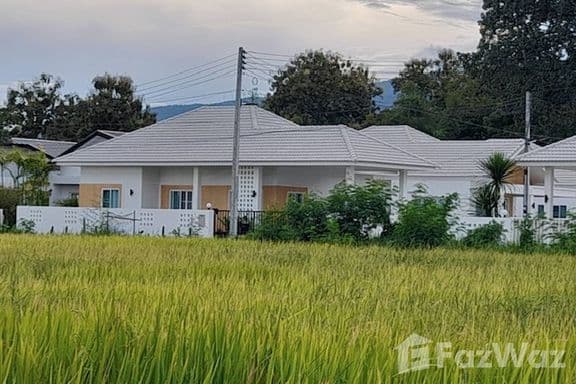
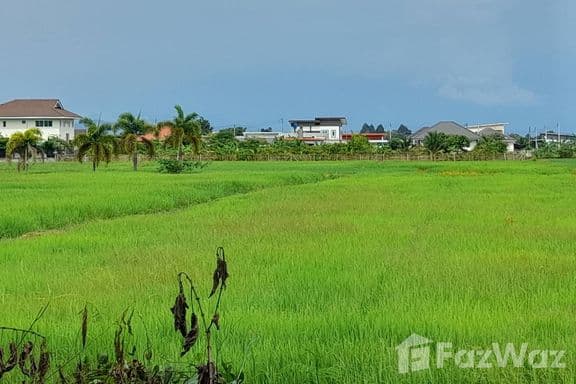
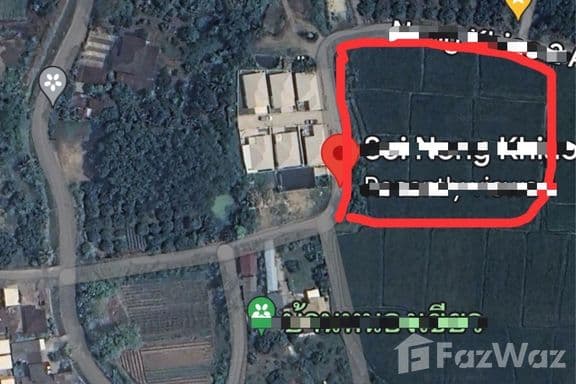

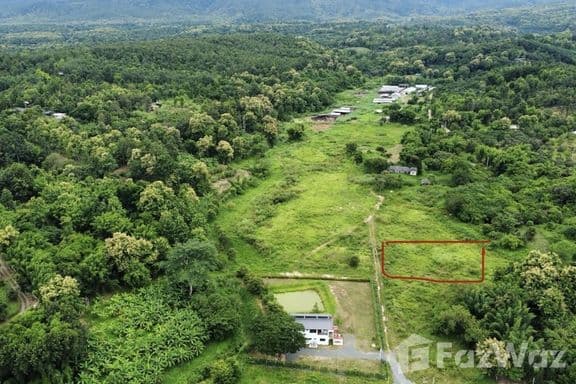
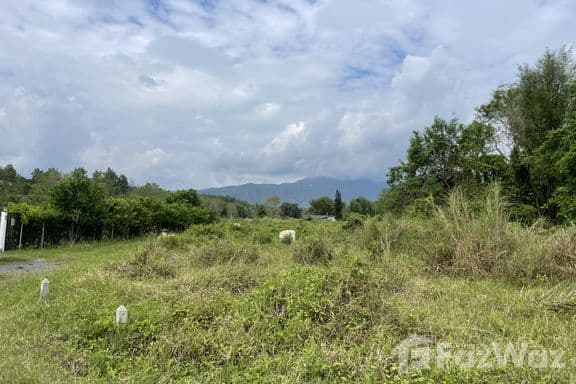
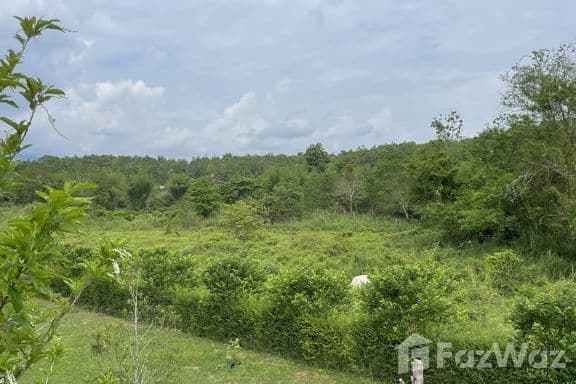
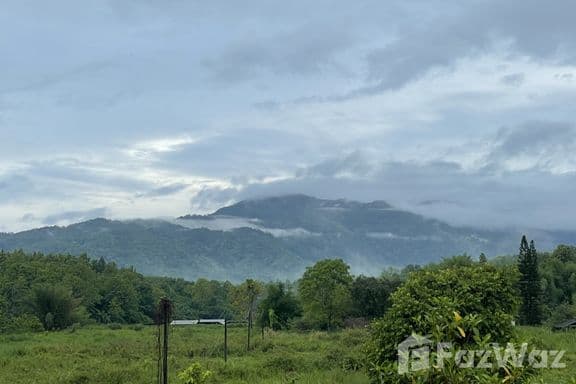
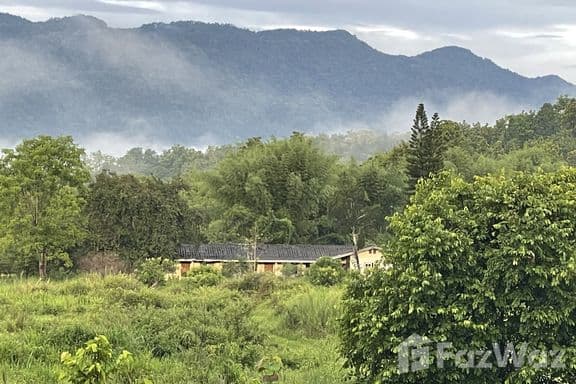


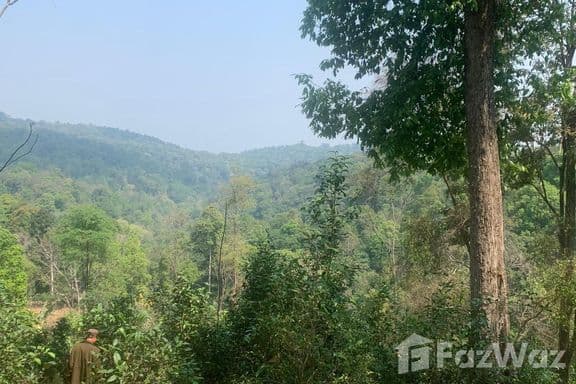


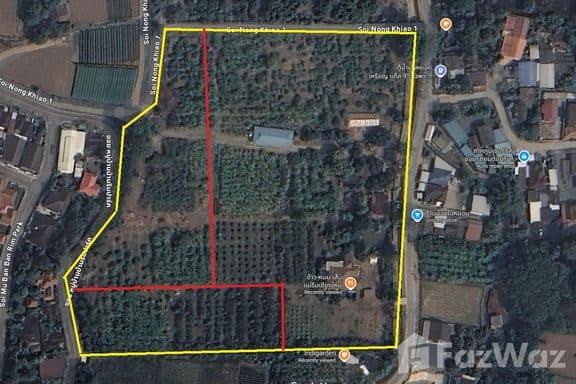


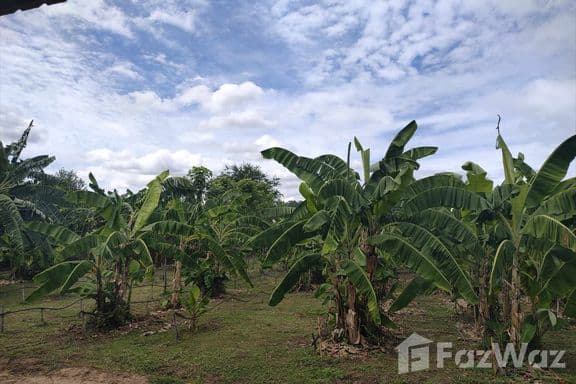

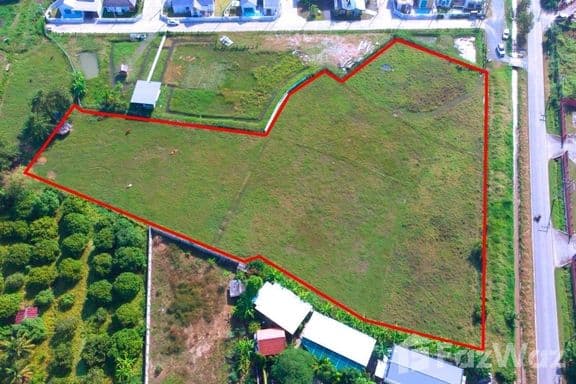
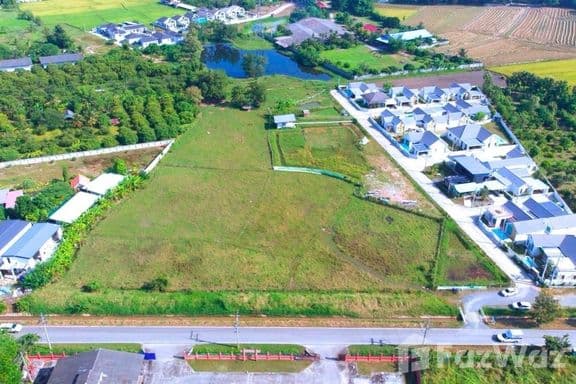
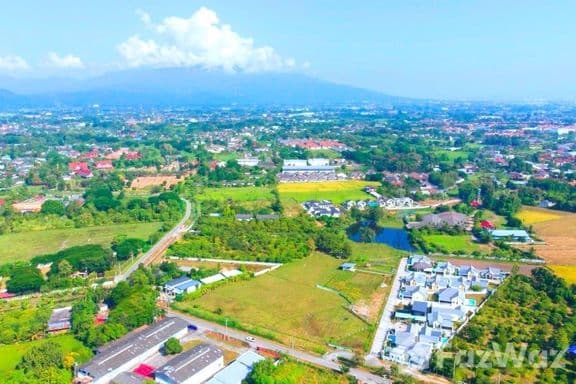
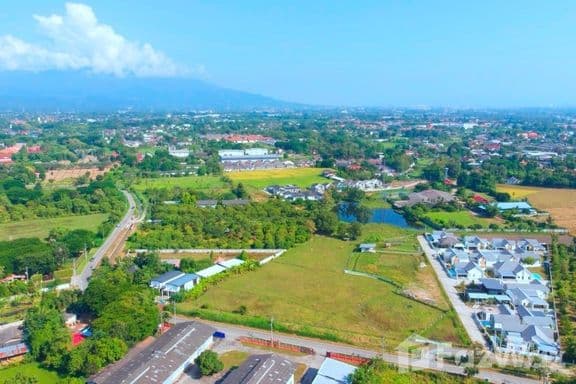
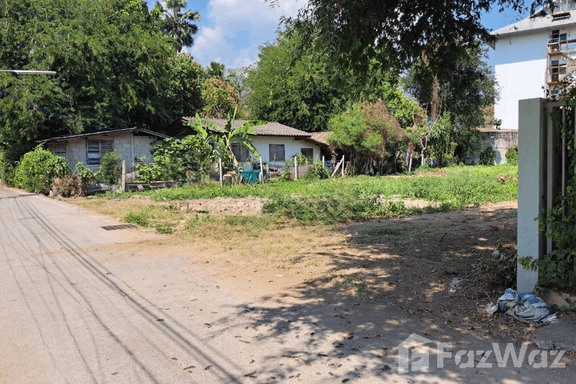
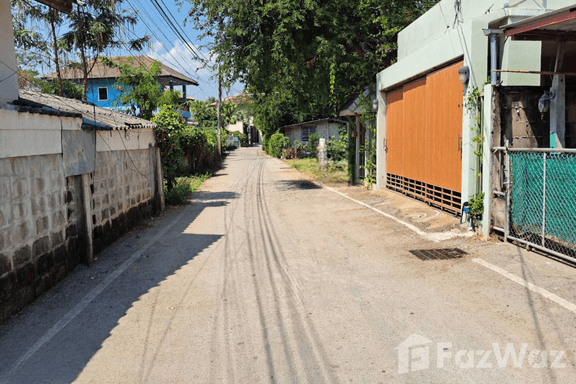
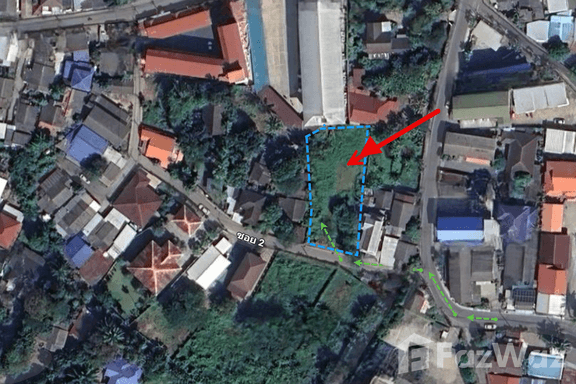


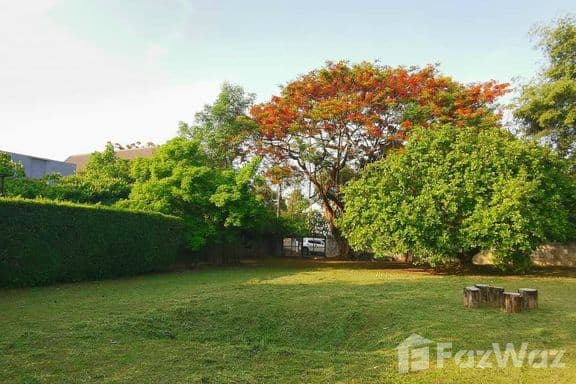
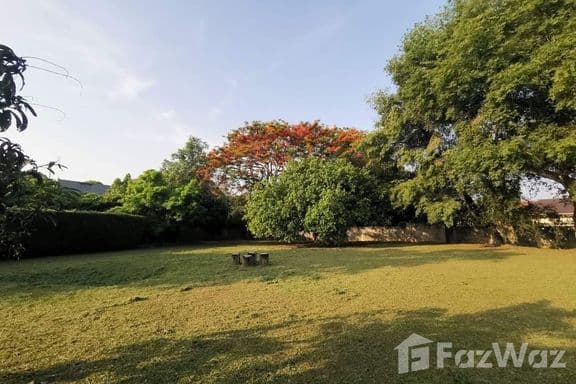
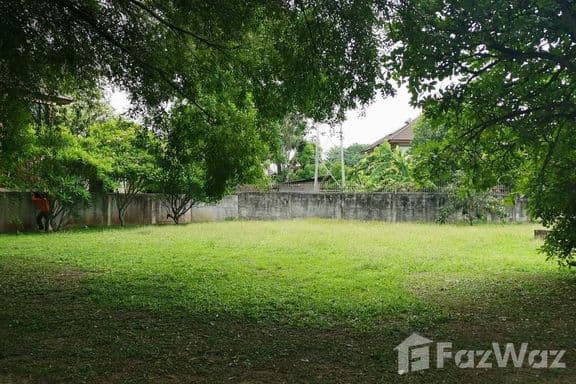
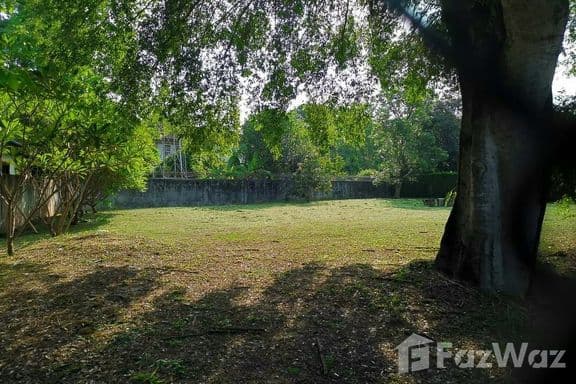

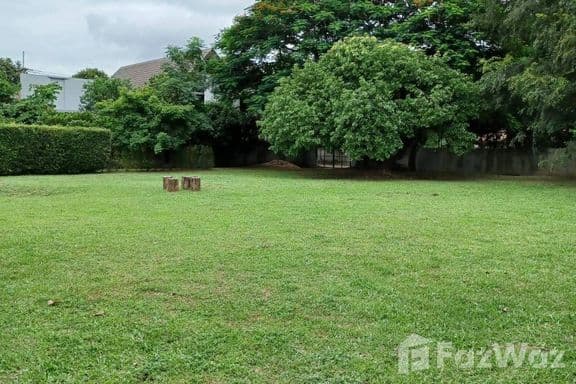

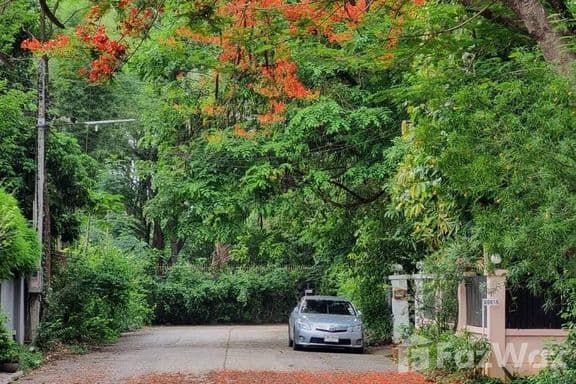


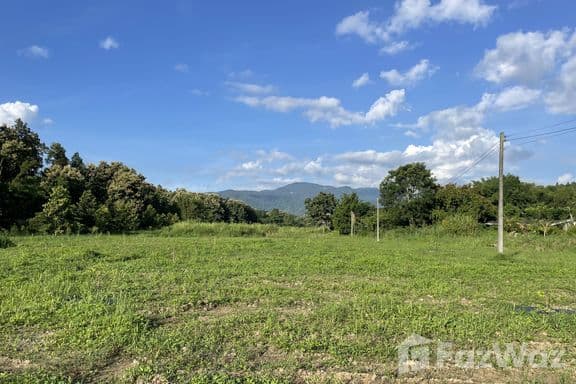
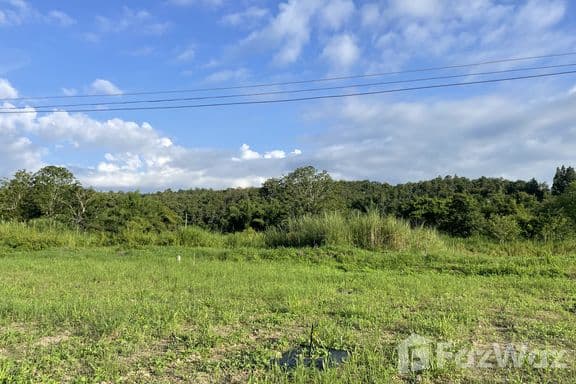
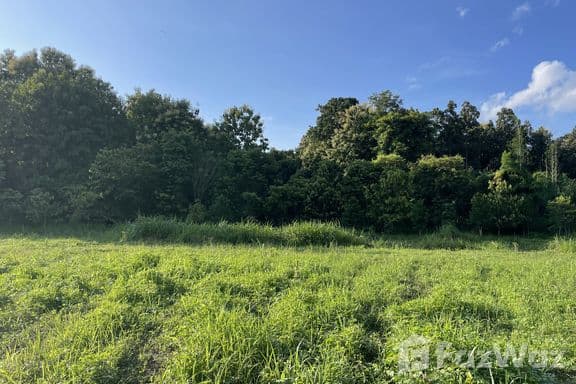
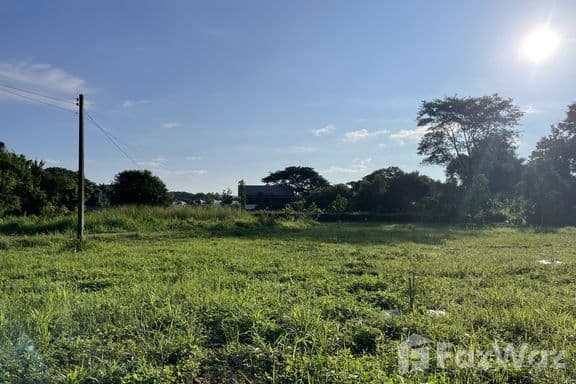
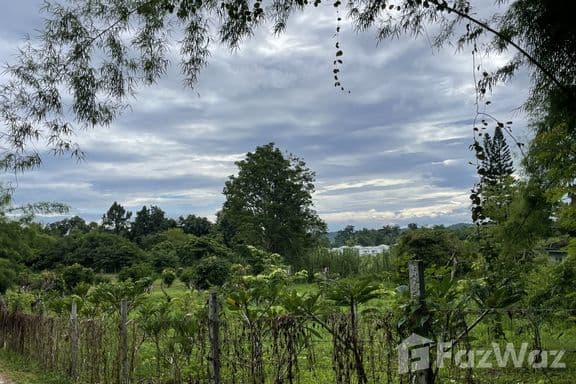
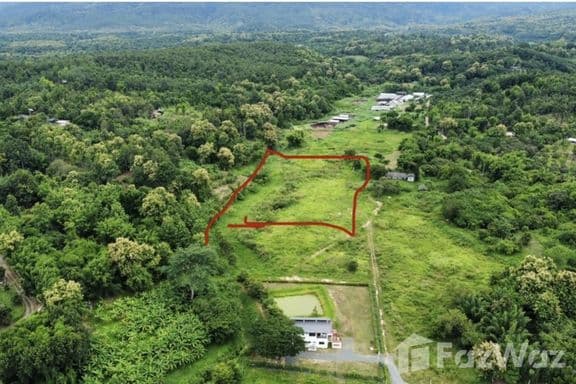
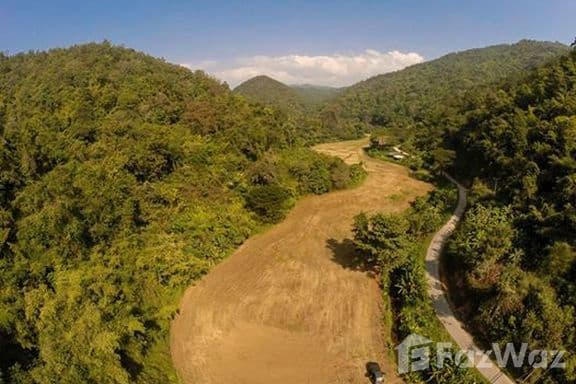

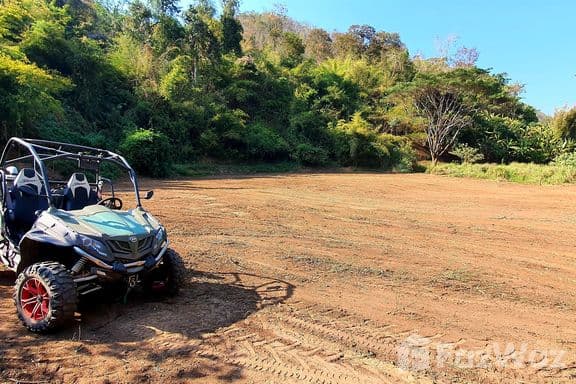
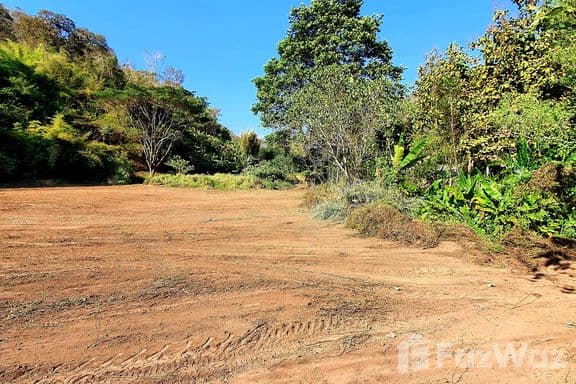


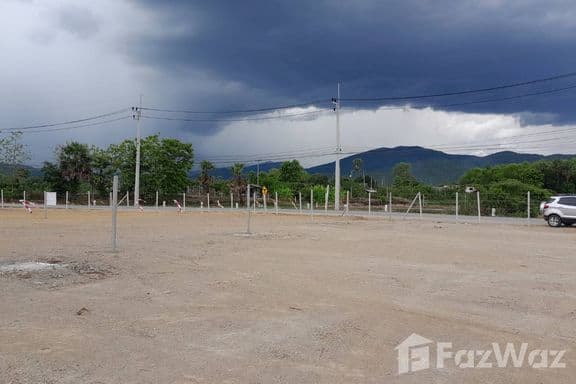
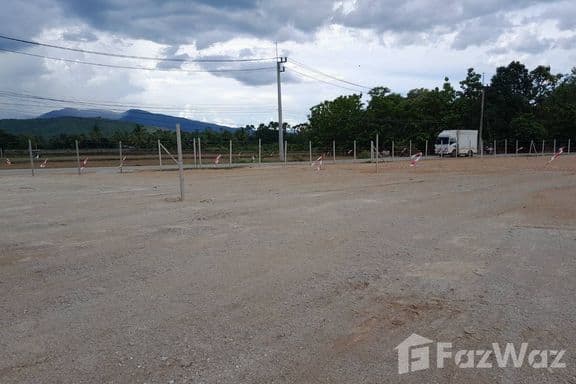
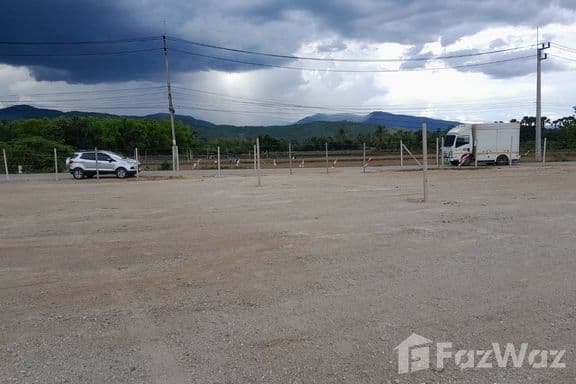
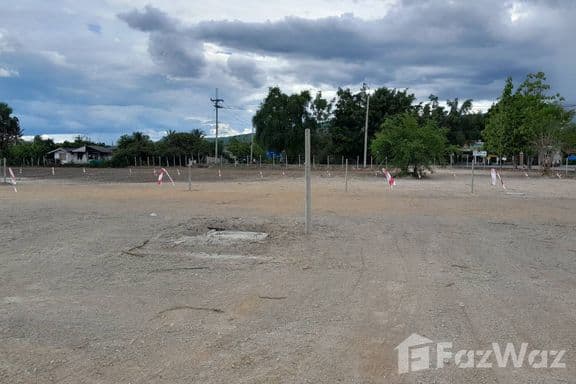
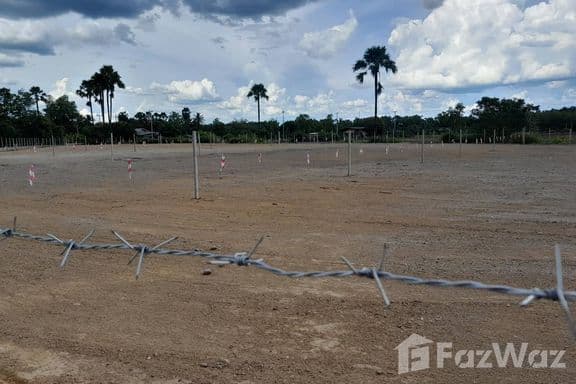


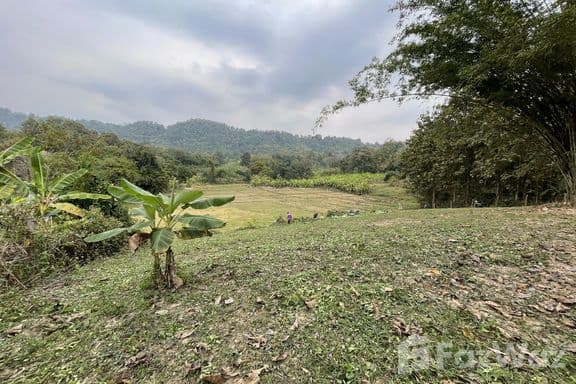
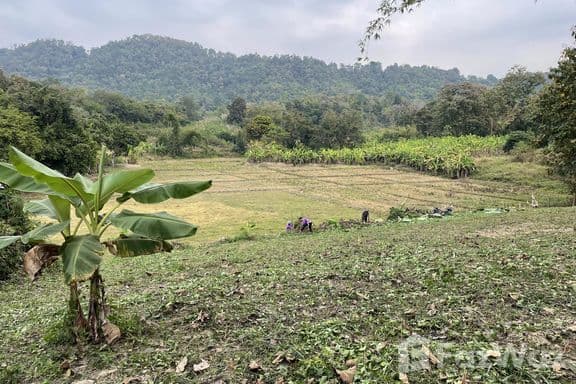
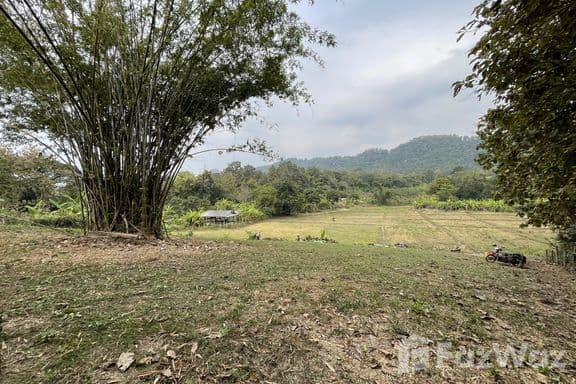
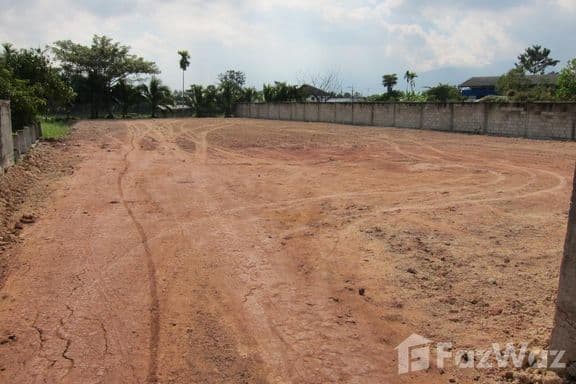

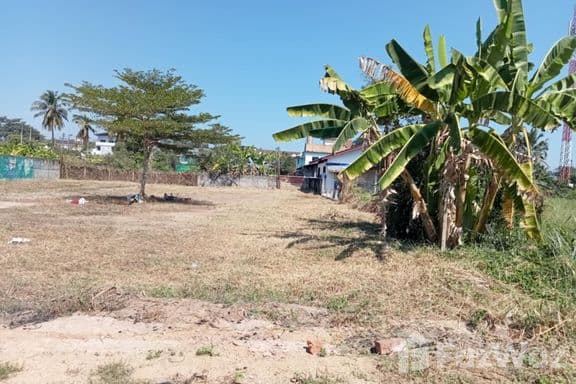

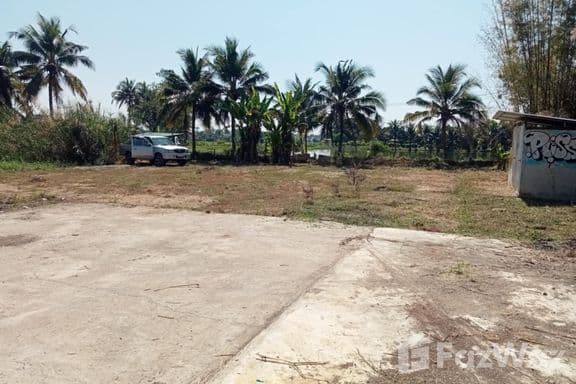
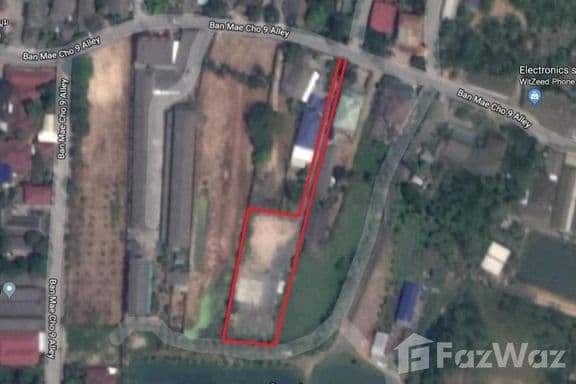


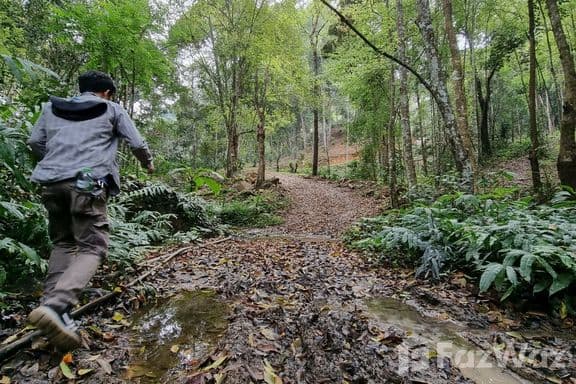
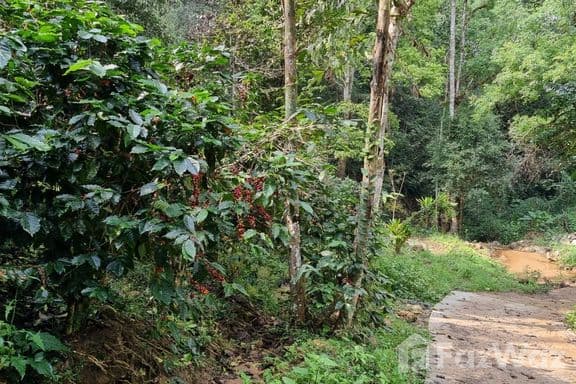
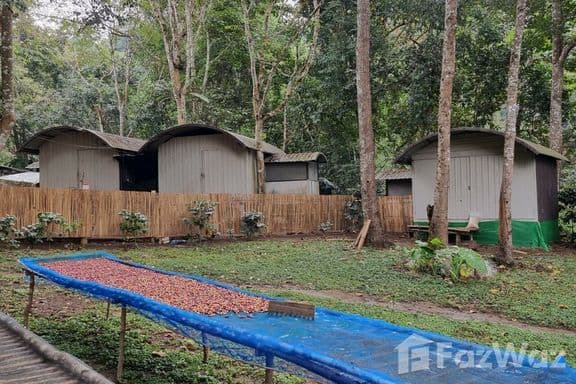


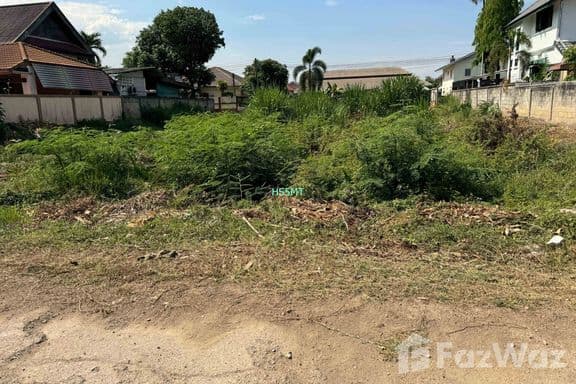
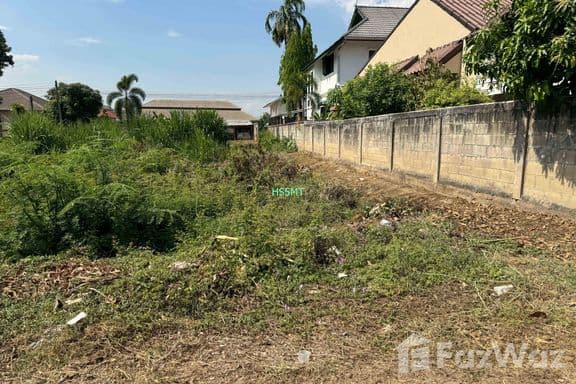


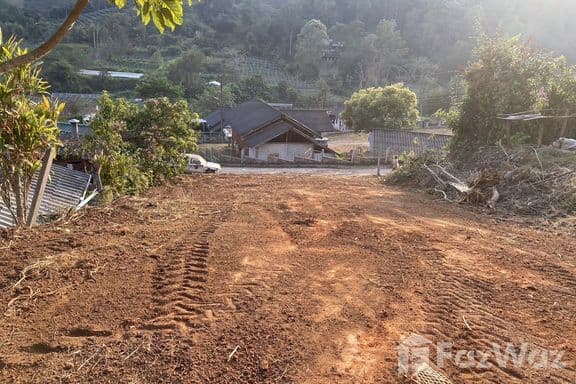

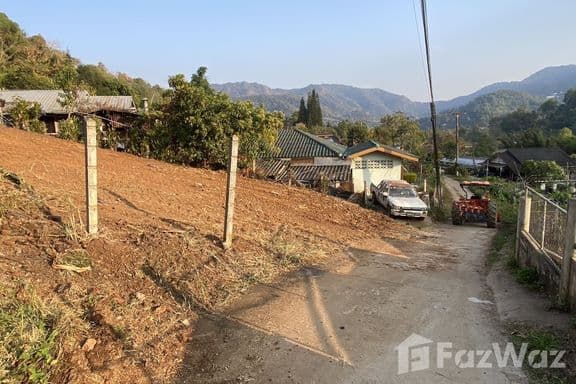
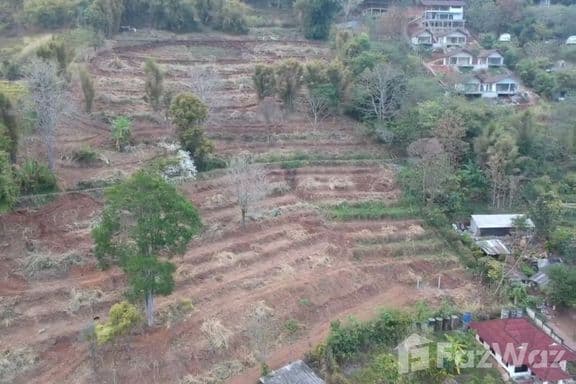




 Popular condos in Chiang Mai

