Chiang Mai Real Estate Market 2025: A Complete Guide for Foreign Buyers and Investors
Introduction
Chiang Mai is Thailand's northern jewel, a city famed for its rich cultural heritage, vibrant lifestyle, and scenic mountain backdrop. In 2025, it stands out not only as a beloved tourist destination but also as a growing hotspot for foreign property buyers and investors. Foreign nationals are increasingly drawn to Chiang Mai's blend of traditional charm and modern amenities - from ancient temples and night markets to international schools, hospitals, and an expanding tech scene.
Several factors make Chiang Mai particularly appealing to overseas buyers this year. The city offers an affordable cost of living (significantly lower than Bangkok’s, by some estimates 30-40% less) while providing a high quality of life. It has long been a hub for expatriates, digital nomads, and retirees seeking a comfortable lifestyle in a mild climate. With steady improvements in infrastructure and digital connectivity, Chiang Mai consistently ranks among the top choices globally for remote workers and retirees alike. The local government and business community have also been welcoming foreign investment, recognizing the boost it brings to the region’s economy.
In the post-pandemic era, Chiang Mai’s real estate market is experiencing renewed momentum. Tourism has rebounded strongly, and foreign interest in property has surged as international travel and relocation resume. Notably, new groups of buyers - such as investors from China and other Asian countries - have entered the market alongside the traditional Western expat homebuyers. This dynamic has kept demand resilient even as some domestic segments face headwinds. Overall, 2025 presents a unique window of opportunity for foreign buyers to enter Chiang Mai’s property market. This complete guide will provide an in-depth look at the current market trends, property types, legal regulations, and practical steps to help international investors make informed decisions. From understanding neighborhood nuances to navigating Thai property laws, the sections below will equip you with professional insight into owning or investing in Chiang Mai real estate.
Market Overview
In 2025, Chiang Mai’s property market is characterized by a gradual recovery and shifting demand dynamics. Overall transaction activity in the city has picked up from the lows of the pandemic period, but growth remains uneven across segments. Local Thai buyer demand, especially in the lower-end housing market, has been subdued due to economic challenges, high household debt, and stricter lending conditions. Entry-level homes (under roughly THB 3 million) saw slower sales in the past year as many local first-time buyers turned to renting amid rising interest rates. However, the mid to high-end segments - particularly properties above THB 7 million - have shown resilience and even growth. Wealthier domestic buyers and, importantly, foreign purchasers have driven strong uptake in these higher price brackets.
Foreign buyer interest is a key factor bolstering Chiang Mai’s real estate market. Amid limited local purchasing power, international investors have provided a much-needed demand boost, especially for condominiums and new developments in prime locations. By late 2024, it was reported that foreign nationals accounted for over 13% of all condominium transfers in Chiang Mai, a proportion that has remained stable or risen slightly year-on-year. In fact, Chiang Mai consistently ranks as one of the top provincial markets in Thailand for foreign property ownership (trailing only Bangkok and coastal resort areas like Pattaya). Buyers from China have become especially prominent in recent years - Chinese investors now outnumber Western buyers in many new projects. Over the past decade, Chinese nationals have purchased more than a thousand housing units in the city, establishing Chiang Mai as a favored second-home destination for China’s middle class. Investors from other Asian countries (such as Myanmar and South Korea) and Western nations (the US, Europe, Australia) also contribute to a diverse foreign buyer pool.
Price trends in Chiang Mai remain relatively moderate and stable. Unlike Bangkok, where central condos command premium prices, Chiang Mai’s housing costs are generally lower - a major attraction for value-seeking investors. As of 2025, average condominium asking prices in the city center range around THB 60,000-80,000 per square meter (approximately USD 1,800-2,400 per sqm), depending on location and building quality. This is significantly more affordable than property in Bangkok or other Asian metropolises. Housing prices vary widely by neighborhood, but a typical suburban three-bedroom house might be listed in the THB 5-10 million range (roughly USD 150,000-300,000). The market experienced a mild dip during 2020-2021, but values have since stabilized and begun climbing slowly again. Industry experts forecast modest price appreciation of around 3-7% for Chiang Mai real estate in 2025, reflecting cautious optimism. Much of the new supply in recent years - especially condominium units - is still being absorbed, so developers are focusing on clearing inventory rather than aggressively raising prices. This means foreign buyers in 2025 can still find favorable deals, often at prices below pre-pandemic peaks.
One notable trend is the contrast between the condominium market and the low-rise housing market. Condominium sales have benefited the most from foreign and out-of-town buyers. Spacious condo units in well-located projects (particularly those priced above THB 3 million) remain in demand, leading to improved absorption rates in the condo sector. Meanwhile, the market for single detached houses and townhomes - traditionally driven by local families - has been slower. Some developers report holding back new launches of housing estates around Chiang Mai until domestic buying power improves. Nevertheless, certain quality housing projects in the suburbs continue to attract interest from Bangkok-based Thai investors and expatriates who plan to relocate or retire in Chiang Mai.
In summary, Chiang Mai’s market shows a two-speed scenario: soft local demand in the mass market, counterbalanced by robust foreign and upscale demand in select segments. Rental demand is also healthy thanks to the city’s large expat and student population, providing investors with potential rental income (the gross rental yield for Chiang Mai condos averages around 5-7% per annum). With the tourism sector rebounding and infrastructure improving, sentiment in Chiang Mai’s property sector is cautiously positive. Buyers who understand the local market conditions - including which areas and price points are performing best - can capitalize on this period of sustainable growth. The following sections will delve into the types of properties available and where the opportunities lie for different buyer objectives.
Property Types
Chiang Mai offers a variety of property types for sale, each with its own advantages and considerations for foreign buyers. The main categories include condominiums, houses (villas), land plots, and commercial real estate. Foreign investors should understand what each property type entails and how it fits into Thai ownership regulations. Below is an overview of each:
Condominiums
Condominiums (condos) are the most straightforward option for foreign buyers in Chiang Mai. A condominium is an apartment unit in a multi-unit building where each unit has a freehold title. Under Thai law, foreigners can own condominium units freehold in their own name, as long as foreign owners do not exceed 49% of the building’s total unit area. Condos are particularly popular among international buyers because they offer hassle-free ownership with no need for complicated legal structures. In Chiang Mai, condos range from compact studios to spacious three-bedroom units or penthouses. Many are located in prime urban areas like Nimmanhaemin or near the Old City, often within modern buildings that provide amenities such as swimming pools, gyms, 24-hour security, and parking.
Pros of Condos: Condominiums typically require less maintenance responsibility for the owner - building management takes care of common area upkeep, security, and facilities. They offer convenience and often come fully furnished or with modern fittings. Condos in Chiang Mai also tend to be more affordable than landed houses, with entry-level prices that can be as low as THB 1.5-2 million for a small studio in the suburbs, up to THB 8-10 million for a luxury unit in a prime location. For investors, condos are easier to rent out to tenants (both long-term and short-term, though short-term rentals have legal restrictions discussed later). The rental yield for Chiang Mai condos is generally attractive (commonly in the 5-7% range annually) due to steady demand from expats, students, and tourists.
Cons of Condos: On the downside, condominium living means sharing walls and common spaces with neighbors, which may not suit those seeking privacy or large living areas. Owners must pay monthly maintenance fees to the juristic management (these fees cover upkeep of facilities and can range from roughly THB 30 to 60 per square meter per month, depending on the building). There are also condominium regulations that residents must follow (e.g., rules on pets, renovations, etc.). Importantly, foreigners should be aware of the 49% foreign ownership quota - if that quota is filled in a given building, additional foreign buyers can only purchase units on a leasehold basis or through other arrangements. This usually is only an issue in highly sought-after buildings. Overall, condos are ideal for those who want a convenient, turnkey property and legal simplicity.
Houses and Villas
Houses, including detached homes and villas, are available both within the city and in Chiang Mai’s suburban districts. These properties are usually situated on their own land plots. For foreigners, owning a house in Thailand is more complex because Thai law prohibits foreign freehold ownership of land. A foreigner cannot directly own the land that a house sits on. However, there are ways to control or use a landed property. Common approaches include long-term leaseholds (typically 30-year land leases that can sometimes be renewed) or purchasing through a Thai company or Thai spouse (more on these in the Legal Framework section). Many foreign retirees or those moving with families are interested in houses for the additional space, garden, and privacy they provide compared to condos.
In Chiang Mai, houses come in various forms: from modern homes in gated communities (often with 24/7 security and clubhouses) in areas like Hang Dong or San Sai, to older traditional Thai houses or teakwood homes in the city. There are also upscale villas and estate homes available, especially in scenic outskirts or hillside locations. Prices for houses vary widely - a smaller three-bedroom house in a suburban estate might cost around THB 4-6 million, whereas a large luxury pool villa can be THB 20 million or more.
Pros of Houses: The primary advantage of a house or villa is space - you generally get more square footage, multiple bedrooms, and outdoor areas (gardens, yards) which are great for families, pets, or those who value privacy. Houses offer a lifestyle closer to what many Western buyers are accustomed to (detached living), and they allow for personal customization and renovations (subject to any community rules). In Chiang Mai’s suburban environment, many houses have pleasant green surroundings and mountain views. Living in a house can also provide a sense of community if it's in an expat-oriented neighborhood. For investment, while rental demand for houses is smaller than for condos, there is a niche of tenants (e.g., families or long-term expats) seeking quality houses, and yields around 5% can be achievable.
Cons of Houses: The biggest drawback for foreign buyers is the ownership restriction on the land. Since a foreigner must use indirect methods to own a house (lease or company), it involves legal arrangements and potentially less security than a freehold condo. Leaseholds have a finite term, and company structures require upkeep and compliance. Additionally, houses require more hands-on maintenance - owners are responsible for their property’s repairs, gardening, and security (if not in a managed community). Utility costs may be higher for larger homes as well. Resale of houses can also be trickier for foreigners, since the pool of eligible buyers who can legally take over the property structure might be limited or require taking over a lease. Despite these challenges, many foreigners successfully enjoy home ownership in Chiang Mai via leases or other lawful mechanisms.
Land and Plot Investments
Purchasing land by itself - to hold for investment or to build a custom home - is another avenue some investors consider. Chiang Mai has plentiful land in its outer districts, from small residential lots to large parcels suitable for development or agriculture. However, foreign buyers need to approach land acquisition with caution due to Thai legal restrictions. Direct freehold land ownership is not permitted for foreigners (with very rare exceptions under specific government schemes that require huge investments and approvals). That means any land purchase usually must be structured as either a long-term lease of the land, or through a Thai national or entity.
Some foreigners choose to lease land (for instance, a 30-year lease with an option to renew for another 30 years) and then build a house on it. Others form a Thai limited company, in which they hold a minority share and Thai partners (or nominees - though using true nominees is illegal) hold 51%, to buy the land in the company’s name. Each approach carries its own legal implications and risks. Pure land speculation by foreigners via such structures is less common, but there are cases where foreign investors have effectively controlled land this way for development projects (e.g., building a small resort or several homes for resale).
Pros of Land Investment: The upside to land is potential appreciation, especially in growth corridors. For example, if you secure a plot on the outskirts where a new highway or commercial center is planned, land values can increase significantly. Land gives you the flexibility to build what you want (following local zoning and building codes) or to hold as a long-term asset. Chiang Mai’s land prices are generally much lower than in Bangkok or coastal resort areas, so one can acquire a sizable piece of land for a relatively modest sum (especially in semi-rural districts). For those with a vision of building a custom retirement home or business, leasing land and constructing to personal specifications is attractive.
Cons of Land Investment: For foreigners, the inability to own land outright is the primary disadvantage. A lease, even if renewable, is not the same as ownership - after the lease term, the rights revert to the landowner if not renewed. Selling a leased land interest can be difficult since it’s essentially selling the remaining term of the lease. Using a company to buy land has legal pitfalls; Thai authorities have been tightening scrutiny on companies formed solely to hold land on behalf of foreigners. If such a company is found to be a nominee structure (with Thai shareholders not genuinely investing), it can be dissolved and the land seized. Moreover, owning undeveloped land yields no income and incurs some annual taxes, so it’s a holding cost with no immediate returns. Land can also be less liquid than condos - finding a buyer (especially one who can navigate the legal structure) may take time. In summary, while land and self-build projects are possible for foreigners via leases or companies, they require careful legal planning and are recommended only for those with clear objectives and professional advice.
Commercial Real Estate
Commercial real estate in Chiang Mai includes properties like shophouses, retail units, office spaces, and hotels/guesthouses. Foreign investors interested in commercial property typically have to operate through a Thai-registered company if land ownership is involved. For example, a foreigner looking to buy a small hotel or guesthouse would likely need to set up a company (with Thai majority ownership as required) to purchase the land and building, and then run the business. Some commercial units, such as those within a condominium development (like a retail shop unit in a condo building), could potentially be owned freehold by a foreigner similar to a condo unit, but these cases are specific and relatively rare.
In Chiang Mai, popular commercial investments for foreigners include guesthouses or boutique hotels in the Old City, cafés or restaurants in trendy areas like Nimmanhaemin, and co-working or office spaces catering to the expat and local professional community. Shophouses - narrow multi-storey buildings often used for business on the ground floor and residence above - are common in commercial zones and can sometimes be leased long-term or acquired through a company setup. Prices for commercial properties vary widely based on location and income potential; for instance, a centrally located guesthouse might cost tens of millions of baht, whereas a small suburban café in a rented shophouse could involve a far smaller property investment.
Pros of Commercial Property: The main draw is business opportunity and higher income potential. Chiang Mai’s strong tourism industry and growing expat population create demand for hospitality and retail ventures. Owning a well-located guesthouse or a block of service apartments can provide steady cash flow and the chance for significant capital appreciation if the business thrives. The city’s push towards tech and creative industries also opens opportunities in office and co-working spaces. For experienced investors or entrepreneurs, Chiang Mai offers a relatively low entry cost compared to Bangkok, allowing them to start businesses with property ownership as part of the investment.
Cons of Commercial Property: Challenges include complex legal and regulatory hurdles. Running a business as a foreigner requires proper Visas and work permits; the property itself may need specific licenses (e.g., a hotel license for short-term accommodation, food and alcohol licenses for a restaurant, etc.). Ownership must usually be through a Thai company, meaning direct control is shared and corporate compliance (annual filings, taxes, Thai partners) is required. The success of the investment is tied to the business performance, which can be affected by economic swings, tourism fluctuations, or competition. Managing commercial real estate is also hands-on - you may need to handle staff, maintenance for heavy usage, and marketing. Thorough due diligence is critical: research zoning laws (certain areas might restrict commercial activities), building codes, and the competitive landscape before committing. In summary, commercial properties can be lucrative but are best suited for foreigners who are prepared to actively manage an investment and navigate Thai business regulations.
Neighborhood Guide
Chiang Mai’s layout is a mix of a compact city center surrounded by expanding suburbs and semi-rural areas. Each district has its own character and suitability for different types of properties and buyers. Below are some key neighborhoods and what foreign buyers can expect in each:
- Nimmanhaemin (Suthep District): Often simply called “Nimman,” this is Chiang Mai’s trendiest urban neighborhood, located west of the Old City near Chiang Mai University. Nimmanhaemin is known for its chic cafés, international restaurants, co-working spaces, and vibrant nightlife. It’s the top choice for many younger expats, digital nomads, and professionals. Property in Nimman is predominantly condominiums - sleek modern condos and serviced apartments line the side streets. Units here cater to those who want a cosmopolitan lifestyle; many buildings have rooftop pools or gyms, and you can walk to Maya Shopping Mall or popular nightspots. Condo prices in Nimman are among the highest in Chiang Mai (reflecting its popularity), but still affordable by international standards. This area is ideal for buyers seeking an investment condo that will easily rent out to foreigners, or a personal residence in the heart of the action. Houses are extremely scarce in Nimman due to dense development; any that remain are very expensive and usually converted to businesses (such as boutique hotels or restaurants).
- Old City and Surroundings: The Old City refers to the historic center of Chiang Mai, a roughly square area enclosed by a moat and remnants of ancient walls. It is rich in temples, traditional architecture, markets, and cultural attractions. Living inside the Old City is a unique experience - it’s a low-rise environment with narrow lanes and a blend of guesthouses, local homes, and small businesses. There are a few small condominium developments and many renovated townhouses within the moat. Foreign buyers who cherish cultural ambiance and convenience may gravitate here. Properties might include boutique condos or restored wooden houses. Just outside the moat (in areas like Chang Moi, Si Phum, Wat Ket, and Haiya), you find more modern condos and apartments that still enjoy proximity to the old town charm. These districts suit retirees or culture-loving individuals who want to be near temples, cafés, art galleries, and the urban buzz, but don’t necessarily need the nightlife of Nimman. From an investment perspective, rental demand in and around the Old City is strong for both short-term tourist stays (if managed legally) and long-term renters who appreciate the historic vibe.
- Chang Klan (Night Bazaar area): Southeast of the Old City lies Chang Klan Road, famous for the Night Bazaar, hotels, and a lively tourist scene. It’s a bustling commercial area that has seen a number of high-rise condominium projects in recent years. This area is popular among foreign investors from East Asia (notably Chinese buyers) due to its mix of shopping and accommodation options. Condos around Chang Klan often offer excellent city or mountain views (as some of the tallest buildings in Chiang Mai are here) and are positioned for short-term rental appeal to tourists or business travelers. Examples include new high-rise condos with facilities that attract both residents and vacationers. If you’re an investor eyeing rental income, a condo in this area could be strategic - the central location and constant flow of visitors are advantages. Pure residential living is possible (there are quieter side streets off Chang Klan), but generally this district has a commercial feel. Standalone houses are virtually non-existent in the immediate Night Bazaar vicinity. Buyers here are typically investors or those who want a city pad amid the tourist action.
- Riverside (Wat Ket area): The Ping River runs along the east side of Chiang Mai, and the areas on both banks (commonly referred to as Riverside) offer scenic views and a more tranquil atmosphere while still being near the city center. The Wat Ket area, on the east bank, has a rich history as a trading hub and features some charming heritage buildings and a mix of communities (Thai, Chinese-Thai, Western expat enclaves). Along the riverside, there are a few luxury condos and serviced apartments that boast river views and lush grounds. These tend to attract higher-end buyers, including retirees and long-term expats, who enjoy peace and aesthetics - morning strolls along the river, dining at riverside restaurants, etc. There are also upscale hotels and riverside restaurants that give the area a sophisticated vibe. Houses can be found in Riverside neighborhoods, typically large homes in gated compounds or older mansions; when they come up for sale, they are often high-priced and unique (sometimes bought for commercial conversion). The Riverside area is ideal for those who want a slower pace without giving up proximity to urban conveniences. It’s a short drive or even walk across a bridge to reach the city center from many spots. For investors, the pool of potential tenants here might be smaller (targeting retirees or professionals rather than students or young nomads), but properties often maintain good long-term value due to their unique location.
- Hang Dong (Southwest suburbs): Hang Dong district, about 15-30 minutes south/southwest of downtown, is one of Chiang Mai’s most popular areas for expatriates who prefer living in houses. It’s known for numerous gated communities (“moo ban”) and housing estates favored by foreign retirees and families. Neighborhoods like Nong Khwai, Ban Waen, and Nam Phrae feature developments by well-known Thai developers (such as Land & Houses, Sansiri, etc.) offering modern detached homes with gardens and community facilities. This area is also home to several international schools (e.g., Lanna International School, Panyaden School, and Chiang Mai International School’s secondary campus not far away), which is a big draw for expat families. Properties in Hang Dong range from modest single-storey houses in local villages to expansive luxury villas in high-end estates. Many homes have views of Doi Suthep or surrounding hills, and the environment is greener and often cooler than the city center. There are also large shopping centers (like Kad Farang) and supermarkets and hospitals in or near this district, catering to the growing suburban population. Hang Dong is an excellent match for buyers looking for space, privacy, and a community vibe - for example, a retiree couple with pets might enjoy a garden home here, or a family might choose a house near a school bus route. For pure investors, rental demand in Hang Dong exists (especially among expat families and some local professionals), but yields might be lower than condos in the city, and tenants often come via specialized channels (school communities, word-of-mouth) rather than open market.
- Mae Rim (Northern outskirts): Mae Rim is a district to the north of Chiang Mai (roughly 30-40 minutes drive from the city center) known for its beautiful natural surroundings. It hosts many tourist attractions like botanical gardens, elephant camps, and scenic mountain viewpoints. Over the years, Mae Rim has become a hotspot for luxury homes and resorts. Wealthy Bangkok Thais and some foreigners have built weekend villas or retirement homes there, capitalizing on the cooler temperatures and serene environment. Properties in Mae Rim include large estates with private pools, small farms or orchard homes, and boutique resort properties. Gated communities such as in the Samoeng Road area offer custom-built villas on spacious plots. This area appeals to buyers who prioritize tranquility and nature - for example, someone seeking a retreat-like living experience with perhaps a mountain view and plenty of land will find it here. The trade-off is convenience: daily commuting to the city takes time, so many Mae Rim residents are either semi-retired or fine with driving. As an investment, Mae Rim properties may appreciate as land is plentiful but slowly being discovered, especially if infrastructure improves (there have been plans to expand roads and maybe even talk of a second airport in nearby areas which could influence demand). Rental potential is niche - one could target long-stay tourists or well-to-do expats wanting a retreat - but it’s not as steady as in town. Thus, Mae Rim is often chosen for personal use rather than pure investment, unless one is investing in a hospitality business.
- San Sai and Doi Saket (Northeast suburbs): These districts lie to the northeast and east of Chiang Mai city. San Sai borders the northern city area and extends outward, while Doi Saket is further east along the highway towards Chiang Rai/Bangkok. San Sai has seen considerable development, especially near the outer ring road and around Central Festival Mall. There are mid-range housing estates here where prices can be more affordable than Hang Dong or city-center equivalents, making it attractive to budget-conscious foreign buyers who still want a house. The area around San Sai (e.g., around Nong Chom and Talat Khwan sub-districts) features a mix of Thai local communities and expat residents. It’s also near some schools (Unity Concord International School, for example) and not far from Bangkok Hospital or Central Festival for shopping. Doi Saket district is more rural and known for rice fields, temples, and quiet village life. Some foreigners choose to build homes in Doi Saket for a country living experience - land prices there are lower, and you can get large plots with mountain views. Daily amenities in Doi Saket are basic (local markets, small shops), with trips to the city needed for major shopping or healthcare. Both San Sai and Doi Saket would suit retirees or long-term residents who are comfortable driving and living somewhat outside the urban core. They offer a slower pace and closer connection to local Thai life. As for investment, properties in these areas appreciate more slowly and rental demand is limited to locals and the occasional expat who wants a house at a lower cost. They are not prime rental markets, but if you’re settling down yourself or want to eventually sell to another retiree, these areas can be very rewarding lifestyle-wise.
Each neighborhood in Chiang Mai offers a distinct lifestyle. For a vibrant urban experience (and easier rental potential), areas like Nimmanhaemin or near the Night Bazaar are prime. For cultural charm, the Old City and surrounding zones appeal. If you seek a family-friendly suburban life or retiree comfort, places like Hang Dong or the quieter parts of San Sai/Doi Saket shine. And for a luxurious retreat, Mae Rim or certain riverside spots are unparalleled. We recommend prospective buyers spend time in their area of interest, talk to current residents, and perhaps rent first in that neighborhood to ensure it fits their expectations.
Legal Framework
Navigating the legal framework is crucial for foreign buyers in Thailand. The laws regulating property ownership by non-Thais are strict in some respects, but with proper understanding, foreigners can safely invest in Chiang Mai real estate. This section outlines what types of property foreigners can own, the difference between freehold and leasehold, and key regulations to be aware of:
Foreign Ownership of Condominiums
Thailand’s Condominium Act is the primary law enabling foreign individuals to own property freehold in their own name. Foreigners may own up to 49% of the total sellable floor area of a condominium building on a freehold basis. In practice, this means if a condo project has, say, 100 units of equal size, foreigners can legally own 49 of those units outright; the rest must be Thai-owned. To purchase a condo, a foreign buyer must bring funds from overseas: the money used for the purchase must be remitted into Thailand in a foreign currency and recorded by a Thai bank as a foreign investment (this is evidenced by a Foreign Exchange Transaction Form, often called FET form or Tor Tor 3). This document is required at the Land Office when transferring the condo to foreign ownership, to prove compliance with the law.
When buying a condo, ensure that the building’s foreign ownership quota (49%) is not already filled. Reputable developers or the condominium juristic office can confirm the current quota status. If there is room in the quota, the foreign purchaser can proceed with a freehold transfer. At the Land Office, the foreign buyer’s name will be registered on the title deed (known as a Chanote for condos) as the owner of that unit, granting indefinite ownership just like any Thai owner. One does not need to be a resident of Thailand or hold a particular Visa to buy a condo - even a non-resident foreigner can own one.
For future resale, note that another foreigner can buy your condo freehold (if the foreign quota remains available), or a Thai can buy it. If you sell and wish to repatriate the funds, having those FET forms is important to show the money originally came in from abroad (this helps when transferring baht out to your home currency, ensuring compliance with currency control rules).
Land and House Ownership Options
Thai law (primarily the Land Code) prohibits foreign individuals from owning land freehold. This is why a foreigner cannot directly have their name on a land title deed (Chanote) for a plot of land or house. However, there are legal methods that foreigners use to acquire rights to land or houses:
- Long-term Lease (Leasehold): A foreigner may lease land or a house for a maximum of 30 years per lease term (this is the longest period registerable at the Land Office for residential leases). The lease contract can include a clause allowing renewal for an additional 30-year term (or multiple renewals), but any promise to renew is a contractual agreement, not an automatic right, and would depend on the situation when the time comes (for instance, the lessor or their heirs would have to honor it, or the law might change by then). During the lease term, the lessee (foreigner) has secure rights to occupy and use the land/house, and this leasehold interest can be sold or transferred to another party (who would then get the remaining term). Many foreigners purchase villas on a 30-year lease in Thailand’s resort areas; similarly in Chiang Mai, some housing developments offer foreign buyers a 30-year renewable lease. It is critical to register the lease on the title deed at the Land Office to make it legally binding on third parties (unregistered leases over 3 years are not enforceable beyond 3 years).
- Thai Company Ownership: Thai law allows Thai majority companies (up to 49% foreign shareholding) to own land. Some foreigners set up a Thai Limited Company and structure it in such a way that they retain control (for example, the foreigner holds 49%, and often one or more Thai shareholders hold 51% collectively but may assign voting rights or other preferential arrangements to the foreigner). The company can then purchase land and register the land title under the company’s name. The foreigner, as a director and major stakeholder, then controls the property through the company. Important caution: Using shell companies purely to hold land for a foreigner is technically against the law if the Thai shareholders are not genuine stakeholders (so-called nominee shareholders). Thai authorities have increased scrutiny on this practice. But if the company is legitimately set up (say you have a Thai business partner, or you run an actual business in Thailand that requires property), it is a legal route to own property that includes land. Company maintenance requires yearly accounting, tax filings, and compliance with Thai corporate laws.
- Thai Spouse Ownership: If a foreigner is married to a Thai national, the Thai spouse can own land in their personal name. The Land Office will require the Thai spouse to sign a declaration (in case of a Thai wife, it’s an acknowledgment that the funds used are her personal property; for a Thai husband of a foreign wife, vice versa) essentially to ensure the land is not being owned through the Thai on behalf of the foreigner. The foreign spouse must also sign to state they have no claim on the property. In practice, many foreign men buy homes in Thailand and register the land in their Thai wife’s name. Legally, the Thai spouse has full ownership and control; the foreigner has none, other than whatever private arrangements the couple makes (such as prenuptial agreements or mortgages between spouses, which may or may not be enforceable). This method is straightforward if trust in the relationship is absolute, but it carries risk in case of marital disputes or separation.
- Special Investment Programs: At times, the Thai government has floated programs where very wealthy foreigners can own a small amount of land (for residential use) if they invest a substantial sum in Thailand (e.g., 40 million THB in government bonds or specified investments). One such regulation was approved in principle allowing qualified foreigners to buy up to 1 rai of land for a home, but implementation of these schemes has been limited and sometimes met with political resistance. As of 2025, there is no general provision for a foreign individual to simply buy land by virtue of investment without using one of the structures above.
In Chiang Mai, many foreign buyers who desire a house typically go the leasehold route. For example, some gated communities will sell the house structure to the foreigner and lease the land to them for 30 years. This provides security of tenure and a straightforward process. Others who perhaps plan to run a business or have Thai family ties might use the company ownership route or spouse ownership as applicable. Each method has pros and cons, as discussed below.
Leasehold vs. Company Ownership
Comparing long-term leasing versus setting up a company to hold property is a common consideration for foreigners (aside from the spousal ownership case which is more situational). Here are some points to help decide:
- Simplicity: Leasehold is generally simpler. It involves a contract between you and the landowner, and once it’s registered, you have a clear legal right to the property for 30 years. You don’t have to file annual reports or deal with corporate regulations. A company, on the other hand, requires formation (finding Thai shareholders, registering with the Ministry of Commerce), and continuous compliance (annual balance sheet filings, potentially paying corporate taxes even if minimal, etc.).
- Control and Perpetuity: A lease is time-limited. Even with renewal clauses, there is an end date unless the law changes to allow extensions. A company can own the land indefinitely, and you can effectively control the company. If you plan to pass property to heirs or keep it in the family for generations, neither a lease nor the current company structure is perfect - a lease eventually ends, and a company could get complicated with inheritance (you’d have to transfer shares to heirs who then manage the Thai shareholder aspect). However, a well-structured company could in theory hold the land indefinitely as shareholders change. But remember, if authorities ever found the company to be non-compliant (a paper company with nominee shareholders), that could be challenged.
- Cost and Taxation: Setting up a company has upfront costs (legal fees, registration fees) and annual costs (accountant, possible audit if the company is large, minimum corporate income tax or duty even if no profit, etc.). Leasing involves paying rent upfront or periodically; some developers charge the full 30-year lease payment as part of the purchase price (effectively capitalizing the lease cost). At transfer, registering a lease costs 1% of the total lease value as a fee to the government (e.g., if a 30-year lease is valued at 3 million THB, the registration fee is 30,000 THB). There is also a stamp duty of 0.1% of the lease value. Company ownership would incur a 2% transfer fee on the land value when the company purchases the land, plus some nominal stamp duty or specific business tax depending on the case, similar to a normal sale. Once the land is with the company, if you sell the company (transfer shares) later, that’s another process with its own tax implications. For many individual home purchases, lease registration fees are actually cheaper than paying annually to maintain a company that isn’t doing much business.
- Legal Climate: Thai officials are generally very familiar with foreign lease arrangements; it’s an accepted practice and not controversial. Thai company nominee ownership has been a grey area - mostly tolerated in the past but under increasing scrutiny. If you choose the company route, it’s adVisable that the company have a legitimate business function and real Thai shareholders (for example, maybe your Thai friend or relative is a minor partner in a real business venture, not just a namesake). Some areas of Thailand (like certain islands) have cracked down on land-holding companies, but in Chiang Mai there hasn’t been any large-scale crackdown reported - still, laws apply nationally.
In conclusion, for a personal home many experts recommend leasehold as the cleaner solution. For an investment involving multiple properties or a business, a Thai company structure might make more sense. It’s crucial to consult with a Thai property attorney to review your specific situation and the latest regulations when making this decision.
Other Regulations and Considerations
Some additional legal points for foreign buyers to keep in mind:
- Title Deed Types: Always purchase properties with a Chanote title deed (also called Nor Sor 4) or the condominium title deed. In Chiang Mai’s rural outskirts, you might see land with lesser titles like Nor Sor 3 or Nor Sor 3 Gor, which carry some usage restrictions or are awaiting full title. It’s best as a foreign investor to avoid those because they cannot be leased or sold as securely. Almost all properties in established developments or in the city will have full Chanote titles, but do verify in due diligence.
- House Registration (Tabien Baan): When you buy a property, you will get the title deed for ownership. Additionally, every dwelling in Thailand has a house registration book (blue book for Thai residents, or yellow book for foreign residents) which is an official address record. Foreigners can get their names in a yellow house book if they have a long-stay Visa, which then serves as a local ID/address proof, but it is not linked to ownership. It’s not required for property purchase, but if you reside full-time, you might consider getting on the house registration for convenience.
- Inheritance: If a foreigner owns a condo and passes away, the heirs (foreign or Thai) can inherit it. If the heir is foreign and the condo building is beyond the 49% foreign quota at that time, the heir must sell the unit within a year (this is to ensure the foreign quota limit is maintained). If you have a lease on a house, you can bequeath the remaining lease term to an heir (the lease continues until expiry under the same conditions). If a foreigner owns property via a company, those shares would transfer per inheritance laws (or a will) and the structure would remain. It’s wise for foreign owners to have a will in Thailand specifically addressing their Thai assets to avoid complications.
- Taxes on Owning Property: Aside from the annual Land and Building tax mentioned in the FAQ (which is generally low for personal residential use), there is no council tax or property tax like in some countries beyond that. If you rent out property, you should report the income and pay income tax. There’s no capital gains tax per se in Thailand; if you sell a property for a profit, that profit is technically just part of the income calculation for the transfer (withholding tax), and it’s often minimized by the government-set appraisal values and deductions for years of ownership. For a company-owned property, if the company sells the land at a profit, it would pay corporate income tax on that profit.
- Condo Foreign Quota Handling: If you’re buying a condo from a Thai owner in a building that’s at the 49% foreign limit, one workaround sometimes used is setting up a company to buy that particular unit (because Thai companies are treated as Thai ownership for quota). However, most foreign buyers avoid such extra hassle for a condo and simply ensure they buy a unit that is designated as foreign quota. If the quota is full, you may have to pass on that deal or consider leasing the condo (which is possible but uncommon and not every condo juristic will allow it).
- Developer Guarantees: When buying new condos, check if developers offer rental guarantees or buyback programs. If it sounds too good to be true, scrutinize the contract details. Sometimes the purchase price is inflated to cover these “guarantees.” Use a lawyer to examine any such offers.
- Building your own house: If you decide to buy land (via a company or spouse) and construct a home, know that you’ll need a building permit from the local municipality for any new construction. Foreigners can own the house structure separate from land - for example, a foreigner can have a house in their name on leased land (the landowner would sign a document allowing registration of the house). This doesn’t give land ownership, but it recognizes the building as separate property. This is a complex area of law and not commonly done except in some lease setups.
- Condominium Juristic Person: When you own a condo, you automatically become a member of the juristic person (the condo association). You have the right to attend annual general meetings, vote on building matters (like budgets, maintenance issues), etc. It’s worth engaging a bit with the condo management to stay informed about building health (financial status, any major repairs upcoming, etc.). A well-managed condo will maintain its value better.
- Dispute Resolution: In case of any disputes (say, with a developer over construction delays, or with a seller not fulfilling an agreement), Thailand has a legal system to handle it, but it can be slow. Many contracts have arbitration clauses. It’s another reason to have a reputable lawyer ensure contracts are fair and to avoid shady deals.
In summary, while Thailand’s property laws limit foreign freehold ownership mostly to condos, there are viable paths for foreigners to invest and live in Chiang Mai property. Countless foreigners have done so by abiding by these laws - owning condos freely or securing long leases for houses. The critical thing is to do everything by the book: register contracts, use proper legal advice, and don’t try to skirt rules with informal arrangements. With that approach, you can enjoy property ownership in Chiang Mai with peace of mind.
Buying Process
For foreign buyers navigating Chiang Mai’s property market, the purchasing process involves several key steps. It’s recommended to proceed methodically and use professional assistance (such as real estate agents and lawyers) to ensure a smooth transaction. Below is a step-by-step overview from the initial search to the transfer of ownership:
- Define Your Budget and Goals: Start by clarifying how much you are willing and able to spend and what you want to achieve with the property. Is it an investment for rental income, a retirement home, a holiday retreat, or a combination? Research typical property prices in Chiang Mai (the price table in this guide is a helpful reference) to see what fits your budget. Remember to account for additional costs like taxes at transfer, legal fees, possible renovation or furnishing costs, and currency exchange fluctuations. If you might need financing, know that local Thai banks provide mortgages to foreigners on a very limited basis (usually only for condominiums, and often requiring significant down payments and higher interest). Many foreign buyers either pay cash or finance through a bank in their home country if they have assets there.
- Property Search and Engage an Agent: Chiang Mai has a number of real estate agencies and property portals where you can begin your search. Popular websites list condos, houses, and land for sale with photos and prices. As a foreign buyer, it often helps to engage a reputable real estate agent who is experienced with the local market and foreign clientele. Many agents in Chiang Mai speak English (and other languages like Chinese or Russian depending on their clientele). A good agent can shortlist properties that meet your criteria, arrange viewings, and provide insights on neighborhoods. They typically earn a commission from the seller/developer (standard commission in Thailand is around 3% for sales), so their services to you as a buyer are usually “free” (built into the price). Whether you use an agent or not, always verify any critical information - like if a condo is foreign quota, or if a house can be leased - rather than relying solely on a seller’s promise.
- Viewings and Shortlisting: Once you have options, visit the properties in person if possible. Photographs can be deceiving, and factors like traffic noise, neighboring properties, or general upkeep are only evident on inspection. If you’re overseas and cannot travel, consider hiring someone (or using an agent) to do video walk-throughs. During viewings, check the property condition: walls for cracks or dampness, plumbing and electrical systems, the age of appliances, etc. If it’s a condo, observe common areas and talk to the juristic office about any issues (like how many units are owner-occupied vs rented, any major renovations planned, monthly fee amounts, etc.). In a house, understand what’s included in the sale (some houses are sold furnished, others not; some have air-conditioning units included, etc.). Once you’ve seen multiple properties, make a shortlist of the top prospects. It helps to rank them by preference and note pros and cons, as well as a target price you’d be willing to pay for each.
- Hire a Lawyer and Due Diligence: Before (or certainly by the time) you make an offer, hire a qualified Thai property lawyer to assist with due diligence. This is critical for foreign buyers. The lawyer will perform a title search on the Land Department records to ensure the seller truly owns the property and that it’s free of encumbrances (no mortgages, liens, or legal disputes recorded). They will also verify the development’s approvals (for example, that a condo building is properly registered under the Condominium Act with the correct foreign ownership ratio, or that a house has the proper building permits). If you’re buying a condo from a developer (off-plan or new), a lawyer can review the purchase agreement terms for fairness and check that the developer has the legal rights to the land and proper permits. For a house/land, the lawyer can check the zoning (some areas might restrict building height or use), utility access, and any right-of-way issues. This step ensures you’re not buying into unforeseen problems. It’s also the phase to discuss with your lawyer the appropriate transaction structure (freehold condo vs lease vs company, etc., as covered earlier) and have them draft any needed arrangements like lease contracts or corporate documents.
- Making an Offer and Deposit: When you are ready to proceed on a particular property, you (or your agent) will present an offer to the seller. In Thailand, offering and counteroffering is common, unless it’s a new property sold by a developer who has fixed prices. For private sales, negotiations can cover price, inclusion of furniture or appliances, timelines for closing, and which party pays which taxes/fees (though there are norms, everything is negotiable). Once an agreement in principle is reached, you will typically sign a Reservation Agreement or a preliminary sales agreement and pay a reservation deposit. This deposit is usually a modest sum (for example, 100,000 THB for a condo, or 5-10% for more expensive properties) that shows your commitment and takes the property off the market. Ensure the written agreement clearly states key points: the agreed purchase price, the deadline for signing the formal Sale and Purchase Agreement (SPA), and that the property will be reserved for you (no further showings or offers). The deposit is generally non-refundable if you back out without cause, but it will be credited toward the purchase price at completion. If the seller were to back out, typically they must refund the deposit (and sometimes pay a penalty, which should be stipulated in the agreement).
- Sale and Purchase Agreement (SPA): The SPA is the main contract governing the transaction. For a condo from a developer, it might be a standard contract in dual language; for a private resale, your lawyer might draft it, or the seller’s lawyer might provide a draft which your side reviews and amends if needed. The SPA will include: a legal description of the property, the purchase price and payment schedule, responsibilities of buyer and seller (e.g., seller ensures property is free of debts, buyer pays by a certain date), allocation of taxes/fees, and remedies for breach. At this stage, you will usually pay the next installment of the payment - often bringing your total paid to around 10% (if you paid 5% deposit, another 5% now, for example), although the exact amount varies. If you’re buying off-plan, the payment schedule will be staged over construction milestones rather than a single closing payment. One important clause to include is that the sale is contingent on the property being transferred free of any encumbrances - meaning if the lawyer finds, say, an undisclosed mortgage at the time of transfer, you can delay or cancel and get your money back. With the SPA signed by both parties, it becomes a binding contract.
- Transfer of Funds to Thailand: In preparation for the final payment (which usually happens at the Land Office on transfer day), you need to move the required money into Thailand. If you are buying a condo freehold, this step must be done in foreign currency as mentioned earlier. Coordinate with your Thai bank to ensure the remittance instructions specify it’s for property purchase and get the FET form for each transfer above USD 50,000. If the purchase price is large, you might break it into a few transfers (e.g., if buying a 5 million THB condo, you could send $50k, $50k, $XXk in separate transactions). Keep copies of the transfer receipts and ensure the names of the sender and intended receiver (often your own account in Thailand) match the buyer’s name on the property. It’s wise to send funds a week or more in advance to avoid any delays - international transfers typically take 1-3 days, but getting the paperwork from the bank can add a couple of days. For houses (leasehold), there’s more flexibility: you could transfer in foreign currency or possibly use funds you already had in Thailand, since there is no requirement to show a foreign inward remittance for land leases. Still, keeping a clear paper trail is recommended.
- Final Transfer at Land Office: The culmination of the purchase is the transfer of ownership (or lease registration) at the Land Department. In Chiang Mai, the provincial Land Office or its branches handle property transfers. Both buyer and seller (or their authorized representatives via Power of Attorney) will attend. If language is an issue, having your lawyer or a translator with you is important because documents at the Land Office will be in Thai. Before the meeting, your lawyer or agent should have prepared all necessary documents: the original title deed (held by the seller or developer), signed copies of buyer’s and seller’s identification (passport for foreigner, ID card for Thai, and company documents if applicable), the FET forms (for a condo purchase), the executed SPA, and any power of attorney letters if a party isn’t present in person. At the Land Office, an official will review the documents, and if all in order, they will proceed to register the transfer. For a condo, they will note the new foreign owner on the title and check that foreign quota is respected. For a house/land, if leasehold, they will record the lease contract details on the land title and in the registry (and any prepaid rental amount if mentioned); if via a company, they will register the sale to the company (which is represented by its Thai director at the transaction).At this point, the transaction fees and taxes are paid. Typically, the Land Office will calculate these based on the government-appraised value (which is often lower than market value). The common arrangement (unless otherwise agreed) is: the 2% transfer fee is split equally, the 0.5% stamp duty (or 3.3% SBT if applicable) is paid by the seller (except developer sales where usually buyer pays transfer fee and developer covers SBT), and the income withholding tax is paid by the seller. In practice, for a resale, a customary split often used is buyer pays the transfer fee, seller pays stamp duty/SBT and withholding - but every deal can be different. Make sure who pays what is decided before this day to avoid confusion. The Land Office usually doesn’t get involved in who pays; they just inform the total amounts and expect them paid. These fees must be paid in Thai baht, often in cash or cashier’s check; your lawyer or agent will guide you on the logistics (some offices now accept bank transfers or card payments for big amounts, but cash is traditional).After payment, the officer will finalize the registration and issue the updated documents. As the buyer, you will receive the original title deed with your name (or your company’s name, or “leasehold interest of [Your Name]” noted) on the back. For a condo, you also get copies of the condominium regulations and a certificate of unit area, etc. You and the seller will sign final documents to acknowledge completion. Congratulations - you now officially own the property (or have the lease or company ownership in place)!
- Post-Transfer Handovers and Tasks: Immediately after the Land Office, it’s prudent to do a handover at the property (if not done earlier). This means the seller gives you all keys, access cards, remotes for gates, etc., and you both might do one last inspection to note utility meter readings (electricity and water) for billing cut-off. You should also obtain any manuals or warranties for appliances, air conditioners, or equipment in the property, as well as any spare keys. If the seller had utility bills or maintenance fees prepaid, discuss the pro-rata adjustment. Commonly, buyers and sellers agree to settle utility bills up to the transfer date - the seller might pay them and provide receipts, or you deduct a rough amount from final payment and handle it.Next, you will want to update utilities and services to your name. For electricity (MEA or PEA office, depending on location) and water (Provincial Waterworks), you take your title deed and identification to change the subscriber name - there’s often a small deposit to lodge or transfer for the meters. For a condo, visit the juristic person office: register yourself as the new owner, provide a copy of the new title deed and your ID, and pay any advance fees needed (condos often ask for an advance deposit for maintenance fees or have you clear any outgoing balance from the seller; ideally the seller cleared their dues before transfer, which your lawyer should have checked). If the property is in a gated community, inform the management of your ownership as well so they update their records for security and any common fees.If you plan to rent out the property, now is the time to engage a property manager or start listings. If you purchased through an agent, some also offer rental management services. Ensure you’re aware of any condo rules about rentals (as discussed in FAQ).Finally, consider insurance: it’s wise to insure your new property (condo interiors and contents, or a house building and contents) against fire, flood, theft, etc. Premiums in Thailand are not very high for basic home insurance. Sometimes developers provide a first year free insurance on new builds.
Throughout this process, clear communication with all parties (seller, agent, lawyer, bank) is the key to avoiding delays. A typical timeline from offer acceptance to completion might be around 30-60 days for a resale property, giving time for due diligence and fund transfers. For new-build condos, it could be immediate if ready, or years if under construction. Be patient but also proactive - follow up on each step - and soon you’ll be settling into your new Chiang Mai property.
Investment Analysis
For foreign investors, understanding the financial prospects of Chiang Mai real estate is essential. While many buyers are motivated by lifestyle benefits, it’s also important to evaluate returns on investment (ROI), rental yields, and future market appreciation. Here we analyze several aspects of property investment in Chiang Mai:
- Rental Yields: Chiang Mai offers generally attractive rental yields compared to many Western markets. Condominiums, in particular, can generate solid rental income due to demand from several segments: expatriates (working professionals, NGO workers, teachers at international schools or universities), domestic transplants (Thai professionals and students from other provinces), and long-stay foreign tourists or digital nomads. Average gross rental yields for well-located condos in Chiang Mai range around 5% to 7% per year. For example, a modern one-bedroom condo in Nimmanhaemin purchased for, say, 3 million THB might rent for around 18,000 THB per month on a long-term lease - roughly a 7% gross yield. Smaller units (studios and 1-bedrooms) often yield more percentage-wise than large, luxury units, because the purchase price per sqm is lower and they are easier to rent out. Houses generally have lower yields, on the order of 4% to 6%, as their rental market is narrower and maintenance costs eat more into profits. A 5 million THB house might rent for 25,000 THB/month (6% gross). It’s important to note these are gross yields - one must subtract expenses like maintenance fees (for condos), property management commission (if using an agent to find tenants, usually one month’s rent for a year lease, plus maybe 10% monthly if fully managed), routine repairs, and vacancy periods. Net yields might be 1-2% lower than gross yields, depending on these factors.Demand for rentals in Chiang Mai has some seasonality. The peak tourism months (Nov-Feb) see many short-term visitors, and now with digital nomads, even off-peak still sees demand. Many expats working in Chiang Mai have annual contracts or stay multiple years, providing stable long-term tenancy potential. The student market is another source - Chiang Mai University and other colleges have students and faculty looking for rentals, though typically at lower budgets. A factor to consider is the “burning season” in March-April: air quality worsens due to agricultural fires, causing some expats to temporarily leave. Some long-term foreign renters only spend part of the year in Chiang Mai for this reason. As a landlord, being aware of this pattern helps in planning (for instance, securing tenants who accept a one-year lease and might themselves travel during those months). Overall, occupancy for good properties remains high year-round, especially now that Chiang Mai is back on travel and remote-work maps post-pandemic.Short-term rentals (under 30 days) can generate higher nightly rates - some investors operate their condos like Airbnb vacation rentals. When managed well (and if legally permitted as per condo rules and local laws), a centrally located condo can yield equivalent of 8-10% annualized, but these require active management, cleaning, dealing with bookings, and have higher wear-and-tear. Many owners who don’t reside in Chiang Mai use professional rental management companies for this, which charge 20-30% of rental income. This strategy overlaps with the legal discussion earlier - technically one should aim for monthly rentals to stay within regulations.
- Capital Appreciation: Historically, Chiang Mai’s property values have appreciated at a modest but steady pace. The city has not seen the kind of real estate boom-and-bust cycles that places like Bangkok or Phuket experienced. Instead, prices tend to rise in line with inflation and local economic growth, with certain hotspots outperforming during high-demand periods. Over the past decade, average property prices in Chiang Mai might have risen on the order of 3-5% per year. Of course, this varies by location and property type: a newly launched condo in 2015 in Nimman, for example, could have increased more than 5% per year if it became highly sought after, whereas an older condo in a less trendy area might have seen little appreciation and primarily just maintained value.Looking forward, market appreciation in Chiang Mai is expected to remain moderate but positive. Analysts forecast housing prices to increase perhaps in the range of 3-7% annually in the mid-2020s. Key drivers for appreciation include:
- Urban Development: Chiang Mai continues to develop new infrastructure (there’s ongoing improvement of roads like the superhighway and plan for a light rail/transit system under discussion) and new commercial centers (malls, business parks). If a major project like a new mass transit line or second airport comes to fruition, property values near those would likely get a boost.
- Demand Growth: The city’s population is growing and urbanizing. The return of international tourism and the government’s efforts to promote Chiang Mai as a creative city and MICE destination will stimulate the real estate market indirectly (hotels, then staff housing, etc.). Additionally, trends like more retirees considering Chiang Mai (due to its reputation and Thailand’s friendly Visa options for retirees) and the remote work boom mean a larger pool of potential property seekers, both Thai and foreign.
- Limited Land in City: Areas like the Old City and Nimman are essentially built-out, so any new developments must be redevelopment of existing sites. Scarcity of prime land tends to underpin property values there; for example, land prices in Nimman and around the moat have climbed steeply in the last decade, which translates to higher condo prices.
- We don’t anticipate sky-rocketing prices or speculation-driven jumps in Chiang Mai as could happen in bigger investment-driven cities. Instead, think of it as a steady grower. This means for an investor, Chiang Mai isn’t typically about a quick flip for huge profit (though one can sometimes profit by buying pre-construction and selling on completion if the project is popular). It’s more about holding an asset that gradually increases in value while you collect rental income or enjoy personal use. A realistic approach might be expecting your property to at least keep pace with Thai inflation (historically ~2-3%) plus a bit more. Of course, picking the right property is crucial: if you buy a well-constructed condo in a desirable location, it will appreciate and be easier to sell later. If one buys a poorly built unit in an oversupplied area, its value could stagnate or even drop in real terms.
- Market Outlook and Risks: The overall outlook for Chiang Mai real estate in 2025 is cautiously optimistic. The economic rebound after the pandemic, especially with tourism returning, bodes well for confidence. The presence of foreign buyers (notably from China) adds a new dynamic - if this trend continues, it can put upward pressure on certain segments (we’ve already seen Chinese interest drive development of new condo projects catering to that market). The Thai government has also introduced long-term Visas (LTR) and other incentives hoping to attract wealthy foreigners and professionals, which if successful, would benefit cities like Chiang Mai.However, investors should consider some risks:
- Economic Changes: A lot of local demand depends on Thailand’s economy. If interest rates rise or banks tighten credit (as we saw in recent years), local buyers pull back, affecting especially the mid-range house market. Foreign investment can partially fill the gap, but overall sentiment matters.
- Regulatory Changes: If Thailand decides to further open the real estate market to foreigners (for instance, by extending lease terms or allowing some freehold land ownership for foreigners) it could spur more demand and price rises. Conversely, if they imposed new taxes on foreign owners or stricter rental laws, that could dampen enthusiasm. Staying abreast of policy moves is wise.
- Oversupply: Certain areas have a lot of unsold inventory, particularly condos targeted at speculators/investors during the pre-2020 boom. For example, some large condo projects on the outskirts or in secondary locations still have many units for sale. If supply exceeds demand, it could cap price growth until the excess is absorbed. That’s why focusing on quality and location is important - those units tend to retain demand.
- Natural and Environmental Factors: Chiang Mai’s smoky season is an environmental challenge that could, in the long term, influence property decisions (some expats only want to rent because they’re not sure about committing due to the air quality issue). The city is also prone to some flooding in parts during heavy rains (less so than the central plains, but localized flooding can happen), so choosing a property not in a flood-prone low area is sensible.
- On the plus side, Chiang Mai’s attractiveness as a place to live is likely to increase, not decrease. Globally, more people can work remotely, and many seek out affordable, culturally rich locations - Chiang Mai often tops lists of “best cities for digital nomads” or “best places to retire abroad.” This organic demand will support the property market for years to come, as long as the city manages growth well.
- Exit Strategy: When investing, think of how you will exit the investment if needed. The good news is Chiang Mai’s market, while smaller than Bangkok’s, is quite liquid for certain property types. There’s a constant flow of expats and Thais looking for homes. Condos can be sold to either other foreigners or Thais, expanding your buyer pool. Houses/land would have to be sold to Thais (or a foreigner via lease/company as you did), which is a somewhat smaller market. Having a property that appeals to both locals and foreigners (e.g., a nicely designed condo in a central area, or a house in a well-maintained project) gives flexibility. Work with agents who have international reach when selling, as foreign interest in Chiang Mai could fetch you a buyer from abroad willing to pay a premium for the right place.
In summary, Chiang Mai is more of a “yield play” with moderate growth, as opposed to a speculative high-growth market. That suits many investors looking for stable, rental-bearing assets. You can realistically expect a combined return (rental yield + appreciation) in the high single digits annually, which compares favorably with many mature markets. Plus, the intangible benefit: you have a foothold in one of the most charming cities in Asia, which you can also personally enjoy. Many investors find that aspect just as rewarding as the financial returns.
Buyer Personas
Foreign buyers in Chiang Mai come from various backgrounds and have different objectives. Below we outline a few common profiles of foreign buyers and suggest the property types and locations that tend to suit each:
- Retirees: Profile: Typically in their 60s or older (though some in their 50s “early retirees”), often from countries like the US, UK, Europe, Australia, Japan, or Korea. They are drawn by Chiang Mai’s affordable living, pleasant climate, and healthcare facilities. Many have fixed incomes (pensions or savings) and plan to live long-term in Thailand under retirement Visas.What They Seek: Comfort, convenience, and community. Retirees generally prefer low-maintenance properties - they don’t want to deal with extensive repairs or large gardens unless gardening is a hobby. Many opt for condos, appreciating features like security, elevators, and accessibility to amenities. A modern one or two-bedroom condo in a quiet building with a pool, gym, and perhaps a view is attractive. Popular areas include the Riverside (for its tranquility and scenery), Chang Klan (for convenience to markets and hospitals), or the Nimman area if they like having restaurants and malls nearby - though some retirees find Nimman too busy and prefer quieter locales like Santitham or around the Night Bazaar area where it’s less congested than Nimman but still central. Another subset of retirees prefers houses, especially bungalows (single-story homes) in gated communities in Hang Dong or Mae Hia, so they have a bit of garden and more living space for visiting family. Proximity to international hospitals (such as Chiang Mai Ram or Bangkok Hospital Chiang Mai) is a consideration, so properties within a 15-20 minute drive of these are often favored.Ideal Match: A 2-bedroom condo around 80 sqm in a well-maintained building with fellow expat residents, perhaps around the Night Bazaar or Riverside. Alternatively, a house in a gated community like those in Hang Dong with a clubhouse and neighbors who are also retirees/expats. They value having international supermarkets, hospitals, and social venues (like golf courses, clubs, churches/temples, etc.) within easy reach.
- Digital Nomads/Remote Professionals: Profile: 20s-40s, solo or couples, working online in IT, design, marketing, e-commerce, or other fields that allow location independence. They are often on shorter stays (a few months to a couple of years), though some transition into long-term expats. Their budgets vary, but many look for good value rather than luxury - since they might later move to another country.What They Seek: Apartments or condos for rent are usually their initial step. But a number of seasoned digital nomads decide to buy property in Chiang Mai as a semi-permanent base (especially if they plan to spend a significant portion of each year here). They prioritize fast internet, a comfortable space to work (room for a desk or a co-working nearby), and walking distance to cafés, eateries, and perhaps co-working hubs. The Nimmanhaemin area is essentially ground-zero for this group: it has co-working spaces (Punspace, etc.), lots of apartments and condos, and a social scene. Nearby areas like Suthep (near the university) and Santitham are also popular, offering slightly cheaper rents and a mix of local life. They typically want 1-bedroom condos - a separate bedroom and living area to differentiate work and rest - perhaps 30-50 sqm size which is affordable and sufficient for one person or a couple. Some might stretch to a 2-bedroom if they share or need an office room. Modern style and good air-conditioning (for those hot season months) are musts.Ideal Match: A chic one-bedroom condo around Nimman, say in a building with a lobby café and strong fiber-optic internet, maybe 5-10 years old building which keeps cost reasonable. The building doesn’t necessarily need lavish facilities like a pool, though a gym or pool is a plus, but it should have a good location. Example: a unit at a development like “Palm Springs” in Nimman area or a newer condo near Maya Mall. Many in this group buy with an eye that if they leave, they can easily rent it out to the next digital nomad - so properties that have high rental appeal to expats are chosen.
- Expat Families: Profile: Foreign families living in Chiang Mai due to work or lifestyle. Could be a professional employed at a local international school, an NGO worker, or someone running a business. Often one spouse might be working and the other taking care of kids. They usually have children ranging from toddlers to teenagers, and thus schooling is a central concern. They might hail from anywhere - quite a few are from Western countries, but there are also Japanese, Indian, Chinese, and other Asian expat families in the city.What They Seek: Space and community. For school-age kids, being near an international school or on the school’s bus route is important. Chiang Mai’s international schools are spread out (e.g., Nakorn Payap International School in San Sai, Prem International School in Mae Rim, Chiang Mai International School in the city, Lanna and Grace International in Hang Dong/Saraphi, etc.), so families often pick housing near their chosen school to minimize commute. They favor houses - typically 3+ bedrooms, a yard where kids can play, and perhaps in a gated moo ban with security. Common areas with a playground or pool are a bonus for socializing with other families. They also look for proximity to supermarkets (like Rimping or Big C), and hospitals.Hang Dong is a big magnet for families because it has multiple international schools around (e.g., APIS, Lanna, Panyaden) and lots of family-sized homes. San Sai is another area if they are attending schools on that side. Some families choose to live closer in the city (e.g., a large townhouse or a big condo) but many prefer the suburbs so kids can bike around safely and have more outdoor space.Ideal Match: A four-bedroom detached house in a safe gated community in Hang Dong, not far from Chiang Mai Airport (perhaps useful if one parent travels for work) and near a school. For example, a house in the Moo Baan in Mae Hia or Nong Khwai, with a garden and community pool. Alternatively, for a smaller family or one with no desire for garden work, a spacious condo (say a 150 sqm 3-bedroom condo) near the city center could work - there are a few large condos that cater to families, often older buildings but with big floor plans.
- Pure Investors: Profile: These are individuals or companies who might not live in Chiang Mai at all - they are buying purely to rent out or to hold for appreciation. They could be foreign investors from neighboring countries (there’s been growing interest from Chinese and Singaporean investors in Chiang Mai’s condo market). They might also be Thai expats living abroad who invest in hometown property.What They Seek: Properties with the best ROI and ease of management. This typically means condominiums in prime rental locations. They often prefer new or off-plan condos from reputable developers, as these come with management services and are easier to sell or rent due to modern appeal. Studio and 1-bed units are their favorite because those have the broadest rental demand - from singles to couples, locals or foreigners. They keep an eye on developments near new infrastructure (for instance, if a light rail station is planned, they’d see that as a capital gain opportunity). Some pure investors will buy multiple units in one building to get a bulk deal and then hire a local property management company to handle rentals.Ideal Match: A block of 5 studios in a new condo near Central Festival Mall, bought at pre-sale prices with a small discount, then rented to young professionals or students. Or a couple of 1-bedroom units in a Nimman high-rise that they can easily Airbnb through a proxy. The specific property is less about personal preference and more about numbers: cost per sqm, potential rent, occupancy rates. They will also consider if the developer offers a rental guarantee (some do for new projects, e.g., “guaranteed 5% yield for 2 years” to entice investors). They might avoid houses or far-out locations because management is more hands-on there and liquidity on resale is lower.
- Vacation Home Buyers: Profile: People who are not full-time in Chiang Mai but love the city and visit regularly. This includes foreigners who spend winters here (escaping cold climates), or those with ancestral ties (like second-generation overseas Chinese who visit family in Chiang Mai). They might come for a few months a year. They are often middle-aged or early retirees, or even younger folks using it as a holiday base.What They Seek: A place that offers a resort-like feeling or culturally rich vibe, since it’s partly for leisure. Many prefer properties with scenic views or unique charm. For example, a condo unit facing Doi Suthep or the river, or a house in the hills. They also highly value secure lock-and-leave capability because they won’t be around most of the year. That leans them toward condos in well-managed buildings (less worry about break-ins or maintenance when absent). Some might consider a villa in Mae Rim or a mountain area if it’s part of a managed estate that can look after it (or they hire a caretaker). But generally, being not full-time, a condo is easiest.Ideal Match: A high-floor condo at riverside with a balcony overlooking the Ping, where they can enjoy cool season evenings. Or a luxury condo in the Old City converted from a historical building, giving them a sense of heritage (there are a few boutique projects like this). It should be fully furnished and ready so that when they fly in for their holiday, they just open the door and start relaxing. When not in use, they might permit family or close friends to use it, or they might rent it out with a local agent to make some income (cover the maintenance fees).
These personas illustrate the diverse motivations foreign buyers have. Of course, many individuals might straddle categories (e.g., a retiree who is also investing for rental income, or a digital nomad who eventually decides to become a long-term expat with a family). Chiang Mai’s real estate market has options for all, but the “best” property can vary greatly depending on these goals and lifestyles. Identifying which profile you align with will help narrow down the choices in terms of location, property type, and features that matter most.
Property Price Table
To provide a general idea of Chiang Mai’s real estate prices, the table below highlights approximate price ranges in 2025 for different areas of the city. It includes typical condominium prices (per square meter) and house prices (total cost for a standard home) in both Thai Baht (THB) and US Dollar (USD):
|
Area / District
|
Condominium Prices (Average)
|
House Prices (Average)
|
|
Nimmanhaemin (City Center)
|
~฿80,000 per sqm (≈ $2,300 per sqm)
|
Rare; few houses (often THB 15M+ or ~$450k+)
|
|
Old City & Nearby
|
~฿60,000 per sqm (≈ $1,800 per sqm)
|
~฿10,000,000 for townhouses (≈ $300k)
|
|
Chang Klan (Night Bazaar)
|
~฿70,000 per sqm (≈ $2,100 per sqm)
|
Limited supply of houses (mostly condos here)
|
|
Riverside (Mae Ping)
|
~฿65,000 per sqm (≈ $2,000 per sqm)
|
~฿20,000,000 for riverside homes (≈ $600k)
|
|
Hang Dong (Suburban SW)
|
N/A (very few condos in this district)
|
~฿5-15 million typical (≈ $150-450k range)
|
|
Mae Rim (Suburban N)
|
N/A (primarily houses/land area)
|
~฿8-20 million (≈ $240-600k range)
|
|
San Sai (Suburban NE)
|
N/A (primarily houses)
|
~฿4-8 million (≈ $120-240k range)
|
Notes: These figures are ballpark averages for 2025. Condominium prices are quoted per square meter of unit area (a common metric in Thailand). House prices refer to the sale price of a detached house (with land) of average size (~3 bedrooms), though actual prices will vary based on land size and property features. USD conversions are approximate, using an exchange rate around 34 THB per USD for simplicity.
- City Center condos (Nimman, Old City perimeter, Chang Klan, Riverside): Expect about ฿50k-฿100k per sqm depending on age and building quality. New luxury condos in prime spots can even exceed 100k THB/sqm (e.g., a high-end project in Nimman might be 110k THB/sqm for a premium unit). Older condos (10+ years) in the city can be at the lower end, sometimes 40-50k THB/sqm, but might require renovation.
- Suburban condos: There are a few condo projects outside the city core (near the Superhighway, around Central Festival in San Sai, or near the airport in Hang Dong), and those tend to be cheaper - often ฿40k-฿60k per sqm - but we show "N/A" in the table for simplicity since they are not common in some districts.
- Houses in expat-popular suburbs (Hang Dong, Mae Rim, San Sai): A standard three-bedroom house (say 150-250 sqm built area on 100 wah² of land which is 400 sqm) in a gated community might be around ฿5-8 million in San Sai (more local market), ฿8-12 million in Hang Dong (many expat-oriented estates, with prices higher if closer to the city or in a prestige project), and ฿10-20+ million in Mae Rim (where many homes are larger, custom-built or on large plots). Truly luxury homes or those with large land (like 1-2 rai of land) can go well above these ranges.
- Land prices: Though not tabulated above, note that land in central Chiang Mai (e.g., around Nimman or Old City) can exceed ฿100,000 per square wah (1 wah² = 4 sqm), which is ฿400 million per rai (~$12 million/rai). In suburbs like Hang Dong or Doi Saket, land might be ฿3,000-฿15,000 per wah² (so ฿1.2m-฿6m per rai) depending on exact location and road access.
These prices highlight that Chiang Mai is significantly more affordable than Bangkok for comparable property, and also cheaper than international markets, which is part of its appeal to foreign buyers. Always consider that individual properties can deviate from these averages - a brand new condo with a mountain view will cost more, an older house needing updates will cost less. It’s recommended to get a comparative market analysis from an agent or survey recent sales in the specific area of interest for the most accurate pricing.
FAQ
Q: Can foreigners own land or houses in Chiang Mai?
A: By Thai law, foreign individuals cannot own land (immovable freehold) in their own name. This means a foreigner cannot directly hold the title deed to a plot of land or a house/villa in Chiang Mai (or anywhere in Thailand). However, foreigners can own condominium units freehold, as long as the condo building’s foreign ownership quota (49%) is not exceeded. For houses or land, foreigners typically acquire rights via long-term lease (leasing the land for up to 30 years, renewable) or set up a Thai majority company which can own the land. Some who are married to a Thai citizen will buy property in the Thai spouse’s name (the Thai spouse would own the land/house entirely). Each method has pros/cons and legal implications (discussed in our Legal Framework section). In summary: you can outright own a condo in Chiang Mai as a foreigner, but for a landed property like a house, you cannot own the land freehold - you would need to lease the land or use a company structure. Always consult a qualified lawyer to choose the safest method for your situation.
Q: What taxes and fees apply when buying property in Chiang Mai?
A: When you purchase a property in Thailand, there are several government fees and taxes at the transfer of ownership:
- Transfer Fee: 2% of the official appraised value of the property. (The appraised value is a government-assessed value often lower than the market price.) This fee is typically negotiated between buyer and seller - commonly split 50/50, but sometimes the buyer or seller may agree to pay all of it as part of the deal.
- Stamp Duty: 0.5% of the registered sale price (or appraised value, whichever is higher). This is payable if the property has been owned by the seller for more than 5 years or if the seller is an individual and exempt from Specific Business Tax. Stamp duty and Specific Business Tax are mutually exclusive (one or the other, not both).
- Specific Business Tax (SBT): 3.3% of the sale price/appraised value (whichever higher). This applies if the property is sold by a company, or by an individual who has owned it for less than 5 years and it’s not their principal residence (there are a few exemptions). Effectively, many individual sales get hit by this if it’s a flip or short-term hold. If SBT is applied, then stamp duty is not.
- Withholding Tax (WHT): This is like an income tax on the sale. If the seller is a company, a flat 1% of the sale price is withheld. If the seller is an individual, the Land Office will calculate a personal income tax on the gain, using a formula based on the appraised value, length of ownership, and a sliding tax rate. In practice for individuals, it often comes out to roughly 2-3% of the appraised value. This is usually borne by the seller as it’s essentially their income tax on the sale.
In typical second-hand property transactions, sellers often cover the SBT (or stamp duty) and their WHT, while buyers cover the 2% transfer fee. But it’s not a fixed rule - it can be any split agreed upon in the contract. For new properties sold by developers, developers often advertise prices “inclusive of transfer fee,” etc., or charge the buyer for the transfer fee while they absorb other taxes.
Aside from transfer costs, note ongoing taxes: Thailand has a Land and Building Tax (property tax) that was introduced in recent years. For residences, the rates are very low - most owner-occupied homes or condos incur a negligible annual tax (often only a few hundred baht or exempt if low value). Non-owner occupied (investment properties) might have a slightly higher rate but still modest unless it’s a high-value property. For example, a condo valued at 5 million THB might have an annual tax on the order of a few thousand baht or less if rented out, and possibly exempt if it’s your main home.
Also, if you rent out property and earn rental income, that income is subject to Thai income tax. Many individual landlords do pay this annually (the tax can be modest after deducting a standard expense allowance). It’s separate from property tax.
Q: Can I rent out my property in Chiang Mai if I am a foreign owner? Are there any restrictions on rentals (like Airbnb)?
A: Yes, foreigners can rent out their property in Thailand. Legally, there is no distinction in long-term rental rights between Thai and foreign owners - if you own a condo or house, you may lease it to tenants and collect rent. Many foreign owners in Chiang Mai do exactly this to generate income. For long-term rentals (defined as 30 days or more), you do not need any special license; a simple lease agreement is sufficient. You should report your tenant’s presence to immigration (TM30 reporting) if they are foreign nationals, as any landlord should.
The area with restrictions is short-term rentals (daily/weekly rentals), which are essentially like running a hotel. Thai law (Hotel Act) prohibits renting out accommodations for less than 30 days without a hotel license, except in specific cases (like properties that have 4 or fewer rooms and not accommodating more than 20 people may qualify for an exemption if they register as a “small lodging enterprise” with local authorities, but this is a grey area). Practically, this law has been used to crack down at times on Airbnb-style operations. In Chiang Mai, some condo buildings strictly forbid Airbnb and will enforce it. Others quietly tolerate it. And in some gated communities, owners do short-term rentals of houses to tourists (though if neighbors complain, authorities might get involved).
So, if you plan to do Airbnb or short stays, be aware:
- Check the condo bylaws: many explicitly ban rentals shorter than 30 days.
- If you proceed, you risk a fine if caught (there have been instances of raids in Bangkok and other touristy places; Chiang Mai had some enforcement a few years back especially for condos effectively operating as hotels).
- A safer strategy is to rent for >=1 month at a time (many digital nomads are happy to take a place for 1-3 months, for example). This keeps you on the right side of the law and condo rules.
For long-term renting (standard leases of 6-12 months), Chiang Mai has a decent rental market. Foreign owners will find plenty of potential tenants, especially if their property is well-located and well-furnished. Commonly, landlords ask 2 months’ deposit and 1 month rent in advance. As a landlord, you should respond to maintenance issues and uphold the contract; Thai tenancy laws are fairly balanced, and eviction for non-payment can be done through court if needed, though such cases are not very common as most rentals go smoothly with proper screening.
One more note: If you have multiple rental properties or get into more “commercial” renting, Thailand introduced a regulation (as of 2018) for “Residential leases” under the Consumer Protection Act for landlords who have 5 or more properties in the business of renting - they must use a standard contract format favoring tenants. This likely won’t affect a single property owner or small investor, but keep in mind if you scale up your rental portfolio.
Q: Does buying property in Chiang Mai give me the right to live in Thailand or any Visa benefits?
A: Owning property in Thailand does not automatically grant you residency or a long-term Visa. Property ownership and immigration are separate matters. For example, if you buy a condo in Chiang Mai, you cannot simply move to Thailand permanently unless you qualify for a Visa through other means (tourist Visa, retirement Visa, marriage Visa, work permit, etc.).
However, the Thai government has in recent years introduced some Visa programs that can involve investment:
- The Thailand Elite Visa is a long-term tourist Visa (5 to 20 years, multiple-entry) essentially “for sale” - you pay a membership fee (ranging from ~600,000 THB for 5-year up to 2 million THB for 20-year family Visas) and get a Visa with some perks. Some property developers partner with Elite, offering it as part of buying a high-end unit (you still pay for it through the purchase price effectively).
- The Long-Term Resident (LTR) Visa, launched in 2022, is aimed at high-net-worth individuals, retirees, remote workers, and experts. One category, “Wealthy Global Citizen,” and another “Wealthy Pensioner,” allow Visa approval if you invest a certain amount in Thailand (at least $500,000 in Thai government bonds, property, or FDI for wealthy individuals; $250,000 for retirees alongside other financial criteria). So, purchasing property can be part of qualifying for these, but you must meet the total financial requirements (including income and assets) to get the Visa.
- Investment-based Visas: In the past, Thailand had an “Investment Visa” (requiring 10 million THB investment in property or certain assets) which granted a one-year Visa that could be renewed as long as you held the investment. It’s essentially been subsumed by the LTR now. That 10M THB property investment rule technically still exists under some Visa regulations, but in practice many people go the Elite route instead if they don’t otherwise qualify.
The most common way foreign property owners stay in Thailand is via other Visas:
- Retirement Visa (O-A or O-X): If you’re 50+, meet financial requirements (e.g., 800k THB in a Thai bank or 65k THB monthly pension for O-A), you can get a one-year retirement Visa, renewable annually. Owning a condo does not waive those requirements, but having a permanent address (your property) helps for paperwork.
- Marriage Visa (O): If married to a Thai, you can extend a Non-O Visa annually if you show 400k THB in bank or income, etc.
- Work Permit & Business Visa: Some foreigners who start a business (or set up a Thai company that legitimately operates) can get a work permit and business Visa. For instance, if you set up a company to own your properties and also run a rental management business, you could potentially employ yourself - this requires meeting certain Thai employee quotas and company capital rules though.
- Education Visa: Not typically related to property, but some long-stay foreigners enroll in Thai language courses or other studies to get an ED Visa (not as long-term as others and needs real study).
Bottom line: Don’t assume that buying property will let you live here full-time legally without separate Visa arrangements. Plan your Visa strategy (retirement, elite, etc.) in parallel with any property purchase if you intend to reside in Chiang Mai. The government’s stance could evolve - there are always discussions about loosening or tightening foreigner rules - but as of 2025, you still need a proper Visa to stay.
Q: What precautions should I take when buying property in Chiang Mai as a foreigner?
A: Some key precautions and tips:
- Use a Reputable Lawyer: We’ve emphasized this, but it cannot be overstated. Have any reservation agreements or contracts reviewed. Ensure due diligence (title search) is done. A few tens of thousands of baht on legal fees can save you from costly mistakes.
- Buy from Reliable Sources: If it’s a condo development, check the developer’s track record (have they completed projects before, are buyers satisfied?). If it’s a private sale, ensure the person selling is the actual owner and has authority (your lawyer will check the title and ID).
- Never Pay Everything Upfront: When buying a resale, you typically pay a deposit then the rest at Land Office upon transfer. Do not pay 100% of the price to the seller before you have the title officially transferred. Likewise for off-plan, follow the payment schedule as laid out and be cautious of any deviations.
- Foreign Quota Confirmation: For condos, always get written confirmation the unit is eligible for foreign ownership. Also, you must send money from abroad for the purchase to get the FET form - plan this with your bank.
- Translation: If you sign any documents in Thai (e.g., Land Office forms), have someone translate or explain them to you. Understand what you sign.
- Insurance and Management: After buying, insure your property (especially houses). If it will sit vacant, consider hiring a property manager or at least have a friend periodically check on it to prevent issues like mold or pests from going unnoticed.
- Resale Liquidity: Think ahead - will this property be easy to sell later? A unique design you love might not appeal widely. Properties closer to the city or in known expat areas tend to resell faster than remote ones.
- Currency Exchange: Use a reputable forex service or bank when sending large sums; small exchange rate differences add up. Also, be mindful of currency risk - the THB can strengthen or weaken against your home currency, affecting your effective cost or proceeds.
- Beware of Scams: While not rampant, be alert if anyone promises an under-the-table deal or too-good-to-be-true returns. Stick to legal processes - e.g., don’t be tempted to put a property in a Thai friend’s name “unofficially” to avoid rules, that could end very badly.
Chiang Mai is generally a safe and friendly place to buy property. Thousands of foreigners have done so without issue. By following due process, understanding the limitations (no land ownership, Visa needs), and choosing the right property for your needs, you’ll set yourself up for a rewarding experience.
Final Thoughts and Buyer Guidance
Chiang Mai’s real estate market in 2025 offers a unique blend of investment potential and lifestyle appeal. For foreign buyers and investors, the key to a successful purchase is aligning the property choice with your personal goals, and proceeding with informed caution. Here are some closing pieces of guidance:
- Do Your Homework: Leverage the information in this guide as a starting point. Research current market conditions - prices can change, and specific areas may rise in popularity. Visit property expos (Chiang Mai has property fairs where developers showcase projects). Browse updated listings to get a feel for value. Knowledge will give you confidence in negotiations.
- Engage Professionals: Work with people who know the local terrain. A professional real estate agent can be immensely helpful in finding properties and handling the logistics. A good lawyer is essential for the legal side. If language is a barrier, use translators or agents who are bilingual. On technical matters (like surveying land or inspecting a house’s structure), don’t hesitate to get expert opinions - e.g., hire an inspector or engineer for a check if buying a house.
- Consider Future Needs: Try to anticipate your long-term plans. If you’re investing but might want to retire in Chiang Mai later, perhaps choose a property that could serve as your future home. If you’re buying a condo for now but might start a family, think about resale and switching to a house at that stage. Real estate is a medium to long-term endeavor, so think 5-10 years out.
- Budget for All Costs: Remember to budget not just for the purchase price, but also taxes/fees, legal fees, moving or renovation costs, furnishing (many condos come furnished, houses usually not), and initial expenses like installation of internet, etc. Also budget ongoing costs: common fees for condos (maintenance), property tax (minimal but exists), utilities, and any property management if you won’t be present. It’s still quite affordable compared to many countries, but having a clear financial picture helps avoid surprises.
- Embrace Local Insights: Living or investing in Chiang Mai is not just a financial transaction; it’s about understanding a different culture and environment. Talk to other expats or local residents - there are community groups, forums, and social networks of foreign residents who often share experiences and advice (“Chiang Mai Expats” clubs, etc.). They can offer practical tips on neighborhoods, dealing with contractors, or even good deals to be found.
- Quality of Life Matters: Many foreign buyers choose Chiang Mai for the quality of life - the gentle pace, the culture, nature, and community. When you find a property that ticks the financial and legal boxes, also ask yourself if it supports the lifestyle you desire. Is it a place you’ll enjoy coming home to? The “vibe” of a neighborhood, the view from your window, or the convenience of a nearby market - these small things will affect your day-to-day happiness. In Chiang Mai, you often can afford what would be a luxury elsewhere (like a condo with a pool view or a house with a nice garden), so take advantage of that.
Finally, remember that buying property is a significant commitment. Take your time - it’s common for people to rent first for 6-12 months to get a feel for areas before deciding to buy. There’s no rush; Chiang Mai’s property market moves at a relatively relaxed pace. When you are ready and informed, you can move forward with confidence.
“Sabai sabai” is a Thai phrase meaning comfortable, easy, and stress-free - and that’s the kind of life many seek in Chiang Mai. With careful planning and the right guidance, owning property here can indeed be sabai sabai, providing you not just an asset, but a home and an opportunity to be part of Chiang Mai’s ongoing story. Enjoy the journey, and welcome to Chiang Mai!
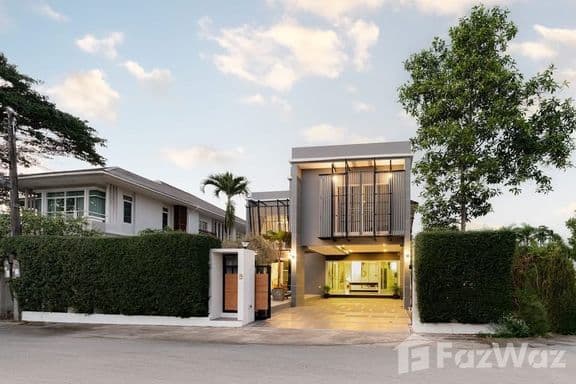
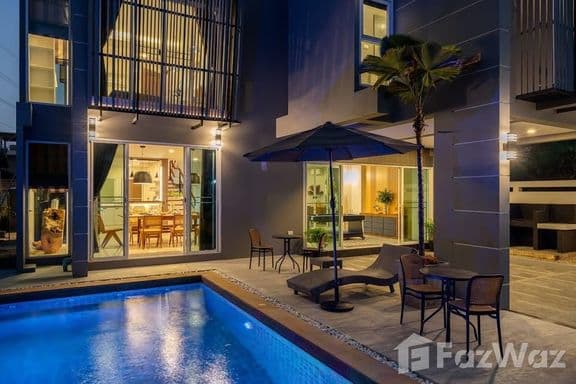
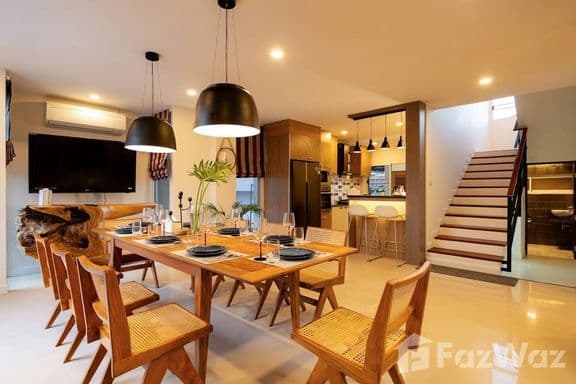
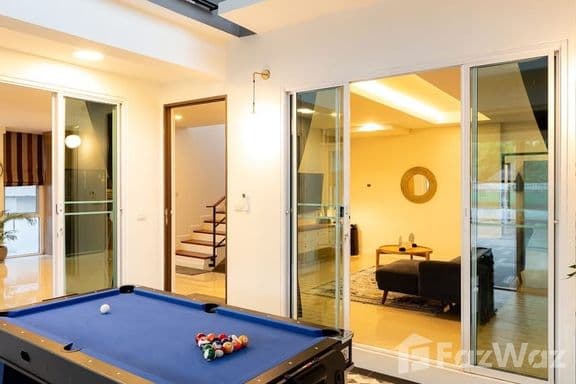
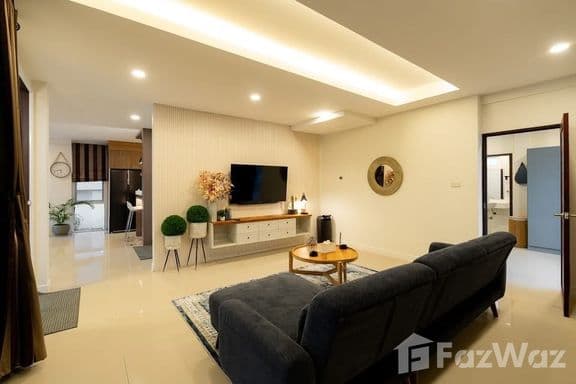
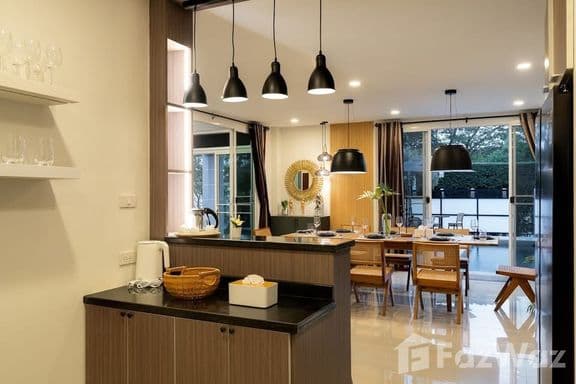









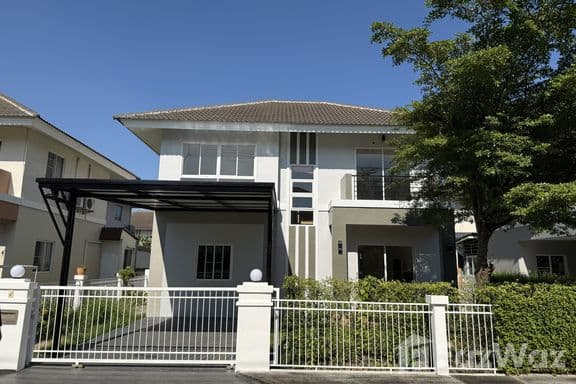
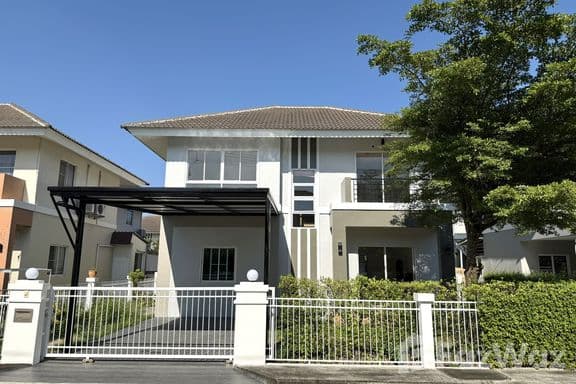
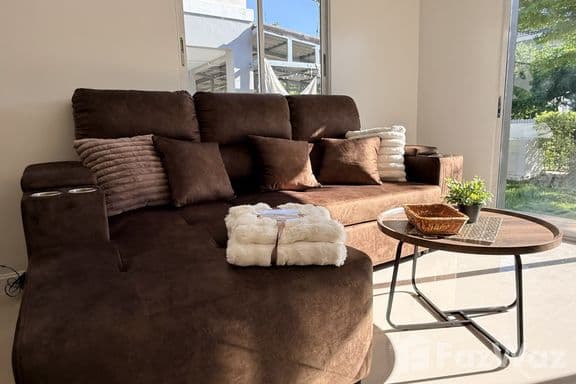
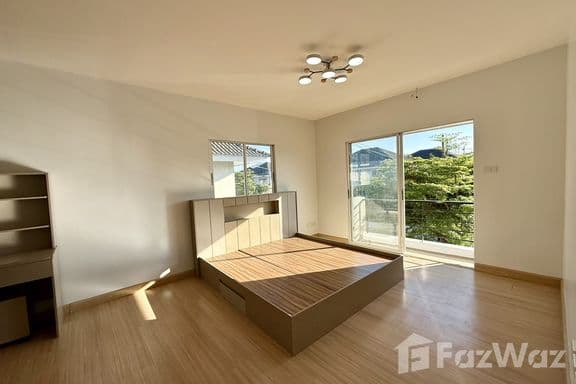
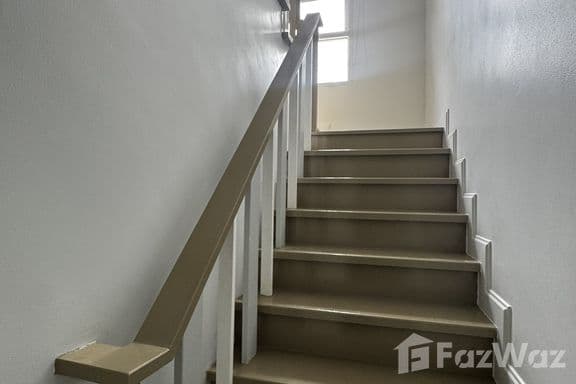
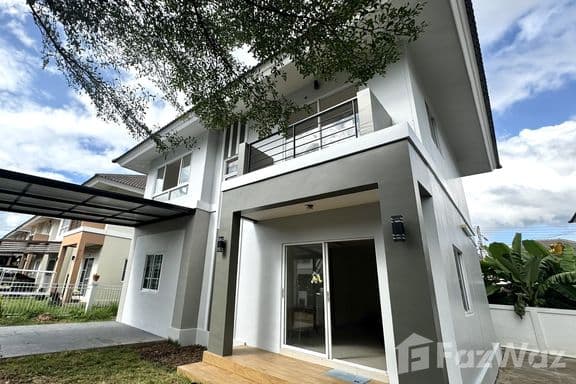
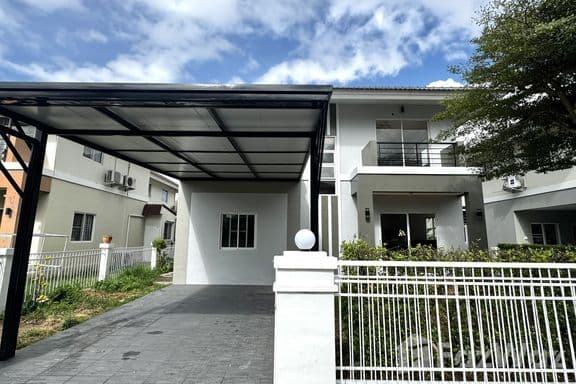


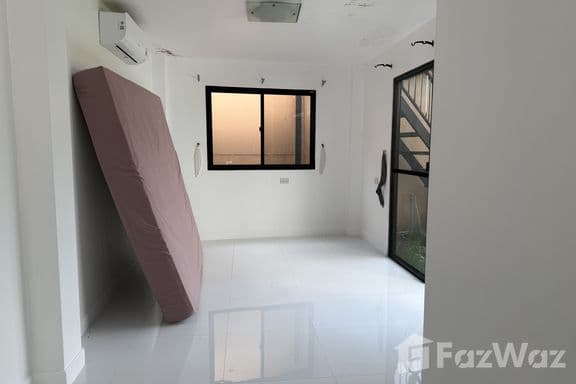


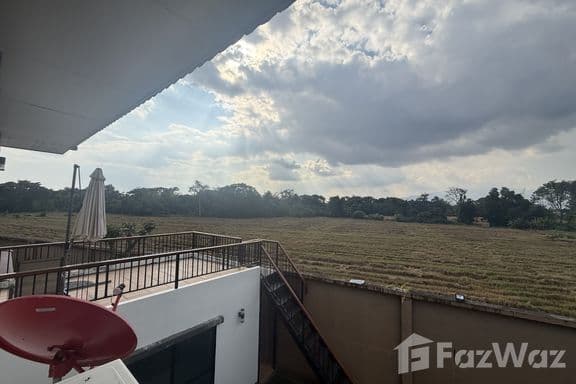


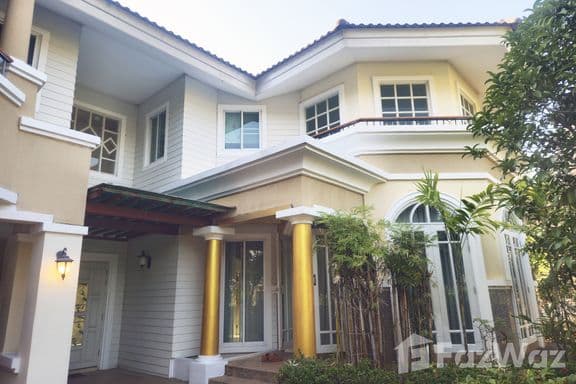
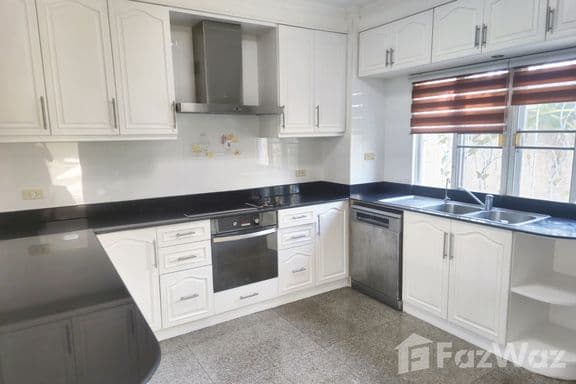
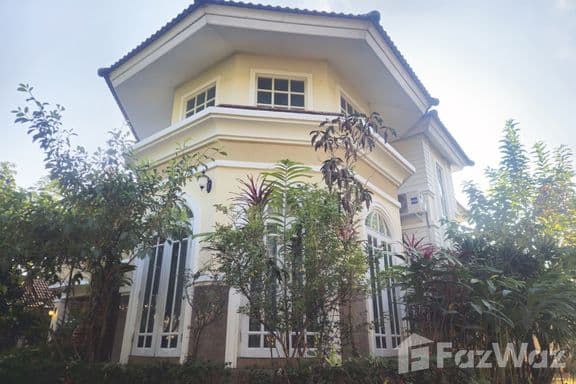
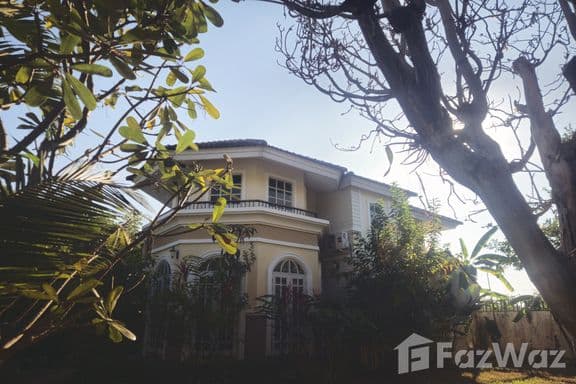
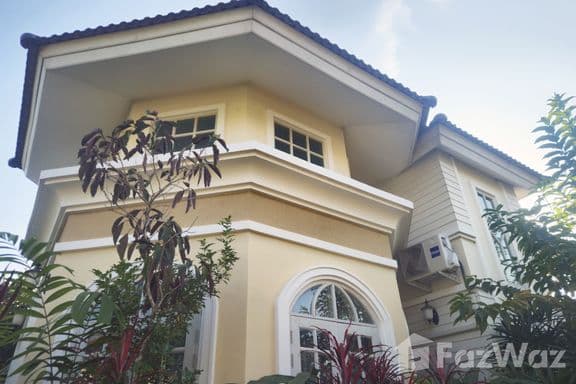
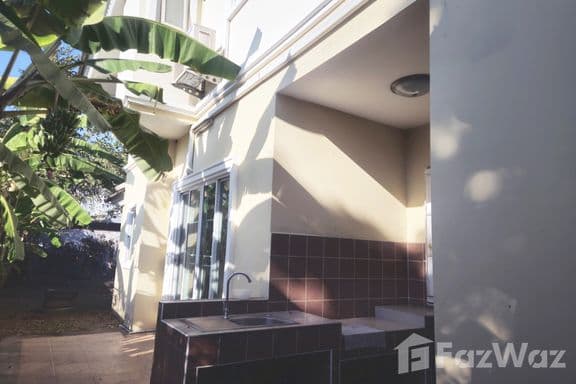
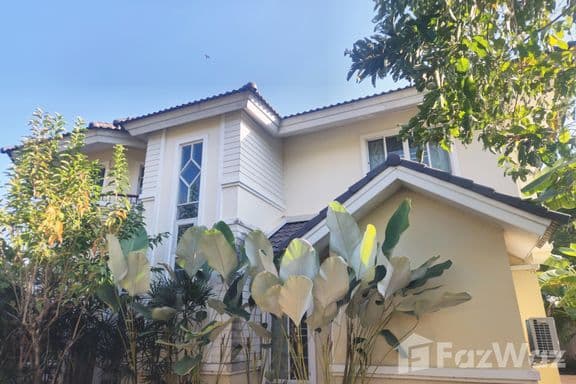
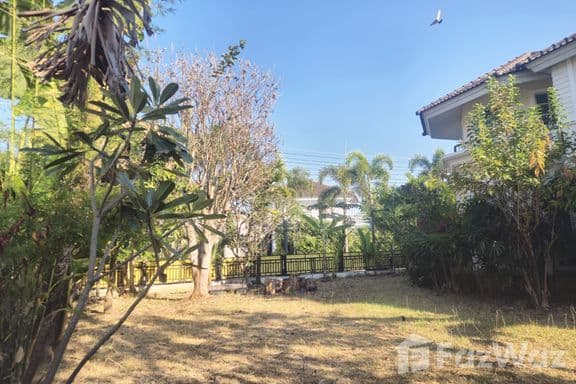
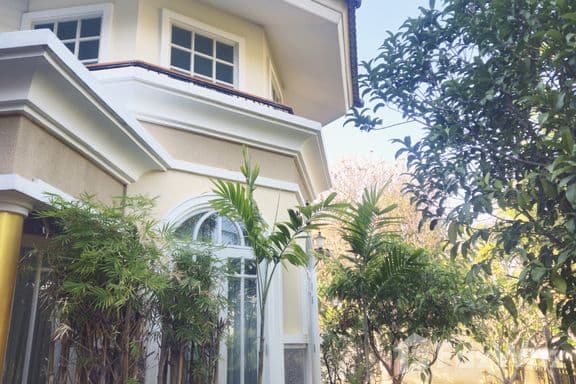
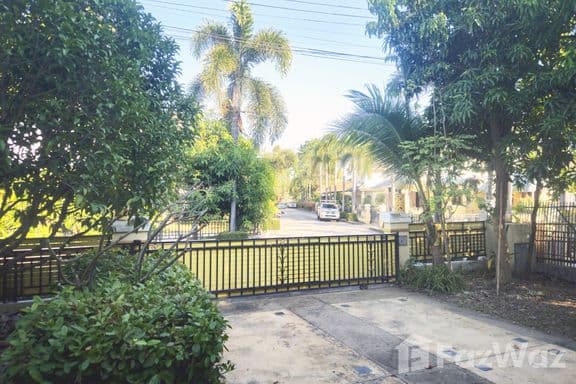
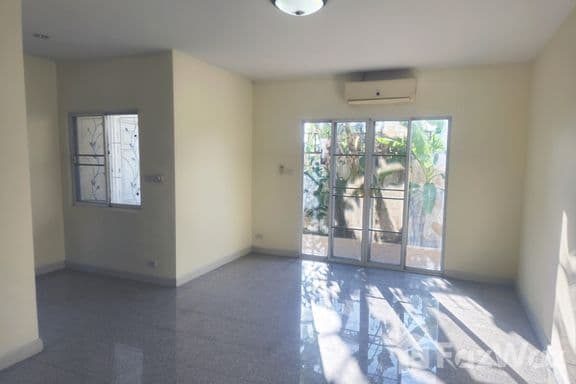
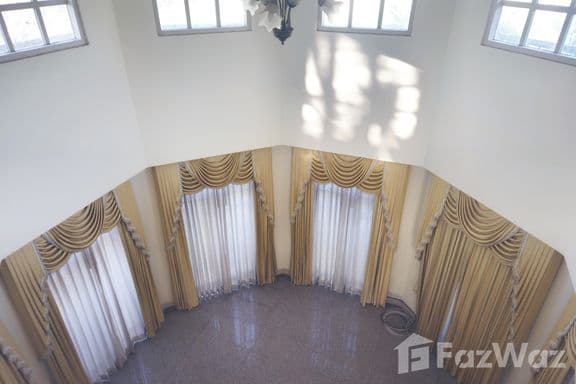

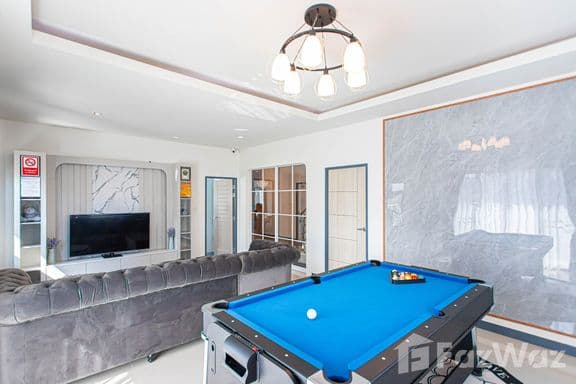
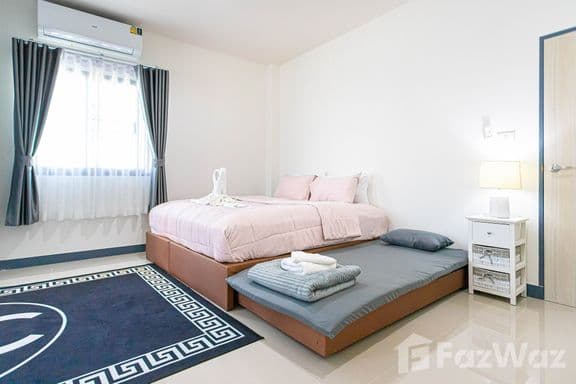
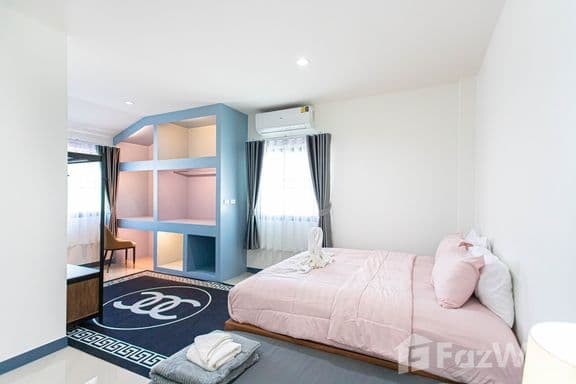




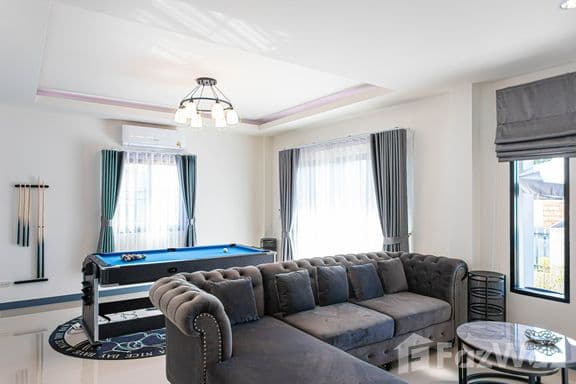
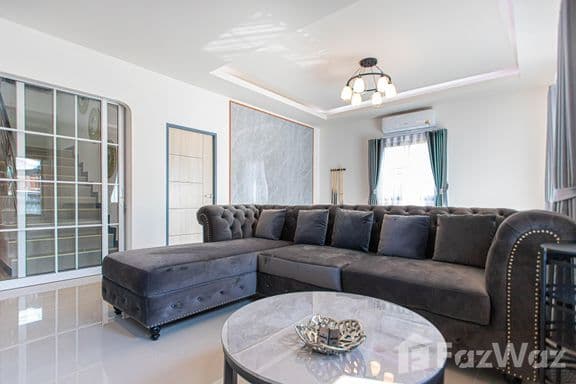
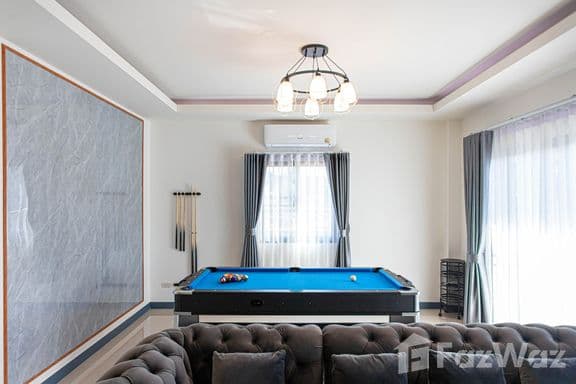
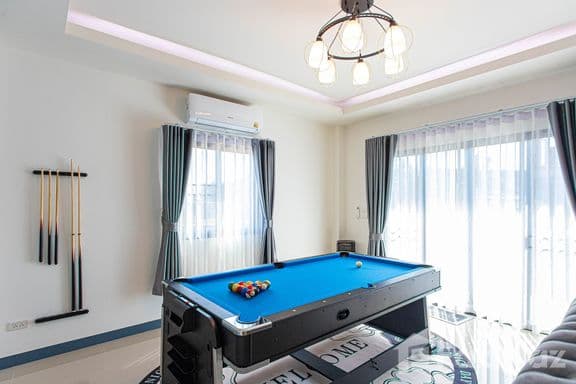

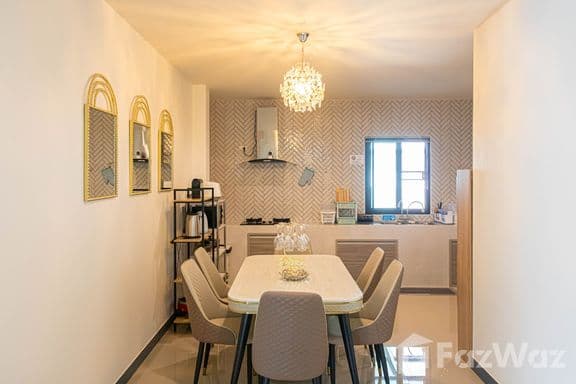
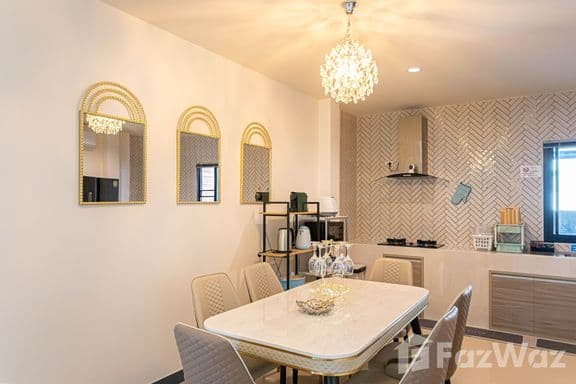
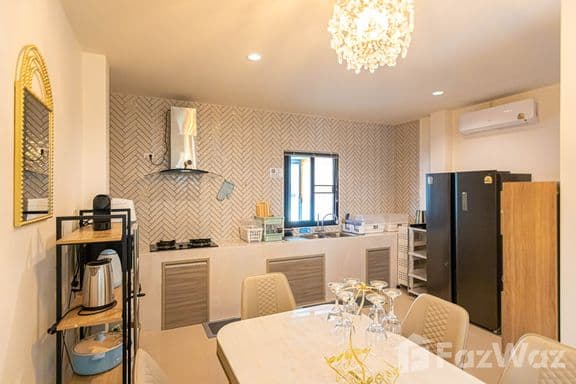
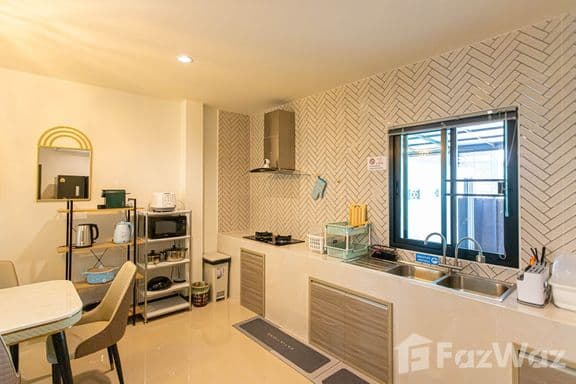
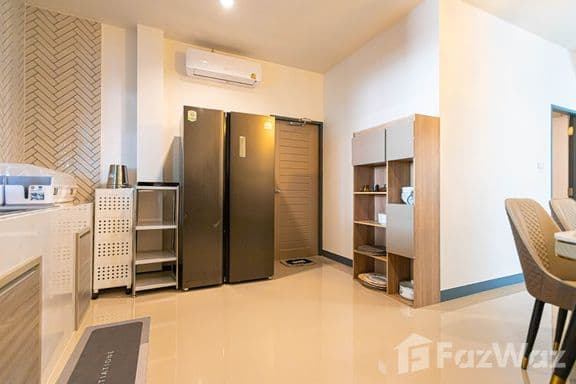

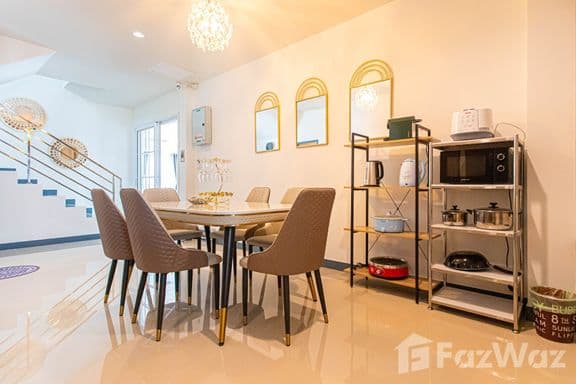



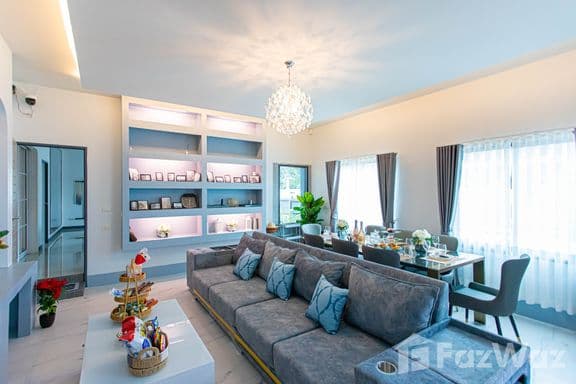
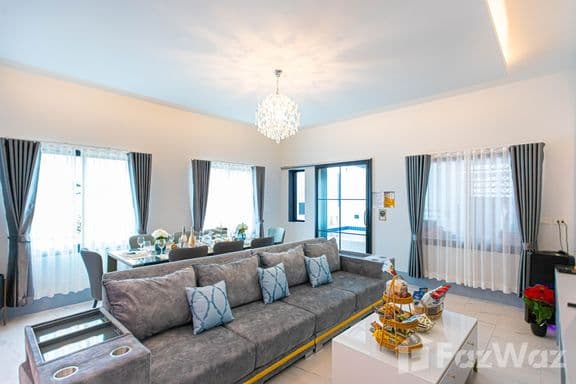
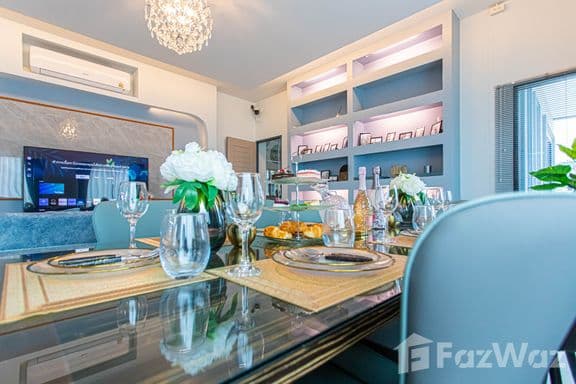


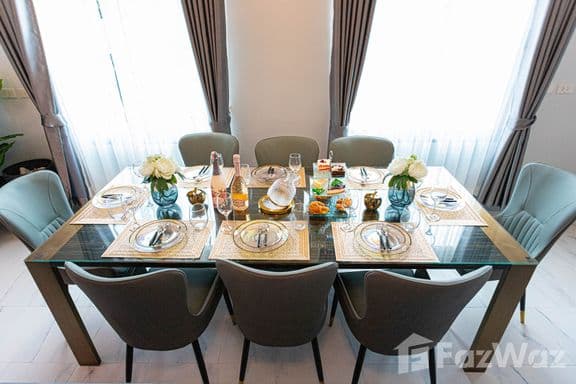

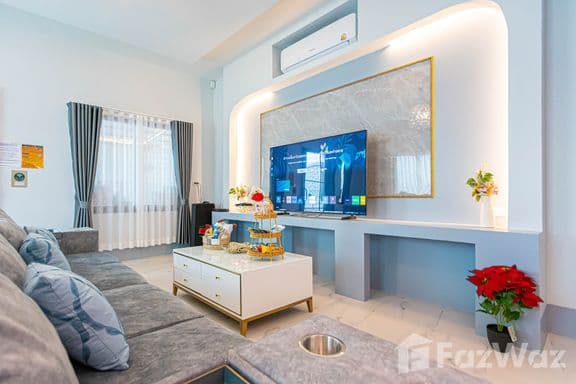
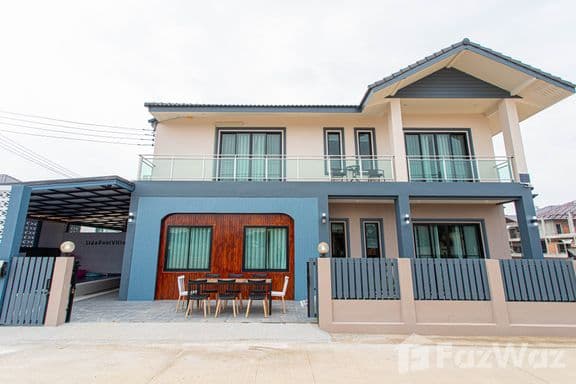
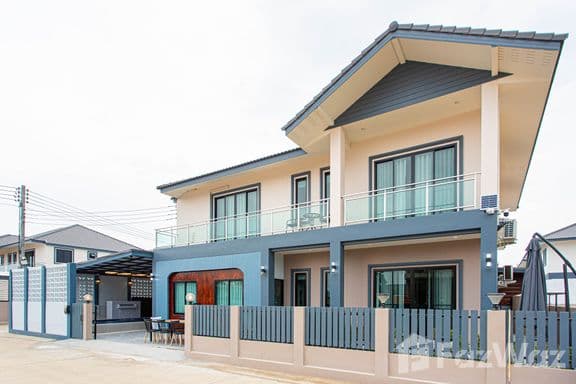
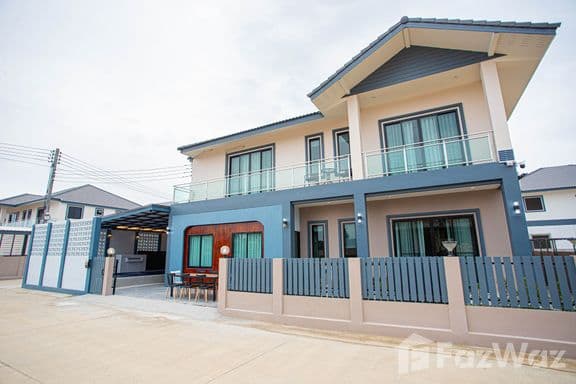
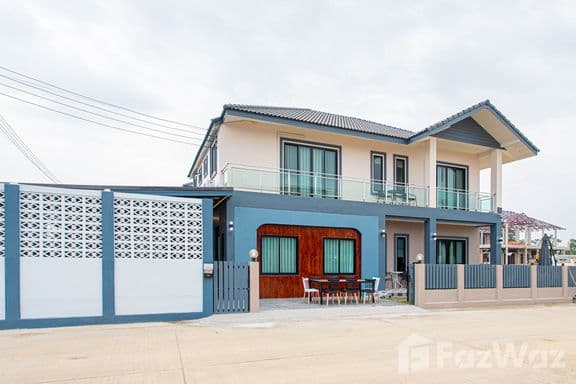
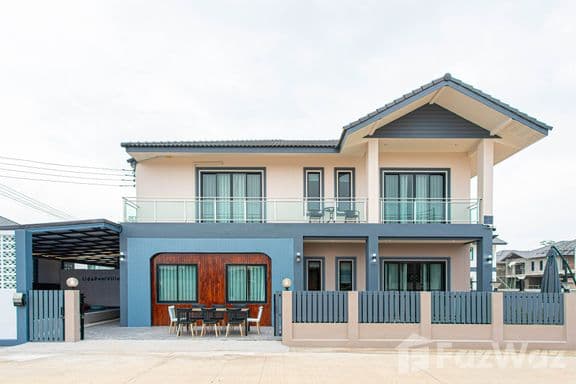
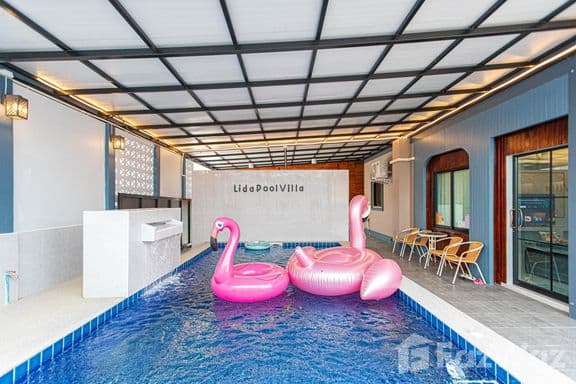
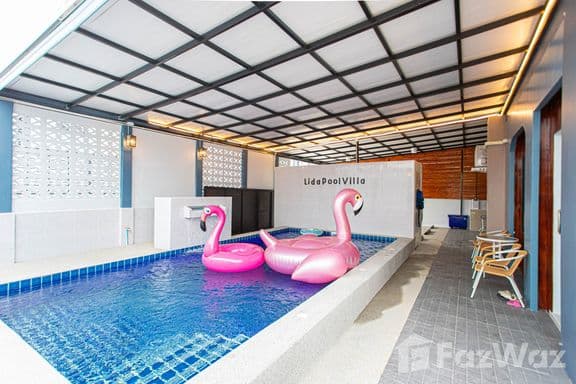
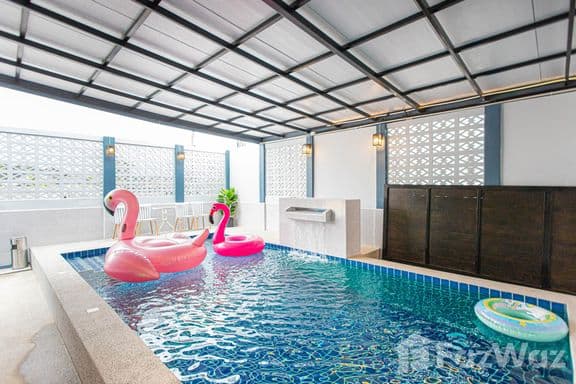
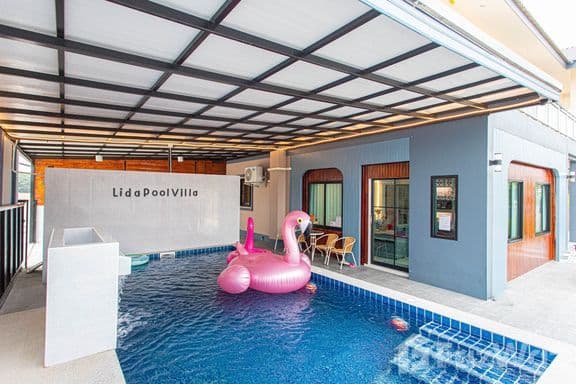
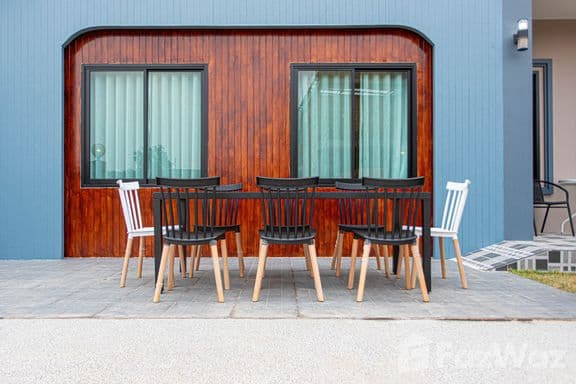
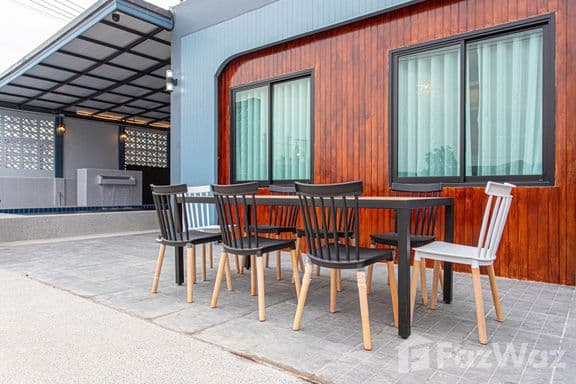


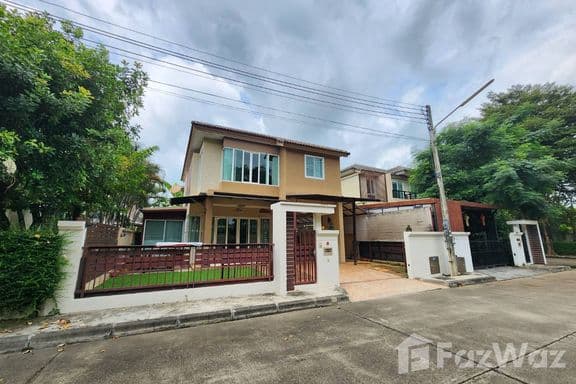
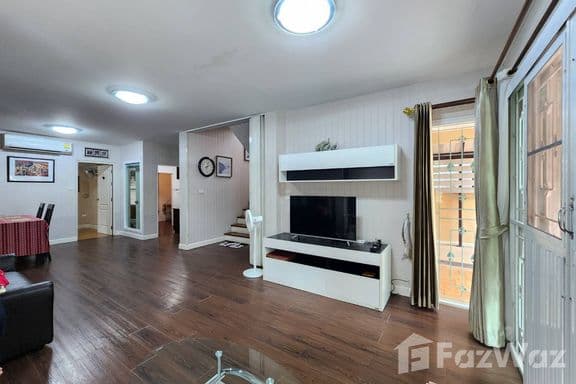
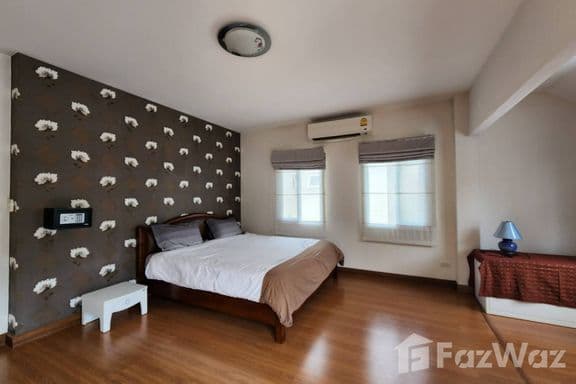
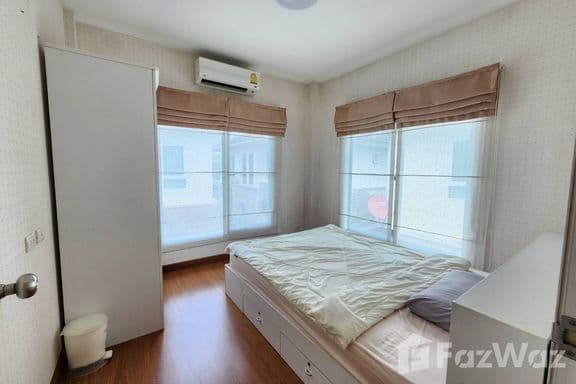
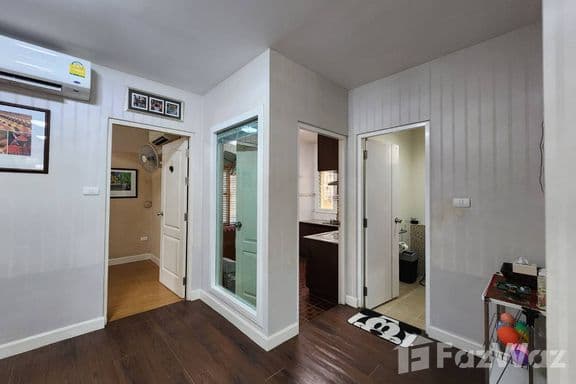
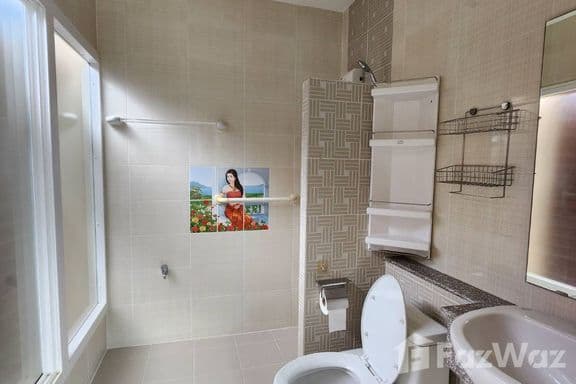
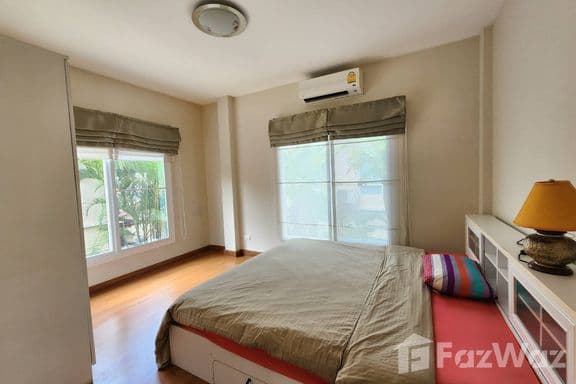
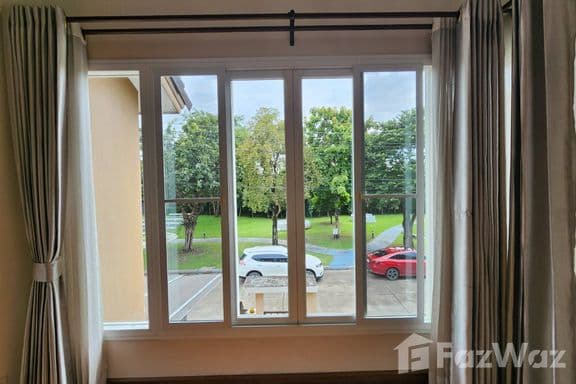
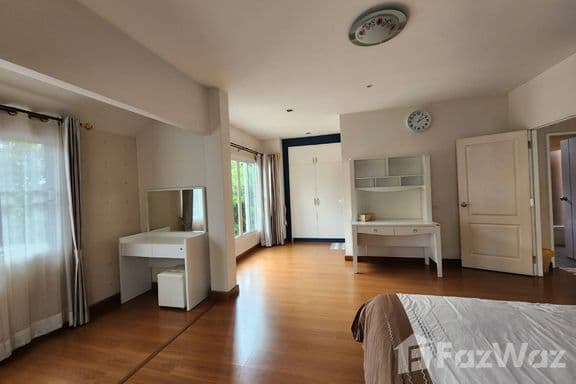
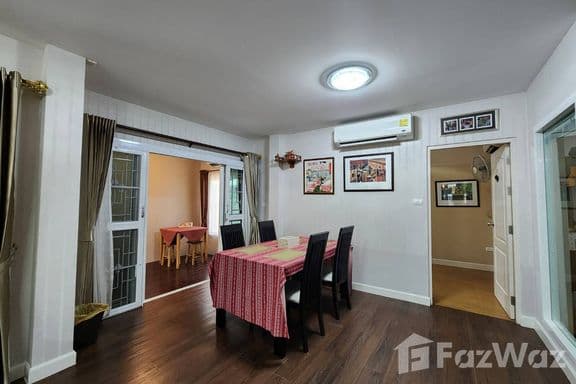
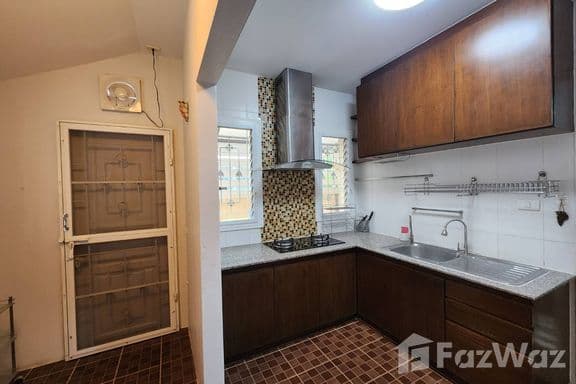
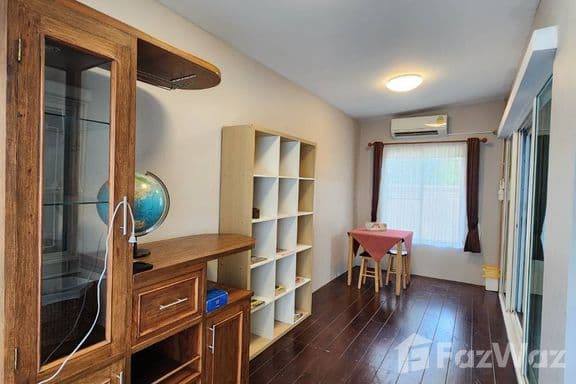
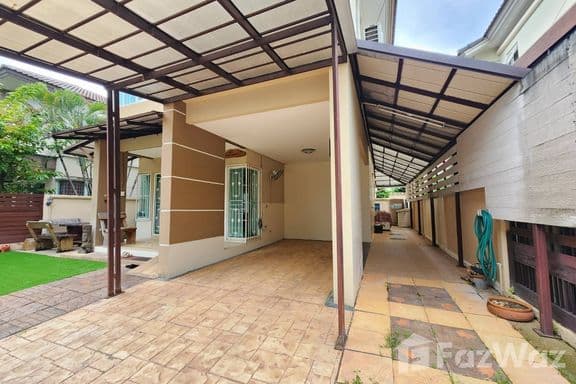
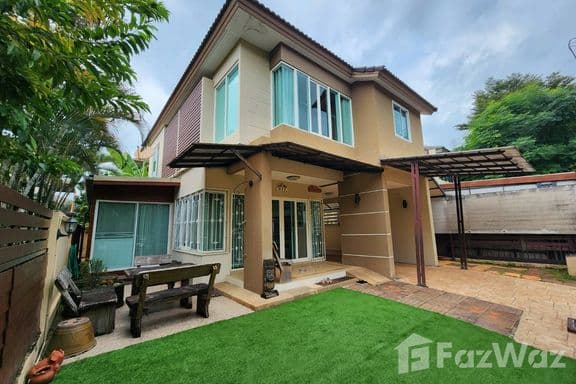
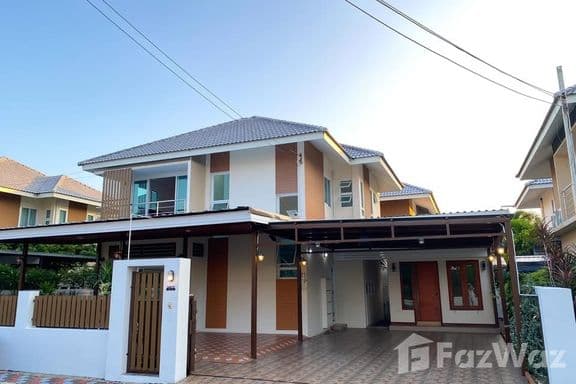
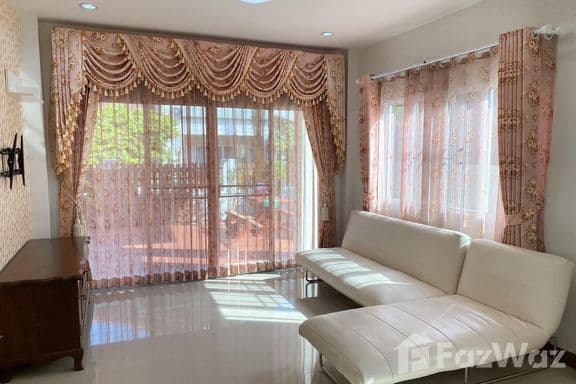



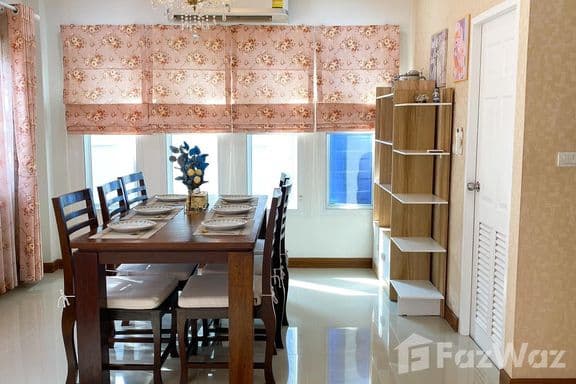
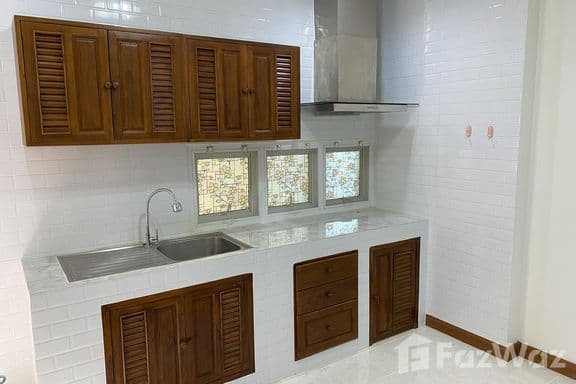
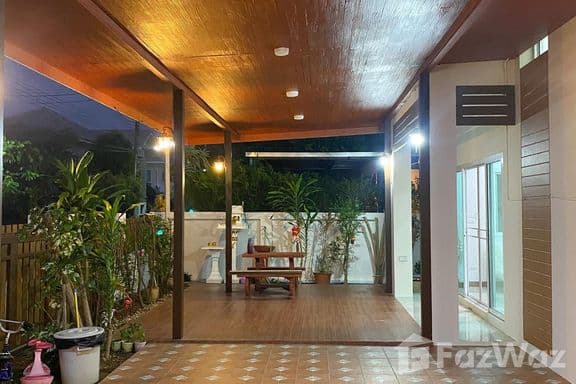









 Popular condos in Chiang Mai

