Townhouse Living in Chiang Mai: The 2025 Rental Guide for Expats and Long-Term Foreign Residents
Introduction
Chiang Mai has long been a top choice for foreign residents in Thailand, and this trend continues strong into 2025. Known as the cultural “Rose of the North,” Chiang Mai offers an attractive blend of affordable living, rich heritage, and modern amenities. It boasts a large expat community including digital nomads, retirees, and professionals drawn by the pleasant climate and relaxed lifestyle. For those looking to settle down here, housing options range from high-rise condos in the city center to sprawling villas in the countryside. In between these extremes lies the townhouse - a popular, practical choice for many expats and long-term foreign residents. Townhouses in Chiang Mai provide a balance of urban convenience and suburban space, making them ideal for renters who want more room and privacy than a condo offers but at a more budget-friendly price than a detached house.
This comprehensive guide will walk you through everything you need to know about renting a townhouse in Chiang Mai as a foreigner in 2025. We’ll cover the current rental market conditions, typical features of townhouses, pros and cons versus other housing, the best neighborhoods to consider, and practical advice on the rental process. Whether you’re a digital nomad eyeing a long-term base, an expat family seeking a home with room for kids, or a retiree looking for comfort and community, this guide will help you make an informed decision about townhouse living in Chiang Mai.
Rental Market Overview (2025)
Strong Demand and Stable Growth: The rental market in Chiang Mai remains robust in 2025, with high demand for quality housing from both locals and expats. In the past couple of years, rental prices have seen moderate but steady growth. For example, townhouses in Chiang Mai experienced around an 8% year-on-year increase in rents during 2023, reflecting the city’s enduring appeal. Even as new housing developments come onto the market, occupancy rates for rentals have stayed very high (around 90% on average), indicating that supply and demand are closely matched. In practical terms, this means desirable properties—especially in popular neighborhoods—tend to get snapped up quickly. Prospective tenants in 2025 should be prepared to act decisively when they find a townhouse they like, as the market is competitive but not overly volatile.
Post-Pandemic Resurgence: After the global disruptions of the early 2020s, Chiang Mai’s rental sector has bounced back. The return of digital nomads, the expansion of remote work, and renewed interest from retirees and long-stay professionals have all contributed to increased rental activity. The first half of 2024 saw continued momentum, and by 2025 the market is characterized by confidence and growth. Foreign renter demand is especially strong - many expats who left during uncertain times have returned, and new long-term visitors are arriving thanks to initiatives like the “Digital Nomad Visa” and improved long-stay visa options. This influx of foreigners is most evident in the rental market for condos and townhouses, which cater to those seeking ready-to-move housing with modern comforts.
Townhouse Segment Trends: Within this booming market, townhouses hold a stable and growing niche. Renters are increasingly appreciating townhouses for the unique balance they offer: more space and a home-like atmosphere compared to apartments, but typically lower cost and maintenance than standalone houses. Townhouse rental rates have risen modestly in line with the broader market. As of early 2025, a typical 2-3 bedroom townhouse in Chiang Mai might rent for around ฿20,000-฿30,000 per month (approximately $570-$860 USD), though of course pricing varies by location and property condition (more on that below). Despite these increases, townhouses remain affordable by international standards, and Chiang Mai is still considered one of the better-value cities in Asia for expatriate housing. The market outlook is positive: industry analyses suggest that demand for townhouses will remain strong or even grow slightly in the coming year, especially as more families and remote workers choose Chiang Mai for long-term stays.
Availability and Listings: There is a healthy selection of townhouses for rent in Chiang Mai, though options concentrate in certain districts. Many new low-rise housing projects on the city’s outskirts include townhome units aimed at middle-class Thai buyers and foreign renters, expanding the inventory. At any given time, you can find townhouses listed on major property websites and through local agents, with a range of sizes and price points. However, quality varies - newly built townhouses with modern designs and full furnishings are in highest demand and may command premium rent or rent out fast, whereas older townhouses (perhaps 5-15 years old) can often be found at lower prices but might require minor upgrades or come semi-furnished. Overall, 2025 renters can expect a landlord’s market in prime areas (less room for negotiation on price) but a more balanced situation in suburban areas where supply is ample. Being flexible on neighborhood and moving quickly on a good listing are key strategies to secure a great townhouse.
Common Townhouse Features in Chiang Mai
What can you expect from a typical Chiang Mai townhouse? Townhouses (often called “townhomes” or “terraced houses”) here usually share certain features in layout and amenities:
- Multi-Level Layout: Most townhouses in Chiang Mai are two-story homes (some newer townhomes even have three or four floors). The ground floor typically contains a living room, a dining area, a small kitchen, and sometimes a bathroom, while bedrooms are upstairs. A common configuration is 2-3 bedrooms and 2-3 bathrooms, suitable for a couple or a small family. The interior floor area generally ranges from about 90 to 150 square meters depending on the design. Expect one reasonably spacious master bedroom and one or two smaller bedrooms. Staircases connect the levels, so renters with mobility issues should keep the multi-floor living in mind.
- Parking and Outdoor Space: A hallmark of townhouses is having a bit of private outdoor space, however modest. Nearly all townhouses come with a car port or driveway at the front, often enough for one car (or two parked tandem) and a couple of motorbikes. Unlike high-rise apartments, you’ll have the convenience of parking right at your doorstep - a big plus in Chiang Mai, where many residents own a vehicle. Some townhomes have a small front patio or garden area and maybe a tiny backyard or utility space for laundry. While you shouldn’t expect a large yard (as you might get with a standalone house), there’s usually just enough room for potted plants or a barbecue. These semi-private outdoor areas are great for those who want a bit of greenery or a place for pets to get fresh air.
- Furnishings and Interiors: Townhouse rentals targeted at expats in Chiang Mai are often fully furnished or partially furnished. It’s common to find essential furniture included: living room sofa set, dining table, beds and wardrobes in the bedrooms, and basic kitchen appliances. The style of furnishings can range from modern to simple Thai style, depending on the age of the property and landlord’s investment. Newer townhouses (or renovated ones) may feature a Western-style kitchen with built-in cabinets, counter space, and appliances like a stove, microwave, and refrigerator. However, be aware that some townhouses still have the typical Thai-style kitchen - a smaller cooking area, sometimes semi-outdoor or in the back of the house, with just a sink and basic cooking hob. If you love cooking, look for listings mentioning a “European kitchen” or consider negotiating installation of certain appliances. Flooring is often ceramic tile on the ground floor (for coolness and easy cleaning) and either tile or laminate/wood upstairs. Expect air-conditioning units in the bedrooms at minimum, and often one in the living room as well. Not all townhouses have central hot water, but most will have at least electric shower heaters in bathrooms.
- Community Amenities: Many townhouses in Chiang Mai are located within gated communities (moo baan) or residential housing estates. These communities typically have 24/7 security at the gate, and the streets inside are used only by residents - offering a quieter, safer environment than a public road. Some larger housing estates provide shared amenities for residents such as a clubhouse, small swimming pool, fitness room, children’s playground, or a park area. While these facilities are not as extensive as those in modern condo buildings, they add to the appeal of townhouse living for families and those who enjoy a neighborhood feel. It’s worth noting that not every townhouse is in a gated project; you might also find townhomes along local streets in Thai neighborhoods (these might have no common facilities but could be closer to shops and cafes). When touring a townhouse, observe the surroundings: Are the neighboring units mostly occupied by families, locals, or other foreigners? This can give insight into the community vibe.
- Location Characteristics: Townhouses tend to be located outside the dense city core. In central downtown Chiang Mai (e.g. around the Old City or Nimmanhaemin Road), high land values mean condos and apartments dominate; you will find only a few older townhouses or shophouses for rent in those areas. Instead, most townhouses are in residential areas just outside the city center or in suburban districts around Chiang Mai. These locations were chosen for housing developments because they offer more space and are often near major ring roads for access. As a renter, this means townhouse living often implies having to commute a short distance (5-30 minutes drive) to reach the heart of the city. The upside is a more peaceful environment, parking, and often larger living space for the price. Many expats find this trade-off worthwhile. Additionally, certain neighborhoods known for expat residents have clusters of townhomes near international schools, malls, or business parks. We will detail the best areas to find townhouses in a later section. For now, expect that with a townhouse you’ll likely be a bit removed from the tourist bustle, enjoying a more local side of Chiang Mai.
- Utilities and Infrastructure: Modern conveniences are readily available in Chiang Mai’s housing areas. High-speed internet (fiber optic broadband) is accessible in almost every neighborhood that expats live in, so townhouses are generally no exception - essential for remote workers and netizens. You will subscribe to your own internet service, but installation is quick and inexpensive. Electricity and city water supply are reliable in and around the city; power outages are infrequent and usually short-lived. In a townhouse (unlike a condo) you typically pay utility bills directly to the providers at government rates, which is cost-effective. One thing to note: garbage collection in most moo baan communities is organized by the municipality or the project - often you’ll put trash out at designated times or in bins and it’s collected a few times a week. If living in a standalone townhouse on a public street, you’ll learn the local collection schedule. Overall, adjusting to these minor differences is easy, and landlords or neighbors usually help new tenants understand how things work.
Pros and Cons of Townhouse Living vs. Condos and Houses
Choosing a townhouse means balancing the advantages and disadvantages relative to other housing types like condos (apartments) or detached houses. Here’s a breakdown of the key pros and cons for expats considering a townhouse in Chiang Mai:
Pros of Renting a Townhouse:
- More Space for the Money: Compared to a condo unit, townhouses generally offer more square meterage and rooms for a similar rent. You get multiple bedrooms, a living room, and often some storage areas - ideal if you have family, need a home office, or simply value elbow room. There’s no upstairs neighbor above you, and usually only sharing side walls with the adjacent units, so it feels more like a private home.
- Home-Like Privacy: Townhouses provide a sense of privacy and independence that condominiums may lack. You have your own entrance and don’t have to traverse a lobby or share elevators with dozens of strangers. Noise tends to be less of an issue; you won’t hear footsteps from above or have to worry about disturbing people below you. Many expats enjoy being in a more residential environment - for example, hearing birds in the morning instead of city traffic or not having immediate neighbors on the other side of a thin apartment wall.
- Parking & Pet-Friendly Living: Having a dedicated parking spot at your home is a major perk, especially if you plan to own or rent a car. Condos in Chiang Mai often have limited parking (sometimes at extra cost), whereas your townhouse typically includes a car port or garage in the rent. Pet owners also find townhouses advantageous - many condominium buildings in Thailand prohibit pets, but in a townhouse, you can often keep a cat or dog (with your landlord’s permission) and have a small outdoor area for them. The townhouse lifestyle is generally more accommodating for animals and pet-loving renters.
- Community Feel: Living in a townhouse, especially in a gated community, can foster a friendly neighborhood atmosphere. Many expat families and locals live in housing estates where neighbors know each other, kids play together outside, and there may be community events or a LINE group for residents. This can ease the social transition into a new country. In contrast, condo living in the city can be more impersonal - people come and go without much interaction. If you value a sense of community or want your children to have playmates nearby, a townhouse zone might be a better fit.
- Outdoor and Storage Space: Even though townhouses don’t have big yards, the little extras like a front patio, balcony, or utility area give you space for hobbies and storage. You might have room to store a bicycle, do gardening in pots, hang laundry in the sun (common in Thailand), or sit outside in the evenings. Some townhouses have roof decks or small gardens which are a nice bonus for outdoor dining or relaxing. These are small pleasures that a typical apartment can’t offer.
Cons of Renting a Townhouse:
- Farther from City Center: One trade-off is that townhouses are usually not in the heart of downtown. Expect some commuting - if you work in the city or like to go to Nimmanhaemin or Old City frequently, you’ll likely be driving or riding 15-30 minutes each way. Chiang Mai’s traffic is generally lighter than Bangkok’s, but rush hour congestion on main roads and near schools is common. Living further out means you might need to buy or rent a vehicle (or use ride-hailing apps) for daily transport, as public transit options are limited. In short, townhouse living can be less walkable and convenient for urban nightlife or shopping sprees.
- Limited On-Site Amenities: Unlike many condos, which come with swimming pools, fitness centers, rooftop lounges, and 24-hour reception, a townhouse typically has fewer amenities on-site. While some gated communities have a pool or gym, many townhome developments keep maintenance costs low by offering minimal facilities. This means you may need to arrange your own gym membership or drive to public pools/parks. If having a concierge, a fancy lobby, or a skyline view is important to you, a condo might suit better. Townhouses prioritize living space over luxury extras.
- Maintenance Responsibilities: In a condo, building management usually takes care of all external maintenance, common area cleaning, and sometimes even in-unit repairs (for a fee). In a townhouse, maintenance of the property is more squarely on the tenant and landlord. For example, you might be expected to keep the small garden tidy, ensure the outdoor lights work, or handle minor fixes like a leaky faucet promptly. If an air conditioner breaks or plumbing has an issue, there’s no on-site maintenance team - you’ll coordinate with your landlord to get it serviced. While most landlords are responsive about major repairs, day-to-day upkeeping of a house requires a bit more attention than a serviced apartment would.
- Shared Walls and Noise: Townhouses share side walls with neighbors (except end units). The construction quality in Chiang Mai’s newer townhouses is generally solid, but noise can still travel between units to some degree. If your neighbors are noisy (e.g. loud music or barking dogs next door), you may hear it, and vice versa. Detached houses wouldn’t have this issue (but come at a higher cost). Additionally, while you won’t have strangers in the hallway as in a condo, you do have immediate neighbors and less sound isolation than a standalone home. It’s usually not a major problem in quiet expat enclaves, but it’s something to consider if you are very sensitive to noise or plan to play instruments, etc.
- Higher Utility Costs than Condos: Townhouses tend to be larger spaces to cool, which could mean higher electricity bills if you run air conditioning in multiple rooms. Condos often benefit from being smaller or having one unit cool multiple areas. In a townhouse, you might have 3-4 AC units (bedrooms and living area) versus a condo’s 1-2 units. During the hot season, this can add up if not managed wisely (though overall, utilities in Chiang Mai are still affordable). Also, you won’t have the central garbage disposal or filtered water systems that some condos provide - you’ll manage these household utilities more independently (for example, many townhouse residents install their own drinking water filter or get bottled water delivered). These aren’t huge downsides, but they do mean a townhouse involves a bit more self-sufficiency.
- Upfront Costs and Lease Commitment: This point isn’t a downside of townhouses per se, but often townhouses require a longer lease commitment (commonly 1 year minimum) whereas some condos in tourist areas allow 6-month or even month-to-month rentals. Additionally, because a townhouse is a bigger property, the security deposit and utility deposits might be a bit higher in absolute terms (since monthly rent is higher than a small condo). For example, a townhouse at ฿20,000/month will usually require ฿40,000 as a refundable security deposit, which is more cash upfront than a ฿10,000/month apartment (which would need ฿20,000 deposit). If you’re uncertain about your length of stay, this commitment could be seen as a disadvantage; however, it’s the norm for any long-term rental in Thailand to ask two months’ deposit.
In summary, townhouses offer an appealing middle ground for many Chiang Mai expats: you enjoy the feeling of having your own home with space and privacy, but you must be comfortable being a bit outside the urban core and taking on minor household responsibilities. Next, we’ll look at which areas in Chiang Mai are best for townhouse rentals and what each neighborhood offers.
Best Areas to Rent a Townhouse in Chiang Mai
Chiang Mai’s geography is such that the city center is compact, and beyond it are sprawling suburban districts where most houses and townhouses are located. Foreign renters are somewhat concentrated in specific neighborhoods known for good infrastructure and amenities. Below are some of the top areas to find townhouses for rent, along with what makes each area unique:
Hang Dong
Overview: Hang Dong is a district south of Chiang Mai city (about 15-20 km from the Old City, roughly a 30-minute drive depending on traffic). It has become the favorite suburb for many expat families and long-term residents who want a peaceful lifestyle. This area is known for its green surroundings, gated communities, and spacious properties. Many of Chiang Mai’s well-regarded gated housing estates (often called “moo baans”) are in Hang Dong, offering a mix of detached houses and townhouses. The environment is quieter than the city - think tree-lined streets, rice fields and mountain views in the distance - yet you’ll find plenty of modern conveniences.
Townhouses in Hang Dong: Townhomes here are often part of planned communities on the outskirts of the city. They tend to be relatively new builds with modern designs. A typical townhouse in Hang Dong might be 2 floors, with 3 bedrooms and a small yard or carport. Rental prices range from around ฿15,000 per month for older or smaller townhouses up to ฿30,000 or more for large, new units in upscale projects. (These figures translate to roughly $430-$860 USD.) The median rent for townhouses is around the mid-20k THB range, reflecting the higher-end nature of many properties here. Townhouses in Hang Dong often come fully furnished, targeting expat tenants, and they benefit from the district’s tranquility and safety.
Amenities and Lifestyle: Hang Dong offers a lot for families and expats. The district is home to several international schools (such as Lanna International School, American Pacific International School, and others), making it ideal for those with children. There are also large shopping centers like Kad Farang Village (a plaza with a Rimping supermarket, cafes, and restaurants) and Big C Hang Dong, so you won’t need to travel far for groceries or dining. Hang Dong also has boutique coffee shops, local fresh markets, and is a short drive from the Royal Park Rajapruek and Night Safari attractions. Despite being outside the city, the area is well-connected by the Hang Dong Road and Canal Road, which lead straight into town or towards the airport. Expats living here appreciate the serene, resort-like atmosphere - after a day in the busy city, coming home to Hang Dong feels like a retreat. Do note, however, that to live comfortably in Hang Dong, having your own vehicle is highly recommended. Public transportation is scarce in the suburbs, so most residents drive cars or ride motorbikes. If you value quiet evenings, greenery, and a spacious home environment, Hang Dong is hard to beat. Just be prepared for a longer commute if you work or frequently socialize in the city center.
San Sai
Overview: San Sai is a district to the northeast and north of Chiang Mai city, bordering the outer parts of Mueang (city) district. It encompasses areas just beyond the second ring road and stretches into semi-rural zones. San Sai is another popular area for expat housing, especially for those who find it a convenient midpoint between city amenities and countryside calm. Notably, the southern part of San Sai is quite close to key city infrastructure - for instance, the Central Festival Mall (one of Chiang Mai’s largest shopping malls) and Bangkok Hospital are in a neighboring area ( officially in Mueang district, but near the San Sai border). This means that if you live in the southern end of San Sai, you have easy access to a modern mall, international hospital, and the Superhighway for quick transit into other parts of the city. Further north in San Sai, you’ll encounter small towns, local markets, and some beautiful rural landscapes.
Townhouses in San Sai: Townhouse developments in San Sai are scattered, ranging from older local townhomes to new projects. In general, rents in San Sai are more affordable than in Hang Dong or the city, making it attractive for budget-conscious expats who still want a house-like property. You can find simple 2-bedroom townhouses in the San Sai area for as low as ฿8,000-฿12,000 per month ($230-$350 USD), especially if they are older or unfurnished units in local communities. Newer or larger townhouses (3-4 bedrooms, modern style, part of a nice estate) might range around ฿15,000-฿20,000 (up to about $570 USD) which is still very reasonable for the space provided. The median townhouse rent in San Sai tends to be on the lower side (around ฿10k), reflecting that many offerings are modest homes aimed at local families as well. Keep in mind that the closer you are to the city (e.g. near the second ring road or areas like Nong Chom or Fa Ham which border San Sai), the higher the prices and demand will be. Those sub-areas effectively function as Chiang Mai suburbs with quick city access, and many expats find them ideal.
Amenities and Lifestyle: One of the perks of San Sai is that you are not far from urban conveniences. If you live near the Route 118 or 1001 roads leading out of town, you can get to Central Festival Mall, international supermarkets (Rimping at Meechok Plaza), and other shopping within 10-15 minutes. There are also a few international schools on the northeast side (e.g., Unity Concord International School is in nearby San Sai Noi), and several bilingual schools and kindergartens that expat kids attend. Meechok Plaza and the surrounding area (just at the border of San Sai and the city) has become a little expat enclave with restaurants (Thai and Western), cafés, and a villa market - making life convenient. Deeper into San Sai, life is quieter and more purely local: you’ll drive on tree-lined roads through rice paddies and see water buffalo and temples - a charming Thai rural feel. Many who live in the northern parts enjoy visiting the Maejo University area (which has a large leafy campus and botanical gardens) or going out to the Mae Kuang dam for scenic weekend outings. San Sai’s appeal is thus a balance of cost and convenience - it’s a bit off the beaten tourist path, giving you a local lifestyle, but if you choose the right spot, you’re not isolated (the city’s edge is close). It’s recommended to have a car/motorbike here as well, although red songthaew trucks do service some main roads. Overall, San Sai offers good value townhouses and is great for expats who don’t mind being just outside the city hustle.
Suthep (Nimmanhaemin & Surroundings)
Overview: Suthep is a sub-district of Chiang Mai that covers a diverse area west of the Old City, including the famed Nimmanhaemin quarter, the Chiang Mai University campus, and the lower slopes of Doi Suthep mountain. When expats refer to “Suthep,” they often specifically mean the Nimmanhaemin and neighboring lanes (such as Sirimankalajarn and Santitham area which borders Chang Phueak) - this is Chiang Mai’s trendiest urban neighborhood. Suthep is synonymous with a vibrant city lifestyle: trendy cafés, international restaurants, co-working spaces, nightlife, and shopping (Maya Lifestyle Mall and One Nimman community mall are here). It’s also only minutes from the Old City and has the beautiful Doi Suthep temple overlooking it from the mountain. However, this area is dominated by condos and apartments. Townhouses do exist but are fewer and often hidden in small alleys. They can be a real gem for those who want a house in the city.
Townhouses in Suthep: In the Nimmanhaemin and surrounding Suthep area, many buildings are low-rise apartments or commercial “shophouses.” Still, you can find townhouse-style homes - some are older Thai houses on two floors, and some are modern townhome projects especially on the fringes of Suthep. For instance, just outside the busy Nimman streets, there are small gated communities or private lanes with townhouses that were built to cater to professionals and university faculty. Townhouse rentals here tend to be on the higher end of the price spectrum due to location. A modern 3-4 story townhome near Nimman (sometimes marketed as suitable for home-office or residence) can command anywhere from ฿25,000 up to ฿50,000+ per month ($700-$1,400 USD), depending on size and newness. We’ve seen luxurious townhomes with rooftop terraces or designed as mini-offices in this area listed even higher (e.g. ฿60-฿70k), but those are exceptional properties. More commonly, an older 2-3 bedroom townhouse tucked in a lane around Suthep might be ฿18,000-฿30,000 ($520-$860 USD). The median for townhouses in Suthep is roughly mid-20,000s THB monthly. These townhouses often come fully furnished as well, since landlords target foreign tenants (for example, a place advertised as a “Nimman townhome” might be stylishly outfitted and ready to live in).
Amenities and Lifestyle: Living in a townhouse in Suthep means you get the best of urban Chiang Mai at your doorstep. You can likely walk or bike to countless coffee shops, international eateries, supermarkets (there’s a Tops Market and Rimping in the area), and entertainment venues. The walkability in Nimman/Suthep is better than most other parts of Chiang Mai - sidewalks exist (though can be crowded), and everything is densely packed in a few square kilometers. If you are a digital nomad or young professional, this area’s convenience and social life are huge draws. However, as noted in an expat discussion, this quarter is bustling and geared towards young singles - families with small kids might find it too noisy or congested. Traffic can be intense on Nimmanhaemin Road, and parking even for residents can be a challenge if your townhouse doesn’t have its own space. (Many older townhomes here might rely on street parking.) The Suthep area also benefits from being near Doi Suthep National Park - within a short drive, you can be at nature spots like waterfalls, mountain hiking trails, or the scenic Wat Phra That Doi Suthep temple with its overlook of the city. Additionally, Chiang Mai University’s presence lends a slightly academic vibe and provides large green areas (the university has a reservoir park popular for jogging). In summary, Suthep (and Nimman) is perfect for those who want a modern city lifestyle. A townhouse here is a rare commodity but can be ideal if you want a private home while still living in Chiang Mai’s trendiest locale. Just expect to pay a premium and compromise on having a bit less peace and quiet compared to the suburbs.
Chang Phueak
Overview: Directly north of Chiang Mai’s Old City and west of the river lies Chang Phueak, a district that includes portions of the northern city and extends towards the mountains. It’s somewhat adjacent to Suthep/Nimman on one side and the older city on the other. Chang Phueak is a mixed area: parts of it are urban and lively (e.g. around Chang Phueak Road and the Chiang Mai Rajabhat University area), while further out along the Canal Road and toward the 700-Year Sports Stadium it becomes more residential and quiet. This area is known for local markets (the Chang Phueak market by the north gate is famous for street food), a number of government offices and hospitals (Chiang Mai University Hospital is technically in Suthep, but Chang Phueak hosts the Chiang Mai International Exhibition and Convention Center, etc.), and easy access to the Chiang Mai-Mae Rim highway heading north. Many expats might not mention Chang Phueak as their first choice by name, but in practice neighborhoods like Santitham, Jed Yod, and areas near the Convention Center are all within Chang Phueak and have sizeable foreign communities.
Townhouses in Chang Phueak: Townhouses here are often older than those in Hang Dong or San Sai, as Chang Phueak was developed earlier. You’ll find many Thai-style townhomes and shophouses built in the 1990s-2000s along the sois (side streets). These might have 2-3 bedrooms, simple concrete construction, perhaps a small balcony - not luxurious but functional. The rental prices for such older townhouses are quite attractive: one can rent in Chang Phueak for around ฿12,000-฿18,000 per month ($340-$520 USD) for a standard 2-3 bedroom townhouse. In fact, the median rent for townhouses in Chang Phueak is around ฿18k, reflecting its more local, lower-cost character compared to Nimman. That said, newer townhome projects do exist in parts of Chang Phueak (for example, the Jed Yod area has seen new boutique townhomes catering to young professionals). Those newer builds with modern furnishing might be in the ฿20k-฿25k range (~$600 USD). Because Chang Phueak covers a broad area, there’s quite a variety - you might find a deal on an unfurnished basic townhouse for under ฿10k if it’s an older one, or pay above ฿20k for a fully redone place near a hip locale. It’s a good district to house-hunt if you’re on a tighter budget but want to stay near the city.
Amenities and Lifestyle: Chang Phueak offers a nice middle-ground lifestyle - parts of it are close enough to Nimman and the Old City that you can enjoy the restaurants and cafes without living in the thick of it, and parts are quiet enough that you feel away from the chaos. For example, the Santitham neighborhood (bordering Nimman) is popular with expats and long-term travelers who want cheap rent near Nimman; a townhouse there could be great for someone who wants to share with roommates or have space for a home office, all while being able to walk or cycle to a co-working space or a bar in 10 minutes. Moving further north in Chang Phueak, near Jed Yod and the Chotana road area, you’ll find many locals, a few expat residents, lots of Thai eateries, and the convenience of big stores like Tesco Lotus Kamthieng and Tops Supermarket at Kad Suan Kaew (which is just at the edge of Chang Phueak by Huay Kaew Road). Also, living in Chang Phueak puts you fairly close to nature spots like the Huay Tung Tao lake (a popular leisure spot just north of the Convention Center) and it’s easy to drive up to Mae Rim for a day trip. Transport is easier here than in outer suburbs: you’re inside the main ring road, so songthaews (red trucks) and ride-shares are readily available. You might even manage without a car if you stay near main roads - many expats in Santitham/Jed Yod rely on scooters or bicycles. All in all, Chang Phueak is a practical choice for those who want a cost-effective townhouse and a genuine local environment, while still being in reach of expat-oriented amenities.
Mae Hia
Overview: Mae Hia is a sub-district located south-west of Chiang Mai’s city center, just beyond the airport area. It has gained popularity in recent years as a residential area due to new developments and its strategic location. Mae Hia lies along and around Canal Road (Route 121) as it heads south from town. It’s perhaps best known for housing Chiang Mai’s Government Office Complex and the Royal Park Rajapruek (a large botanical garden and park), as well as being close to Chiang Mai Night Safari. The area is a mix of semi-rural scenes (fields, small villages) and modern gated communities. Many people consider Mae Hia part of the “greater Hang Dong” area since it seamlessly connects to Hang Dong district further south. However, Mae Hia is a bit closer to town - for instance, from Mae Hia to the Airport Plaza mall or into parts of the city might be only 15 minutes drive, making it quite convenient.
Townhouses in Mae Hia: There has been a lot of development in Mae Hia, including multiple townhouse and house projects aimed at both Thai buyers and expat renters. As a result, the supply of townhouses for rent here is good and prices are quite competitive. You can find newer townhouses (2 or 3 bedroom units in nicely maintained estates) for roughly ฿10,000 to ฿18,000 per month ($285-$515 USD). The median rent for townhouses in Mae Hia is actually on the lower side - around ฿13,000 - meaning you get more for your money here compared to some other zones. Some of the townhouse estates in Mae Hia feature modern two-story homes with parking, small gardens, and sometimes even a communal pool or fitness room for residents. They are popular among local middle-class families and expats who work nearby. Because Mae Hia is near the government offices and some business parks (e.g., the Northern Science Park), you’ll find a number of Thai professionals also living in these estates, giving the area a mixed local-expat feel. Furnishings in rentals can vary - a number of Mae Hia townhouses are offered unfurnished or semi-furnished (for tenants who prefer to bring their own style), but fully furnished options exist too. Always clarify with the landlord what is included.
Amenities and Lifestyle: Mae Hia has steadily improved in terms of amenities. One big draw is the presence of shopping centers like Big C Mae Hia and Makro (cash-and-carry) along Canal Road, which cover one’s everyday needs. There’s also a fresh market (Mae Hia market) for local produce and street food. For more extensive shopping or international dining, you can hop over to Nimman or the city center in about 20 minutes via the Canal Road, which usually has smooth traffic outside of rush hour. In terms of leisure, living in Mae Hia puts you extremely close to some of Chiang Mai’s nicest outdoor spots: the Royal Park Rajapruek (great for walks, jogs, or family outings in flower gardens), the Night Safari, and not far from the base of Doi Suthep. The air is a bit fresher on this edge of town, and you can quickly drive into the nearby hills or out to Hang Dong’s countryside. Community-wise, Mae Hia’s estates are quite family-friendly and quiet. Many expats living here are those who prefer a calm home life and don’t mind driving to the city occasionally for work or entertainment. It’s an excellent area if you work at the airport, too, since it’s only a short drive away. Like other suburbs, transportation requires a personal vehicle - the area is served by some yellow songthaew taxis on set routes and the RTC city buses have a line that goes to Royal Park Rajapruek, but realistically most residents drive. One thing to be mindful of: a portion of Mae Hia lies under flight paths of the airport, so in some spots you might hear planes overhead. It’s not typically disruptive unless you are extremely noise-sensitive, but checking for that when you visit a property (especially near the Superhighway) is wise. Overall, Mae Hia is about comfortable suburban living with quick access to city conveniences, making it a solid choice for townhouse hunters.
Other Notable Areas
Aside from the five areas above, there are a few other neighborhoods and suburbs in Chiang Mai worth a quick mention for townhouse living:
- Tha Sala & San Kamphaeng (East Side): To the east of the city, around Tha Sala sub-district and extending toward San Kamphaeng, there are new housing developments including townhomes. The Bo Sang/San Kamphaeng Road corridor now hosts communities like The Urbana, etc. These areas are good for those working in the industrial estates or Bangkok Hospital (which is on that side). They offer moderate rents and easy highway access, though are a bit further from expat social centers.
- Saraphi (South-East): South of the city along the river lies Saraphi district - a green, tranquil area. It has fewer townhouse complexes, but some exist near the main highway. Saraphi is very peaceful and semi-rural, chosen by retirees and those who truly want a country atmosphere near the city. Townhouse selection is limited though; you find more standalone houses here.
- Mae Rim (North): Mae Rim is a district north of Chiang Mai known for resorts and nature (waterfalls, elephant sanctuaries, etc.). It’s popular for luxury villas and houses rather than townhouses. There are some townhomes around the Mae Rim town center or near Prem International School, but generally if you’re looking that far out (30+ minutes north), you might be considering a house. Still, families who love nature sometimes base themselves here.
- Chang Khlan & Wat Ket (City vicinity): These areas just south and east of the Old City have some older townhouses and shophouses for rent. Chang Khlan (near Night Bazaar) and Wat Ket (riverside) give a very central location; a few expats rent renovated townhouses or commercial townhomes in these areas to be in the middle of the action. The environment is more urban (and in Chang Khlan, touristy), but if you want city-center living without a condo, you might scope out these neighborhoods too. Prices would vary widely by property condition there.
In summary, Chiang Mai offers a range of locales for townhouse living - from the upscale, quiet gated communities of Hang Dong, to the budget-friendly local vibes of Chang Phueak, to the convenient suburban hubs of San Sai and Mae Hia. When choosing an area, consider factors like distance to work or school, nearby facilities, the kind of community you prefer, and of course your housing budget. The next section will look at how different types of expat renters might choose among these options based on lifestyle.
Lifestyle Fit: What Renter Types Are Townhouses Best For?
Not everyone’s needs are the same, and the suitability of a townhouse can depend on your lifestyle and priorities. Below we discuss how various types of foreign renters might find townhouse living in Chiang Mai, highlighting who benefits most from this style of housing and who might prefer other options:
- Digital Nomads and Solo Remote Workers: If you’re a single individual or a couple without children, especially a digital nomad who values being in the mix of things, a townhouse may or may not be your first choice. Many solo expats initially opt for condos in the city center for convenience and short-term flexibility. However, if you plan to base yourself in Chiang Mai for an extended period (say a year or more) and crave more space, a townhouse can be very attractive. It offers you room to set up a home office, a spare bedroom for projects or visiting friends, and a more “grounded” living experience. Digital nomads who team up might rent a townhouse together - for example, three remote workers sharing a 3-bedroom townhome can each have a private room and split the cost, which can be more economical than separate apartments. That said, nomads must consider the lease length (most townhouses require a 6-12 month commitment) and transportation (you’ll likely need a motorbike to get around from a townhouse). If your work is computer-based and you spend a lot of time at home, the quiet environment of a townhouse can be great for concentration. Plus, you can set up a proper workstation and not feel cramped. On the flip side, if you thrive on social interaction and walking to co-working spaces or events, you might choose a townhouse in Suthep/Nimman area so you’re still near the action, or stick to a condo. In summary: Townhouses suit digital nomads who are past the short-stay phase and want a comfortable home base with office space - especially beneficial if you are sharing with peers or don’t mind a short commute to the city’s co-working hubs.
- Expat Couples (No Children): For a couple living abroad in Chiang Mai, a townhouse often hits a sweet spot. Many expat couples find that a condo starts to feel too small after a while - for instance, if both partners are working from home at times, or if they have hobbies that require space (cooking, yoga, painting, etc.). A townhouse provides multiple rooms so each person can have some privacy or dedicated space. It also tends to feel more like a “home” you can personalize, versus a standard apartment unit. Couples may appreciate having a small kitchen and living area to entertain friends (something that’s harder in a studio condo). Lifestyle-wise, couples without kids can enjoy townhouse communities that might be quieter and more adult-oriented, or choose a townhome in a hip area like Santitham to still be close to nightlife and restaurants. There’s also the practical aspect: if you have a car or plan weekend road trips, having your own parking and a bit of storage is a boon. One consideration for couples is whether they plan to host family or friends from abroad - a spare bedroom in a townhouse makes having guests much easier (and saves on them needing a hotel). On the other hand, if a couple is on a tight budget and doesn’t require extra space, they might stick with a smaller city apartment. But overall, many long-term expat couples eventually “upgrade” to a townhouse for the comfort factor. Bottom line: Townhouses are well-suited to couples who want a moderate amount of space, perhaps a pet, and a more residential lifestyle, while still keeping costs reasonable.
- Families with Children: This is perhaps the group that benefits most clearly from townhouse living. Expats moving to Chiang Mai with kids - whether toddlers or teenagers - will almost certainly need multiple bedrooms and a safe neighborhood, which townhouses can provide. In fact, many families choose townhouses or houses in gated communities in areas like Hang Dong, San Sai, or Mae Hia specifically because these offer child-friendly environments. Kids can have their own room(s), there might be a small play area or communal park, and the community security adds peace of mind. Families also often bring or buy a car for school runs and grocery trips, so the parking space is critical. Townhouse communities tend to have other families around, so children might find playmates easily (e.g., riding bicycles in the estate streets in the evenings is a common sight). Compared to a high-rise condo, a townhouse means no waiting for elevators or worrying about kids being too loud for neighbors. The extra storage helps too - families accumulate stuff (toys, baby gear, sports equipment) that simply wouldn’t fit in a condo. Education is a factor: being closer to your child’s school might influence the area you live in. For example, if your children attend an international school in Hang Dong, living in Hang Dong or Mae Hia in a townhouse is very convenient and cuts commute times. If they attend a school in the city, maybe a townhouse in Chang Phueak or Suthep would be closer. Another perk: families might have help (like a nanny or maid) and a townhouse can accommodate a live-in helper more easily than a small condo. The only potential drawback is that some townhouses have stairs and less open space than a standalone house - very young children need supervision with stairs and might wish for a bigger yard to play. Some expat families start in a townhouse and later, if budget allows, move to a detached house with a garden for the kids. In summary: Townhouses are often the go-to choice for expat families on a moderate budget - they offer the needed space, safety, and community feel for raising children in Chiang Mai.
- Retirees and Older Expats: Retirees relocating to Chiang Mai often look for comfort, tranquility, and convenience. A townhouse can be a good fit, but it depends on personal preferences and physical needs. Pros for retirees: Townhouses in peaceful communities (like in Hang Dong or Saraphi) provide a quiet lifestyle with friendly neighbors, and you can still have a small garden or terrace to enjoy (perhaps do a bit of gardening or keep a pet). The extra space means room for visiting family - children or grandkids can stay over in their own room when they visit Thailand. Also, many retirees bring more possessions or like to have a full dining and living room set for entertaining new friends - a townhouse accommodates that comfortably. Rent for a townhouse is still quite affordable on a foreign pension compared to renting a large condo or house. Things to consider: If you have any mobility issues, the stairs in a townhouse could be a concern. Some retirees opt for single-story houses or condos with elevators instead for this reason. However, if mobility is fine, a two-story layout might not be a problem - indeed climbing stairs daily could even be seen as a bit of healthy exercise. Another point is maintenance: retirees might not want to deal with fixing things or arranging repairs. Unlike in a condo where building staff might assist, in a townhouse you’ll either handle minor tasks yourself or call a handyman. Fortunately, hiring help in Chiang Mai is relatively easy and inexpensive, and many landlords are very helpful to older tenants. Retirees also often enjoy being part of a community: picking a townhouse in an area where other expatriate retirees live can offer social opportunities (neighbors might invite each other for dinners, etc.). In places like Mae Hia or Hang Dong, there are known enclaves of Western retirees. Conversely, some retirees actually prefer condos in the city for easy access to hospitals and not having to worry about any upkeep. Conclusion for retirees: If you relish a bit of space and maybe a small garden, and are okay with stairs, a townhouse in a quiet part of Chiang Mai can be an ideal retirement home. It provides a balance of comfort and cost-effectiveness, and perhaps a more “authentic” local living feel than an apartment complex.
- Groups of Friends or Housemates: Sometimes a group of foreigners (for example, a few teachers at an international school, or a group of remote workers) will consider renting a property together. Townhouses can be a great solution for house-sharing. If three friends rent a 3-bedroom townhouse, they each get a private room and share the living areas, often at a much lower per-person cost than three separate one-bedroom condos. This arrangement also creates a mini-community - it can be fun and supportive to live with friends in a foreign country. Townhouses offer enough division of space that housemates can coexist without feeling too cramped. Many townhouse floor plans have a bathroom on each floor or at least two bathrooms, which helps when sharing. Compared to sharing a large condo, a townhouse gives the feeling of a shared home with character. Who does this appeal to? Young expats or professionals in the same workplace (e.g., teachers, NGO workers), or digital nomads who decide to form a co-living setup. They might choose a townhouse in a central-ish area like Chang Phueak or Suthep to remain close to workplaces and hangouts. The key is to have a good understanding among housemates about splitting bills and chores, since there will be more of those (e.g., taking out trash to the curb, cleaning the car port, etc.) than in a serviced apartment. If done right, sharing a townhouse is economical and socially enjoyable, giving each person more space than they’d afford alone.
In essence, townhouse living in Chiang Mai is versatile. It suits those who need space, be it for family life, work, or hobbies. It’s slightly less ideal for ultra-short-term stays or those who prioritize walkability over space. However, even for short stays beyond a few months, some find that the comfort of a home environment outweighs the convenience of a downtown condo. Consider your daily routine, whether you plan to drive, and how much room you realistically need. This will guide you in deciding if a townhouse matches your lifestyle.
Renting Process and Tenancy Basics for Townhouses
Renting a townhouse in Chiang Mai as a foreigner is generally a straightforward process, but it’s important to know the standard procedures and what to expect. Here’s a step-by-step overview and key points about leases, payments, and responsibilities:
- Property Search and Viewing: Begin by browsing listings on reputable property websites, contacting local real estate agents, or exploring expat community forums for rental offers. FazWaz, for instance, is a well-known platform listing many townhouses for rent. Once you identify promising townhouses in your preferred area and budget, schedule viewings. It’s common to tour several properties - don’t be shy about checking water pressure, lighting, included appliances, and the general condition during visits. If you’re new to Chiang Mai, consider a short-term stay first (like a month in an Airbnb or hotel) so you can view rentals in person; renting sight-unseen is not advisable. Agents can be very helpful, and note that in Thailand agent commissions are typically paid by the landlord, so using an agent’s service usually comes at no cost to you as the tenant.
- Negotiation and Agreement: When you find the right townhouse, you’ll discuss terms with the landlord (often via the agent if you have one). Key points to negotiate/clarify include the monthly rent, the length of lease, what furnishings or appliances will be provided, and any additional services (for example, will the landlord cover the community association fee or garden maintenance, if applicable?). In 2025 Chiang Mai, most landlords stick to standard terms, but there can be wiggle room - for instance, if you’re willing to sign a two-year lease instead of one, some owners might offer a slightly reduced rent or agree to purchase an extra piece of furniture you request. Ensure you also understand policies on things like pets (get permission in writing if you have one), painting walls, or minor modifications. Once both parties agree, a written rental contract will be prepared. This contract should be in English or bilingual (Thai-English) so that you fully comprehend it. Never rely on a verbal agreement alone. The contract will state the names of the parties, property address, lease term, monthly rent, due date for payments, security deposit, and responsibilities for utilities and maintenance. Read it carefully or have it reviewed - it’s standard but it’s your reference for any issues that arise.
- Payments and Security Deposit: The norm in Thailand is to pay a security deposit equivalent to 2 months’ rent, plus the first month’s rent upfront, at the time of signing the lease. For example, if the rent is ฿20,000, you’d pay ฿40,000 as deposit + ฿20,000 for the first month = ฿60,000 upon contract signing. This is handed over before you move in (often on the lease start date or a day or two before). The deposit is refundable at the end of the tenancy, provided you meet the lease conditions - essentially, leaving the house in good condition and no outstanding bills. Make sure the contract specifies the refund timeline (commonly the landlord will return the deposit within 7 to 30 days after you move out, once they’ve inspected the property). It’s also common to pay rent monthly, due in advance (for instance, paying July’s rent at the beginning of July). Landlords may request post-dated checks if you have a Thai bank account, but more often nowadays rent is paid by bank transfer or cash each month. Always get a receipt or confirmation for payments. One more cost: sometimes a landlord asks for a small utility deposit (e.g., ฿2,000-฿3,000) to cover final electricity/water bills, but this is less common for individual houses and usually part of the main deposit if at all.
- Lease Terms and Duration: The standard lease length for long-term rentals is 12 months (one year). Six-month leases exist but are less common for townhouses; owners prefer stable, longer tenancies. If you need a shorter term (3-6 months), you might end up paying a higher monthly rate or have fewer options, since many landlords will politely decline short terms for family-sized homes. Make sure the contract states clearly the start date and end date of the tenancy. Also check for a renewal clause - some agreements automatically renew for another year unless notice is given, others require you to renegotiate at the end. Either way, discuss your intentions with your landlord a couple of months before the lease ends to plan ahead. If you anticipate possibly leaving early, note the early termination clause. Many Thai leases do not allow breaking the lease without penalty - typically if you leave early, you forfeit your security deposit unless you find a replacement tenant or have a mutual agreement. Some contracts might allow termination with, say, 60 days notice after an initial period, but that’s not a given. It’s important to clarify this up front if flexibility is important to you.
- Move-In Inspection: When you receive the keys and move in, do a walk-through inspection with the landlord or agent. Document any existing issues - scratches, broken items, wear and tear - and have them noted or photographed. Many landlords will actually provide an inventory list if the house is furnished, listing all items and their condition. This protects both sides when it comes time to move out and determine if any damage occurred. Don’t be afraid to point out things that need fixing; good landlords will address them. For example, if an air-con isn’t cooling well or a plumbing fixture leaks, ask for repairs early on. Thai landlords are generally responsive, but communication is key. If there’s a language barrier, your agent can assist in conveying requests. Also, at this stage, clarify how to pay utilities: you may need to go register with the electric utility (PEA) and water company for bills to be in your name, or the landlord may keep them in their name and you pay upon bill receipt each month. Either method is common. Setting up home internet will be your task - companies like AIS, True, or 3BB have shops around town; you present your passport and rental agreement to sign up, and they can often install within a day or two.
- During the Tenancy - Maintenance and Utilities: Living in a townhouse, you’ll handle day-to-day upkeep while the landlord is typically responsible for major maintenance. For instance, replacing a burnt-out lightbulb or keeping the place clean is on you, but if the water heater breaks or the roof leaks, the landlord should fix it. The lease often specifies this division. Many landlords include a clause that the tenant must service the air-conditioners every 6 months (professional cleaning) - this costs a few hundred baht per unit and is considered normal tenant upkeep in Thailand due to heavy AC use; check if your landlord expects this. If something goes wrong, communicate promptly. Most property owners have a handyman or service team they work with. For example, if your sink is clogged or an appliance stops working, you inform the landlord and they will arrange a technician, with the cost usually borne by them if it’s normal wear-and-tear or equipment failure. However, if you caused the issue (say you broke a window), you’ll be expected to cover it. Keep all utility bills paid on time - electricity (billed monthly), water (monthly or bi-monthly), and any other services like internet or garbage fees. Late payment of utilities can result in cut-off, so set reminders. In Chiang Mai, electricity bills can be paid at 7-Eleven or banks, and often landlords can guide you on the local payment points. Water bills are often paid at a district office or via banks/apps. Nowadays, many utilities allow online payment which simplifies things for tech-savvy expats.
- Tenant Legalities and Registration: By Thai law, when a foreigner moves into a residence, the owner should file a TM30 report with immigration (this is a form notifying authorities of the foreigner’s address). Ensure your landlord does this within 24 hours of move-in - it’s important for you, especially for any visa or immigration procedures later. It’s a simple online or in-person submission, and most experienced landlords are familiar with it. As a tenant, you might also need proof of address at times (for getting a driver’s license, opening bank accounts, etc.). Your signed lease and a copy of the owner’s house registration can serve this purpose. You can also obtain a residency certificate from immigration if needed, using your lease as evidence of where you live.
- Ending the Lease and Moving Out: As your lease term nears its end, decide if you want to extend or not. Communicate with your landlord at least 30 days (preferably 60 days) before the lease expires, as a courtesy, if you intend to move out. Most contracts require at least one month notice of non-renewal. Upon moving out, you should leave the townhouse in clean, good condition, similar to how it was when you moved in. Normal wear is expected, but things like heavy wall scuffs, broken furniture, or appliance damage could lead to deductions from your deposit. It’s wise to do a deep clean - or hire a cleaning service - and fix minor things (replace any missing light bulbs, etc.) before the handover. The landlord will inspect the property against the initial condition/inventory. Assuming all is well, you’ll then receive your security deposit refund. As mentioned, this might not be immediate on the day of move-out; some landlords wait until the final utility bills come in or take a couple of days to process. However, most will refund within a short period if everything is in order. If there are any damages, they should itemize what they are subtracting for repairs. Communication is usually key; issues can often be amicably resolved by discussing with the landlord. If you’ve been a good tenant (paying on time, respectful of the property), landlords are generally fair and happy to return the full deposit. Finally, don’t forget to cancel or transfer utilities and services in your name (internet service, etc.) when you leave, to avoid any recurring charges.
Tips: Always keep a copy of your lease and any payment receipts. It’s also a good idea to maintain a friendly relationship with your landlord - most Thai landlords are quite hospitable and may even help you out with local advice or occasional gifts of fruit! Likewise, being a respectful tenant (not causing disturbances, keeping the home in decent shape) goes a long way. You may want a reference or to rent another property from them in the future. Renting in Chiang Mai is typically a relaxed process with relatively tenant-friendly costs (no huge broker fees or stamp duties as in some countries). By understanding the norms described above, you can navigate securing a townhouse smoothly and enjoy your new home with confidence.
Rental Price Comparison by Area (THB vs USD)
Townhouse rental prices in Chiang Mai vary significantly depending on the location. Below is a comparison table of approximate monthly rent ranges for a typical 2-3 bedroom townhouse in various popular areas, showing costs in Thai Baht and their equivalent in US Dollars (for convenience). These ranges cover standard long-term rental rates for 2025 and assume a one-year lease of a furnished property in good condition:
|
Area
|
Typical Monthly Rent (THB)
|
Approximate (USD)
|
|
Hang Dong
|
฿15,000 - ฿30,000
|
$430 - $860 USD
|
|
San Sai
|
฿8,000 - ฿18,000
|
$230 - $520 USD
|
|
Suthep / Nimman
|
฿20,000 - ฿40,000
|
$570 - $1,140 USD
|
|
Chang Phueak
|
฿12,000 - ฿25,000
|
$340 - $710 USD
|
|
Mae Hia
|
฿10,000 - ฿20,000
|
$285 - $570 USD
|
|
Central City Areas (e.g. Chang Khlan)
|
฿18,000 - ฿35,000 (few townhouses)
|
$520 - $1,000 USD
|
|
Outskirts/Rural (e.g. Doi Saket, Saraphi)
|
฿7,000 - ฿15,000
|
$200 - $430 USD
|
Notes:
- The USD conversions are approximate, using an exchange rate of around 35 THB = 1 USD for simplicity. Actual rates may vary.
- “Typical Monthly Rent” assumes a standard family-size townhouse (usually 2-3 bedrooms, part of a housing development). Larger or luxury townhomes can exceed these ranges, especially in the Suthep/Nimman area where some upscale 4-story townhomes might go above ฿50k. Conversely, very basic or unfurnished townhouses, or promotional deals, might be slightly below the listed ranges.
- Hang Dong and Suthep are on the higher end due to desirability (Hang Dong for its large expat estates and Suthep for its prime city location). San Sai and Mae Hia generally offer more affordable options, reflecting their mixed local-expat makeup and higher supply of mid-range housing. Chang Phueak is moderate, offering good value close to town.
- For central city areas like Chang Khlan or Wat Ket, townhouses are not common (these areas are dominated by condos or commercial shophouses). The few available might be older shophouse-style homes; their rents vary widely based on proximity to tourist zones. We’ve provided an approximate range but such cases are highly variable.
- Outskirts and rural districts farther from the city (like Doi Saket to the east or Saraphi to the south) can have very low rents for townhouses, sometimes well under ฿10k, but the trade-off is a more remote location and possibly older properties. These options might suit those seeking budget accommodation in a quiet area.
When budgeting, remember to factor in additional monthly costs like utilities (electricity, water, internet) and perhaps community fees if not included (many landlords cover the neighborhood common area fee, but it’s worth asking). Typically, renting a townhouse in Chiang Mai remains cost-effective compared to Western countries - many expats are pleasantly surprised that for under $800 they can rent an entire home. Use the above table as a rough guide, and always check current listings for the most up-to-date pricing, as the market can shift slightly year by year.
Renter Personas: Townhouse Matchmaking
To give a clearer picture of how townhouse living can fit different foreigners in Chiang Mai, let’s look at a few example personas and see how each might approach their rental search:
- The Digital Nomad (Solo Remote Worker): Meet Alex, a software developer in his early 30s who works remotely for a U.S. company. Alex has been staying in Chiang Mai on and off, usually renting condos in the Nimmanhaemin area for a few months at a time. Now he’s decided to base himself here for a full year to really settle in. A townhouse becomes appealing because Alex wants a dedicated home office and more breathing room. After some searching, he rents a 2-bedroom townhouse in Chang Phueak. The rent is affordable (around ฿15,000), and he loves that one bedroom is now outfitted as his office with a big desk and ergonomic chair, separate from his sleeping space. The residential neighborhood is quiet during the day, which is perfect for his concentration on coding and conference calls. In the evenings, he’s just a 10-minute motorbike ride from Nimman’s restaurants and meetups with fellow digital nomads, so he doesn’t feel isolated. For Alex, the townhouse offers an ideal mix: a professional workspace at home and a relaxed local community, without giving up access to the social scene. The only adjustment was committing to a 12-month lease (a change from his previous spontaneous moves), but it has given him a sense of stability and the opportunity to truly make the place his own.
- The Expat Couple (Young Professionals): Meet Sarah and Mark, a married couple in their late 20s. Sarah works as an English lecturer at a local university, and Mark is a graphic designer freelancing online. They initially rented a modern one-bedroom condo when they moved to Chiang Mai, but after a year they found it a bit cramped - Mark’s design equipment and Sarah’s books were taking over the living room. They decided to upgrade to a townhouse. They found a 3-bedroom townhouse in Mae Hia within a secure moo baan for ฿18,000/month. Now they have a master bedroom, a guest room for when friends or family visit from abroad, and a small third room which Mark uses as his design studio. The quiet neighborhood with 24-hour security makes them feel safe, and they’ve even started a small container garden on their front porch. Sarah enjoys a 20-minute drive to work through scenic roads, and Mark doesn’t mind being a bit outside the city since he works from home - plus he can easily drive into Nimman to meet clients when needed. As a couple, they appreciate having two bathrooms (no more morning queues) and a kitchen where they can cook together (their condo kitchenette was too tight). On weekends, they often host another couple for dinner, something they couldn’t comfortably do before. The townhouse has truly improved their quality of life, giving them a sense of a “home” rather than just a place to sleep.
- The Expat Family (With Children): Meet the Thompsons, an expat family from the UK with two children, ages 6 and 9. Mr. Thompson works at an international school as a science teacher, and Mrs. Thompson is a stay-at-home parent. For them, space and a kid-friendly environment were non-negotiable. They chose to rent a townhouse in Hang Dong near where Mr. Thompson’s school is located. It’s a 3-bedroom, 2-storey townhome in a gated community filled with other families. The rent is about ฿25,000, which fit their budget. Each child has their own bedroom, which they decorated with posters and toys, and the community has a playground and swimming pool that the kids use every evening. Mrs. Thompson has quickly made friends with other expat moms in the moo baan, organizing playdates and weekend barbecues. The townhouse offers enough space for the family to spread out - there’s even a small room that serves as a home office and homework area. They have a car, which stays under their covered carport, making school drop-offs and grocery runs easy. The family enjoys that there’s a mall and several supermarkets within a 10-minute drive, and on Saturdays they often go to a nearby park together. For the Thompsons, a townhouse was the perfect solution: a safe, spacious dwelling at a reasonable cost, within a community where their kids can safely ride bicycles and they can enjoy a suburban family lifestyle. Had they opted for a condo, they would have likely needed a very large (and expensive) unit to accommodate the four of them, and they would miss having outdoor communal spaces for the children.
- The Retiree Couple: Meet John and Linda, a retired couple from Australia in their early 60s. They chose Chiang Mai for its warm climate and laid-back culture. Initially, they rented a condo to test out living in the city, but found they longed for a small garden and a bit more room for their hobbies (John paints as a hobby and Linda enjoys gardening and yoga). They decided to rent a townhouse in Saraphi, a quieter area just outside the city bustle. It’s a single-storey townhome (bungalow style, which are less common but they found one) with 2 bedrooms and a modest garden at the front and back. The rent is quite low compared to city prices, around ฿12,000 per month. John set up one room as his art studio, where he can leave his canvases and materials spread out without worrying about tidiness, and Linda enjoys tending to the small flower beds each morning. They bought comfortable patio furniture and often have breakfast outdoors listening to the birds. The neighborhood is Thai-residential; their neighbors are kind local folks who often greet them and occasionally bring over home-cooked treats. John and Linda have learned enough Thai to have friendly chats - they feel integrated into the local community. They do own a motorbike with a sidecar for runs into town (about 25 minutes away) for shopping or meeting friends, and once a week they drive into the city for a dinner meet-up with other retirees. Health-wise, they’re both fit and actually appreciate moving around their home and garden - it keeps them active. In their case, the townhouse lifestyle has provided them with the peaceful retirement retreat they envisioned: more privacy than a condo, a touch of nature, and enough space to pursue personal interests, all while living on their fixed pension comfortably.
- The Co-Living Remote Workers: Meet a trio of friends - Alex, Ben, and Chloe (from the USA, UK, and Canada respectively) - who met at a co-working space in Chiang Mai. All in their late 20s and working remotely in tech fields, they decided it would be fun and cost-effective to rent a place together instead of three separate studio apartments. They found a modern 3-bedroom townhouse in Suthep not far from the Nimman area for ฿30,000/month. By splitting the rent three ways, each ends up paying only ฿10,000 (around $285), which gets them a far nicer accommodation than any $285 apartment would be. They’ve set up a spare fourth small room as a shared office with desks and a high-speed internet line, where they sometimes work together on their projects - it’s almost like their own private co-working space at home. They enjoy the social aspect of living together: after work they might walk to a nearby eatery or catch a movie, and at home they’ve started a tradition of weekly “family dinners” rotating who cooks (their townhouse’s kitchen is much bigger than any condo kitchen they had seen). Naturally, they had to coordinate on chores and respecting each other’s space, but they laid out ground rules early (and even made a funny housemate agreement stuck on the fridge). The co-living experiment has been a success - not only are they saving money, but they’ve built a supportive mini-community, which helps with the occasional homesickness of being far from their respective countries. For these three, a townhouse offered the perfect setup to combine work, friendship, and affordability.
These personas illustrate how flexible townhouse living can be in Chiang Mai. It accommodates different budgets and phases of life - from energetic young professionals to relaxed retirees. When considering your own situation, think about what these individuals prioritized and how the features of a townhouse matched their needs. It might help you identify with one of the scenarios or mix-and-match elements to envision your own ideal rental.
Tips for Selecting the Right Townhouse
Choosing the perfect townhouse in Chiang Mai involves more than just finding the right number of bedrooms at the right price. Here are some practical tips and considerations to ensure you make a well-informed decision and avoid common pitfalls:
- Define Your Budget (and Remember Extra Costs): Start by knowing how much you can comfortably spend on rent each month. Townhouse rents can vary widely (as shown in our comparison table), so narrowing your range will focus your search. Remember to account for additional monthly costs: electricity (which can spike in the hot season if you use A/C a lot), water, internet, perhaps a community maintenance fee if the landlord doesn’t cover it, and things like drinking water delivery or gas for cooking (if the stove uses bottled gas). Also consider one-time costs like the security deposit (typically two months’ rent) and furnishing expenses if your chosen place is not fully furnished. Having a clear budget will help you weigh a slightly pricier townhouse in a prime area versus a cheaper one further out - sometimes paying a bit more to be close to work/school can save money on transport and time. Conversely, if you have a vehicle and don’t mind a commute, you might get a bigger place for your money a little outside the city.
- Prioritize Your Needs (Space, Location, Amenities): Make a list of what’s most important to you. For example: Do you need at least 3 bedrooms (for family or office/guest use)? Is a modern kitchen a must-have, or will a basic Thai kitchen suffice? How about having a private yard or garden - essential, nice-to-have, or unimportant? If you have a pet, that immediately narrows options (so always mention it upfront to agents/landlords). Location is crucial: Do you want to be within walking distance to cafes and shops, or are you okay being in a purely residential suburb if it’s quieter? Some people need to be close to a specific school or workplace - map out potential houses relative to these key points. Others might prioritize being near a hospital or on a certain side of town (for instance, if you frequently travel, living near the airport in Mae Hia could be a plus). If you rely on public transport or Grab taxis, being closer to city will make rides cheaper and easier. Meanwhile, amenities like a swimming pool, gym, or playground might sway you if you plan to use them often (for families with kids, a playground can be a significant benefit). By ranking these factors, you can quickly eliminate houses that don’t meet your top needs, preventing decision-overwhelm.
- Scout the Neighborhood: Once you’ve found a townhouse you like, take some time to explore the surrounding neighborhood before committing. Visit at different times of day if possible. In the daytime, note the noise levels - is there construction nearby, a rooster coop next door, or a loud factory? In the evening, is the street well-lit and safe? Are there any bars or karaoke places in the vicinity that could cause nighttime noise? For gated communities, observe the common areas: Are they clean and well-maintained? A well-kept moo baan usually indicates proactive management and considerate neighbors. Chat with a neighbor or the security guard if you can (or have your agent ask in Thai) - they might share insights on how many units are owner-occupied vs rentals, whether many kids live there, if there are any community rules (some strict estates might have rules about noise or use of facilities that you’d want to know). Also, check access to conveniences: How far is the nearest market, 7-Eleven, or fresh market? Is there a local restaurant or two in walking distance for quick meals? If not, you’ll be driving for everything - which might be fine, but it’s good to know. If you don’t have a car, see if the location works with your mode of transport (e.g., is it a long walk to the main road to catch a taxi? Do delivery services reach there without trouble?). Lastly, consider the commute aspect - actually drive/ride from the house to your daily destinations during rush hour to gauge traffic. Five kilometers on a map might translate to 25 minutes in real-time during peak hours near some busy junctions.
- Inspect the House Thoroughly: When you walk through a prospective townhouse, approach it with a critical eye - this isn’t just about aesthetics, but functionality and potential red flags. Test the water pressure in showers and sinks; Chiang Mai’s municipal water can have pressure issues in some areas, and you want to ensure at least one bathroom has acceptable pressure or a pump installed. Ask about the water heater - is it central or individual heaters in each bathroom? Turn on light switches to see if the electrical system seems in order. Open and close windows and doors; do they shut properly (which is important for security and also keeping out mosquitoes). Look for any signs of pest issues, like droppings in corners or cabinets (some older townhouses might have resident geckos, which are normal, but you don’t want a severe rat or termite issue). Check the kitchen: If there’s a gas stove, where is the gas bottle located and is it easy to replace? If electric, do all burners work? Storage - are there enough cabinets or will you need to invest in shelving? Air conditioners: how many are there and do they blow cold? Aircon units are vital in hot season, so ensure they’re functional; ask when they were last serviced. If the house is furnished, inventory what’s there and note the condition - are the mattresses good, any stains on the sofa, etc. It’s better to address or document these things now than argue about your deposit later. Inquire about any known issues: Does the area flood in heavy rain (some low-lying zones in Chiang Mai do)? How is the internet connection in that area - can the previous tenant or agent vouch that high-speed internet is stable (critical for remote workers)? No house will be 100% perfect, but you want to avoid nasty surprises. If you find small issues, you can request them fixed as part of the deal (e.g., “Will you repaint this wall/repair this lock before I move in?”). Most landlords are accommodating if they see you’re a serious tenant.
- Read and Understand the Lease Before Signing: This tip cannot be overstated. The lease agreement is your contract and protection. Make sure you read every clause and clarify anything unclear with the landlord/agent. Pay attention to clauses about: the security deposit (how and when it’s returned, and what deductions can be made), the maintenance responsibilities (for example, are you expected to pay for any repairs under a certain cost? Often leases might say tenant handles minor repairs under, say, 1,000 THB, and landlord handles anything above that - terms vary), and the termination clause as discussed earlier. If the lease is only in Thai, request an English translation or bring someone who can translate for you. Confirm who is responsible for the common area fees of the moo baan - many times the owner pays the monthly homeowner association fee, but ensure it’s stated. If you want the option to extend the lease after one year, you could ask to insert a renewal option clause so the landlord can’t arbitrarily refuse extension or jack up the rent (typically something like “Lessee has first option to renew for another year at X% increase or at renegotiated rate by mutual agreement”). Also check for any house rules - some contracts might forbid using nails on walls, or subleasing, or having certain types of business activities at home. These are standard protections for the owner, but just be aware. Once everything looks good, ensure both parties sign every page or where indicated, and each keeps a signed copy.
- Avoid Common Pitfalls: A few pitfalls to avoid - (a) Overextending on Location: Don’t choose a far-flung location solely because the house is beautiful or cheap, only to later realize you spend hours driving and feel isolated. Balance the house and location together. (b) Not Meeting the Landlord: Whenever possible, meet or speak with the actual property owner or property manager. A good rapport and clear communication from the start can be invaluable later on. If the landlord lives abroad and uses an agent to manage, get clear contact info for someone local who handles emergencies. (c) Ignoring Seasonal Factors: Chiang Mai has a burning season roughly between February and April where air quality can get poor due to agricultural fires. A townhouse will not have filtered air like some condos with AC might - but you can manage by using air purifiers indoors. Check if the house is easy to keep closed up when needed (well-sealing windows) if you’re staying during that period and concerned about air quality. Additionally, in rainy season, make sure the area isn’t prone to floods - ask neighbors or look for water marks. (d) Verifying Infrastructure: If reliable internet is crucial, ask the current tenant or neighbors about it, or check with service providers if fiber is available at that address. Most urban areas are fine, but if you’re eyeing a place further out, double-check coverage. (e) Counting the Cost of Furnishing: If you decide on a place that’s unfurnished thinking you can do it cheaply - price out the basics first. Costs for a bed, fridge, sofa, etc. add up. Unless you’re staying multiple years, sometimes it’s wiser to pay a bit more for a furnished unit than to sink money into furnishings you’ll have to sell later for a fraction of the cost.
- Trust Your Instincts: Lastly, listen to your gut feeling. If something about the house or landlord interaction raises concerns - for instance, if the landlord is evasive about something or the house just doesn’t “feel right” to you - there are many rentals out there, so you don’t have to force it. Patience is useful; you might look at a half-dozen townhouses before finding “the one”. Conversely, if you walk into a place and it immediately feels like home, don’t procrastinate. Good rentals in popular areas can get taken quickly, so if you’re sure, move forward confidently with the paperwork.
By following these tips, you’ll be well on your way to securing a townhouse that meets your needs and provides a happy living experience in Chiang Mai. Being thorough now saves headaches later, allowing you to focus on enjoying your new home and life in Thailand.
Frequently Asked Questions (FAQ)
Q: Can a foreigner legally rent a townhouse in Chiang Mai?
A: Yes. Foreigners have no restrictions on renting property in Thailand. You do not need any special permit or status - a tourist visa, education visa, work permit, etc., all allow you to sign a residential lease. The process and contracts are the same as for Thai nationals. Just ensure that you have proper identification (usually your passport and visa) to show the landlord, and be aware that the landlord is supposed to report your residency (via the TM30 form) to immigration. Renting is straightforward and very common for expats in Chiang Mai, as foreign ownership of land is restricted, but renting long-term is the practical solution.
Q: What is the typical lease term for a townhouse? Can I rent short-term (like 3 or 6 months)?
A: The standard lease term for a townhouse (and most houses) in Chiang Mai is 12 months (one year). Landlords strongly prefer a one-year commitment from tenants because it provides stability and avoids frequent turnover. Shorter leases, such as 3 or 6 months, are not commonly offered for townhouses; you’re more likely to find short-term arrangements in condos or serviced apartments. That said, it’s not impossible: some owners might agree to a 6-month lease, but often at a higher monthly rent or with conditions. If you only plan to stay a few months, you might have to pay slightly more and have fewer options. Another alternative for short stays is looking at holiday rental platforms or Facebook groups for expats subletting their place, but these fall outside the typical contract system. For anyone planning less than a year, be sure to clarify the lease break clause - often, leases do not allow early termination without penalty (usually loss of deposit). If there’s a chance you need flexibility, discuss it with the landlord; some may add a clause that if you find a replacement tenant, you can exit early. But in general, expect to commit for a year in exchange for getting a normal long-term rental rate.
Q: How much is the security deposit, and will I definitely get it back?
A: The security deposit is usually two months’ rent. This is refundable at the end of your lease, provided no significant damage is found and all bills are settled. For example, with a monthly rent of ฿20,000, you’d pay a ฿40,000 deposit upfront (plus the first month rent). Whether you “definitely” get it back depends on the condition you return the property in and the honesty of the landlord, but in Chiang Mai the majority of expat tenants do get their full deposit back without problems. To protect your deposit: do a thorough move-in inspection with documentation (photos and notes), abide by the lease terms, keep the house reasonably well-maintained, and when moving out, fix or clean anything that could be contentious (e.g., fill nail holes, remove all trash, etc.). Landlords can deduct from the deposit for things like missing items, excessive damage beyond normal wear and tear, or unpaid utilities. Normal wear (like minor scuffs or a bit of paint fading) should not be penalized. It’s good practice to ask the landlord or agent during the handover, “Is everything okay for returning my deposit in full?” to address any issues. Most landlords in Chiang Mai value their reputation (especially if they regularly rent to expats) and will be fair. If any deductions are made, they should be itemized (e.g., ฿1,000 for a broken window replacement). Clear communication helps ensure you know where you stand. Ultimately, if you’ve been a responsible tenant, you have every right to expect your deposit returned.
Q: Do townhouses come furnished?
A: It varies. You’ll find fully furnished, partially furnished, and unfurnished townhouses on the market. Many townhouses aimed at foreign renters are fully furnished - meaning they have the main furniture pieces (sofas, dining set, beds, wardrobes), basic appliances (fridge, possibly a washing machine, microwave, maybe TVs), and some even include kitchenware. This is convenient if you’re moving internationally with just suitcases. Partially furnished might include only major appliances and perhaps cabinets, leaving you to provide things like sofas or beds. Unfurnished townhouses are also available, more so in local Thai-oriented communities or if the owner just never invested in furniture. Unfurnished gives you a blank slate to bring your own style, but consider the cost and effort of furnishing an entire house (and later disposing of or selling items if you leave). So, when searching, always clarify how the house comes. If a listing doesn’t specify, ask: “What’s included in terms of furniture and appliances?” If you have your own furniture or intend to buy, you can focus on unfurnished places which might have slightly lower rent. If you need it move-in ready, stick to fully furnished. Another nuance: sometimes “fully furnished” might not include smaller items like linens, cookware, etc., so check that too. If something you need is missing (say, a hot water kettle or a desk), you can often negotiate for the landlord to provide it or you can easily purchase it in Chiang Mai.
Q: What about utilities - are they included in the rent? How much do they cost for a townhouse?
A: Generally, utilities are not included in the monthly rent for long-term rentals**. As the tenant, you will pay for your own electricity, water, and any other services like internet or cable TV. The landlord typically covers any homeowner association fees for the community and sometimes garbage collection if there’s a local fee. For budgeting: electricity in Chiang Mai is provided by the Provincial Electricity Authority (PEA) and uses a tiered pricing system. For a townhouse, your biggest electricity use will be air conditioning. If you run multiple AC units for many hours a day (especially in hot season), your electricity bill could be a few thousand baht per month (perhaps ฿2,000-฿4,000 or more, which is ~$60-$120, in heavy use scenarios). If you’re conservative with AC (using fans, cooling only bedrooms at night, etc.), you might see bills in the ฿800-฿1500 range. Water is cheap in Thailand - a family of four in a house might pay only around ฿100-฿300 a month (a few dollars) for city water supply. If the house uses well water or tank water with delivery, clarify that, but most in suburban Chiang Mai are on city water. Internet: high-speed broadband (fiber) plans with unlimited data typically cost between ฿500 and ฿800 per month ($15-$25) for standard packages (around 200-500 Mbps speeds) - very affordable. You’ll subscribe on your own and can often bundle with a mobile or TV package if desired. Gas for cooking (if applicable) involves buying a gas cylinder - about ฿350 for a large refill which lasts months for typical cooking. These are not big expenses. So overall, expect to pay utilities separately: maybe a total of ฿2,000-฿5,000 ($60-$150) per month depending on AC usage and family size, plus your internet/phone bills. It’s a good practice to ask the previous tenant or landlord, “Roughly how much were the utility bills here?” to get a benchmark, understanding it varies with personal usage.
Q: Is it safe to live in a townhouse in Chiang Mai? What about security?
A: Yes, living in a townhouse in Chiang Mai is generally very safe. Thailand, and Chiang Mai in particular, has a low rate of violent crime. Security for townhouses comes down to typical precautions. Many townhouses are in gated communities with security guards at the entrance; these communities often have a single entry-exit point and sometimes patrols at night, which provides a level of safety and deterrence against theft. If you rent in such a moo baan, you’ll likely register with the security and get a sticker or pass for your vehicle. For townhouses on public streets, you should ensure the house has proper locks (grills on windows, solid door locks). Most houses have metal gate doors in front as well. Petty theft can occur if an opportunity is seen (for instance, an open gate or valuables left in plain view), but this is not common inside residential neighborhoods - usually just use common sense. It’s worth asking the landlord about the neighborhood: e.g., have there been any break-ins historically? In well-populated areas, it’s rare. Some expats install their own additional security like motion sensor lights or cameras for peace of mind, but that’s up to you. One thing to note - if you travel away often, consider how to secure the place (maybe inform a neighbor or the guard if you’ll be gone for long). Chiang Mai people are generally friendly and look out for each other. Also, the risk of natural issues like earthquakes is minor (Chiang Mai occasionally has tremors but houses are low-rise). Flooding can be a concern in some areas during heavy rain; if the townhouse is in a flood-prone zone, you might ask if they have any prevention (like a raised foundation or pumps). But overall, townhouse communities are considered very safe and are filled with families and everyday folks. You’ll likely feel quite secure living in one.
Q: Can I have visitors or housemates? Are there any restrictions on that in rentals?
A: Generally, you are free to have visitors, friends or family stay over in a rented townhouse - it’s your home. There’s no requirement to register short-term visitors or anything. If friends visit from abroad for a week or two, landlords typically have no issue as long as it doesn’t turn into an unauthorized sublet or cause disturbance. Housemates or additional residents: if you sign the lease, you can usually have your immediate family live with you without specific notice (just mention who will live there when negotiating, so the landlord knows the expected wear and tear and utility usage). If you plan to have unrelated housemates (for example, you rent a 3-bedroom with two friends and all three names are on the lease), that’s perfectly fine - just ensure all names appear on the contract for clarity, or have one primary tenant and get permission to have the others reside (most landlords are okay as long as the rent is paid). What landlords want to avoid is the tenant moving in many extra people or subletting rooms to strangers, especially in a community that expects single-family occupancy. Check the lease if it has a clause about the number of occupants or subleasing (many will say “no sublease without permission”). As for parties or big gatherings: occasional social events are normal, but Thai leases often include a standard clause about not causing nuisance to neighbors. So keep it reasonable with noise levels, especially at night. If you plan to do something like run a homestay or Airbnb out of the townhouse (renting out rooms), be aware that this is likely against both the lease and local regulations - so that would need landlord’s explicit consent and proper licensing, which is usually not given in residential areas. In summary, having visitors is no problem, and having housemates is fine as long as it’s disclosed. Townhouses give you the space to host, which is one of their advantages over small condos.
Q: What should I do if something in the townhouse breaks or there’s a maintenance issue?
A: If something goes wrong - say the air conditioner stops cooling, a plumbing leak occurs, or an appliance provided by the landlord breaks - the first step is to inform your landlord or property manager promptly. In Thailand, it’s usually the landlord’s responsibility to fix major issues with the property (especially those not caused by tenant misuse). Good landlords will have handymen, electricians, or plumbers they trust and will send them out to make repairs. Communicate the issue clearly, and if it’s urgent (like a burst pipe causing water leak), make sure they understand the urgency. In the meantime, you might need to shut off water valves or electricity to that appliance if possible to prevent damage - know where those are. For smaller issues that you can handle and are inexpensive, sometimes it’s faster to just handle it yourself and inform the landlord. Example: a light switch breaks - you could pay an electrician ฿200 to fix it and let the landlord know (some tenants choose to do this for speed). Keep receipts if you expect reimbursement or to deduct from rent (but always discuss first to avoid misunderstandings). Also, clarify upfront with the owner how to handle routine maintenance - e.g., many lease agreements say air-con servicing is the tenant’s job every 6 months. This involves hiring an AC technician (~฿500 per unit) to clean filters and coils. It prolongs the AC life and keeps electricity bills down. Another example: pest control - if you encounter pests (like ants or a wasp nest outside), minor things you might just solve with spray, while larger infestations you should ask the landlord if they can arrange pest control service. In traditional houses, sometimes you might get a gecko or occasional rodent; landlords might set up preventive measures if it’s an issue. The key is communication: Thai landlords appreciate tenants who care for their property and report issues early so they don’t worsen. Document problems and repairs (photos, texts) in case it’s needed for reference. If, hypothetically, a landlord is unresponsive and it’s something critical, you can get it fixed yourself and use it as evidence if any dispute arises - but most are responsive since they want to protect their property too. Remember, don’t make large alterations or call an outside repair for something major without permission, as that could complicate responsibility - always try to route through the landlord for anything significant.
Q: Do I need a Thai guarantor or a work permit to rent a property?
A: No, you do not need a Thai guarantor to rent a townhouse, nor do you need a work permit. Renting is a private contract between you and the landlord; it’s not regulated by immigration or labor status directly. Some formal apartment buildings ask for a lot of paperwork, but private landlords usually just require your passport (ID) and perhaps proof of your current visa status (to ensure you’re staying in the country legally). In Chiang Mai, many landlords have rented to expats on various visas (tourist, education, retirement, business, etc.) and it’s usually not an issue. They may ask what you do or how you’ll pay rent simply as a conversational gauge, but it’s uncommon for them to request income proof or a guarantor. In larger cities like Bangkok, some high-end places might ask for an employment letter or such, but in Chiang Mai’s casual market it’s rarely seen. Of course, you need to have the funds for deposit and rent - that’s the main assurance for them. If you happen to not have a long-term visa, one practical thing to plan for is visa runs or renewals - ensure you stay in status, because if you had to suddenly leave the country long-term (visa issues) that could complicate your lease. But in legal terms, your right to rent isn’t tied to having a job or a Thai person co-signing. One exception: if you don’t speak any Thai and your landlord speaks little English, you might involve a Thai friend or agent just to help communicate and reassure the landlord of no issues. But that person isn’t financially responsible - it’s just helpful socially. So, rest easy: you can rent as a foreigner on your own merit.
Q: Are there any cultural considerations or etiquette I should be aware of when renting in Thailand?
A: Yes, being mindful of Thai cultural norms can make your renting experience smoother. Here are a few points: (1) Be Respectful and Friendly: Thais value a friendly landlord-tenant relationship. A smile and polite conversation go a long way. Even if there’s a problem, remaining calm and courteous will yield better results than being confrontational. (2) Shoes Off Inside: In Thai culture, people typically remove their shoes before entering a home (and sometimes even in some offices). When you visit a rental to view it, it’s polite to take off your shoes at the door. Likewise, once you live there, know that walking with shoes inside your home might be seen as odd or unhygienic by neighbors or maintenance workers. Adopting the local custom, you might keep a shoe rack by the door - it also helps keep the house clean. (3) Spirit Houses and Buddhist Symbols: Many properties will have a spirit house (a small shrine) in the yard or a Buddha image mounted high on a wall. These are part of local tradition. Do not move or disrespect these. If you rent a new house without one, sometimes the landlord might come periodically to make offerings; just be accommodating. If you have cleaners or gardeners come, you might see them also pay respects - it’s normal. (4) Noise and Community: Thais generally avoid direct confrontation. If you inadvertently do something bothering neighbors (like consistently loud music), you might not hear complaints directly but it could affect how they treat you. So try to observe the community’s unspoken rules. For example, many moo baans have quiet nights after 10pm. Conversely, note that Thai neighborhoods themselves can be noisy in ways foreigners aren’t used to (loudspeakers with announcements, roosters, occasional temple music). Patience and understanding that you’re in a different cultural environment helps. (5) Saving Face: If there’s an issue with the property or negotiations, approach it in a way that doesn’t embarrass the landlord or make them look bad. Instead of saying “This is broken, you didn’t maintain it,” you might say “I noticed this might need a repair, could we fix it?” This subtlety in communication is part of Thai etiquette. (6) Respect for the King/Queen: You’ll likely have calendars or pictures in the house or in the office of the landlord of the royal family. Treat them with respect. (7) Contracts and Superstition: Don’t be surprised if some landlords prefer to sign contracts or have you move in on auspicious days according to the Thai calendar (they might consult monks or astrologers). It’s usually not an inconvenience, but a charming insight into local belief - for instance, they might say “Can you start the lease on the 9th instead of the 8th, 9 is a lucky number.” Being flexible on such small things builds goodwill. Overall, Thai people are very hospitable and kind to foreigners who show appreciation for Thai culture. By following basic respectful behavior and demonstrating care for the property, you’ll likely have a very positive rental experience.
Hopefully, these FAQs address some of the common curiosities and concerns. If you have a unique question, never hesitate to ask your real estate agent or landlord - they’re usually happy to help a new tenant understand the ropes. Happy house-hunting!
Final Thoughts and Practical Guidance
Renting a townhouse in Chiang Mai can be the start of a wonderful new chapter, whether you’re an expat professional, a family putting down roots, or a retiree seeking peace in the tropics. Townhouse living offers a lifestyle of balance - more space, privacy, and a home-like atmosphere than an apartment, yet with a community and convenience that can be easier to manage than an isolated house. As we’ve seen, Chiang Mai’s 2025 rental market is diverse and generally affordable, but doing your homework will ensure you get the best value and comfort for your money.
When making your decision, consider your priorities: Is being close to the city’s cafes and nightlife important, or do you crave the quiet of the suburbs? How many rooms do you truly need, and will that change in the near future (for example, if family might join you)? Think about daily logistics - commuting, school runs, grocery shopping - and choose an area that will make those routines pleasant rather than a chore. Use the information in this guide to match your needs with the right neighborhood and property type.
Plan ahead but remain flexible. The demand for good rentals in Chiang Mai is steady. If you find a place that checks all your boxes, act promptly - quality townhouses, especially in popular expat areas, don’t stay vacant long. Yet, if you miss out on one opportunity, don’t be discouraged; new listings appear all the time. It might even be beneficial to arrive in Chiang Mai and stay in a short-term rental or hotel for a couple of weeks while house-hunting so you can visit properties and neighborhoods in person. This on-the-ground approach often leads to finding hidden gems that online searches alone might not reveal.
Engage with the community once you move in. One of the joys of townhouse living is becoming part of a local neighborhood. Get to know your neighbors - both Thai and foreign. You’ll find that Thais are often welcoming and helpful; a friendly smile and greeting (“Sawasdee krap/ka”) can open doors to new friendships. Expat neighbors can provide invaluable tips (where to find a trustworthy mechanic, which markets have the best produce, etc.). Chiang Mai has a rich expat network with clubs, meet-ups, and online forums. Tapping into these can enhance your experience, from finding a reliable maid or handyman to discovering the best restaurant to order from on lazy evenings.
Keep in mind some practical living tips: invest in things that improve your comfort at home, like a good water filter (if you prefer not to buy bottled water often) or air purifiers for the smoky season. Budget a bit for personalizing your space - a few houseplants, comfortable cushions, or décor items from the local crafts markets can make your rented house feel truly like home. Remember seasonal needs: a couple of portable fans are great for the cooler season when you don’t want AC, and a dehumidifier can be handy in rainy months to prevent mold. These small touches can greatly improve quality of life.
Stay mindful of cultural differences and legalities as discussed. Little things like treating your landlord with respect, paying rent on time, and honoring the lease agreement will ensure a harmonious tenancy. Fortunately, Thailand is known for its forgiving and easy-going atmosphere, so minor misunderstandings can usually be resolved with polite communication.
Lastly, enjoy the unique advantages that Chiang Mai offers while living in your townhouse. Perhaps you’ll start the day sipping coffee on your balcony with a view of Doi Suthep, hearing temple bells or birds in the distance. You might spend weekends driving out to waterfalls or elephant sanctuaries and return to a comfortable home base. You can host friends for a homemade Thai dinner in your dining room - something that fosters deeper connections as you integrate into life here. The blend of cultural charm and modern convenience in Chiang Mai is what makes so many foreigners fall in love with it and stay for years.
In conclusion, armed with the information from this guide and a bit of due diligence on your part, you’re well-prepared to find a terrific townhouse for rent in Chiang Mai. Take your time to make the right choice, and once you’ve moved in, embrace the experience fully. Here’s wishing you a smooth rental journey and a fulfilling life in your Chiang Mai townhouse - may it truly feel like home. Good luck, or as they say in Thai, “Chok Dee!” (good fortune!).
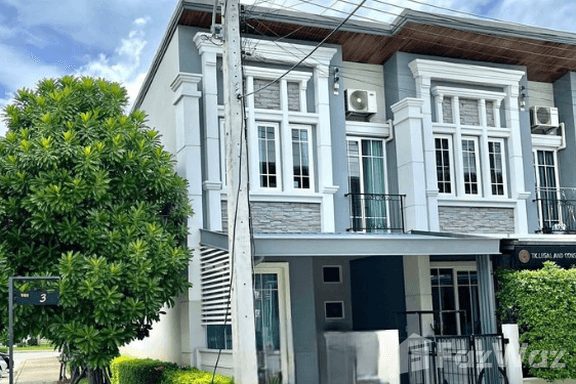


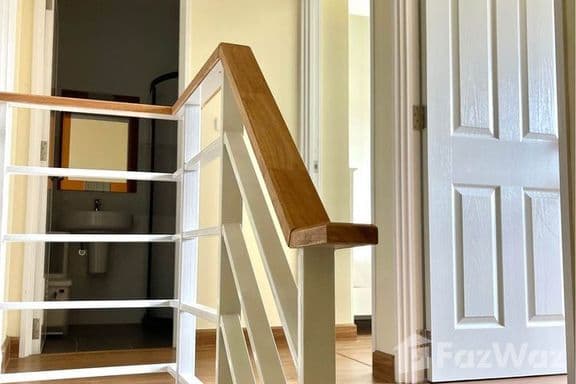


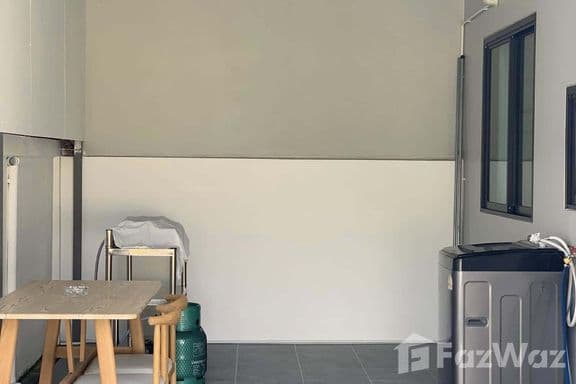
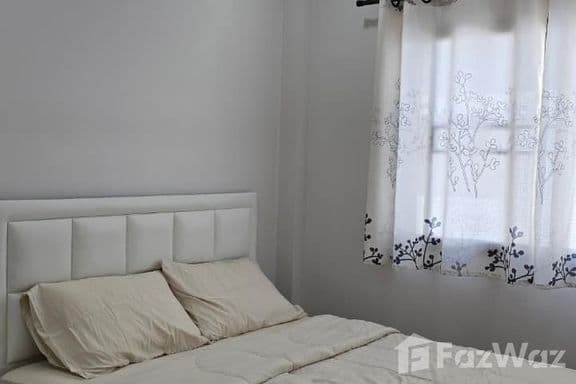

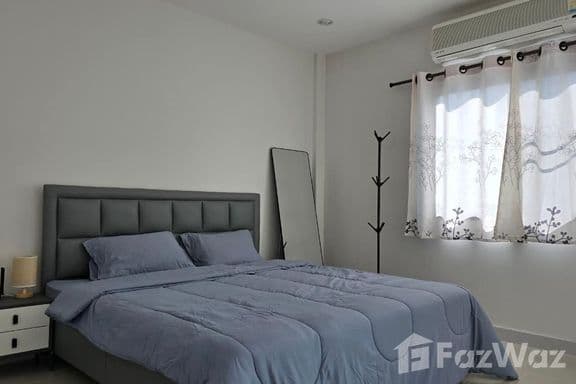


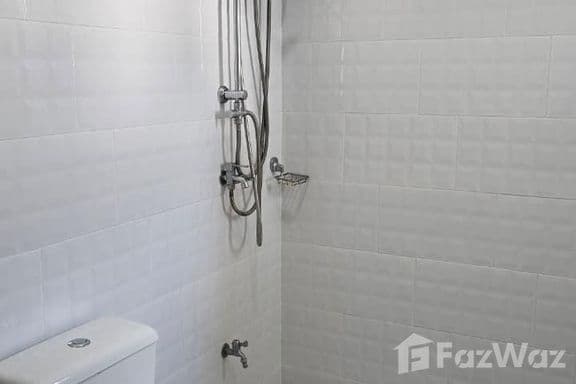


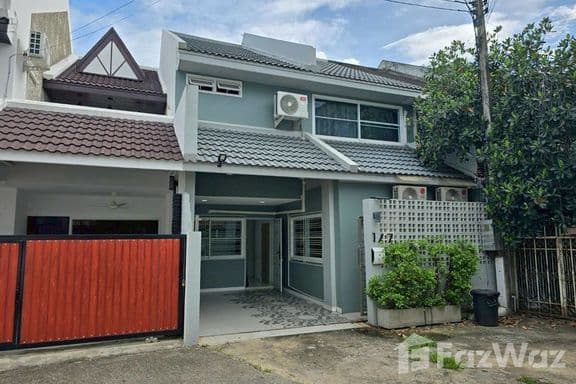
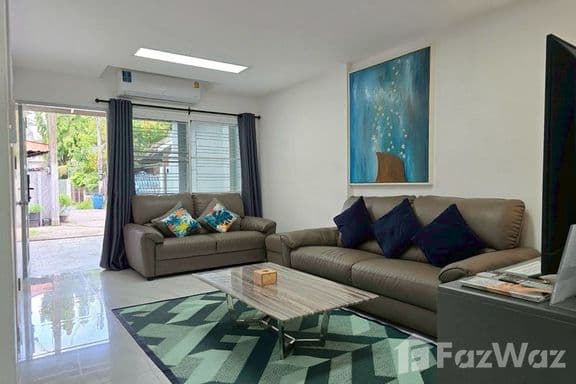
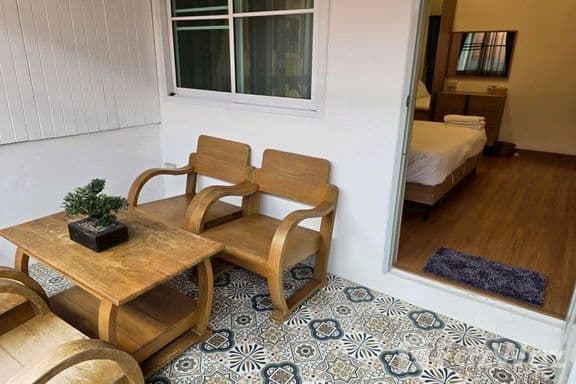
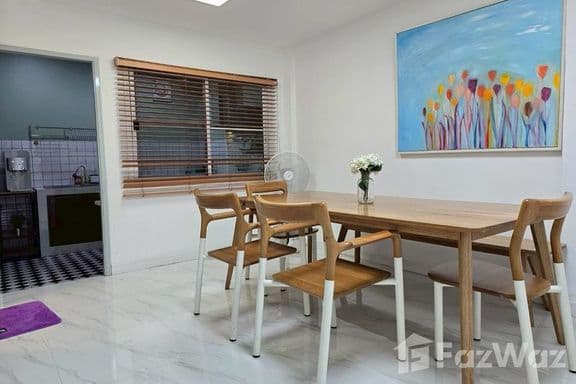
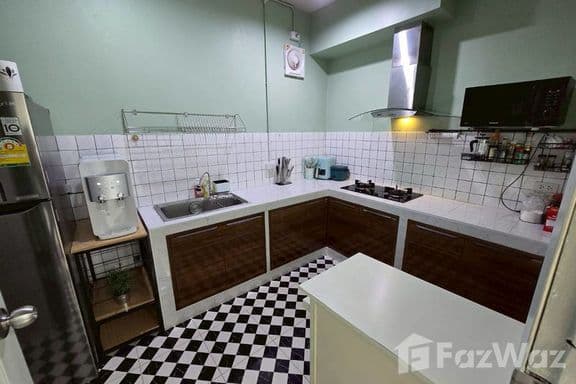
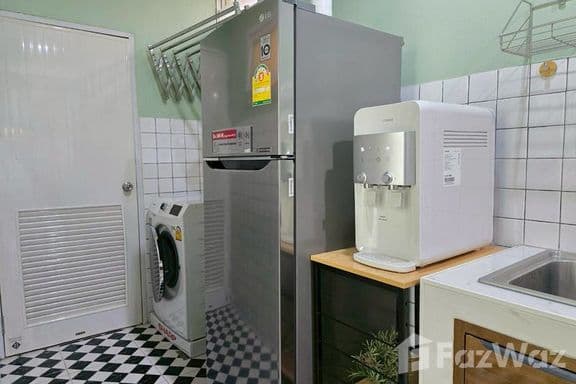
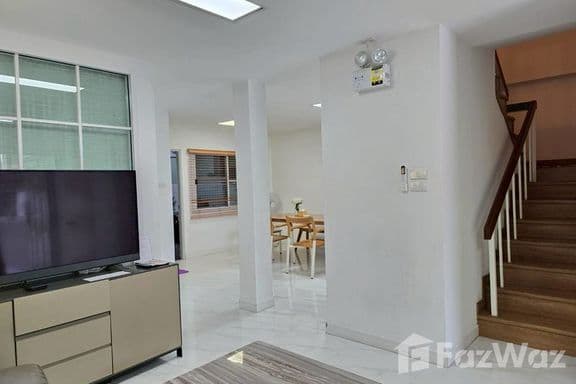
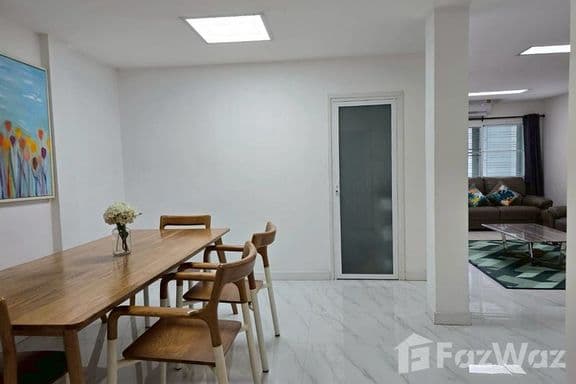
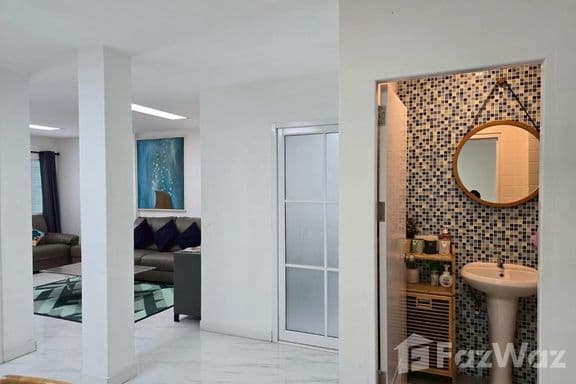
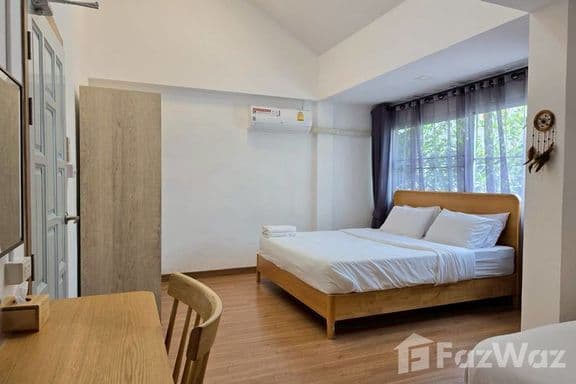
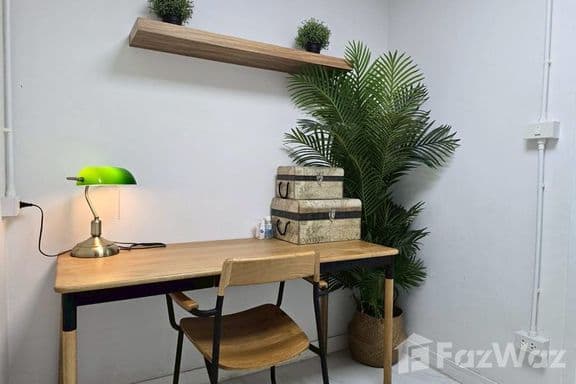
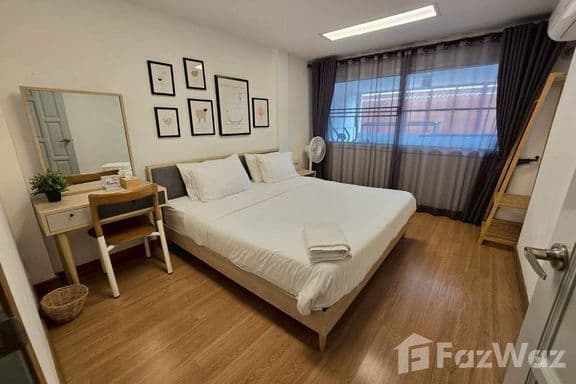
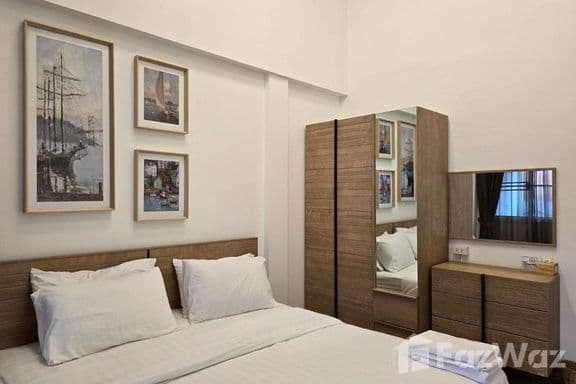
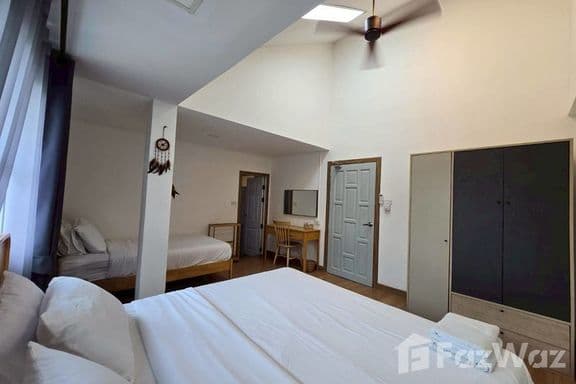
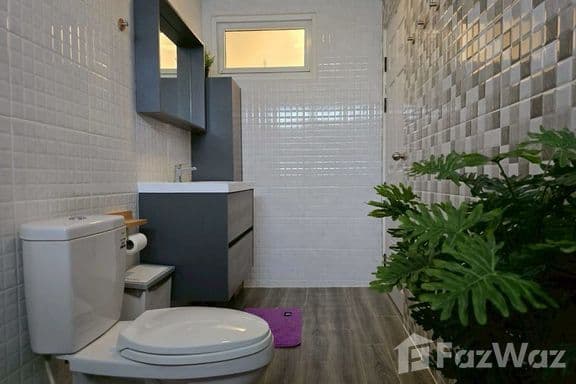
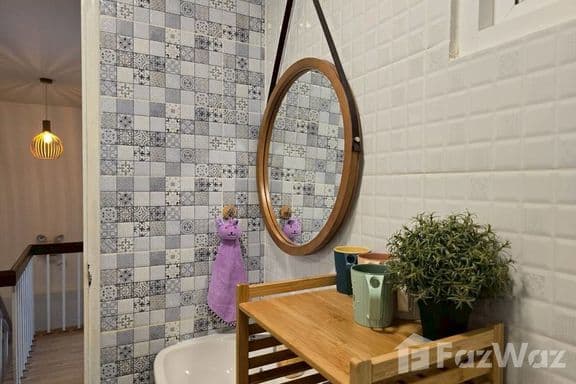
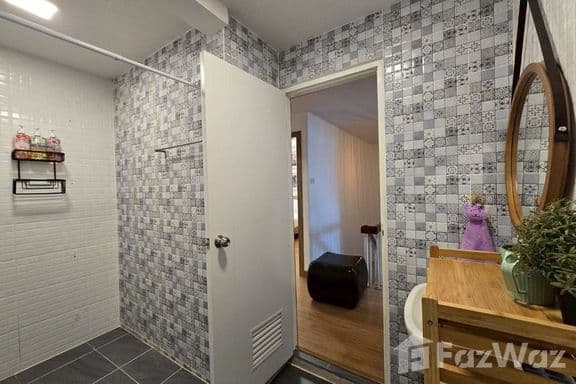


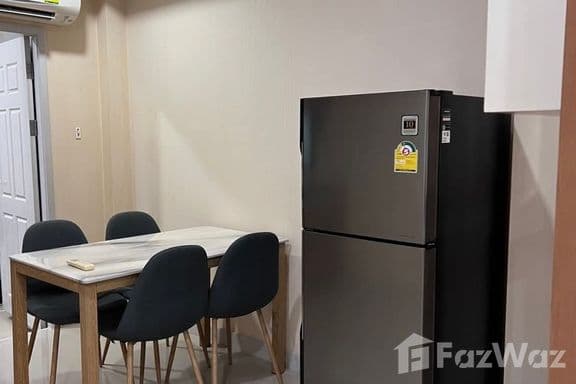


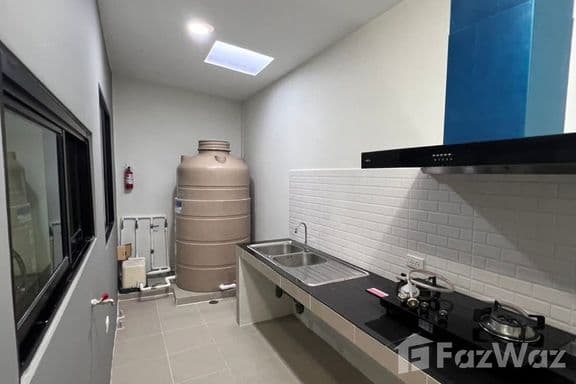
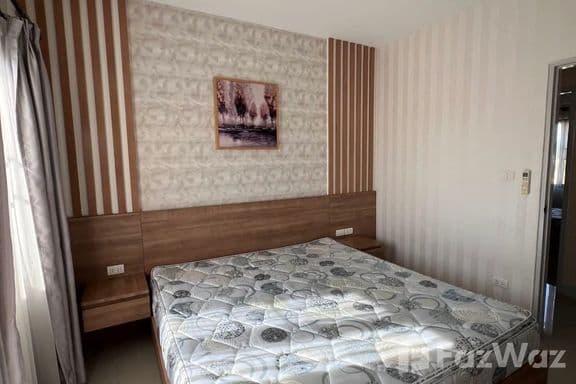


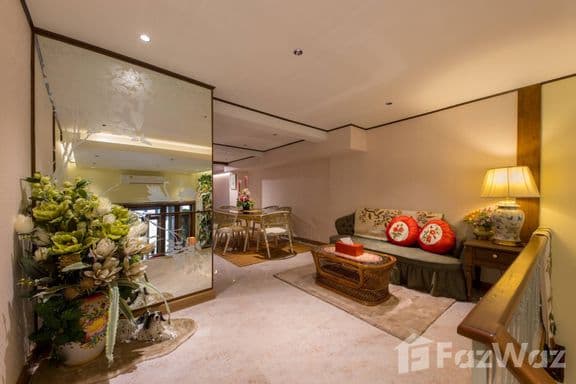
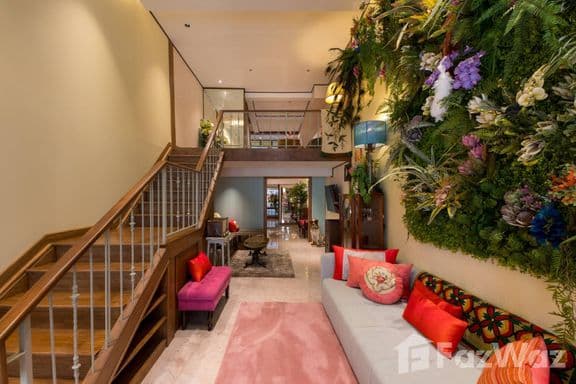
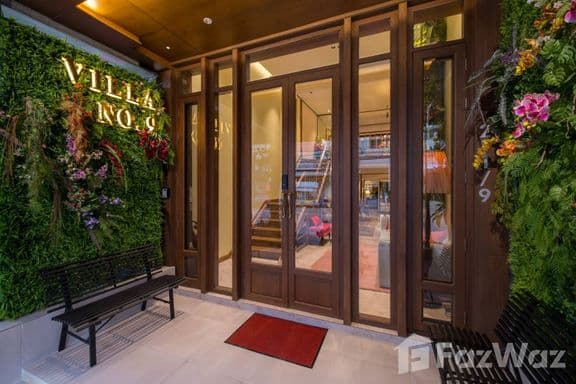
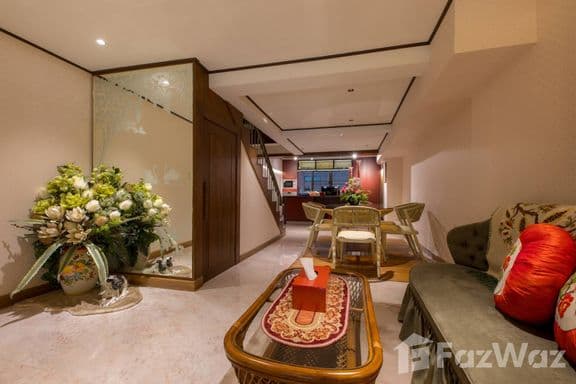
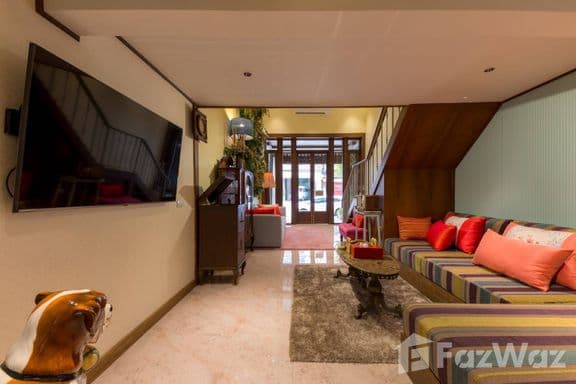
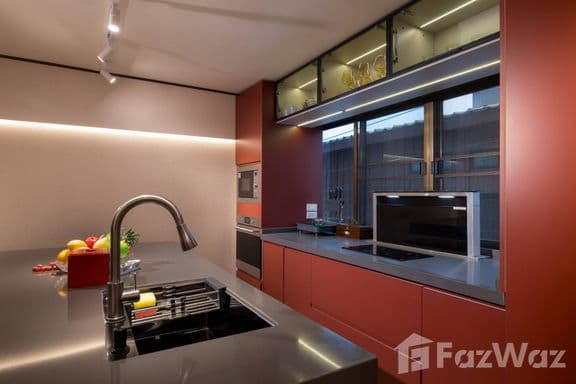
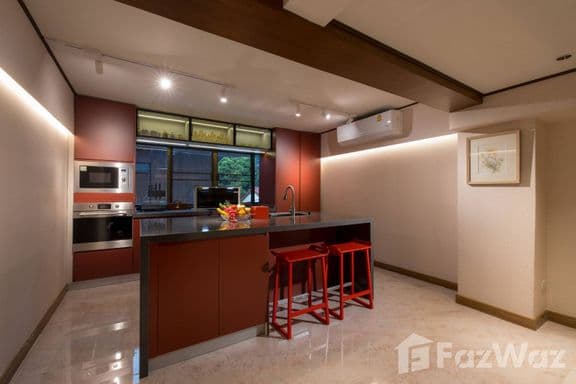
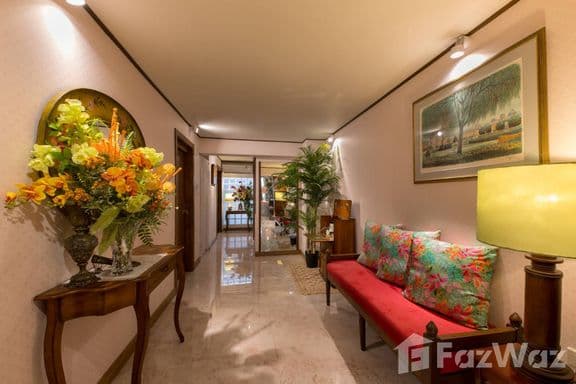
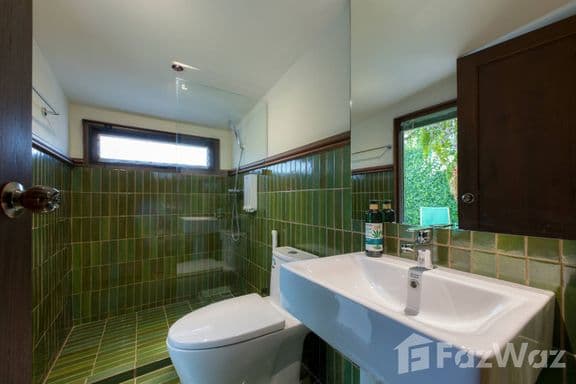

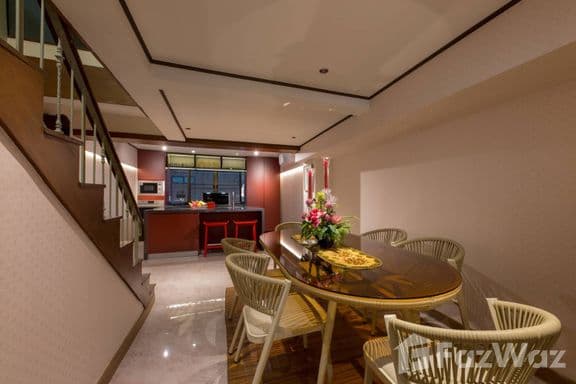





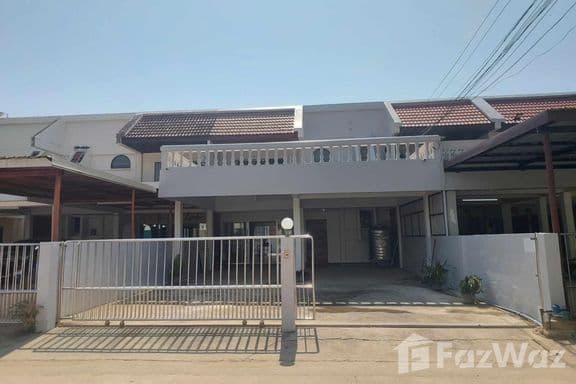
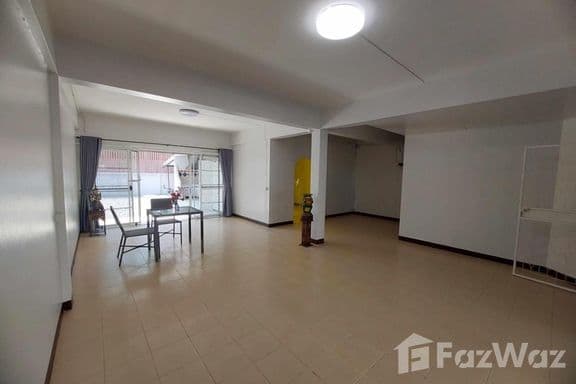
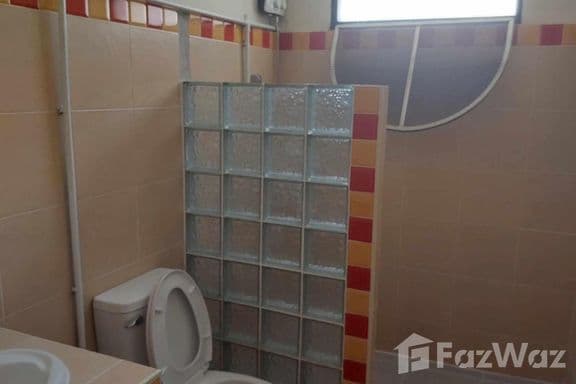
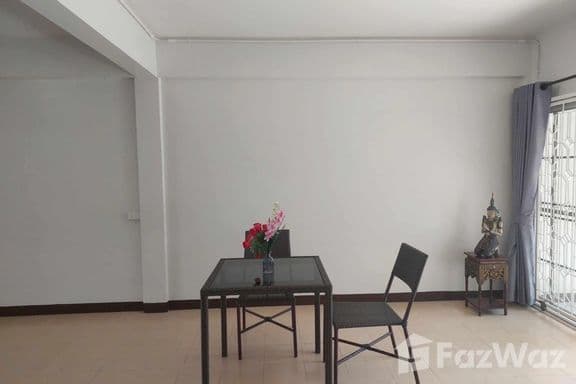
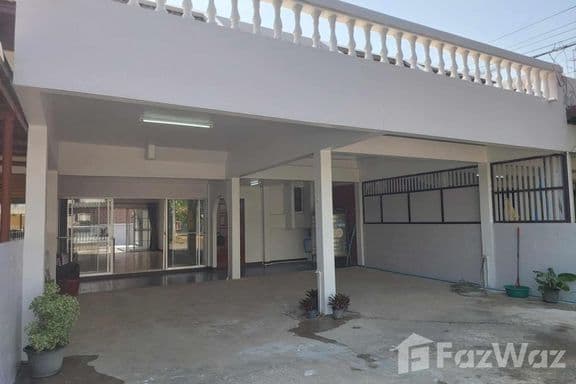
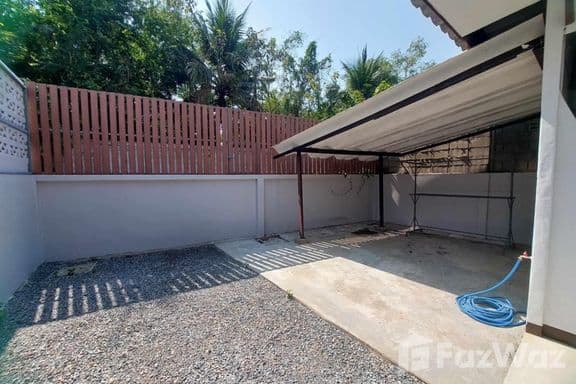
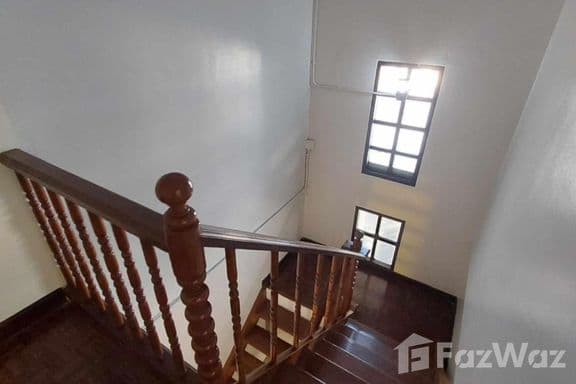
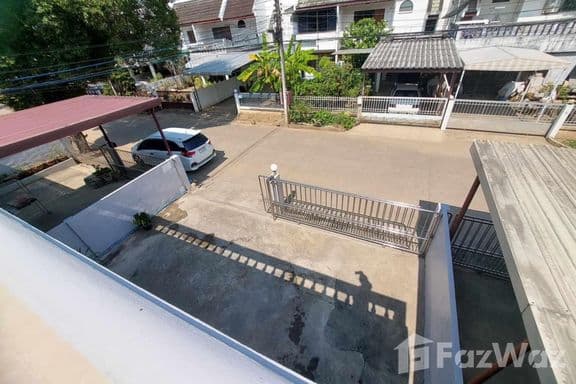
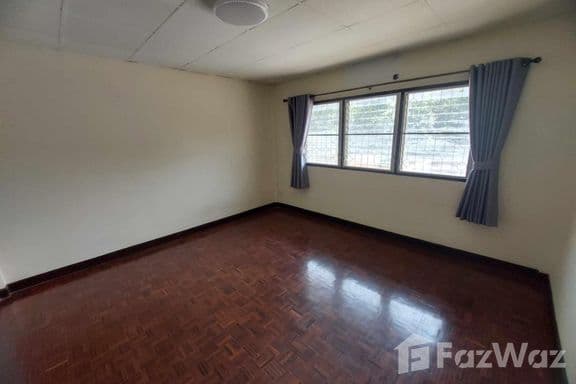
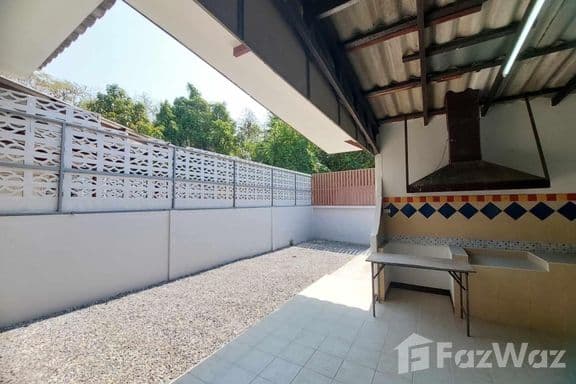

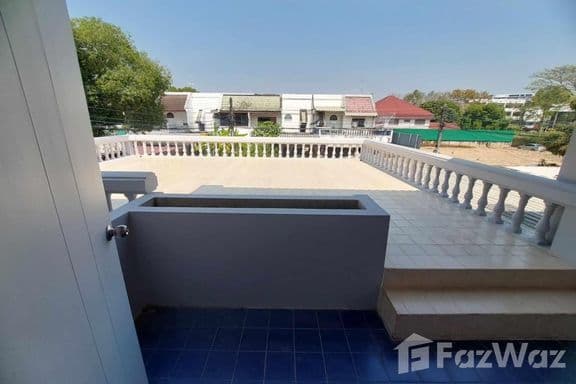
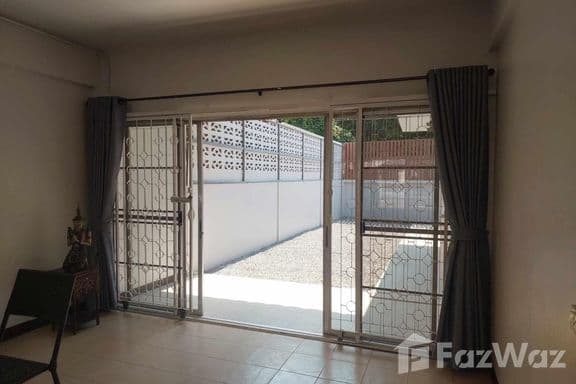
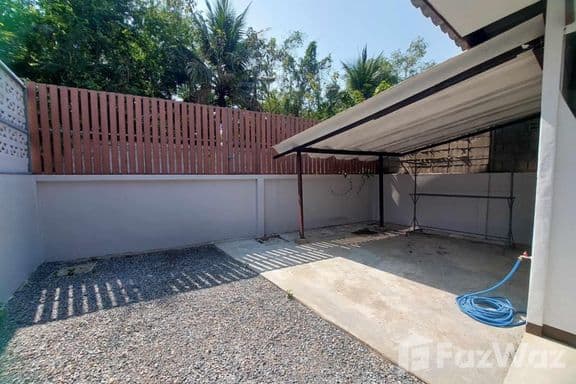
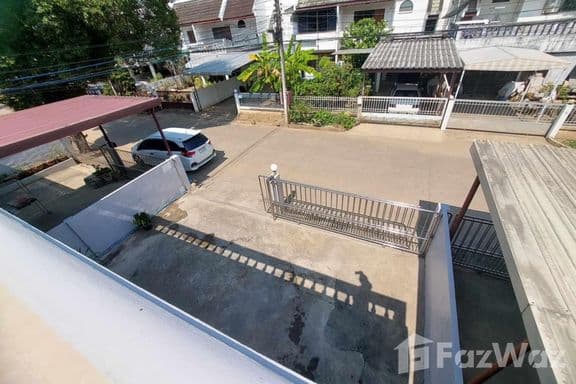
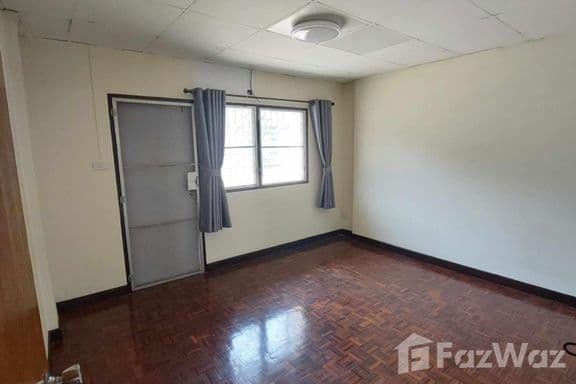

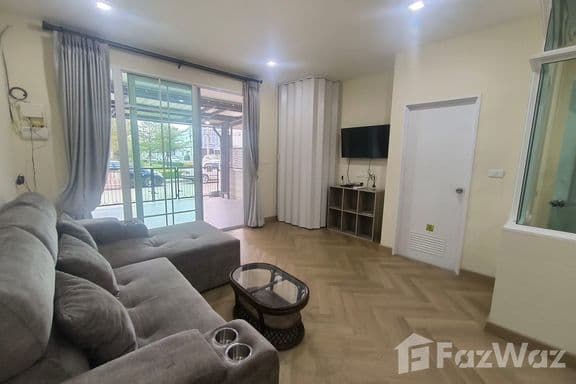
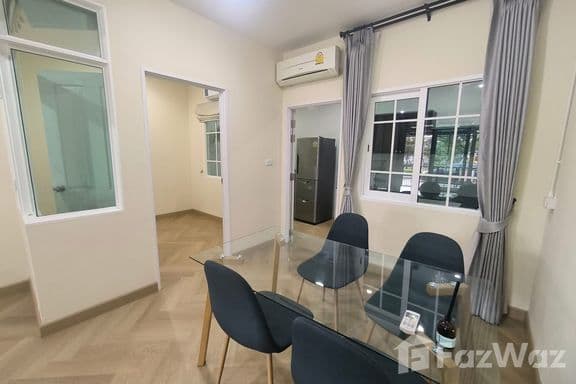
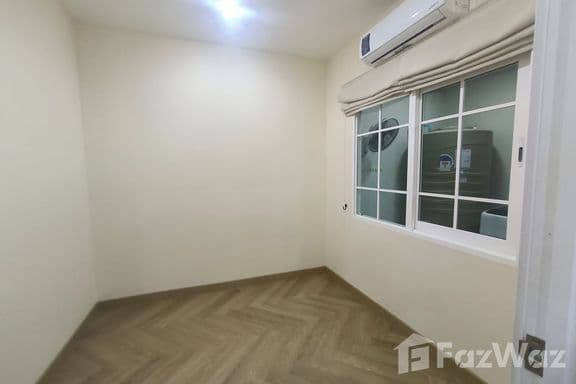
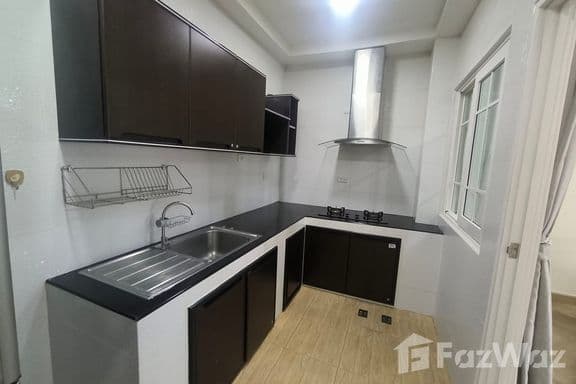
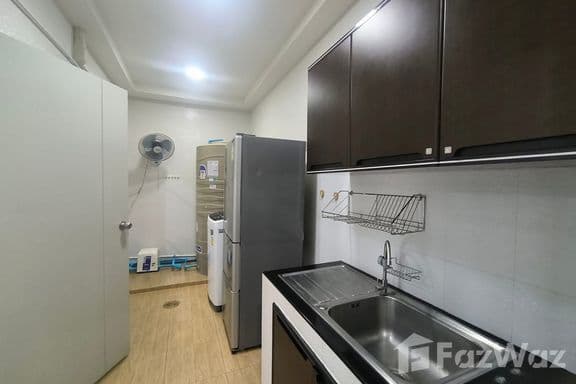
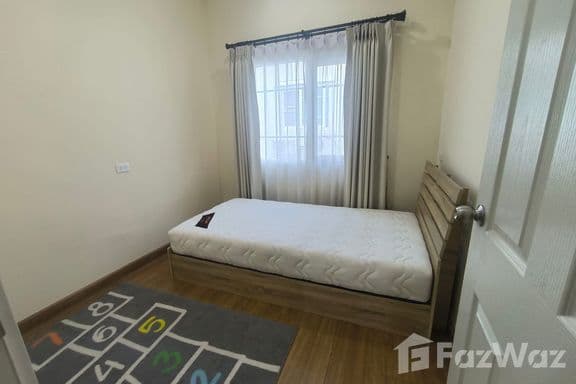
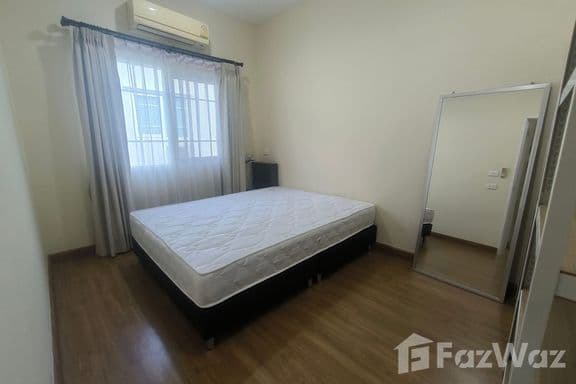
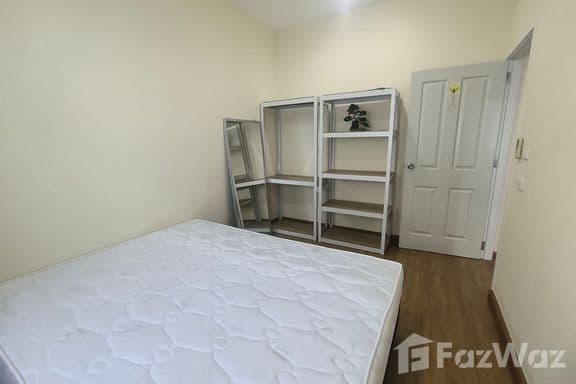
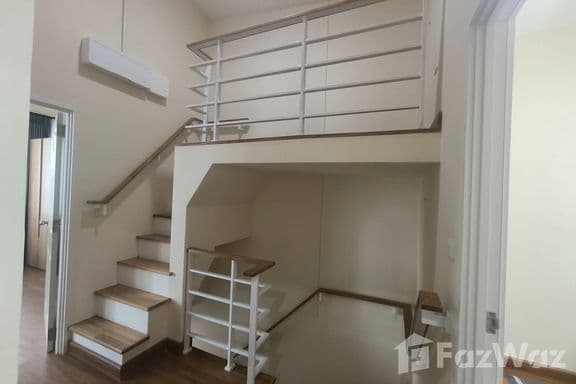
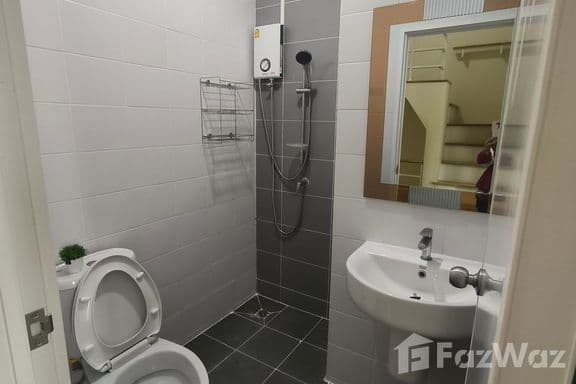
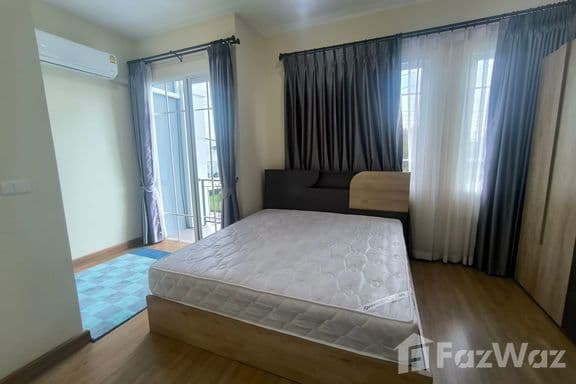
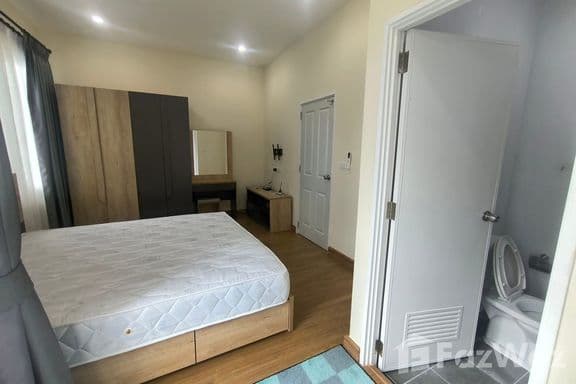
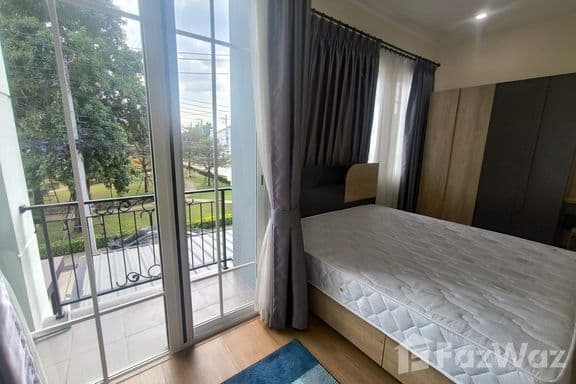
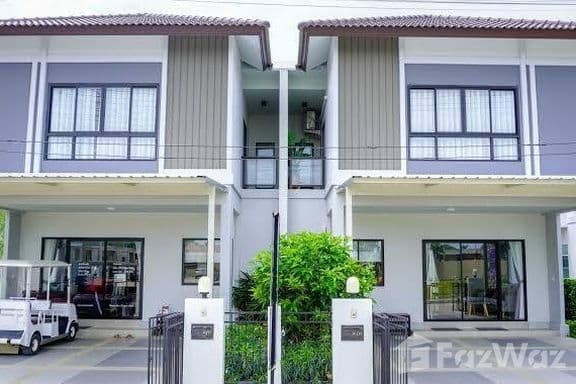
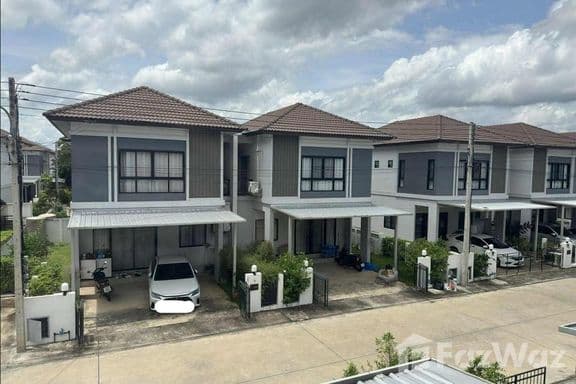
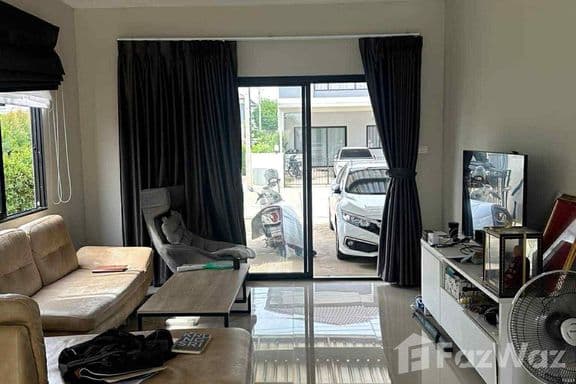
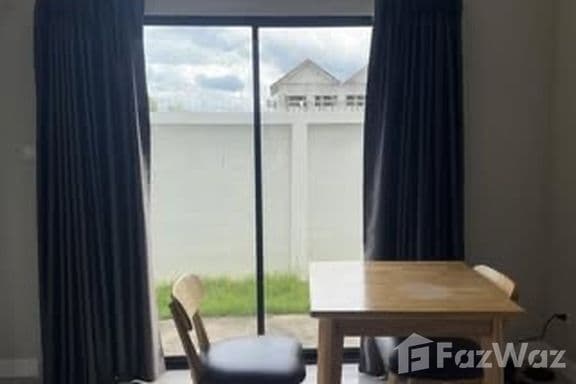
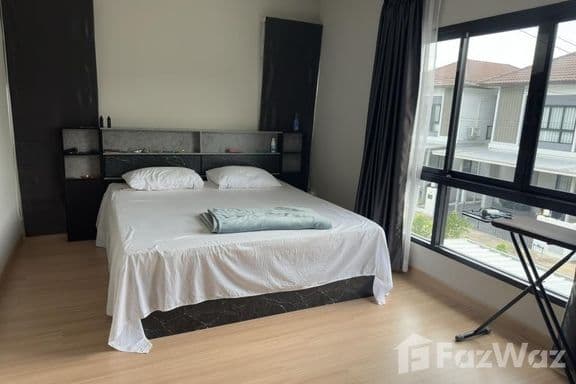
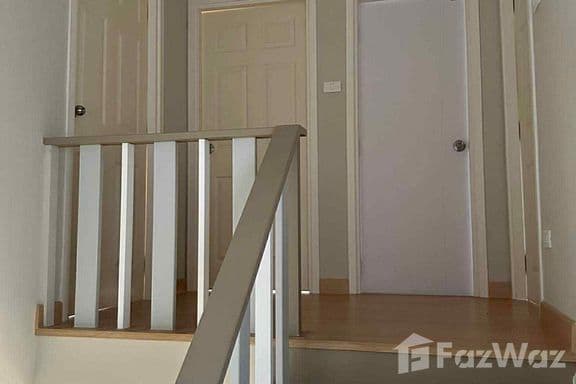
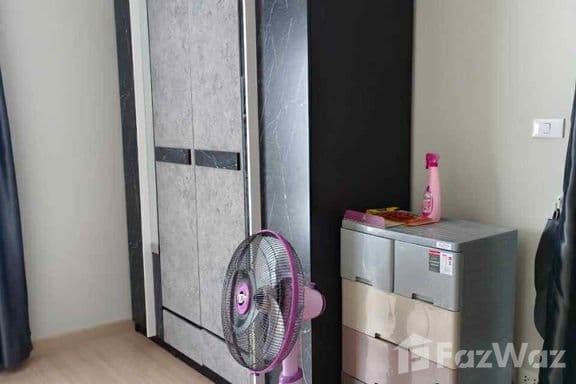
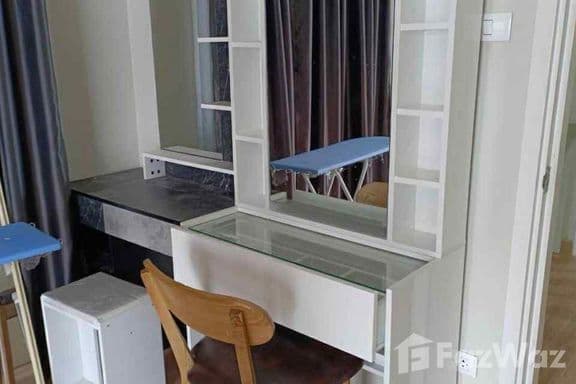

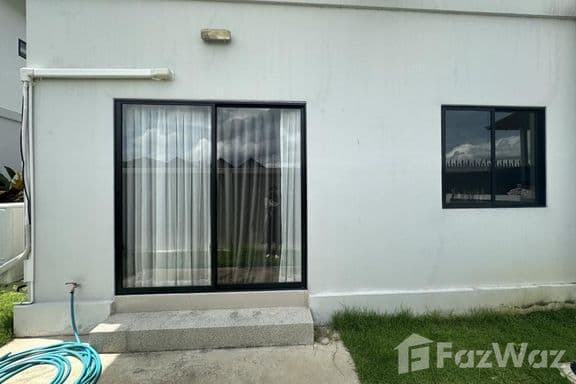
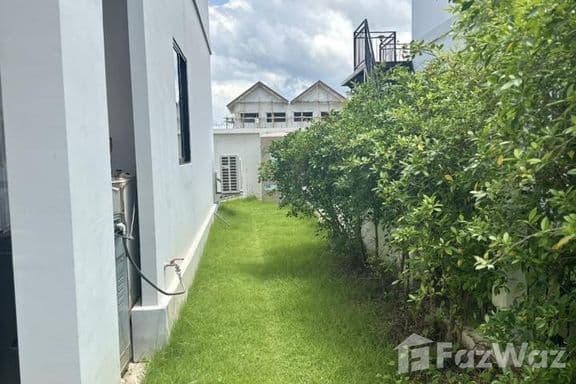
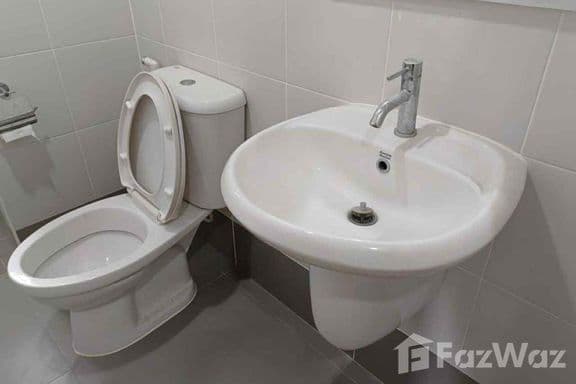
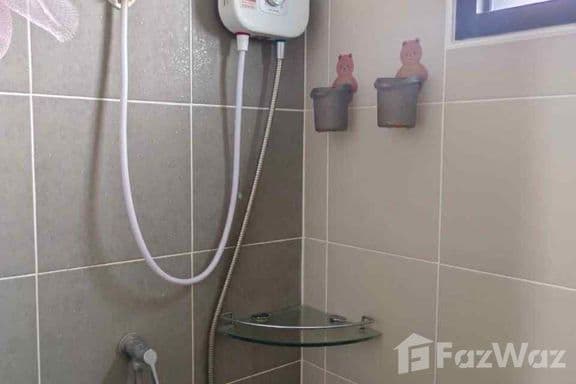
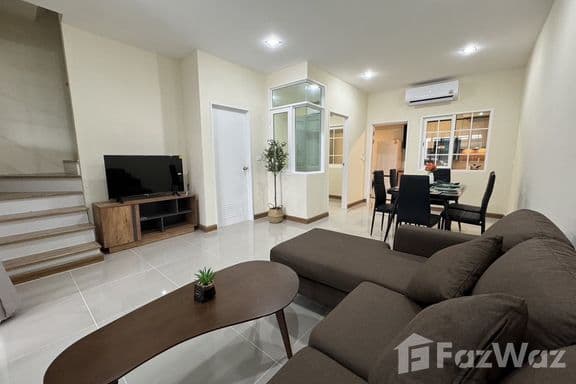

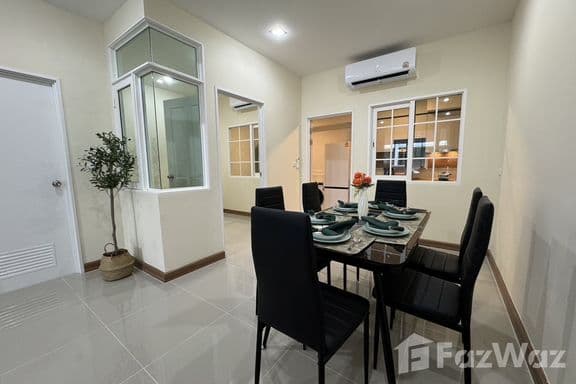
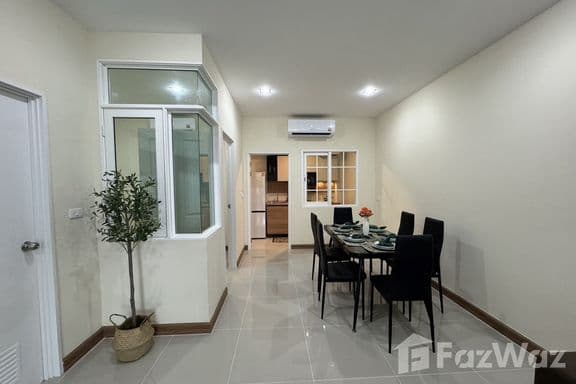
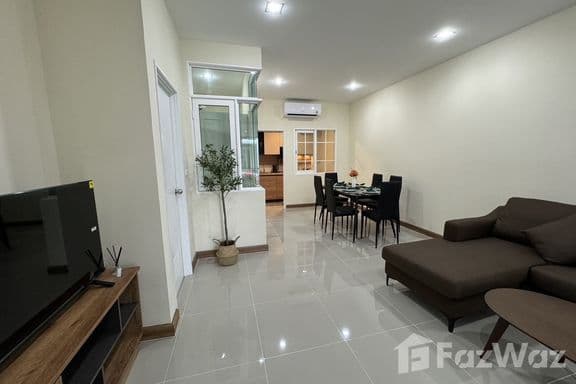

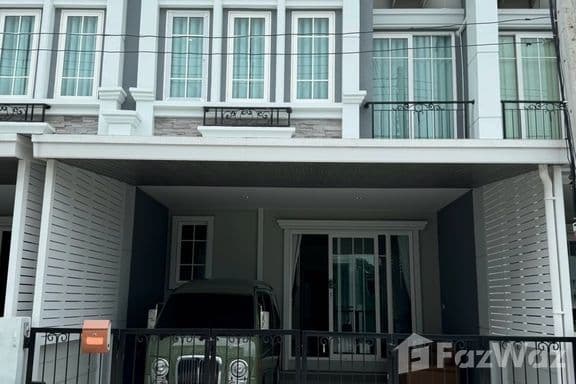
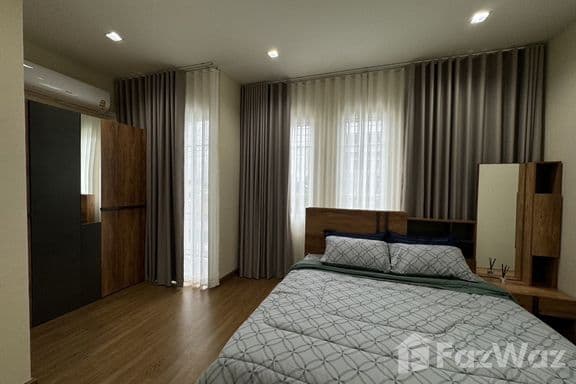
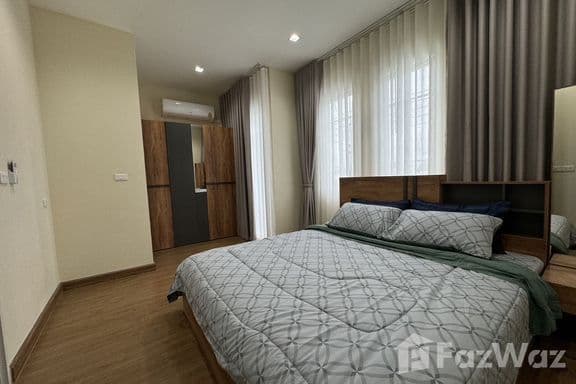
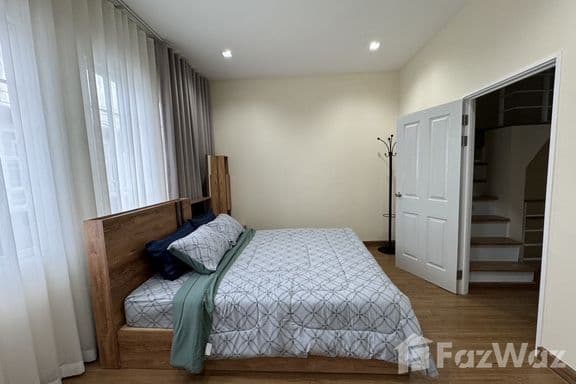

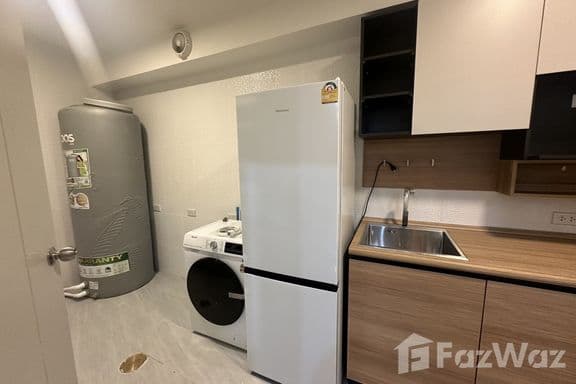
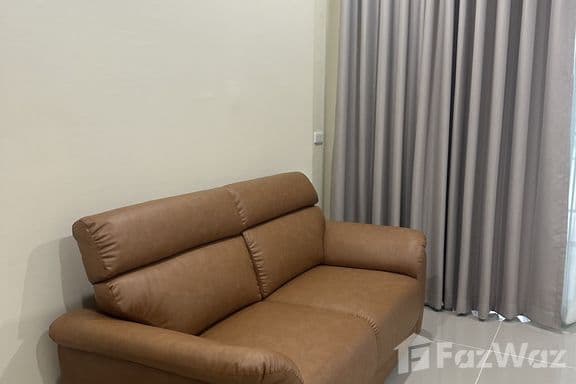
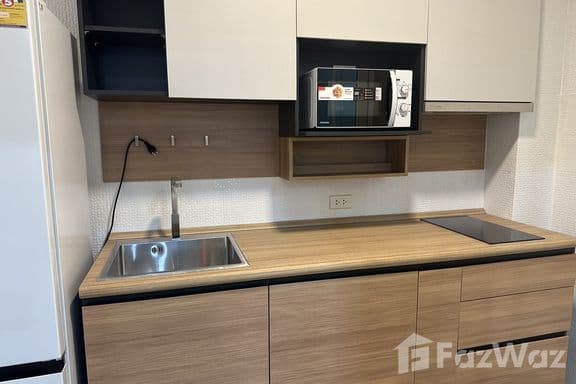
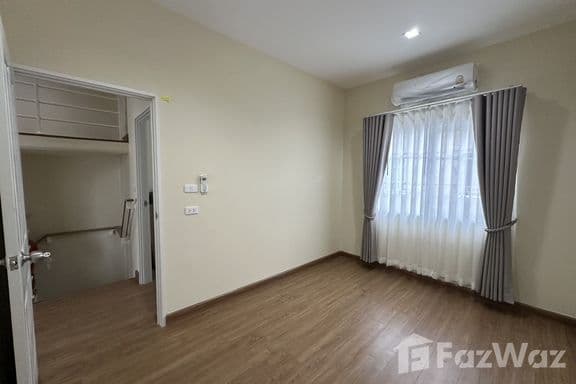
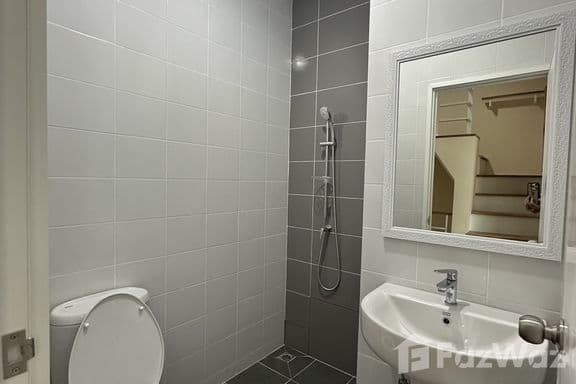
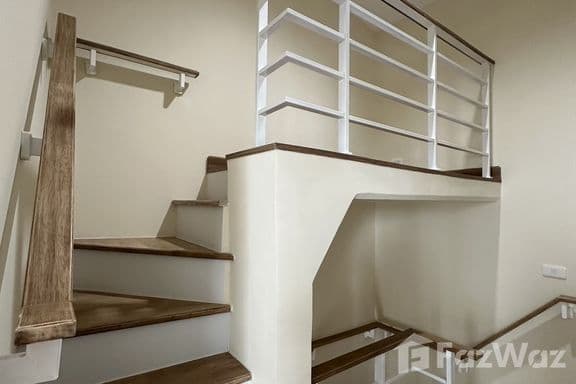
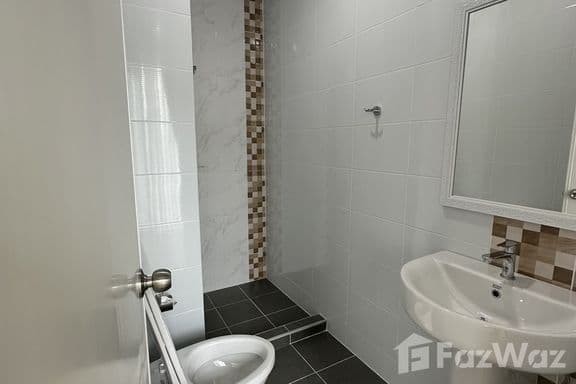
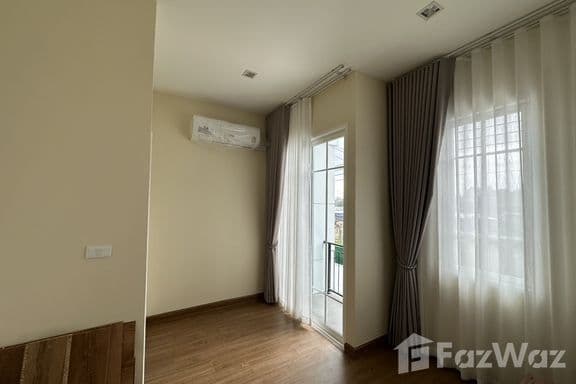
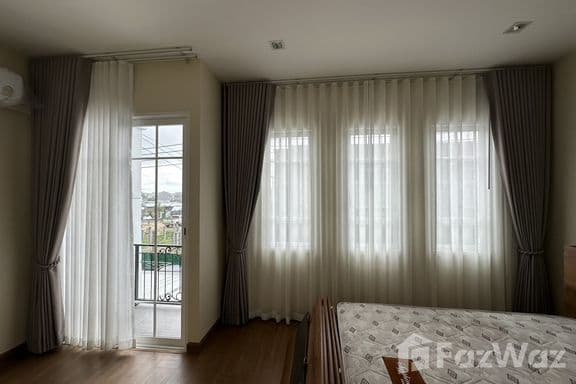
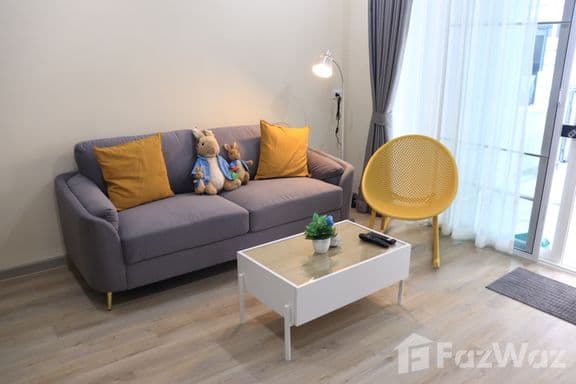
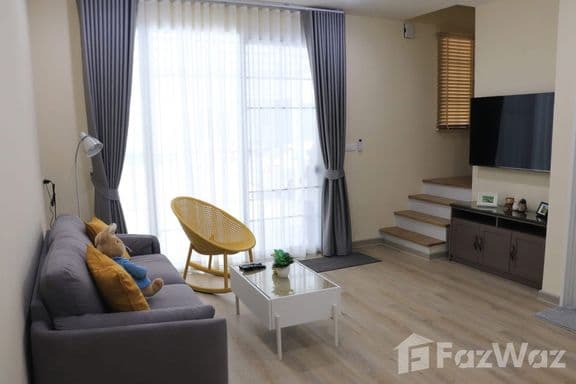
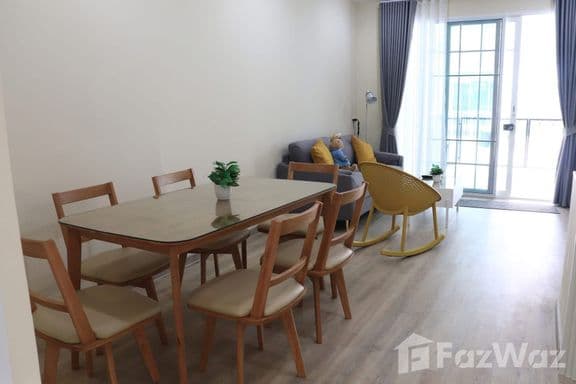
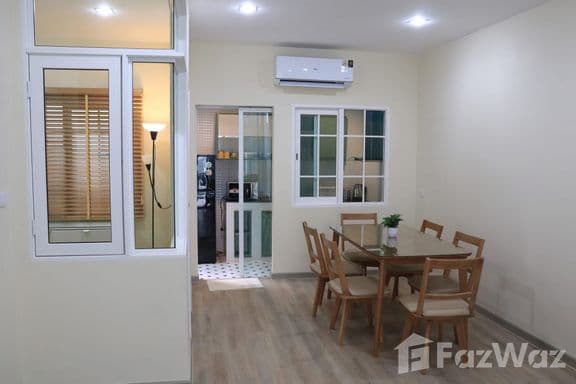
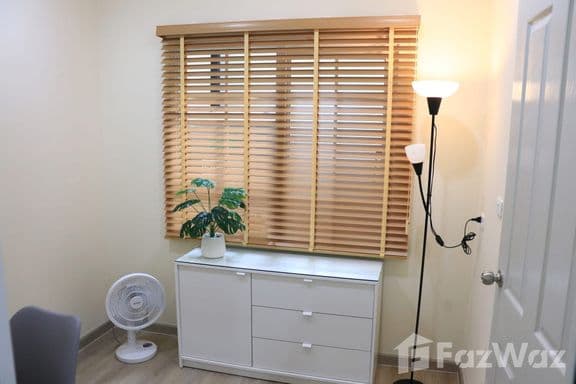
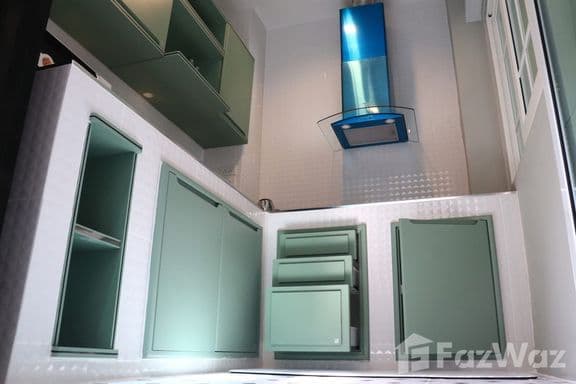
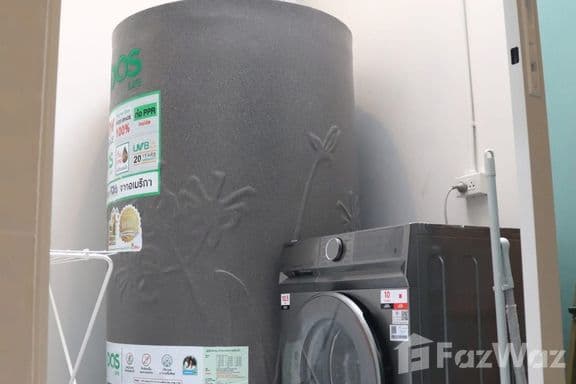
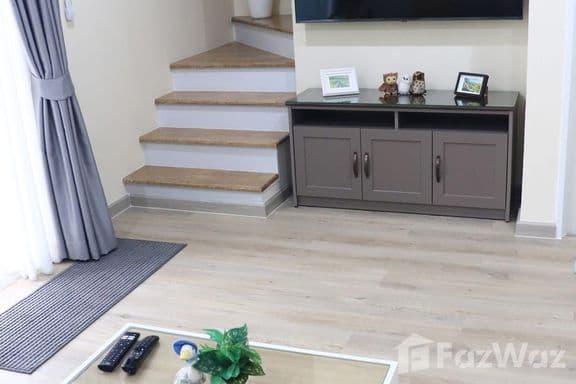
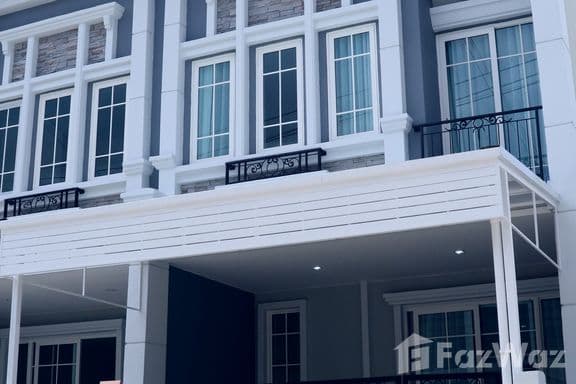
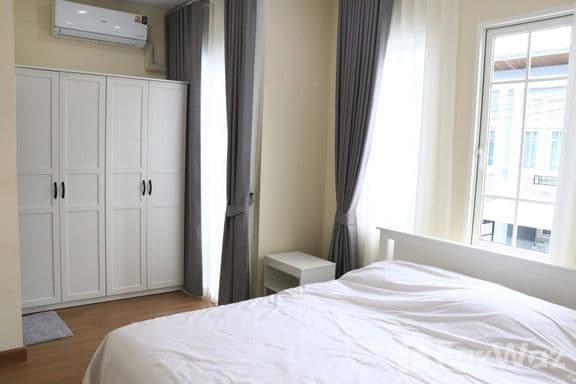
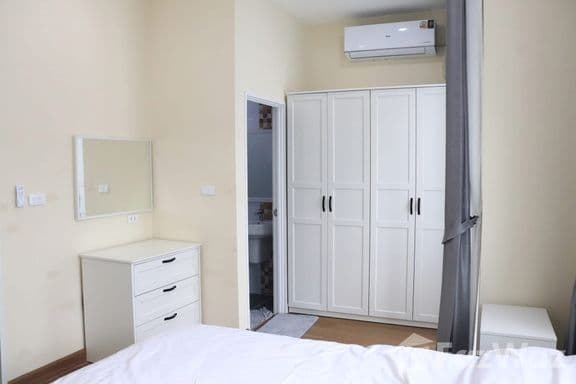
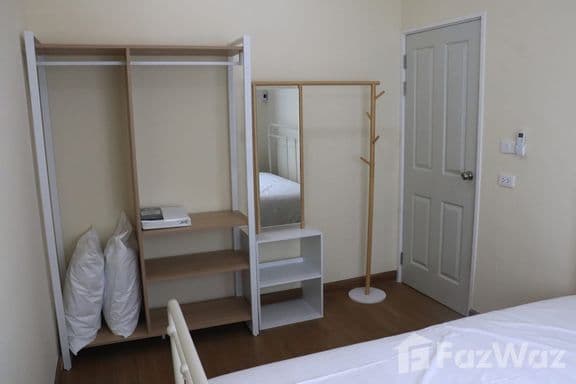
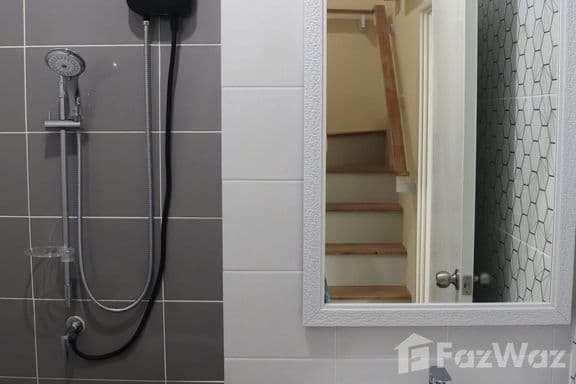
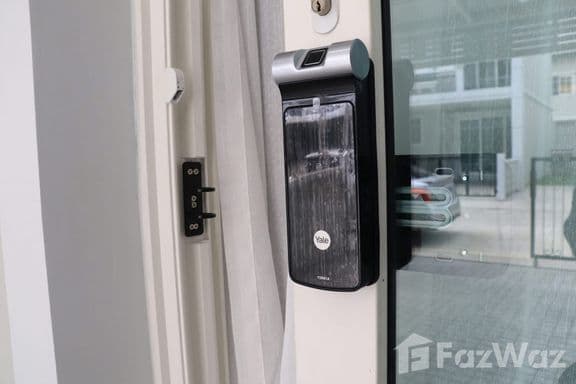
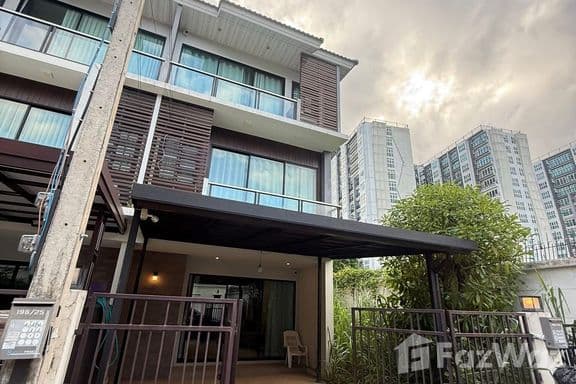
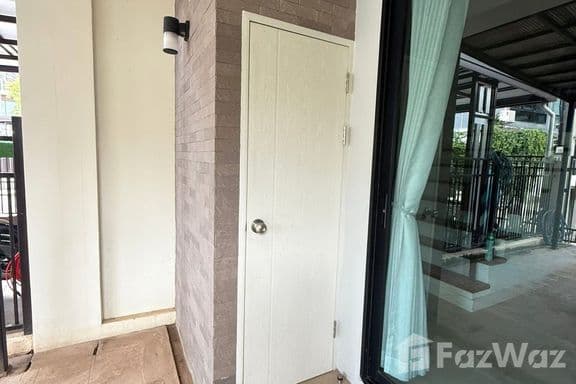
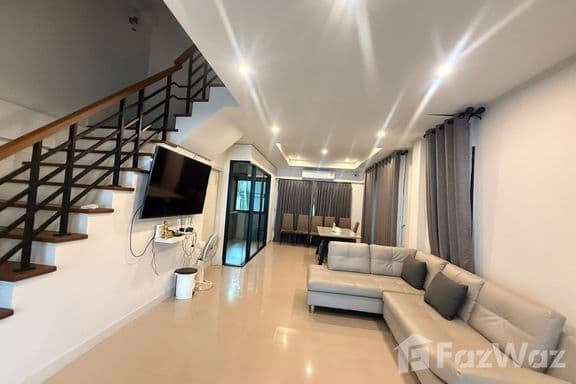
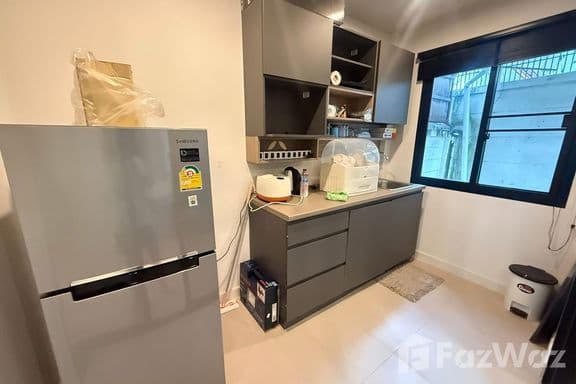
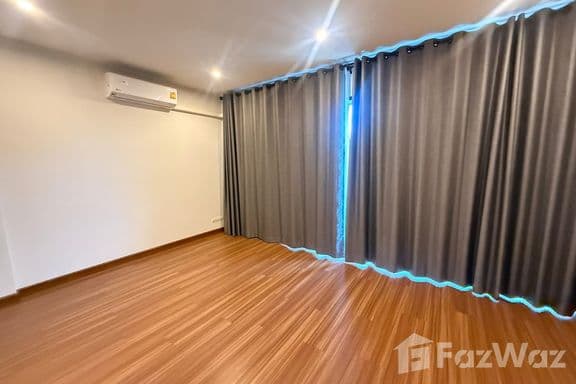

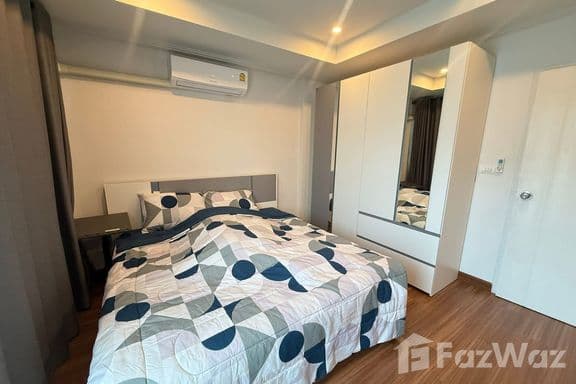
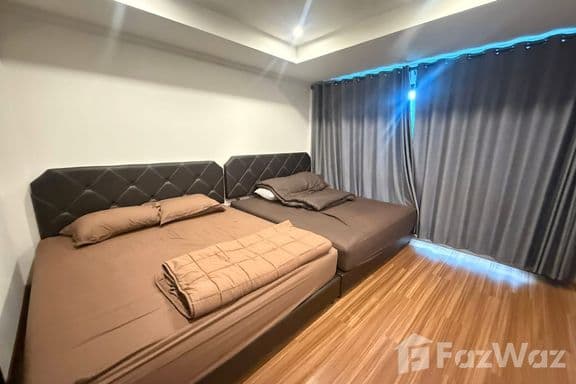
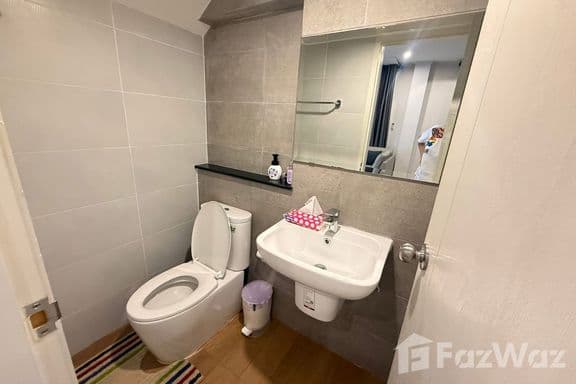
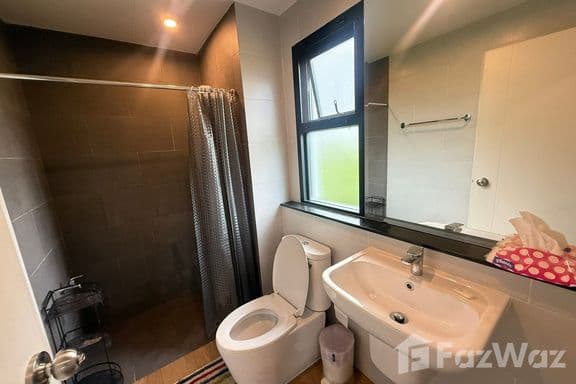
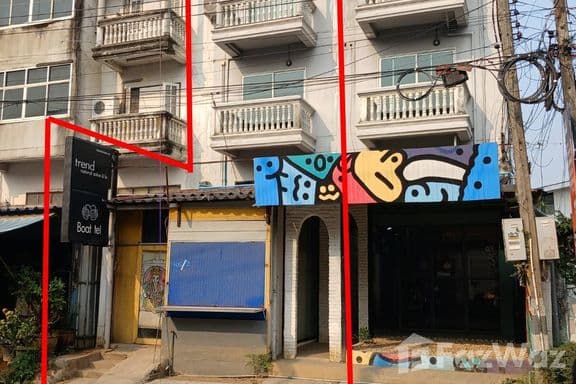
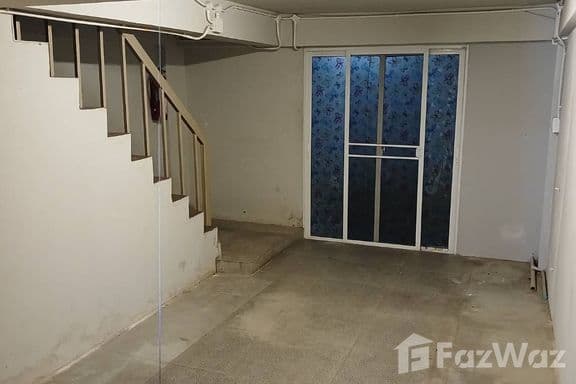
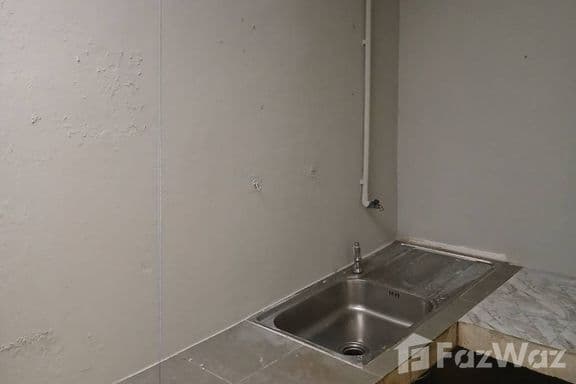
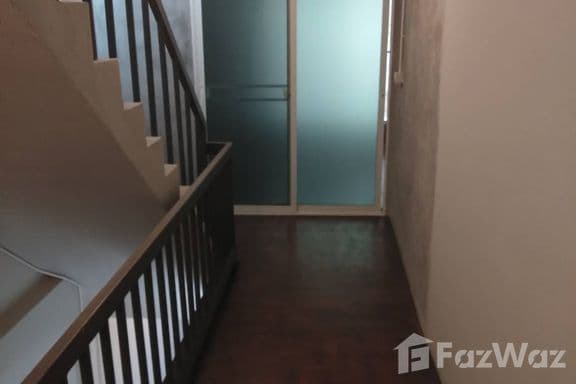
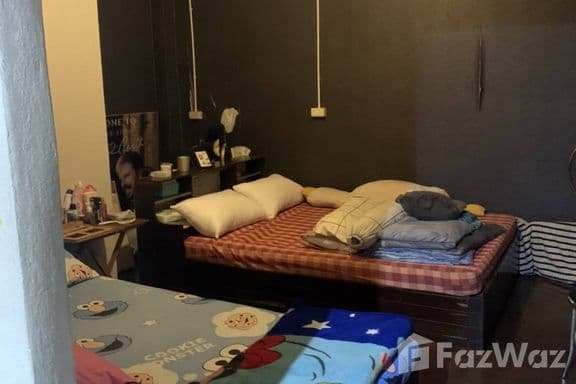
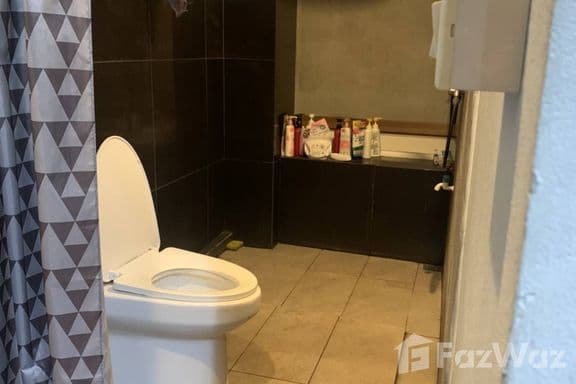
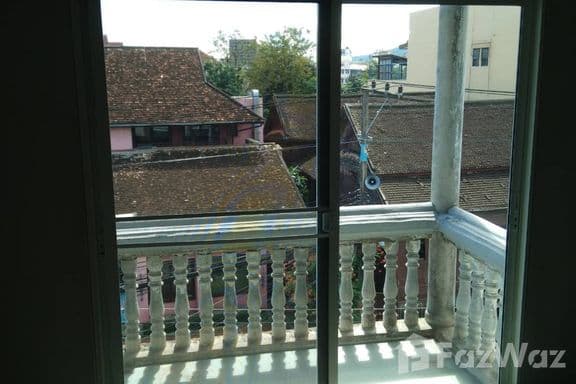
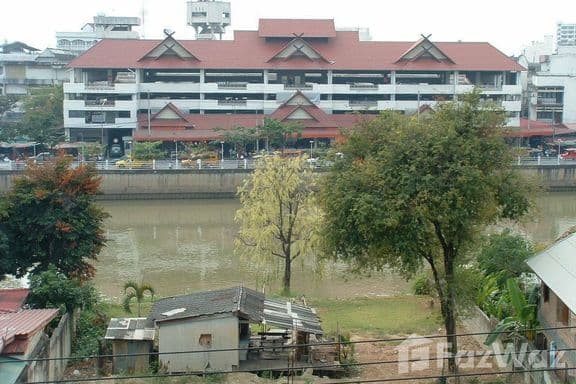
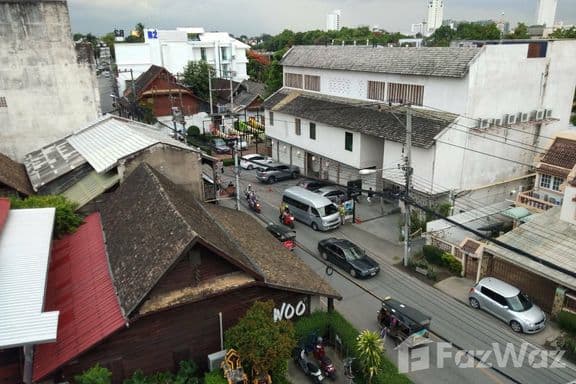
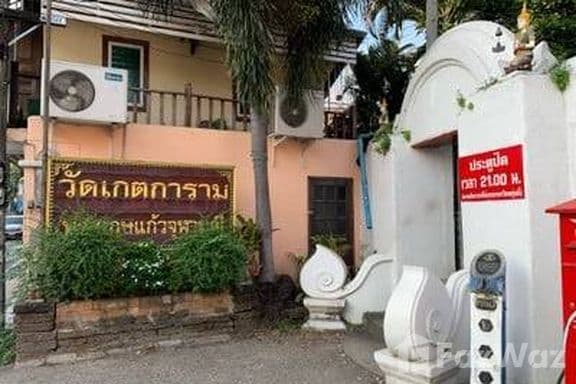






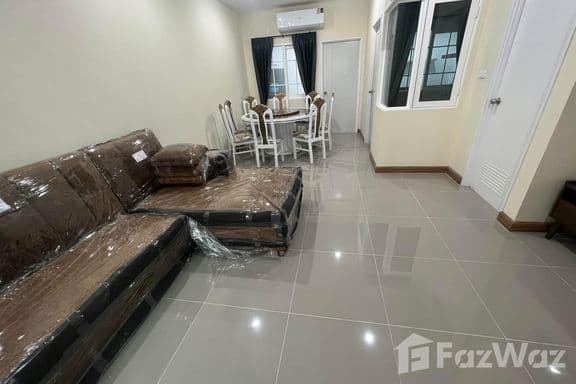
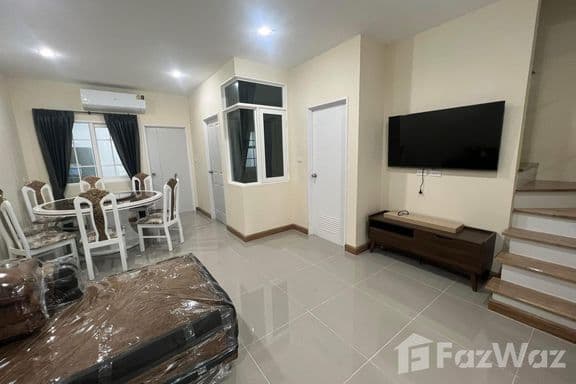
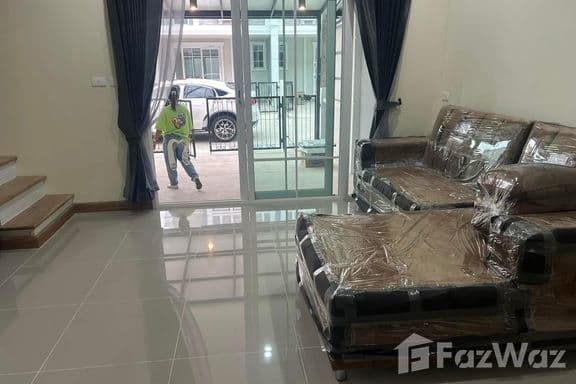
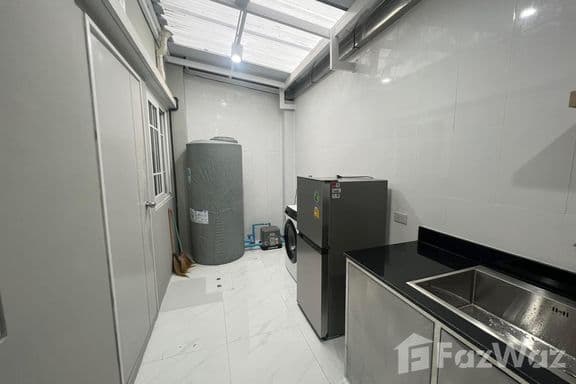
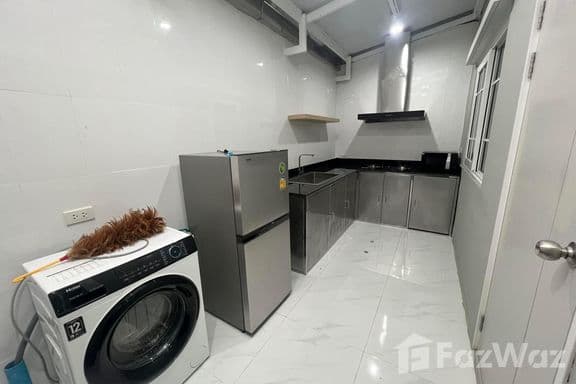
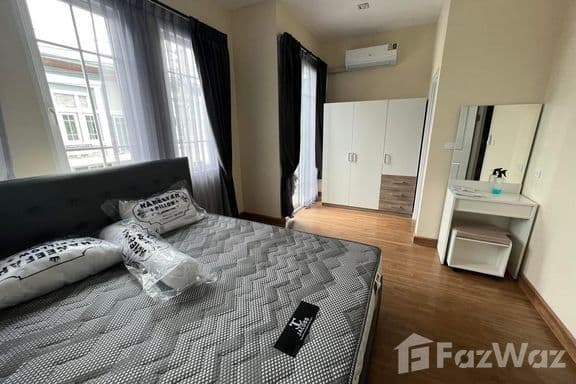
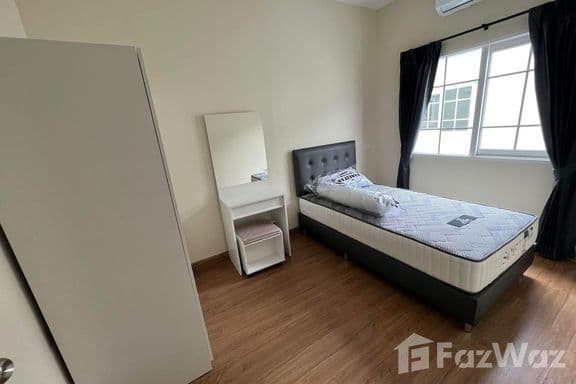


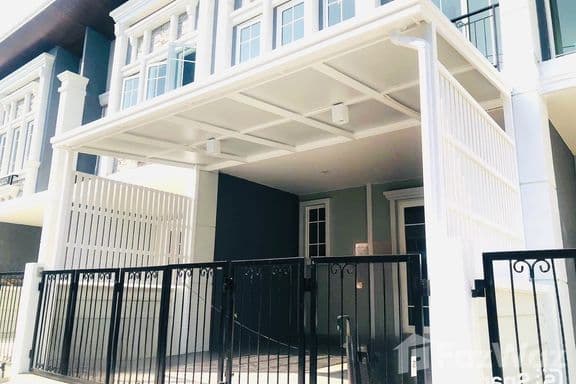


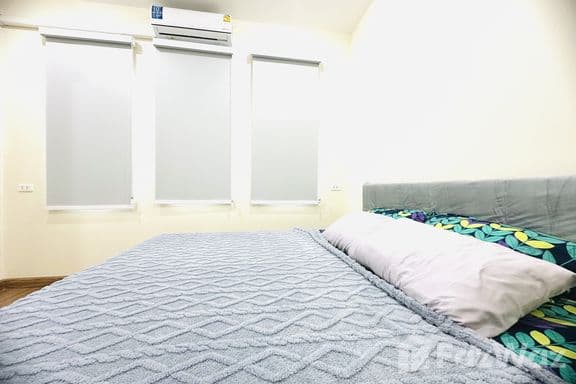
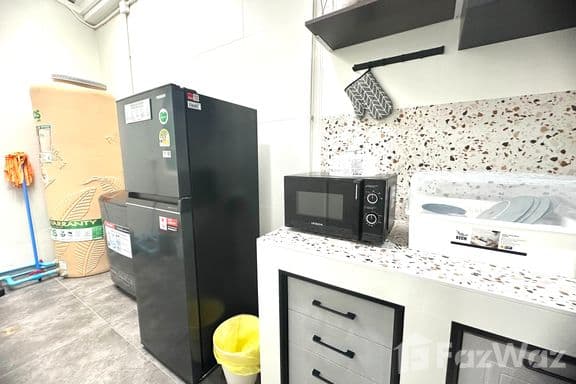
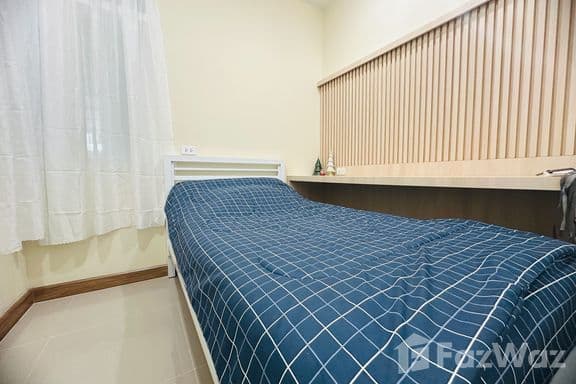
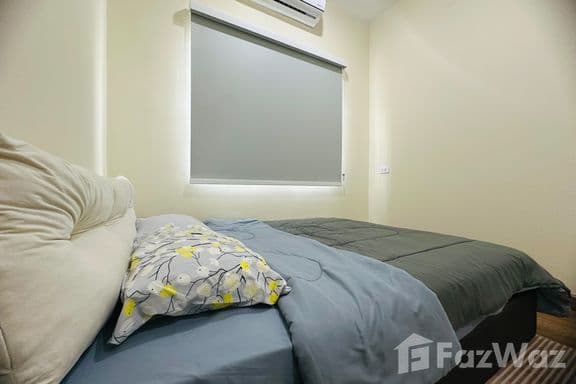
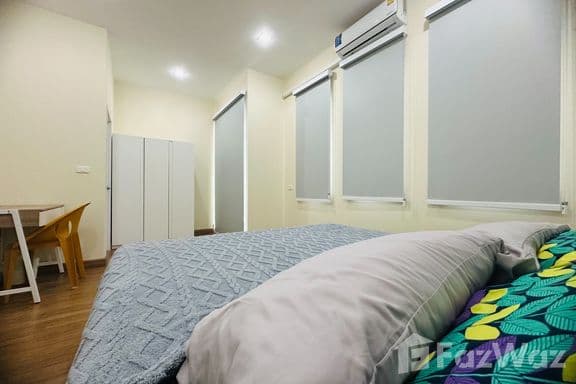
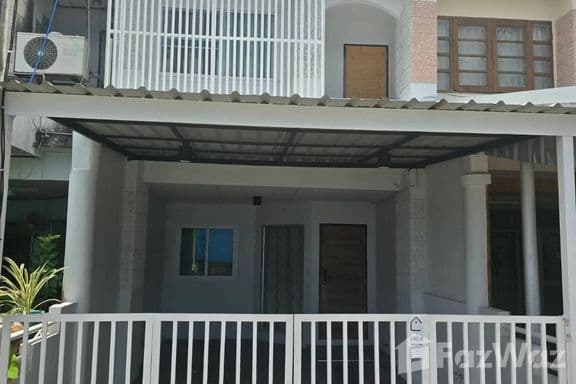
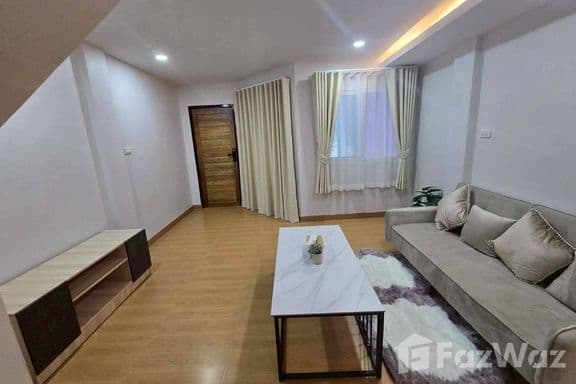
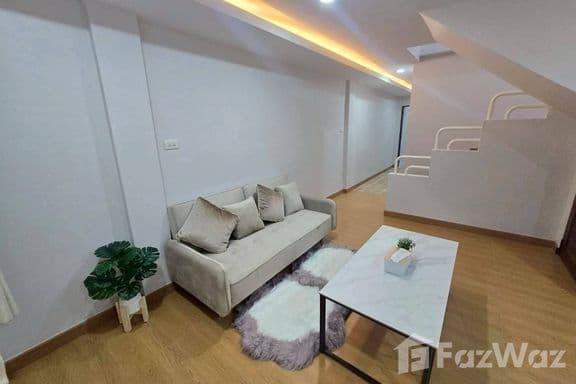
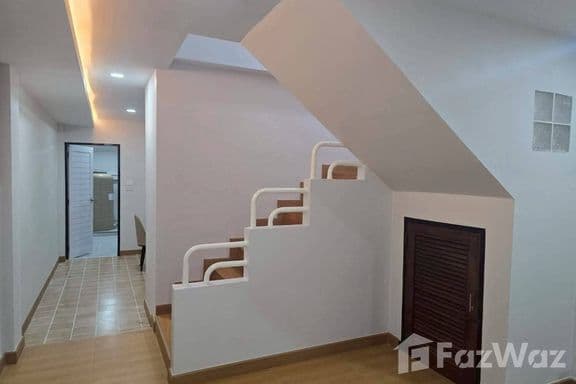
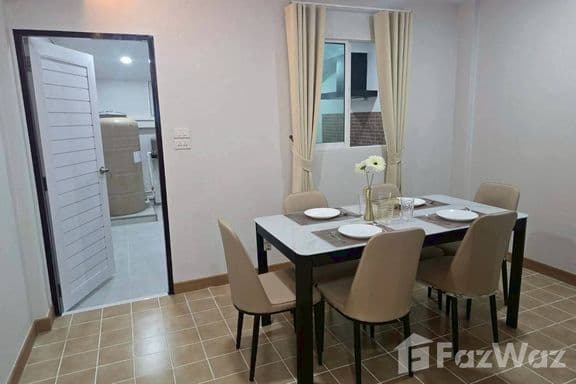
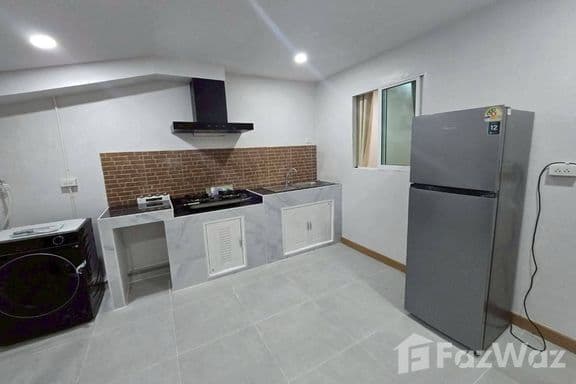
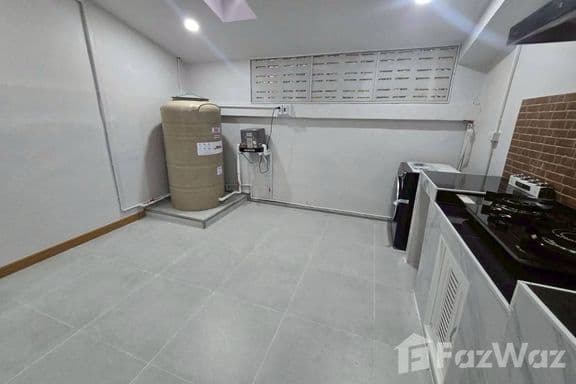
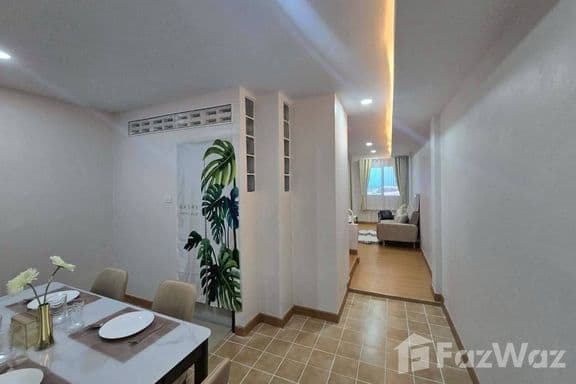
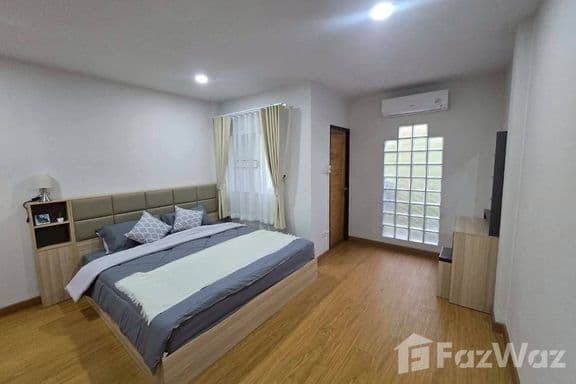
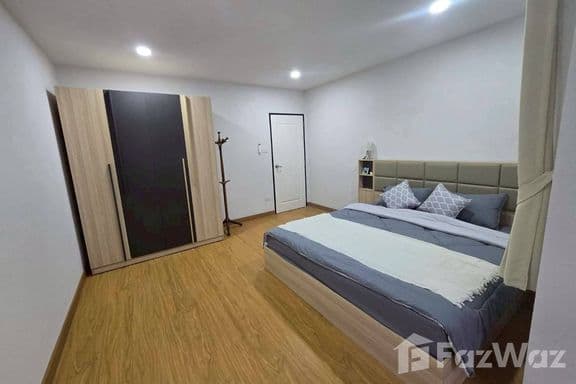

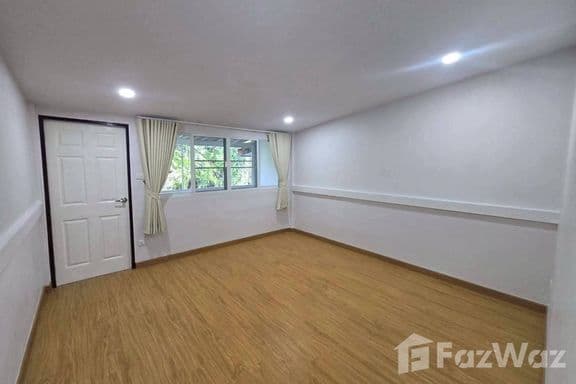

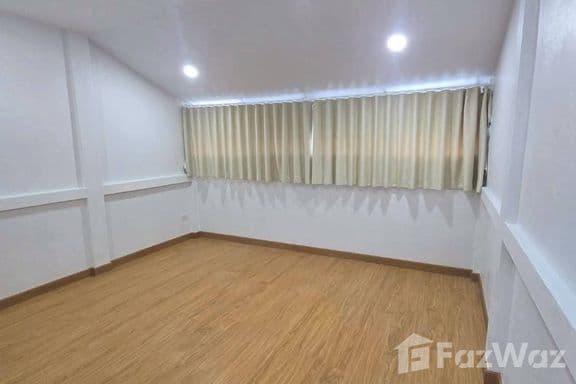
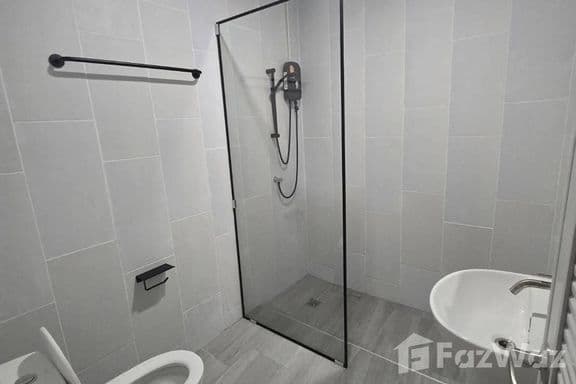
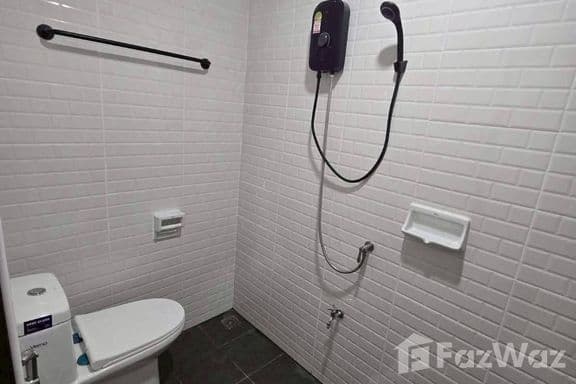
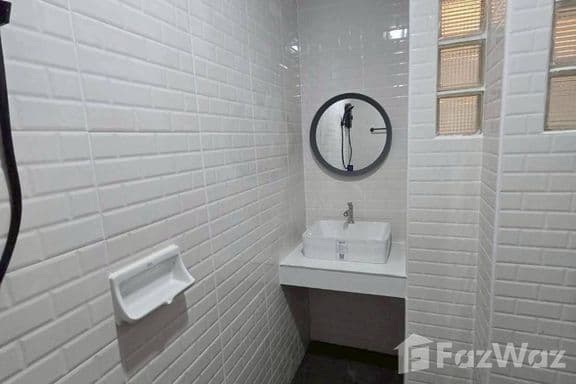

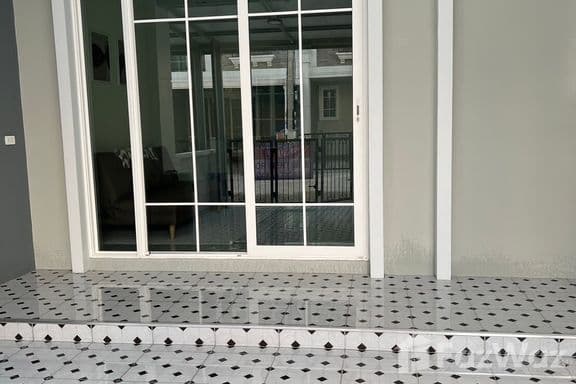
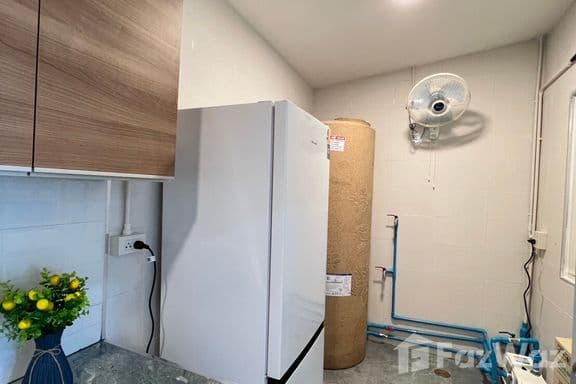
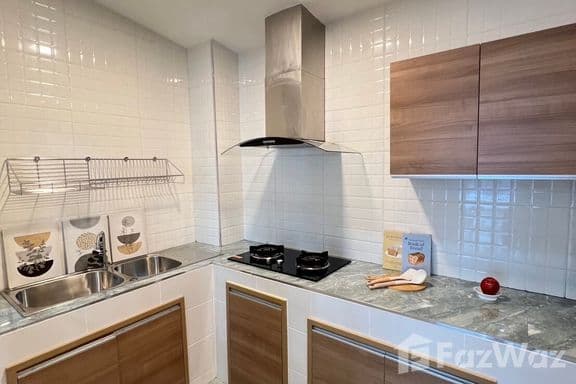
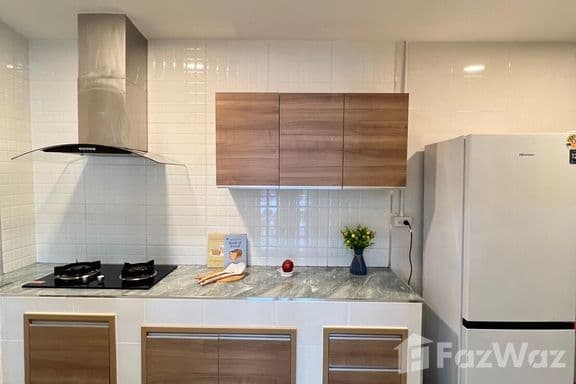
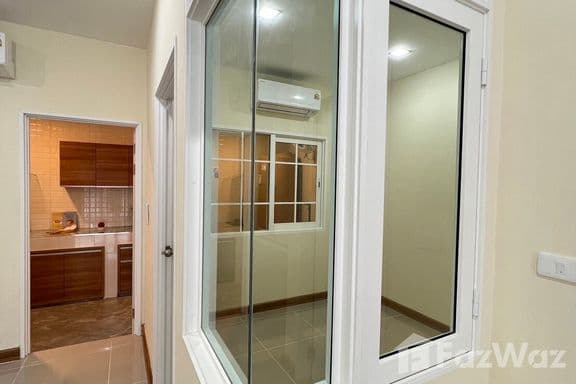
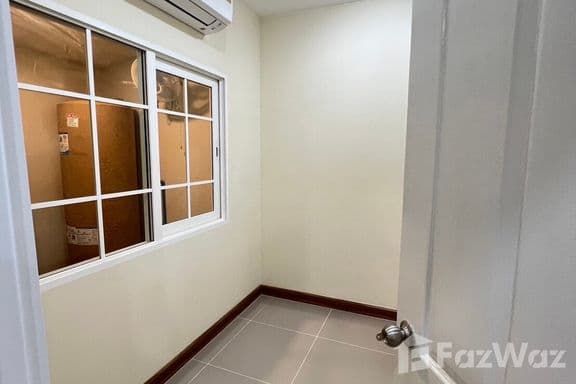
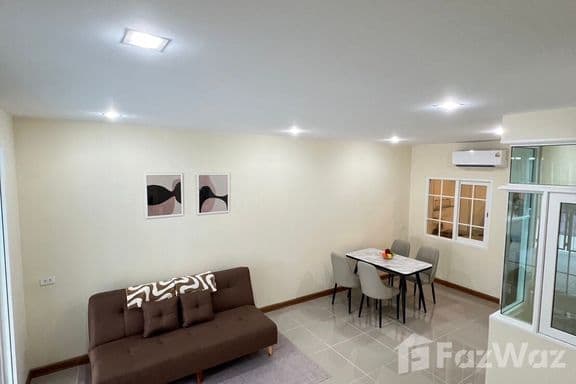
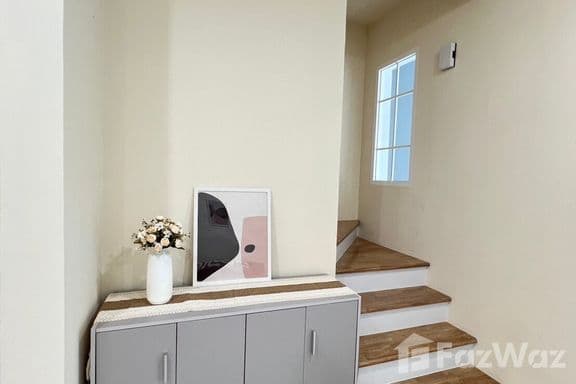
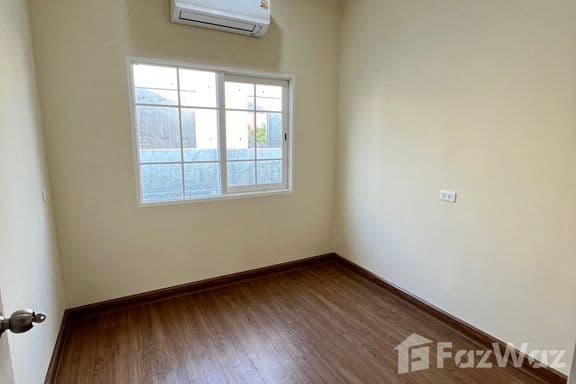
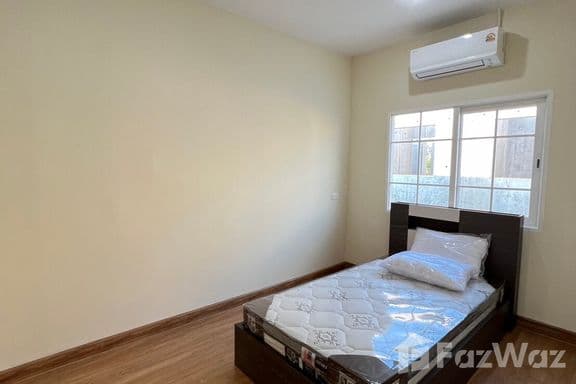
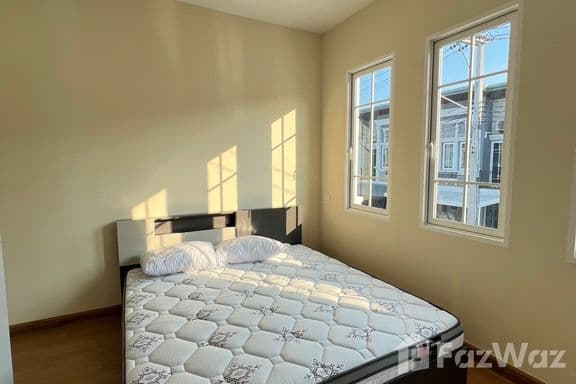
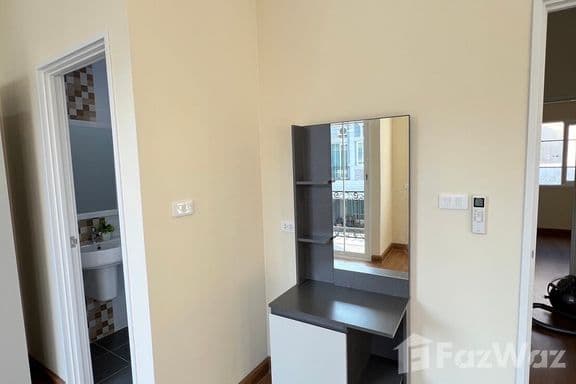
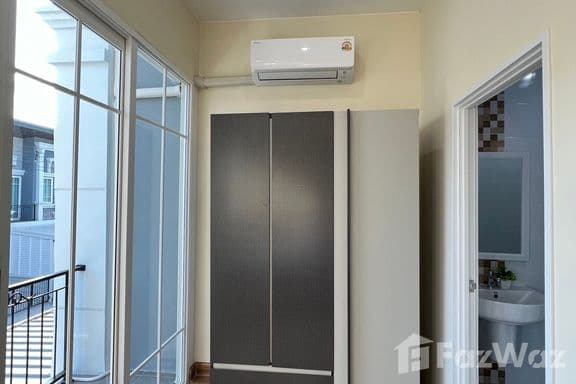

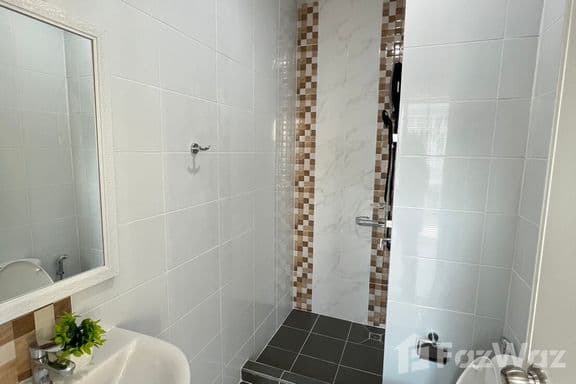
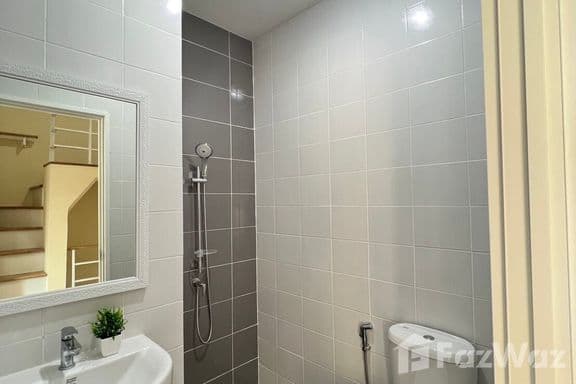
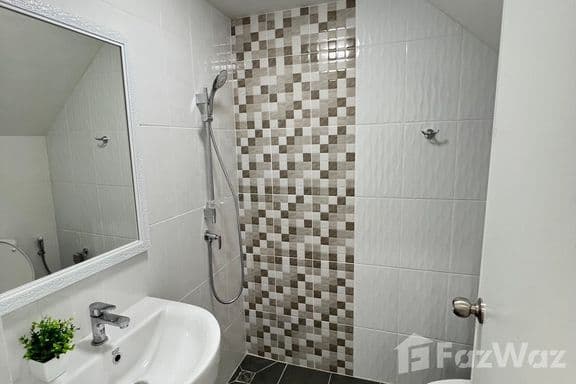
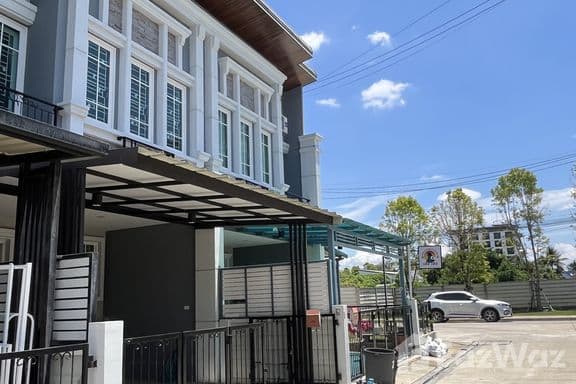
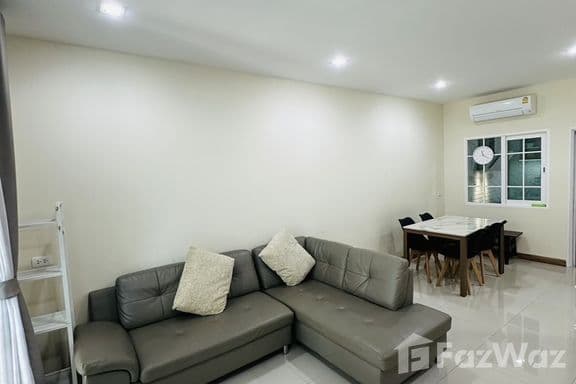
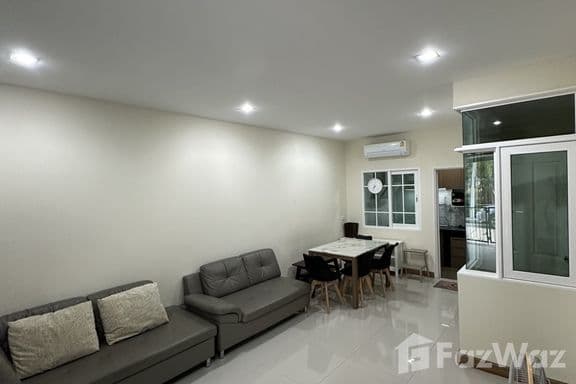
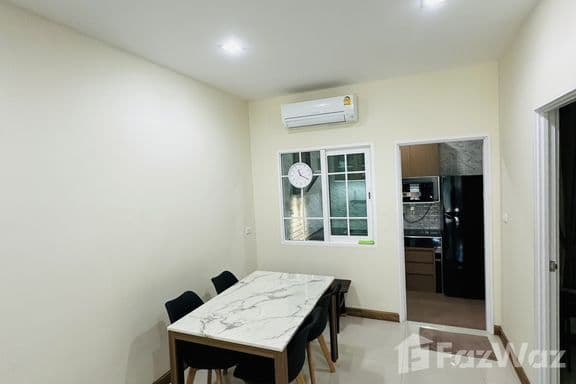
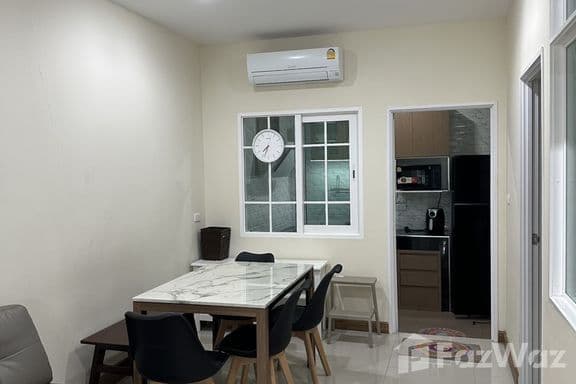

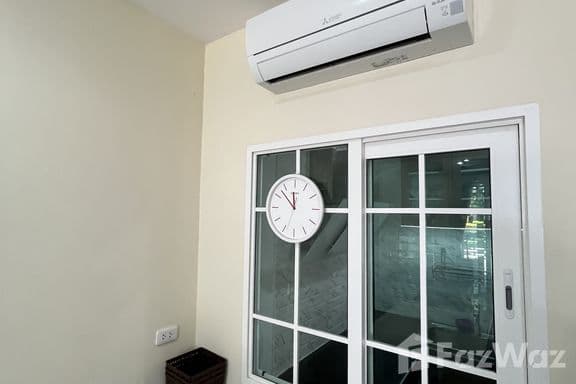
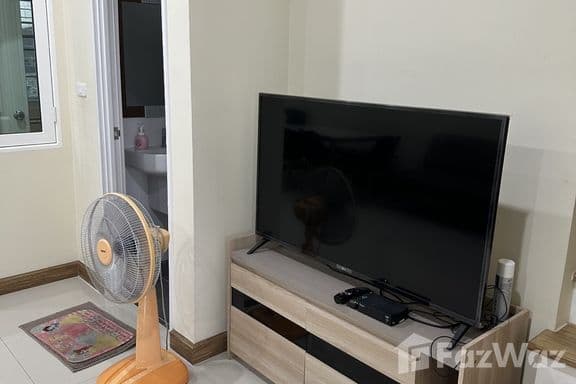

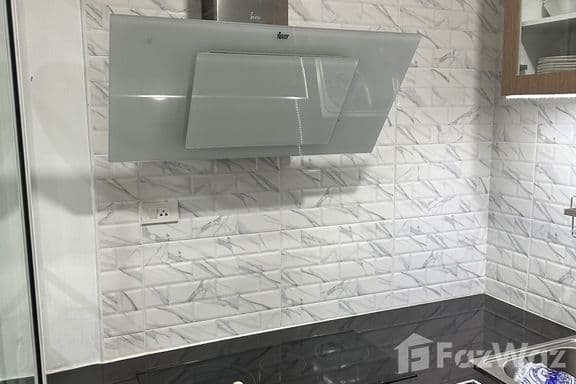
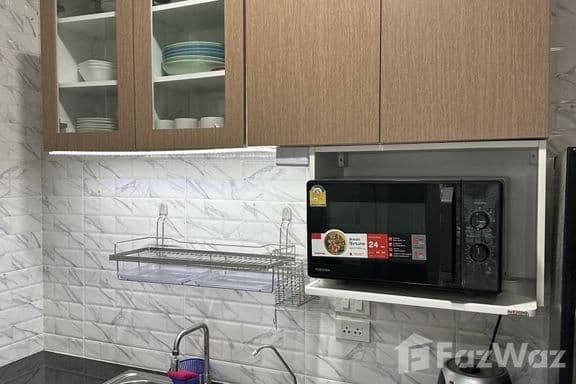

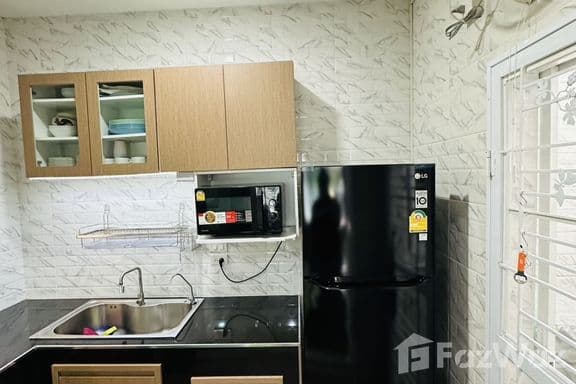
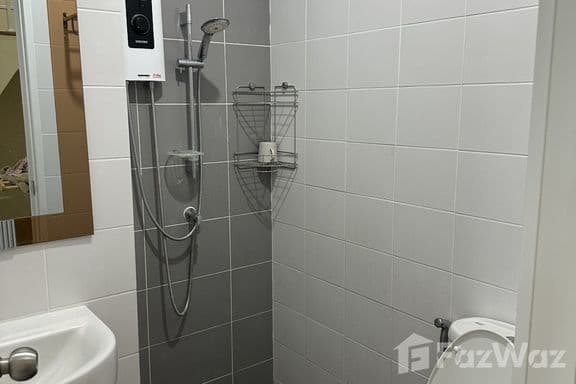

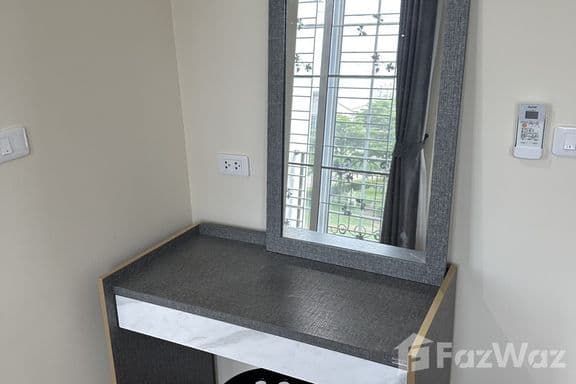
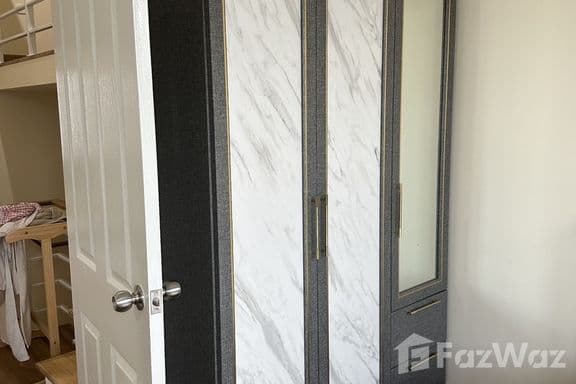
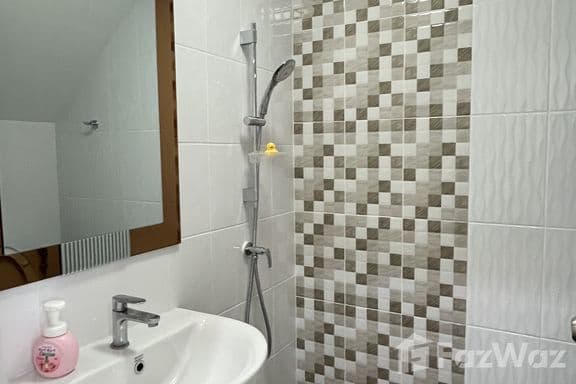
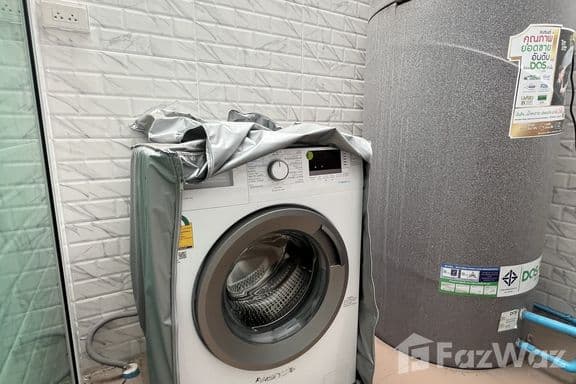
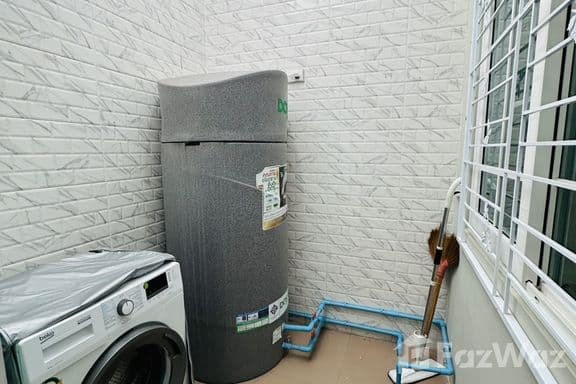

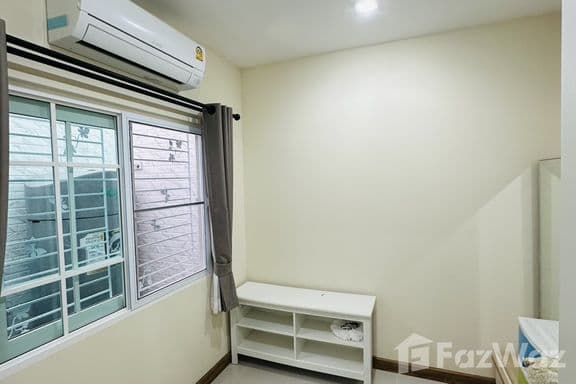
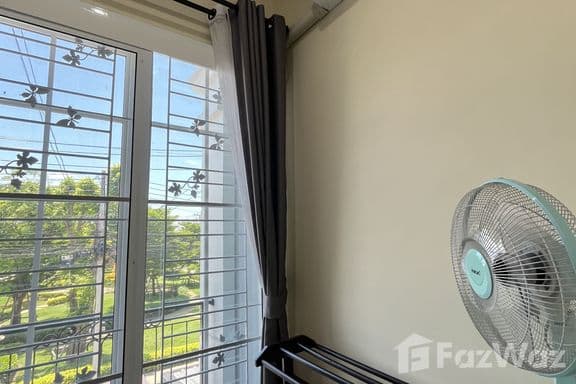
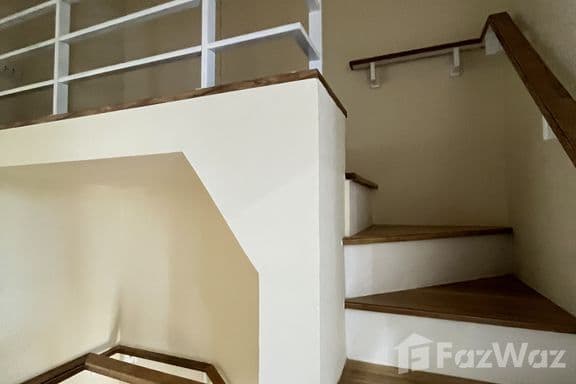
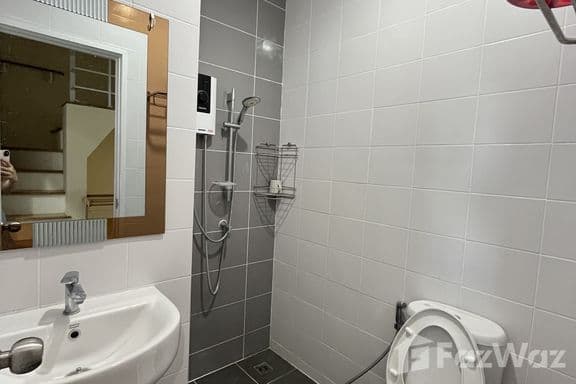
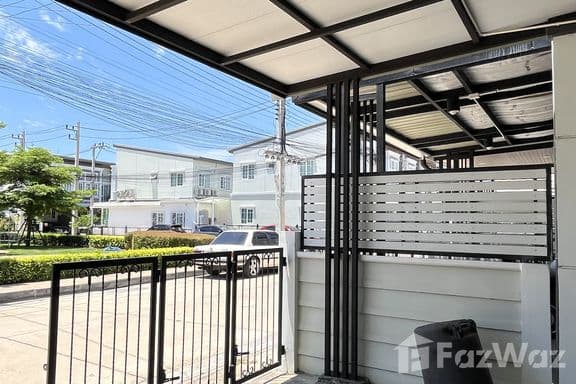




 Popular condos in Chiang Mai

