Villas for Rent in Thailand: The Ultimate Guide for Expats and Tourists
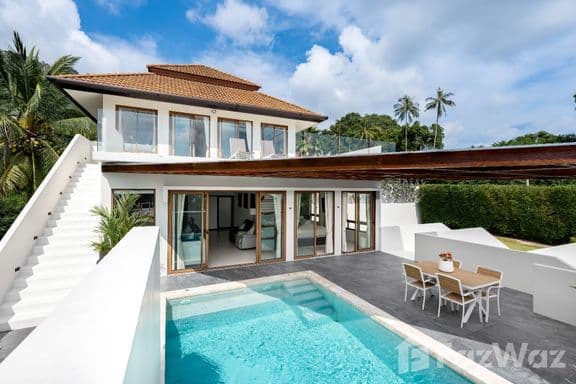
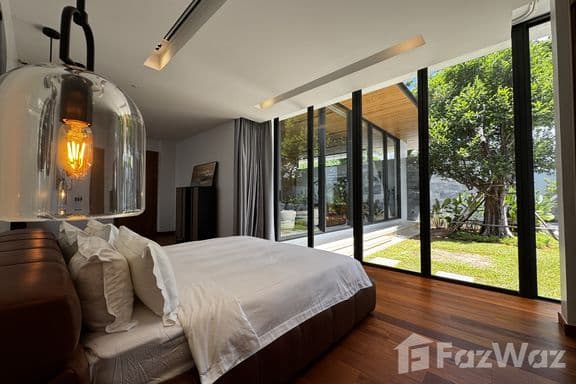
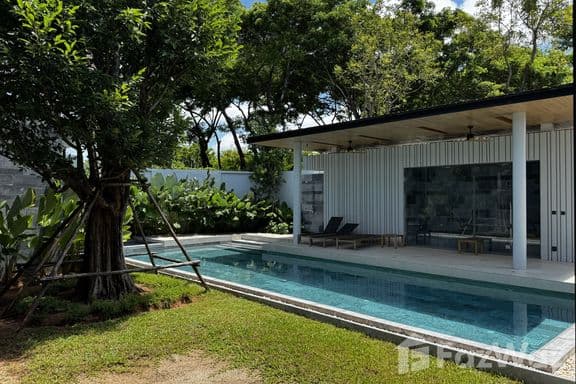
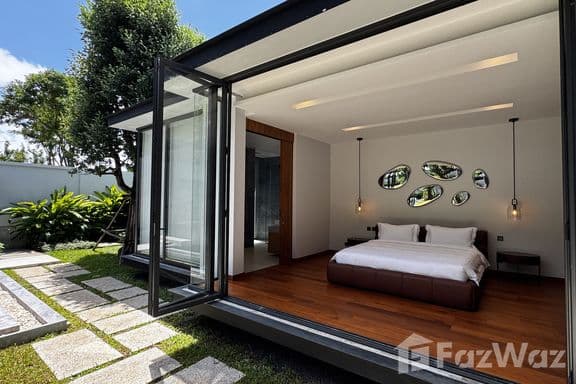
Thailand’s tropical charm and low cost of living make it a magnet for foreign renters seeking villas for rent in Thailand. Whether you’re an expat relocating, a retiree, a digital nomad or a tourist, Thailand offers an unbeatable villa lifestyle. From urban villas in Bangkok to beachside estates in Phuket and Pattaya, and tranquil retreats in Chiang Mai, Koh Samui, and Hua Hin, the options are endless. These Thailand holiday villas often feature private pools, gardens, and modern amenities that appeal to Western standards. Many are fully furnished and ready for move-in, ideal for both long-term rentals and short-term holiday stays. The rental market caters to diverse budgets: affordable countryside villas can be as low as ~30,000 THB/month, while luxury beachfront properties may reach hundreds of thousands of baht. In this guide, we highlight market trends (2024–2025), compare costs across major destinations, and offer tips to secure the perfect villa. Discover why Thailand remains a top choice for foreign renters searching for long-term and holiday villa rentals.
Thailand Villa Rental Market Trends (2024–2025)
Thailand’s villa rental market is rebounding strongly after the pandemic. International tourism is back near pre-Covid levels (over 30 million visitors in 2024), and new visa programs are driving demand for year-round stays. Key trends include:
- Tourism Rebound: In 2023–24 Thailand saw a surge in foreign visitors, reigniting demand for holiday villas. Popular destinations like Phuket, Pattaya, and Hua Hin filled up quickly during peak seasons as travel restrictions eased. This influx has pushed villa occupancy and nightly rates higher during winter and major holidays.
- Digital Nomad Influx: The introduction of the Destination Thailand Visa (DTV) in mid-2024 (allowing 180-day stays for remote workers) has encouraged more digital nomads and freelancers to base themselves in Thailand. As a result, demand for high-speed internet, work-friendly villas, and flexible leases has increased. Cities like Chiang Mai and beach hubs like Phuket/Koh Samui are especially popular with long-term remote workers seeking villa rentals.
- Expat and Retiree Growth: Thailand continues to attract retirees and expats, particularly to cities with expat communities. Bangkok and Chiang Mai see steady interest from long-stay expats (business visas, retirement visas), while resort towns like Hua Hin attract many Western retirees. This steady demand supports year-round long-term leasing of villas, often with one-year (or longer) contracts.
- Luxury vs. Affordable Market: The market offers both ends of the spectrum. Luxury private villas with pools and full services command premium prices and cater to affluent renters and holiday groups. At the same time, there is robust demand for mid-range and budget villas, especially outside peak season. Many developments now advertise “long-term villa rentals” at discounted monthly rates for contracts of 6–12+ months, appealing to cost-conscious renters.
- Foreign Investment & Ownership: While foreigners cannot directly own land, many invest in villas through long-term leases (up to 30 years) or Thai companies. This has led to a wave of new villa projects aimed at rental income, particularly in Phuket, Pattaya, and Pattaya’s satellite cities. As more villas enter the market, renters can benefit from a wider selection of brand-new homes and modern facilities.
Overall, Thailand’s villa rental market in 2024–2025 is dynamic. High tourist seasons drive short-term rental demand, while visa changes and economic factors fuel long-term rentals. For renters, this means plenty of options but also competition—booking early (especially for peak months) is advised.
Long-Term vs. Holiday Villa Rentals
Foreign renters typically fall into two categories: long-term residents (expats, retirees, students, etc.) and holiday visitors (vacationers or short-stay nomads). The villa market caters to both, but the experiences differ:
- Long-Term Rentals (6–12+ months or more):
Long-term renters often sign annual leases. These are popular with expatriates who work in Thailand, retirees on Non-O (retirement) visas, and digital nomads on extended stays. Long-term villas are usually partly furnished or unfurnished, giving renters a home-like feel. Monthly rates are significantly lower than holiday rates – often 20–50% less on a per-month basis. Contracts typically require a 1–2 month deposit and specify who pays utilities (usually the tenant). Long-term renters benefit from stability and the ability to integrate into local communities. In Bangkok or Chiang Mai, large 3–4 bedroom villas in suburban gated communities might rent for ~60,000–100,000 THB per month (about $1,800–$3,000). In resort areas like Phuket or Samui, a long-term rent for a 3BR pool villa might be 100,000+ THB (higher quality and peak orientation apply). Many landlords prefer long-term leases (for reliable income), so it’s often possible to negotiate perks: for example, including a maid service or broadband, or requesting certain furnishings.
- Holiday Rentals (Short-Term, days to months):
Tourists and seasonal visitors typically book on a daily or weekly basis, often through agencies or vacation platforms. These villas come fully furnished with all utilities included (or at least an all-inclusive rate), similar to a hotel but more private. Peak season (November–February, school holidays) sees high nightly rates – a luxury 3BR beachfront villa could be $500–$1,000+ per night. Off-season (monsoon months) rates drop substantially, sometimes by 50%. Holiday renters enjoy hotel-like amenities (daily cleaning, Wi-Fi, pool maintenance). However, nightly/weekly rates are much higher than a prorated monthly rent. Holiday contracts are flexible, often as short as a week, though many visitors book 1–3 months during high season. For villa owners, holiday rentals maximize revenue during busy periods, but long-term stays are more stable.
- Mid-Term / Hybrid Stays:
A growing number of renters opt for mid-term stays (1–6 months), especially remote workers on flexible schedules. Some landlords offer discounted monthly rates for 3-6 month stays. Websites and local agencies list “monthly rent” for these transitional periods. This category blends flexibility (easier to end the lease than a year) with affordability (better than nightly rates).
Summary of Differences: Long-term villa renters typically prioritize price and stability (lower monthly rent, guaranteed lease), whereas holiday renters prioritize convenience and amenities (everything included, furnished). In either case, villas for rent in Thailand give foreigners spacious accommodation and a sense of privacy unmatched by condos or hotels.
Major Villa Destinations in Thailand
Thailand’s villa market is anchored in a handful of hotspots. Each destination has its unique character and pricing. Below we compare the six key cities:
- Bangkok: Thailand’s bustling capital offers city living in large villas or townhouses, often in suburban expat neighborhoods (Bang Na, On Nut, Bang Kapi) or near commercial hubs. Land is scarcer, so urban villas tend to be smaller or multi-story. Average rent for a 3BR house/villa in Bangkok ranges 50,000–100,000 THB/month ($1,500–3,000) depending on location and luxury level. High-end gated-community villas (often with private gardens or roof pools) can reach 150,000+ THB/mo. Landlords frequently require a 1-year lease. Bangkok also has many condo options, but villas provide more space for families.
- Phuket: This large southern island is Thailand’s top beach destination, and villas here are often luxury pool villas near beaches or golf courses. Monthly rents are higher: a standard 3-bedroom pool villa might be 90,000–150,000 THB/mo (≈$2,700–4,500), while 4+ bedrooms can exceed 200,000 THB. Peak-season nightly rates for luxury villas can hit $700–1,000+. Phuket attracts both holiday renters and long-term expats (retirees and business owners). The Phuket Sandbox (2021) experiment and now full reopening have boosted long-term stays. Popular areas: Choeng Thale, Rawai, Cape Yamu, Kamala. Expect slightly lower rents in off-season (Jun–Sep) by 20–30%.
- Pattaya: Close to Bangkok (2-hour drive), Pattaya has grown into a year-round resort city. Villas are abundant and relatively affordable. A 3-bedroom private pool villa in gated estate might rent for 50,000–70,000 THB/mo ($1,500–2,000). A nicer 4BR villa could be 80,000 THB and up. Pattaya’s short-term rental market is also strong (vacationers from Bangkok, Russia, etc.), but we focus on monthly figures. Land prices around Nong Prue or Huai Yai allow spacious 200+ sqm villas at these prices. Despite a wild-party reputation, Pattaya also has upscale family areas and expat communities.
- Koh Samui: An island in the Gulf with gorgeous beaches, Samui commands premium rents. Villas here are often hilltop or beachfront. A typical 3BR villa might go for 80,000–150,000 THB/mo ($2,400–4,500) depending on the view. Four bedrooms easily exceed 150,000. Median rent on Samui is high (~85,000 THB) due to luxury inventory. Holiday rates are steep: $500+ per night in high season. Top expat communities are in Bophut, Choeng Mon, and Bangrak. Note Samui’s rainy season (Sep–Nov) is stronger, so many villas slash rates then.
- Hua Hin: Once a quiet royal retreat, Hua Hin (on the Gulf of Thailand) has developed a sizable expat scene. It’s a quieter alternative, with golf courses and family resorts. Rents are modest: a 3BR villa rents for 35,000–50,000 THB/mo ($1,000–1,500), and 4BR villas about 60,000–80,000 THB. Even luxurious pools can often be had for ~$2,000/mo. Peak tourist seasons (winter) bring demand, but many rentals fill during the popular Western holiday periods at rates around $150–250/night, which is quite reasonable. Land is cheaper here, so villas are larger for the money.
- Chiang Mai: The cultural capital of the north, Chiang Mai’s villa market is very affordable. A spacious 3–4 bedroom house (often with a small garden or pool) rents for roughly 25,000–50,000 THB/mo ($750–1,500). Even 4BR homes rarely exceed 60,000 THB. This makes it a top choice for digital nomads and retirees on a budget. Villas in quiet suburbs or near international schools are common. The rainy season (June–Sep) sees fewer tourists, so rates can drop slightly then. Overall, Chiang Mai offers the lowest villa rents among these destinations.
All the above are general figures—actual rent depends on exact location, amenities, furnishings, and lease length. For example, renting through a management company or agency (common in Phuket or Samui) may include utilities and villa maintenance in the price. In Bangkok or Chiang Mai, utilities are often paid separately.
The table below summarizes typical rental rates and seasonal pricing ranges across these cities:
|
City
|
3BR Villa Rent (THB/month)
|
4BR Villa Rent (THB/month)
|
Peak Season Rate (USD/night)
|
Off-Peak Rate (USD/night)
|
|
Bangkok
|
60,000 – 120,000
|
100,000 – 200,000
|
$250 – $400
|
$150 – $250
|
|
Phuket
|
100,000 – 200,000
|
150,000 – 300,000
|
$400 – $800
|
$250 – $500
|
|
Pattaya
|
50,000 – 80,000
|
80,000 – 120,000
|
$200 – $400
|
$100 – $250
|
|
Koh Samui
|
80,000 – 150,000
|
120,000 – 250,000
|
$400 – $900
|
$300 – $600
|
|
Hua Hin
|
35,000 – 60,000
|
60,000 – 100,000
|
$150 – $300
|
$80 – $150
|
|
Chiang Mai
|
25,000 – 50,000
|
50,000 – 80,000
|
$100 – $200
|
$50 – $100
|
Note: Rates are approximate and vary with season and property standard.
Monthly Costs, Taxes, and Fees
Rent is the biggest expense, but foreign renters should budget for additional monthly costs and taxes:
- Electricity: Villas often have higher electric use (air conditioning, pool pump). Expect rates around 7–10 THB per kWh (peak hour rates may be higher, e.g. 10–20 THB/kWh). A large air-conditioned villa can easily incur 5,000–10,000+ THB per month in electricity. Some landlords include a reasonable cap in the lease (e.g. up to 2,000 THB per month), with tenants paying any overage. Always clarify who pays electricity upfront.
- Water: Water is very cheap (around 10–20 THB per cubic meter). A family will generally pay a few hundred baht per month. Villas may have a water meter bill or a flat fee (300–500 THB) included.
- Internet and TV: High-speed internet (fibre broadband) costs roughly 500–1,000 THB/month for good service (up to 100 Mbps). Cable TV or streaming subscriptions are extra (e.g. 300–500 THB for cable). These utilities are usually arranged by the tenant, unless a service package is provided by the landlord.
- Garden/Pool Maintenance: If the villa has a private pool or garden, maintenance costs might be extra or included. Many modern villas include a weekly cleaner or gardener for a few thousand baht per month. If not included, pool chemicals and monthly pool-cleaning service (~3,000–5,000 THB/month) should be planned for, and a gardener (from 2,000 THB for weekly) if needed.
- Housekeeping: Tenants often hire live-in or part-time maid help. A live-in housekeeper (shared between a few villas or apartments) may cost ~10,000–15,000 THB/month. Many long-term rentals include maid service 1–2 times per week as part of the rent.
- Security Deposit: For long-term leases, landlords typically require a 1–2 month rent deposit (to be returned at lease end, barring damages). This is not a fee but is upfront capital you need. For shorter holiday rentals, a refundable deposit or credit card hold is common.
- Lease Contract Fees: Thailand has no major rental taxes on tenants. However, landlords may deduct a 5% withholding tax from rent payments if the tenant is considered liable (though in practice, Thai owners usually handle this). A small stamp duty (0.5% of total rent) may be required on formal contracts unless the tenant is liable for personal income tax. Generally, these costs are minor and often absorbed by the owner or agent, but clarify in the contract.
- Agency Fees: If renting via an agency, the tenant may pay a fee (often half a month’s rent) for an annual lease. Many expats use local real estate websites or agents (the city property portals or the site you’re reading) to find listings. Agency service can be helpful for negotiations and ensuring paperwork is correct.
A realistic monthly budget for a comfortable villa (without luxury extras) might be:
Rent: 50,000 THB + Electricity: 5,000 THB + Water/Internet/TV: 1,500 THB + Gardener/Pool Cleaning: 3,000 THB = 60,000 THB total ($1,800) for a 3BR villa. High-end villas will be more. Always inquire what utilities are included in the rent and negotiate caps if necessary.
Seasonal Rental Trends
Thailand’s climate and tourism seasons heavily influence villa availability and rates:
- High Season (Nov–Mar): This cool-dry period is peak travel season. Beach resorts (Phuket, Samui, Pattaya) fill with tourists escaping colder climates. Rental demand spikes around Christmas–New Year and Chinese New Year, often at year-round highs. Expect holiday villas to charge premium nightly rates (+30–50%). Even long-term rents may be less negotiable. In Bangkok and Chiang Mai, winter festivals (Christmas, Loy Krathong) and mild weather also draw visitors and renters.
- Shoulder Season (Apr, Oct): April sees Thailand’s scorching summer and Songkran festival – tourist numbers dip slightly, and indoor attractions/condos still rent well. October (onset of the rainy season) is another shoulder period. Some deals surface as tourist numbers ebb, but be aware April is very hot inland (Chiang Mai can hit 40°C).
- Low Season (May–Sep): The monsoon brings heavy rain (especially May–Oct in Phuket/Pattaya; Sep–Nov in Samui). Tourist arrivals drop sharply, and villa owners often slash prices to attract long-term tenants or tourists willing to brave rain. Discounts of 20–50% from high-season rates are common. If you have flexibility, this is the ideal time to book a villa deal. Many foreigners who prefer a quiet retreat (or who work remotely without season constraints) lock in long-term leases in the rainy season. Chiang Mai cools to nice 20–25°C rains, and Bangkok/hua hin see manageable storms – it’s still quite livable, just less sunshine.
Seasonal Tip: Book early for high-season (6–12 months in advance if possible) to secure the best villa. Conversely, if traveling off-peak, reach out last-minute or negotiate for longer stays to get the lowest rates.
Villa Rental Demand & Property Types
Thailand’s villa renters come from diverse backgrounds. Key demand drivers:
- Expatriates: Foreign professionals (from multinational firms, NGOs, schools) often lease villas for families. They prioritize safe communities, international schools, and amenities. Many such villas are fully equipped and semi-furnished. Bangkok and Chiang Mai have large expat networks; resort towns attract hospitality sector professionals. Expat tenants often sign 1-year leases and pay rent by electronic transfer.
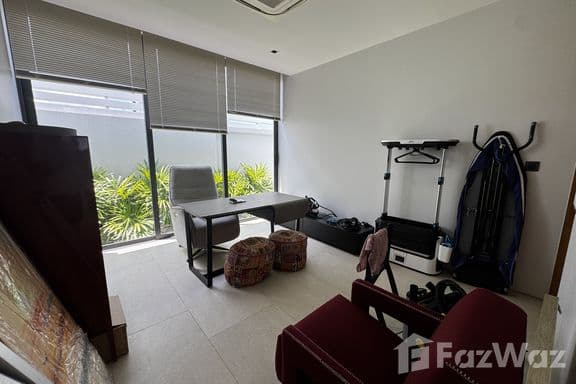
- Digital Nomads and Remote Workers: Tech-savvy renters seek villas with strong internet and a quiet workspace (some even convert a bedroom into an office). Chiang Mai, Phuket, and Bangkok suburbs are popular. Villas may come with coworking perks or close to co-work spaces. Flexible lease terms (3–6 months) are common for nomads. Many nomads prefer villas to condos for space and privacy, especially if they travel with family or guests.
- Retirees: Western retirees on retirement or Elite visas look for comfort and security. They often choose Hua Hin, Chiang Mai, or island resorts. Demand is steady, and retirees might commit to multi-year leases. Retirees value features like single-floor layouts, security, and proximity to hospitals and social clubs.
- Holiday Tourists: Vacationers (families, groups of friends) drive demand for short-term villa rentals. These renters focus on location (beachfront, near attractions), amenities (pools, BBQ), and turnkey service. Holiday guests often book via agencies or villa rental platforms. Many owners list their villas on vacation rental sites to capture this market; prices vary nightly.
- Local Middle Class: Some Thai families also rent villas for vacation or relocation. In growing cities, local demand can impact prices, though foreign renters are a more stable income source for luxury villas.
Popular Villa Features:
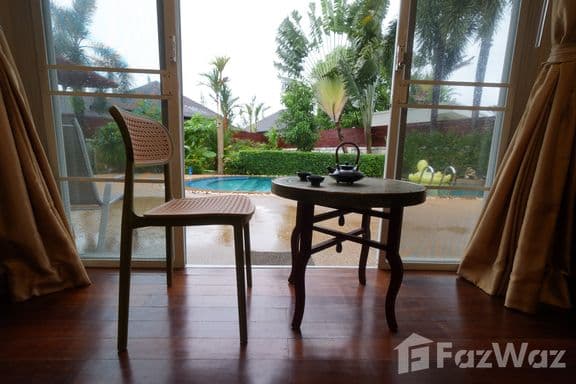
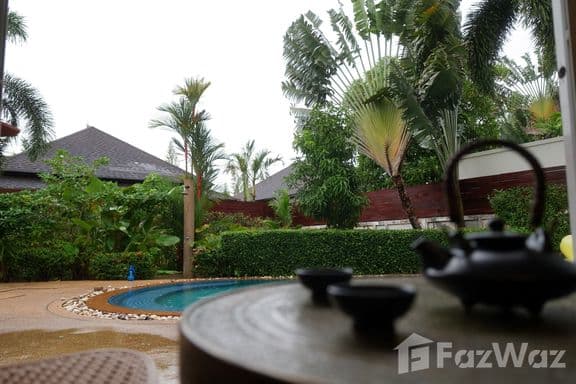
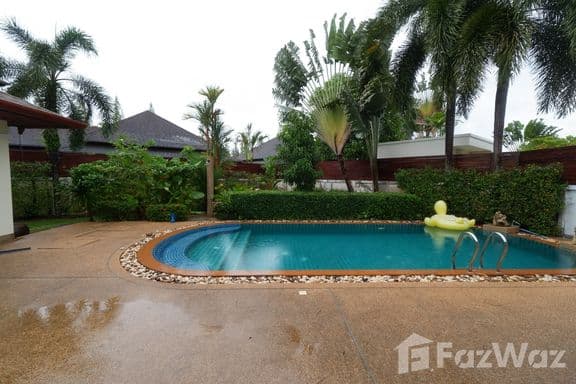
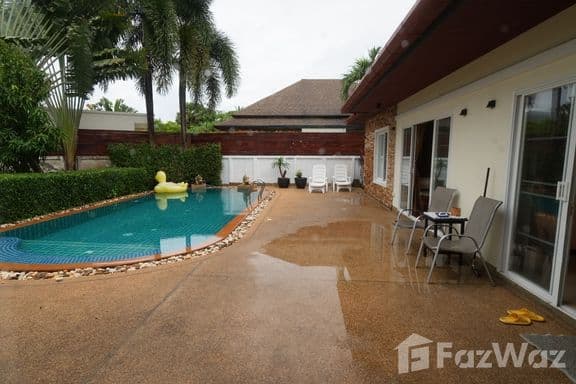
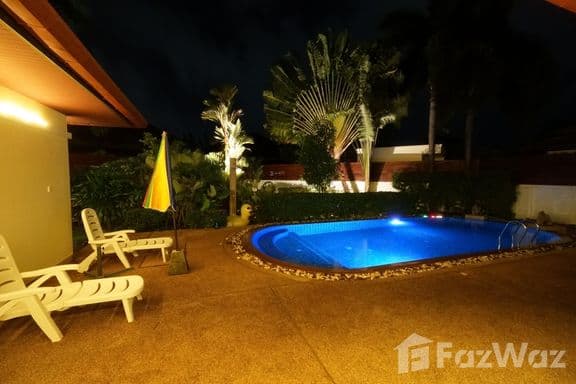
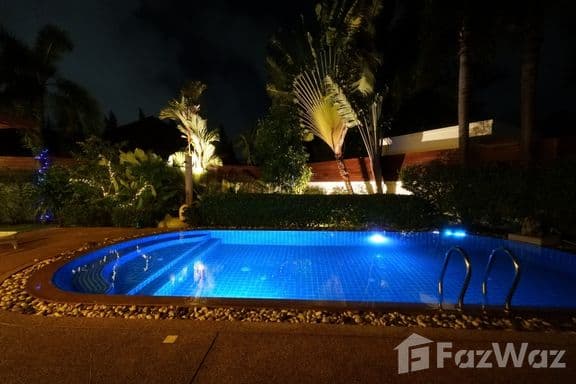
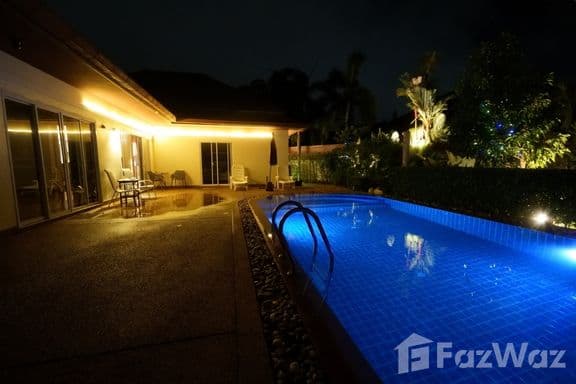
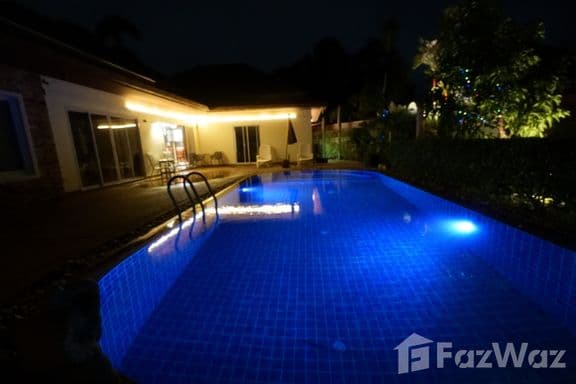
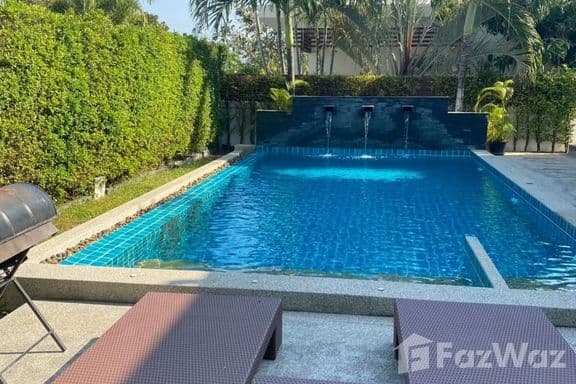
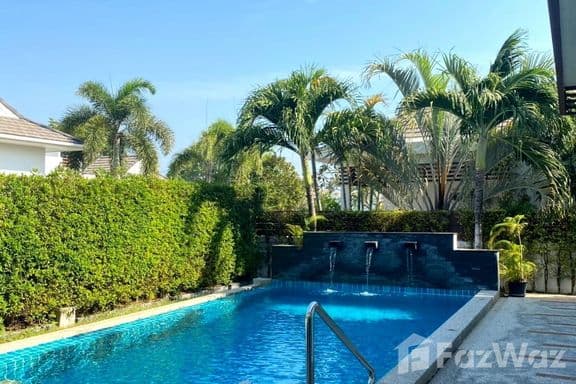
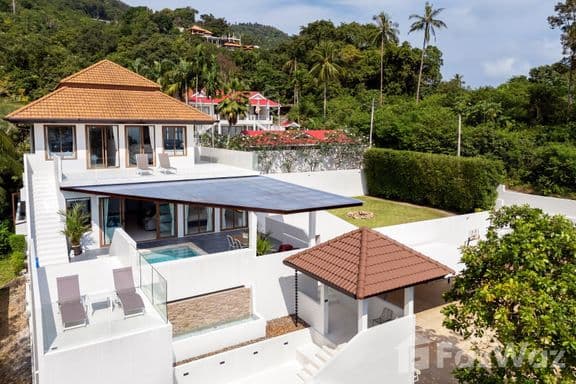
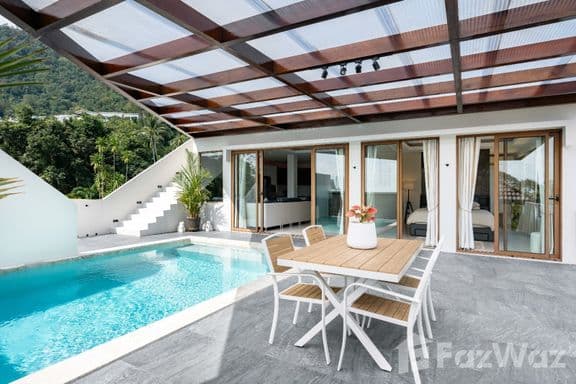
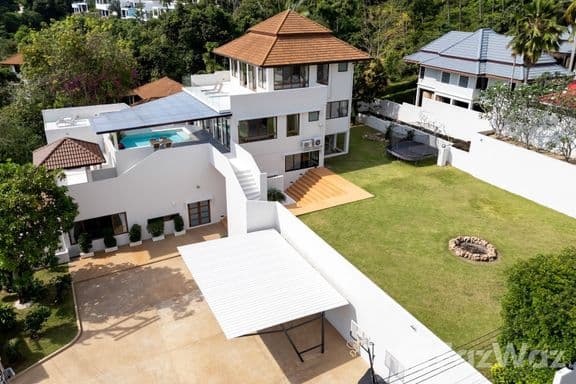
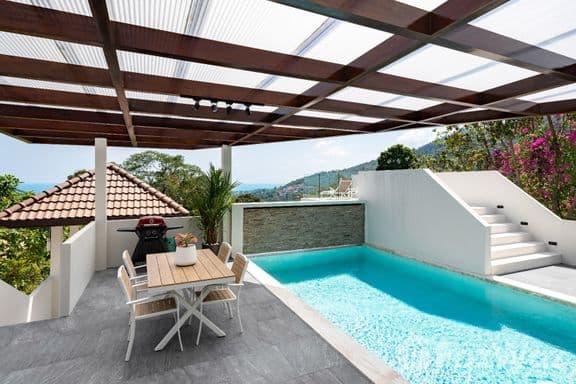
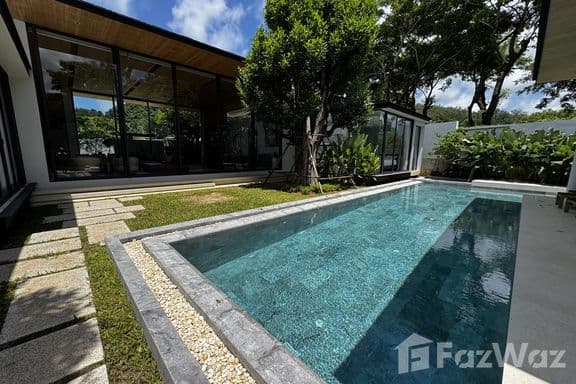
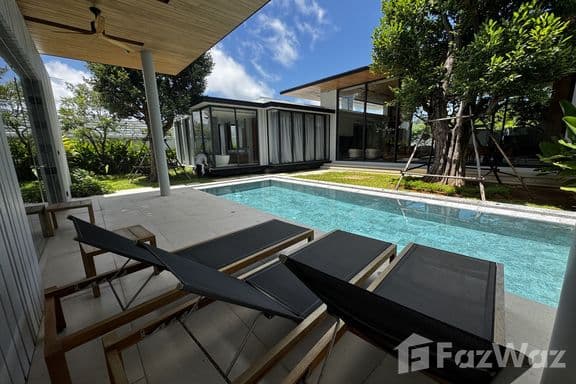
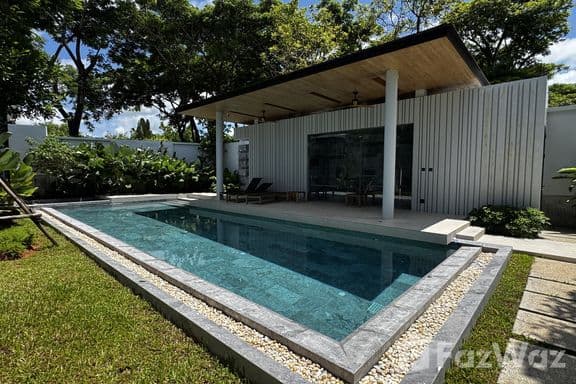
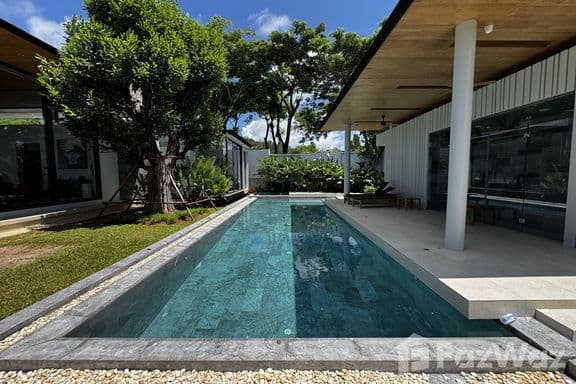
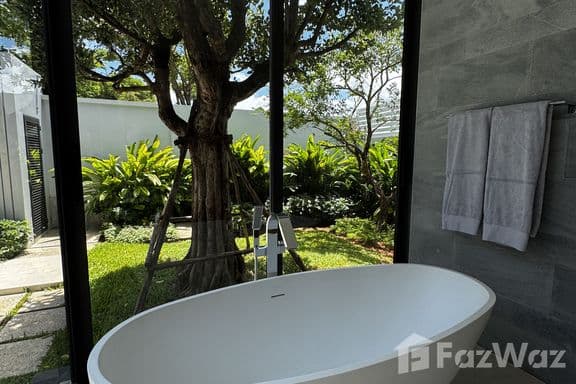
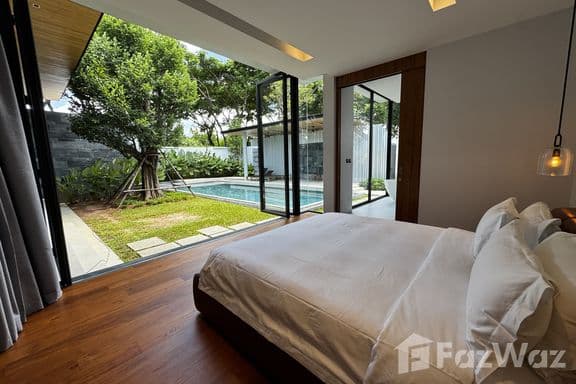
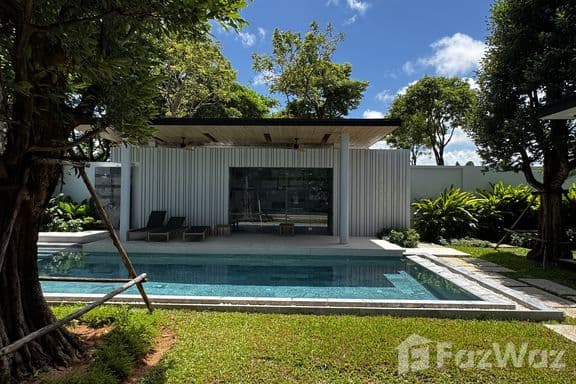
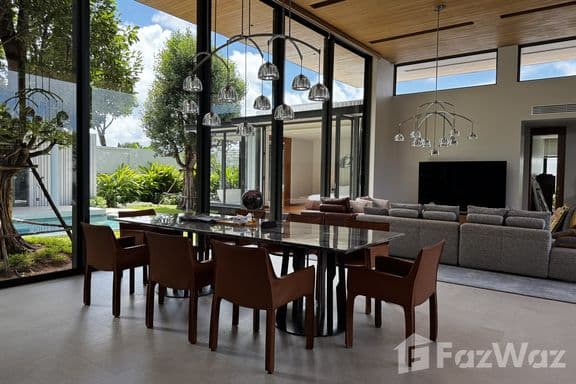
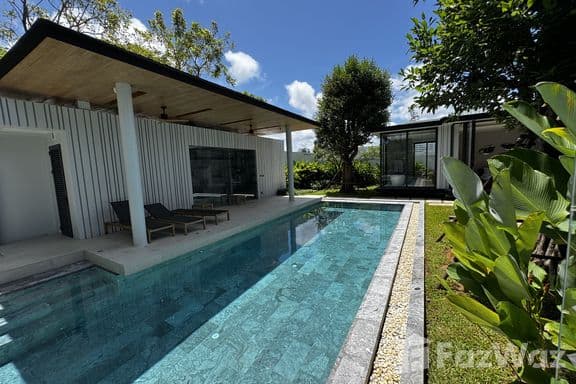
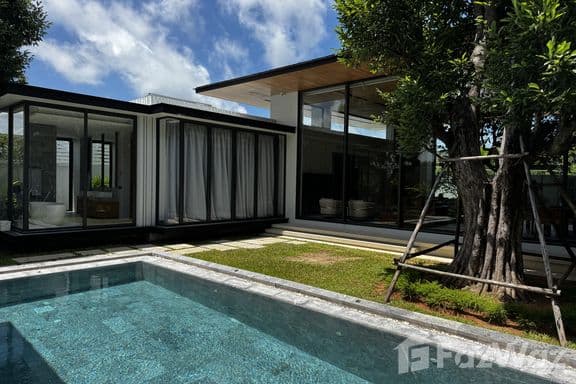
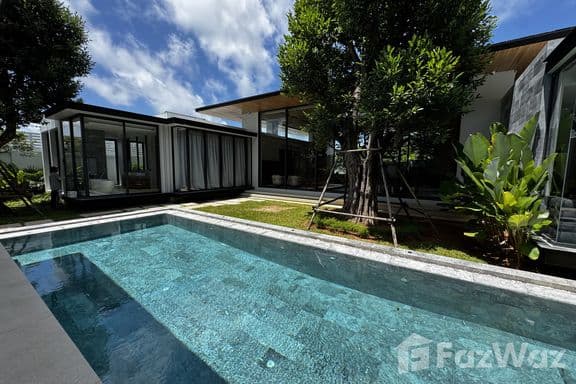
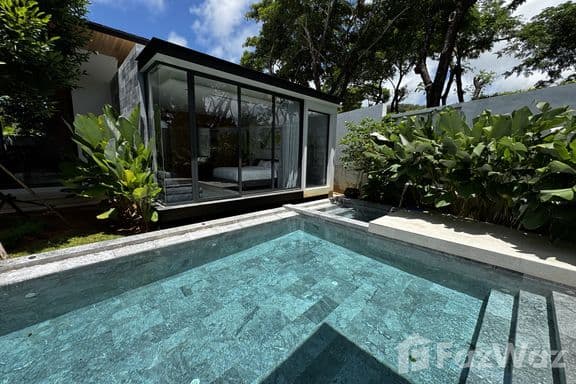
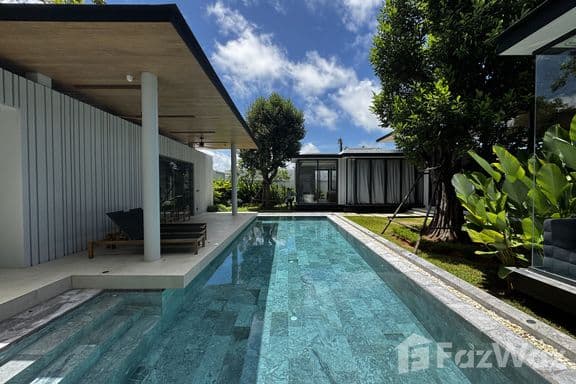
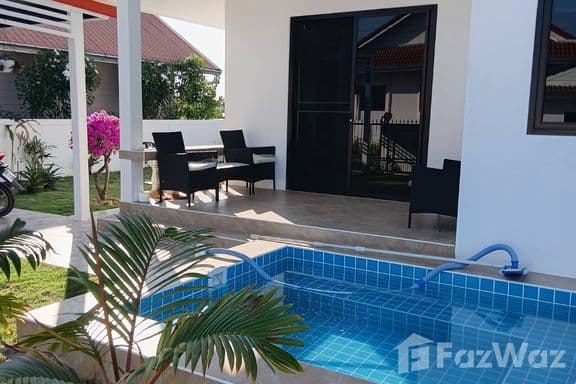
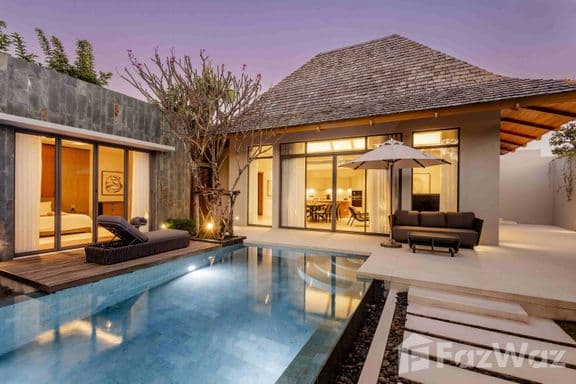
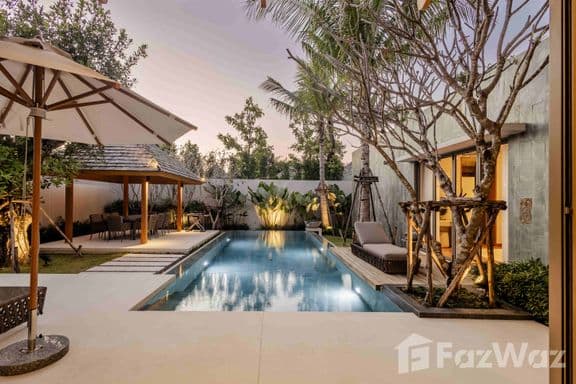
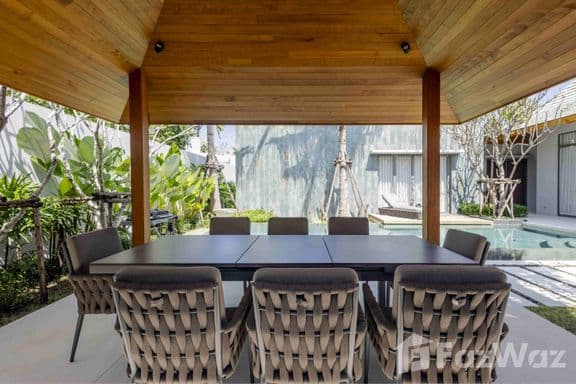
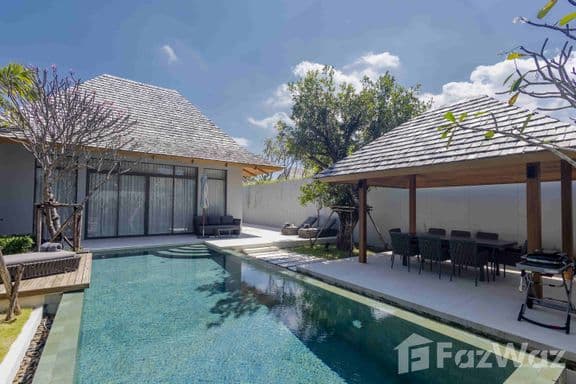
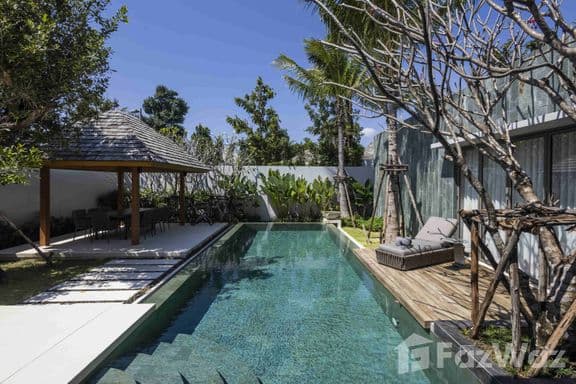
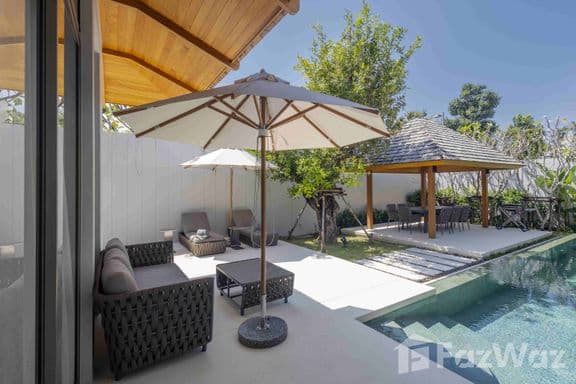
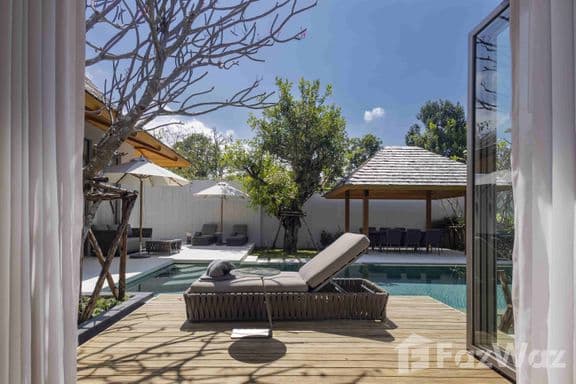
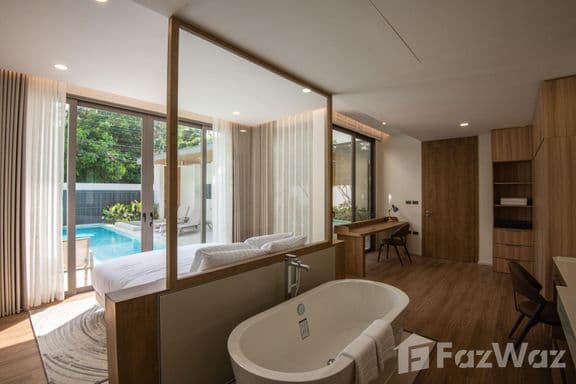
- Private Pool: Almost a must-have for upscale villas. Many listings advertise “private pool villa” prominently.
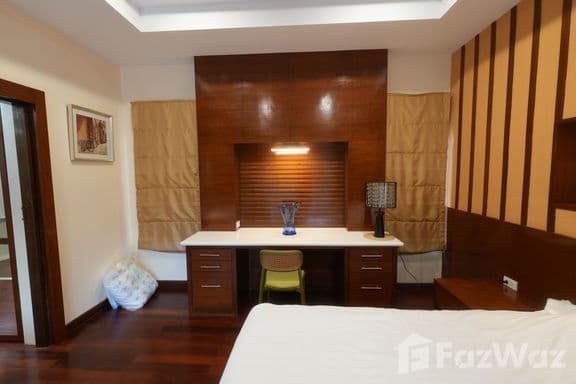
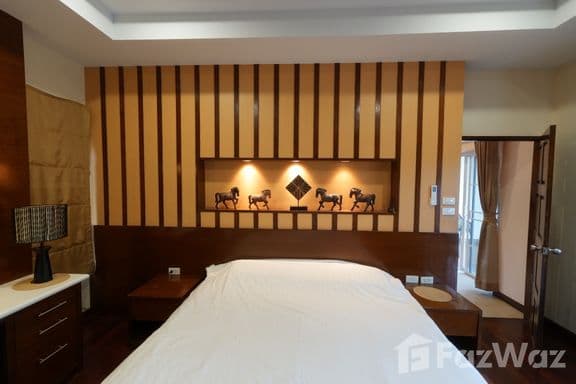
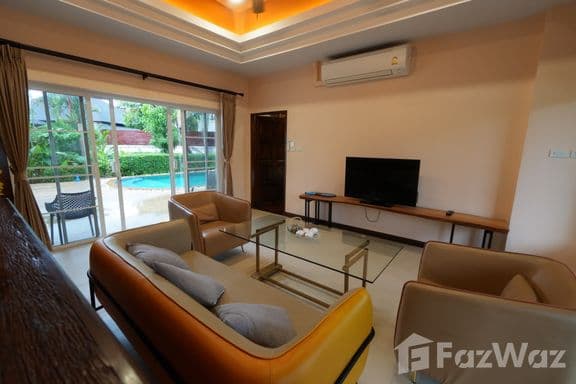
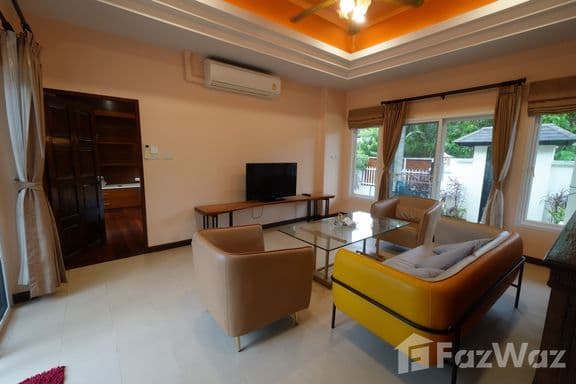
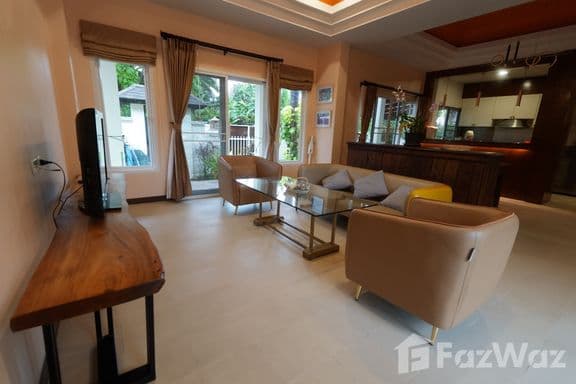
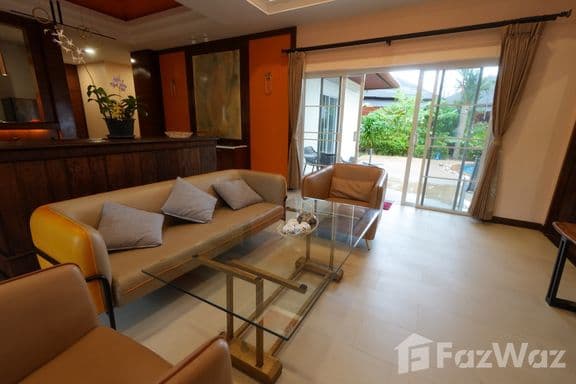
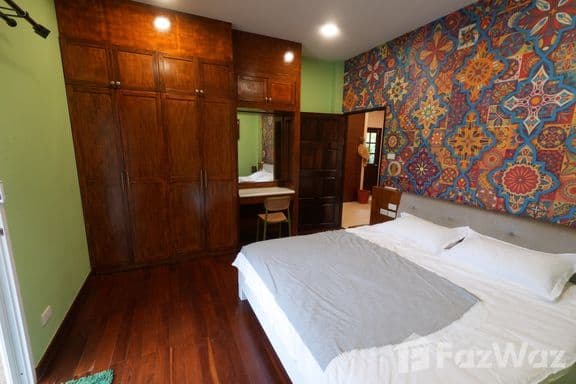
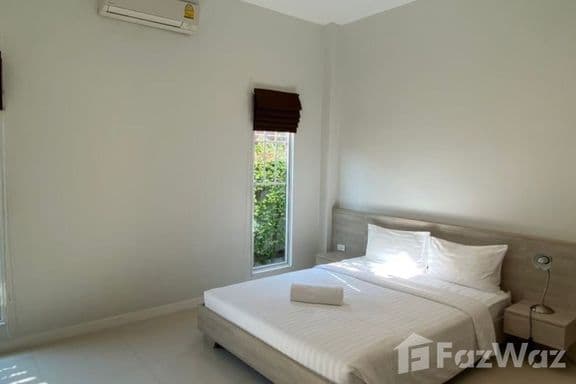
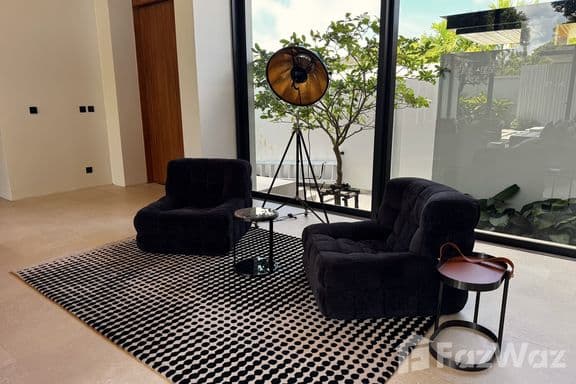
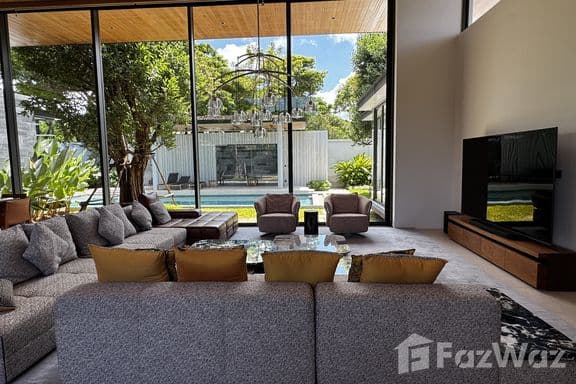
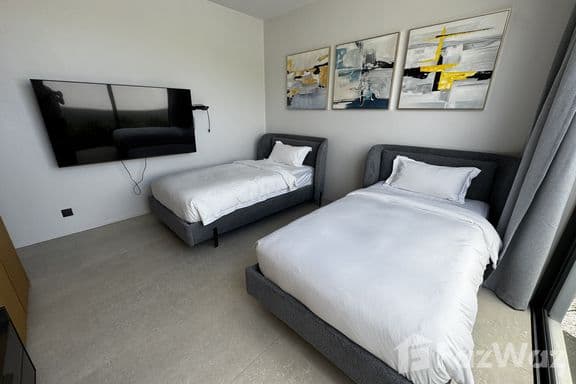
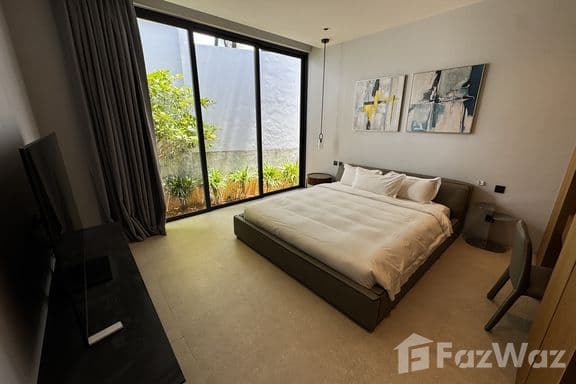
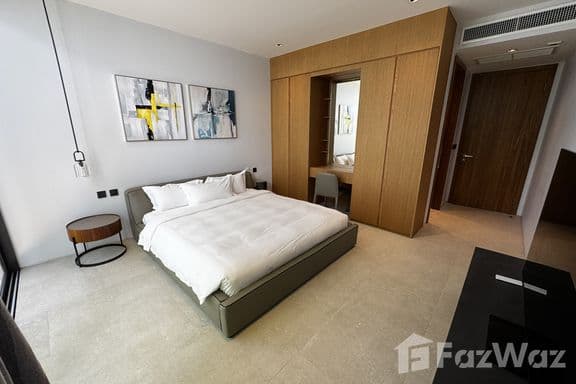
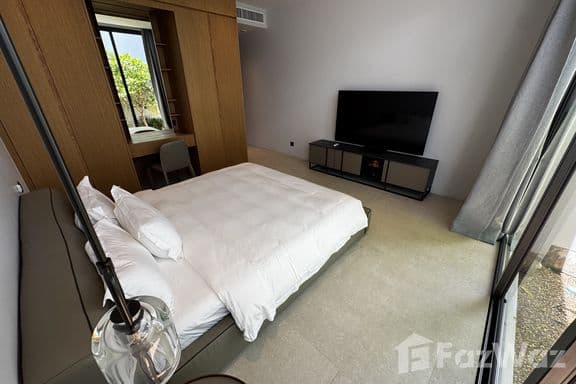
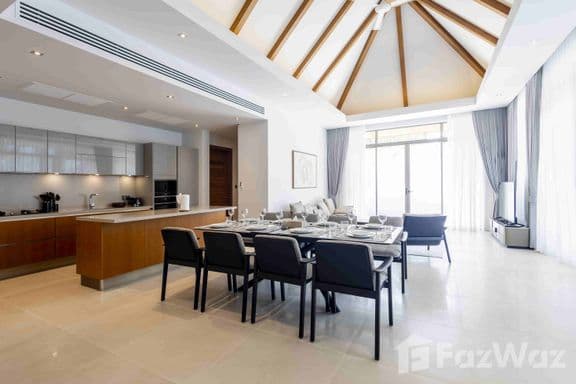
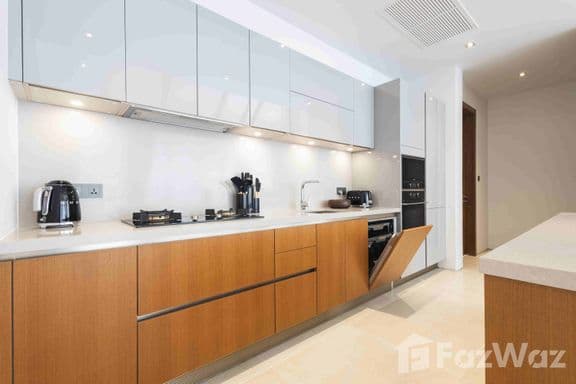
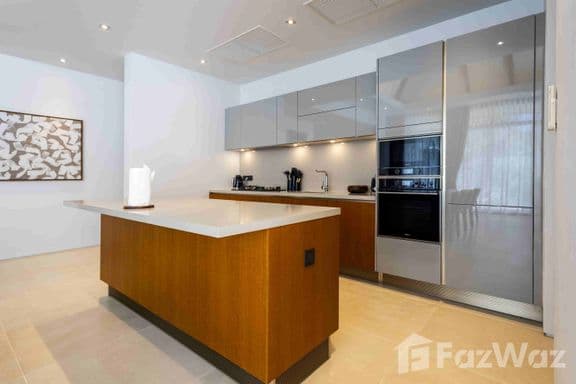
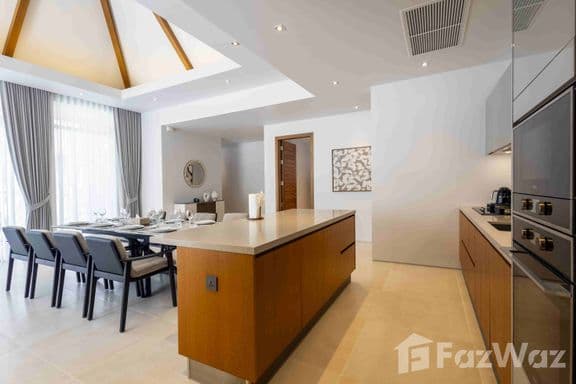
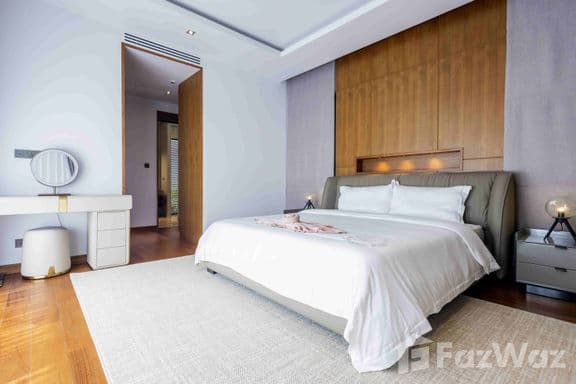
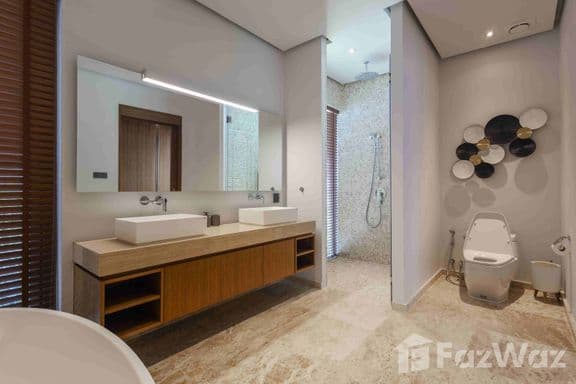
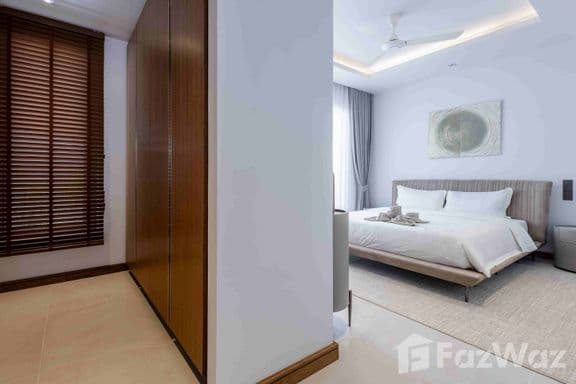
- Furnished & Serviced: Long-term rentals are often “partly” furnished (bedroom sets, living room) and include essential appliances. Holiday villas are fully furnished with luxury decor.
- Security & Gated Estates: Many premium villas are in secure gated communities or have their own guards. This appeals to families.
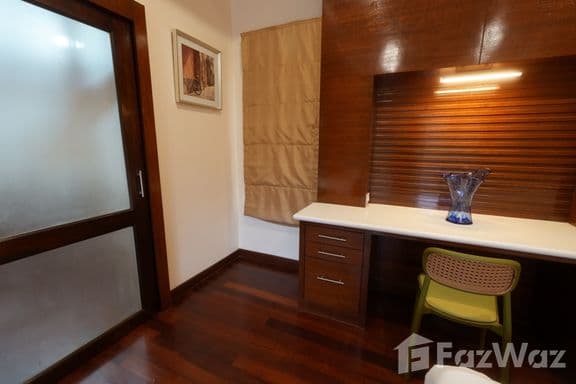
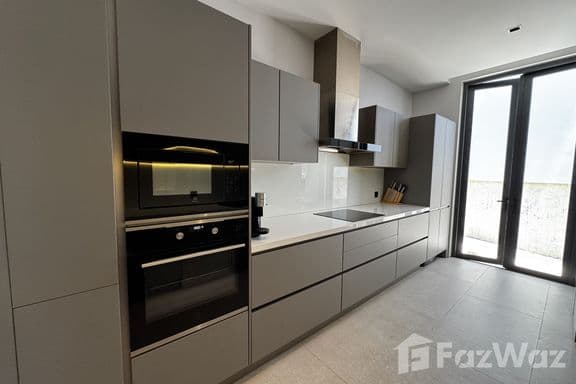
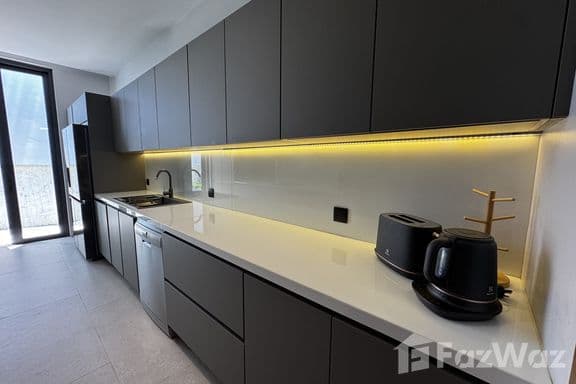
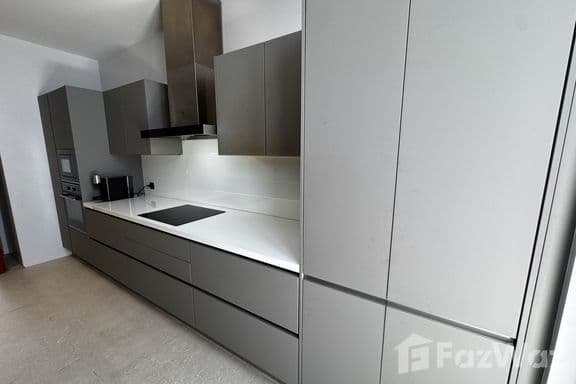
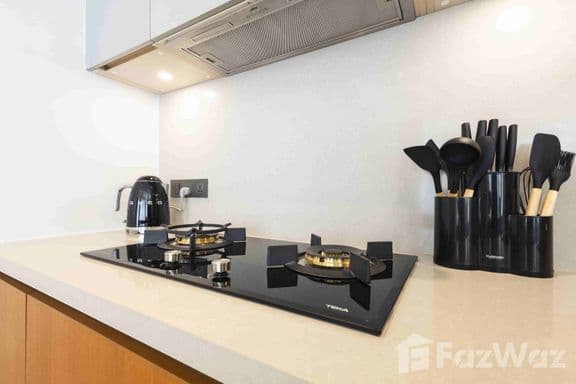
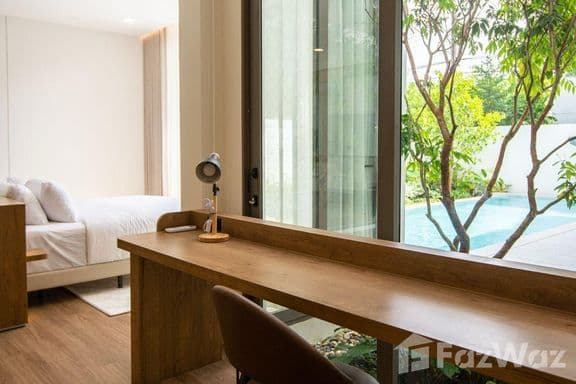
- Modern Amenities: High-speed Wi-Fi, cable/satellite TV, Western kitchen appliances, and laundry machines are expected. For digital nomads, a dedicated office desk is a plus.
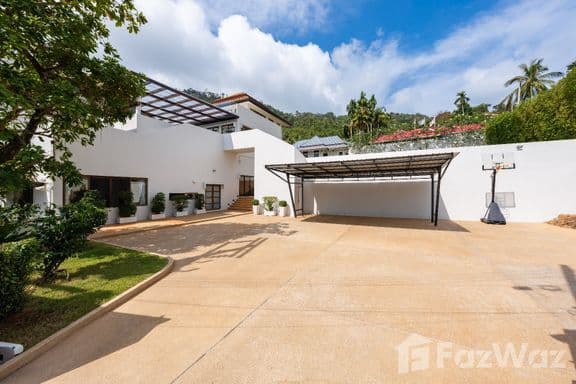
- Transportation: Villas usually include covered parking. Some long-term renters consider proximity to public transport or major roads since foreigners often buy/lease a car or scooter.
In short, whether you seek a holiday villa in Thailand or a long-term rental, there are options to fit every taste. The key is to identify your priorities (beach vs city, luxury vs budget, furnished vs empty) and search accordingly.
Tips for Finding and Securing a High-Quality Villa Rental
Finding the right villa requires diligence. Here are practical tips:
- Start with Reputable Listings: Use well-known property portals, local agencies, or real estate websites (like DotProperty Thailand) to browse available villas. Avoid deals found only on informal social media posts – scams can occur. Established sites often allow filtering by city, villa features (pool, furnished, etc.), and rent range.
- Verify Property and Owner: Always meet the landlord or agent in person (or via trusted local representative). Tour the villa to check its condition: water pressure, air conditioning, pool cleanliness, and appliances. If impossible (e.g. you’re not yet in Thailand), consider hiring a local inspection service or ask the agent for a video walk-through. Reputable landlords will gladly accommodate.
- Negotiate Smartly: Especially for long-term leases, rents can often be negotiated. If you’re booking off-peak or for 6+ months, politely ask if there is a lower rate available. Some owners might drop price in exchange for a security deposit upfront or a longer lease. Conversely, be prepared to pay a premium in peak season or for ultra-luxury amenities.
- Clarify Inclusions: Confirm what the rent covers. Is the villa fully furnished? Are internet and cable included or extra? Who pays the utilities? Are gardener and pool cleaning included? Get these in writing. Sometimes “all-inclusive” rental rates (common in vacation rentals) cover everything except groceries. For long-term leases, expect basic furnishings but add-ons (linen, maid service) might cost more.
- Understand the Lease: A formal lease agreement should list the rent amount, payment schedule, deposit, lease term, termination conditions, and responsibilities (maintenance, repairs). Ensure you understand local lease conventions. For example, it’s customary to use a standard one-year lease form. Check any hidden clauses (like penalty fees or restrictions on pets). If needed, ask an English-speaking lawyer or expat consultant to review it.
- Prepare the Deposit and Payments: Deposit is usually one to two months’ rent. Secure it in a way that allows for a refund upon contract completion (banks often hold it). Rental payments are typically made by bank transfer in Thai baht. If you come from abroad, consider exchange rates. Some landlords may accept USD or EUR, but paying in THB often yields a better rate. Always get a receipt!
- Consider Location & Amenities: Think about your lifestyle. Do you need to be close to international schools, hospitals, or transportation? Is a 30-minute commute to town acceptable? Check proximity to grocery stores and services. For tourists, consider access to beaches or attractions. Evaluate the neighborhood’s safety and vibe; some areas are popular with retirees, others with young expats. Google Maps and local expat forums can provide insights.
- Look Beyond Photos: Listings often show the villa at its best angle. On site visit, check for wear and tear (peeling paint, plumbing, electrical issues). Ask about noise levels (traffic, neighbors, nightlife). Verify mosquito or termite control, especially near water. If you have concerns (like a needed repair), negotiate it before moving in or ensure it’s fixed as a lease condition.
- Legal and Practical Details: While renting a villa in Thailand is straightforward, ensure you follow visa regulations if staying long-term. Register your address with immigration if required. For end-of-lease, clarify cleaning and damage policies. Thai landlords usually do not charge renters extra for normal wear, but anything beyond should be documented. Always get the move-in and move-out inventory signed by both parties.
By following these steps, foreign renters can minimize risks and enjoy their Thai villa experience fully. Remember, Thailand holiday villas and long-term villas alike can provide exceptional value – but the key is a well-negotiated and clear agreement.
Conclusion
Thailand’s villa rental scene offers unparalleled variety and value to foreign renters. Whether you dream of a luxury pool villa overlooking Phuket’s beaches or a quiet countryside home in Chiang Mai, the market adapts to global trends. Current dynamics – rebounding tourism, growing digital nomad communities, and new visa programs – mean more choices and competitive pricing than ever. By understanding 2024–2025 market trends, comparing costs across cities, and following smart renting practices, you can secure a high-quality villa that fits both your lifestyle and budget. From Bangkok city escapes to Koh Samui sunset retreats, Thailand’s villas for rent promise an amazing home base for your adventure or extended stay.
This guide has covered everything from market overviews to practical tips, aiming to equip you with the knowledge needed for a successful villa rental experience. Armed with these insights, you’re ready to find the perfect Thailand holiday villa or long-term rental in one of Asia’s most welcoming countries.





















































































































 Popular condos in Thailand

