Property for Sale in Koh Samui – 2025 International Buyer’s Guide
Introduction: Koh Samui’s Appeal to Global Investors
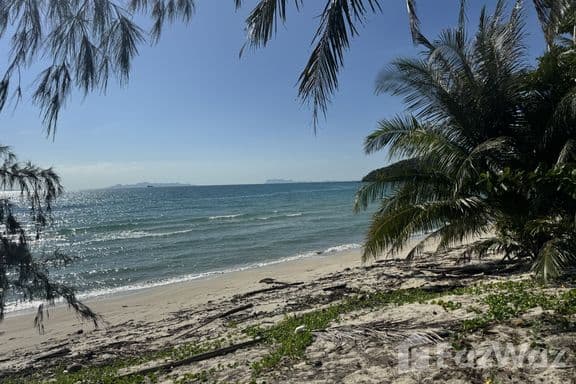
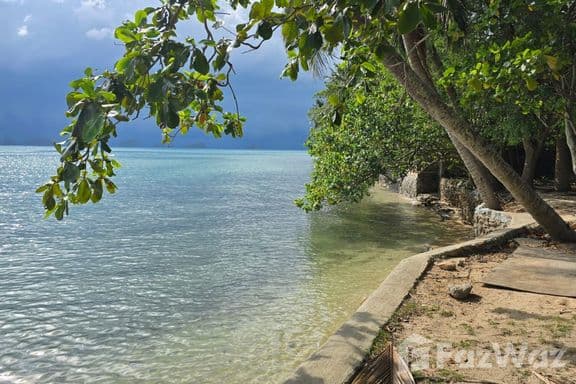
Koh Samui, a lush island in the Gulf of Thailand, has evolved from a backpacker hideaway into a premier international real estate hotspot. Famed for its pristine beaches, turquoise waters, and upscale lifestyle, the island draws millions of visitors each year. Luxury resorts and villas now dot the coastline – major hospitality brands like Four Seasons and Conrad have established resorts here, underscoring Koh Samui’s rise as a high-end tropical destination. Beyond natural beauty, Koh Samui offers modern amenities, an international airport with direct flights, and a vibrant expat community. This blend of paradise charm and convenience makes property for sale in Koh Samui especially appealing to foreign investors seeking both lifestyle and investment returns.
Why Koh Samui is Attracting International Buyers in 2025
In 2025, Koh Samui has become a magnet for international real estate buyers. Several trends help explain this surge in foreign interest:
- Renewed Travel and Lifestyle Trends: With global travel in full swing post-pandemic, many buyers are looking for tropical retreats and second homes. Koh Samui’s laid-back island lifestyle, combined with reliable infrastructure (international hospitals, schools, and telecom), makes it ideal for remote work, retirement, or vacation living. The island’s “paradise with modern comforts” reputation is a strong draw.
- Strong Foreign Buyer Presence: Over 70% of property buyers in Koh Samui are foreign investors, notably from Europe and China. Chinese buyers have become particularly prominent, aided by new direct flights and a desire to diversify assets. In fact, Chinese nationals comprised nearly 46% of all foreign condo purchases across Thailand in 2023, reflecting the broader trend of Asian investors flocking to Thai real estate. European buyers (especially from the UK and Germany) are also enticed by Thailand’s warm climate and comparatively lower property prices, viewing Samui as both a holiday haven and an investment.
- Affordability and Value Proposition:Property for sale in Koh Samui remains more affordable than in other international resort markets. Buyers often find that a luxury villa with a private pool in Samui costs significantly less than a comparable property in Bali or Phuket. The lower cost of living and favorable exchange rates (for those holding stronger currencies) add to the island’s appeal for long-term foreign residents. International investors see an opportunity to acquire prime tropical real estate at a relative bargain.
- High Rental Demand: Koh Samui’s popularity as a tourist destination (over 2 million visitors annually) translates into strong demand for holiday rentals. Many international buyers are attracted by the rental income potential – they can enjoy their villa part of the year and rent it out to vacationers the rest of the time. Well-located villas and condos can generate solid yields during peak tourist seasons, effectively offsetting ownership costs and providing cash flow. This prospect of earning income in USD or EUR from Thai property, while also enjoying personal use, is compelling in 2025’s market.
- Government Initiatives: Thailand has rolled out friendly policies like the 10-year Long-Term Resident (LTR) visa for wealthy foreigners, which encourages property investment by granting ease of stay. While foreigners still face ownership restrictions (discussed later), the government’s welcoming stance – including proposed incentives for high-value investors – boosts confidence. Stable politics and ongoing infrastructure upgrades in tourist areas further reassure international buyers that Samui is a safe bet.
In summary, Koh Samui’s mix of tropical allure, rising international connectivity, relative affordability, and income potential has made it a top choice for foreign property hunters in 2025. It offers the rare chance to own a piece of paradise that can also pay dividends.
Market Performance and Price Trends in 2025
Koh Samui’s real estate market has shown robust performance heading into 2025, with prices on a steady upward trajectory. Key indicators highlight a healthy market driven by demand:
- Price Growth: Property values on the island have been climbing. In 2024, for example, beachfront properties appreciated by at least 5% in value as high-end buyers competed for scarce prime locations. Industry analysts predict annual price growth on the order of 5–7% per year in Koh Samui, thanks to increasing demand and limited supply of desirable land. Even the resale values of villas have risen around 4% per year over the past five years. This consistent appreciation indicates a resilient market, bolstered recently by Thailand’s tourism rebound and renewed foreign interest.
- Current Price Levels: While rising, Koh Samui property prices are still moderate compared to other luxury destinations. As of early 2025, the average house price in Koh Samui is around ฿59,000 per square meter (approximately US$1,700 per m²) – though this average spans both modest homes and luxury villas. In premium areas like Chaweng, Choeng Mon, and Bophut, prices per square meter are significantly higher, sometimes reaching US$4,000–$5,000 (for prime beachfront or panoramic-view properties). For example, a new luxury sea-view villa typically starts around ฿18–20 million (roughly US$600k), whereas more inland or older properties can be found for less. Condominium units on the island generally range from about ฿5 million up to ฿20 million for upscale ocean-view condos. Land prices vary widely by location – from roughly ฿2,000 per square meter for inland plots to ฿10,000+ per square meter for prime beachfront land. (For reference, ฿10,000/m² is about ฿16 million per rai, the local land measure.)
- Market Activity: The property market in Koh Samui is active and liquid for a resort island. Throughout 2024 there were typically 500+ active listings on the island at any given time, indicating plenty of inventory and opportunity for buyers. Well-priced properties, especially in the mid-range villa segment, tend to be snapped up quickly by both domestic and foreign buyers. Developers have been ramping up new projects (from boutique condo complexes to villa estates) to meet demand, though the island’s building height limits and finite land ensure it won’t be overbuilt like some mainland cities. The high-end segment (villas above ฿20 million) is booming – driven by wealthier investors from Hong Kong, China, and Europe seeking exclusive holiday homes.
- Rental Yields and Returns:Investors are attracted by the strong rental yields available in Koh Samui’s holiday market. With tourist arrivals surging back (over 3.5 million visitors in 2023), rental occupancy for villas and condos has been high. Many owners report substantial rental income during peak seasons. For instance, a pool villa in a popular area can often yield around 5–10% of its value in annual rent if managed professionally (exact yields vary by location and management). These income streams, combined with capital appreciation, make Koh Samui real estate a lucrative investment for those who choose properties wisely.
Overall, 2025 outlook is optimistic: Koh Samui’s property market is expected to continue its steady growth. Analysts note that demand – particularly at the luxury end – is outpacing supply, which should support prices. The market is also maturing; we see more sustainable, eco-friendly developments and professional management, which add long-term value. Importantly, despite recent gains, Koh Samui remains more affordable than many competing markets, leaving room for further growth before it even approaches the prices of Phuket, Bali, or Mediterranean islands. Investors in 2025 can thus find both upside potential and immediate lifestyle benefits in Koh Samui’s real estate market.
Legal Considerations for Foreign Property Buyers in Thailand
Investing in Thai property as a foreigner requires understanding the legal framework. Thailand has specific rules to protect land ownership for Thai nationals, so foreign buyers must navigate these regulations carefully. Key legal considerations include:
- Land Ownership Restrictions: Under Thai law, foreign individuals cannot own land outright in Thailand. Land (and any house built on it) must generally be owned by a Thai citizen or a Thai majority company. This means a foreigner cannot directly buy a standalone house with land in their own name. Attempts to bypass this via nominees (having a Thai person hold the land on your behalf) are illegal and risky – such arrangements can be voided, and you could lose the property.
- Condominium Ownership: Foreigners can own condominium units freehold in Thailand, provided foreign ownership in a condo building does not exceed 49% of the total area of all units. Buying a condo is the simplest and most legally secure route for foreign buyers – your name is on the title (Chanote) for the condo unit itself. Many developments in Koh Samui cater to this with a foreign quota of units. (Note: Funds for a condo purchase must be remitted from overseas in foreign currency to comply with regulations.)
- Leasehold Property: One common solution for foreigners who want a villa or land is to use a leasehold structure. Thai law allows long-term leases of land/property to foreigners, typically 30 years per term. It’s possible to contract a 30-year lease with two renewal options (30+30+30) to achieve a de facto 90-year control, though only the first 30-year term can be registered upfront. Leaseholds give a foreign buyer legal rights to use the land and any house on it for the lease period. When properly structured, a registered lease is secure and can be sold or passed on (for the remaining term). Leasehold agreements are widely used in resort areas like Samui – for example, when buying a villa within a managed estate, the land might be leasehold while the villa structure is owned by the foreigner.
- Thai Company Ownership: Another approach is to purchase property through a Thai company. Thai law allows a company incorporated in Thailand (which is considered a Thai juristic person) to own land. However, by law foreigners can own only up to 49% of a Thai company, with Thai nationals holding at least 51%. Many foreign buyers set up a Thai Limited Company with a local partner or lawyer-provided Thai shareholders to hold the land. This method carries risks: if the Thai partners are proxies (so-called “nominees”) with no real investment, it violates the law. Authorities have increased scrutiny on such arrangements. That said, a legitimately run business (where Thai shareholders have true equity and the company has economic substance) can own land and even a house, while the foreign minority shareholder retains significant control. This route is complex and requires professional legal guidance to be done lawfully. Most casual investors opt for condos or leasehold rather than maintaining a Thai company.
- House Ownership vs Land: Notably, Thai law distinguishes land from structures. A foreigner may own a house or building separate from the land it sits on. For example, one might lease a plot of land and separately own the villa built on it (through a registered superficies right). This can provide some security – you own the bricks and mortar, even if not the ground underneath. In practice, this arrangement is often coupled with a long lease on the land. Always ensure any house ownership or lease is properly registered at the Land Office.
- Due Diligence and Legal Help: Foreign buyers should always use a qualified Thai property lawyer to navigate the process. They will perform title searches, ensure the property is free of liens, check the condominium’s foreign ownership quota or the land’s survey details, and draft contracts to protect your interests. They can also explain any zoning or building regulations relevant to the property (Samui has certain zones where building is restricted by height or distance from the beach). Legal fees are a small price to pay for safeguarding what is often a large investment. Thailand’s property laws are nuanced, and having expert guidance is critical to avoid pitfalls.
In summary, foreigners have viable and legal ways to invest in Koh Samui property – chiefly by buying condos or leasing land/villas – but it’s vital to work within Thai law. Understanding these rules ahead of time will help you choose the right property structure. With proper legal structuring, foreign investors can securely enjoy and benefit from Koh Samui real estate (many thousands already do). Just remember that if someone promises "just put it in a Thai friend’s name, it’s fine", that is a red flag – stick to the legal methods outlined above and consult professionals when in doubt.
Best Neighborhoods in Koh Samui for Investment
Koh Samui offers a diverse array of neighborhoods, each with its own character and investment appeal. Whether you prioritize rental returns, lifestyle, tranquility, or future growth, there’s a locale to suit your strategy. Below, we highlight some of the best neighborhoods in Koh Samui for property buyers and what makes them stand out (with internal links for you to explore listings in each area):
Chaweng – The Vibrant Heart of Koh Samui
Chaweng, Samui's largest and most developed town, is a lively tourist and commercial hub with a long sandy beach, shopping, and nightlife. It offers high rental demand for short-term holiday lets due to its proximity to entertainment. Sea-view condos and villas command premium prices and rents, making it one of the most lucrative areas for investment.
Bophut – Fisherman’s Village Charm and Expat Haven
Bophut, on the north coast, combines old-world charm with upscale living, centered around the walkable Fisherman’s Village. It's favored by expats and families, offering a laid-back vibe yet convenient to the airport. Luxury villas in the surrounding hills provide stunning views. Bophut is known for stable long-term growth and lifestyle appeal, with solid yields from holiday rentals. Nearby Bang Rak is also emerging.
Lamai – The Laid-Back Tropical Escape
Lamai, Samui’s second-largest beach town on the southeast coast, offers a more relaxed environment with ample amenities. Its quieter beach and local charm make it popular with retirees. From an investment perspective, Lamai is attractive for its relatively affordable prices and recent growth, with good prospects for capital appreciation. It's a hotspot for new mid-range villa developments and sees strong peak-season rental demand.
Maenam – Serenity and Long-Term Potential
Maenam in northern Koh Samui is known for its serene beach and village atmosphere, popular with long-stay expats valuing privacy. It offers larger land plots and secluded villas at lower prices than the busier east coast. Maenam presents long-term potential as Samui grows, attracting buyers for future retirement homes or wellness retreats. Rental yields may be lower for short-term, but steady long-term rentals are common.
Choeng Mon & Plai Laem – Exclusive Coastal Living
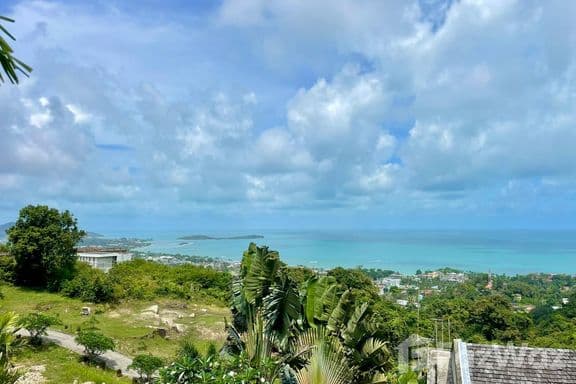
On the northeastern tip, Choeng Mon and Plai Laem offer an exclusive, retreat-like environment. Choeng Mon features a family-friendly beach and luxury resorts, while Plai Laem boasts some of Samui's most luxurious villas with panoramic sea views. These areas represent the upper tier of Samui's property market, attracting discerning buyers seeking privacy and prestige, often for second homes or luxury vacation rentals. While prices are high, so is the rental potential for high-end clientele.
Each neighborhood in Koh Samui has distinct advantages, making it wise to align investment goals with the location's character.
Real Estate Types: Villas, Condos, and Land
When considering property for sale in Koh Samui, it’s important to understand the main types of real estate available – each comes with different benefits, ownership considerations, and market dynamics. The primary property types are villas, condominiums, and land:
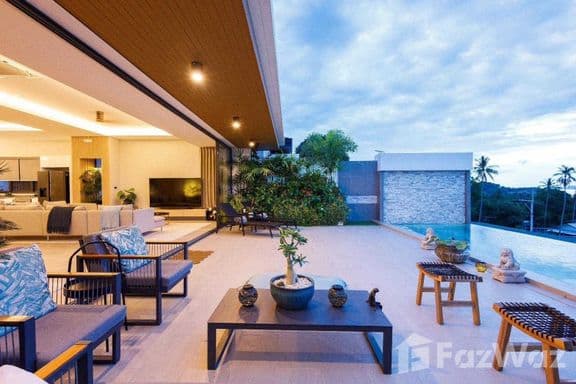
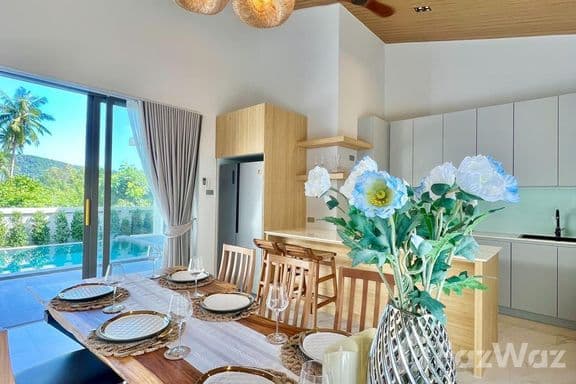
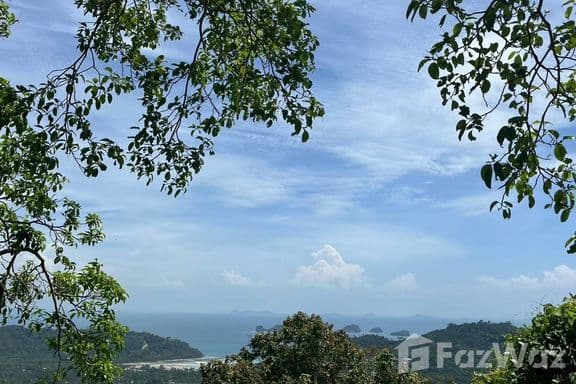
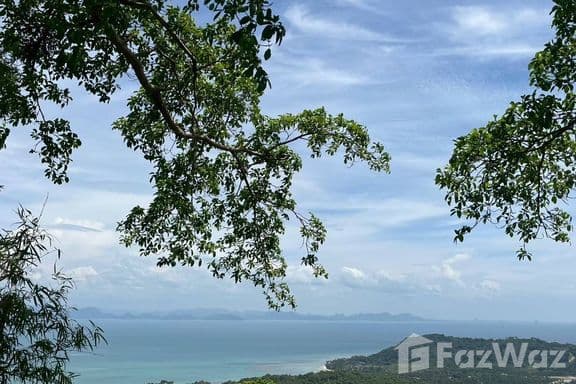
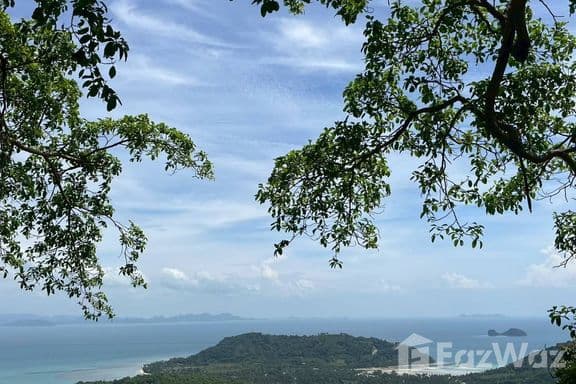
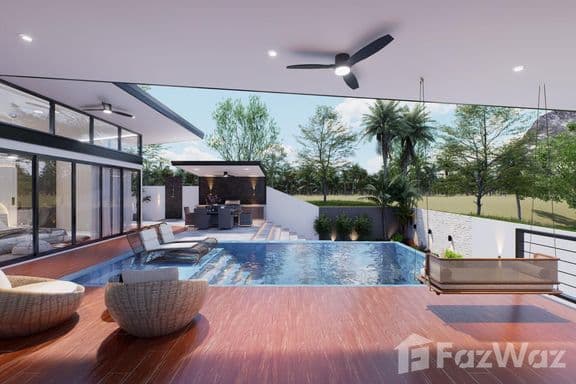
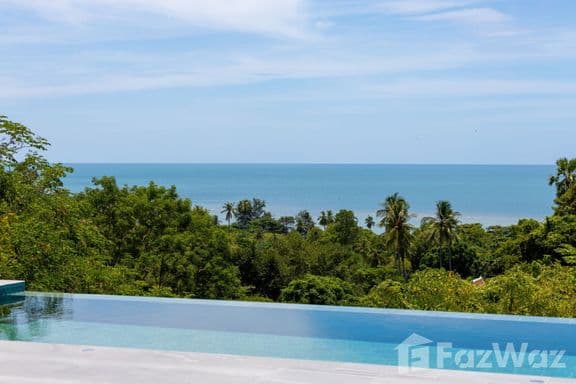
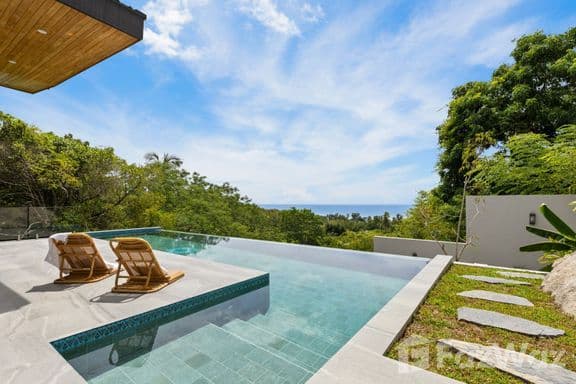
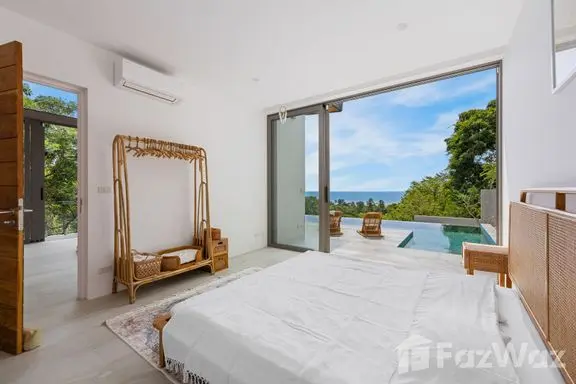
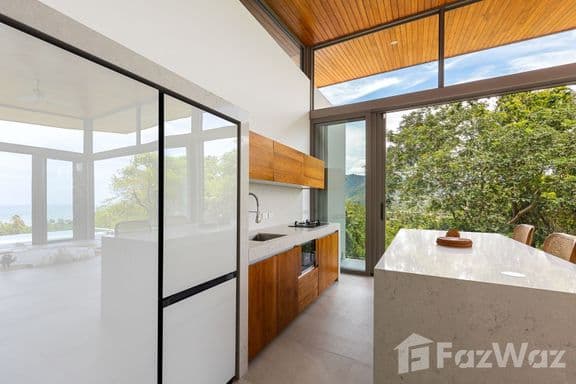
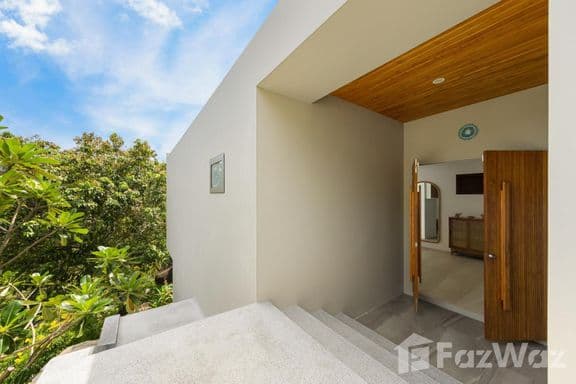
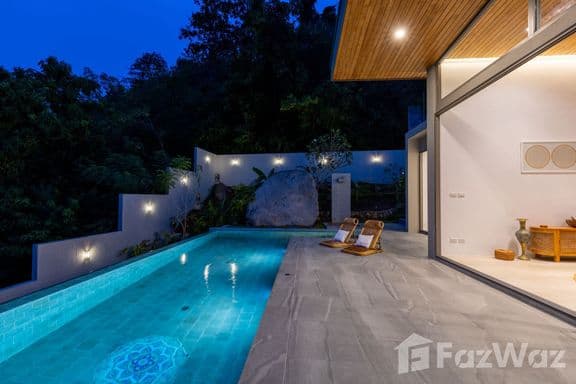
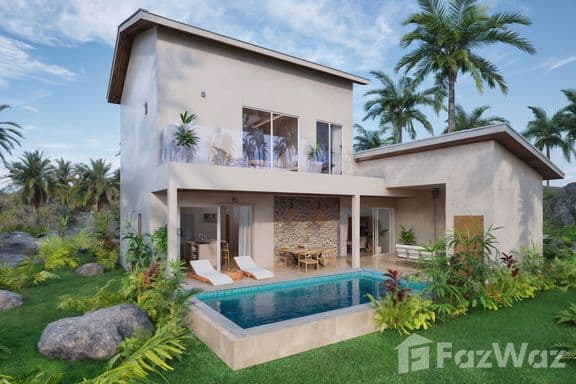
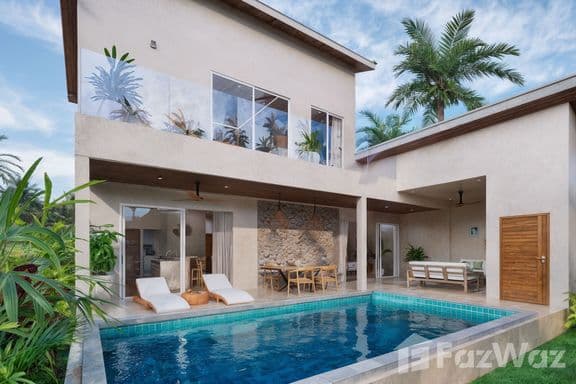
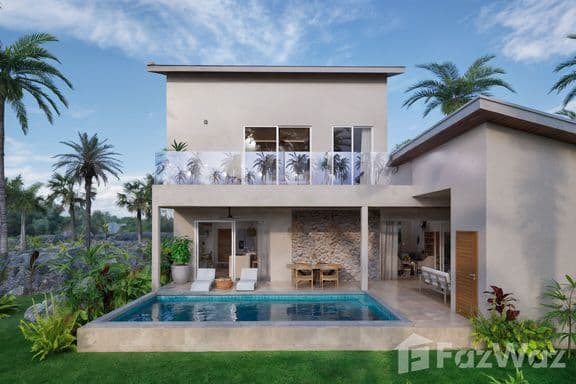
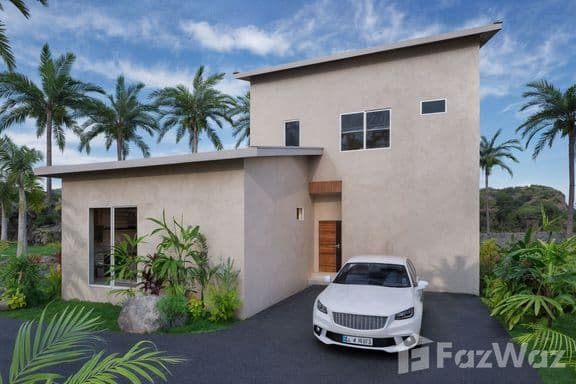
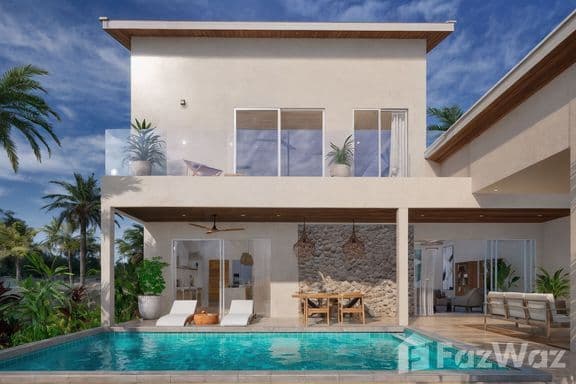
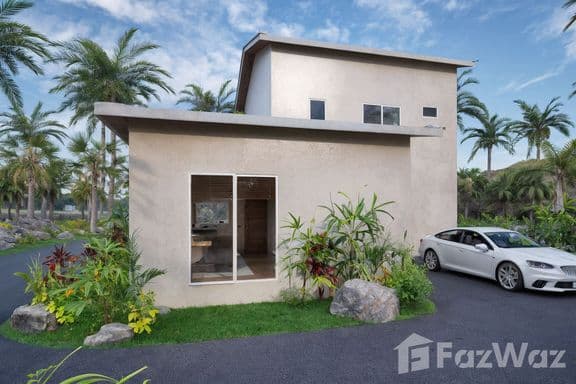
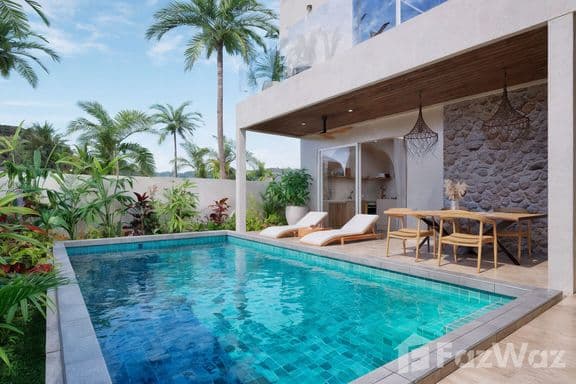
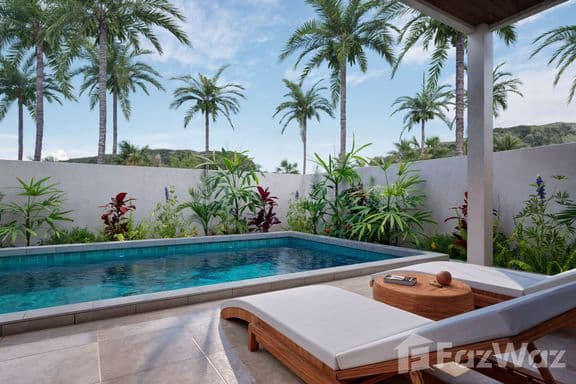
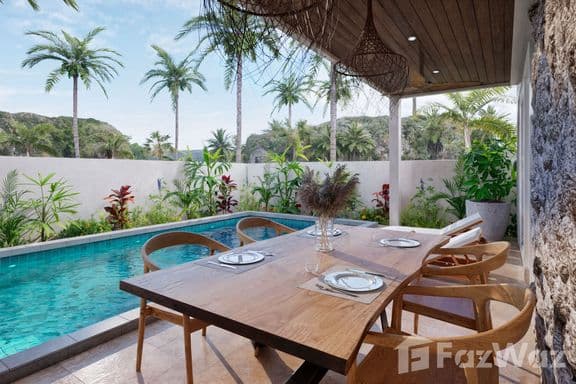
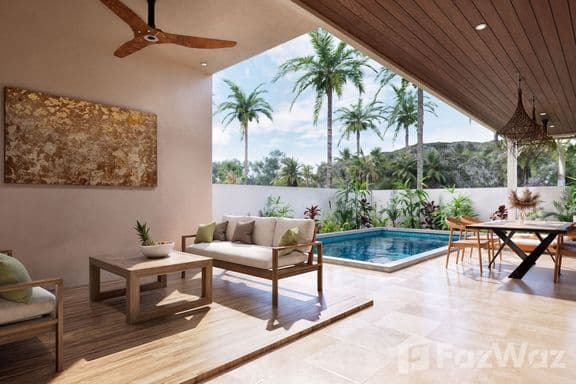
- Villas: The quintessential Koh Samui property is the private pool villa. Villas range from cozy two-bedroom bungalows to sprawling multi-million-dollar estates. Many foreign investors favor villas for the space, privacy, and luxury they offer – perfect for family holidays or retirement living. Samui’s villa market is well-developed: you’ll find sea-view hillside villas, beachfront villas, and garden villas in various styles (modern minimalist to traditional Thai-Balinese). Prices for villas vary widely by location, view, and size. As a benchmark, recent data show a median sales price around ฿16–19 million for a typical 3-bedroom villa. Entry-level two-bedroom pool villas inland might start around ฿8–10 million, whereas ultra-luxury beachfront villas can exceed ฿100 million. From an investment perspective, villas generally offer the highest rental yields in Samui, as they are in demand for vacation rentals by families and groups. Owners of desirable villas can generate significant income, especially during peak tourist seasons. Note: Foreigners buying villas usually purchase the building and lease the land (or use a company structure) as discussed in the legal section. Ensuring you have a secure land arrangement is crucial. Overall, villas are ideal if you want a landed home with privacy – they deliver a true island lifestyle and strong income potential.
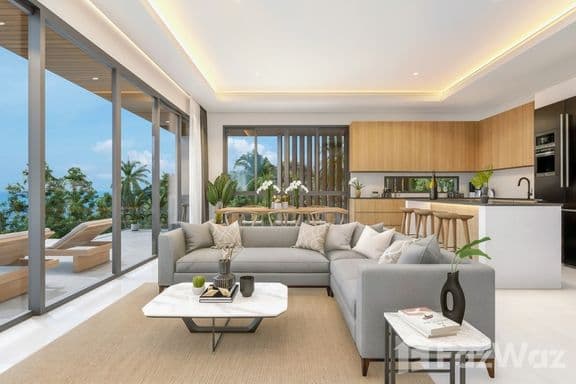
- Condominiums: Samui’s condo market is smaller than Phuket’s or Bangkok’s, but there is a selection of condo apartments mainly around Chaweng, Bophut, and Lamai. Condos are popular for those who prefer a “lock-up-and-leave” property or have lower budgets. Units range from studios and one-bedrooms up to spacious penthouses. Many condos offer facilities like pools, gyms, and security, making them convenient second homes. Importantly, condos are the only way for foreigners to own freehold property directly, which gives peace of mind. Prices for condos in Koh Samui start around ฿3–5 million for small units and go up to ฿15–20 million+ for luxury sea-view condos with multiple bedrooms. Since buildings are low-rise (Samui has a height limit, so no high-rises), even top-end condos tend to have only 3-5 floors. Investment-wise, condos can yield good rental returns particularly in central locations (some owners rent on Airbnb or via hotel-style management). However, yields might be lower than villas in percentage terms, as nightly rates are lower. Maintenance fees will apply (for common facilities upkeep), so factor those in. Condos offer an easier resale process too, since transfer is straightforward. In summary, if you seek simplicity, affordability, and legal ease, condos are an excellent choice in Samui.
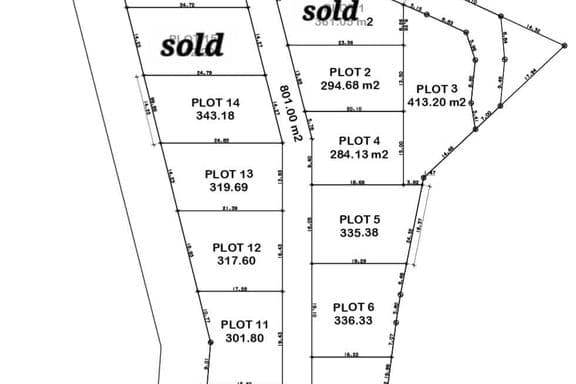
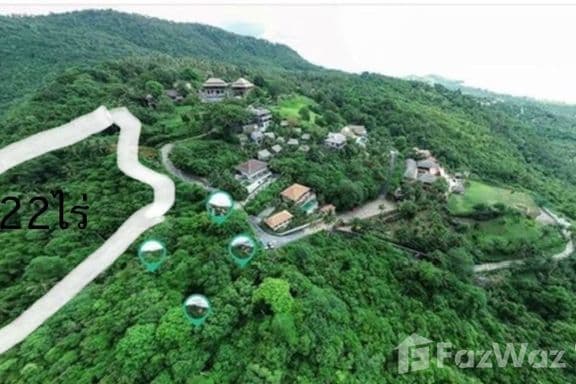
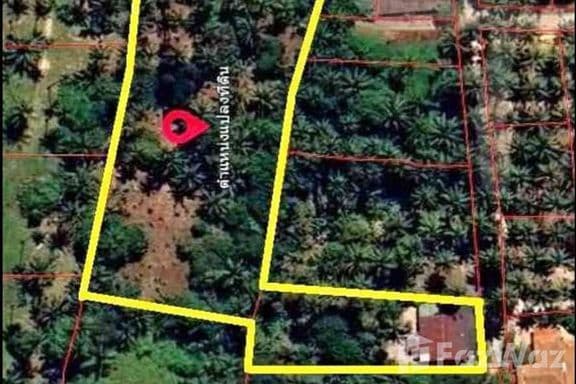
- Land: Buying land in Koh Samui appeals to investors who may want to build their own villa or hold land for appreciation. Land plots are available – from small lots in residential estates to large beachfront parcels for development. Prices depend on location, view, road access, and title deed type. Prime beachfront land or panoramic view hillside land is scarce and commands a premium (often ฿10 million+ per rai for the best spots). More remote or inland land can be much cheaper. Foreigners cannot own land directly, so land purchases are typically structured via a Thai company or long-term lease. If you plan to build, doing a land lease for 30 years (with renewals) can be a relatively straightforward way to secure the plot. Due diligence on land is extremely important: one must verify the title deed (Chanote is ideal), ensure there’s proper access road and utilities, and check local zoning regulations (some land near the beach or in mountain areas may have building restrictions). Many developers and long-term investors have profited by buying land and either constructing villas for sale or holding the land as values rose. For instance, a plot in Plai Laem bought a decade ago might be worth several times more today thanks to area development. Land investment is a more speculative play compared to ready-built property – there are carrying costs (tax is low, but you might need to maintain the land) and it’s not income-producing unless developed. That said, land gives flexibility: you can build your dream home to spec or sell to a developer if prices climb. If you go this route, work closely with legal counsel to structure the purchase correctly and avoid any ownership pitfalls.
In summary, Koh Samui’s real estate offerings cater to different preferences. Villas deliver the luxury island lifestyle and strong rental potential; condos provide ease and accessible investment entry points; land offers opportunity for customization and capital growth. Many investors diversify – for example, buying a villa for personal use and a couple of condo units purely for rental income. Understanding the nuances of each property type will help you make a decision that fits your financial goals and how you intend to enjoy your Samui property.
Financing, Taxes, and Fees
Buying property overseas involves financial planning. Here we cover how foreign buyers can finance a Koh Samui purchase, and the key taxes and fees you should budget for when acquiring property in Thailand.
Financing Options for Foreign Buyers: Financing in Thailand for foreigners is available but can be challenging. In practice, most foreign buyers either pay cash or secure financing from their home country. According to legal experts, it essentially comes down to three options: use cash savings, re-mortgage your home in your country to free up funds, or try to obtain a loan from a bank that will lend to foreigners (often via an overseas branch in Singapore). Standard local mortgages from Thai banks are not usually available to non-resident foreigners. That said, a few banks have special programs for foreign buyers:Financing for foreigners in Thailand is challenging, with most buyers paying cash or securing loans from their home country. Standard Thai bank mortgages are generally unavailable to non-resident foreigners.
Bank Loans: Some international banks like UOB (Singapore-based) offer loans for condominium purchases in Thailand, typically requiring 30-50% down payment and proof of overseas income. These loans are usually only for condos, not land or houses, and have higher interest rates and shorter terms.
Developer Financing: Occasionally, Samui developers, especially for off-plan projects, offer short-term payment plans (e.g., 50% during construction, 50% over 1-2 years post-completion). Evaluate the developer's reputation and contract terms carefully.
Home Country Financing: Many investors finance purchases outside Thailand, using home equity loans or mortgages on property in their home country. This offers potentially lower interest rates and longer terms but introduces currency exchange risk. This method simplifies the process in Thailand as the buyer appears as a cash buyer.
Regardless of the method, Thai law requires property purchase funds to be remitted in foreign currency and converted to Thai Baht in Thailand, with proper documentation (Foreign Exchange Transaction form).
Taxes and Fees
When buying and owning property in Thailand, consider the following:
Transfer Fee: 2% of the official appraised value, typically split between buyer and seller.
Stamp Duty / Specific Business Tax: These are seller-borne taxes on property sales. Stamp duty (0.5%) applies if the property was held for over 5 years or is the seller's primary residence. Specific Business Tax (SBT) of 3.3% applies if sold within 5 years and not the primary residence.
Withholding Income Tax: A seller-borne income tax on the sale. For individuals, it's a progressive scale based on appraised value and ownership duration. For companies, it's a flat 1% of the sale price or appraised value.
Legal Fees and Due Diligence: Buyers typically pay lawyers for services like contract review and title searches, ranging from ฿30,000 to ฿100,000+.
Real Estate Agent Commission: Usually paid by the seller (3-5%). Buyers generally do not pay commission.
Mortgage Fees: If taking a Thai mortgage, expect a mortgage registration fee (around 1% of loan) and possibly a collateral tax (0.1% of loan).
Annual Taxes: Thailand has an annual Land and Building Tax (since 2020), which is relatively low for residential properties (0.02% to 0.1% of appraised value). For a ฿10 million holiday home, it's typically a few thousand baht annually. Companies owning property are also subject to relevant taxes and accounting fees.
Common Area Fees: For condos or managed estates, budget for monthly/annual maintenance fees (e.g., ฿40-฿80 per sq.m for condos) covering security, common area upkeep, and amenities.
When you finalize a property purchase, the Sale and Purchase Agreement (SPA) will detail who pays each fee and tax. It’s common in Koh Samui transactions for the buyer to pay the 2% transfer fee (or split it) and the seller to pay their taxes (stamp duty/SBT and withholding). However, everything is negotiable and sometimes a buyer might agree to cover more as part of the price deal. Always review the net figures. All taxes are paid at the Land Office on transfer day and must be settled for the title transfer to be completed.
Tip: Ask your agent or lawyer for a closing statement in advance – this will estimate all payable amounts so there are no surprises. By being informed about the taxes and fees, you can factor them into your investment calculations and avoid any last-minute stress.
Expert Opinions and Future Outlook
As Koh Samui’s property market matures, experts maintain a positive outlook for the island’s real estate – forecasting growth and new opportunities on the horizon:
- Continued Price Appreciation: Property analysts predict that Koh Samui will see steady price appreciation in the coming years, in line with or slightly above Thailand’s overall property market. Projections estimate around 5% (or more) annual increase in housing prices through 2025-2026, fueled by sustained foreign demand and the island’s finite supply of prime land. Some observers are more bullish, seeing potential for 5–7% year-on-year growth in Samui’s sought-after segments if tourism and investment trends remain strong. While macro-economic factors (like global interest rates or exchange rates) can influence demand, the consensus is that Samui’s unique appeal will keep values on an upward trend.
- Luxury Segment Thriving: Experts highlight that the luxury villa segment will continue to dominate Koh Samui’s market. The island’s reputation as a luxury destination has solidified – with high-profile ultra-luxury resorts and private estates setting new benchmarks. “Koh Samui has become a magnet for those seeking luxury,” notes one industry veteran, pointing to the influx of branded residences and five-star hotel investments boosting the high-end real estate scene. This bodes well for owners of upscale villas, as the presence of brands like Four Seasons, Ritz-Carlton, and W Hotels elevates the island’s global profile and pricing power. The “White Lotus effect” (nicknamed after a luxury-travel themed TV show) has also shone a spotlight on Thailand’s resort properties – wealthy buyers are increasingly enticed by the idea of an exotic, opulent retreat. Expect the top tier of Samui properties to remain in high demand from international elites.
- Shift Towards Sustainability: A noteworthy trend is the rise of eco-friendly and wellness-focused developments. New projects are integrating solar panels, rainwater harvesting, and green architectural designs – roughly 40% of new residential developments in Koh Samui now feature eco-friendly elements. Developers are responding to buyer preferences for sustainability and wellness (think yoga retreat villas, organic gardens, etc.). Samui’s future may see it branding itself as a wellness real estate destination, tapping into global demand for healthy living environments. This focus on sustainability not only appeals to socially conscious investors but can also command premium pricing and ensure the island remains environmentally attractive in the long run.
- Infrastructure and Accessibility: Looking ahead, Koh Samui’s accessibility is set to improve further. There are talks of expanded flight routes and increased capacity at Samui International Airport (while maintaining its boutique island charm). The more connected Samui is to hubs like Singapore, Hong Kong, and mainland China, the more international buyer interest it’s likely to attract. Additionally, infrastructure upgrades (roads, utilities) are ongoing, supported by both local government and private sector investment, which will enhance daily life for residents. Experts often cite that well-developed infrastructure is a key factor sustaining property values in resort destinations – Samui is on the right track in this regard.
- Rental Market Outlook: From an investment standpoint, the rental market in Samui is expected to stay strong. The island’s tourist appeal isn’t waning – visitor numbers have rebounded and are poised to grow, especially as Asian tourism surges. The emergence of digital nomads and “workation” travelers also means more demand for longer-stay rentals in comfortable villas or condos. Savvy investors are capitalizing on this by offering mid-term rental packages. High occupancy rates, particularly in peak seasons, are likely to continue. Moreover, if international travel fully normalizes and expands, we could see even higher rental yields in peak periods (though always temper expectations with off-season lows). In short, owning a rental property in Koh Samui should remain a profitable venture looking forward, with potential for increasing returns as nightly rates inch up in tandem with rising tourism spending.
- External Factors: On the macro front, Thailand’s stable political situation and pro-investment policies are an advantage. While foreign ownership laws are still restrictive for land, the government has shown interest in attracting wealthy foreign residents through visas and possibly revisiting ownership regulations. Any future relaxation (even something like extended lease terms or special residency incentives) would likely provide a boost to the property market. Global economic trends, of course, play a role – e.g., if certain countries impose capital controls or if global stock markets waver, more investors might park money in tangible assets like Samui real estate. Experts generally consider Samui a “safe haven” resort market – not immune to global ups and downs, but with sufficient unique demand drivers to weather storms. The COVID years were a testament: the market slowed, but there was no crash, and it rebounded strongly as soon as travel resumed.
In conclusion, the outlook for Koh Samui property is bright. Local real estate experts and international analysts alike see the island entering a new phase of growth – one characterized by upscale development, broader international interest, and innovation in how properties are built and used (eco-homes, remote-work friendly designs, etc.). For the international investor, Koh Samui presents a compelling story: a proven paradise with demonstrated returns, yet still evolving and full of opportunity. As always, prudent investment – choosing the right property, in the right location, at the right price – will be key to realizing the positive future that many predict for this market.
Frequently Asked Questions
Q1: Can foreigners own property in Koh Samui, Thailand?
A: Yes, but with limitations. Foreigners can directly own condominium units (freehold) in Thailand, including Koh Samui, as long as foreign ownership in the building doesn’t exceed 49%. However, foreigners cannot own land outright in their name. This means you can’t directly own a standalone house with land. To buy a villa, foreigners typically either purchase through a Thai company, enter into a long-term leasehold (commonly 30 years, renewable) on the land, or in some cases, buy the villa structure and have a Thai person (e.g. a spouse) own the land. Each method has legal considerations: leasehold is the simplest and safest for most. It’s crucial to work with a lawyer to set up the ownership structure correctly. Many foreigners successfully own condos and villas in Samui by following Thai laws (e.g. buying condos or using leases/companies for villas). Bottom line: you absolutely can invest in Koh Samui property as a foreigner – just plan the ownership method in line with Thai regulations.
Q2: Is buying property in Koh Samui a good investment?
A: Koh Samui property can be a very good investment if done wisely. The island’s real estate has shown consistent value appreciation (around 5% per year recently for well-located properties) and offers strong rental income potential due to the steady flow of tourists. Investors often see a dual benefit: personal enjoyment of a holiday home and rental yields when they’re away. Villas, in particular, can generate attractive returns – during peak holiday seasons, rental rates for private villas are high. Additionally, Koh Samui is growing in international popularity; as the island develops further and high-end tourism increases, property demand could rise, driving prices up. That said, like any investment, there are considerations: transaction costs (taxes/fees), ongoing maintenance, and making sure you buy at a fair market price. Location and property type matter – a seaview villa in a prime area will likely outperform a remote plot of land. Overall, many international buyers have found Samui real estate a rewarding investment, both financially and in terms of lifestyle. It offers a relatively stable market in a desirable global destination. Ensure you research and perhaps seek local expert advice to pick the right property for investment.
Q3: What taxes and fees do I need to pay when buying property in Koh Samui?
A: The main costs to budget for are: Transfer Fee (2%), which is levied by the government on the property value at transfer (often split with the seller); Stamp Duty (0.5%) or Specific Business Tax (3.3%) on the sale – one of these is paid by the seller (stamp duty if they owned the property 5+ years, otherwise SBT for shorter holds); and Withholding Tax, which is an income tax on the sale (if the seller is an individual, calculated on a sliding scale – roughly ~1% of price in many cases – or 1% flat if the seller is a company). As a buyer, you mainly might shoulder the 2% transfer fee (negotiable) and your own legal fees for due diligence. If you’re buying a condo, there’s also a minimal registration fee for the condo (often included in transfer fee if done simultaneously). Additionally, if a broker/agent helped you as a buyer, typically their commission is paid by the seller, so it’s not an out-of-pocket cost for you. Post-purchase, remember there’s an annual property tax (land and building tax) which is usually very low for residential properties (often a few hundred to a few thousand baht per year, depending on property value). Also, if you’re in a condo or gated community, there will be maintenance fees for common areas. In summary: the one-time purchase fees/taxes amount to roughly 2–5% of the price (depending how the sale’s taxes are divided), mostly paid at the Land Office on transfer. It’s wise to have your lawyer or agent break down the specific costs for your deal so you’re clear on who pays what.
Q4: Can foreigners get a mortgage in Thailand to buy a property in Koh Samui?
A: It’s possible but not easy. Thai banks generally have strict rules and usually do not lend to foreigners who don’t have permanent residency or local income. However, a few banks offer special programs for foreigners: for example, UOB (United Overseas Bank) has loans for foreigners purchasing condos in Thailand, and Bangkok Bank (through its Singapore branch) has offered mortgages to foreign buyers in the past. These loans typically require large down payments (30-50%) and shorter loan terms. Another option is to finance through an international branch (some foreign investors refinance properties in their home country or get a personal loan abroad). Most foreign buyers pay cash or finance the purchase outside of Thailand. If you do seek a mortgage in Thailand, it will almost certainly be for a condo (foreigners can’t easily get loans for land or villas). Developer financing is sometimes available on new projects, but those are short-term arrangements. In summary, unless you have a specific bank program you qualify for, plan to arrange funds without relying on Thai bank mortgages. If you’re determined to get a local loan, talk to banks like UOB, ICBC, or Bangkok Bank early on and see what their current offerings and requirements are for foreign buyers. And ensure any mortgage can be processed in time for transfer, because the Land Office requires full payment (or registration of the mortgage) on the day of ownership transfer.
Q5: Is it safe to buy property in Koh Samui as a foreigner?
A: Yes, it is generally safe to buy property in Koh Samui, provided you take prudent precautions. Thousands of foreigners have purchased condos and villas in Samui and hold them without issues. The Thai legal system for property is well-established. The key is to do thorough due diligence and follow legal procedures. Always use a reputable lawyer to verify the title deed, check for any encumbrances, and ensure the sales contract protects you. Stick to the legal ownership structures (don’t try to skirt the law with risky nominee arrangements). It’s important to buy from either a known developer or an owner who can prove clear title. One aspect to be mindful of is that foreign buyers sometimes fall victim to scams or overpaying – which is why working with trustworthy local real estate agents and lawyers is crucial. If you approach the process diligently – verify the property’s legitimacy at the Land Office, use proper contracts, and comply with Thai laws – buying property is as safe as it is in your home country. The Land Department in Thailand is quite strict and transparent; once a property is legally transferred to you (or your company/lease registered), your rights are protected. In essence, do your homework and don’t cut corners, and you can safely own and enjoy a piece of Koh Samui paradise.
Conclusion
Investing in Koh Samui real estate can be a richly rewarding endeavor – offering not just strong potential returns but a slice of tropical island life. This guide has armed you with deep insights on the 2025 Koh Samui property market, from legal know-how to neighborhood highlights. Now, the next step is yours. If you’re ready to turn knowledge into action, view all Koh Samui properties for sale on our main listings page and explore the opportunities waiting for you. The palm-fringed beaches, azure waters, and your future island home are closer than you think. Unlock your piece of Koh Samui today – and let us help you every step of the way in making that paradise property yours!






































































































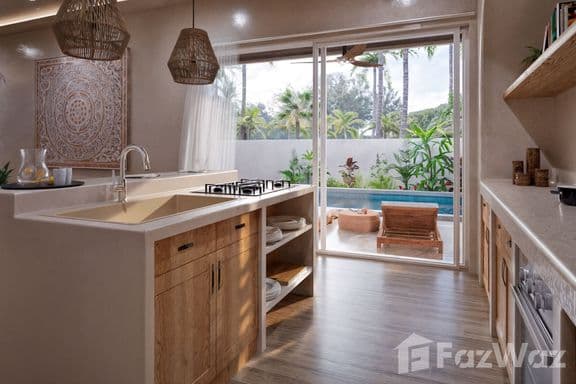




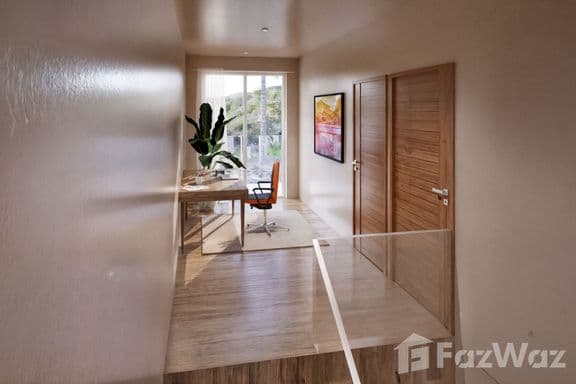
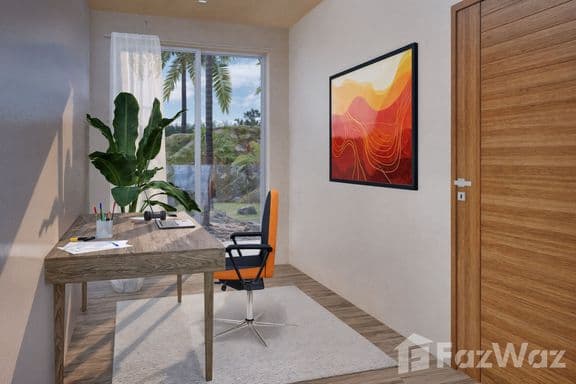
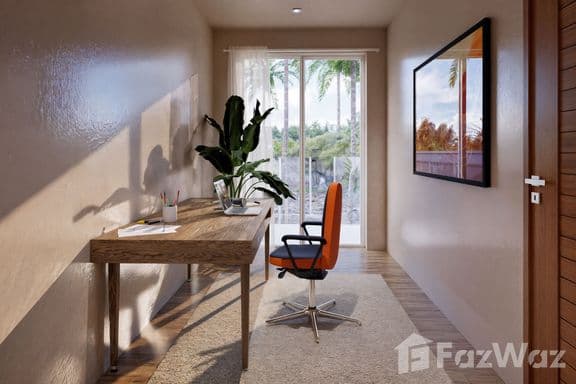

































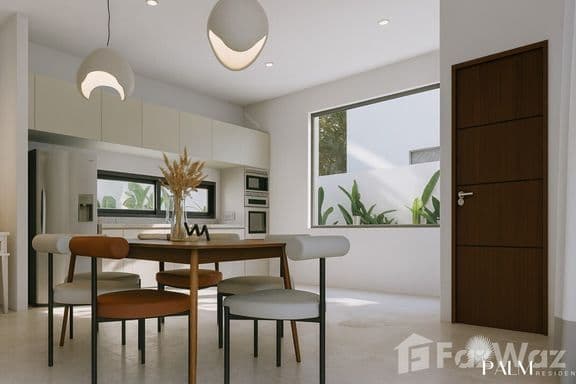






 Popular condos in Ko Samui

