Townhouses for Sale in Koh Samui - 2025 Investor Guide: An In-Depth Look
Executive Summary: Unlocking Koh Samui's Townhouse Investment Potential for Discerning Foreign Buyers
Koh Samui has undergone a remarkable transformation, evolving from a serene backpacker haven into one of Southeast Asia's most coveted island property markets. The island's inherent charm, combined with strategic development and a burgeoning international appeal, has created a dynamic real estate landscape. In 2025, the demand for townhouses for sale in Koh Samui is experiencing unprecedented robustness, driven by a steady influx of diverse foreign buyer profiles – from independent digital nomads and discerning retirees to savvy overseas investors seeking high-yield tropical assets with the added benefits of space and privacy. This comprehensive guide offers a granular 2025 outlook, meticulously dissecting foreign buyer trends, providing up-to-date townhouse pricing averages across various locales, offering insightful regional comparisons within Thailand, projecting realistic rental yields, and outlining potent investment strategies specifically tailored for foreign acquisition. Whether your objective is to acquire a personal lifestyle property for island living with more room to breathe, to accommodate a family, or to secure a passive income-generating unit with robust returns and a higher privacy quotient, Koh Samui’s townhouse market undeniably presents a compelling and increasingly attractive case for investment, offering a distinct alternative to traditional condominium living.
1. Why Invest in Townhouses in Koh Samui? The Compelling Case for Foreign Buyers
Investing in Koh Samui's townhouse market in 2025 is supported by a confluence of favorable factors, making it a standout choice for international buyers seeking more space, privacy, and often, the ability to accommodate pets or small gardens, which are typically challenging with apartment living.
1.1 Market Fundamentals: Pillars of Strength for Townhouse Investment
The foundational strength of Koh Samui’s property market, especially for townhouses, is built upon several critical pillars that underscore its long-term viability:
- Sustained Tourism Rebound Post-COVID Fueling Demand: The island is experiencing a robust and sustained recovery in its tourism sector. Projections for 2025 indicate over 2.5 million visitors, a significant increase that directly fuels demand for accommodation. While many tourists opt for hotels or villas, a growing segment, including longer-stay visitors and families, are increasingly looking for self-contained, comfortable townhouses for their stays. This continuous flow of tourists underpins the rental market's vitality for these property types.
- Strong and Diversified Rental Demand Beyond Short-Term Stays: The rental market in Koh Samui for townhouses is driven by a diverse tenant base. Beyond traditional seasonal tourists, there's a rapidly growing demographic of long-stay visitors, digital nomads, and expats (including families) who require reliable, well-equipped, multi-level living spaces. Townhouses cater exceptionally well to those seeking a sense of home, more storage, and often, small private outdoor areas. This broad demand mitigates the impact of purely seasonal fluctuations and provides a more stable long-term rental income stream compared to purely short-term holiday rentals.
- Limited Land Availability and Controlled Development Enhancing Value: Unlike some other rapidly developing destinations in the region, Samui's unique geography and stringent zoning laws naturally restrict large-scale, unchecked overdevelopment. This inherent limitation on new supply, particularly for ground-level properties like townhouses, helps to preserve property values and ensures a more sustainable growth trajectory, protecting long-term investment. This scarcity often translates to higher appreciation for well-located townhouses.
- Ongoing Infrastructure Improvements Boosting Accessibility: The island continues to benefit from strategic infrastructure upgrades that enhance its appeal to residents and tourists alike. Enhancements to Samui International Airport, including potential future expansions to accommodate increased air traffic and facilitate more direct international flights, along with improvements to ferry terminals, are significantly boosting connectivity and accessibility. This makes commuting to and from the mainland easier, adding to the desirability of a permanent or semi-permanent residence like a townhouse. Additionally, ongoing discussions around a potential bridge connecting the mainland to Samui, while a longer-term project, signal a commitment to improving access, which could unlock significant further value.
- Secure Long-Term Leasehold Ownership for Foreigners: While direct freehold land ownership remains restricted for foreigners under Thai law, townhouses on Koh Samui are typically acquired through secure long-term leasehold agreements. These are commonly structured as 30-year leases, with legally binding options for renewal (e.g., 30+30+30 years, totaling 90 years), effectively providing long-term tenure. This is a crucial, widely accepted, and legally robust pathway for foreign buyers to gain substantive control and benefit from a multi-story property in Thailand. It's essential to work with reputable legal counsel to ensure the lease agreement is properly drafted and registered at the Land Department for maximum protection. This structure offers a compelling alternative to condominium freehold for buyers desiring more space and a direct connection to the land.
2. Townhouse Price Trends in Koh Samui (2025): A Detailed Market Analysis
As of Q2 2025, the median asking price for a townhouse in Koh Samui typically ranges from ฿6.5 million to ฿12.0 million, with a median price per square meter around ฿90,000 to ฿130,000. However, it's vital to understand that pricing exhibits significant variation based on several key determinants unique to townhouse properties:
- Number of Bedrooms and Configuration: The primary driver for townhouse pricing is the number of bedrooms (2-bedroom, 3-bedroom, 4-bedroom) and the overall floor plan. Larger units with more living space and bathrooms naturally command higher prices.
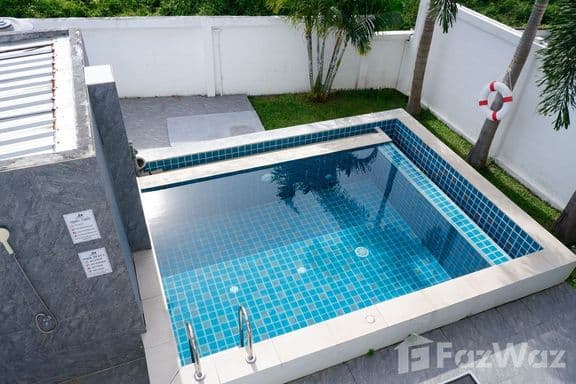
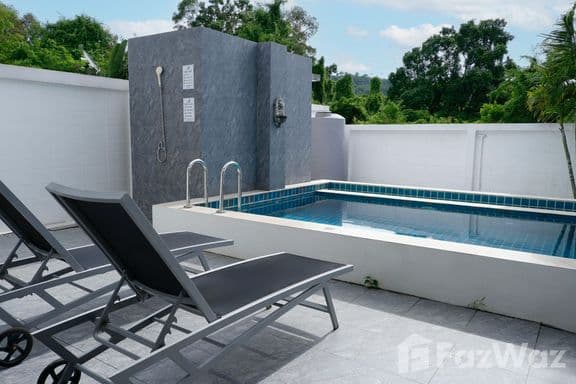
- Land Area and Outdoor Space: Unlike apartments, townhouses come with their own plot of land, no matter how small. The size of the land, presence of a private garden, or even a small plunge pool, significantly adds to the value. Properties with more usable outdoor space command a premium.
- Proximity to Key Facilities and Services: While not always beachfront, townhouses located within easy reach of international schools, major supermarkets (e.g., Central Festival, Macro, Tesco Lotus), hospitals, and established expat communities tend to be more desirable and pricier.
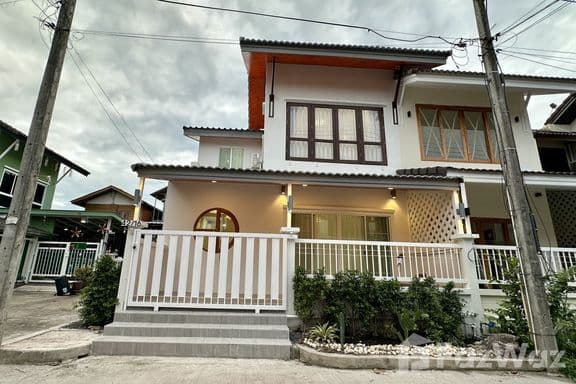
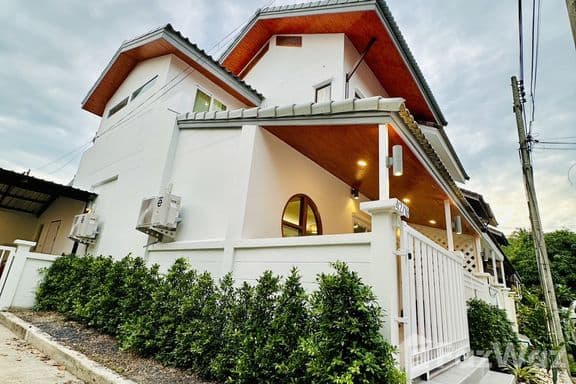
- Gated Community vs. Standalone: Townhouses within well-managed, secure, and amenity-rich gated communities (often called "moo baans" or estates) tend to be more expensive due to added security, shared facilities (like communal pools or gyms), and professional management. Standalone townhouses might offer more privacy but may lack these amenities.
- Development Age and Modernity: Newer townhouse developments with contemporary designs, high-quality finishes, and smart home features appeal to a broader market and fetch higher prices. Older townhouses may offer more competitive entry points but might require renovation.
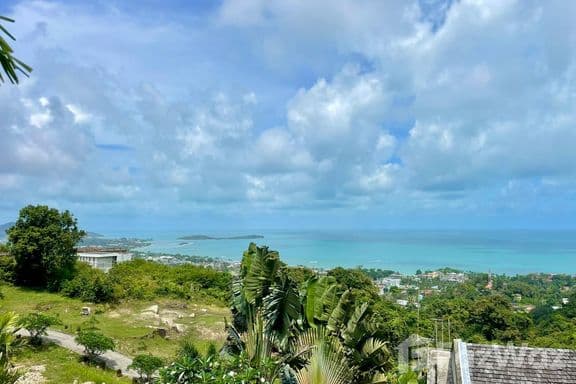
- View (Sea View vs. Garden View): While less common than for villas, some elevated townhouses can offer partial or full sea views, adding a significant premium. Garden views or views of lush greenery also contribute positively to value.
Price Comparison by Area (Q2 2025 Averages for 2-3 Bedroom Townhouses)
|
Area
|
Avg. Price (THB)
|
Price per sqm (THB)
|
Comments
|
|
Chaweng (Outskirts)
|
฿7.0M - ฿12.0M
|
฿110k - ฿150k
|
While central Chaweng is condo-dominant, its outskirts offer townhouses, often in small compounds, close to amenities but providing more space. Strong for family-oriented rentals.
|
|
Bophut/Fisherman’s
|
฿8.0M - ฿13.5M
|
฿120k - ฿160k
|
Highly sought-after for its charming ambiance and proximity to international schools and expat hubs. Townhouses here combine convenience with a desirable lifestyle.
|
|
Lamai
|
฿6.0M - ฿10.0M
|
฿95k - ฿130k
|
Offers a mix of local and expat communities, providing good value townhouses, particularly for long-stay residents or retirees seeking a balanced lifestyle.
|
|
Plai Laem
|
฿9.0M - ฿16.0M
|
฿130k - ฿180k
|
Dominates the higher-end segment for townhouses, often featuring multi-level units with contemporary designs and good connectivity to the airport and Big Buddha area.
|
|
Maenam
|
฿6.5M - ฿11.0M
|
฿90k - ฿125k
|
Known for its tranquil atmosphere and growing popularity among those seeking a quieter, more authentic experience. Offers attractive value for family homes.
|
|
Choeng Mon
|
฿10.0M - ฿18.0M+
|
฿140k - ฿200k+
|
A highly desirable, upscale area where townhouses often boast premium designs, gated community amenities, and proximity to luxury resorts. Prime for discerning buyers.
|
|
Bangrak
|
฿7.5M - ฿13.0M
|
฿105k - ฿145k
|
Dynamic and convenient, close to the airport and ferry pier, making it popular for those needing frequent travel. Townhouses here blend accessibility with residential comfort.
|
3. Who’s Buying Townhouses in Koh Samui? Understanding the Evolving Foreign Buyer Profile
Foreign buyers overwhelmingly constitute the dominant force in Koh Samui’s townhouse market. Their motivations and preferences are diverse, leading to distinct buyer profiles, each finding unique advantages in this property type:
3.1 Digital Nomads Seeking Space and Community
This growing demographic, particularly those with partners or small families, are increasingly seeking more than just a studio apartment. They actively look for compact yet efficiently designed townhouses that offer:
- Dedicated Workspaces: Multi-level layouts allow for separate home offices or quiet zones.
- High-Speed Connectivity: Reliable fiber optic internet infrastructure is paramount.
- Outdoor Areas: Small balconies, patios, or private gardens provide a crucial break from indoor living.
- Community Integration: Proximity to co-working spaces, cafes, and established expat communities is highly valued. They tend to favor vibrant and well-developed areas like Bophut, Lamai, and the outskirts of Chaweng, which offer a blend of work-friendly environments, leisure opportunities, and a sense of belonging within a community.
3.2 Retirees Desiring Comfort and Independent Living
Retirees, often relocating for long-term stays, gravitate towards townhouses that offer tranquility, comfort, and enhanced accessibility to essential services and independent living. Their preferences include:
- Manageable Size: Larger than an apartment but smaller than a full villa, balancing space with ease of maintenance.
- Peaceful Surroundings: Located in quieter, more residential neighborhoods, often within secure gated communities.
- Proximity to Healthcare: Easy access to international hospitals and medical facilities is a major consideration.
- Community Amenities: Access to communal pools, social clubs, or walking paths within a safe estate. Areas like Maenam, Choeng Mon, and specific developments in Lamai are particularly attractive due to their serene environments, established communities, and convenient access to necessary services.
3.3 Lifestyle Investors Prioritizing Blended Use
This segment combines personal use with shrewd investment goals. They actively look for well-designed townhouses, often within modern residential developments, that offer:
- High Standard of Living: Quality finishes, contemporary designs, and functional layouts for comfortable personal holidays.
- Managed Rental Returns: Eligibility for professional rental management services, allowing them to enjoy the property for holidays while generating income when they are not in residence.
- Family-Friendly Appeal: Features that make the property attractive to short-term holiday renters who are families or groups seeking more space than a hotel. These buyers frequently purchase units off-plan, leveraging early-bird pricing and benefiting from the developer's professional rental management services. They appreciate the ability to own a larger asset that feels more like a home.
3.4 Pure Yield Investors Focusing on Stable Returns
For these investors, the primary objective is maximizing return on investment (ROI) and consistent passive income. They strategically target townhouses within established rental programs or areas with proven long-term rental demand, prioritizing:
- High Occupancy Rates: Units that consistently attract stable, long-term tenants.
- Robust Rental Yields: Properties with a strong track record of generating predictable income.
- Efficient Property Management: Reliance on professional services to handle all aspects of leasing, maintenance, and tenant relations. Their decision-making is heavily influenced by financial performance data, the efficiency of property management services, and the ability of the property to attract reliable expat or longer-stay tenants. They often seek properties with amenities that appeal to families or those seeking more space.
4. Rental Yield Potential: Maximizing Your Townhouse Investment in Koh Samui
Koh Samui's townhouses present a compelling opportunity for investors due to their excellent gross rental yields, typically ranging from 4.5% to 7.5% annually, though top-performing, well-managed properties in prime locations can achieve even higher returns. The actual yield is significantly influenced by location, property quality, the presence of a private pool, and the target rental market (long-term vs. short-term holiday). Well-managed properties in high-demand areas like Bophut, Chaweng outskirts, or Lamai consistently achieve impressive occupancy rates, particularly for long-term expat rentals, thanks to the island's year-round appeal.
Rental Benchmarks (2025 Averages for Townhouses)
|
Townhouse Type
|
Monthly Rent (THB)
|
Avg. Occupancy (Long-term)
|
Est. Gross Yield
|
|
2-Bedroom (80-120 sqm)
|
฿35,000 - ฿60,000
|
70%
|
~6.0-7.5%
|
|
3-Bedroom (120-180 sqm)
|
฿50,000 - ฿85,000
|
65%
|
~5.0-6.5%
|
|
4-Bedroom+ (180+ sqm)
|
฿70,000 - ฿120,000+
|
60%
|
~4.5-5.5%
|
Note: Short-term holiday rental yields can be higher during peak seasons but come with increased management complexity and variable occupancy.
Owners who leverage popular online travel agencies like Airbnb and Booking.com for holiday rentals, or partner with professional local property management services for long-term expat leases, frequently benefit from attractive daily or monthly rates. The growing demand for long-term rentals driven by digital nomads, families, and retirees also offers more stable, albeit sometimes lower, monthly income, making townhouses an attractive proposition for consistent cash flow. Professional management can also help optimize pricing strategies for different seasons and tenant types.
5. Key Investment Hotspots for Townhouses in Koh Samui
Understanding the nuances of each area is crucial for optimizing investment decisions when considering a townhouse, as location significantly impacts demand, rental yields, and lifestyle.
5.1 Chaweng (Outskirts & Residential Zones)
- Pros: While central Chaweng is known for its nightlife, the surrounding residential areas offer townhouses within easy reach of the island's main commercial hub. This means unparalleled proximity to Samui International Airport, major shopping malls (Central Festival, Tesco Lotus, Macro), diverse dining options, and international hospitals. You get the space of a townhouse without sacrificing urban conveniences.
- Best for: Investors focused on family-oriented long-term rentals or short-term holiday rentals catering to groups seeking entertainment and convenience while enjoying more privacy than a condo. Ideal for those who prioritize high accessibility and a lively atmosphere nearby.
5.2 Bophut & Fisherman’s Village
- Pros: Highly sought-after for its unique boutique charm, upscale vibe, and excellent walkability, particularly around Fisherman's Village with its popular weekly night market, quality restaurants, and unique shops. This area is a significant draw for expats due to the presence of international schools (e.g., International School of Samui - ISS) and established expat communities. Townhouses here often come within attractive gated developments.
- Best for: Mid-to-long-term rentals catering to expat families, retirees, and discerning digital nomads who appreciate a more refined, family-friendly yet still accessible environment. Strong capital appreciation potential due to high desirability.
5.3 Lamai
- Pros: Offers a balanced lifestyle with a slightly less tourist-heavy feel than Chaweng, while still providing ample amenities like supermarkets, local markets, and a beautiful beach. It attracts a significant number of long-stay tenants and has a well-established infrastructure that balances local charm with expat conveniences. Townhouses here often represent good value for money.
- Best for: Retirees, long-stay expats, and hybrid investors looking to combine personal use with consistent long-term rental income. Provides a more laid-back atmosphere with good value, often offering larger townhouse layouts suitable for multi-generational living.
5.4 Maenam & Ban Tai
- Pros: Characterized by a peaceful setting, long sandy beaches, and steadily growing infrastructure that retains a more authentic Thai feel. These areas are ideal for those seeking tranquility away from the main tourist crowds. Townhouses here are often part of smaller, community-focused developments.
- Best for: Retirement-focused buyers and those seeking low-density investments with a focus on peace, quiet, and long-term appreciation in a less commercialized area. Provides a strong sense of local community.
5.5 Plai Laem & Choeng Mon
- Pros: These areas are increasingly recognized for their high-end residential townhouse developments, many boasting stunning partial or full sea views due to their elevated positions. They offer excellent connectivity to Samui International Airport and popular attractions like the Big Buddha. Townhouses here often feature luxury finishes and private plunge pools.
- Best for: Luxury segment investors seeking premium rental rates and strong capital appreciation from upscale clientele, including high-net-worth individuals and families. Properties here are often integrated into exclusive resort-style communities with top-tier amenities, making them highly desirable for discerning tenants.
5.6 Bangrak
- Pros: Dynamic and convenient, Bangrak is strategically located close to the airport and the main ferry pier, making it incredibly popular for those needing frequent travel to the mainland (e.g., for visa runs, business trips). It has a vibrant atmosphere with numerous restaurants, bars, and local shops. Townhouses here blend accessibility with residential comfort and are particularly attractive for short-term and mid-term renters due to their connectivity.
- Best for: Investors prioritizing connectivity and vibrant local life, catering to travelers and expats who value easy access to transport hubs and diverse dining/entertainment options. Offers strong rental potential for those on the move.
6. Development Trends in Koh Samui's Townhouse Market (2025)
The townhouse market in Koh Samui is undergoing a notable shift towards more sophisticated, design-led, and sustainable development practices, catering to the evolving demands of foreign buyers and long-term renters.
- Eco-conscious Builds & Green Features: A growing emphasis on sustainable practices is evident, with new townhouse projects integrating features such as solar power for reduced electricity bills, rainwater harvesting systems for garden irrigation, and designs aimed at maximizing natural light and ventilation to minimize environmental impact and lower running costs for residents.
- Community-Centric Design: Developers are focusing on creating cohesive townhouse communities. This includes shared green spaces, playgrounds for families, walking/jogging paths, and often a central clubhouse with amenities like a communal pool, fitness center, or even a small cafe, fostering a stronger sense of community.
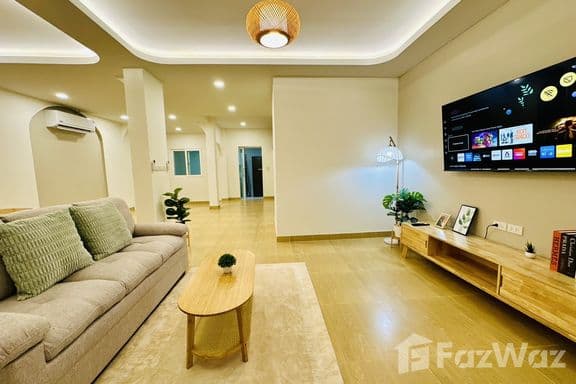
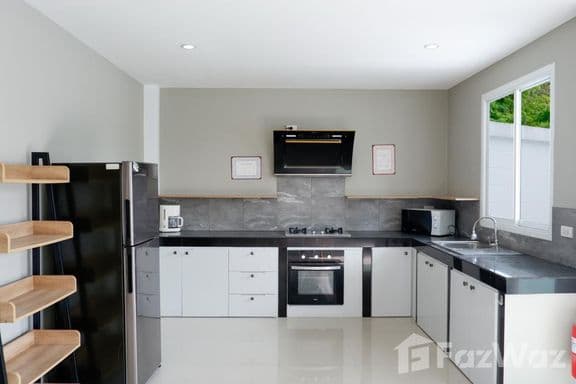
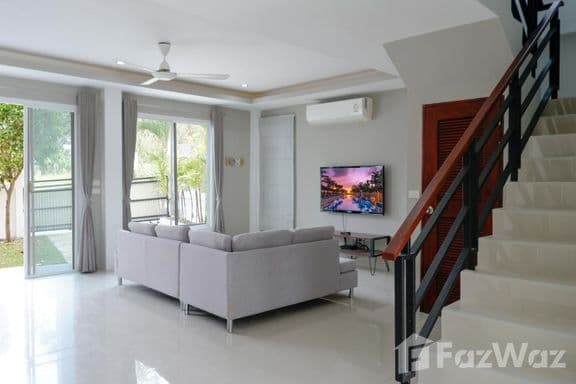
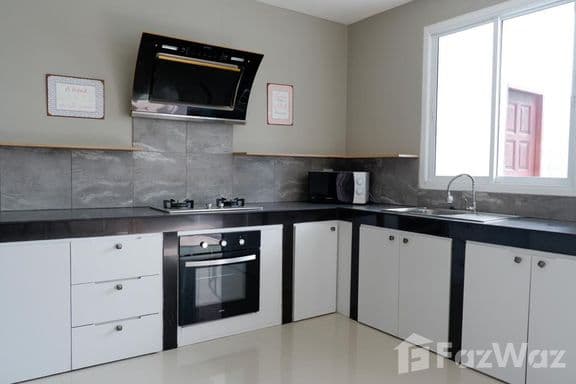
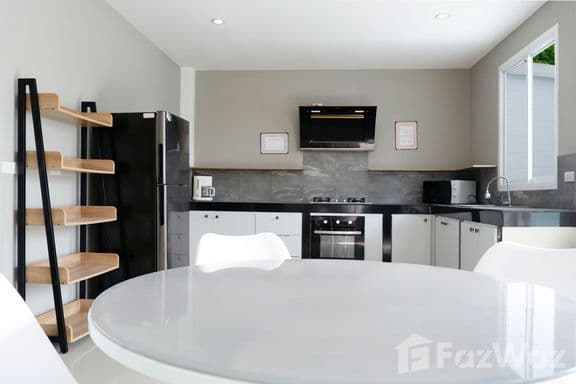
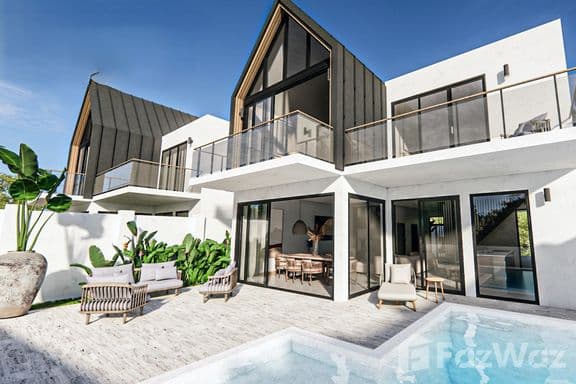
- Modern & Functional Layouts: New townhouses are designed with modern living in mind. This means open-plan living areas, well-equipped kitchens with built-in appliances, ample storage solutions, and dedicated spaces that can serve as home offices, catering directly to digital nomads and remote workers. Multi-level designs maximize privacy within the home.
- Smart Home Integration: Technology integration is becoming standard, with smart home features such as automated lighting, advanced security systems (smart locks, CCTV), climate control (smart AC), and energy management systems enhancing convenience, security, and appeal for modern buyers and renters.
- Emphasis on Privacy and Personal Outdoor Space: While offering a more compact footprint than a villa, new townhouse developments are maximizing private outdoor areas. This can include private plunge pools, larger balconies, rooftop terraces, or small gardens, providing that crucial connection to the tropical environment that many expats seek.
- Premium Finishes and Furnishing Packages: Townhouses are increasingly being delivered with higher-quality finishes, built-in wardrobes, and designer bathrooms. Developers often offer comprehensive furniture packages, making units move-in ready for investors or those relocating, reducing the hassle of sourcing furniture on the island.
- Mixed-Use Integration: Some larger developments are incorporating townhouses into mixed-use projects that might also include boutique shops, small cafes, or convenience stores within the estate, creating a self-sufficient and highly convenient living environment.
Projects in Plai Laem, Choeng Mon, and the newer areas of Bophut are leading the charge in the premium townhouse segment, pushing design boundaries and luxury offerings, while areas like Lamai and Maenam continue to attract mid-range buyers with well-designed, value-for-money options that focus on family living and community.
7. Leasehold Ownership for Foreigners: A Secure Pathway to Owning a Townhouse
Understanding ownership structures is paramount for foreign buyers in Thailand, particularly for townhouses where direct freehold land ownership is generally not permitted for non-Thai nationals. For townhouses, the most common and secure method of ownership for foreigners is through a long-term leasehold title.
Key Aspects of Leasehold Ownership for Townhouses:
- Duration: The standard lease term for land and property in Thailand is 30 years. For foreign buyers, developers commonly offer a structure of 30+30+30 years, amounting to a total of 90 years of tenure. This is achieved by including clauses in the initial lease agreement that grant the lessee (buyer) the option to renew the lease for two subsequent 30-year periods. While these renewals are not automatically guaranteed by law without express clauses, a properly drafted and legally sound contract registered at the Land Department provides strong protection for these renewal rights.
- Security: To ensure maximum security, the lease agreement should be registered with the Land Department (Department of Lands). This registration makes the lease a public record and binds future owners of the land to the terms of the lease, offering significant protection to the foreign leaseholder. Independent legal counsel is crucial to verify proper registration.
- Rights of the Leaseholder: As a leaseholder, you have exclusive rights to occupy, use, and benefit from the property for the duration of the lease. This includes the right to rent it out, make improvements (within the terms of the lease), and even transfer or sell the leasehold interest to another party. While you don't own the underlying land in freehold, your rights to the physical structure and its use are robust.
- Inheritability: A properly registered leasehold interest can be inherited by your heirs, just like other assets, allowing for intergenerational transfer of the property.
- Funds Transfer: Similar to condominium purchases, funds for a townhouse leasehold purchase should ideally be remitted from overseas in foreign currency and exchanged into Thai Baht in Thailand. While not strictly required for leasehold as it is for freehold condo title, obtaining a Foreign Exchange Transaction (FET) form from the bank (for amounts over US$50,000 or equivalent) is still a good practice to demonstrate the legitimate origin of funds, which can be useful for future resale or if questions arise.
- Developer Reputation: When buying a townhouse within a development (especially off-plan), the reputation and financial stability of the developer are paramount. A well-established developer is more likely to honor renewal options and maintain the common infrastructure of the estate.
Alternative Structures (Less Common for Townhouses): While primarily leasehold, some specific scenarios might involve:
- Thai Company Ownership: Some foreigners may establish a Thai company (with a Thai majority shareholder) to own the freehold land on which a townhouse sits. This is a complex legal structure that requires ongoing compliance and is typically advised only for larger, more significant investments, or for those with established businesses in Thailand. It comes with administrative burdens and should only be pursued with extensive legal and accounting advice.
- Usufruct/Superficies: These are less common and typically provide weaker rights compared to a registered leasehold for the long-term acquisition of a townhouse.
Seeking independent legal advice is non-negotiable when contemplating a townhouse purchase in Koh Samui. A knowledgeable Thai property lawyer will ensure the lease agreement is comprehensive, legally sound, and properly registered, safeguarding your investment.
8. Due Diligence for Townhouse Buyers: Essential Steps for a Secure Investment
Thorough due diligence is indispensable before committing to any property purchase in Koh Samui, particularly for townhouses where land tenure and community rules are key.
- Verify Land Title and Development Licensing: Crucially, ensure the land on which the townhouse is built has a clear, unencumbered Chanote (freehold land title). Your lawyer must verify this with the Land Department. For townhouses within a development, confirm the developer has all necessary permits and licenses for construction and for offering the long-term leasehold agreements.
- Scrutinize Lease Agreement Terms: This is the most critical step for foreign buyers. Your independent lawyer must meticulously review the lease agreement. Pay close attention to:
- Duration and Renewal Clauses: Are the 30+30+30 year renewal options clearly defined and legally binding? What are the conditions for renewal?
- Transferability: Can you freely sell or transfer your leasehold interest?
- Usage Restrictions: Are there any limitations on how you can use the property (e.g., specific rental restrictions, alterations)?
- Termination Clauses: Under what circumstances can the lease be terminated by either party?
- Check Maintenance Fees and Sinking Funds: Understand the ongoing financial obligations for common areas (roads, security, communal facilities if in a gated community). Inquire about monthly maintenance fees and the status of the sinking fund (a reserve for major repairs within the estate). These costs directly impact your net rental yield and long-term financial commitment.
- Request Rental History and Average Occupancy (if resale): For a resale townhouse, request verifiable rental history, average occupancy rates, and details of the current management from the owner or property manager. This provides a realistic understanding of potential income.
- Assess Resale Liquidity: Consider how easily the unit can be sold in the future. Factors like location, unit type, amenities within the estate, and overall market demand influence resale liquidity. Well-located, high-quality townhouses in desirable communities generally have better exit strategies.
- Conduct Property Inspection and Structural Survey: Beyond a visual visit, consider hiring a professional to conduct a structural survey, especially for older townhouses, to identify any underlying issues (e.g., plumbing, electrical, roofing, foundation issues) that could lead to costly repairs.
- Investigate Community Rules and Regulations: For townhouses in gated communities, obtain a copy of the community's rules and regulations (the "juristic person" rules). These cover everything from pet policies, noise regulations, parking, and building alteration guidelines, directly impacting your lifestyle.
- Verify Utility Connections and Costs: Confirm stable access to electricity, water, and internet. Understand how utility bills are calculated and paid for townhouses, as they can sometimes differ from condos.
If Buying Off-Plan:
- Research the Developer’s Track Record: Investigate the developer's past projects, financial stability, and reputation for delivering on time and to promised quality. Look for testimonials and completed projects.
- Scrutinize Payment Schedules and Contract Clauses: Carefully review the payment schedule, ensuring it aligns with construction milestones. Pay close attention to all contract clauses, including penalty clauses for delays, force majeure, and dispute resolution mechanisms. Engage a reputable independent lawyer to review all contracts and legal documents before signing or making any payments.
9. Risks and Challenges of Townhouse Investment in Koh Samui
While promising, Samui’s townhouse market, like any investment, carries inherent risks that foreign buyers should be aware of and proactively mitigate:
- Leasehold Renewal Uncertainty (if not properly structured): While 30+30+30 year leases are common and legally robust when properly executed, any ambiguity in the renewal clauses, or failure to register the lease correctly, could introduce uncertainty regarding future tenure. Mitigation: Crucially, work with an experienced independent Thai property lawyer to ensure the lease agreement is impeccably drafted, legally binding, and correctly registered at the Land Department.
- Location-Dependent Demand: Townhouses are often located further from prime beachfront areas than apartments. While this offers more space, it means demand can be heavily influenced by proximity to specific amenities like international schools, supermarkets, or expat social hubs. Mitigation: Thoroughly research target areas and align your choice with your intended use (e.g., family living, long-term rental to expats) to ensure sustained demand.
- Higher Maintenance Responsibilities: Unlike condos where building management handles most structural and common area issues, townhouse owners (or their tenants) are typically responsible for external maintenance, garden upkeep, and sometimes private pool maintenance. This can lead to more hands-on management or additional service costs. Mitigation: Factor in potential maintenance costs and consider hiring reliable local contractors for gardening, pool cleaning, and general upkeep. If renting out, clarify tenant maintenance responsibilities in the lease.
- Resale Market Liquidity: While desirable, the market for reselling a townhouse on a leasehold can sometimes be less liquid than for freehold condominiums, particularly if the initial lease period is nearing expiration or if the community is not well-maintained. Mitigation: Focus on prime locations, well-built properties within reputable gated communities, and maintain the property well to ensure it remains attractive to future buyers.
- Competition from Villas: For larger budgets, townhouses can face competition from smaller, standalone villas, which offer even greater privacy and freehold land ownership options for Thais (or via complex corporate structures for foreigners). Mitigation: Understand your target market and emphasize the townhouse's advantages, such as being more manageable than a large villa, often within a secure community, and offering better value than a full villa.
- Legal and Regulatory Changes: Property laws in Thailand can evolve. Staying informed about potential changes to foreign ownership regulations, taxation (e.g., land and building tax), or short-term rental regulations is important. Mitigation: Maintain a relationship with your legal counsel or a reputable property management firm that can advise on any legal updates.
Mitigation Tips Summarized:
- Legal Counsel is Non-Negotiable: Always retain independent legal counsel experienced in Thai property law to review all contracts and conduct thorough due diligence, especially for leasehold structures.
- Choose Reputable Developers/Communities: Partner with developers known for their transparency, financial stability, and commitment to quality and post-sales service, particularly for gated townhouse communities.
- Work with Experienced Property Managers: Engage professional property managers experienced in handling overseas client portfolios for townhouses. They can optimize rental income, manage maintenance, and navigate local regulations effectively.
- Budget for Ongoing Costs: Clearly account for maintenance fees, garden/pool upkeep, and potential repair costs when calculating your overall investment.
- Site Visit and Due Diligence: Always conduct an in-person visit if possible, and a professional property inspection.
10. Forecast: 2025-2027 Outlook for Koh Samui Townhouses
Analysts project a positive trajectory for Koh Samui's townhouse market in the coming years, driven by evolving buyer preferences and continued island development.
- Steady Price Appreciation (4% to 8% Annually): Expect townhouse prices in Samui to appreciate by an estimated 4% to 8% annually over the 2025-2027 period. This growth will be driven by continued demand from families and long-stay residents, coupled with the inherent limited supply of quality ground-level properties.
- Rising Demand from Families and Long-Stay Expats: The island's growing appeal as a family-friendly destination, with an increasing number of international schools and robust expat community, will significantly fuel demand for townhouses. Digital nomads seeking more space will also contribute.
- Positive Impact of Infrastructure & "Samui Smart Island" Initiatives: Ongoing and planned infrastructure improvements, including airport and ferry terminal enhancements, will bolster investor confidence. The broader "Samui Smart Island" project (aimed at improving digital connectivity, waste management, and overall liveability) will enhance the island's long-term attractiveness for residents, directly boosting townhouse demand. Discussions around a potential future cruise terminal could also further boost tourism and associated residential needs.
- Solid Long-Term Rental Demand: The long-term rental market for townhouses is expected to remain robust due to consistent expat arrivals, families, and long-stay visitors. While short-term holiday rentals are possible, the strongest returns for townhouses will likely come from securing stable, longer-term tenants.
- Outperformance of Modern & Gated Community Townhouses: Well-designed townhouses within secure, amenity-rich gated communities are projected to outperform the broader market in terms of both price appreciation and rental yield growth. These properties offer the sought-after blend of privacy, community, and professional management.
- Increased Focus on Sustainable and Smart Features: Newer developments incorporating eco-friendly design and smart home technology will command a premium and attract environmentally conscious buyers and tenants, further driving market sophistication.
Conclusion: A Strategic and Rewarding Investment in Koh Samui Townhouses
Koh Samui's townhouse market in 2025 offers overseas investors a truly unique and compelling combination of advantages: the rare security of long-term leasehold ownership in a desirable tropical location, consistently high demand driven by a diverse tenant base (particularly long-stay expats and families), and substantial long-term capital growth potential. With current prices still offering attractive value compared to full villas or similar properties in more mature regional rivals like Phuket or Bali, and a rapidly maturing real estate ecosystem providing increased stability and professionalism, now is undeniably a highly opportune time to enter this dynamic segment.
From the vibrant, family-friendly communities surrounding Bophut and Chaweng's outskirts to the serene, tranquil settings of Maenam and Lamai, the island provides a spectrum of diverse entry points tailored to different investor goals and lifestyle preferences. Whether your primary motivation for purchasing is to enjoy a spacious and private island lifestyle, to generate consistent rental income from a desirable property type, or to capitalize on future capital appreciation within a growing market, Koh Samui’s townhouse sector delivers exceptional flexibility, significant value, and an undeniable lifestyle appeal that continues to draw discerning individuals and families from across the globe. By strategically focusing your search, engaging with reputable developers and experienced local agents, and ensuring thorough legal due diligence, a townhouse in Koh Samui can be a truly prosperous and fulfilling investment.






















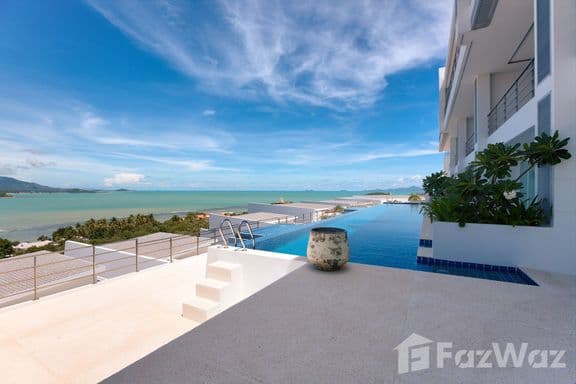
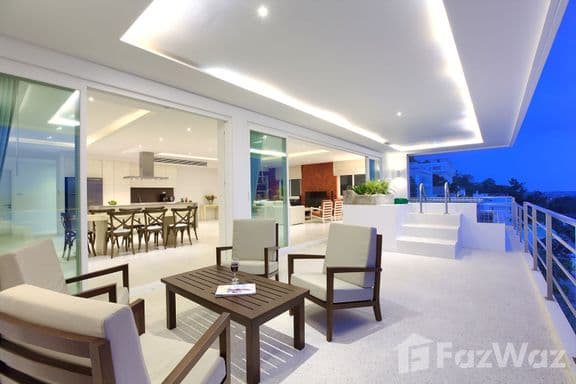














 Popular condos in Ko Samui

