Apartments for Sale in Koh Samui – 2025 Investor Guide: An In-Depth Look
Executive Summary
Koh Samui has undergone a remarkable transformation, evolving from a serene backpacker haven into one of Southeast Asia's most coveted island property markets. The island's inherent charm, combined with strategic development and a burgeoning international appeal, has created a dynamic real estate landscape. In 2025, the demand for apartments for sale in Koh Samui is experiencing unprecedented robustness, driven by a steady influx of diverse foreign buyer profiles – from independent digital nomads and discerning retirees to savvy overseas investors seeking high-yield tropical assets. This comprehensive guide offers a granular 2025 outlook, meticulously dissecting foreign buyer trends, providing up-to-date apartment pricing averages across various locales, offering insightful regional comparisons within Thailand, projecting realistic rental yields, and outlining potent investment strategies. Whether your objective is to acquire a personal lifestyle property for island living or to secure a passive income-generating unit with robust returns, Koh Samui’s apartment market undeniably presents a compelling and increasingly attractive case for investment.
-
Why Invest in Apartments in Koh Samui?
Investing in Koh Samui's apartment market in 2025 is supported by a confluence of favorable factors, making it a standout choice for international buyers.
1.1 Market Fundamentals
The foundational strength of Koh Samui’s property market is built upon several critical pillars:
- Sustained Tourism Rebound Post-COVID: The island is experiencing a robust and sustained recovery in its tourism sector. Projections for 2025 indicate over 2.5 million visitors, a significant increase that directly fuels demand for accommodation, both short-term and long-term. This continuous flow of tourists underpins the rental market's vitality.
- Strong and Diversified Rental Demand: The rental market in Koh Samui is driven by a diverse tenant base. Beyond traditional seasonal tourists, there's a growing demographic of long-stay visitors, digital nomads, and expats who require reliable and well-equipped apartments. This broad demand mitigates the impact of purely seasonal fluctuations.
- Limited Land Availability and Controlled Development: Unlike some other rapidly developing destinations, Samui's unique geography and stringent zoning laws naturally restrict large-scale, unchecked overdevelopment. This inherent limitation on new supply helps to preserve property values and ensures a more sustainable growth trajectory, protecting long-term investment.
- Ongoing Infrastructure Improvements: The island continues to benefit from strategic infrastructure upgrades. Enhancements to Samui International Airport, including potential future expansions to accommodate increased air traffic, along with improvements to ferry terminals, are significantly boosting connectivity and accessibility, thereby increasing the island's appeal to both residents and tourists. Additionally, discussions around a potential bridge connecting the mainland to Samui, while a longer-term project, signal a commitment to improving access.
- Freehold Ownership for Foreigners via Condominium Title: For overseas buyers, apartments (condominiums) represent one of the most secure and straightforward freehold ownership options available in Thailand. This is a crucial advantage, as direct land ownership for foreigners remains highly restricted under Thai law. The Condominium Act allows foreigners to own up to 49% of the total sellable area of a condominium project, providing a clear and legally protected pathway to outright ownership of a unit. This is often seen as the safest investment option for foreigners in the Thai real estate market.
-
Apartment Price Trends in Koh Samui (2025)
As of Q2 2025, the median asking price for an apartment in Koh Samui stands at approximately ฿4.9 million, with a median price per square meter around ฿105,000. However, it's vital to understand that pricing exhibits significant variation based on several key determinants:
- Proximity to the Beach: Beachfront or very close-to-beach properties naturally command higher prices due to their prime location and desirability.
- View (Sea View Units): Units offering panoramic sea views consistently command a substantial premium, typically ranging from 30% to 40% above comparable units without such views. This is a major value driver in an island market.
- Development Age and Amenities: Newer developments with modern designs, state-of-the-art facilities (e.g., communal pools, fitness centers, co-working spaces, cafes), and high-quality finishes tend to fetch higher prices than older, less amenitized properties.
- Rental Management and Branding: Apartments within branded residences or those offering professional, integrated rental management programs often have higher initial purchase prices but come with the promise of streamlined operations and potentially higher, more consistent rental yields.
Price Comparison by Area (Q2 2025 Averages)
|
Area
|
Avg. Price (THB)
|
Price per sqm (THB)
|
Comments
|
|
Chaweng
|
฿5.0M – ฿8.5M
|
฿110k – ฿130k
|
The island's central hub, renowned for vibrant nightlife, extensive shopping, and high tourist footfall.
|
|
Bophut/Fisherman’s
|
฿4.0M – ฿7.0M
|
฿95k – ฿115k
|
Increasingly trendy and upscale, offering a charming boutique vibe, popular among expats and families.
|
|
Lamai
|
฿3.5M – ฿6.5M
|
฿85k – ฿105k
|
Characterized by a mixed community, providing a good base for long-stay residents and a balanced lifestyle.
|
|
Plai Laem
|
฿5.5M – ฿9.0M
|
฿120k – ฿140k
|
Dominates the high-end segment, primarily featuring luxury sea view units with excellent connectivity.
|
|
Maenam
|
฿3.0M – ฿5.5M
|
฿80k – ฿100k
|
Known for its tranquil atmosphere and growing popularity among those seeking a quieter, more local experience.
|
|
Choeng Mon
|
฿6.0M – ฿9.5M
|
฿125k – ฿150k
|
A highly desirable, upscale area offering a balance of seclusion and luxury resorts, often with premium sea views.
|
|
Bangrak
|
฿4.5M – ฿7.5M
|
฿100k – ฿125k
|
Dynamic and convenient, close to the airport and popular for short-term rentals due to its vibrant atmosphere.
|
Export to Sheets
-
Who’s Buying?
Foreign buyers overwhelmingly constitute the dominant force in Koh Samui’s apartment market. Their motivations and preferences are diverse, leading to distinct buyer profiles:
3.1 Digital Nomads
This growing demographic actively seeks compact, efficiently designed, and highly connected apartments. Their priorities include reliable high-speed WiFi, proximity to co-working spaces, and easy access to cafes and social amenities. They tend to favor lively and well-developed areas like Chaweng, Bophut, and Lamai, which offer a blend of work-friendly environments and leisure opportunities.
3.2 Retirees
Retirees often gravitate towards properties that offer tranquility, comfort, and accessibility to essential services. They typically prefer sea-view or hillside units in quieter, more residential neighborhoods. Key considerations include proximity to healthcare facilities, such as international hospitals, making areas like Maenam or Choeng Mon particularly attractive due to their serene environments and established communities.
3.3 Lifestyle Investors
This segment combines personal use with investment goals. They actively look for branded apartments, often within resort developments, that offer a high standard of living and managed rental returns. These buyers frequently purchase units off-plan, leveraging early-bird pricing and benefiting from the developer's professional rental management services, which allows them to enjoy the property for holidays while generating income.
3.4 Pure Yield Investors
For these investors, the primary objective is maximizing return on investment (ROI) and consistent passive income. They strategically target apartments within established rental programs, prioritizing high occupancy rates and robust rental yields over personal usage. Their decision-making is heavily influenced by financial performance data and the efficiency of property management services.
-
Rental Yield Potential
Koh Samui's apartments present a compelling opportunity for investors due to their excellent gross rental yields, typically ranging from 5% to 8% annually, though top-performing properties can achieve even higher returns. The actual yield is significantly influenced by location, property quality, and seasonality. Well-managed properties in high-demand areas like Chaweng, Lamai, or Bophut consistently achieve impressive occupancy rates of 60% to 80% across the year, thanks to the island's year-round appeal.
Rental Benchmarks (2025 Averages)
|
Apartment Type
|
Monthly Rent (THB)
|
Avg. Occupancy
|
Est. Gross Yield
|
|
Studio (40 sqm)
|
฿20,000–฿30,000
|
75%
|
~6–8%
|
|
1-Bedroom (60 sqm)
|
฿30,000–฿45,000
|
70%
|
~6–7%
|
|
2-Bedroom (90 sqm)
|
฿45,000–฿65,000
|
65%
|
~5–6%
|
|
3-Bedroom (120+ sqm)
|
฿60,000–฿90,000+
|
60%
|
~4–5.5%
|
Owners who leverage popular online travel agencies like Airbnb and Booking.com, or partner with professional local property management services, frequently benefit from attractive daily rates, particularly during peak months (December to March) and shoulder seasons. The rise of long-term rentals driven by digital nomads also offers more stable, albeit sometimes lower, monthly income.
-
Key Investment Hotspots
Understanding the nuances of each area is crucial for optimizing investment decisions:
5.1 Chaweng
- Pros: Remains the island's vibrant central hub, offering unparalleled proximity to Samui International Airport, bustling nightlife, diverse dining options, and extensive shopping facilities.
- Best for: Investors focused on short-term rentals, catering to tourists seeking entertainment and convenience. Ideal for those who prioritize high foot traffic and a lively atmosphere.
5.2 Bophut & Fisherman’s Village
- Pros: Known for its unique boutique charm, upscale vibe, and excellent walkability. Fisherman's Village is a popular tourist destination with a weekly night market and a wide array of quality restaurants and shops.
- Best for: Mid-term rentals and families. Increasingly appealing to digital nomads who appreciate a more refined yet still accessible environment.
5.3 Lamai
- Pros: Offers a balanced lifestyle with a slightly less tourist-heavy feel than Chaweng, while still providing ample amenities. It attracts a significant number of long-stay tenants.
- Best for: Retirees and hybrid investors looking to combine personal use with consistent rental income. Provides a more laid-back atmosphere with good value.
5.4 Maenam & Ban Tai
- Pros: Characterized by a peaceful setting, long sandy beaches, and steadily growing infrastructure. It retains a more authentic Thai feel.
- Best for: Retirement-focused buyers and those seeking low-density investments with a focus on tranquility and long-term appreciation in a less commercialized area.
5.5 Plai Laem & Choeng Mon
- Pros: These areas are increasingly recognized for their high-end residential developments, many boasting stunning sea views. Close to the airport and popular attractions like the Big Buddha.
- Best for: Luxury segment investors, seeking premium rental rates and strong capital appreciation from upscale clientele. Properties here are often integrated into exclusive resort-style communities.
-
Development Trends (2025)
The apartment market in Koh Samui is undergoing a notable shift towards more sophisticated and sustainable development practices:
- Eco-conscious Builds: A growing emphasis on sustainable practices is evident, with new projects integrating features such as solar power, rainwater harvesting systems, and designs aimed at minimizing environmental impact.
- Resort-Style Amenities: Modern apartment complexes are increasingly offering an extensive range of high-end amenities, including elaborate rooftop pools, state-of-the-art fitness centers, saunas, dedicated concierge services, and even private chefs or spa facilities.
- Serviced Apartments Integrated into Branded Hotels: The trend of integrating serviced apartments directly into established hotel brands is gaining traction. This offers buyers the benefits of hotel-level services and amenities, alongside professional rental management, often under a globally recognized brand name.
- Smart Units: Technology integration is becoming standard, with smart home features such as automated lighting, advanced security systems, climate control, and energy management systems enhancing convenience and appeal for modern buyers and renters.
Projects in Plai Laem and Bophut are leading the charge in the premium segment, pushing design boundaries and luxury offerings, while areas like Lamai and Maenam continue to attract mid-range buyers with well-designed, value-for-money options.
-
Freehold vs. Leasehold: Ownership Structures
Understanding ownership structures is paramount for foreign buyers in Thailand.
- Condominium Freehold Title: The vast majority of apartments sold to foreigners in Koh Samui are through a condominium title, which allows for 100% freehold ownership of the specific unit. This is the most secure form of ownership for foreigners in Thailand. However, this is subject to the foreign quota rule, which stipulates that foreign ownership cannot exceed 49% of the total floor area of all units in any given condominium building.
- Key Considerations for Freehold:
- It is crucial to ensure the project has a valid and registered condominium license from the Thai government.
- Always prefer units that fall within the foreign quota for the most secure freehold title. Due diligence should confirm available foreign quota before purchase.
- Funds for the purchase must be remitted from overseas in foreign currency and exchanged into Thai Baht in Thailand. A Foreign Exchange Transaction (FET) form from the bank is required for amounts over US$50,000 (or equivalent) to prove the origin of funds for registration.
- Leasehold Titles: While less common for apartments, developers may offer leasehold titles (typically for 30 years, often with options for renewal, commonly referred to as 30+30+30 years for a total of 90 years) in special cases, particularly for larger projects that might not fully qualify for a condominium license or for certain types of villas where direct foreign freehold land ownership is not possible.
- Key Considerations for Leasehold: While widely used, renewals are not automatically guaranteed and typically require mutual agreement with the landowner. The lease agreement must be properly drafted and registered with the Land Department to offer maximum protection. Seek independent legal advice when considering a leasehold property.
-
Due Diligence for Apartment Buyers
Thorough due diligence is indispensable before committing to any property purchase in Koh Samui:
- Verify Land Title and Project Licensing: Crucially, ensure the land on which the condominium is built has a clear and unencumbered title. For apartments, verify that the project possesses the necessary condominium license from the Department of Lands. This confirms its legal status as a condominium and allows for foreign freehold ownership.
- Check Maintenance Fees and Sinking Funds: Understand the ongoing financial obligations. Inquire about monthly maintenance fees (common area fees) and the status of the sinking fund (a reserve fund for major repairs and capital expenditures). These costs directly impact your net rental yield and long-term financial commitment.
- Request Rental History and Average Occupancy (if resale): For a resale apartment, request verifiable rental history and average occupancy rates from the current owner or property manager. This provides a realistic understanding of potential income.
- Assess Resale Liquidity: Consider how easily the unit can be sold in the future. Factors like location, unit type, amenities, and overall market demand influence resale liquidity. Well-located, high-quality units generally have better exit strategies.
- Visit in Person or Request Full Video Walkthrough: Whenever possible, conduct an in-person visit. If not feasible, request a comprehensive video walkthrough of the unit and the common areas to get a complete picture of the property's condition and surroundings.
- If Buying Off-Plan:
- Research the Developer’s Track Record: Investigate the developer's past projects, financial stability, and reputation for delivering on time and to promised quality.
- Scrutinize Payment Schedules and Contract Clauses: Carefully review the payment schedule, ensuring it aligns with construction milestones. Pay close attention to all contract clauses, including penalty clauses for delays, force majeure, and dispute resolution mechanisms. Engage a reputable independent lawyer to review all contracts.
-
Risks and Challenges
While promising, Samui’s apartment market, like any investment, carries inherent risks:
- Seasonal Rental Fluctuations: While overall demand is strong, rental income can still fluctuate seasonally. Peak season (December-March) commands higher rates and occupancy, while the low season may see softer demand.
- Foreign Quota Restrictions: The 49% foreign ownership quota can limit options, especially for popular or nearly sold-out projects. Buyers might find fewer foreign-quota units available in prime locations.
- Hidden Maintenance Costs in Older Buildings: Older condominium buildings might require more significant repairs or renovations, leading to unexpected maintenance costs that deplete the sinking fund or necessitate special assessments.
- Overbuilding in Pockets: While generally controlled, specific small areas, particularly within the most popular tourist zones like parts of Chaweng, could experience temporary oversupply if new developments are concentrated.
- Legal and Regulatory Changes: Property laws in Thailand can evolve. Staying informed about potential changes to foreign ownership, taxation, or short-term rental regulations is important.
- Competition from Alternative Accommodations: The rise of private villas and other alternative accommodations, such as guesthouses, adds competition to the rental market.
Mitigation Tips:
- Diversify Investment: Consider investing in units in different areas to spread risk and potentially capture different rental market segments.
- Choose Reputable Developers: Partner with developers known for their transparency, financial stability, and commitment to quality and post-sales service.
- Work with Experienced Property Managers: Engage professional property managers experienced in handling overseas client portfolios. They can optimize rental income, manage maintenance, and navigate local regulations effectively.
- Legal Counsel: Always retain independent legal counsel experienced in Thai property law to review all contracts and conduct thorough due diligence.
-
Forecast: 2025–2027 Outlook
Analysts project a positive trajectory for Koh Samui's apartment market in the coming years:
- Apartment Price Appreciation: Expect apartment prices in Samui to appreciate by an estimated 3% to 6% annually over the 2025-2027 period. This growth will be driven by continued demand and controlled supply.
- Rising Demand from European Buyers and Digital Nomads: The island's appeal to European buyers, seeking an affordable tropical lifestyle and investment opportunity, and the sustained growth of the global digital nomad community will continue to fuel demand.
- Positive Impact of Infrastructure: Ongoing and planned infrastructure improvements, including the development of new ferry terminals and the broader "Samui Smart Island" project initiatives (aimed at improving connectivity and services), will bolster investor confidence and enhance the island's long-term attractiveness. Discussions around a potential future cruise terminal could also further boost tourism.
- Solid but Competitive Short-Term Rental Demand: The short-term rental market is expected to remain robust due to consistent tourist arrivals, but competition will necessitate professional management and strategic marketing to ensure high occupancy.
- Outperformance of Premium Properties: Well-located apartments with clear freehold titles, exceptional ocean views, or those integrated within reputable branded residences are projected to outperform the broader market in terms of both price appreciation and rental yield growth. The luxury segment is particularly strong.
Conclusion
Koh Samui's apartment market in 2025 offers overseas investors a truly unique and compelling combination of advantages: the rare security of freehold ownership in a desirable tropical location, consistently high rental demand driven by a diverse tenant base, and substantial long-term capital growth potential. With current prices still offering attractive value compared to more mature regional rivals like Phuket or Bali, and a rapidly maturing real estate ecosystem providing increased stability and professionalism, now is undeniably a highly opportune time to enter the market.
From the vibrant, bustling scene of Chaweng to the serene, tranquil sands of Maenam, the island provides a spectrum of diverse entry points tailored to different investor goals and preferences. Whether your primary motivation for purchasing is to enjoy a luxurious island lifestyle, to generate consistent rental income, or to capitalize on future capital appreciation, Koh Samui’s apartment sector delivers exceptional flexibility, significant value, and an undeniable lifestyle appeal that continues to draw discerning individuals from across the globe


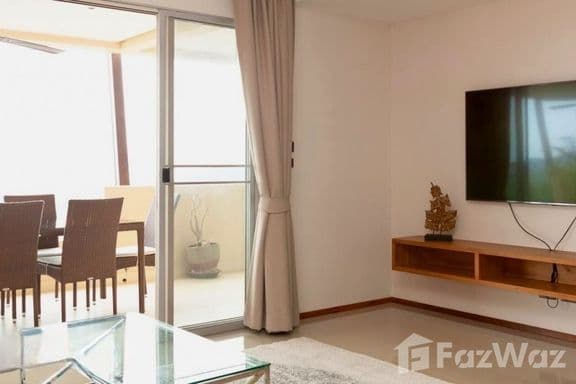
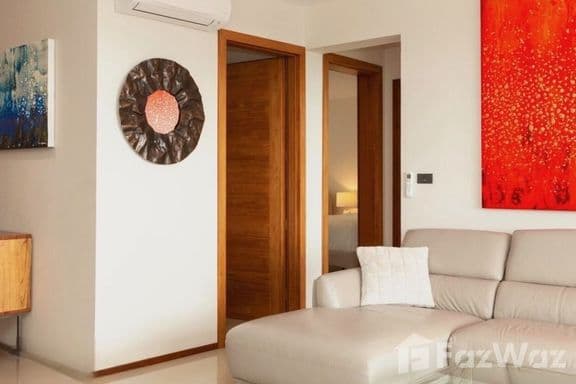





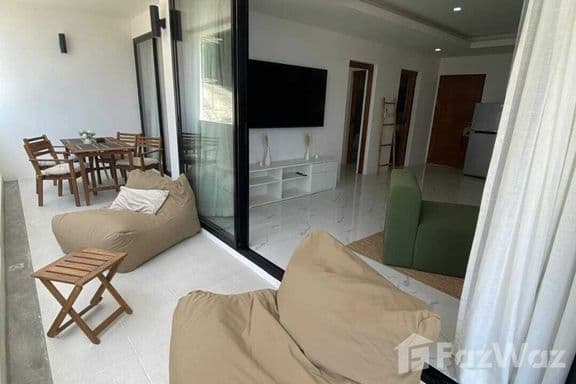


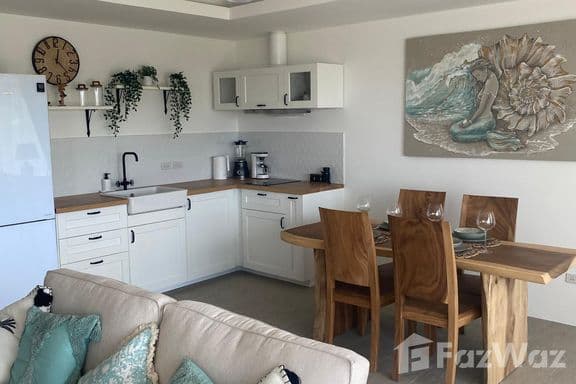


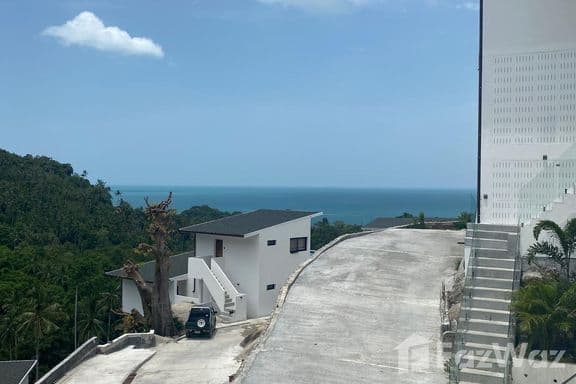




 Popular condos in Ko Samui

