Comprehensive Guide to Buying Land in Bangkok for Foreign Investors and Developers
Introduction to Bangkok’s Land Market and Its Importance for Foreign Capital
Bangkok’s land market is a cornerstone of Thailand’s real estate sector and a magnet for international capital. As the nation’s economic hub and a gateway to Southeast Asia, Bangkok offers investors attractive opportunities in commercial, residential, and mixed-use development. Foreign investors and developers have long recognized that owning or controlling land in Bangkok unlocks access to a large urban consumer base and a growing economy. Despite Thailand’s restrictions on direct foreign land ownership, overseas capital has found ways to participate in Bangkok’s property boom – from joint ventures to long-term leases – underscoring the market’s importance for foreign investment.
In recent years, the Thai government has also shown an openness to facilitating foreign investment in real estate under certain conditions. For example, the Board of Investment (BOI) has introduced promotional schemes that allow foreign investors to acquire freehold land for BOI-approved projects, which has significantly boosted investment in sectors like hotels, data centers, and industrial estates. This supportive policy environment, coupled with Bangkok’s robust urban growth, has led to major transactions involving foreign players. In 2024, several high-profile land deals in Bangkok had foreign participation, including a prime greenfield site in the Ratchadamri CBD area, a Bang Na plot acquired by a global data center operator, and a Sukhumvit site earmarked for a hotel by an international firm. These examples highlight the growing confidence of foreign investors in Bangkok’s potential and the city’s strategic appeal as a regional investment hub.
Overall, Bangkok’s land market serves as a critical conduit for foreign capital, offering both high-growth prospects and diversification benefits. For foreign developers, Bangkok presents an opportunity to tap into rising middle-class housing demand, booming tourism (fueling hotel development), and the expansion of corporate and industrial infrastructure. As we proceed through this comprehensive guide, we will examine the current state of Bangkok’s land market, legal frameworks for foreign buyers, zoning regulations, prime investment districts, development strategies, financial considerations, and risk mitigation – all tailored to the interests of foreign investors and developers looking to navigate Bangkok’s dynamic land sector.
Current Land Market Overview in Bangkok (2023–2025)
Supply and Demand Dynamics: Bangkok’s land market in 2023–2025 is characterized by tight supply in core areas and shifting demand patterns. In the downtown core, buildable land is increasingly scarce – much of it is already developed or held by long-term owners – which has led developers to scramble for any prime plots that become available. This scarcity has propped up land prices in the central business district (CBD), even during periods of broader market uncertainty. In contrast, suburban districts and the metropolitan fringes have seen more abundant land supply, where former agricultural or underutilized plots are gradually being converted for urban uses (often low-rise housing or industrial projects). Demand for land is thus bifurcated: major developers and investors compete fiercely for limited downtown parcels, while local developers and new entrants explore city-edge locations that are now more viable due to expanding infrastructure.
Average Land Pricing by District: Land prices in Bangkok vary widely by location, with a stark premium for central locations. Official land appraisal values (set by the Treasury Department for 2023–2026) reflect these differences. In the CBD areas like Silom, Ploenchit, Wireless Road, and Rama I, land is appraised at the maximum of ฿1,000,000 per square wah (1 wah² = 4 m²) – the highest benchmark in Thailand. Other prime commercial zones follow closely: land on Ratchadamri Road is appraised around ฿900,000/wah, Sathorn Road about ฿800,000/wah, and the main stretch of Sukhumvit Road around ฿750,000/wah. By comparison, emerging but less central districts have lower land values – for example, land plots in areas of Phaya Thai (a growing mid-city district) are appraised around ฿500,000 per wah. In more peripheral residential zones like Lat Phrao, official land values are on the order of ฿150,000–฿200,000 per wah, and out towards Bang Na (the eastern gateway), they drop further to roughly ฿160,000–฿230,000 per wah on main roads. The table below compares land appraisal values across several key districts:
|
Area / District
|
Official Appraised Land Value<br>(THB per sq. wah)
|
Characteristics
|
|
Central CBD (Silom, Ploenchit)
|
Up to ฿1,000,000
|
Highest-priced core business area; finance, luxury retail, hotels.
|
|
Sukhumvit (Asoke–Thonglor)
|
~฿600,000–฿750,000
|
Prime expat and commercial corridor; high-end condos, offices, nightlife.
|
|
Sathorn (Central/South CBD)
|
~฿800,000
|
Embassy row and financial hub; grade-A offices and upscale condos.
|
|
Phaya Thai / Ari
|
~฿500,000
|
Emerging inner-city residential and office zone; popular with young professionals.
|
|
Rama 9 / Ratchada
|
~฿450,000
|
New CBD area (Fortune Town, Central Rama 9); mixed offices, condos, and retail.
|
|
Lat Phrao (North Bangkok)
|
~฿150,000–฿200,000
|
Northern hub with new rail lines; mid-market housing, retail centers.
|
|
Bang Na (East Bangkok)
|
~฿160,000–฿230,000
|
Eastern gateway near industrial estates and future “Bangkok Mall” project; logistics and mid-range residential.
|
Note: The figures above are official appraisal values for 2023–2025, used for tax and fee calculations. Actual market prices can be significantly higher in prime areas, as private transactions often command premiums above the government appraisals. For instance, it’s not uncommon for premium central plots to transact well above ฿1 million/wah in practice when competitive bidding occurs.
Key Trends Since 2023: After a period of pandemic-induced sluggishness, Bangkok’s land market saw a cautious recovery starting in 2023. Land prices continued to rise overall, but the growth was unevenly distributed. Notably, outlying provinces around Bangkok experienced the fastest land price growth – in 2024, areas in the metro outskirts such as Nakhon Pathom and Samut Sakhon saw land values surge by 44–60% year-on-year, albeit from a low base. This was driven by new highways and transit expansions improving connectivity, as well as the relative affordability of suburban land which attracted developers of low-rise housing. In Bangkok’s city proper, some districts that benefited from infrastructure upgrades (e.g. new mass transit lines) recorded above-average land price increases – for example, locales such as Chatuchak, Huai Khwang, Yannawa, Watthana (Thonglor-Ekamai), Khlong Toei, and Phaya Thai collectively saw land values jump around 16% year-on-year at the end of 2024. These increases reflect anticipation of future development potential (new stations, commercial projects, etc.).
Meanwhile, inner-core neighborhoods with already sky-high land prices showed slower growth or stagnation in pricing. By late 2024, the overall Greater Bangkok land price index was up only 1.8% year-on-year, one of the weakest growth rates on record. This slowdown was attributed to cautious sentiment among major developers – facing a mix of rising interest rates, higher construction costs, and a still-recovering condo market, many developers deferred new acquisitions and instead drew on existing land banks. In practice, this meant fewer aggressive bidding wars for downtown plots, stabilizing prices at their high levels. Indeed, many prime central areas saw little to no price change in 2023–24, having already peaked pre-pandemic.
Another trend has been the shrinking size of available land parcels in central Bangkok. Large contiguous plots in the city center are exceedingly rare; recent transactions often involve smaller land assemblies (e.g. a few rai at a time) which are then developed into high-density projects. For example, developers pivot to assemble multiple small adjacent plots for a single high-rise project, since single large landholdings are scarce. This has led to more mixed-use and vertical projects as a way to maximize value from small but expensive land. Indeed, high land costs have pushed developers toward projects like skyscrapers that stack offices, hotels, and residences on one site. It’s also encouraged creative redevelopment of existing sites – older buildings are being sold or joint-ventured for teardown and replacement with new towers, as land value often exceeds the value of aging structures.
2025 Market Projections: Looking ahead, Bangkok’s land market in 2025 is expected to remain firmly on an upward trajectory, but with moderated growth. Analysts project that land prices will continue to inch up by a few percent annually in most locations, supported by Thailand’s economic recovery and renewed investor confidence. The government’s ongoing infrastructure spree – including expansion of the mass transit rail network (e.g. the Pink and Orange lines coming online) and improvements in road connectivity – will likely unlock new zones for development, putting upward pressure on land prices in those newly accessible districts. For instance, areas around future transit stations in outer Bangkok could see a spike in land demand from condo and retail developers in anticipation of commuter traffic.
However, the pace of price appreciation may remain slower in the urban core due to the already high base and more measured developer land acquisition strategies. Many large Thai developers have signaled caution in 2025, focusing on completing existing projects and managing debt rather than aggressive land buying. This suggests prime CBD land prices might plateau or rise only marginally in the short term, barring any game-changing foreign investment influx or policy changes. On the other hand, niche segments of the market could drive select deals – for example, the hospitality sector is rebounding strongly with record tourism in 2024, which might lead hotel operators (including foreign chains) to seek prime sites for new hotels. Indeed, 2024 saw Bangkok lead Thailand in hotel property investment volume, including notable transactions like the sale of Hyatt Regency Sukhumvit, and this momentum is expected to carry into 2025.
In summary, Bangkok’s land market entering 2025 is characterized by resilience and selective growth. Limited land in prime areas keeps values high, while infrastructure-fed development is boosting suburban land hotspots. For foreign investors, this means that while bargains in the city center are rare, there are emerging opportunities in the city fringes and newly trending districts where entry prices are lower and upside potential (through development or value uplift) is significant. Prudent investors will track infrastructure developments and urban plans closely, as these will continue to dictate where the next land investment frontiers will be.
Legal Framework for Foreigners Buying Land in Thailand
One of the most crucial aspects foreign investors must understand is Thailand’s legal framework regarding land ownership. Thai law is notably restrictive when it comes to foreign nationals or entities owning land. However, there are legal avenues and structures that can be used to invest in or control land in Bangkok. In this section, we break down the key legal considerations and options:
Thai Land Ownership Laws for Foreigners
Under the Thailand Land Code, **foreign individuals and foreign companies are generally prohibited from outright owning land in Thailand. Unlike condominiums (where foreigners can own units up to a 49% building quota), land parcels cannot be titled directly in a foreigner’s name. The underlying rationale is to keep national land ownership in Thai hands. There are only a few narrow exceptions to this rule, such as a very limited program (Section 96 of the Land Code) allowing foreigners to buy a small plot (up to 1 rai, ~1600 m²) if they invest ฿40 million in Thailand and obtain Cabinet approval – a condition so stringent that it’s rarely utilized in practice.
For the vast majority of foreign investors, direct freehold land ownership is not attainable. The Thai government has periodically floated ideas to loosen these restrictions (for example, a 2022 proposal to allow certain wealthy foreign investors to own 1 rai of residential land sparked public protests and was shelved). As of 2025, no broad reform has been implemented, meaning the traditional restrictions still apply. Therefore, foreign investors typically pursue alternative legal structures to gain control over land.
Leasehold Options
Leasehold is the most straightforward and widely used mechanism for foreigners to invest in land legally. Thai law permits long-term leasing of land to foreign individuals or companies. The maximum tenure for a standard lease of private land is 30 years, with an option to renew for an additional 30 years (and occasionally a further 30, making 90 years total) if stipulated in the contract. In practice, a 30-year lease is the longest enforceable term in one registration; any promise of renewal is a contractual agreement but not a guaranteed right – future enforcement of renewals can be uncertain if laws or ownership change.
For foreign investors, leasehold arrangements can provide secure medium-term control of land for development or use. For example, a foreign developer might lease a plot for 30 years to construct an office building or hotel. They would effectively “own” the building as a separate asset (foreigners can own buildings distinct from land), and have the rights to use the land under the lease term. Long leases (commonly 30 years plus an optional renewal) are often utilized for hotel resorts, shopping centers, and even some condominium projects in Bangkok’s prime areas – especially when outright land sale is unavailable. Leasehold condos (where the land is leased) exist in Bangkok’s luxury segment, allowing foreign buyers to secure units in prime locations albeit for a long but finite duration.
Key points about leaseholds: the lease must be registered at the Land Department to be legally binding on third parties, and a one-time lease registration fee of 1% of the total lease contract value applies, plus a small stamp duty of 0.1%. Leaseholds give the lessee the right to sell or transfer the remaining lease term, subject to any conditions in the lease. However, the land itself reverts to the owner at lease expiry if not renewed. Thus, the value of a leasehold investment will diminish as the term runs down, and financing options using leasehold as collateral may be more limited than freehold.
Despite these limitations, well-structured leaseholds are a legally safe way for foreigners to control land. Many foreign investors accept leaseholds as a cost of doing business in Thailand – often structuring their project’s exit strategy to coincide with the lease term (for instance, realizing profits from operations or selling the lease interest after a number of years).
BOI and Company Ownership Structures
Another common path to circumvent the land ownership restriction is using Thai corporate structures, sometimes in conjunction with Thailand’s Board of Investment (BOI) incentives:
- Thai Limited Company: Foreign investors can set up a Thai-registered company to purchase land. However, Thai law requires that Thai nationals or Thai majority entities hold at least 51% of a standard company’s shares, meaning the foreign share is capped at 49%. Many foreigners have historically used local Thai partners or “nominees” to meet this requirement while they retain effective control through preferred shares or loan agreements. It must be stressed that using nominee Thai shareholders with no real capital in a company purely to hold land for a foreigner is illegal and increasingly risky. The Thai authorities are actively cracking down on such arrangements: as of 2025, the Commerce and Interior Ministries launched coordinated investigations identifying tens of thousands of companies suspected of being foreign-controlled nominees holding land. They are strengthening penalties (potentially classifying nominee schemes as serious offenses with asset seizure). Therefore, if using a company structure, it must be a legitimate joint venture or structure where Thai partners have substantive involvement to comply with the law.That said, joint ventures with reputable Thai partners are a viable strategy. Many foreign developers take a minority stake in a Thai firm (often partnering with a Thai developer or landowner) to develop property. The Thai entity holds the land, while profit-sharing and control arrangements are set contractually. This approach leverages the local partner’s majority ownership to satisfy legal requirements, and it’s common in large projects.
- BOI-Approved Companies: The Thailand Board of Investment offers certain promoted businesses (e.g. in manufacturing, technology, hotels, infrastructure) the right to own land for their business operations. If a foreign investor’s project qualifies under BOI criteria, they can apply for BOI promotion and, upon approval, the foreign-majority company can legally own land for the specific BOI-approved project. This is a powerful avenue – for instance, BOI promotion has enabled foreign entities to own land for large industrial estates, factories, or even certain large-scale commercial projects in Bangkok. In Bangkok’s context, a foreign hotel developer might get BOI approval for a tourism development, thereby allowing the entity to hold the land title of the hotel site. It’s important to note that the land must be used for the approved business (it can’t be acquired for purely speculative holding under BOI terms).
- Treaty of Amity (US Investors): U.S. citizens and companies may also leverage the U.S.-Thailand Treaty of Amity, which allows American-majority companies to receive “national treatment” in most sectors. However, this treaty does not override land laws – even an Amity company is still restricted from land ownership. It mainly helps in the Foreign Business Act context for operating businesses, not in landholding.
In summary, forming a Thai company with careful structuring or obtaining BOI promotion are two ways foreigners indirectly acquire land. These approaches require diligent legal planning and compliance. Foreign investors often engage experienced law firms to set up companies or JV agreements that balance control with legal adherence. The BOI route, in particular, is highly recommended for qualifying investors since it offers clarity and government sanction to land ownership within its scope (e.g. many industrial parks are developed this way).
Due Diligence Checklist for Land Acquisition
Regardless of the ownership structure (lease, company, JV, etc.), foreign investors must perform thorough due diligence when acquiring land in Bangkok. Key points include:
- Title Verification: Confirm the land has a clean and transferable title (preferably Chanote title deed which is fully recognised). Check for encumbrances, liens, or disputes on the title at the Land Department.
- Zoning and Land Use: Verify the zoning classification and regulations for the plot. Ensure your intended project (condominium, hotel, factory, etc.) is allowed under the local zoning (สีผังเมือง). Bangkok’s zoning can restrict building height, floor area ratio (FAR), and permitted uses – failing to check this could derail a project. For example, if a plot is in a “green” rural zone, only a small percentage (5%) can be developed into a condo project. Always confirm the site’s color zone and any specific sub-zone codes that impose development limits.
- Environmental and Site Conditions: Perform soil tests and environmental assessments, especially if redevelopment is planned. Some sites may have contamination (old factory sites) or soil stability issues (land near canals or river may have high water tables). Flood risk is also a consideration in parts of Bangkok.
- Legal Structure Compliance: If using a company, ensure all corporate documents, shareholder structures, and funding sources are transparent and lawful. Avoid any dummy nominee arrangements – not only are they illegal, but they could be unwound later, jeopardizing your investment. Engage lawyers to structure shareholder agreements that protect foreign investor rights while staying compliant.
- Approvals and Permits: Check if there are any outstanding building permits or obligations on the land. Conversely, confirm that obtaining new permits (for construction, environmental impact, etc.) is feasible. Historical sites or those near heritage buildings might have special restrictions.
- Land Access and Infrastructure: Verify the land has proper access rights (easements or direct road frontage). Lack of access can severely impact development. Also check availability of utilities (electricity, water, sewer) – sometimes needed utility upgrades can add cost.
- Seller Due Diligence: Investigate the seller’s background and the reason for sale. Ensure the person or entity truly has the authority to sell (matching the name on title). Be wary if the seller is a Thai company with nominee structure; that could complicate your purchase legality if not handled correctly.
- Transaction Costs and Taxes: Factor in all applicable taxes and fees (covered in the next sections) and determine in advance who will bear them. It’s common in Thailand for buyers and sellers to share the 2% transfer fee, but other taxes are usually the seller’s burden. However, everything is negotiable, so clarifying this in the contract avoids disputes.
Conducting due diligence with local experts – including hiring a reputable Thai lawyer and surveyor – is essential for foreign investors, as it helps avoid costly mistakes such as buying land with hidden legal issues or development limitations. In Bangkok, professional services are readily available to assist foreigners in navigating these checks. Skimping on due diligence is a risk no prudent investor should take.
Bangkok Zoning Regulations and Land Classifications
Understanding Bangkok’s zoning regulations is critical when evaluating land for investment or development. The city’s zoning plan (known in Thai as ผังเมืองรวมกรุงเทพมหานคร) uses a color-coded system to designate land use types and density restrictions across different areas. Each color on the zoning map corresponds to specific rules about what can be built, maximum floor area ratios (FAR), building height, and so on. Below is a breakdown of the major zoning color classifications in Bangkok and their implications for investors:
- Yellow Zone (สีเหลือง):Low-Density Residential. These are primarily suburban residential areas on the city outskirts designated for low-rise housing. Typical development in yellow zones includes single-family houses and small apartment buildings. For instance, zones coded Y.1 allow only detached houses, Y.2 may allow townhouses, and Y.3 permits small low-rise apartments/condos under certain size limits Height restrictions are strict (often no more than 2-3 storeys in pure residential zones). These zones do not allow large commercial uses or industry. Example areas: parts of Sai Mai, Bang Khen, Lat Phrao (outer) were historically yellow – reflecting quiet residential neighborhoods.
- Orange Zone (สีส้ม):Medium-Density Residential. These zones are a step up in density. They often appear in mid-city or inner suburban districts where moderate-rise developments are suitable. In orange zones, you can typically build townhomes, mid-rise condominiums, or apartments – usually with a height limit around 8 floors (depending on road width and exact sub-zone code). Small retail or office uses might be allowed on main roads. Essentially, orange zones are residential communities that can handle medium-scale projects and some mixed-use. Example areas: Bang Kapi, parts of Huai Khwang, Nonthaburi outskirts.
- Brown Zone (สีน้ำตาล):High-Density Residential. Brown areas are intended for urban high-density housing like high-rise condominiums and apartment towers. This color is found in central Bangkok and major neighborhood centers. In brown zones (often with “Yor” codes like ย.5 – ย.8 in Thai zoning code), developers can build taller residential buildings, typically in the 20-40 storey range, subject to FAR limits. Some commercial usage is usually permitted on lower floors (e.g. retail in a condo building), but the primary purpose is residential. Many of Bangkok’s condominium clusters (e.g. around Ari, Phahon Yothin roads, or Sukhumvit sois) sit in brown zones. These zones allow investors to maximize residential GFA (gross floor area) on a given land plot, making them attractive for condo development. Do note that even in brown zones, specific sub-zones have rules – e.g. a building might be limited to 10,000 m² total floor area unless on a sufficiently wide road.
- Red Zone (สีแดง):Commercial Zone. Red zones represent commercial and mixed-use districts – essentially the bustling city areas. In red zones, a wide range of uses is allowed: commercial buildings (offices, shopping centers, hotels), high-rise residential, and mixed-use complexes. These zones have the highest density allowances, with FARs that can range roughly from 7:1 up to 10:1 in some central sub-zones. Building heights in red zones can be very tall (some zones have no explicit height cap, only FAR and maybe open space requirements). Bangkok’s key business areas such as Sukhumvit Road, Silom/Sathorn, Siam/Ploenchit are red zones designated as commercial (often labeled พ. in Thai codes). For an investor, red zone land is the most flexible and valuable – you could develop an office tower, a hotel, a mall, or a condo (or a combination of those). The only restrictions might be certain heavy industrial uses or specific nuisance activities, but otherwise these are the prime multi-use urban zones. The city encourages intensive development here to optimize land use in the core.
- Purple Zone (สีม่วง):Industrial Zone. Purple indicates areas reserved for industrial and factory use. These zones are located mostly on the outskirts of Bangkok or in certain sections along waterways and the outer ring roads. In a purple zone, one can establish factories, warehouses, logistics facilities, and other industrial operations. Residential or commercial developments are heavily restricted or disallowed in purple zones (aside from possibly worker housing or small offices ancillary to factories). Key example: the Lat Krabang Industrial Estate area and parts of Min Buri are under purple zoning for industrial use. Investors interested in manufacturing or logistics facilities would target purple zones. Note that even within industrial zones, there are subcategories (e.g. light industry vs heavy industry) that might be distinguished by shade or code, including a specific “warehouse” land designation sometimes called สีเม็ดมะปราง (a variant of purple for warehouse/storage uses). Generally, purple zones offer lower land cost but require compliance with environmental and industrial regulations.
- Blue Zone (สีน้ำเงิน):Institutional and Public Use. Blue zones are allocated for governmental, educational, or large public facilities. This includes land for government offices, universities, military bases, utilities, hospitals, temples, etc. In blue zones, private commercial development is limited – the land is meant for public or civic uses. For example, the area around Government House or large university campuses might be a blue zone. Foreign investors typically wouldn’t be buying blue-zone land, since it’s not intended for private projects (unless one is involved in a PPP to develop a public facility).
- Green Zone (สีเขียว):Rural and Agricultural Zone. Green zones (sometimes shown as plain green or white-green hatched on maps) cover Bangkok’s few remaining rural areas, agricultural land, and open spaces. These zones have the strictest development limitations – the goal is to preserve them for low-density rural uses or parks. Building a large project on green-zoned land is either prohibited or highly limited. For instance, one regulation allows only 5% of a green-zone land parcel to be developed for residential use in certain sub-zones. Essentially, in a green zone you could perhaps build a farmhouse or small structure, but not a condo or factory. Much of the far eastern and western edges of Bangkok, which still contain rice fields or orchards, are green-zoned. Investors should be cautious: buying green-zone land for speculation is high-risk unless there’s a clear sign the zoning will change in the future (rezoning can happen as the city expands, but it’s a long game). Until rezoning, land in these areas cannot be used for intensive development.
The table below summarizes the major Bangkok zoning colors and their implications:
|
Zone Color
|
Primary Land Use
|
Example Areas
|
Key Development Restrictions
|
|
Yellow (Low-Density Residential)
|
Single-family houses, low-rise residences
|
Outer suburbs (e.g. Bueng Kum, Don Mueang fringes)
|
Low height (< 3 stories); no large condos or industries; mostly housing only.
|
|
Orange (Medium-Density Residential)
|
Mid-rise residential, small mixed-use
|
City outskirts & mid-suburb (parts of Lat Phrao, Bang Kapi)
|
Moderate height (~8 floors max); limited commercial (small retail); FAR lower than high-density zones.
|
|
Brown (High-Density Residential)
|
High-rise condos/apartments (urban residential)
|
Inner-city residential enclaves (Ari, Sukhumvit side streets)
|
High-density housing allowed but mainly residential; certain FAR limits (e.g. 5:1 to 7:1); large commercial uses restricted.
|
|
Red (Commercial)
|
Commercial and mixed-use (offices, malls, hotels, high-rise condos)
|
CBD and major thoroughfares (Silom, Sathorn, Sukhumvit, Ratchadapisek junctions)
|
Highest FAR (often 8:1 or more); can build very tall; almost all uses allowed (except heavy industry).
|
|
Purple (Industrial)
|
Factories, warehouses, logistics parks
|
Industrial estates (Lat Krabang), port areas, outskirts (Bang Na-Trad highway)
|
Industrial and production uses permitted; residential not allowed (except possibly staff housing); environmental regs apply.
|
|
Blue (Institutional)
|
Government offices, schools, hospitals, utilities
|
Government districts (Dusit), university campuses, major hospitals
|
For public/institutional projects only; private development heavily restricted (usually must serve public purpose).
|
|
Green (Rural / Agricultural)
|
Farming, open space, very limited construction
|
Far outer Bangkok (suburban fringes, preserved wetlands)
|
Building coverage capped (~5–10% of land); no urban projects; meant to remain agricultural or green.
|
Important: Bangkok’s zoning plan is periodically updated (the current plan is an update of the 2013 master plan, with Plan Revision #4 in 2023-2025, and a new plan expected around 2025). Zoning changes can re-color some areas (for example, parts of Thonburi side were up-zoned from industrial to residential in recent revisions). Investors should stay informed about draft zoning changes, as they can significantly alter a land parcel’s value if, say, a green zone turns yellow (allowing development) or a yellow upzones to orange/brown (allowing higher density). Always consult the latest zoning maps (the Bangkok city planning department provides an online GIS portal to check zoning by location) and, if needed, seek clarification from planning authorities or consultants before finalizing a land deal. Compliance with zoning is non-negotiable – attempting to build against the zoning rules can result in denied permits or even demolition orders, so it’s a vital due diligence item.
Top Districts in Bangkok for Land Investment
For foreign investors and developers targeting Bangkok, certain districts and neighborhoods stand out as especially promising in terms of economic activity, development potential, and liquidity of land assets. In this section, we highlight some of the top districts for land investment, with comparisons of their key attributes such as typical land prices, infrastructure, and yield potential. These districts have been chosen for their combination of strong growth drivers and relative openness to new projects.
1. Sukhumvit (Asoke to Thonglor)
Overview: The Sukhumvit corridor – particularly the stretch from Asoke (Sukhumvit Soi 21) through Thonglor (Soi 55) – is one of Bangkok’s most coveted investment areas. It lies in the heart of the city’s primary expat residential zone, with a vibrant mix of luxury condominiums, grade A offices (especially around Asoke interchange), hotels, and upscale retail/dining (Thonglor and Ekkamai areas are known for nightlife and boutiques). Sukhumvit is well-served by the BTS Skytrain (Sukhumvit Line) and MRT subway, making it highly accessible and thus perpetually in demand.
Land Prices: Land in Sukhumvit commands a premium. As noted earlier, official appraisal values on Sukhumvit Road average around ฿600k–฿750k per sq.wah on prime sections, but actual market prices for prime plots can reach or exceed ฿1 million per wah in cases of bidding by condo developers. In sois (side streets) a bit further from the main road, prices taper down but remain high (e.g. Thonglor’s interior soi land might be in the ฿300k–฿500k/wah range officially, higher for commercial corners). Sukhumvit land tends to appreciate steadily due to constant redevelopment interest and limited supply.
Why It’s Attractive: Sukhumvit has strong rental yields for residential projects because of expat tenants, and condos in this area sell at top prices to both Thai and foreign buyers. Commercially, office occupancy is high and retail spending is robust given the affluent demographic. Infrastructure continues to improve (e.g. new malls like One Bangkok (just off Sukhumvit) and upgraded public spaces). For foreign developers, Sukhumvit offers familiarity – many have successfully partnered with Thai firms here (e.g. Japanese developers like Mitsubishi Estate have joint ventured on over 20 condo projects with AP Thailand in Sukhumvit and nearby). The track record shows that well-located projects in Sukhumvit can achieve high sell-out rates and premium pricing.
Development Example: A notable case is the upcoming ultra-luxury residential towers on Wireless Road (just off Sukhumvit’s Pleonchit area) – a joint venture between Hongkong’s Swire Properties and local City Realty on a 7.9-rai freehold plot. Although Wireless Road is technically in Lumphini area, it’s adjacent to Sukhumvit. The project highlights foreign interest in core Sukhumvit vicinity land: Swire’s CEO noted the plot as “one of the last remaining freehold plots” in central Bangkok and an “extraordinary opportunity” to set a new luxury benchmark. This illustrates how scarce and valuable Sukhumvit-area land is for high-end development.
2. Phaya Thai / Ari
Overview: Centered around Phaya Thai Road and the Ari neighborhood (just north of Victory Monument), this district has emerged as a trendy, upscale residential and office area. It’s sometimes dubbed the “Midtown CBD” because several government offices and corporate HQs have moved into new buildings here, and the vibe combines bureaucratic Bangkok with hip cafés and co-working spaces frequented by young professionals. The BTS Sukhumvit Line runs through (Ari and Sanam Pao stations), and the new Bang Sue Grand Station (to the north) has enhanced connectivity.
Land Prices: Official appraisals for Phaya Thai Road stand at about ฿500,000 per sq.wah, reflecting its city-central status. The Ari neighborhood (a bit inland from the main road) would see land somewhat in the 300k–500k range per wah as well, depending on exact location. These prices, while high, are still typically 20-40% lower than comparable plots in Sukhumvit or Silom. That relative discount, combined with the area’s desirability, spells potential upside for investors. Land price growth has indeed been healthy – as noted, Phaya Thai was among inner Bangkok districts seeing ~16% YoY land price increase in 2024, likely owing to new projects and limited supply.
Why It’s Attractive: Ari/Phaya Thai appeals due to its mixed-use development potential. Many large land parcels here are old government or military property; when they come up for redevelopment, they transform the area (for example, a huge mixed-use project is planned at the old Ministry of Finance site). The district’s popularity with the expat and younger Thai crowd means condos do well, and there’s rising demand for offices outside the traditional CBD – Ari’s office rents have been climbing as companies seek alternatives to Sathorn. Additionally, the Government’s plan to decentralize some ministries could turn nearby areas into vibrant mixed-use complexes, further lifting land values. The upcoming Bangkok Mass Transit Orange Line (east-west, intersecting near the area) and existing airport rail link at Phaya Thai enhance connectivity.
Development Example: “Ari Hills” is a mixed-use tower (completed recently) blending offices and a Hilton hotel on Phahonyothin Road – it showcases the modern trend in this district. Another example is the plethora of mid-rise luxury condos by developers like Sansiri and Noble around Ari BTS station, which have seen strong sales to both locals and foreigners (as Ari has become an expat enclave too). For foreign developers, this area might be slightly easier to enter since land costs are a touch lower than Sukhumvit, but growth fundamentals (transit-oriented, popular locale) are strong.
3. Rama IV Corridor (Sathorn–Khlong Toei)
Overview: The Rama IV Road corridor, stretching from the edge of the CBD (Lumphini Park area) through Khlong Toei and towards the Chao Phraya River, is a hotspot of large-scale redevelopment. Historically a mix of older commercial buildings and slums, Rama IV is now seeing massive projects like “One Bangkok” (a $3+ billion mixed-use city within a city near Lumphini) and “Dusit Central Park” (mixed-use on the former Dusit Thani hotel site). These projects are turning Rama IV into an extension of the CBD, with new offices, retail, luxury residences, and hotels.
Land Prices: In the Lumphini stretch (near Witthayu/Ploenchit), land is as expensive as the CBD – approaching ฿1 million/wah in appraisals. Further down in Khlong Toei, appraisals are around ฿450k–฿500k/wah, but actual transactions are on the rise given big developers (like TCC Group behind One Bangkok) have acquired large tracts. As these mega-developments complete, the land around them is expected to jump in value (the “spillover effect”). So an investor looking at Rama IV might still find parcels in the mid-price range relative to Silom, with strong upside as the area gentrifies.
Why It’s Attractive: This corridor is benefitting from huge capital injections by top Thai and foreign investors – essentially de-risking it. Once One Bangkok (partly in partnership with foreign architects and consultants) opens starting 2024-2025, it will create a new commercial hub with modern infrastructure, likely pulling up rents and land prices nearby. The Thai government has also invested in expanding the Queen Sirikit Convention Center in this area (completed in 2022), which drives business tourism and demand for hotels/offices around. Rama IV also connects to the Port of Bangkok area, which is poised for future redevelopment when port activities relocate – that could be another wave in the coming decade. Overall, being an “early” investor in Rama IV land now could yield significant gains as it matures into a premium district by 2030.
Development Example: The poster child is One Bangkok, a joint venture led by TCC (Thai billionaire Charoen’s group) with global design firms – it’s on leasehold land from Crown Property Bureau, comprising multiple office towers, residences, retail and hotels on 104 rai. While primarily Thai-funded, it signals international-grade development – foreign investors can benefit by picking up smaller plots around it for supportive developments (think boutique hotels, co-working hubs, serviced apartments to serve the influx). In fact, JLL highlighted a prime greenfield land sale in Ratchadamri/Rama IV area in 2024 that a foreign investor undertook, showing that international buyers are positioning themselves in this corridor.
4. Lat Phrao and Chatuchak
Overview: Located in north Bangkok, Lat Phrao and neighboring Chatuchak district form a major secondary hub. Lat Phrao Road and Ratchadaphisek intersection is a bustling area with shopping malls (Central Plaza Ladprao, Union Mall), and it’s the nexus of multiple transit lines: the existing BTS Green Line, MRT Blue Line, and the new MRT Yellow Line (opened 2023) all intersect here. The district also borders the huge Chatuchak Park and the site of Bangkok’s new Bang Sue Grand Station (the railway mega-station and future high-speed rail terminus). This connectivity and the availability of some large land plots (many owned by government agencies historically) have made Lat Phrao–Chatuchak a development sweet spot.
Land Prices: Land values here are moderate by Bangkok standards but rising. Along Lat Phrao Road, official appraisals are ฿150k–฿200k per wah. Near the major intersections and transit stations, market prices can go higher, but generally this area is still considerably cheaper than downtown (perhaps one-quarter the price of Sukhumvit on average). Notably, Bang Sue’s emergence bumped up land prices in Chatuchak district by double digits in recent years. It was reported that these districts saw some of the highest land price growth in Greater Bangkok in 2024 (over 15%), highlighting the strong demand uptick.
Why It’s Attractive: Several factors: infrastructure convergence, plentiful development sites, and strong end-user demand. With the new Yellow Line (monorail) running through Lat Phrao and linking to BTS/MRT, previously distant sections are now train-accessible, boosting condo development prospects along it. The Grand Station at Bang Sue (just west of Chatuchak) is set to be a massive commercial zone (often touted as Thailand’s future “Grand Central” for rail). The government is master-planning a smart city development around Bang Sue, which could turn nearby land into office and residential complexes.
For investors, Lat Phrao offers the chance to get in on a “midtown” market that is upgrading rapidly. Consumers here are middle-class Thais and some expats; housing demand is robust especially for moderately priced condos that are cheaper than downtown but offer quick access via MRT/BTS. Several large developers (e.g. Land & Houses, Supalai) have launched projects here with success. From a foreign perspective, partnering with Thai developers to jointly develop condominiums or mixed-use near the intersections can be fruitful – the sales are driven by domestic buyers, but foreign capital can provide expertise and share in profits. Additionally, land can be assembled at a fraction of the cost of CBD land, allowing larger scale projects (like community malls, office parks) that would be cost-prohibitive in the core.
Development Example: A notable JV in this area is the “Life Ladprao” condominium project by AP Thailand in partnership with Mitsubishi Estate from Japan, directly adjacent to Ha Yaek Lat Phrao BTS station. This high-rise 598-unit condo, completed 2023, leveraged Mitsubishi’s investment and design input, and sold units starting around 4.6 million THB – relatively affordable, underscoring the large market segment here. The success of such projects shows the area’s potential when transit and pricing align. As more foreign firms look for stable residential development opportunities in Bangkok, Lat Phrao-Chatuchak stands out as a growth node with comparatively lower entry costs.
5. Bang Na and Eastern Bangkok
Overview: Bang Na is a district in the southeast of Bangkok, straddling the Sukhumvit highway as it heads out of the city. Historically peripheral, Bang Na is now firmly in focus due to infrastructure: it’s on the BTS Skytrain extension (Bang Na station and beyond) and at the intersection of major highways (Bang Na-Trad Road leading to the Eastern Economic Corridor, and the Outer Ring Road). Bang Na is home to the Bangkok International Trade & Exhibition Centre (BITEC), a giant convention venue, and has drawn big retail development – notably the planned Bangkok Mall project (by The Mall Group), slated to be one of Asia’s largest malls, is to be built in this area.
Land Prices: Appraised land prices along Sukhumvit in Bang Na are around ฿160k–฿230k per wah on average. Down some side roads or further east, land can be even cheaper (under ฿100k/wah in semi-rural pockets). Compared to inner Bangkok, Bang Na land is inexpensive, but it has seen a strong uptrend – the extension of transit and the EEC-driven industrial growth have pushed land prices up. It was noted that outer Bangkok districts including Bang Khen, Lat Krabang (which is not far from Bang Na) had land value increases in the low single digits recently – modest but steady. Bang Na’s positioning as the “gateway” to the Eastern Economic Corridor (EEC) – Thailand’s flagship industrial zone – means it’s strategically important; many logistics warehouses and offices serving the EEC prefer Bang Na for a base.
Why It’s Attractive: Bang Na offers a bit of everything for investors: large greenfield sites, mixed-use possibilities, and improving demographics. With the upcoming Bangkok Mall and existing mega-stores (IKEA and Mega Bangna a short drive away), the area is turning into a new urban center for eastern Bangkok and Samut Prakan. Middle-class housing communities have proliferated along Bang Na-Trad road. For developers, land here is sufficient to do big projects – one can assemble 10+ rai more easily than downtown. The presence of BITEC also guarantees a flow of business travelers, spawning hotel opportunities (indeed, international hotel chains have opened near BITEC to cater to convention visitors). Also, as Suvarnabhumi Airport is 20 minutes away via expressway, Bang Na is a convenient location for airport-related developments (offices, flight crew housing, etc.).
Industrial and tech investments are another angle: Bang Na lies on the route to Chonburi where many factories are, so it’s ideal for industrial headquarters or distribution centers. As Thailand pushes its 4.0 industries (like electronics, EV manufacturing in EEC), foreign companies could invest in facilities in Bang Na to be near the action but still in Bangkok’s jurisdiction. Land zoned for industrial or warehousing (purple zones) is available around Bang Na’s outskirts at much lower cost than city center, making it attractive for those purposes.
Development Example: One notable land play was the acquisition of a large site in Bang Na by a global data center operator in 2024 – facilitated by BOI promotion, a foreign investor secured land to build a data center, illustrating the area’s suitability for new-economy infrastructure. On the commercial side, BITEC’s owners (Bhiraj Group) have developed a mixed-use complex including office towers (Bhiraj Tower) and a hotel next to the exhibition center, in partnership with international brands (e.g., the Hilton-managed hotel). This indicates a model where foreign investors can join hands with local landowners to capitalize on Bang Na’s growth, whether in retail, office, or specialized uses like data centers.
The above districts are by no means the only interesting ones – others like Rama III (Riverside), Thonburi (the fast-developing areas across the Chao Phraya River), and Ratchada-Rama 9 (new CBD) also present great opportunities. However, the ones detailed (Sukhumvit, Phaya Thai/Ari, Rama IV, Lat Phrao/Chatuchak, Bang Na) cover a diverse mix of core CBD versus emerging sub-market profiles, which foreign investors can choose based on their strategy (high-end versus mass market, residential versus commercial focus, etc.). Each has its own risk-return profile, but all are poised to benefit from Bangkok’s overall growth and infrastructure development in the coming years.
Development Opportunities by Sector
When considering buying land in Bangkok, foreign investors and developers should align their land acquisitions with feasible development opportunities. Different types of development – residential, commercial, mixed-use – can thrive on Bangkok land, depending on location and market conditions. Below we explore the major development categories and current strategies:
Residential Development (Low-rise, High-rise)
Low-Rise Residential: This refers to housing estates, villas, and townhome projects, typically on larger land parcels in suburban zones. Foreign developers eyeing this segment often partner with Thai firms since the target buyers are Thai families (foreigners cannot buy landed houses in their own name). The opportunity here lies in Bangkok’s expanding suburbs – as new transit lines and expressways extend, previously distant suburbs become ripe for gated communities and townhome compounds. For example, along the new Pink Line in Nonthaburi or Orange Line towards Min Buri, developers are launching low-rise projects anticipating urban sprawl. Land for low-rise projects is cheaper (per square wah) and plentiful, and demand for landed homes remains robust among Thais. Yields come from sales margins rather than rental (since these are built to sell). Foreign investors can contribute design innovation and capital. Case in point: Japanese developer Sekisui House partnered with Sansiri on multiple subdivision projects in Bangkok’s outskirts, bringing Japanese prefab technology to Thai detached houses.
High-Rise Residential (Condos): Condominium development is traditionally the most popular play for Bangkok land, including for foreign developers. With foreigners allowed to own condo units (up to 49% of a project) and many expats or foreign investors buying Bangkok condos, this sector has international interest. A foreign developer can either joint venture with a Thai developer or act as financier/contractor while the Thai side holds the land. Current strategies among Bangkok condo developers include focusing on mid-priced units just outside the CBD (where land is cheaper but connectivity is good) to capture real demand, and developing ultra-luxury condos in prime areas which attract the wealthy (both Thai and foreign).
In 2023–2024, condo supply was curtailed due to credit tightening, but going into 2025 developers are planning new launches as the economy recovers. Foreign developers from Japan, Hong Kong, and China have been active: Japanese firms (Mitsubishi Estate, Hankyu Hanshin, Tokyu) have JV’d on dozens of projects with Thai developers, bringing in capital and often taking a hands-on role in planning. Chinese developers, flush with funds and seeking diversification, also entered the Bangkok condo scene around 2018–2019 (e.g., Country Garden in a Thonburi condo, CNQC from Hong Kong in Ekkamai condo). However, some Chinese activity slowed during the pandemic. It may revive as China’s borders reopen and capital outflows resume – meaning we could see renewed foreign-led condo projects in 2025–2030.
Key Consideration: Bangkok’s condo market is segmented – the high-end (downtown luxury) has limited supply and tends to do well, whereas the mid-range is very price-sensitive. Land choice is paramount: a centrally located plot near transit is gold for condos, whereas a remote plot can fail to attract buyers. Foreign investors should align with Thai partners who understand local consumer preferences (unit size, layout, pricing sweet spot). When done right, condo development can yield 20-30% profit margins on cost and also provide recurring income if unsold units are rented out. Some foreign investors take a hybrid approach: build-to-sell mostly, but retain some units as rental investments (effectively a bet on capital appreciation and rental yield, which in Bangkok condos is around 4-5% in good areas).
Commercial Development (Offices, Retail, Hotels)
Offices: Bangkok’s office market is in flux with new supply coming in (e.g., the skyscrapers in Rama IV and the new CBD) even as hybrid work trends evolve. Still, prime office occupancy remains high, and many multinationals seek quality space. Land suited for office development is usually in red-zoned commercial areas of the CBD or emerging CBDs. Foreign developers have historically been involved in Bangkok office projects through partnerships (like Hongkong Land co-developing Sukhumvit offices). In 2025 and beyond, office development is a selective opportunity: the best bets are in prime locations offering something new (sustainability features, mixed-use integration) since older offices are becoming obsolete. For example, one might develop a boutique office in Ari or Bang Na where new offices are few. Yields on Bangkok offices are around 5-7%, and capital values are rising slower than residential. But the stability of office lease income can attract long-term foreign investors (REITs, etc.). We’ve seen some foreign funds acquiring Bangkok office buildings for yield play – for instance, GIC (Singapore’s sovereign fund) took stakes in some prime offices.
Retail: Retail development in Bangkok has largely been dominated by Thai conglomerates (Central, The Mall Group, etc.), and the city is saturated with shopping centers in central areas. However, niche retail or community malls in growing neighborhoods (Lat Phrao, Bang Na, etc.) present investment opportunities. Foreign retail specialists could partner to bring international concepts – e.g., outlet malls, entertainment complexes – to Bangkok outskirts. With Thai consumers returning to malls post-pandemic, well-located retail can thrive. Still, pure retail on newly acquired land can be risky unless you have an anchor (like being part of a mixed project or having a big-box store tenant). Often, retail is integrated into mixed-use developments rather than standalone by foreign investors.
Hotels & Hospitality: This is a sector seeing a strong rebound. Bangkok consistently ranks among the world’s most visited cities, and by 2024 hotel performance (occupancy, daily rates) was approaching pre-2019 peaks. Foreign hotel operators (Marriott, Accor, IHG, etc.) are active in Bangkok, but they typically manage rather than own. This opens the door for foreign investors to develop hotels (or serviced apartments) on Bangkok land and then sign management contracts with these operators. Land near tourist and business hubs (Sukhumvit, Silom, Riverside) is ideal. There’s also a push for hotels near the new rail hubs (Bang Sue) and convention centers (BITEC, Impact) where demand is rising. Notably, 2024 saw record hotel investment volume in Bangkok, including acquisitions by foreign funds of existing hotels. JLL’s data showed Bangkok accounted for ~50% of Thailand’s hotel transaction volume in 2024. This signals that foreign capital is very interested in Bangkok hospitality assets.
For ground-up hotel development, investors should consider segments: luxury vs midscale vs budget. Luxury hotels often anchor mixed-use skyscrapers (e.g. a hotel within One Bangkok). Midscale hotels (3-4 star) can do well near transport nodes and offices (serving business travelers). An example of foreign involvement: Singapore’s Keppel Land co-developed a midscale hotel in Ekkamai with a Thai partner a few years back. Also, serviced apartments targeting expats (managed by brands like Ascott, Frasers) remain in demand and can be built on land plots in expat-friendly locales.
Industrial & Logistics: While not within central Bangkok, industrial development on land in the greater Bangkok area (like Samut Prakan, Pathum Thani) is highly relevant to foreign investors. The growth of e-commerce and manufacturing relocation to Thailand is driving demand for logistics warehouses and data centers around Bangkok. Foreign industrial developers (e.g. from Japan and Singapore) have formed industrial REITs and funds that buy land to develop logistics parks on Bangkok’s periphery. Given Bangkok’s connectivity, investing in land for cold storage, distribution centers, or data centers can be lucrative. We saw earlier that a global semiconductor firm and a global data center player acquired sites in Bangkok in 2024 – presumably to establish facilities. These deals often come with BOI privileges (100% foreign land ownership for the project) and yield stable long-term rents from corporate tenants.
Mixed-Use Developments
Mixed-use is the buzzword in modern Bangkok development. With land being so valuable, the trend is to maximize utility by combining multiple uses on one plot – often retail + office + residential + hotel in one. Many new large projects are mixed-use: e.g., Dusit Central Park combines a mall, hotel, condo, and office tower on a former hotel site; Samyan Mitrtown is another mixed complex by Chulalongkorn University land.
For foreign investors, mixed-use projects are attractive because they diversify revenue streams (sales from condos, rental from offices, etc.) and create iconic assets. However, they are complex and usually high-investment ventures, suitable for larger developers or consortiums. A foreign developer might take part by focusing on one component (say, building the office tower portion while a Thai partner does the residential). Alternatively, foreign investors can invest via a joint venture at the project holding level for a share of the total development.
Current Strategy: Bangkok’s largest mixed-use developments often involve partnerships: Thai conglomerates bring land (sometimes leasehold from government agencies) and local market know-how, while foreign investors bring capital, design, or operational expertise. For example, Central Embassy mall & Park Hyatt was developed by Central Group but with design by foreign architects and with a global luxury hotel brand. As city planning encourages multi-use in commercial zones (red zone allowances), we’ll continue to see petrol station sites turning into mini mixed-use projects, or old industrial land (like a dockyard) becoming a mixed district.
Case Study: The “Park Silom” project is a noteworthy mixed-use development in the CBD (Silom Road) – a joint venture between NYE Estate (Thai) and Minor International (which, while Thai-run, has significant foreign shareholding and management). Announced in 2023, it exemplifies how developers are reimagining aging areas (Park Silom will revitalize an older plot into modern retail/office space). Such projects often target creating a “third place” – not just offices or shops, but a lifestyle destination, which is a trend in Bangkok’s urban planning.
In sum, foreign investors can find a niche in any of these development types depending on their profile – be it residential (for quicker returns through sales), commercial (for steady rental yield), or mixed-use (for landmark, long-term assets). Key is to match the land’s location and zoning with the right development concept: for instance, a small inner-city land might be best as a boutique hotel or condo, whereas a large outer-area land might suit a gated housing project or warehouse park.
Cost Breakdown and Financial Considerations
Acquiring and holding land in Bangkok involves several cost components beyond just the purchase price. Foreign investors should prepare a detailed financial breakdown covering the land price itself, taxes and fees on transfer, development costs, and ongoing holding expenses such as property taxes. Below, we outline the major cost considerations:
Land Prices and Unit Metrics
In Thailand, land area is commonly measured in Wah (sq.wah) and Rai. There are 4 sq.m in 1 sq.wah, and 400 sq.wah in 1 Rai (1600 m²). Quoting land prices per sq.wah is standard in Bangkok. As we saw, prices per sq.wah can range from under ฿100,000 in outskirts to nearly ฿1,000,000 in CBD. For a rough idea: one Rai of prime CBD land (400 wah) could thus cost on the order of ฿300–400 million (around US$9–12 million) at official appraisal, and often more in open market. Meanwhile, one Rai in a suburb might be ฿40–80 million depending on area.
Foreign buyers often think in per-square-meter terms; to convert: ฿1,000,000/wah is equivalent to ฿250,000 per m² (since 1 wah = 4 m²). Comparatively, global cities like Hong Kong or Tokyo can have land well above $100,000 (฿3.3m) per m² in prime spots, so Bangkok, even at ฿250k/m², while expensive locally, may still appear reasonable in a regional context. That partly explains continued foreign interest – Bangkok’s land is a fraction of the cost of Hong Kong’s for similar commercial potential.
Transaction Costs (Taxes and Fees on Purchase)
When you buy land in Bangkok (or any property), there are government levies to account for at the time of transfer at the Land Department:
- Transfer Registration Fee: This is a 2% fee on the appraised value of the land (the government assessed value, which as noted may be lower than actual price). In a normal sale, buyer and seller often split this 50/50, but it’s negotiable. In some cases, if the buyer has more bargaining power (or for project sales, etc.), the buyer might pay all, or vice versa.
- Specific Business Tax (SBT): If the seller is a company, or an individual who has owned the property for less than 5 years, a 3.3% specific business tax (3% tax + 0.3% municipal tax) is applied on the appraised or sale value (whichever is higher). This functions somewhat like a capital gains tax substitute for short-term holdings. If SBT applies, then Stamp Duty is waived.
- Stamp Duty: If SBT is not applicable (i.e. the seller is an individual who’s owned more than 5 years or the sale is otherwise exempt), then a 0.5% stamp duty on the registered value is levied. Stamp duty is minor and never charged together with SBT (it’s one or the other).
- Withholding Tax: This is essentially an income tax withholding on the sale. If the seller is a company, a flat 1% of the sale price or appraised value (higher one) is withheld as corporate income tax. If the seller is an individual, the withholding tax is calculated on a sliding scale based on a government-calculated gain (with deductions for years of holding) – effectively it’s like personal income tax on the profit. Practically, the Land Office will compute this, and it can range roughly from 0% up to around 3% of the price for very expensive properties held short-term. Usually, this withholding tax is the seller’s burden.
In summary, for a typical transaction: the buyer might pay 1% (half of transfer fee), and the seller pays 1% (other half of transfer) + 3.3% SBT (if applicable) or 0.5% stamp + income withholding. However, as mentioned, the exact sharing can be rearranged by contract. A common split formula is: Buyer pays transfer fee, Seller pays SBT/Stamp and withholding, which equates to buyer paying 2% and seller about 3.3% (if SBT applies). In big deals, these taxes become significant line items in the budget.
Example: If buying a land plot for ฿100 million (with appraised value also ฿100m for simplicity) held by a company for 2 years, the taxes would look like – Transfer: ฿2m, SBT: ฿3.3m, Withholding: ฿1m. That’s ฿6.3m total (~6.3%). If split, buyer might pay ฿2m, seller ฿4.3m in that scenario.
Note on Incentives: The Thai government sometimes reduces transfer and mortgage fees to stimulate the property market, but those reductions typically apply only to residential units under a certain price (and new developments). For land transactions, the standard rates usually apply.
- Legal Fees & Due Diligence Costs: Outside of government fees, don’t forget the costs of hiring lawyers for contract drafting, translators (if needed), and due diligence expenses (title searches, surveys). Foreign investors should budget for professional fees; quality lawyers in Bangkok may charge a few hundred thousand THB for handling a land acquisition of significant size, which is minor relative to land cost but important.
Development Costs and Construction
If the land purchase is for development, the cost picture expands greatly. Construction costs in Bangkok for quality buildings range from around ฿25,000–฿40,000 per m² for residential mid-range, up to ฿60,000+/m² for luxury high-rise or office (rough ballpark of $700–$1,700 per m²). In USD per square foot, that’s roughly $65–$160 per ft² depending on spec. These costs are still lower than in many Western cities, one advantage Bangkok has for developers. However, inflation in materials and labor (especially post-pandemic) has driven costs up.
Additionally, developers pay for architectural and engineering consultants (design fees ~5-10% of construction cost), permits and EIA studies, financing interest (if using debt), and marketing costs (for sales if it’s a condo or leasing commissions for commercial projects). These should be baked into the pro forma.
Land cost itself typically constitutes anywhere from 20% to 40% of the total development cost in a Bangkok condo project, depending on how expensive the land was and how tall a building one can build (higher FAR means you can spread land cost over more saleable area). For example, in a downtown luxury condo, land might be 1/3 of the total project budget, whereas in a suburban housing project, land might be 1/5 since construction of many houses and infrastructure takes more share.
Financing and Interest
Foreign investors often inquire about local financing. Thai banks generally do not lend to foreign individuals for land purchases. They will lend to Thai companies (including joint ventures involving foreigners) based on project feasibility. Interest rates for commercial loans in Thailand currently (2024-2025) are in the range of 5–7%. Many foreign developers bring capital from abroad (sometimes at lower cost of funds) to finance the land acquisition outright, and then finance construction locally via a project loan. This is something to plan for – land loans are usually short-term bridge loans if available, whereas construction finance can be structured.
Another route is to use offshore financing or partner financing (e.g., a foreign investor partners with a Thai institution who provides debt or equity). Some foreign private equity funds also provide mezzanine financing to projects in Thailand, but expect higher returns.
Land Holding Costs (Taxes and Maintenance)
Once you own (or lease) the land, there are ongoing costs:
- Annual Land and Building Tax: In 2020 Thailand implemented a new property tax (Land and Buildings Tax) which replaced the old house and land tax. For land held without development, or land/buildings for commercial use, the tax rates are on a sliding scale by property value and usage type. Broadly: commercial properties incur around 0.3% to 0.7% per year of appraised value in tax. Residential use has lower rates (~0.02–0.1%), and there are exemptions for primary residences up to a value. Agricultural use is lowest (0.01–0.1%). Vacant land is technically penalized with higher rates if left unused – the law stipulated that unused land would see the tax rate increase by 0.3% every three years of disuse, to encourage development. However, the government has postponed some of these escalations. Still, expect that holding bare land without generating income will cost ~0.3% of its value annually in taxes at minimum.For example, a ฿50 million land plot might incur ~฿150k a year in tax if unused (0.3%). Not huge, but not negligible either, especially if your land value is high.
- Maintenance and Security: If the land is undeveloped and you wish to keep it land-banked, you might need to fence it and perhaps hire security or a caretaker to prevent squatters or dumping. In Bangkok, leaving land idle can attract temporary uses (parking lots, food stalls) unless secured. Some owners permit these as interim use (even earn a small income), but one must ensure no long-term squatter rights develop.
- Lease payments: If you are on a leasehold, the rent is a cost. Some leases in Thailand require full prepayment (common in condominium leaseholds), others might be paid yearly. Ensure to account for any scheduled rent increases in a long lease term.
- Company upkeep: If you hold land via a Thai company, that company will have annual maintenance costs – accounting, audits, perhaps a nominal office and staff to satisfy substance requirements. These might run a few tens of thousands of baht per year or more if a substantial operation.
- Insurance: It can be wise to insure a vacant land (for liability, or if any structures on it). For development sites, course-of-construction insurance is important once building starts.
Given these costs, many investors are not keen to hold land long without developing it, as it’s a negative carry (no income but ongoing tax/maintenance). However, in high-appreciation areas, land banking can still be profitable if values jump enough to offset holding costs.
Exit Costs
If eventually selling the land (or project on the land), similar transfer taxes will apply as when buying (the same taxes discussed will be levied on the next sale). If you’ve developed the land and are perhaps selling a company that holds it, there might be corporate tax considerations as well. Some foreign investors choose to sell the shares of the land-holding company rather than the land itself, to avoid the transfer fees and taxes (the buyer effectively takes over the company). This requires careful tax planning but is a common practice in large commercial asset deals in Thailand.
In summary, the financial picture for a Bangkok land investment must include not just acquisition price but also ~5-6% in transfer-related taxes (some of which you might bear), annual ~0.3-0.5% holding tax, and substantial development costs if applicable. On the flip side, returns can be significant: a well-located land parcel can double in value in a matter of 5-10 years in Bangkok’s historical trend, and development projects target IRRs in the mid-teens or higher. The key is to budget conservatively for costs and ensure you have sufficient capital to cover expenses through the lifecycle of the investment.
Step-by-Step Guide to Acquiring Land in Bangkok (Legally & Efficiently)
For foreign investors and developers, purchasing land in Bangkok can seem complex. Below is a step-by-step guide to navigate the process from start to finish, combining the legal requirements and practical aspects discussed:
- Define Investment Objectives and Budget: Begin by clarifying what you want to achieve. Are you buying land to develop a condo, to build your regional office, or purely as an investment hold? The purpose will dictate location, size, and structure (freehold vs leasehold, etc.). Set a realistic budget not just for land price, but also taxes, fees, and initial development costs. Remember foreign investors typically need funds ready – local financing for land is limited, so ensure you have access to the required capital.
- Build Your Team of Advisors: Engage a reputable law firm in Thailand experienced in real estate. They will be your guide on legal structure (company setup or lease drafting), due diligence, and transaction closing. If you plan development, also consult with a planning expert/architect early to get an idea of zoning potential. It’s wise to have an accountant or tax advisor as well to advise on tax structuring (particularly if using an entity or if you plan to eventually repatriate profits).
- Explore Ownership Structure Options: Based on advice, decide how you will legally hold the land:
- If going via a Thai company, start setting up the Thai entity (registering a company can take a few weeks) and line up Thai partners/shareholders per legal requirements.
- If leasehold, outline key terms you’d want (duration, renewal clause, etc.) to negotiate with potential lessors.
- If seeking BOI promotion, initiate that process by preparing a BOI application (parallel to searching for land, as BOI may grant in principle approvals that strengthen your position).
- Identify Suitable Land Opportunities: Begin the search for land:
- Use local real estate brokers who know the area; Bangkok has many land brokers and property agencies (CBRE, JLL for high-end, and lots of local brokers for various districts).
- Network with developers – sometimes off-market plots can be had via knowing which Thai owners might be selling.
- Check listings on Thai property websites (though many prime land deals are not publicly listed).
- Shortlist a few plots that meet your criteria (zoned correctly, location, size, price). Visit each site in person or have a representative do so; get a feel for surroundings, access roads, etc.
- Preliminary Due Diligence: Once a target land is identified and before any binding agreement:
- Have your lawyer do a title search at the Land Department to verify the current owner, legal description, and any encumbrances.
- Have your team check the zoning and building regulations for that plot (what color zone, any specific sub-zone codes? what FAR and height is allowed?).
- If possible, talk to the local district office about any upcoming infrastructure or neighborhood issues (planned roads, expropriations, etc. – unlikely in central Bangkok, but good to verify).
- Negotiate price and terms with the seller informally to ensure you’re in range of agreement. Clarify expectations on taxes/fees who pays, timeline for closing, deposit, etc. This negotiation might involve offers and counteroffers; having a Thai-speaking negotiator is a plus.
- Sign a Memorandum of Understanding (MOU) or Reservation Agreement: In Thailand it’s common (though not legally required) to sign an MOU when a deal is agreed in principle. This document will outline the agreed price, deposit amount, due diligence period, and any conditions precedent. It’s usually not the transfer document, but a way to secure the deal. At this point, you typically pay a deposit (often 1% to 5% of price) to the seller as earnest money. The MOU should state that this deposit is refundable if due diligence finds major issues or if certain conditions (like BOI approval or company setup) aren’t met, or forfeited if buyer pulls out without cause.
- Comprehensive Due Diligence Period: After deposit, you usually have a few weeks to a couple of months (depending on negotiation) to do full due diligence:
- Land Survey: Get a surveyor to confirm boundaries and size.
- Environmental Assessment: If it’s a large piece or previously industrial, do environmental due diligence (e.g. soil test for contamination).
- Corporate Due Diligence: If buying through a company (either setting up new or buying an existing land-holding company), ensure the corporate structure is clean. If buying an existing company, review its financials, confirm no hidden liabilities.
- Finalize structure: Use this time to finalize your Thai company registration if applicable, so that it’s ready to take title, or finalize lease contract terms if leasehold.
- Financing Prep: If you are financing any part, get loan terms sorted with banks by this time (though many land deals in Bangkok are outright cash).
- Draft the Acquisition Agreement: Have your lawyer draft the Sale and Purchase Agreement (SPA) for the land (or Lease Agreement, or Share Purchase Agreement if buying a company). This contract will specify the completion date, the exact payment amounts, division of taxes (e.g. who pays transfer fee, etc.), and representations and warranties. Commonly, the final transfer is done at the Land Department in person, so the SPA might be quite short with the main act of sale being the official land office transaction form. But it’s still crucial to have a contract covering any deposits paid and remedies if either party defaults.
- Obtain Approvals: Depending on structure, ensure required approvals are in hand:
- If using a BOI company, you need BOI approval for land ownership prior to transfer. Coordinate with BOI for any specific letter to Land Dept.
- If any specific government approval was needed (rare, unless special cases like buying more than 1 rai via some scheme), get that.
- If the land is leasehold from a government agency or Crown Property, you’ll need consent from that authority.
- Also, foreigners must bring into Thailand the funds for purchase as foreign currency and convert to baht, obtaining a Foreign Exchange Transaction Form (FETF) from the receiving bank if planning to remit out later (though for land this is more crucial for condo purchase; still, having a record of incoming funds is good practice).
- Closing – Transfer of Ownership: This is typically done at the relevant Land Department office for the district where the land is. Both buyer (or authorized representative) and seller (with proper ID, corporate documents if company) meet at a pre-agreed date.
- The Land Officer will review the transaction, have the seller sign the deed transfer to buyer (or lease registration in case of lease).
- Taxes and fees are calculated on the spot based on the official appraisal (which they have on record) and the declared price. Payments for fees/taxes are made usually in cash or cashier’s check at a booth in the Land Office.
- The buyer pays the remaining balance of the purchase price to the seller, usually as a cashier’s cheque issued by a Thai bank for safety. In large deals, they might do a real-time bank transfer if both have Thai bank accounts.
- Once all is in order, the officer will update the land title document (Chanote) with the new owner’s name (or lessee’s rights noted). If a company is buyer, the company name is entered as owner.
- The buyer (now new owner) receives the original updated title deed. If it’s lease registration, the lease agreement will be stamped and recorded.
- Post-Transfer Registrations: After acquiring, there are some follow-ups:
- If via a company, update the company’s asset register and balance sheet to reflect the land asset.
- Pay any applicable withholding taxes to the Revenue Dept (usually the Land Office handles that on the spot).
- If you plan to develop, you can now proceed to apply for permits in the company’s name. Also consider putting up a signboard on the site with your ownership (for security/legal notice).
- Ensure to mark your calendar for annual property tax payment (usually due around April of each year for the Land and Building Tax).
- If you had an agent or broker, pay their commission as agreed (commissions on land in Bangkok are usually ~3% of sale price, paid by seller, but this can vary).
- Secure and Manage the Land: Take physical possession. This might mean hiring a guard or at least having regular inspection of the land. If you’re not developing immediately, you might clear and fence the plot. Also, if it’s an existing building site, change locks, secure utilities, etc.
Throughout the process, communication is key – with your local partners, with the seller, and with officials. Don’t hesitate to ask your lawyer to clarify any unfamiliar steps. While the process might feel bureaucratic, Thailand’s Land Department is actually quite efficient and foreign-friendly (many offices in Bangkok have English-speaking staff or at least are used to foreign buyers coming in). With the above steps diligently followed, a foreign investor can successfully acquire land in Bangkok in a matter of a few months, setting the stage for their investment or development project.
Conclusion: Outlook for Bangkok Land Investment (2025–2030)
Looking ahead to the remainder of the decade, Bangkok’s land market outlook appears positive and dynamic, albeit with careful differentiation across segments. Several key trends and factors will shape the landscape:
- Continued Infrastructure Development: Bangkok’s push to expand its mass transit network by 2030 will open new corridors. The completion of lines like the Orange Line (east-west), extensions of the Purple and Blue lines, and potential new projects (such as a Light Rail Transit to the suburbs) will create fresh “transit-oriented” hot spots. Land near new stations often sees a surge in interest – we can expect areas currently under the radar to become investment targets, similar to how the Yellow Line elevated Lat Phrao’s profile. Additionally, improvements in highways and the completion of Phase 2 of Suvarnabhumi Airport will strengthen connectivity, benefiting logistics and suburban residential land.
- Urban Redevelopment and Upzoning: Bangkok is gradually shifting towards reusing inner-city land more efficiently. Old industrial sites, government compounds, and low-rise blocks in prime areas are slated for redevelopment. The new city plan (if promulgated by 2025-2026) is likely to upzone certain areas to encourage development in underused pockets while perhaps conserving others. For instance, the trend of converting Rattanakosin island and historical zones to special conservation (limiting new builds) will continue, whereas areas around the expanded CBD might see higher density allowances. This means investors who pick the right area could benefit from a zoning upgrade that suddenly allows a taller or larger project (significantly boosting land value). Keeping an eye on planning policy is thus crucial.
- Foreign Investment Momentum: On the policy front, Thailand has sent signals of being keen to attract foreign investment. While outright land ownership liberalization for foreigners remains politically sensitive, the government is likely to enhance indirect avenues: more generous BOI incentives, perhaps longer lease terms (there have been discussions to extend standard lease to 50 or 99 years, at least in specific zones or for residential purposes). If political stability holds, foreign capital – from regional players like Japan, Singapore, China, and Middle Eastern funds – will flow more into Thai real estate. JLL Thailand noted that 2024 saw strong cross-border investment and expects that to grow in 2025. By 2030, we could see foreign investors not just partnering but potentially leading major developments (especially in niche sectors like data centers, senior living, etc., where they have expertise). Any relaxation in laws (even a small one, e.g. allowing foreigners to own 1 rai in certain gated communities) would be a bullish signal and could spur a short-term jump in high-end residential land demand.
- Economic and Demographic Trends: Thailand’s economy in the next decade will influence land demand. Bangkok’s role as a regional hub looks secure – it’s attracting regional headquarters, tech startups, and it’s a big beneficiary of manufacturers relocating production from China (many set up HQ or R&D offices in Bangkok while factories in EEC). As a result, demand for office campuses, R&D facilities, and commercial land should grow. The demographic trend shows Bangkok’s metropolitan population still growing, though at a slower pace; urbanization from other provinces continues. A rising middle class and wealthy segment drives luxury property (e.g., more ultra-luxury condos launched at $10k+/m² have been absorbed in 2023-24 than before). This wealth effect may push prices of the scarcest land (super-prime plots) to record highs by 2030 – don’t be surprised if a Ploenchit or Silom piece breaks the ฿2 million/wah barrier in coming years given competition.
- Risks and Market Cycles: On the cautionary side, global economic uncertainties (recession, interest rate swings) could cause slow periods. Bangkok property has a history of booms and lulls – e.g., a surge in mid-2010s condos led to a slight oversupply by 2018, corrected by 2020, then pandemic froze things, and now it’s recovering. Land prices rarely drop in nominal terms (sellers just hold through slow times), but transaction volumes can shrink. For long-term investors, these cycles matter mainly if you have a tight exit timeline. The period up to 2030 should see at least one full property cycle; prudent investors will factor that in (not over-leverage on land, and ensure some cushion for down cycles).
- Sustainability and Quality of Life: There’s a growing emphasis on urban livability in Bangkok’s planning – more green spaces, flood mitigation, and sustainable buildings. Land in projects that align with this (like being next to a new park, or used for an eco-friendly development) might gain a premium. Conversely, land in areas prone to flooding or congestion could face challenges. The government’s initiatives like expanding drainage and perhaps implementing congestion charges or zoning incentives for green buildings could indirectly affect land attractiveness. For example, if a certain dense area is burdened by traffic, developers might shy away from adding more projects there unless infrastructure catches up.
Conclusion for Investors: Bangkok in 2025-2030 offers a landscape where opportunities abound for those who do their homework. Foreign investors who navigate the legalities and local practices can tap into one of Southeast Asia’s largest real estate markets. The city will continue to reinvent itself – new skylines in Rama IV, an extended metropolis towards the east, rejuvenated mid-city districts – and land is the foundation of all that growth. For foreign developers and investors:
- Prime central land will remain a safe, if expensive, bet with steady appreciation, ideal for flagship developments or long-term holds.
- Emerging districts (midtowns, transit nodes) provide the highest growth potential, suitable for those who can accept moderate risk for higher returns.
- Suburban and fringe land can be lucrative for specific uses (logistics, large-scale residential), especially with infrastructure support and if acquired at reasonable cost.
As always, success comes from marrying global investment acumen with local insight. Many foreign investors have prospered by teaming up with Thai partners who provide on-ground knowledge while the foreigners bring international standards and capital. By following the guidance in this comprehensive report – understanding the market data, legal frameworks, zoning rules, and prudent practices – foreign investors and developers should be well-equipped to venture into buying land in Bangkok and turning that land into profitable ventures. The City of Angels continues to grow, and those who invest wisely in its land today may find themselves at the forefront of Bangkok’s next wave of development and prosperity.
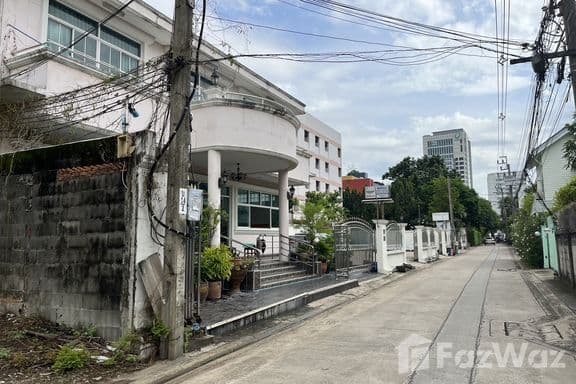
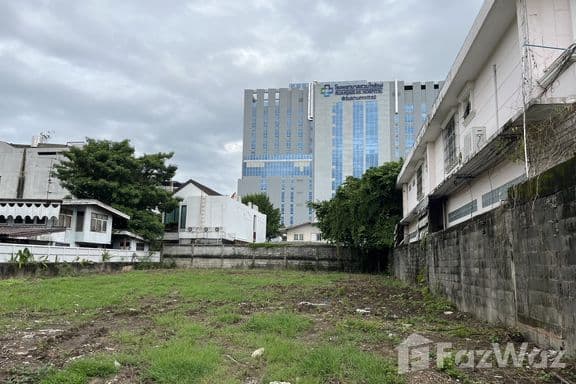

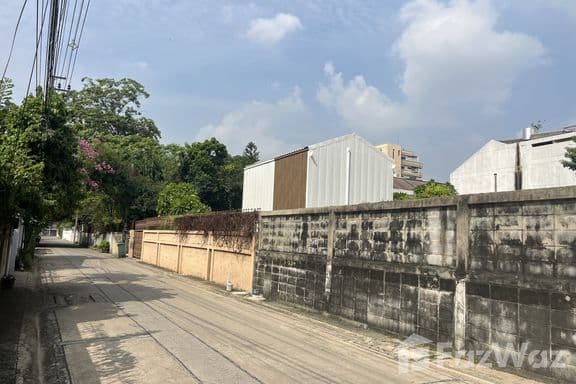

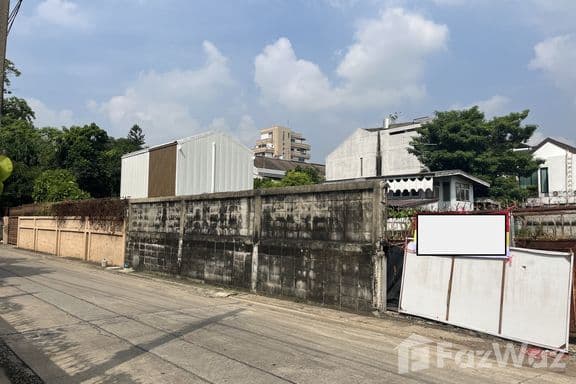


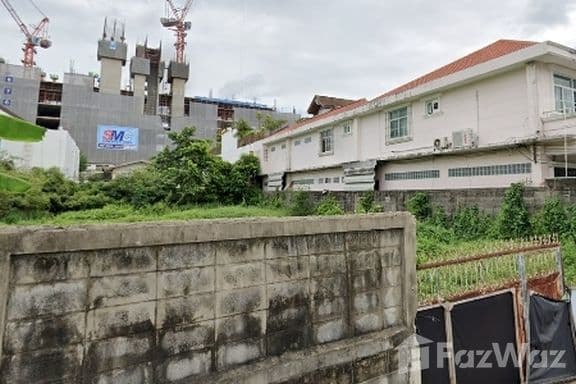
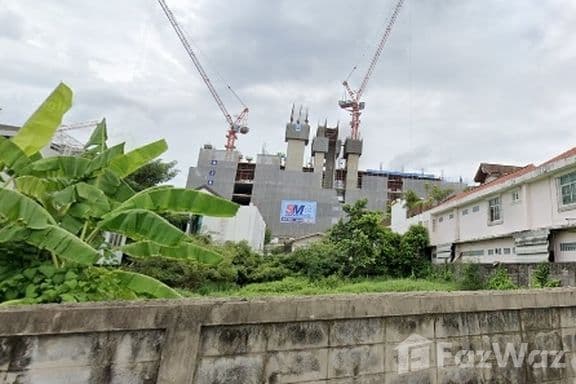
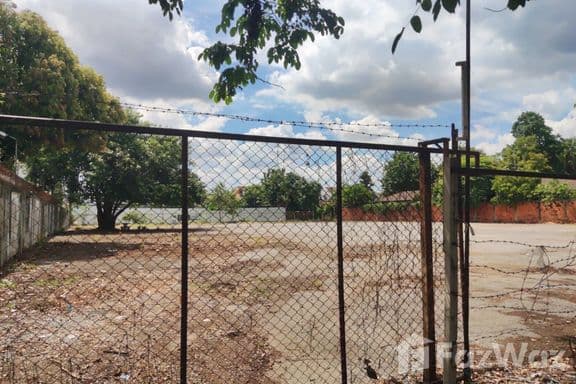
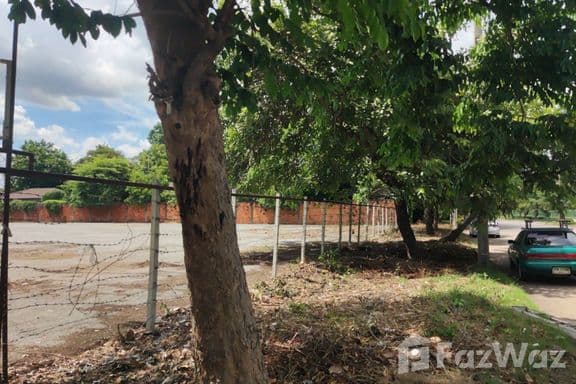

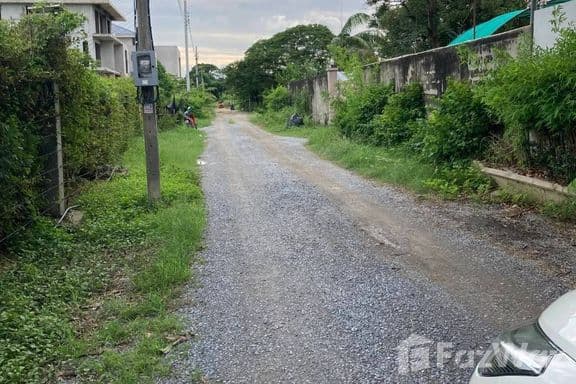


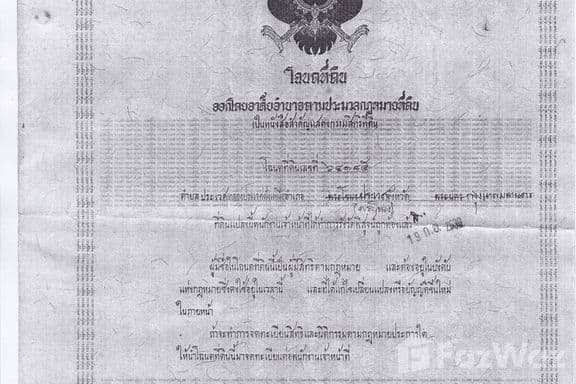


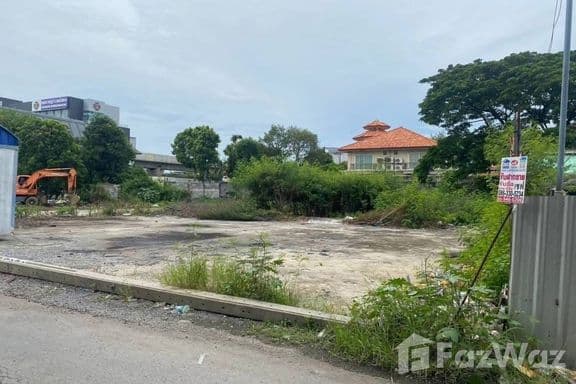
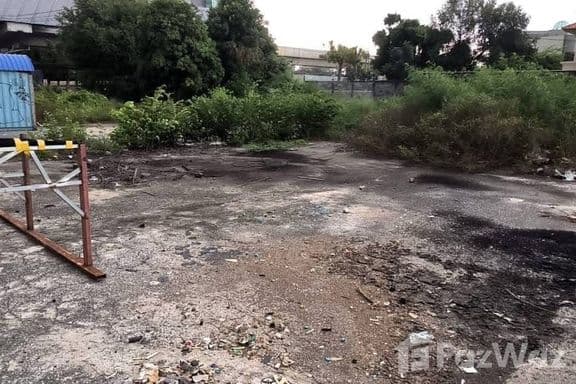
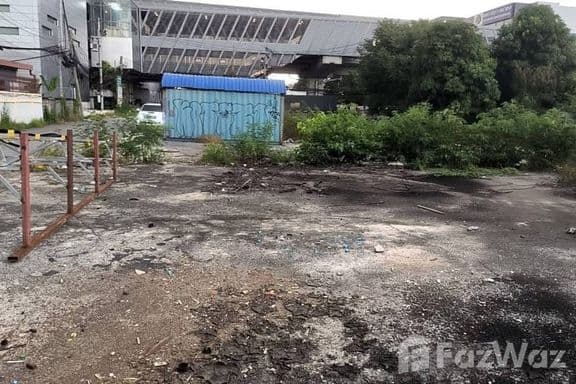



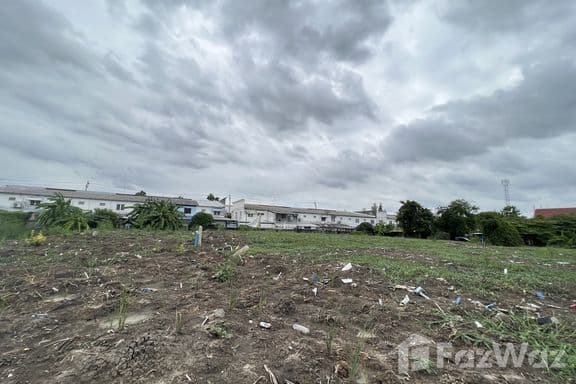
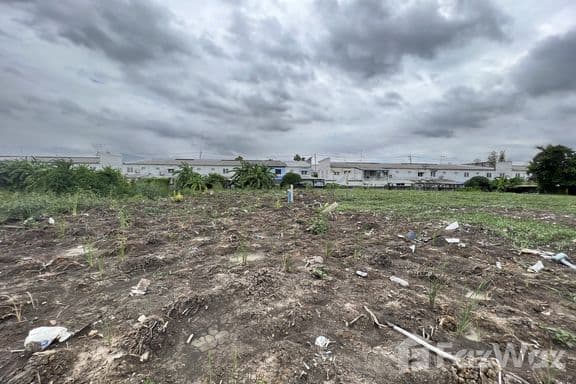
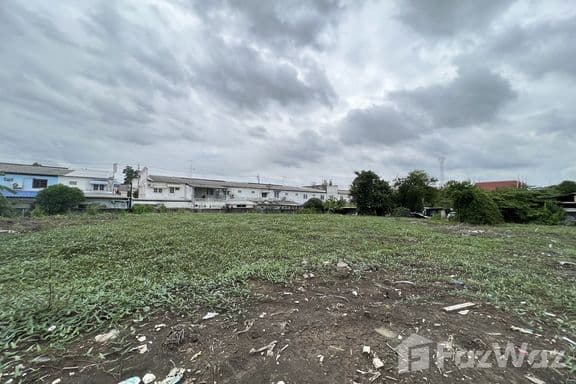

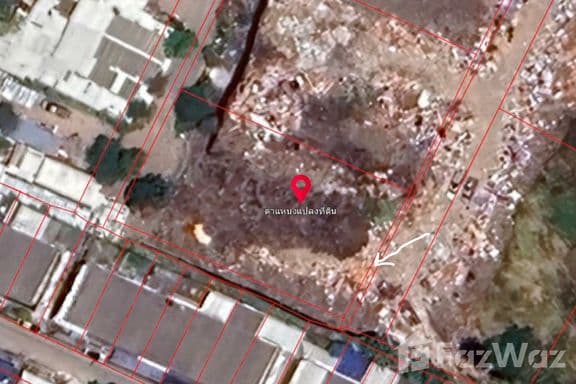
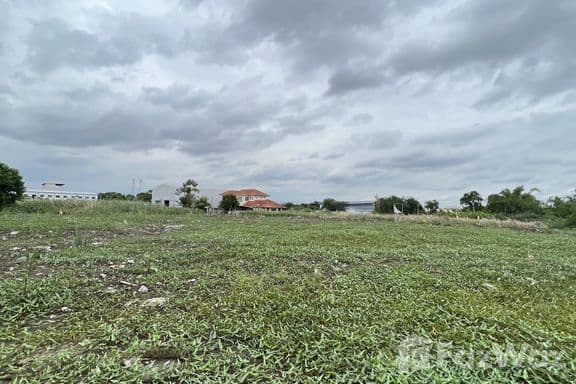
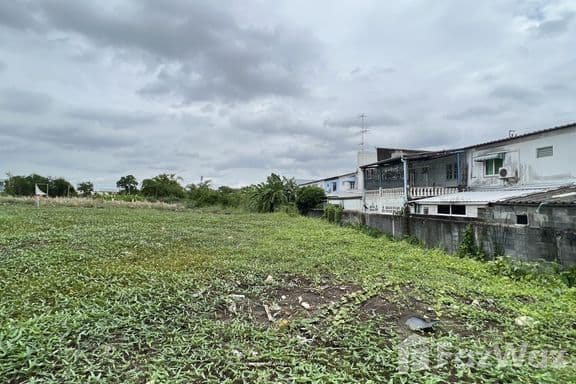
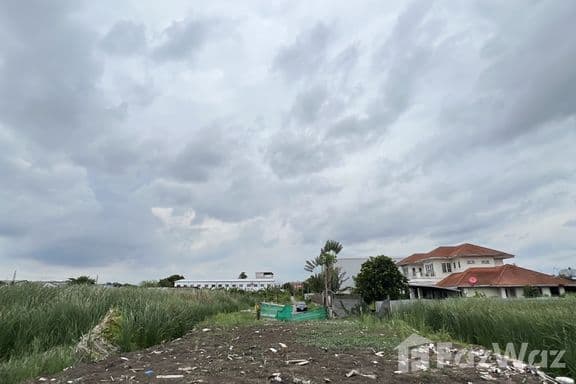
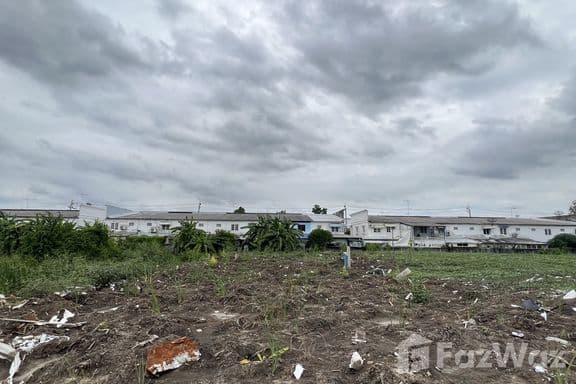
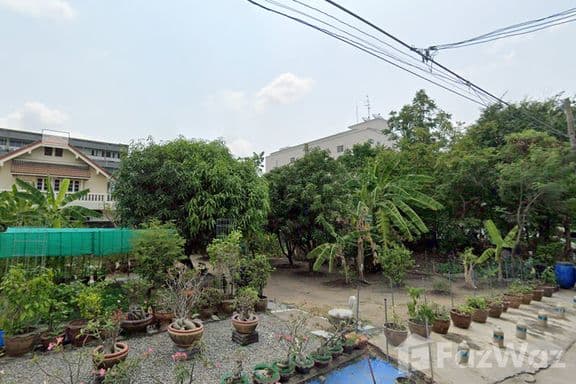
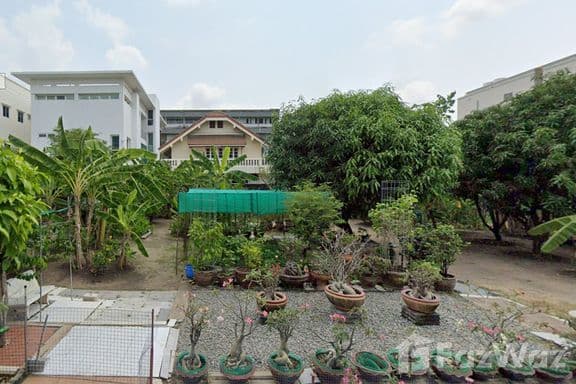


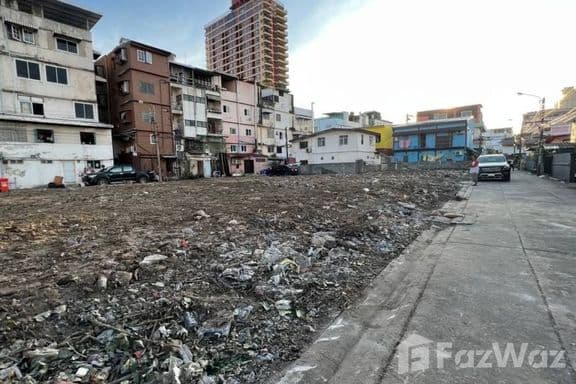


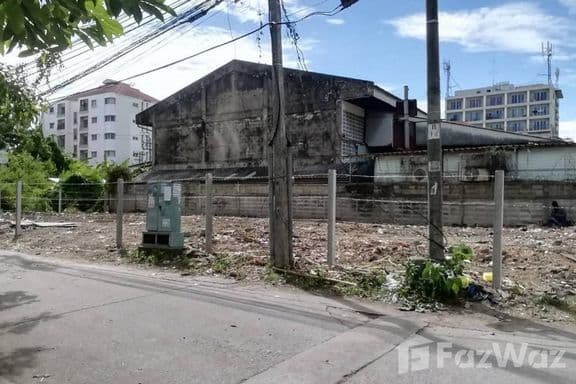
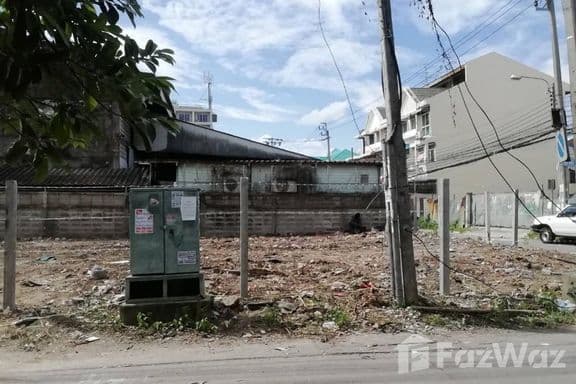
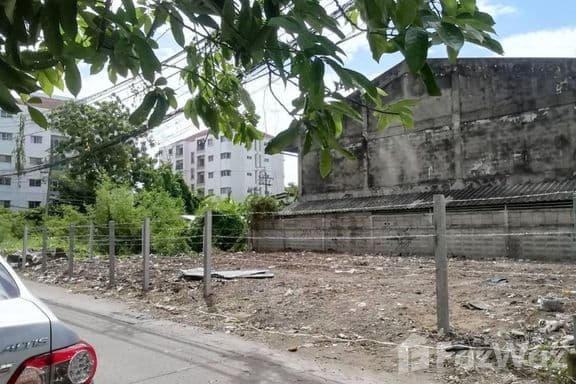

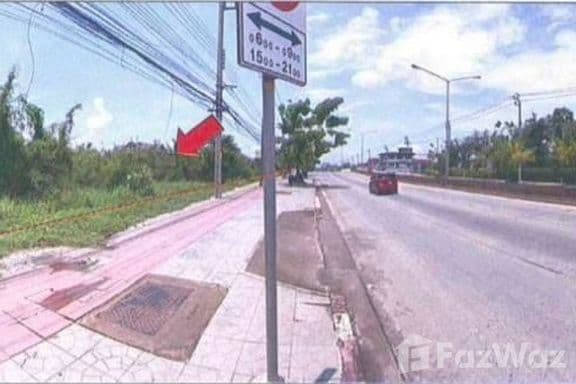
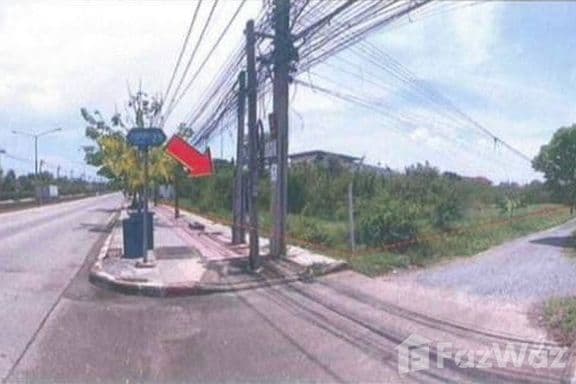
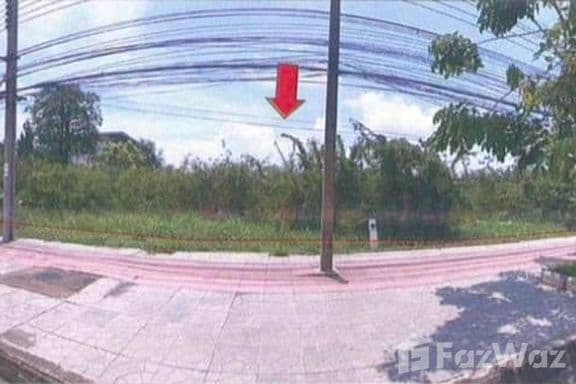
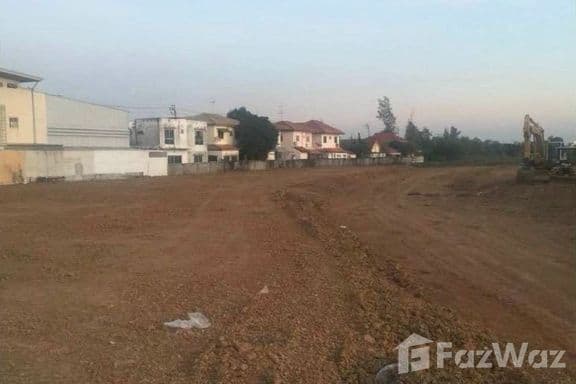


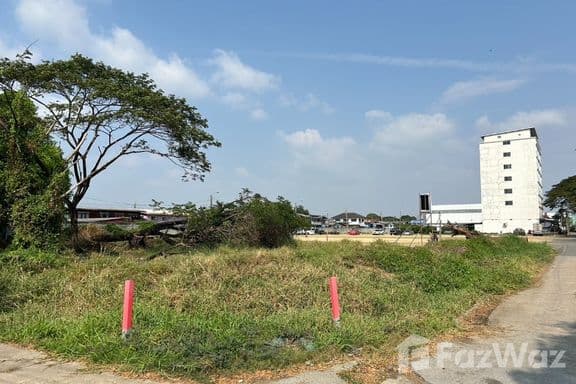
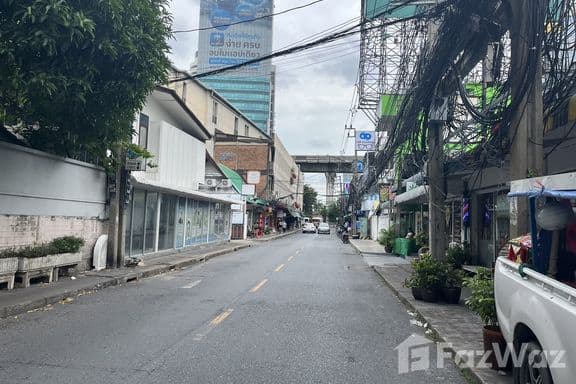
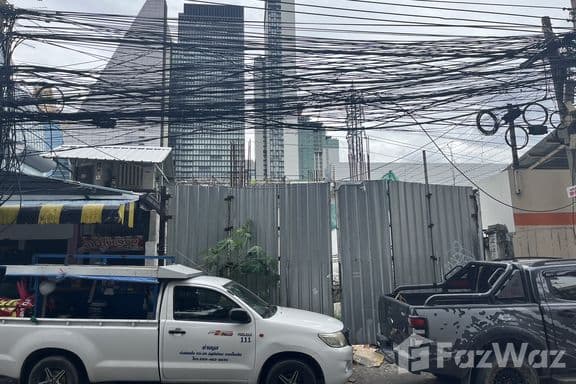











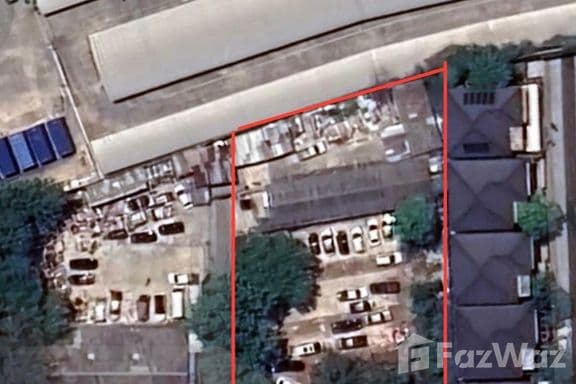



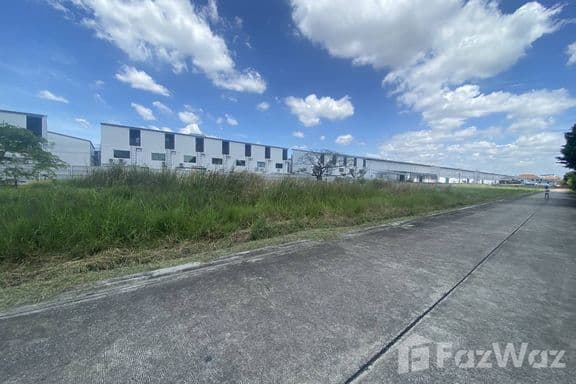

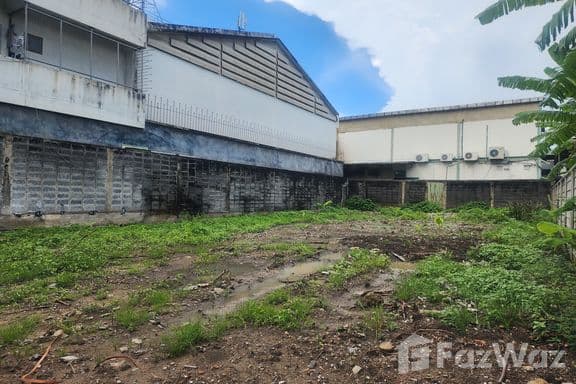
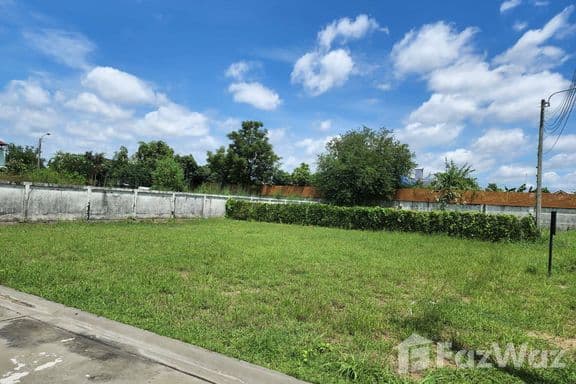
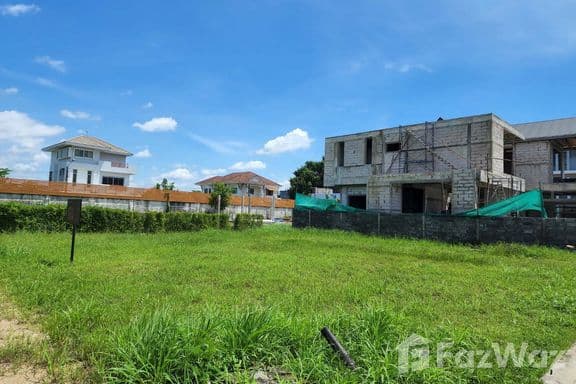




 Popular condos in Bangkok

