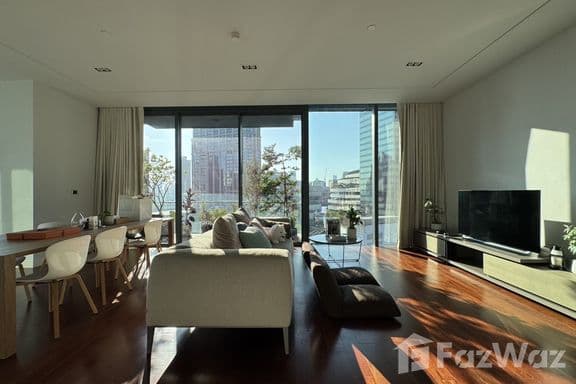
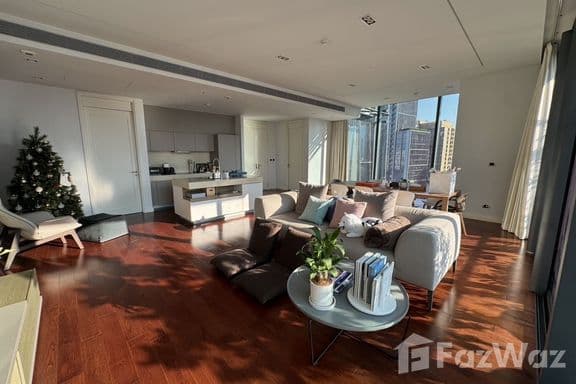
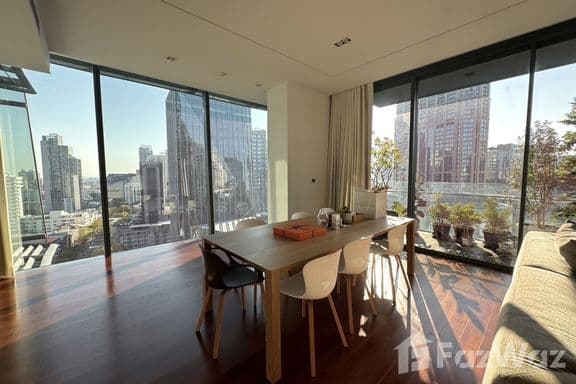
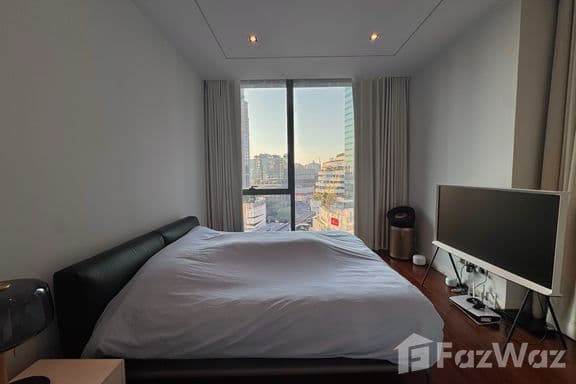
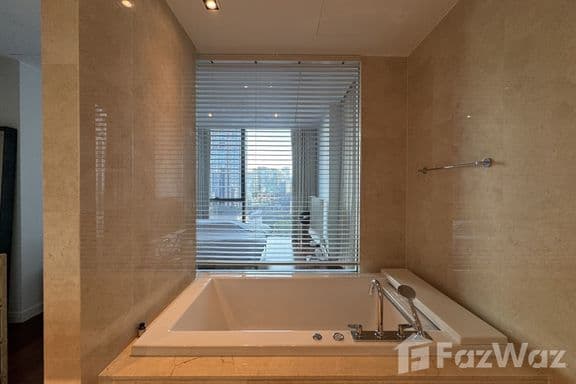
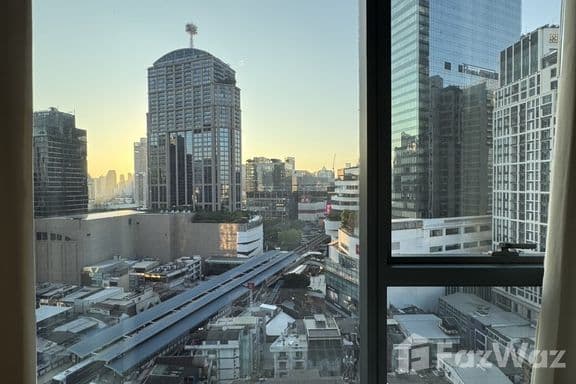
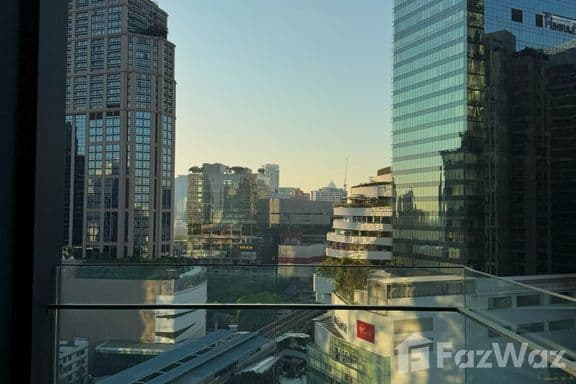

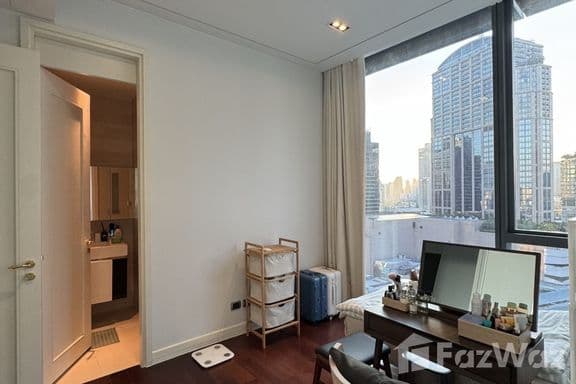
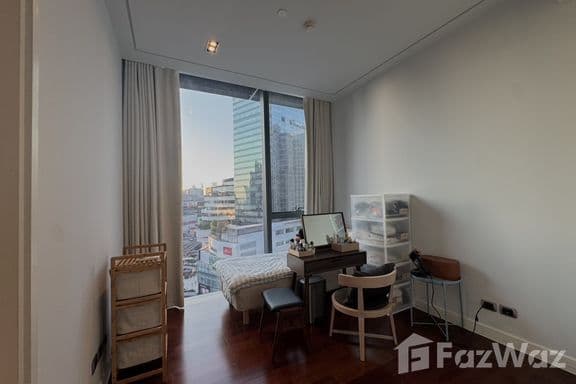
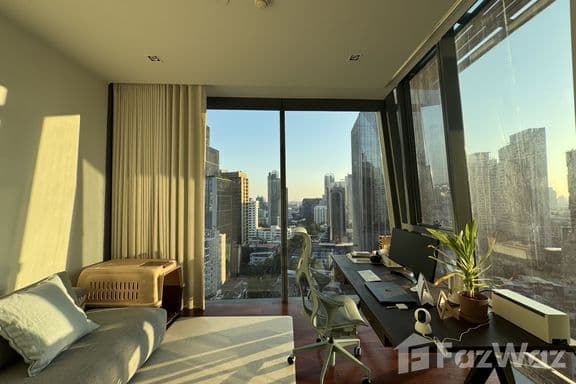
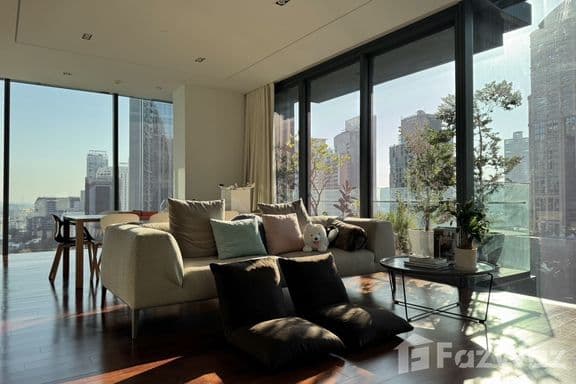
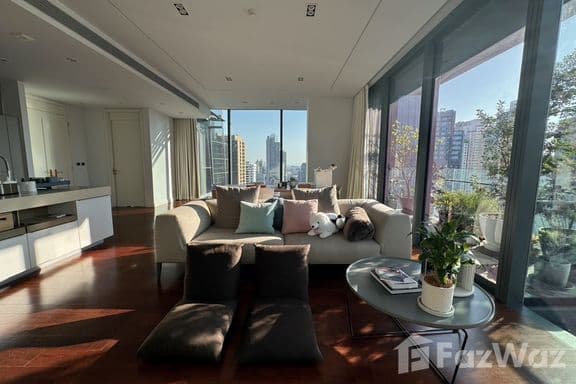
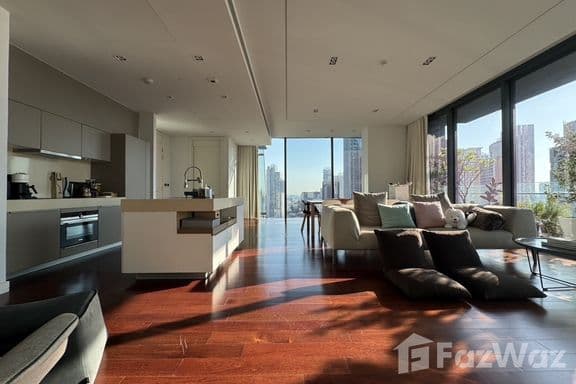
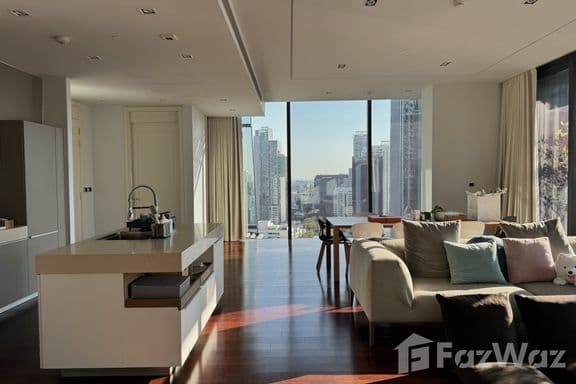
1 / 15
฿68,000,000
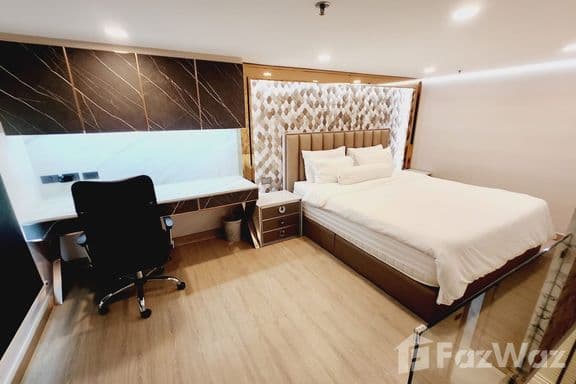
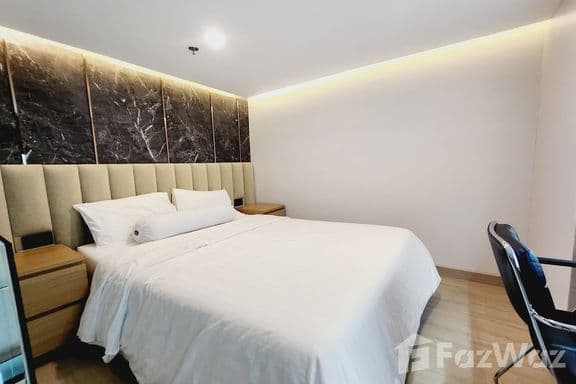
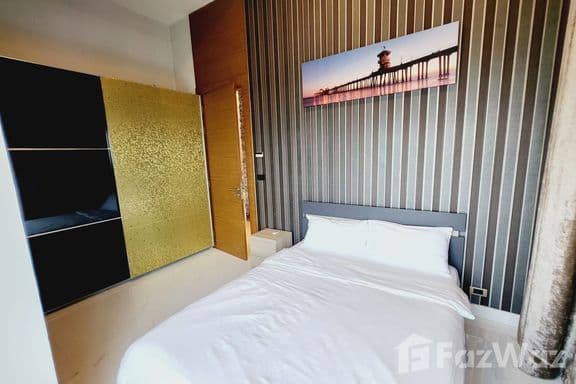
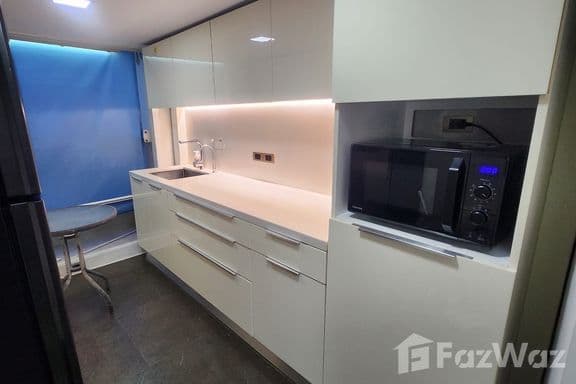
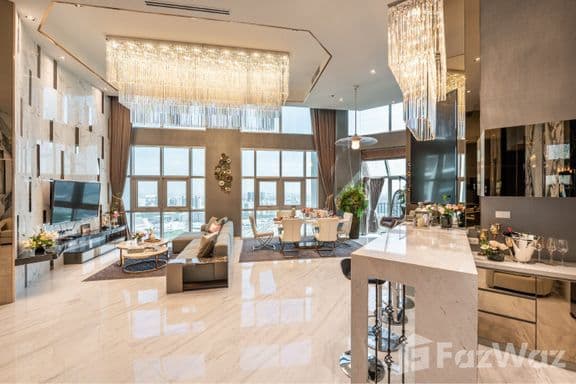
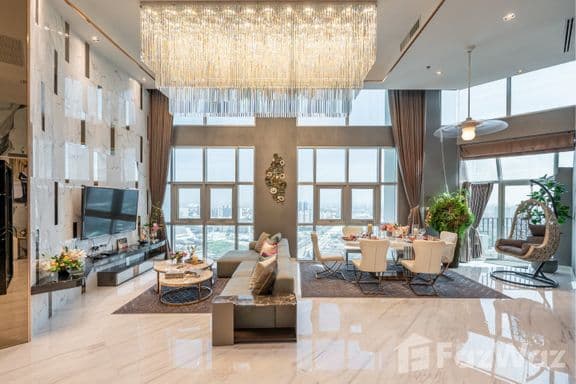
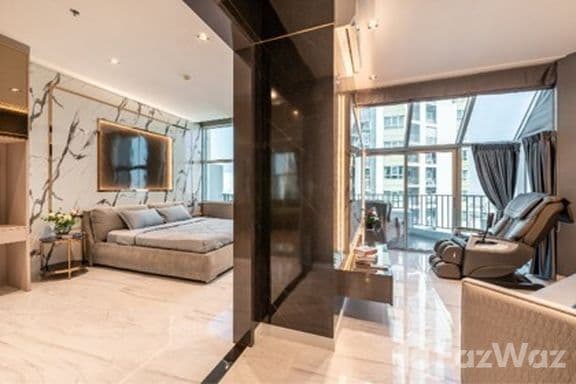
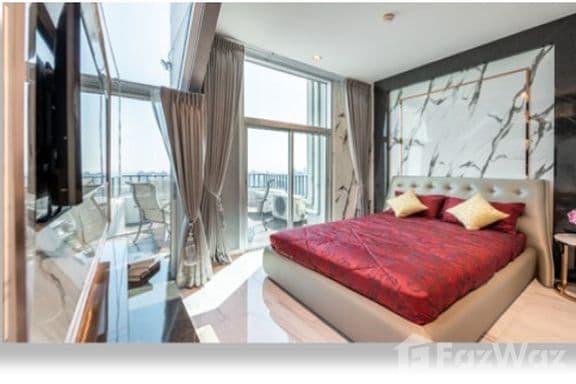
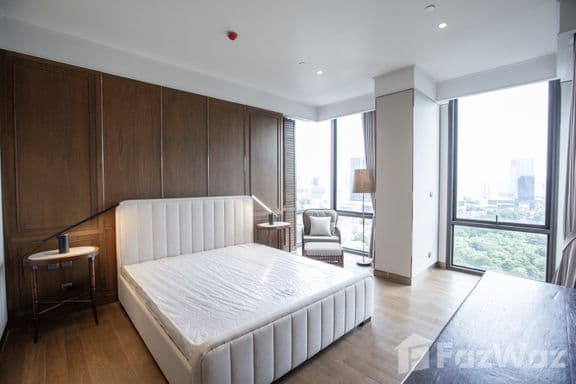
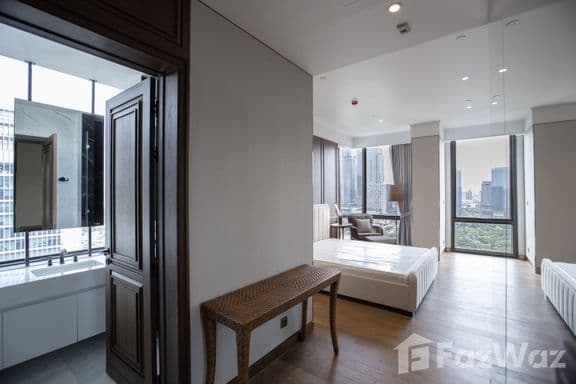
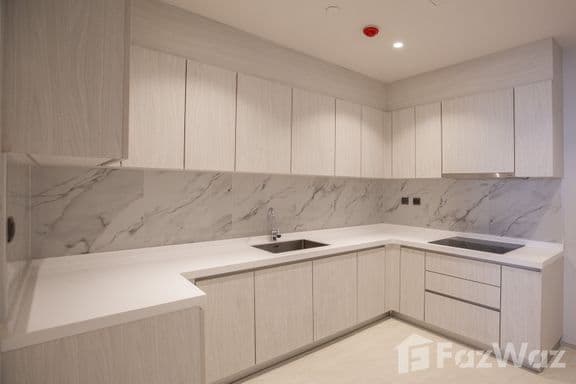
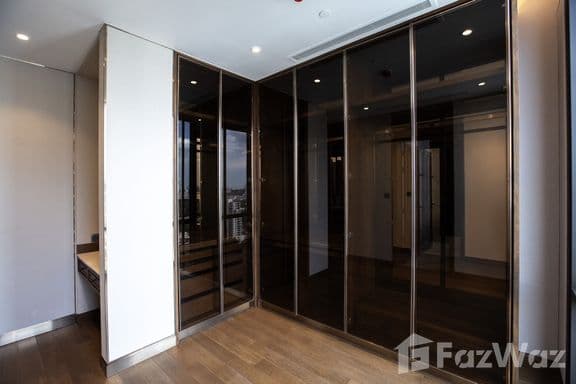
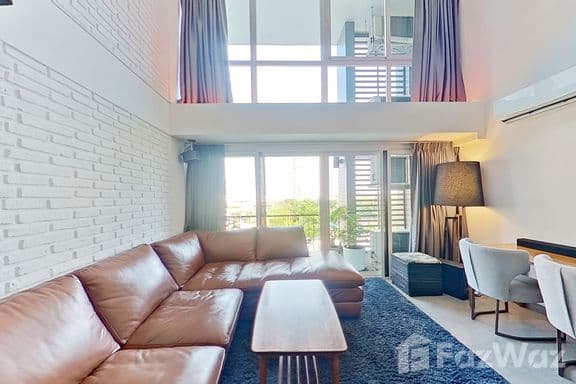
2 Beds2 Baths156 SqM฿435,897/SqMPenthouse
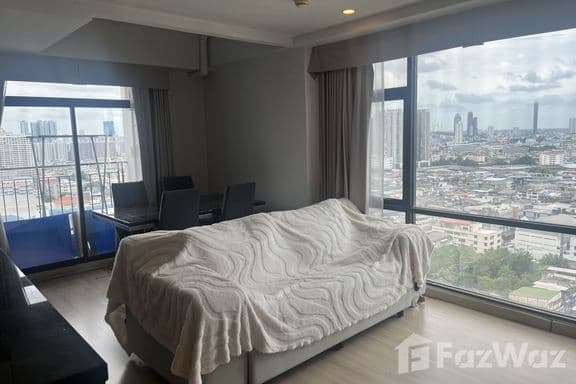
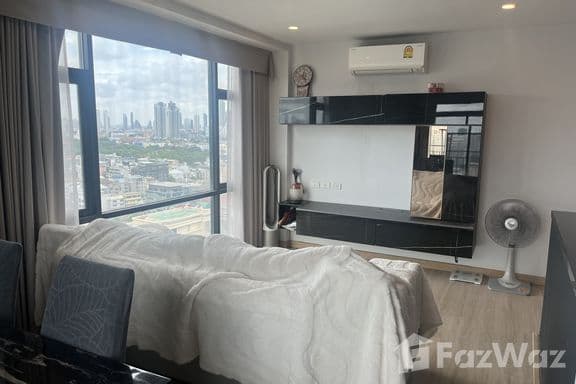
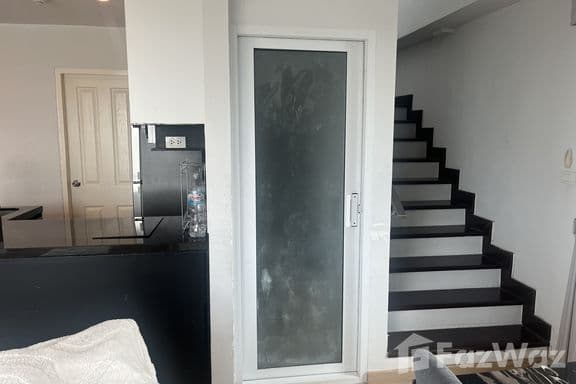
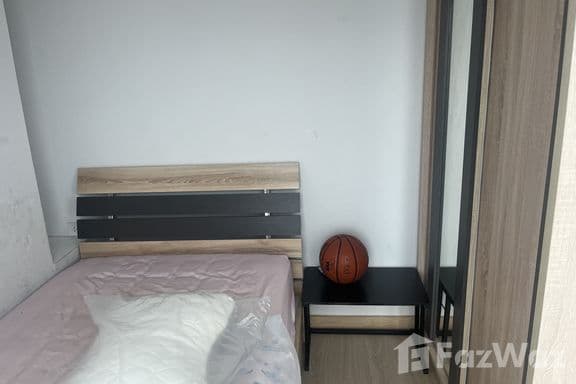
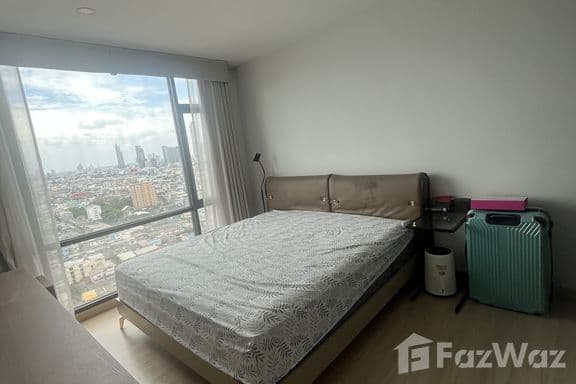
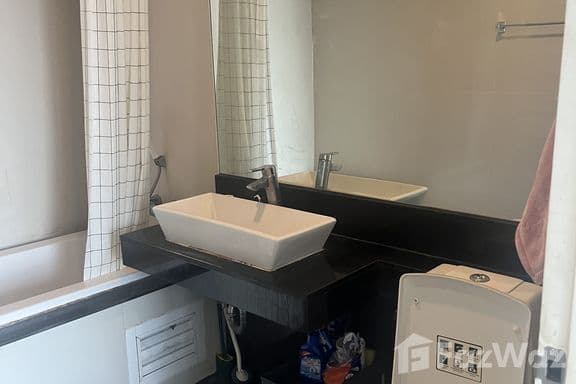
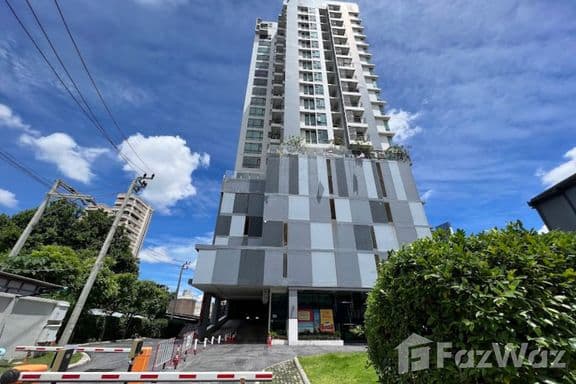
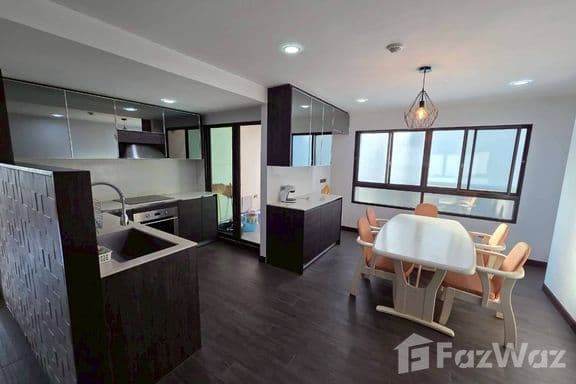
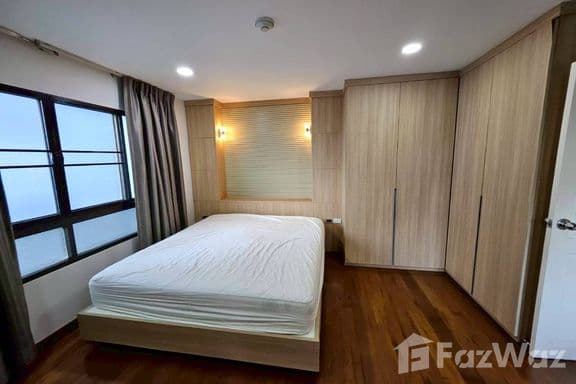
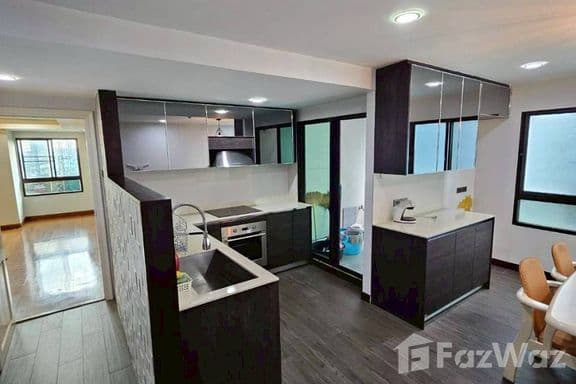
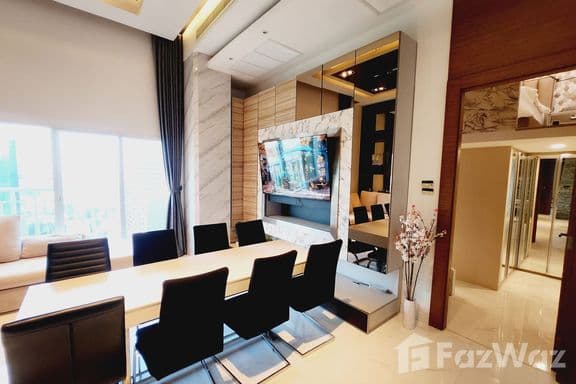
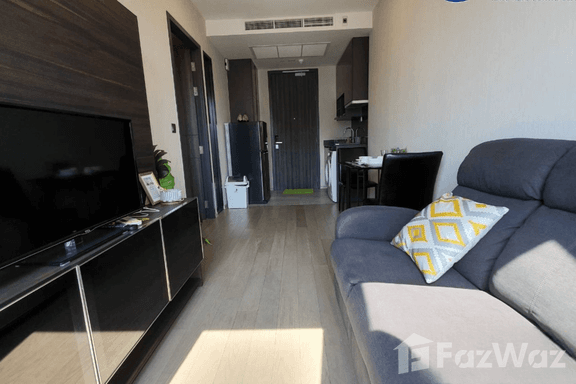
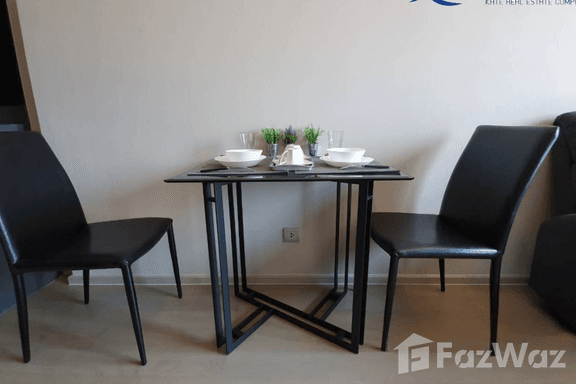
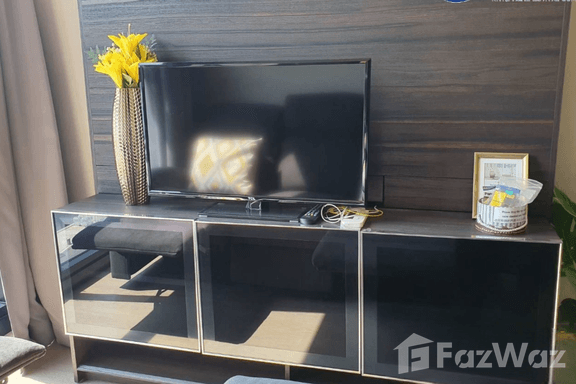
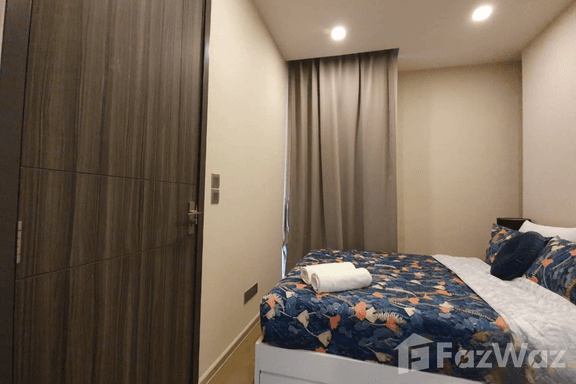
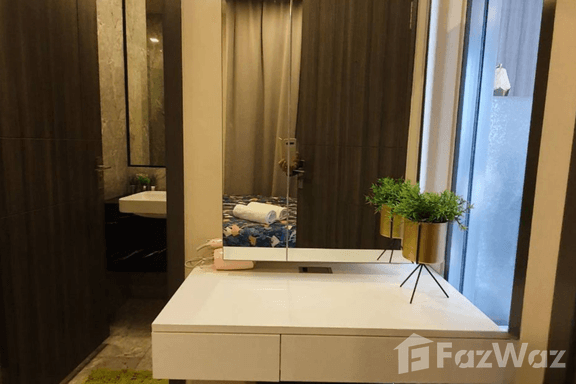
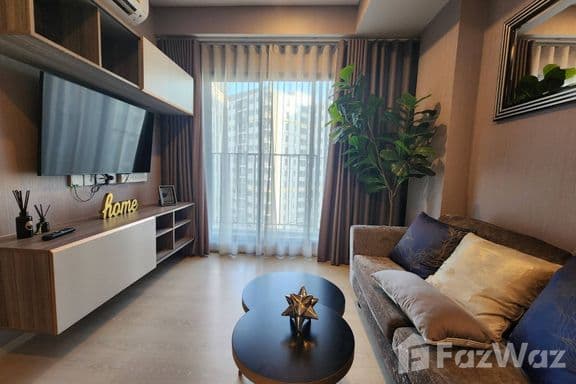
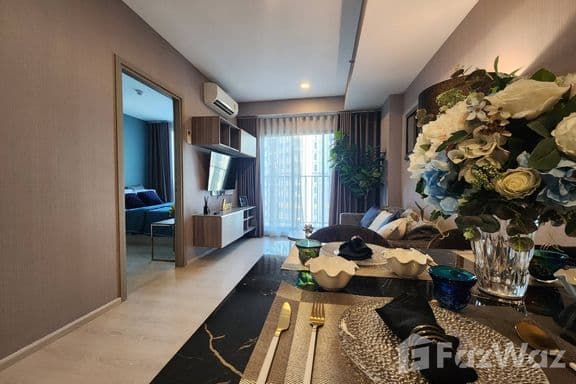
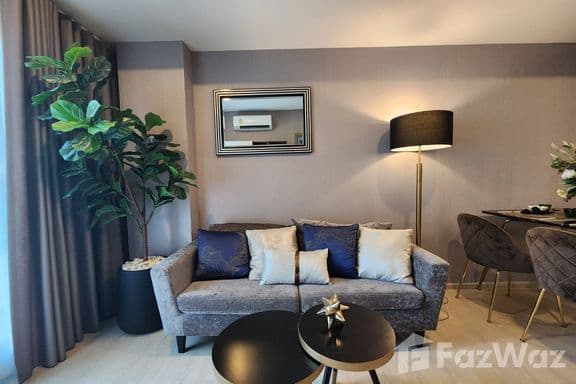
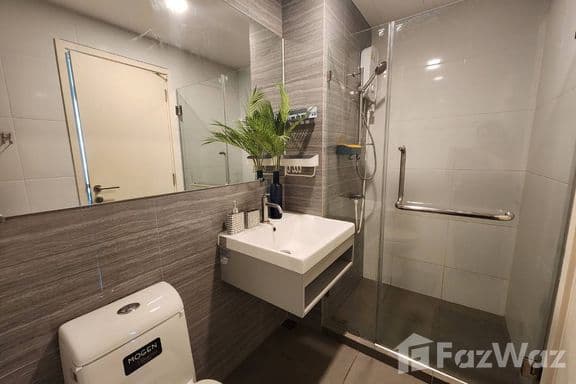
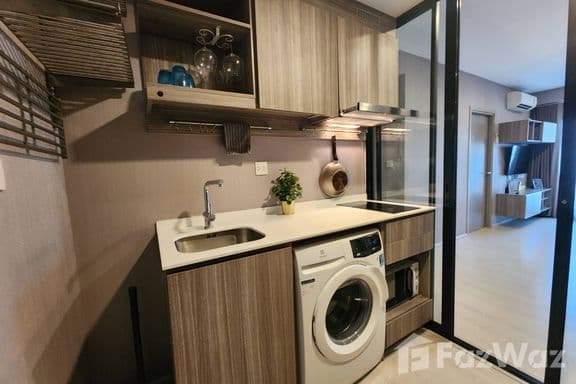
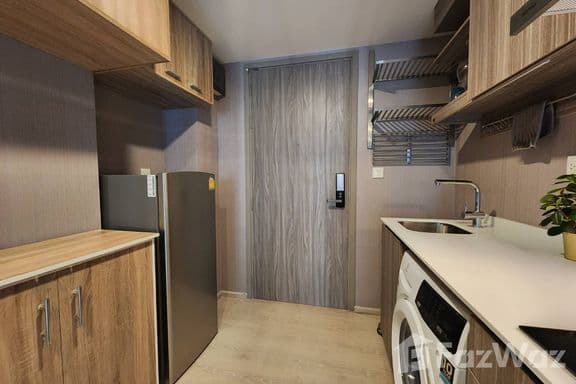
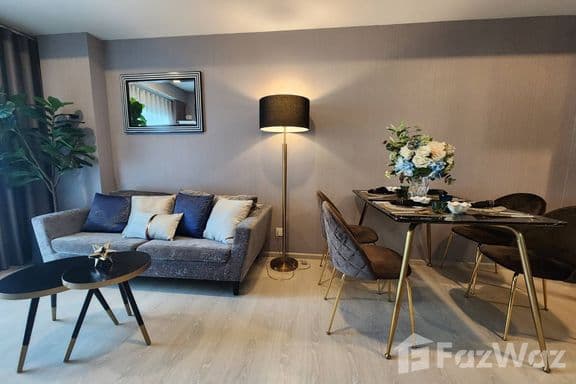
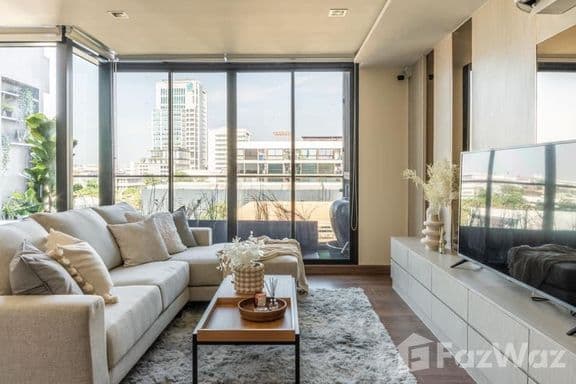
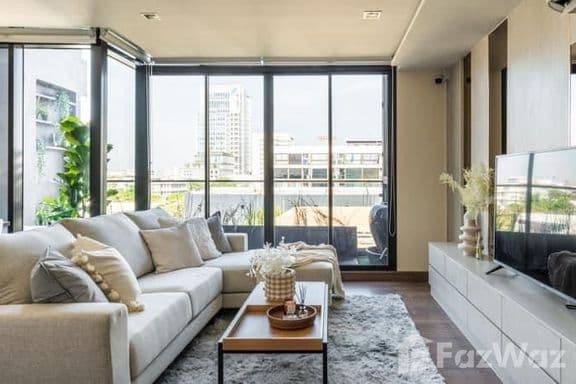
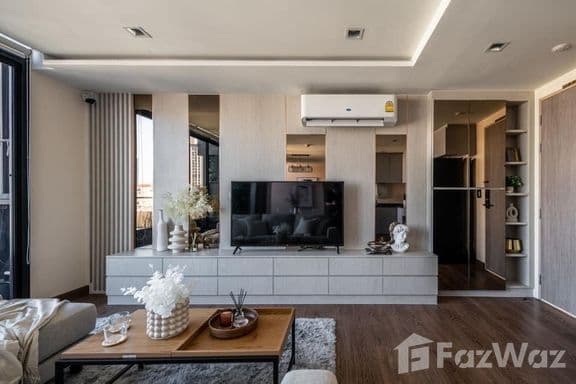
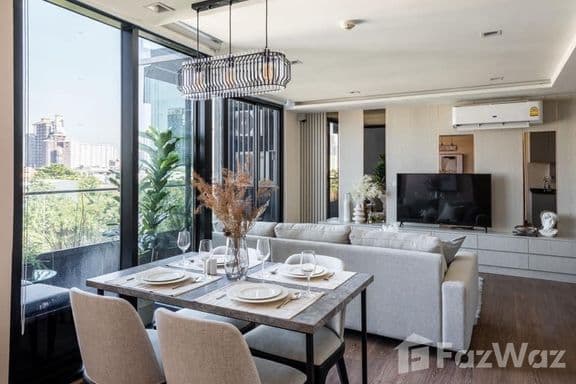
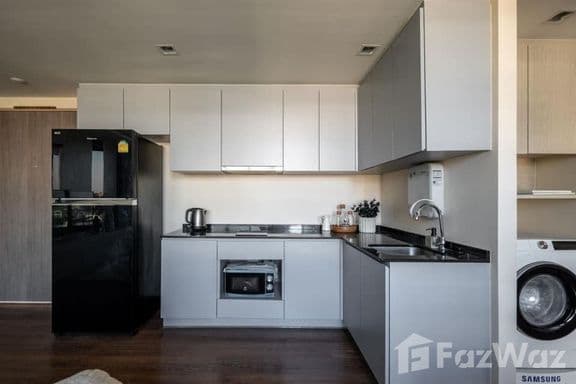
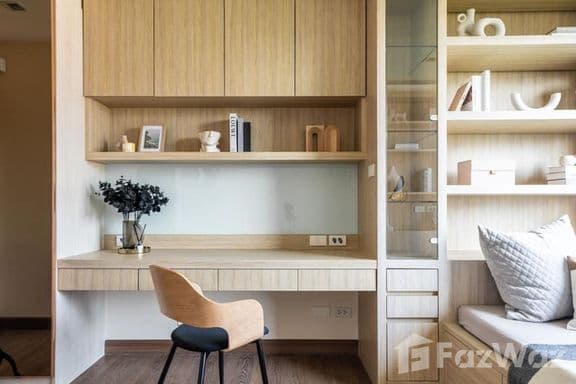
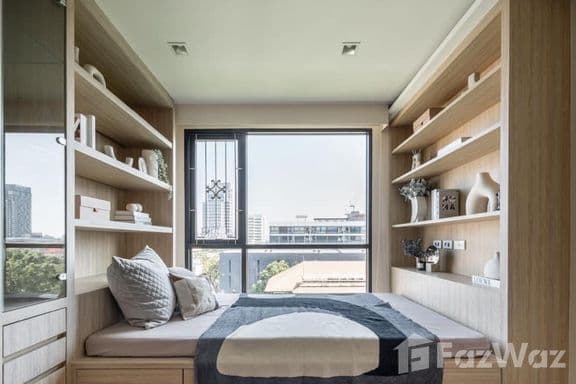
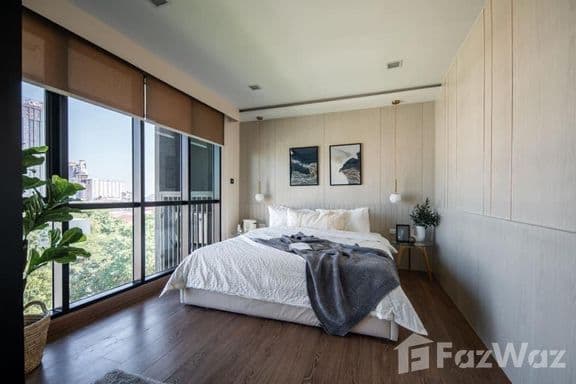
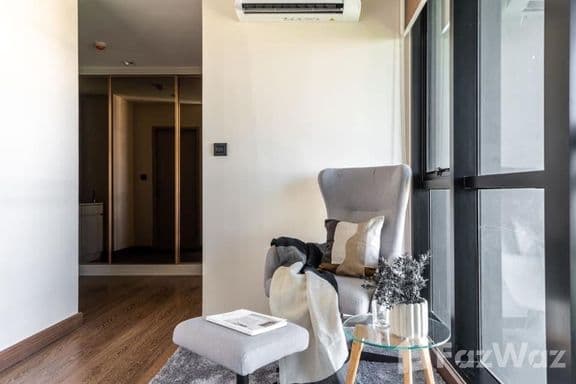
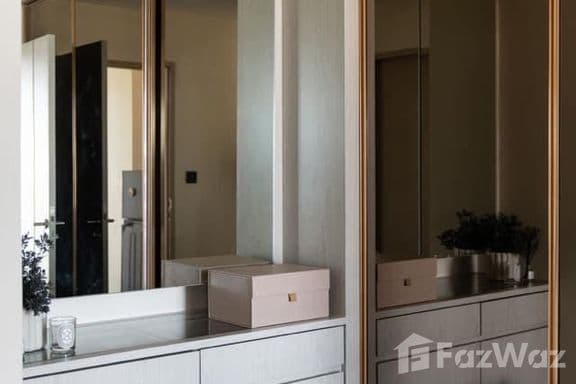
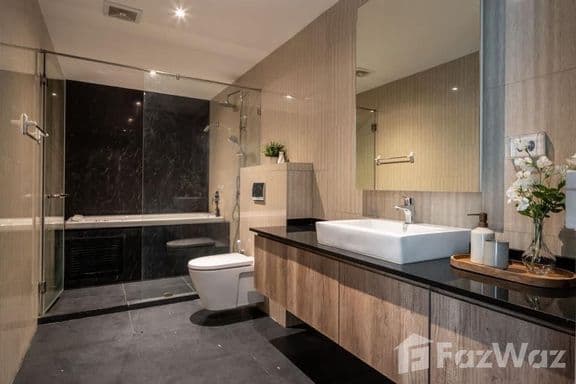
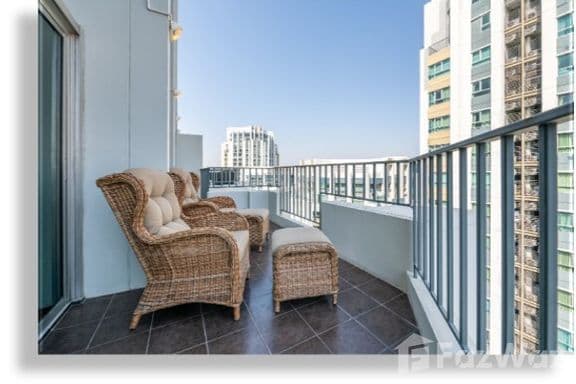
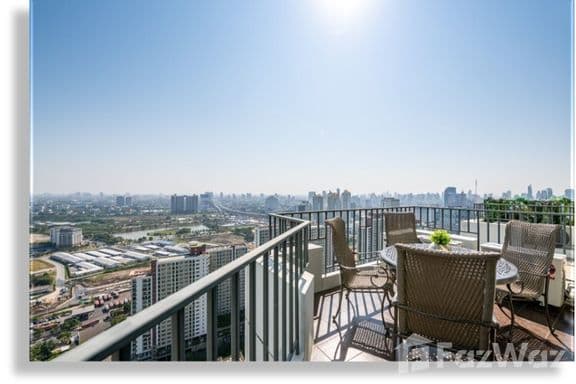
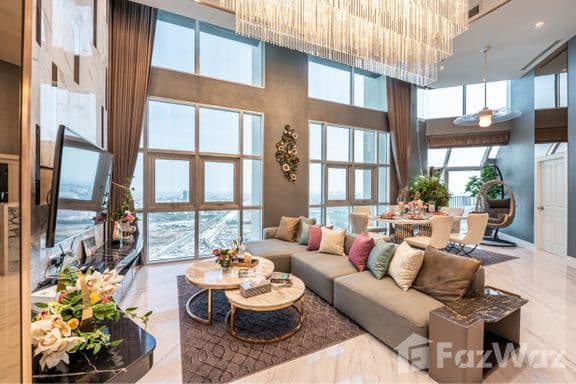
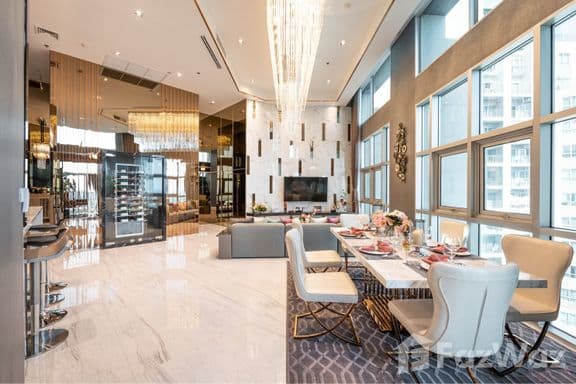
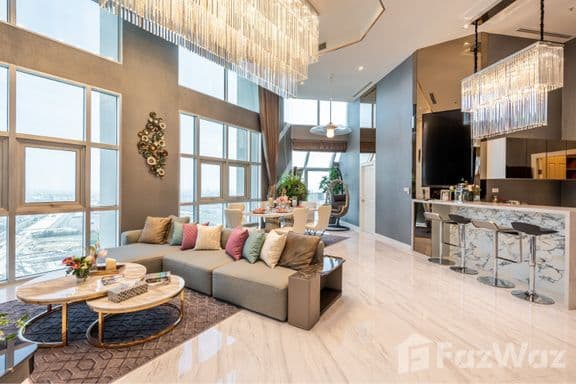
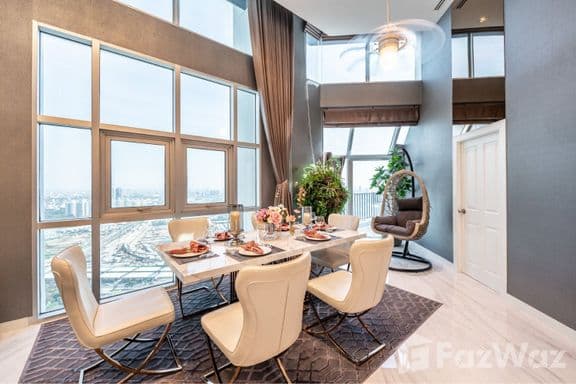
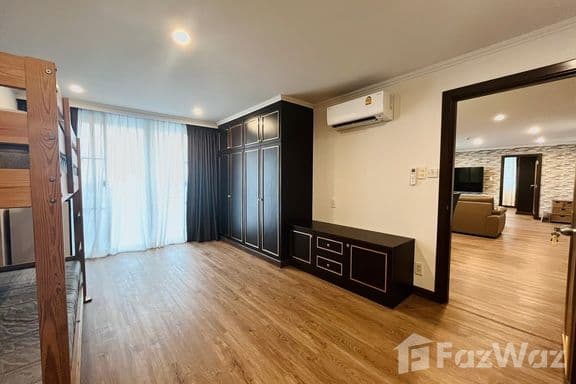
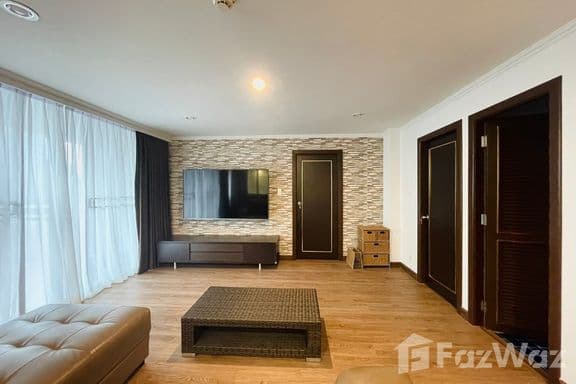
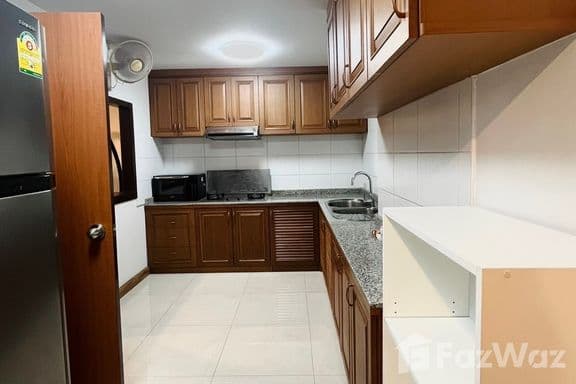
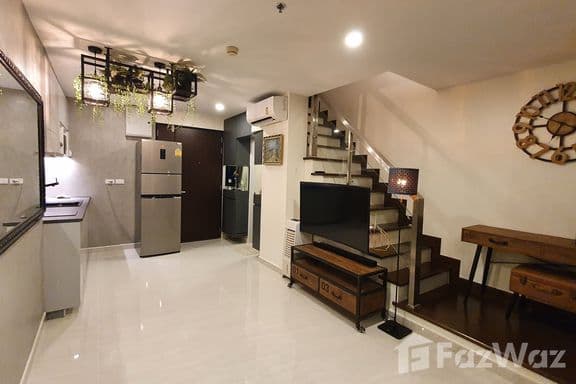
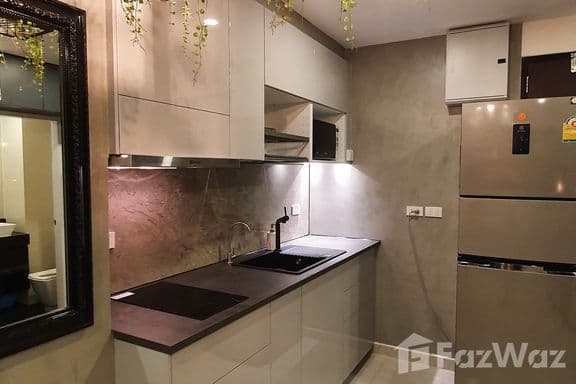
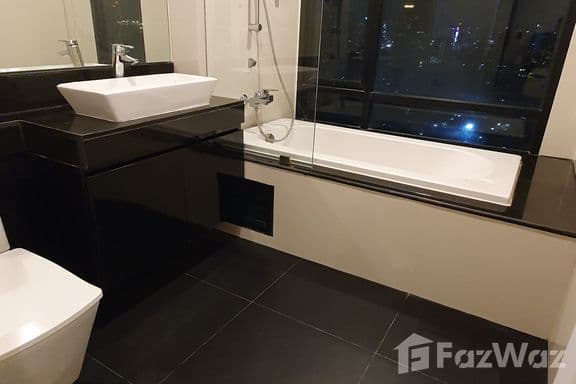
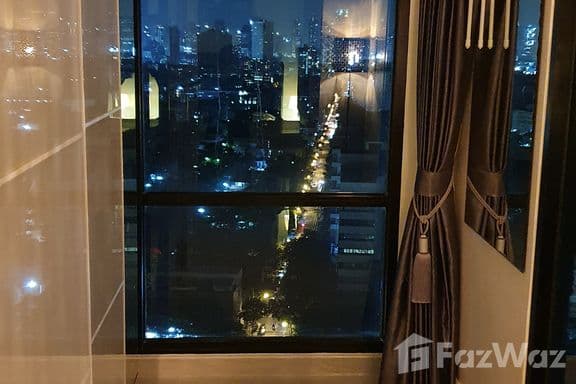
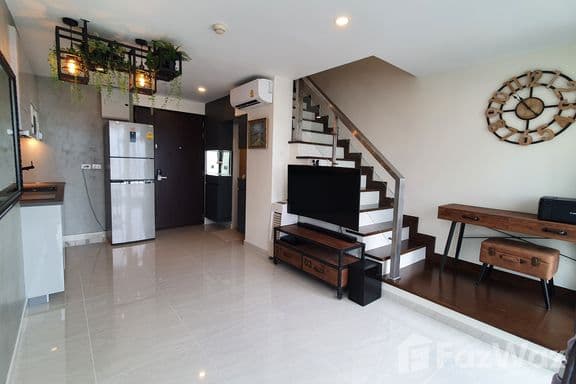
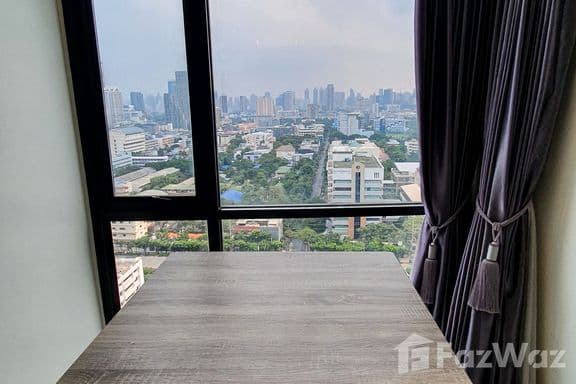
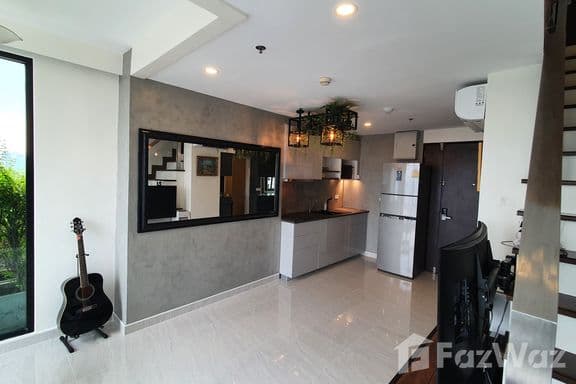
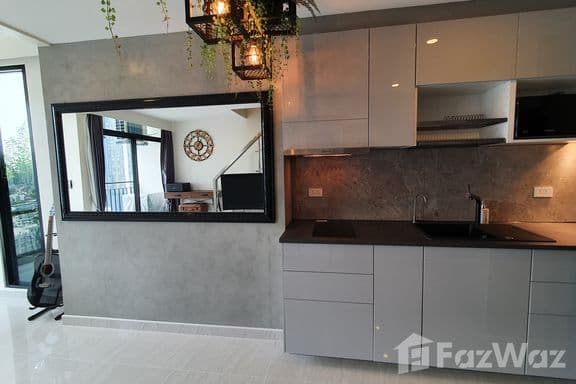
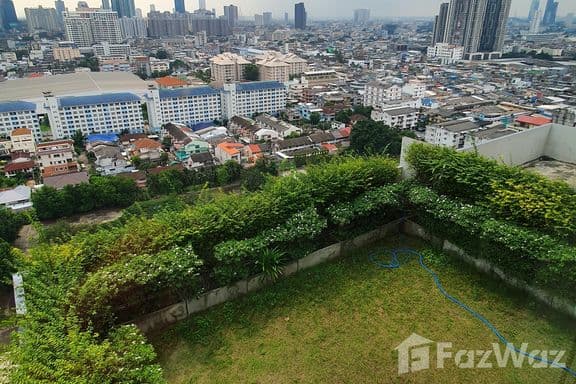
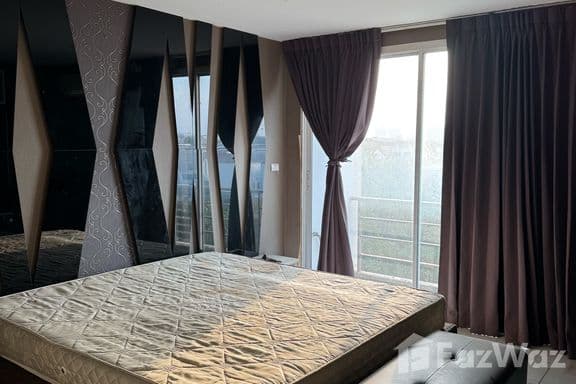
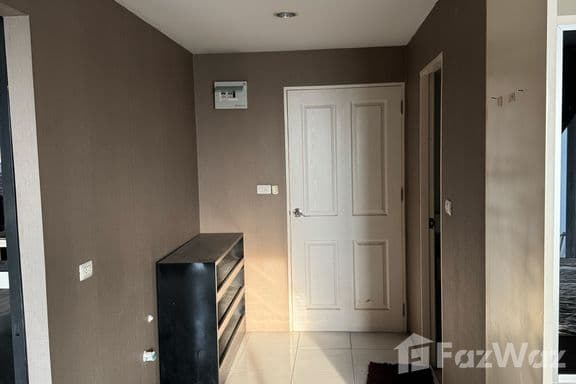
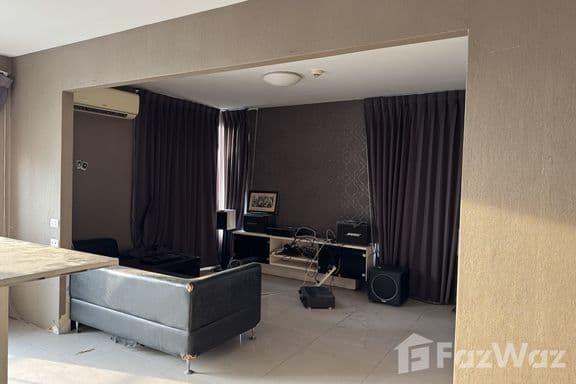
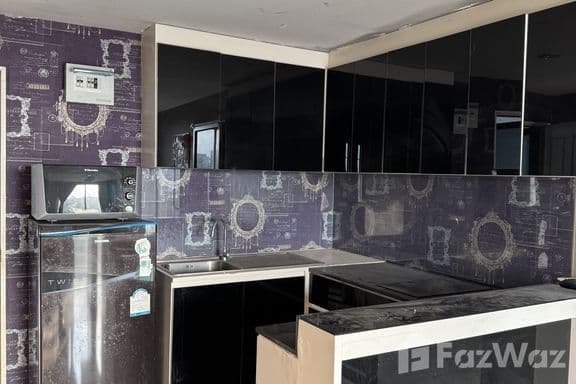
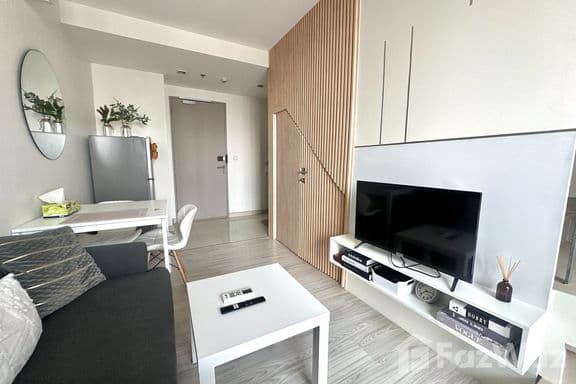
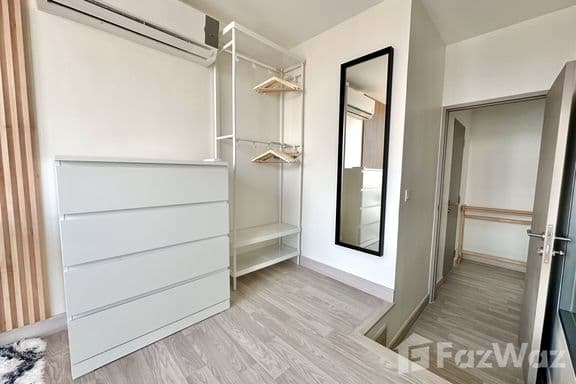
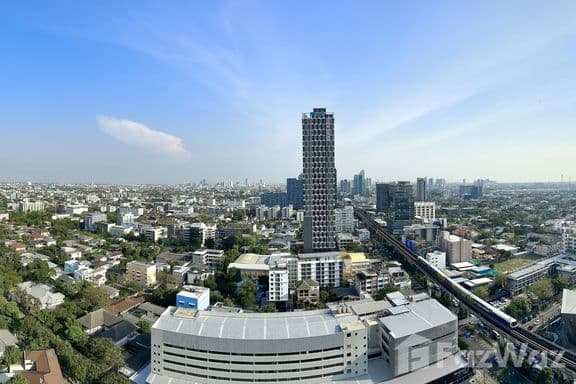
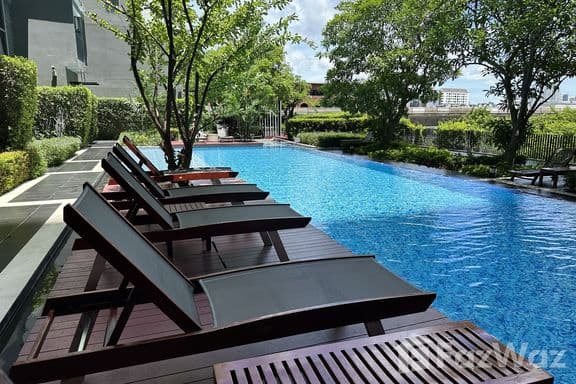
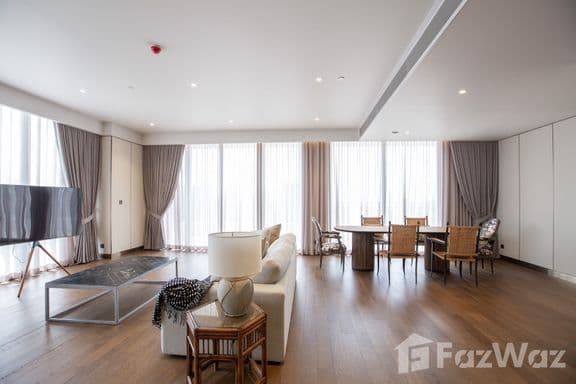
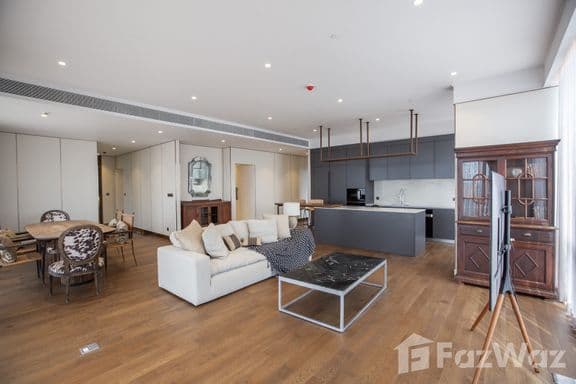
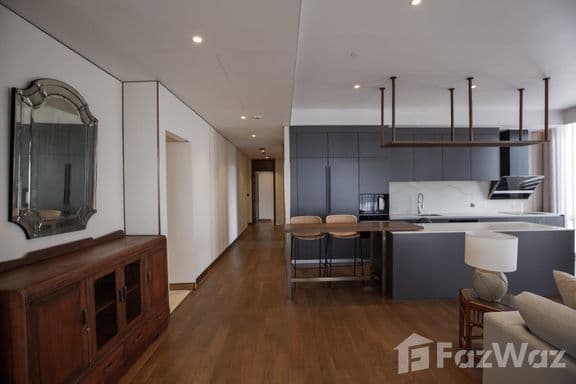
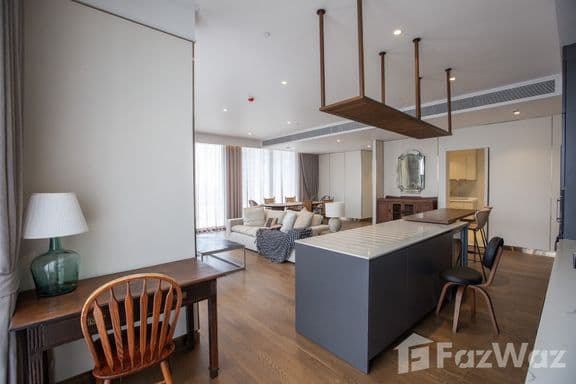
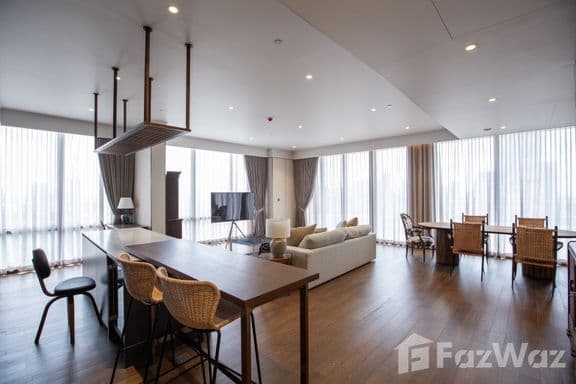
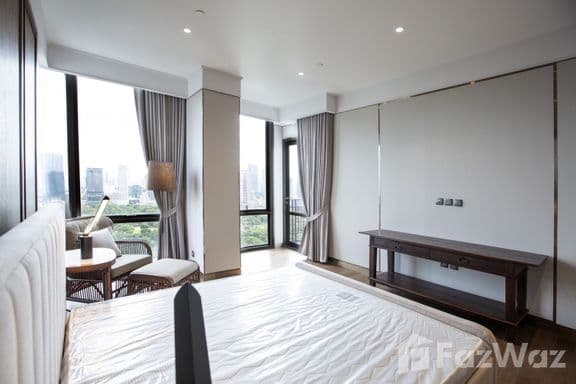
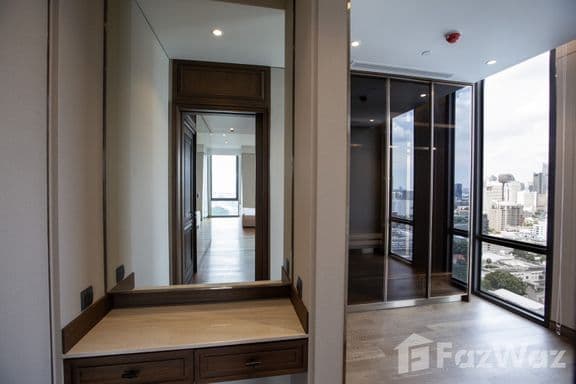
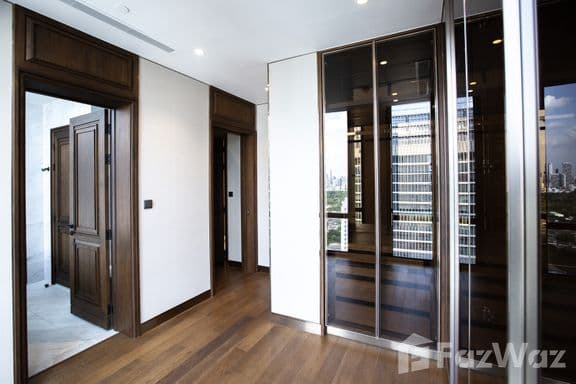
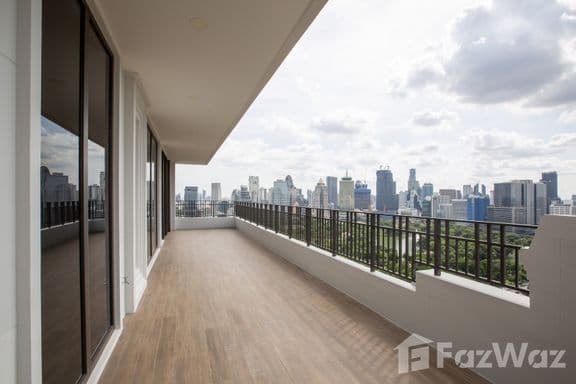
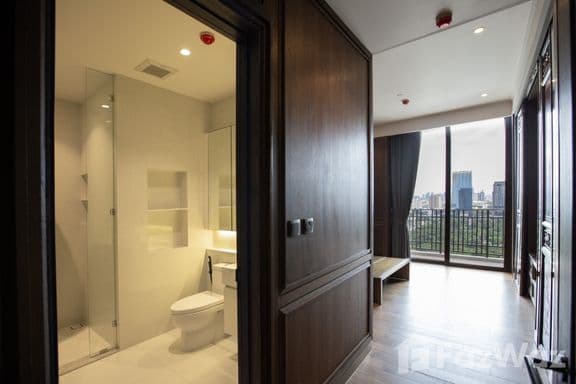
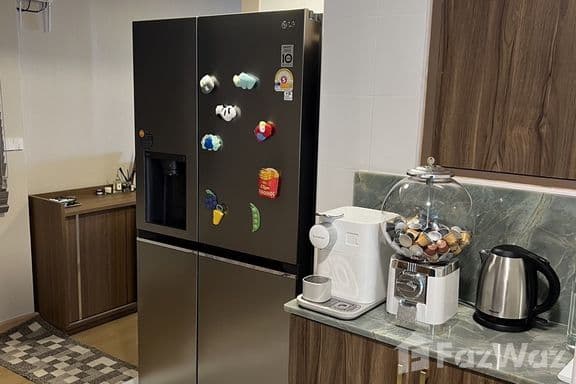
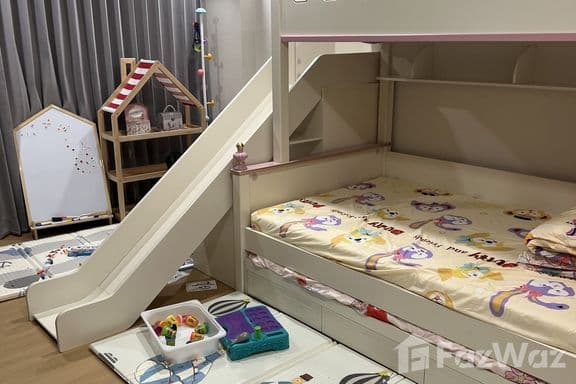
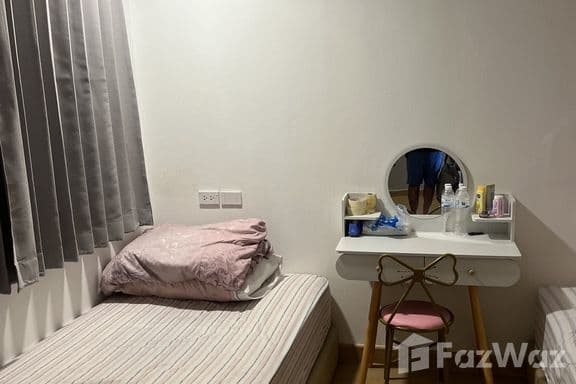
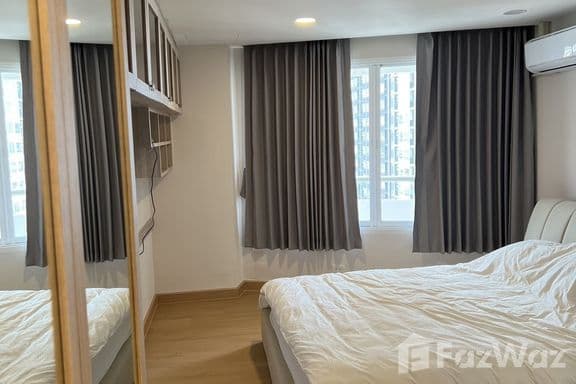
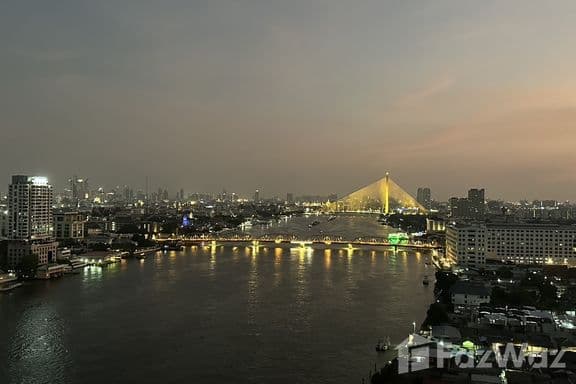
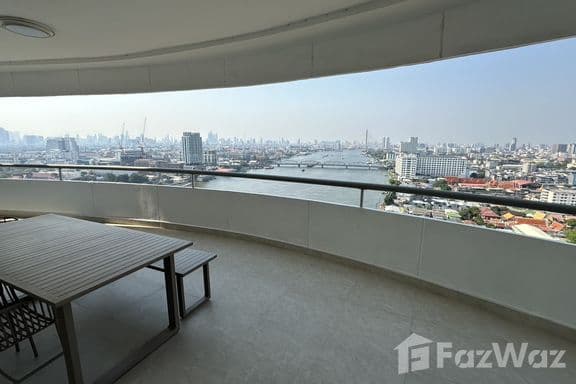
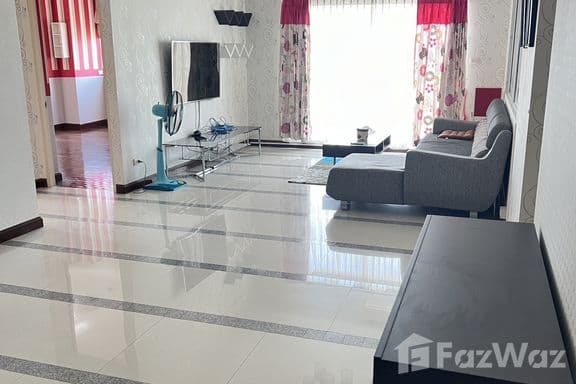
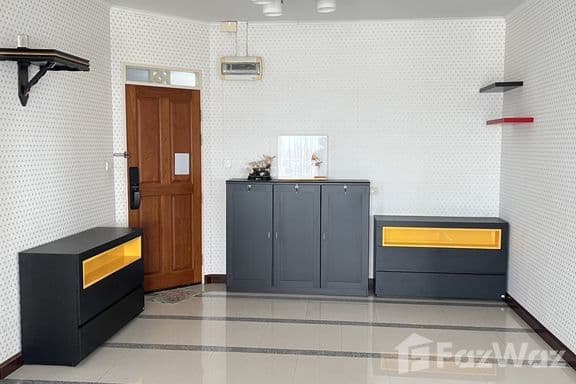
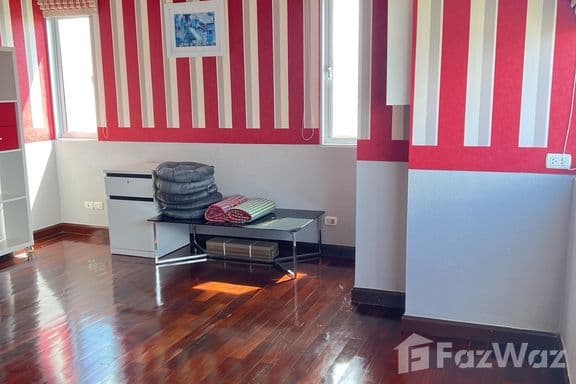
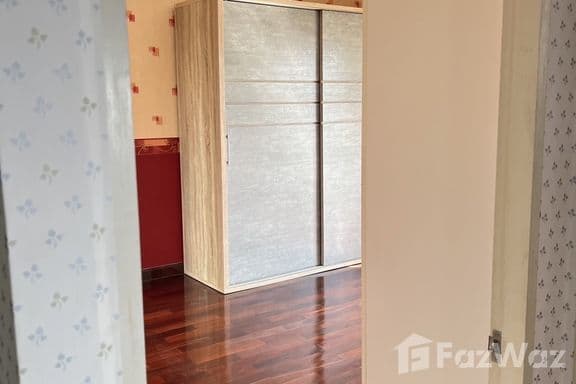
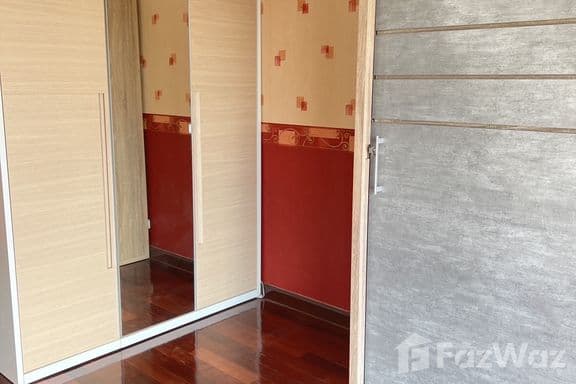
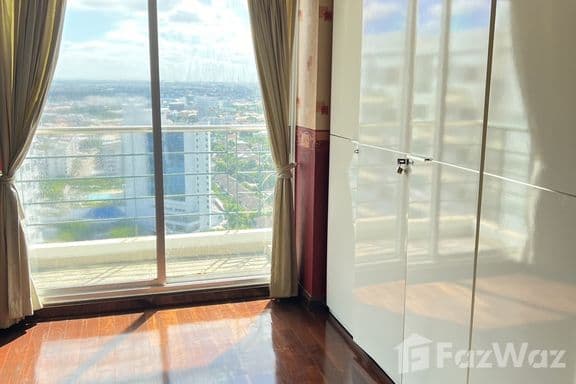
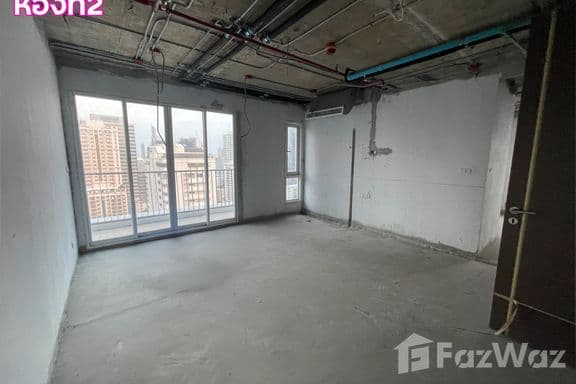
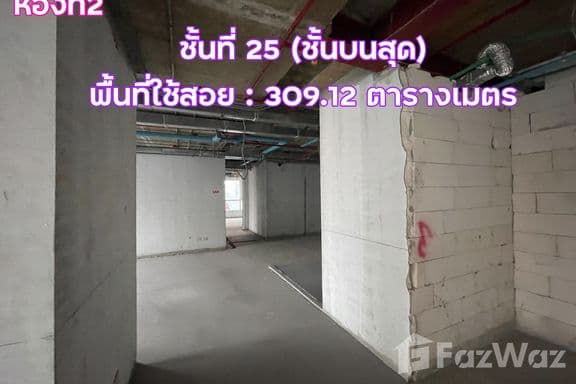
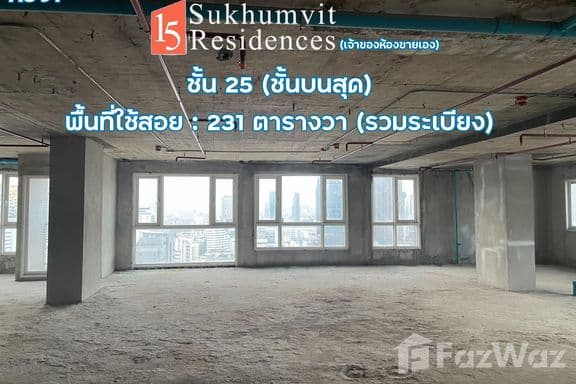
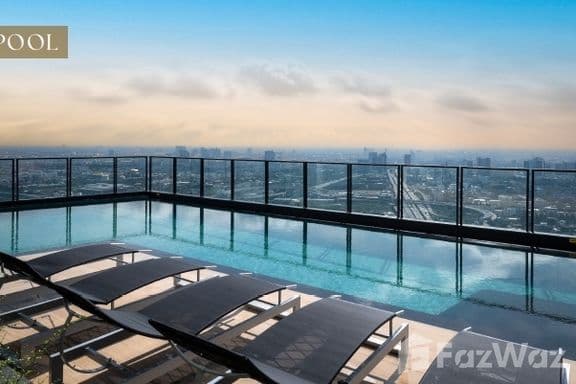
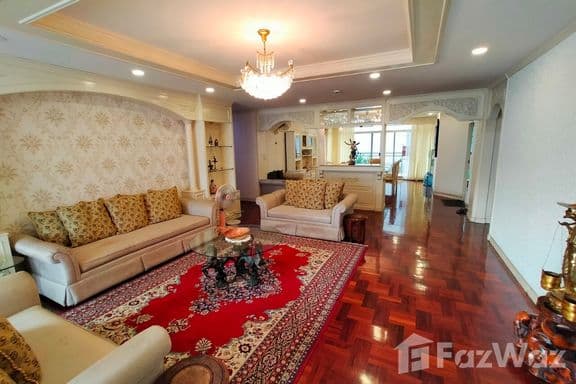
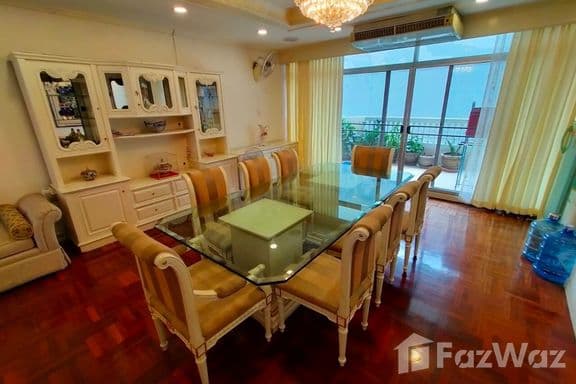
MARQUE Sukhumvit — Khlong Tan Nuea, Watthana, Bangkok2 Bedroom Penthouse for sale at MARQUE Sukhumvit
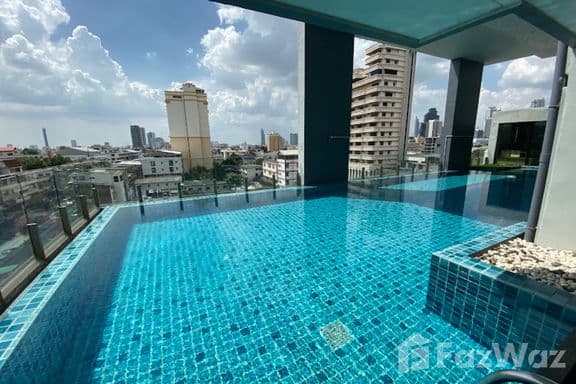
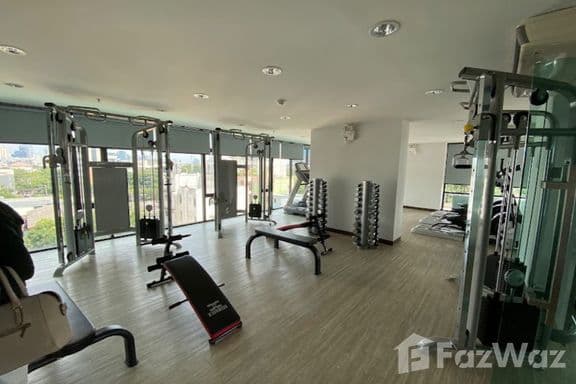
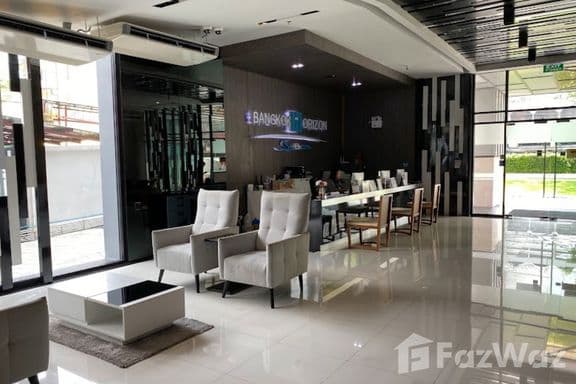
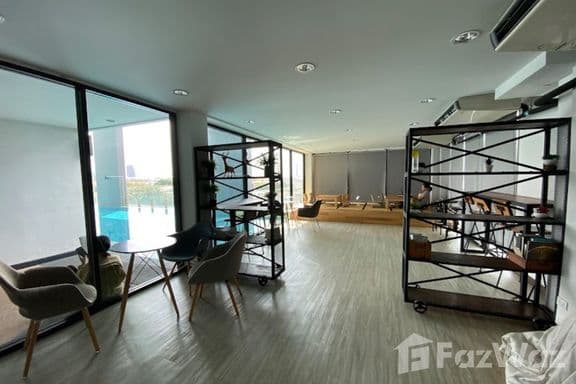

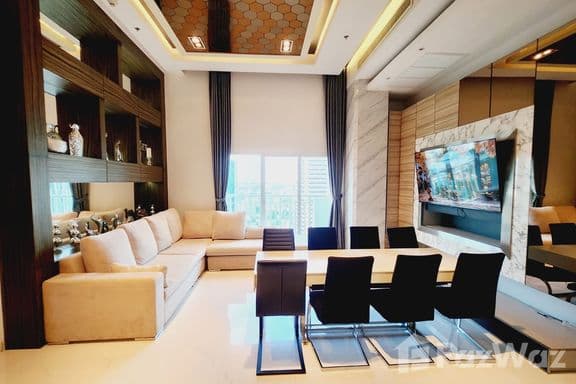
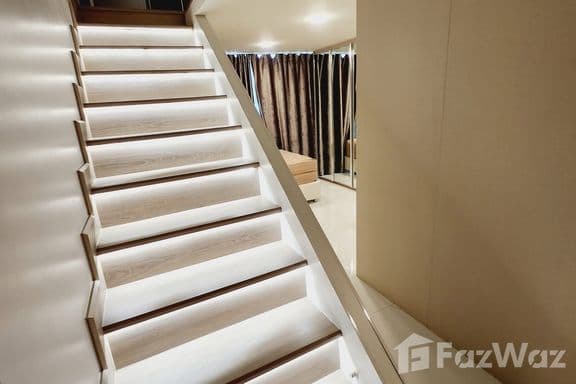
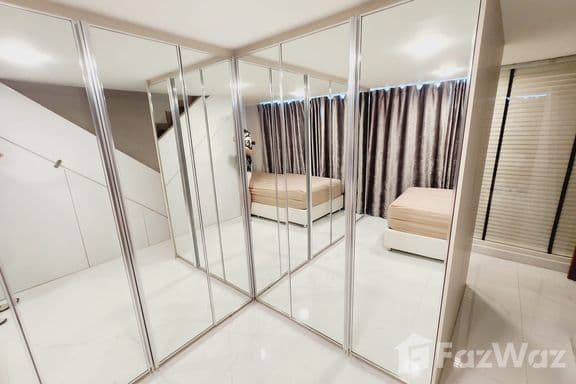
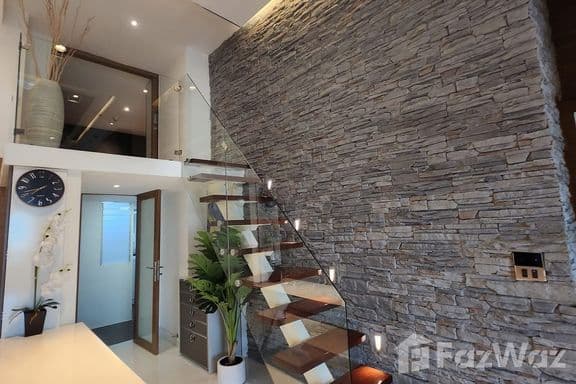




















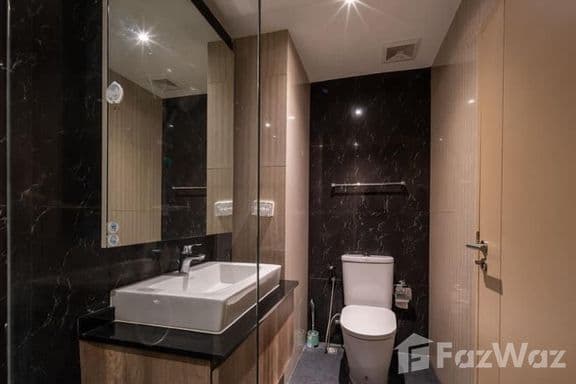
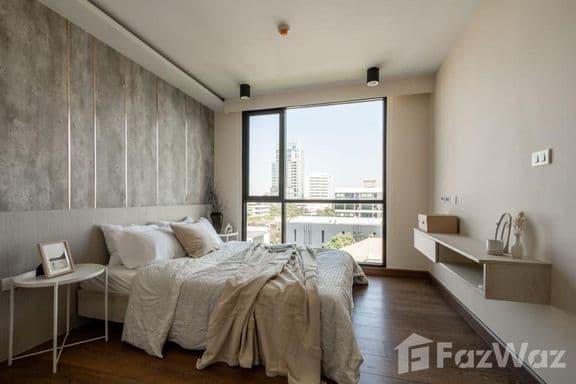




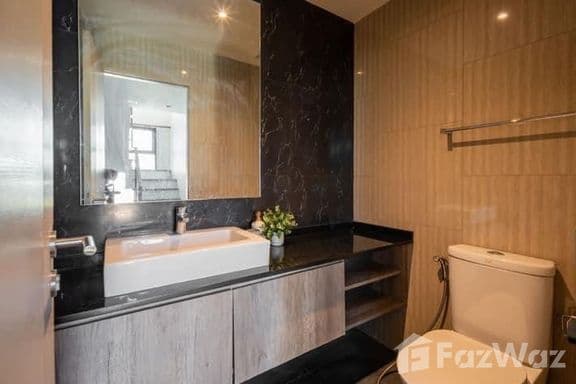

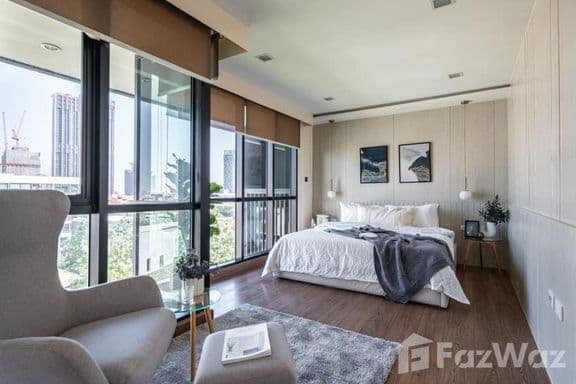



















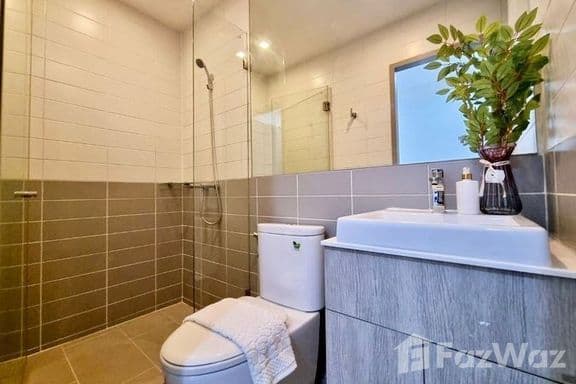
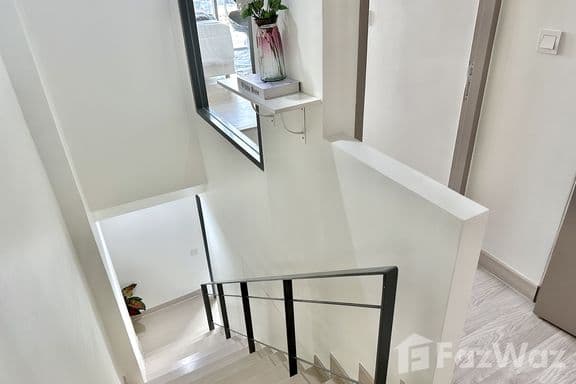
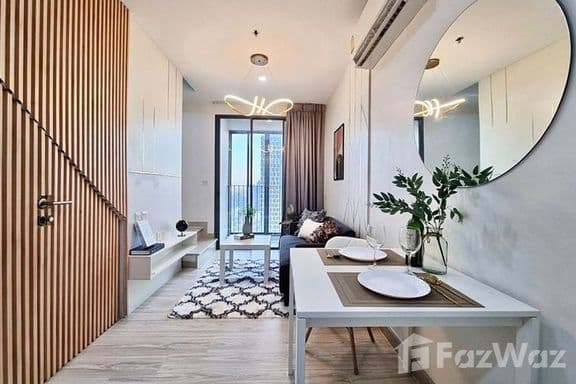

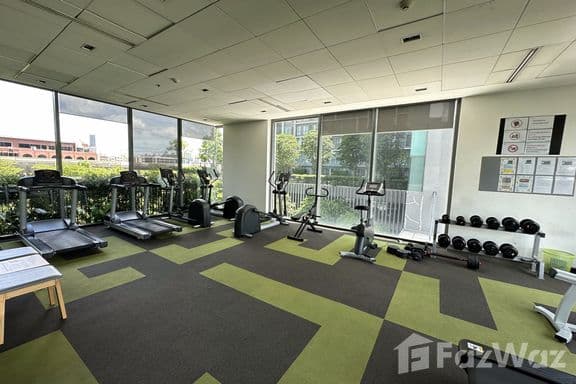







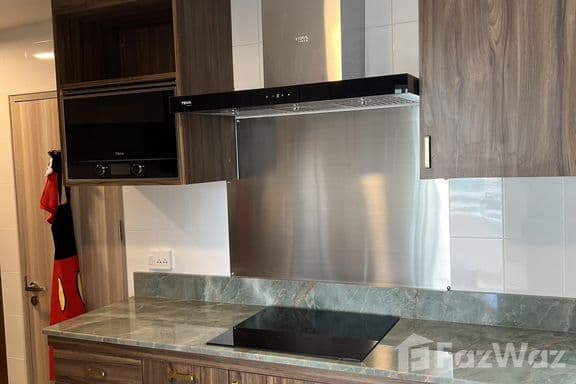

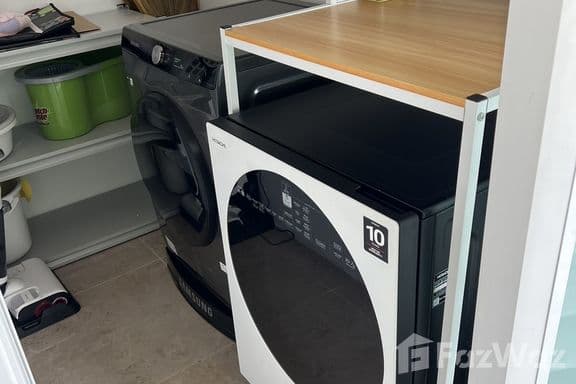

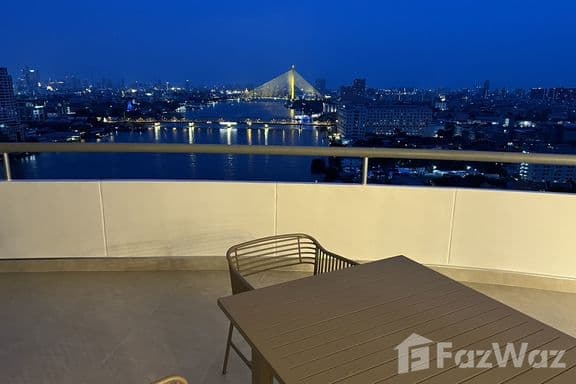
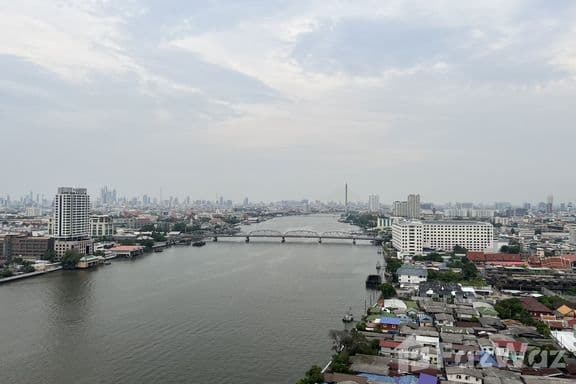
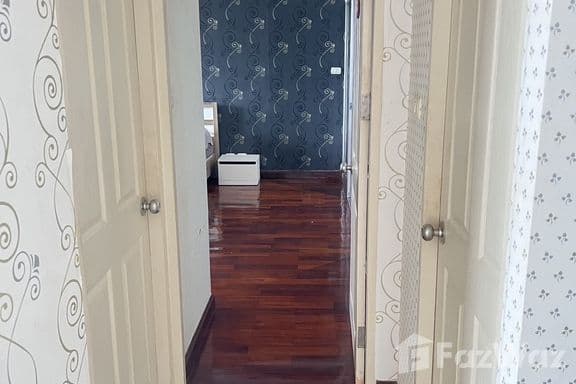
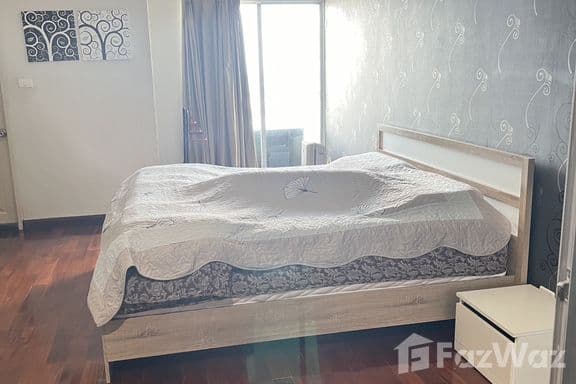
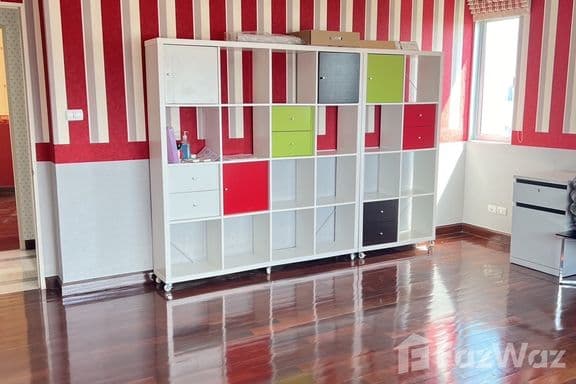
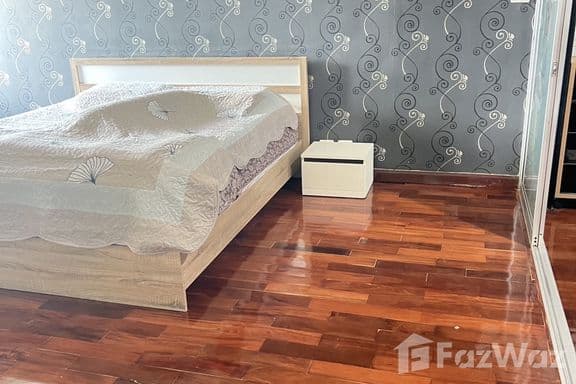

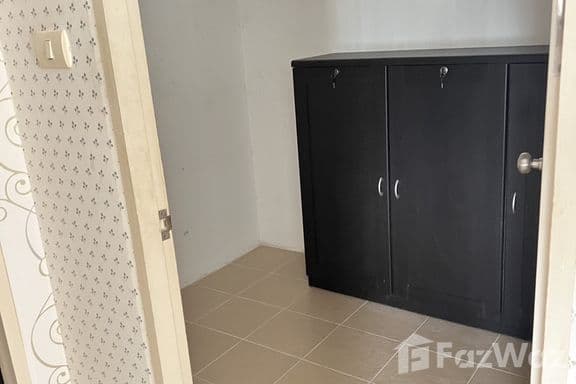
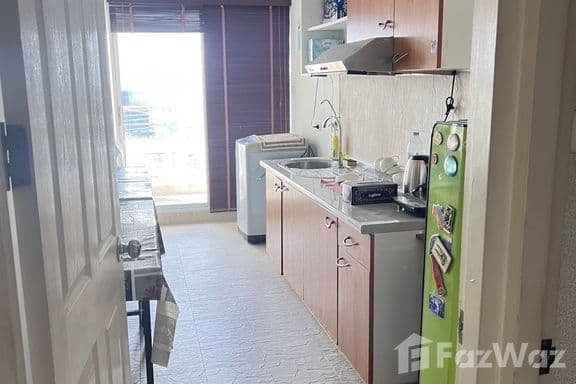
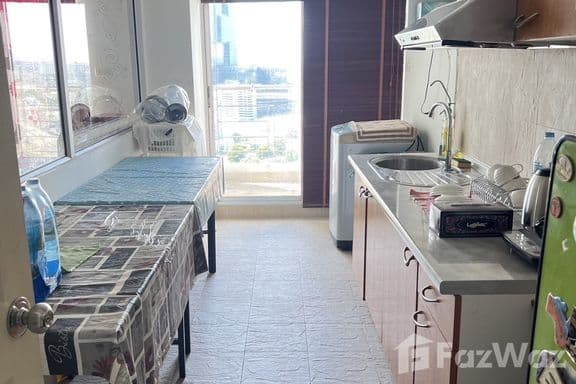

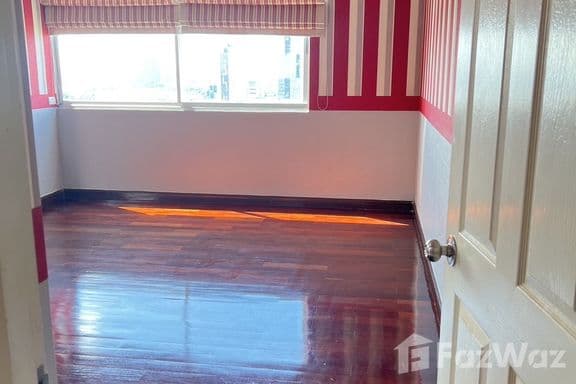





























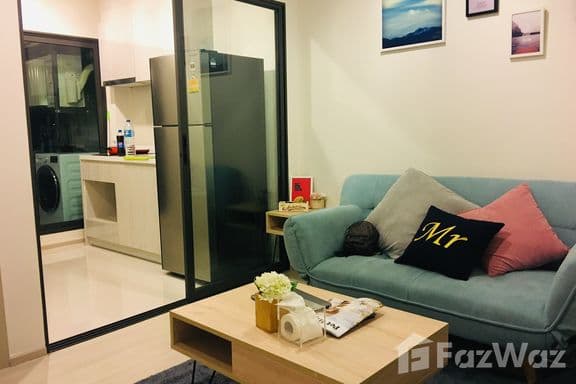

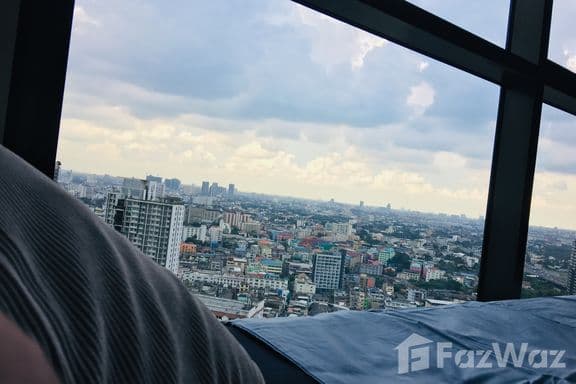

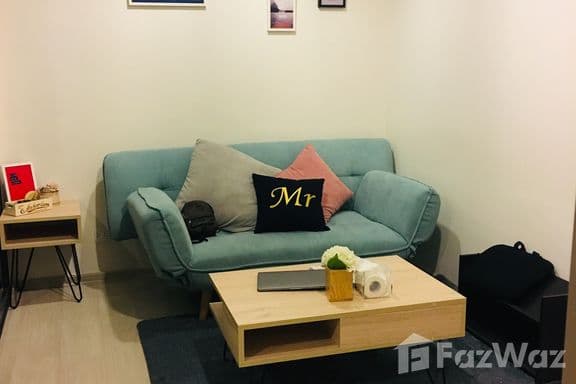
Bangkok’s real estate market is attracting growing interest from international investors, and for good reason. The Thai capital offers a dynamic blend of high rental yields, gradual capital appreciation, and a relatively accessible legal framework for foreign buyers. For English-speaking real estate investors considering property for sale in Bangkok, it’s essential to understand the market’s current state, ROI potential, key neighborhoods, and legal considerations. This comprehensive guide takes an analytical look at Bangkok’s property market performance, recent trends, neighborhood investment highlights, and the rules governing foreign ownership.
Post-Pandemic Recovery and Growth: Thailand’s housing market has been on a gradual recovery path. In 2024, Bangkok’s property prices continued to inch upward, although at a slower pace than the national average. Residential price indices show that in the Bangkok metropolitan area, single-detached house prices rose about 2.4% year-on-year in Q4 2024, and condominiums saw price growth decelerate to 2.46% (1.45% inflation-adjusted). This marked a cooldown from earlier in 2024 when condo prices had spiked over 7% year-on-year in Q3 before easing off. Rising construction costs and land prices have contributed to upward pressure on prices despite soft buyer demand. Overall, developers and analysts describe the price growth as gradual and cautious, with 2025 expected to bring only modest appreciation of around 2–3% in housing prices under current conditions. Some optimistic forecasts go as high as 5–7% growth, but those hinge on robust economic improvements.
Supply and Demand Dynamics: The Bangkok property market is currently defined by weak local demand but a somewhat resilient foreign interest. Foreign demand continues to support housing activity even as many local buyers face decreased purchasing power and tighter credit. In the first three quarters of 2024, the total number of residential property transactions in Thailand was down 7.4% year-on-year, with low-rise home purchases dropping sharply. Notably, condominium transfers actually increased by 5.6% compared to the same period in 2023 – a sign that condos (the segment open to foreign buyers) are faring better than the local housing market overall. Foreign buyers, led by those from China and neighboring countries, purchased more Bangkok condos in 2024 than the previous year (Bangkok accounted for 38.7% of foreign property transfers, up 6.2% year-on-year). This influx of foreign capital has helped buoy condo sales even as domestic buyers struggled with mortgage access. In fact, Thailand’s mortgage rejection rate has surged to around 35% (versus a normal 15–20%), as banks tighten lending to lower-income buyers; for homes in the THB 2–3 million range (entry-level condos), up to 50–60% of loan applications are being rejected. This credit hurdle has put a damper on local demand, forcing developers to adjust their strategies.
Developer Caution and Limited New Supply: Given the softer demand environment, Bangkok’s developers significantly pulled back on new project launches in 2024. New housing project launches in the capital fell by roughly 19% in 2024, as developers focused on clearing existing inventory amid rising construction costs. Many firms postponed condo launches, especially in areas with oversupply, and shifted attention to projects aligned with actual purchasing power (e.g. mid-range homes ≤ THB 7 million). Official data backs this trend – building permits issued in Bangkok plunged by 33.5% year-on-year in the first three quarters of 2024. Consequently, the pipeline of new units is tightening. Only about 72,400 new residential units were completed in Bangkok in the first 9 months of 2024 (just a 1.5% increase YoY), with nearly all growth coming from condominiums while low-rise house completions dropped. This retrenchment in supply should help prevent a glut and is one reason property prices in Bangkok have remained stable to rising despite low transaction volumes. Developers are effectively self-regulating the market by avoiding flooding it with new inventory.
Government Incentives and Economic Factors: On the policy front, Thai authorities have taken steps to stimulate the property market. The government temporarily slashed transfer and mortgage registration fees for homes under THB 7 million to just 0.01% (from 2% and 1% respectively), easing transaction costs for affordable segment buyers through 2024. This measure helped slow the decline in ownership transfers and prompted some pent-up demand, particularly in the lower-end condo market. Additionally, after a series of interest rate hikes in 2022–2023, the Bank of Thailand made its first policy rate cut in October 2024, trimming the benchmark rate to 2.25%. Lower interest rates and the prospect of more accommodative monetary policy going forward are expected to improve financing conditions marginally. That said, lending remains cautious and focused on credit-worthy middle-to-upper income buyers. Broader economic conditions are gradually improving – GDP growth is forecast around 2.8–2.9% in 2024–2025 and tourism is rebounding to near pre-pandemic levels – which bodes well for housing demand in Bangkok. In summary, the market landscape is one of measured optimism: prices are inching up and rentals are strong, but the recovery in sales volume is slow, prompting a wait-and-see approach among developers.
One of Bangkok’s biggest draws for real estate investors is its attractive rental yields. Gross rental yields on Bangkok residential properties average roughly 6% in 2024, which is relatively high by regional standards. Recent data show that nationwide the average gross yield stood at 6.17% in Q1 2025, with Bangkok’s yield around 6.05% and some suburban markets even higher. For instance, neighboring provinces like Samut Prakan and Nonthaburi (essentially Bangkok’s outskirts) have seen yields above 6.4–7%, as property prices there are lower while rental demand remains solid. Within Bangkok, yields can vary by neighborhood and property type: luxury condos in prime Sukhumvit or Sathorn may yield around 4–5% gross, whereas mid-range condos in emerging areas can achieve 6–7% due to lower acquisition costs and still-strong rents. Overall, a 5–6% gross yield is a reasonable expectation for well-chosen Bangkok investment condos – a level that often outpaces what investors get in many Western city property markets (especially when factoring in Thailand’s relatively low holding costs and taxes).
Rents on the Rise: The rental market in Bangkok has shown robust performance recently, which boosts ROI prospects. As expatriates and international students returned after the pandemic, demand for rentals in prime areas surged. In fact, in Q3 2024 Bangkok’s prime apartment rents jumped 15.9% year-on-year, reflecting competition for quality units in central locations. According to CBRE, by late 2024 the average asking rent for Grade A apartments in Bangkok had reached THB 566 per square meter per month (about USD 16.7), up 8.8% year-on-year. Top-tier neighborhoods like Sukhumvit saw the highest rents (around THB 580 per sqm), followed closely by the central Lumpini/Siam area (THB 564) and then the Silom/Sathorn CBD (around THB 488). These rising rents directly translate into improved yields for landlords. For example, a typical two-bedroom condo in Bangkok might have an average listing price of about USD 300,000 and command monthly rent around USD 1,500–1,600, which indeed produces a gross yield in the ~6% range. With many new projects delayed and fewer completions in the pipeline, rental supply in prime areas remains tight – another factor supporting landlords’ pricing power going forward.
Total Return and Capital Appreciation: Beyond rental income, investors are also interested in Bangkok’s long-term price appreciation. Historically, Bangkok property has appreciated modestly but steadily, and that trend is expected to continue. Current forecasts for capital growth are in the low single digits annually under baseline scenarios. While this is not a market for rapid speculative gains, Bangkok real estate offers reliable capital preservation with upside potential. The combination of ~3–5% annual price growth (on average, depending on the segment) and 5–6% rental yields can result in a healthy total return over time. Importantly, Thailand does not impose onerous annual property taxes on personal residences – the new Land and Building Tax has very low rates for residential properties – meaning hold costs are minimal, and rental income isn’t heavily eroded by taxes. This boosts net yield compared to some countries where high property taxes can eat into rental returns. Additionally, the Thai baht has been relatively stable, so currency risk for foreign investors has been moderate (though always a consideration). Overall, Bangkok’s ROI profile is strong: investors can enjoy cash flows from day one and a reasonable expectation of medium-term capital gain, all in a market that is more affordable than regional hubs like Hong Kong or Singapore.
Data Snapshot – Bangkok Condo Prices by Location: Real estate values in Bangkok vary widely by location. Prime central areas command significantly higher prices per square meter than city-fringe or suburban districts, which in turn influences yields and investment strategy. The table below highlights average condominium prices in different Bangkok zones:
|
Bangkok Location |
Avg Condo Price (THB/sq.m.) |
Y/Y Price Change (Q2 2023) |
|
Central Business District (CBD) – e.g. Lumphini, Asoke, Sathorn |
~248,000 THB/sq.m. |
+1.7% |
|
City Fringe – e.g. Ratchada, Ari, Phra Khanong |
~121,300 THB/sq.m. |
+1.8% |
|
Suburban Areas – e.g. Bang Na, Nonthaburi |
~68,000 THB/sq.m. |
+3.0% |
Source: Knight Frank Thailand, Q2 2023. These figures illustrate the price gradient – central Bangkok condos cost 3–4 times more per square meter than those in outer suburbs. Notably, the fastest price growth has recently been in suburban Bangkok (+3% YoY), as affordability and new transit lines draw buyers to the outskirts. Investors might find greater capital upside in select city-fringe projects (with improving infrastructure) while accepting slightly lower absolute rents compared to the CBD. Meanwhile, blue-chip downtown properties offer stability and prestige, albeit at premium entry prices. Striking a balance between rental yield and capital growth potential is key when choosing which Bangkok neighborhood to invest in.
Bangkok is a city of diverse neighborhoods, each offering a unique blend of lifestyle, price point, and investment profile. Below we analyze some of the key neighborhoods and districts that real estate investors should watch, highlighting their characteristics and appeal:
Profile: Sukhumvit Road is Bangkok’s most famous artery and a hotspot for expat living. The stretch from Asoke through Phrom Phong to Thonglor is packed with upscale condos, trendy bars and restaurants, luxury malls (like EmQuartier and Emporium), and international schools. This area is firmly in the CBD premium bracket, combining residential and commercial vibrancy. Sukhumvit is served by the BTS Skytrain along Sukhumvit Line, making it extremely well-connected – one of the reasons it’s the top choice for expatriates and young professionals.
Investment Appeal: Properties in Sukhumvit command top-tier prices and rents. It’s not uncommon to see new luxury condos here asking THB 200,000–300,000 per sq.m., especially in Soi Thonglor or around Asoke. However, the rental demand is equally high. Sukhumvit currently boasts the highest rental rates in Bangkok, at about THB 580 per sq.m. for Grade A apartments – roughly 5–10% higher rents than other areas. This means investors can achieve solid yields despite the high capital values. A well-located Sukhumvit condo can yield around 5% gross annually, and units in older buildings (bought at lower price per sq.m.) may yield even more. Sukhumvit’s enduring popularity assures low vacancy and steady rental income. Capital appreciation has been steady, if not spectacular, as the area is quite mature; yet, values do climb as land becomes scarcer. For investors seeking a “safe bet” location with liquidity, Sukhumvit is a prime candidate. Just be prepared for higher entry costs – in exchange, you get Bangkok’s most liquid rental market and a prestige address that will always be in demand.
Profile: Silom and Sathorn form Bangkok’s traditional Central Business District (CBD), often likened to “Wall Street” of Bangkok. The area hosts many corporate headquarters, banks, embassies, and luxury hotels. Silom Road is a bustling commercial street by day and nightlife spot by night, while Sathorn Road is lined with gleaming office towers and high-end condos. Lumphini Park sits at the corner of this district, providing a green respite amid the urban density. Accessibility is good, with the BTS Silom line and MRT Blue line running through (Sala Daeng, Chong Nonsi, Lumphini stations, etc.).
Investment Appeal: As the city’s financial core, Silom/Sathorn commands premium real estate values. Prices for new luxury condos are on par with Sukhumvit’s upper end (THB 200k+ per sq.m.), especially in projects near Lumphini Park or along the Chao Phraya River (on Sathorn’s end). Rental demand comes from executives, diplomats, and affluent Thais, which keeps occupancy rates high for quality units. According to market data, rents for Grade A apartments in Silom/Sathorn average around THB 488 per sq.m. monthly – slightly lower than Sukhumvit, but still among the highest in the city. Yields here typically range from 4% to 5%, as many buildings cater to the luxury segment. Investors might see slightly lower percentage yields than in mid-market areas, but with a very stable tenant pool and the prestige of owning in Bangkok’s CBD. Importantly, Silom and Sathorn are undergoing modernization (e.g. the massive One Bangkok mixed-use project nearby is set to enhance the area’s appeal). With limited land for new development, property values in this district have a high floor. Upside potential could come from redevelopment of older office buildings into mixed-use or residential projects, and from continued growth in Bangkok’s finance and service sectors which funnel high-earning renters into this locale.
Profile: The Rama IX–Ratchada area has rapidly emerged as Bangkok’s “New CBD”. Centered around the intersection of Rama IX Road and Ratchadaphisek Road, this district has seen a boom in office towers, shopping centers (Central Rama 9, Fortune Town IT mall), and condominium projects over the past decade. The relocation of the Stock Exchange of Thailand (SET) headquarters and several Fortune 500 company offices to the Grand Rama 9 development has anchored this zone as a new business hub. It’s also notable for having a strong Chinese influence – the area around Huai Khwang is sometimes called Bangkok’s “New Chinatown”, with many Chinese expatriates and investors focusing here. The MRT Blue Line runs through Ratchada (Phra Ram 9, Thailand Cultural Centre, Huai Khwang stations), and a future MRT Orange Line will further boost connectivity, making this area ever more accessible.
Investment Appeal: Rama 9/Ratchada offers a compelling mix of modern infrastructure at mid-tier prices. It represents the city fringe in pricing terms – average condo prices are about THB 120,000 per sq.m. (as of 2023), roughly half the cost of units in the Silom/Sukhumvit CBD. Yet, rental demand is strong and growing, thanks to the influx of offices and foreign residents. Investors can find new condo projects with attractive facilities at a fraction of downtown prices, while still achieving decent rents. Yields in this area often reach 5–6% or higher, given the price-to-rent advantage. For example, a new one-bedroom bought for THB 3.5 million might rent for THB 18,000–20,000 per month, delivering around 6% gross yield. Capital growth prospects are also positive – as the New CBD continues to develop (with projects like the Super Tower and various multinational company relocations), land values and property prices in the vicinity are poised to rise. Additionally, infrastructure improvements (new rail lines, expressways) enhance the long-term appeal. Investors from China, Singapore, and Hong Kong have been snapping up units here for its blend of value and future potential. In summary, Rama 9 and Ratchada are ideal for those looking for a high-growth story in Bangkok: the area has momentum and still offers affordability by central city standards.
Profile: Thonburi refers to the area on the west bank of the Chao Phraya River, directly across from Bangkok’s main CBD. Historically, Thonburi was less developed and often overlooked by investors, but that narrative is changing fast. The opening of new mass transit lines – the BTS Silom Line extension (Wongwian Yai to Bang Wa) and the Golden Line – has significantly improved access. Areas like Charoen Nakhon and Khlong San now host luxury developments such as ICONSIAM (a landmark riverside mall) and multiple high-end condominium towers with stunning river views. Thonburi offers a mix of old-town charm (local markets, temples, low-rise communities) and new upscale projects springing up along the riverfront and near BTS stations.
Investment Appeal: The Riverside has become a hotspot for premium condos and hotels, capitalizing on panoramic river and skyline vistas. Prices for riverfront condos (e.g. by ICONSIAM or near the Millennium Hilton) rival central Bangkok – some luxury units exceed THB 250,000 per sq.m. That said, move a bit inland and prices drop considerably; Thonburi still has many mid-range condo projects that are more affordable than similar ones east of the river. The rental market in Thonburi is not as deep as in Sukhumvit, but it’s growing. Professionals who work in Silom/Sathorn find that living across the river (just 1–3 BTS stops away) can yield better value for money. Gross yields in Thonburi can be 6%+, particularly for mid-level condos purchased at lower prices than the city center. Investors have the opportunity for capital appreciation as well, since this area is on an upswing: government infrastructure projects (new bridges, roads, transit) and private megaprojects are putting Thonburi on the map. For instance, the extension of mass transit lines and planned riverfront developments will likely raise property values. However, investors should be selective – focus on locations near transit stations or river ferry piers for maximum desirability. Thonburi’s transformation is underway, and those who get in early on quality projects may reap above-average returns as the district matures.
Profile: Bang Na is a district in eastern Bangkok that has gained prominence due to infrastructure developments. It sits along the Sukhumvit BTS line (beyond Ekkamai/Phra Khanong, after On Nut) and is home to the Bangkok International Trade & Exhibition Centre (BITEC) and various international schools and large retail centers (Mega Bangna, etc. a bit further out). Crucially, Bang Na is the gateway to the Eastern Economic Corridor (EEC) – a Thai government initiative to spur economic growth in the eastern seaboard provinces. The area has benefited from new expressways and the extension of the BTS skytrain all the way to Kheha (Samut Prakan). Bang Na and its neighboring suburbs offer more space for large-scale projects, including mixed-use complexes and gated housing communities.
Investment Appeal: As an emerging outer district, Bang Na offers relatively affordable property prices and promising growth drivers. Condominium prices here might range from THB 70,000–100,000 per sq.m. for new units, markedly lower than central Bangkok. Yet, the presence of the BTS line means residents can commute to downtown in 20–30 minutes, making it attractive for middle-class city workers and expat families seeking bigger living spaces. Rental yields in Bang Na can easily hit 6–7% because purchase prices are low while rental demand (though more limited than downtown) exists from those who work along the BTS corridor or in industrial estates on the outskirts. Another boost to Bang Na is the ongoing development of the Bangkok Mall (one of Southeast Asia’s largest malls, under construction) and other commercial hubs that will create jobs and draw shoppers. According to local market observers, new rail lines and extensions have uplifted property values in areas like Bang Na and Ladprao by improving accessibility. Investors considering Bang Na should approach it as a medium to long-term play: the area’s full potential will unfold over the coming years as the EEC growth and Bangkok’s expansion eastward continue. Early investors can lock in low entry costs now and potentially enjoy both rental income and significant capital gains as urbanization spreads. It’s a chance to ride the urban growth curve of Bangkok, albeit with the trade-off of being outside the traditional city core.
Thailand has specific laws governing foreign ownership of property, and any investor looking at Bangkok real estate must be aware of the legal framework. The good news is that Thailand welcomes foreign buyers within certain channels, especially in the condominium sector. However, restrictions do apply, particularly regarding land.
Condos – The Easiest Path: Foreigners can legally own condominium units in Thailand on a freehold basis, provided that no more than 49% of the total floor area of a condo building is owned by foreigners. This is enshrined in the Thai Condominium Act and is the most straightforward way for a non-Thai to invest. Buying a condo in your own name grants full title ownership of that unit (similar to owning an apartment outright in the West). To do so, the foreign buyer must bring funds from abroad in a foreign currency and convert to Thai Baht to pay for the unit – the receiving Thai bank will issue a Foreign Exchange Transaction form as proof, which the Land Department requires upon transfer. In practice, developers in Bangkok often market heavily to foreign buyers and assist with this process. Key points for condo ownership: ensure the building still has foreign quota available (reputable developers manage this), and complete the proper remittance documentation. Once the transfer is done, you hold the title (chanote) for your condo, which you are free to sell or rent out at any time. Do note that if you later resell, you can repatriate the funds in foreign currency again; just keep the paperwork to show the original inward remittance.
Land and Houses – Restrictions: Thai law prohibits foreign individuals from owning land outright. This means a foreigner cannot directly own a plot of land or a landed house/villa in their own name (with very limited exceptions). Even if a foreigner marries a Thai national, the land must be in the Thai spouse’s name and the foreign spouse must legally disclaim rights to it. That said, there are alternatives for foreigners who wish to invest in houses or villas:
Legal Due Diligence: Regardless of what you buy, using a reputable lawyer or property conveyancer is highly recommended. They will verify the title deed for any encumbrances or liens, ensure the sales agreement is fair, and help with registration. Notably, foreigners get the same property rights protections under Thai law when they legally own a condo or registered lease, etc. Thai property titles are modern and handled at provincial Land Offices; once your name is on the title or lease registered, your interest is quite secure.
Transaction Costs and Taxes: When buying property in Bangkok, transaction costs are moderate. The main transfer fee is 2% of the registered value (often split 50/50 between buyer and seller by custom). There is also a nominal stamp duty (0.5%) or specific business tax (3.3%, applicable only if the seller has owned the property less than 5 years or is a company). Additionally, the seller (if an individual) pays a withholding tax, typically 1% of the sale price or a calculated amount based on ownership period. For the buyer, aside from the transfer fee, the other costs are minimal (no stamp duty if specific business tax is applied, and vice versa). In 2023–2024 the government’s reduction of transfer fee to 0.01% for lower-valued homes was an extra bonus. On the holding side, Thailand introduced the Land and Building Tax in 2020 which is an annual tax, but for residential properties that you live in or even if rented out, the rates and assessed values result in a very low annual tax in most cases (often a few thousand baht or less for a condo). There is no capital gains tax for individuals on property sales in Thailand – any gain is just subject to the transfer taxes mentioned. This makes the tax environment investor-friendly. Rental income earned by a foreign landlord is taxable in Thailand (personal income tax rates, with allowable deductions), but many investors structure their rentals in tax-efficient ways. It’s best to consult a tax advisor for specifics, but broadly speaking, Thailand’s property tax regime is low to moderate, enhancing the net returns for investors.
In summary, Thailand’s laws allow foreigners to invest in condos with full ownership and to secure long-term interests in other property types via leases or corporate structures. The legal framework, while restrictive on land, is transparent and well-trodden by thousands of foreign investors. Bangkok has established agencies and legal firms that specialize in assisting foreign buyers. By following the rules, doing due diligence, and perhaps leveraging available incentives (like the new long-term resident visas or BOI investment schemes for those running businesses), foreign investors can successfully navigate Thai real estate acquisition. Always ensure compliance – the penalties for trying to skirt ownership rules (such as nominee arrangements) can be severe. Fortunately, with condos readily available, most investors will find a suitable path to invest legally in Bangkok’s property market.
Looking ahead, the outlook for Bangkok’s real estate market in 2025 and beyond is cautiously optimistic. The consensus among analysts is that the market will see gradual growth rather than a rapid boom. Several key factors and projections shape this perspective:
Bottom Line: Bangkok’s property market in 2025 is set to remain investor-friendly, characterized by moderate growth, high rental yields, and improving fundamentals. It’s transitioning from recovery to expansion in a measured way. Investors building a portfolio here are effectively banking on the city’s continued evolution as a regional metropolis with rising incomes, and on Thailand’s political-economic stability. Given the relatively low price base (Bangkok condos are still cheaper than in many comparable capital cities) and positive developments in infrastructure, the medium to long-term trajectory is positive. Experts generally agree that now is a good window for investment – prices have not overheated, sellers/developers are negotiable in many cases, and rental demand is robust. By establishing a foothold in Bangkok real estate now, investors can position themselves ahead of the next cyclical upswing. As always, focusing on location, project quality, and legal compliance will be key to maximizing returns in the vibrant and rewarding Bangkok property market.




 Popular condos in Bangkok

