Property for Sale in Phuket – Comprehensive 2025 Market Guide
1. Overview of the Phuket Property Market in 2025
Phuket’s real estate market in 2025 shows strong growth, driven by post-pandemic demand and a tourism rebound. Property sales peaked in 2023–2024, with 2024 seeing record activity. Developers launched over 10,400 condo units in 2024 (+148% YoY), and villa development also grew (+51% vs 2023). Buyer demand remained strong: 6,156 condos and 573 villas were sold in 2024.
Foreign investors, especially Russians, led the market, favoring upscale villas (THB 20–60 million) and mid-range condos (THB 5–10 million). Chinese and Europeans followed, seeking holiday condos or rental-friendly homes. This steady foreign demand helped stabilize and grow property values. Land prices have risen over 600% since 2005. Despite global challenges, Phuket’s market remains resilient due to cash-based purchases and tourism.
Tourism continues to fuel the market. In 2024, over 5.3 million visitors returned, bringing hotel occupancy to ~80%. Many foreign tourists became property buyers, boosting holiday home and investment condo sales.
Infrastructure upgrades also support the market. The Phuket Light Rail (planned), airport expansion, Kathu–Patong tunnel, and new hospitals like Bumrungrad Phuket improve accessibility and island-wide livability, encouraging more investment.
The 2025 outlook is stable. Affluent buyers continue to invest, but rapid condo development raises mild oversupply concerns. Modest price growth of 2–5% is expected. Buyers now have more choices, yet top locations stay competitive, supported by tourism, infrastructure, and Phuket’s luxury appeal.
Market outlook for 2025 remains optimistic yet nuanced. On one hand, demand from high-net-worth individuals and lifestyle buyers remains resilient – this affluent segment is less sensitive to short-term economic fluctuations. On the other hand, the rapid pace of new construction has introduced concerns of oversupply in the condominium segment, putting slight downward pressure on prices in some areas with many new projects. Analysts project modest price growth of around 2–5% in 2025 for housing overall, as developers focus on clearing inventory. In essence, Phuket in 2025 is a dynamic yet stable market: buyers have more choices from new developments, but prime locations are as competitive as ever due to sustained foreign interest. Prices are holding firm or rising gradually, supported by strong fundamentals such as tourism, infrastructure, and Phuket’s global appeal as a luxury lifestyle destination.
Average Property Prices by Area (2025)
To understand Phuket’s pricing landscape, the table below compares average price ranges for properties in key areas of the island. Condominium prices are given per square meter (THB/sqm), while villa prices are indicated as typical total values:
|
Area
|
Avg Condo Price (THB/sqm)
|
Typical Villa Price Range (THB)
|
Remarks
|
|
Patong (Kathu)
|
~120,000 – 150,000
|
15 – 40 million (limited supply)
|
Prime tourist hub; high rental demand but mostly condos and hotels in this dense area.
|
|
Surin & Bang Tao
|
~150,000 – 200,000
|
30 – 100+ million (luxury segment)
|
Upscale west coast; luxury condos and estates (incl. “Millionaire’s Mile”). Premium pricing.
|
|
Karon & Kata
|
~110,000 – 140,000
|
20 – 50 million
|
Popular beach lifestyle areas; mix of mid- to high-end properties, good rental appeal.
|
|
Rawai & Nai Harn
|
~80,000 – 120,000
|
10 – 30 million
|
Expat-friendly south; many villas and affordable condos. Quiet living with steady long-term demand.
|
|
Phuket Town
|
~70,000 – 90,000
|
5 – 15 million (townhouses, small homes)
|
Urban center (Mueang); lowest condo prices, mainly local market. Attracts some expats for city convenience.
|
|
Cherng Talay <br/>(Inland Thalang)
|
~90,000 – 130,000
|
8 – 25 million (new villas)
|
Fast-growing inland area near Bang Tao; new developments targeting mid-range villas and condos.
|
Prices are approximate market averages in 2025. Actual values vary by project, view, and property specifics. Coastal sea-view units and branded residences command higher prices, while inland or older properties trade at lower rates.
As shown, West Coast locales (Patong, Surin, Kamala, Bang Tao) carry the highest property prices due to their proximity to Phuket’s best beaches, views, and entertainment. In contrast, Phuket Town and inland districts offer more affordable options, reflecting distance from the beach but growing appeal for long-term living. Overall, the island-wide average price for condos is around THB 110k–140k per sqm, placing Phuket among Thailand’s pricier markets (second only to Bangkok). Villas span a broad range – from ~THB 4–5 million for modest homes to ultra-luxury estates exceeding THB 700 million at the top end. This diversity means Phuket’s property market can cater to a wide spectrum of foreign buyers, from budget-conscious retirees to high-end investors.
2. Why Foreigners Are Buying in Phuket: Investment and Lifestyle Drivers
Investment Appeal – “Blue-Chip” Returns and Growth: Phuket real estate offers high rental yields (7–10%) and consistent capital growth. Short-term tourist rentals and long-term expat demand support strong returns. Land prices have risen 600% over two decades. The market is resilient due to cash buyers and diverse demand, with low taxes and transaction costs enhancing investor appeal. Government infrastructure projects and expanding tourism support future growth.
Lifestyle Appeal – Tropical Luxury and Convenience: Phuket combines natural beauty with modern comfort. Buyers enjoy ocean views, tropical weather, and a relaxed atmosphere. The island supports long-term living with international hospitals, schools, shopping malls, and a wide range of dining and leisure options. It’s an attractive base for retirees and remote workers, offering a resort lifestyle with everyday convenience.
Community and Culture: Phuket has a strong expat presence, making it easy for foreigners to feel at home. English is widely spoken, and Western services are readily available. Foreigners appreciate the welcoming culture, local traditions, and vibrant Thai hospitality, which make integration smooth whether living part-time or full-time.
Favorable Living Costs and Climate: The cost of living is affordable compared to Western cities. Retirees and digital nomads can enjoy high living standards, and Thailand’s long-stay visas (like the Retirement Visa and Elite Visa) offer flexible living options. The warm, sunny climate supports an active, outdoor lifestyle year-round.
3. Residential Property Types: Condos, Villas, Townhouses – Trends and Pricing
Phuket’s real estate in 2025 offers a range of options from sea-view condos to private villas and townhouses, each with distinct pricing and market dynamics. Below is a breakdown of trends and pricing across these property types.
Condominiums – Resort Apartments and Serviced Condos
Condos are highly favored by foreign buyers due to the freehold ownership option and abundant supply. With Bangkok’s market saturation, developers have increasingly launched projects in Phuket. In 2024, over 6,000 condo units were sold, with areas like Bang Tao leading the way. Foreign demand has driven quick sell-outs, especially in tourist-heavy zones.
Prices vary by location and class. Entry-level units begin at ฿2–3 million, mostly in Phuket Town or inland. The average price is ฿110,000–฿140,000 per sqm. Mid-market condos near the beach cost ฿5–6 million, while luxury condos with sea views can exceed ฿30 million or ฿300,000 per sqm.
Key trends in 2025:
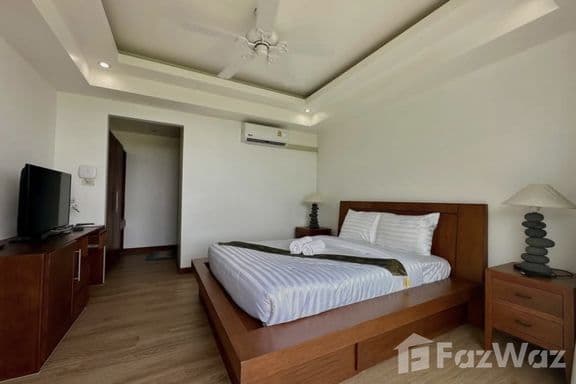
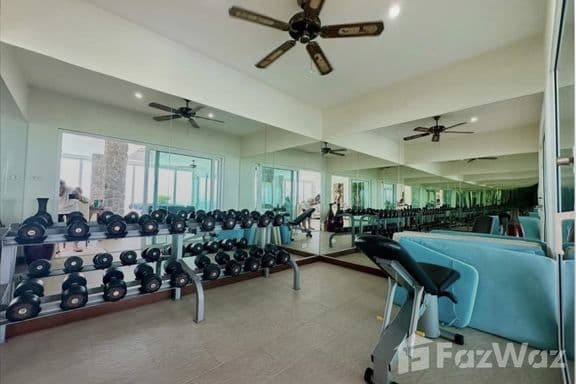
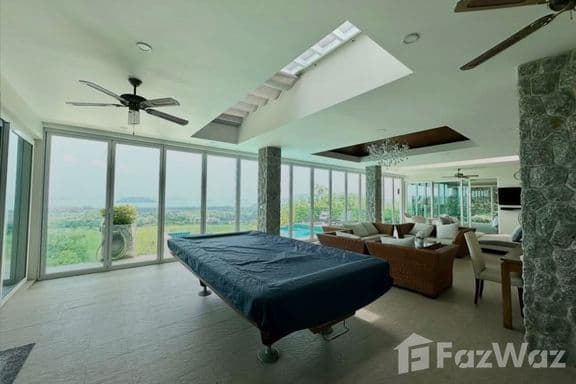
- Resort Amenities: New projects feature pools, lounges, gyms, co-working areas, and concierge services, often marketed as "condotels".
- Rental Yields: Developers promote 5–7% rental return guarantees; actual yields can reach 8–10% for tourist rentals.
- Foreign-Style Design: Larger layouts, Western kitchens, and flexible use appeal to international buyers.
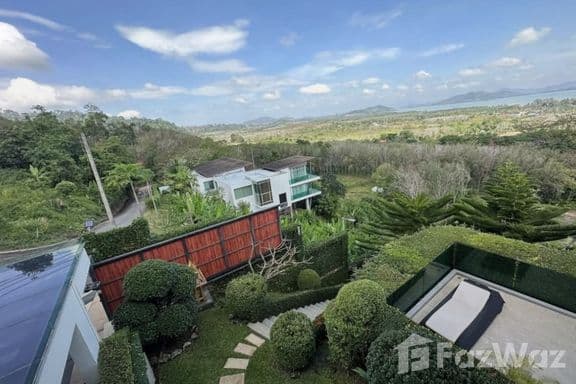
- Beach Zone Focus: West coast areas like Bang Tao, Kamala, and Nai Yang see the most activity.
- Price Segmentation: Affordable units ≤฿8M now dominate transactions, aligning with demand from digital nomads and investors.
Condos offer simplicity in ownership, minimal upkeep, and active resale markets. Location is critical—coastal condos offer strong tourist appeal, while city units may suit long-term renters.
Villas – Private Houses and Pool Villas
Villas remain the luxury ideal. Post-pandemic trends show soaring demand, particularly from wealthy foreign buyers seeking privacy. In 2023, sales quadrupled pre-COVID averages. Popular areas have seen supply constraints as new projects rush to meet demand.
Prices span widely. Entry-level villas start at ฿4–5 million. A mid-market pool villa may cost ฿10–25 million. Ultra-luxury villas in Kamala or Surin range from ฿60 million to over ฿700 million.
2025 Villa Trends:
- Inland Growth: Developers move slightly inland to offer better pricing and larger plots.
- Modern Design: Emphasis on open plans, outdoor spaces, and wellness features like rooftop gyms and solar panels.
- Resort Management: Branded villas offer hotel services and rental pools, ideal for investors.
- Leasehold Norms: Foreigners typically buy villas under 30-year renewable leaseholds.
- Rental Income: Villas generate significant short-term rental income, especially during peak seasons.
Villas appeal to retirees, families, and investors seeking capital appreciation and rental income. Due diligence is essential due to foreign ownership limitations.
Townhouses and Other Residential Options
Townhouses serve as more affordable landed homes, mainly for Thai buyers or foreigners with local ties. Prices range from ฿3–8 million for basic units and ฿8–15 million in more upscale developments.
Key Considerations:
- Ownership Restrictions: Foreigners can't directly own land; options include leasing or buying through a company or spouse.
- Target Audience: Townhouses appeal to long-term residents or Thai families, less so to foreign investors.
- Local Market Focus: Rental yields are modest, with limited appeal for short-term rentals.
Some niche developments offer condo-license villas allowing foreign freehold ownership, but these remain rare. For most foreign buyers, condos and villas remain more viable due to ownership and investment potential.
Market trend: There has been some development of new townhome projects in Phuket, particularly targeting young Thai professionals working in Phuket or families moving from other parts of Thailand. Areas like Kathu (near business districts and schools) and Thalang (inland) have seen such projects. These homes emphasize modern layouts, security (gated community), and affordability. For foreigners who do engage, a townhouse might be suitable if one desires a small garden or extra space but can’t afford a villa, or if one plans to eventually have a Thai company or structure to hold the property.
Another niche to mention is condominium-style villas or managed housing communities, where the land is co-owned (common area) and units are sold under a condominium license. This is rare but there have been a few developments in Thailand structured this way to allow foreign freehold ownership of houses. It’s not common in Phuket yet, but something a savvy buyer might inquire about if keen on a landed house with a freehold title.
In summary, townhouses offer a middle-ground price point and are part of Phuket’s real estate mix, but their appeal for foreign buyers is limited by ownership rules. They are best suited for those who plan an end-user lifestyle (living year-round) rather than for investment, since the rental demand for townhouses is mainly local and the returns are not as high as condos or villas in tourist areas. For most foreign investors and retirees, condos and villas remain the primary focus, providing either the lock-up-and-go convenience or the dream island home experience that aligns with their goals.
4. Commercial Investment Opportunities: Hotels, Retail Units, Offices
Phuket offers diverse commercial property opportunities beyond residential real estate. With a tourism-driven economy, hospitality and retail dominate, while office spaces serve a growing niche.
Hotels and Hospitality Properties
Hotels are a key part of Phuket’s investment appeal. As tourism rebounds, occupancy is rising and investor interest is growing.
Boutique Hotels and Guesthouses
Small resorts and guesthouses (10–50 keys) are popular with foreign investors. They’re manageable in size and profitable if located in tourist hubs like Patong or Kata. Airbnb-style demand boosts returns, but active management is essential.
Hotel Condominium Units (Condotels)
Investors can buy condo-titled hotel units managed by developers, earning rental revenue shares. These “hands-off” options often offer 5–8% guaranteed yields.
Large Hotels/Resorts
Wealthier investors may pursue large hotel ownership via Thai entities or JVs. Some acquired distressed resorts during the pandemic, now benefiting from recovery. These investments require professional management and offer potential high returns.
Key Trends:
- Global Brands: International hotel brands are expanding in Phuket, raising quality and attracting premium guests.
- Luxury & Lifestyle Niches: Growth in wellness resorts, party hostels, and boutique beach clubs reflects diverse traveler demands.
- Risk & Resilience: Hotels are exposed to global tourism shifts. Thorough due diligence and experienced management are essential.
Retail Units and Commercial Spaces
Phuket’s retail sector offers promising returns from shophouses, mall units, and commercial buildings.
Shophouses in Tourist Areas
High-traffic areas like Bangla Road or Old Town are ideal for shophouses leased to bars, restaurants, or shops. Returns depend on location, with ownership often structured via Thai companies or long-term leases.
Units in Shopping Centers
Phuket’s malls offer strata-titled retail units for sale. These provide lower but stable yields and professional management, especially in growing expat hubs.
Standalone Commercial Buildings
Investing in small office buildings or warehouses near business zones (like the airport) can yield steady income from local businesses. Zoning and ownership laws require careful navigation.
Retail Trends:
- Tourism Recovery: Tourist spending is surging, reviving rental rates in popular areas.
- F&B Boom: Demand for trendy dining and entertainment venues is strong, especially in Bang Tao and Phuket Town.
- Local Demand: Community retail serving expats and locals in areas like Thalang or Chalong offers consistent occupancy.
- Ownership Options: Foreigners often lease land and build to suit tenants, ensuring flexibility and compliance.
Offices and Co-working Spaces
Though smaller than Bangkok’s market, Phuket’s office space is emerging, driven by remote work and a growing economy.
Traditional Offices
Limited office buildings exist in Phuket Town and business districts. These attract long-term tenants like tech firms, tour operators, and educational offices. Rents are modest but stable.
Co-working Spaces
Digital nomads and startups fuel demand for co-work hubs. Investors can convert condos or shophouses into co-working venues or lease them to operators. These spaces thrive in Rawai, Patong, and Cherngtalay.
Office Trends:
- Demand Drivers: Tech, tourism, education, and marine industries support gradual office demand.
- Yields: Office tenants offer longer leases and consistent income, albeit with lower returns than hotels or retail.
- Hybrid Developments: Some malls and condos integrate office units, ideal for investment if centrally located.
In conclusion, commercial property in Phuket offers diversification beyond just residential holdings. For foreigners, the hotel and hospitality route is often the most enticing due to high tourism-generated returns, whereas retail and office investments provide more stable, long-term income. All require navigating Thailand’s foreign ownership rules (often via forming a company or lease arrangements), but the payoff can be significant. Phuket’s growth as an international destination means that well-located commercial assets – whether a small hotel, a beachfront shop, or a modern co-work office – stand to benefit from the island’s continued popularity and economic expansion.
5. Land Plots for Sale: Legalities, Use-Cases, and Investment Viability
Phuket’s land market offers high potential but comes with the most restrictions for foreign buyers. While foreigners cannot own land outright, there are legal pathways to control or benefit from land investments with the right structure and strategy.
Legalities of Land Ownership for Foreigners
Foreigners cannot directly own land freehold in Thailand. However, they can access land through alternative methods:
- Leasehold (30 years): Most common and secure option. Foreigners lease land for 30 years, with possible contractual renewals. They may build and own the villa structure through a legal right called Superficies.
- Thai Company Ownership: Foreigners may form a Thai Limited Company (majority Thai-owned) to acquire land. Strict scrutiny on “nominee” shareholders means this route requires genuine partnerships and proper legal setup.
- Thai Spouse Ownership: Land can be bought in a Thai spouse’s name, but the foreign partner must waive ownership rights. This carries personal risk and should be supported by prenuptial or side agreements.
- Special Investment Schemes: Very limited exceptions (e.g., Board of Investment) exist for wealthy investors, but these are niche and not broadly applicable.
Summary: Leasehold remains the safest and most straightforward option. Always seek legal advice to ensure compliance with updated regulations and enforcement.
Common Use-Cases for Land Investment
Foreigners typically pursue land in Phuket for the following reasons:
- Custom Villa Construction: Allows full design control and location choice, such as hilltop sea views. Land is leased or held via company; villa can be owned separately.
- Future Retirement Planning: Buyers secure land early with plans to build later, banking on price appreciation.
- Development Projects: Entrepreneurs develop villas or small resorts, often through partnerships with Thai developers or using Thai companies.
- Land Banking (Long-Term Hold): Holding undeveloped land with future resale value in mind. Some plots in key areas have appreciated by 50%+ in recent years.
- Special Projects: Niche uses like farming or equestrian centers via lease, though less common.
Investment Viability and Considerations
Land investment can yield strong returns, especially with Phuket’s growing demand and limited supply. However, it comes with higher complexity:
- Ownership Limits: Lease terms are not perpetual. Plan for exit, renewal, or transfer in advance.
- Liquidity Issues: Selling leased land or company-owned land may require special handling, possibly narrowing the buyer pool.
- Due Diligence: Confirm title type (Chanote preferred), zoning, utilities, and building regulations. Legal and land surveys are essential.
- Costs and Permits: Lease registration, transfer fees, and construction permits add to upfront costs and time requirements.
In Summary: Land is ideal for experienced or long-term investors with a clear plan. Whether for personal retirement use or capital gain, land can be a high-reward but high-responsibility asset in Phuket.
6. Top Locations by Purpose: Best Areas for ROI, Beach Living, Retirement, and Remote Work
Phuket offers a variety of regions, each tailored to different lifestyles and investment goals. Whether you're seeking high rental returns, a beachfront lifestyle, a relaxing retirement, or a remote work setup, here's where each area shines:
Best Areas for ROI (Return on Investment)
- Patong: Phuket’s nightlife and entertainment hub is a prime choice for short-term rental returns. With year-round tourist traffic, condos in central Patong achieve high occupancy and nightly rates. It’s ideal for investors targeting strong cash flow from platforms like Airbnb.
- Bang Tao / Cherng Talay: This upscale area has seen rapid growth, especially around Laguna Phuket and Boat Avenue. Popular for both short and long-term rentals, it’s a hotspot for high-end tourists and expats. New infrastructure adds future value potential.
- Kamala and Surin
Luxury villas and condos dominate these west coast areas, attracting affluent visitors. With sea views and branded residences, these zones promise solid appreciation and premium rental pricing.
- Phuket Town & Kathu (Central)
These central districts cater to local tenants like professionals and students. Property prices are lower, and occupancy is stable. Yields may be modest, but management is easier and long-term prospects are solid.
- Upcoming Areas: Nai Yang / Mai Khao
Located near the airport, these northern zones are emerging as new investment frontiers with growing tourist infrastructure and high long-term potential.
Best Areas for Beach Living
- Kata & Karon
Beautiful southwest beaches with an active yet relaxed vibe. Popular among families and expats, offering properties ranging from hillside condos to townhomes. Great for those who enjoy beach activities and convenience.
- Surin Beach
Known for its crystal-clear water and luxury feel, Surin offers an exclusive beach lifestyle. With few large hotels and many upscale residences, it’s perfect for those seeking prestige and tranquility.
- Nai Harn & Rawai
These southern areas blend peaceful living with strong expat communities. Nai Harn has a swimmable beach and park, while Rawai offers dining and services. Ideal for those wanting a village feel close to nature.
- Kamala
Family-friendly with casual beach life and a cosmopolitan touch. With beach clubs and wellness hubs, Kamala suits those seeking a calm yet connected coastal experience.
- Bang Tao Bay
A long and diverse beach stretch ideal for jogging, swimming, and socializing. The nearby amenities of Laguna and Boat Avenue make it great for an active beachside lifestyle.
Best Areas for Retirement
- Rawai / Nai Harn
Favored by retirees for its relaxed pace, flat terrain, and strong expat community. Daily conveniences, healthcare, and social clubs are all nearby.
- Chalong
A practical location with access to shopping, marinas, and healthcare. Its central position between beaches and town makes it convenient. Future hospital developments add appeal.
- Phuket Town (and outskirts)
Good for those needing regular hospital access and who enjoy cultural activities. Costs are lower and the community vibe is more local. Beaches are a short drive away.
- Cherngtalay (Laguna area)
For those seeking an upscale retirement, this area offers luxury, green spaces, and a clean, safe environment. Wellness centers and medical facilities are increasingly available.
- Kamala
Offers a small-town atmosphere and access to healthcare while being quieter than larger hubs. Appeals to those transitioning from vacation homes to retirement living.
Best Areas for Remote Work (Digital Nomads & Remote Professionals)
- Phuket Town (especially Old Town)
The best internet, coworking spaces, and affordability make it a digital nomad hub. Cultural flair, street food, and ease of commuting to beaches round out the lifestyle.
- Cherngtalay/Bang Tao
Modern comforts close to the beach with coworking options and an active social scene. Suits professionals who prefer a balance of beach and business.
- Rawai / Nai Harn
Emerging as a laid-back digital nomad community. While coworking options are fewer, cafes and villas with strong WiFi support productive remote work in a relaxed setting.
- Kathu
A central, affordable base for remote workers with scooters. It’s not near the beach but makes commuting around the island quick and easy.
- Café/Co-work Culture
Across the island – in Kamala, Chalong, and malls – remote workers will find coffee shops and shared spaces with good connectivity. The digital community continues to grow, supported by long-stay visa options.
To encapsulate the location guidance, below is a quick reference table aligning purpose with recommended Phuket locations:
|
Buyer Purpose
|
Recommended Locations
|
Why It Stands Out
|
|
High ROI Investment
|
Patong; Bang Tao/Cherngtalay; Kamala; Phuket Town (for long-term rentals)
|
Strong rental demand (tourists or expats), high yields in tourist hubs; growth potential in developing areas.
|
|
Beach Lifestyle
|
Kata/Karon; Surin; Kamala; Nai Harn/Rawai; Bang Tao
|
Live by Phuket’s best beaches, easy walk to sand, plenty of sun & sea activities, with nearby amenities.
|
|
Retirement
|
Rawai/Nai Harn; Chalong; Kamala; Laguna (Bang Tao); Phuket Town outskirts
|
Peaceful communities, good healthcare access, existing expat circles, and convenience for daily living.
|
|
Remote Work Base
|
Phuket Town (Old Town); Cherngtalay; Rawai; Kata; Kathu
|
Reliable internet, co-working spots or cafés, affordable living options, and active nomad/professional communities.
|
7. Legal Framework for Foreign Buyers
Understanding the legal framework is essential for foreigners purchasing property in Phuket. Here’s a structured overview of the key points every foreign buyer should know:
Condominium Ownership
- Foreigners can own freehold condo units, but foreign ownership cannot exceed 49% of total unit area in a project.
- A Chanote title deed is issued in the foreigner’s name, with co-ownership of land via the juristic entity.
- Funds must be remitted from abroad in foreign currency, with a Foreign Exchange Transaction (FET) form issued by the Thai bank for Land Office registration.
- Condos are the most secure and straightforward way for foreigners to own property in Phuket.
Land and Villa Ownership
Foreigners cannot own land directly, but can own buildings through the following legal methods:
- Leasehold: Most common option. A 30-year lease, often renewable, is registered at the Land Department. Foreigners lease the land and own the villa.
- Superficies: Grants the right to own a building on someone else's land.
- Thai Company: Foreigners can own up to 49% of a Thai company that owns land. The company must be a legitimate business with real Thai shareholders.
- Marriage: A Thai spouse can own land. The foreign spouse may be granted a lease or usufruct for legal protection.
Title Deeds
- Chanote (Nor Sor 4): The highest form of title, allowing legal transfer and full ownership.
- Avoid lower titles like Nor Sor 3 or Sor Kor 1, which have restrictions or unclear boundaries.
- Always conduct a title search to ensure clear ownership and absence of liens or mortgages.
Foreign Exchange & Financing
- Most foreign buyers pay in cash; Thai bank loans for non-residents are rare.
- Funds must be sent in foreign currency, not THB, to ensure proper documentation.
- Mortgages from your home country may be used if available.
Purchasing Process
- Reservation Agreement: Small deposit to take property off-market.
- Sale and Purchase Agreement (SPA): Signed with a larger deposit (10–30%).
- Due Diligence: Legal checks on title, taxes, and permits.
- Transfer/Closing: Final transfer at the Land Department. Ownership or lease is registered, and taxes/fees are settled.
Taxes and Fees
- Typically, the seller pays taxes, and the buyer pays the transfer fee, unless agreed otherwise.
- All fees are settled on transfer day at the Land Office.
Foreign Ownership Rights
- Condo owners can resell freely (subject to foreign quota rules).
- Leaseholders can assign or sell remaining lease term, with landlord approval.
- Foreigners can inherit condos (subject to quota) or company shares/lease rights through a will.
- Property ownership does not guarantee a visa, but can support some visa types (e.g., THB 10M investment visa).
Reforms & Legal Developments
- Proposed reforms may extend leases to 50–99 years and raise the condo foreign quota to 70–75% (not yet implemented).
- Authorities are cracking down on illegal nominee arrangements. Ensure company ownership is fully compliant.
- As long as proper procedures are followed (e.g., condo purchases, registered leases), foreign property rights are secure in Thailand.
Summary: Legally, Phuket (and Thailand) provides a solid framework for foreigners to invest in property, with the condominium being the simplest method. For landed properties, mechanisms exist but require more care. Always employ a reputable lawyer who specializes in Thai real estate for foreigners – they will be worth their fee in ensuring your dream home doesn’t run into legal snags. With due diligence done, you can enjoy your Phuket property with peace of mind, knowing it’s properly registered and protected under Thai law.
8. Taxes, Fees, and Hidden Costs Explained Clearly
Buying property in Phuket includes various one-time and ongoing costs. Understanding these helps foreign buyers budget accurately and avoid surprises.
Transaction Costs:
Transfer fees are 2% of the appraised value, often split between buyer and seller. Leasehold properties have a 1% lease registration fee. Stamp duty is 0.5% of the higher of sale price or appraised value and applies if the seller held the property over 5 years. Otherwise, a 3.3% Specific Business Tax (SBT) applies instead. Withholding tax, treated as income tax, is usually about 1% of the sale price and paid by the seller. Legal fees range from THB 30,000 to THB 100,000+. Agent commission is typically 3%, paid by the seller. Buyers don’t pay commissions on new developments. For example, buying a THB 10 million condo may cost the buyer around THB 100,000 in fees, while the seller pays around THB 150,000 plus commission.
Ongoing Costs:
Common Area Maintenance (CAM) fees range from ฿40 to ฿80 per sqm monthly. Condos also require a one-time sinking fund fee (e.g., ฿30,000 for 50 sqm). Utilities are affordable, but air conditioning increases electricity use. Insurance is recommended, averaging ฿5,000–15,000 annually. The Land and Building Tax is negligible for primary residences but applies to second homes at 0.02–0.1% yearly. Villas require upkeep like pool cleaning and gardening (฿5,000–฿15,000/month). Phuket’s tropical climate causes wear on appliances and materials, so periodic repairs should be expected.
Rental Considerations:
Property managers may charge 20–30% of rental income. Owners pay utilities for short-term rentals, while long-term tenants usually cover their own. Rental income is taxable in Thailand, with a flat 15% withholding for non-residents or corporate tax if held via a company. Agents finding tenants often charge one month’s rent as commission.
Hidden Costs:
Furnishing, especially for villas, can be a large initial outlay. Moving costs and utility connection fees may add a few thousand baht. Large fund transfers can incur bank fees or poor forex rates. Living in Phuket may also involve visa expenses. A contingency fund is recommended for unplanned repairs or special assessments.
9. Buying Process Step-by-Step
Buying property in Phuket as a foreigner can be smooth with proper planning. Here’s a simplified overview of the steps involved:
Define Your Goals and Budget:
Clarify your purpose – investment, holiday home, or residence – and set a budget that includes taxes, fees, furnishings, and exchange rates. Purchases are usually cash-based, so have liquid funds ready.
Search and Select Property:
Use reliable real estate portals or local agencies. Working with a licensed agent (usually paid by the seller) helps you find suitable properties, arrange viewings, and assess neighborhoods. Virtual tours are possible if overseas.
Preliminary Legal Check:
Hire a lawyer early to verify title deeds, confirm ownership, and check for legal issues. This basic due diligence protects you before committing.
Make Offer and Reserve:
Negotiate price and terms, then sign a reservation agreement with a deposit (usually ฿100,000–฿300,000 or 2–5%). The deposit reserves the property and is typically non-refundable unless conditions are unmet.
Full Legal Due Diligence:
Your lawyer checks title at the Land Department, ensures proper zoning and building permits, confirms the seller’s identity, and verifies condo foreign quota eligibility. They also review or draft the Sale and Purchase Agreement (SPA) outlining price, timeline, fees, and conditions.
Sign SPA and Pay Deposit:
After due diligence, sign the SPA and pay a larger deposit (10–30% of price, minus reservation). Final payment and transfer date are scheduled, typically within 30–60 days.
Prepare for Transfer:
Send funds to your Thai bank, which issues the required Foreign Exchange Transaction form. Obtain quota confirmation from the condo, settle outstanding seller fees, and arrange Power of Attorney if needed. Do a pre-closing inspection to confirm condition.
Transfer Day:
At the Land Office, all parties meet. Buyer pays remaining balance (usually via cashier’s check or transfer), taxes and fees are paid, and documents signed. Ownership is officially registered, and updated title deeds issued. Meter readings and final utility payments are coordinated.
Handover:
You receive keys, access cards, and register as the new owner with the condo or update utility accounts. Any included furniture is checked against inventory.
After Purchase:
Store title deed safely. Set up bill payments and, if renting out, begin furnishing or hire a rental manager. Consider drafting a Thai will for future ease. Enjoy your new home or investment in Phuket.
Throughout the above steps, communication with all parties (seller, agents, lawyers, developers) is key. Thailand’s buying process isn’t very difficult, but it’s different from many countries in its specifics, so trusting local professionals and double-checking details goes a long way. Most foreign buyers report positive experiences, especially in a well-regulated market like Phuket’s where overseas buyers have been common for decades. By following these steps, you can make your purchase process as stress-free and secure as possible, paving the way to enjoy your Phuket property.
10. Expert Tips and Pitfalls to Avoid
Smart investing in Phuket requires awareness and preparation. Here’s a streamlined set of expert tips to guide you:Use Reputable Professionals:
Hire a qualified real estate agent and independent Thai lawyer. They’ll help you avoid legal issues, verify contracts, and navigate market norms. Always check their credentials.Don’t Skip Due Diligence:
Always verify title deeds, inspect the property, and check condo or villa permits. Even cosmetic changes should be properly approved. Catching problems early saves major headaches later.
Be Careful with Off-Plan Projects:
Vet the developer’s track record and confirm land ownership. Ensure your payment schedule aligns with build progress. Avoid paying too much upfront.
Understand Market Dynamics:
Market strength varies. Condos may have high supply and modest returns; villas in prime areas offer appreciation but longer resale times. Validate claims with rental data or owner feedback.
Plan Your Ownership Structure:
Whether leasehold, company ownership, or Thai spouse arrangements, know the legal setup and long-term implications. Avoid nominee arrangements—they’re risky and illegal.
Budget Beyond Purchase Price:
Account for taxes, legal fees, furniture, and setup costs. Keep a 5–10% buffer to avoid financial strain after buying.
Inspect and Document Everything:
Before handover, do a full inspection. Document defects or missing items and agree on fixes in writing. Use warranties or negotiate repairs for resale issues.Think Long-Term Resale:
Consider future marketability. Leasehold properties lose value over time unless renewed. Look for properties in accessible, in-demand areas.
Know Rental Realities:
Get actual rental income data and understand seasonal variation. Promised returns and guarantees need careful review. Short-term rentals are regulated—know the rules.
Choose the Right Lifestyle Fit:
Location affects your daily happiness. Visit the area at different times. Avoid locations that clash with your lifestyle, no matter the deal.
Stay Compliant:
After purchase, ensure all documents are in order, register with the condo, and fulfill immigration or rental reporting as needed. This avoids fines or legal trouble.
Respect Local Culture:
Building friendly relationships with neighbors and local offices helps resolve issues smoothly. Adopting a respectful and relaxed approach pays off long-term.
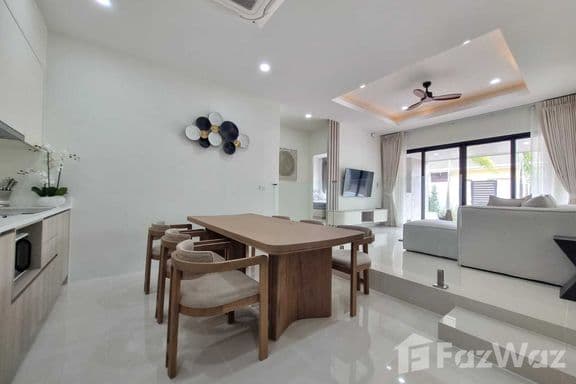
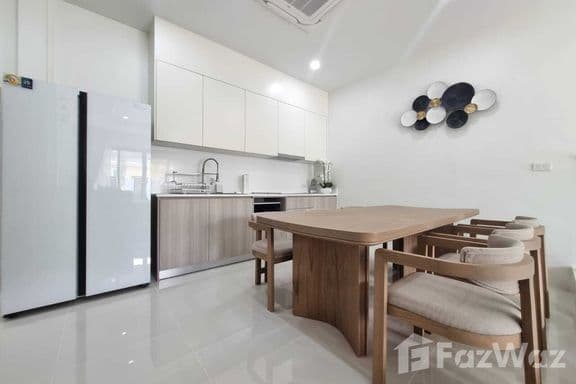



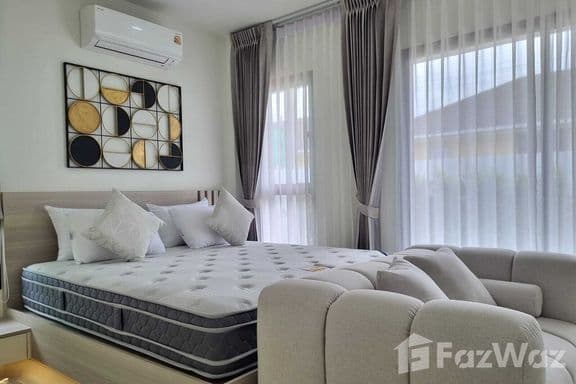
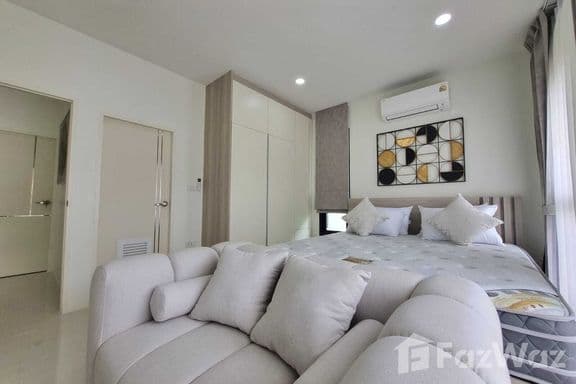

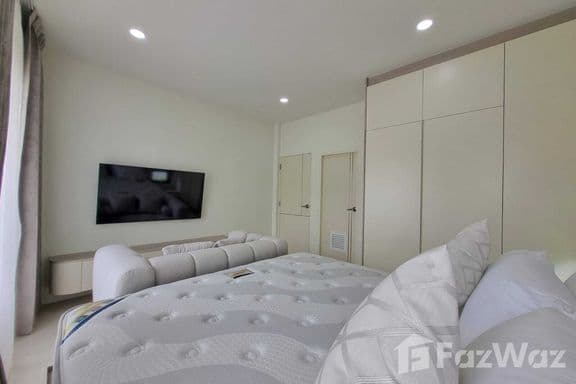
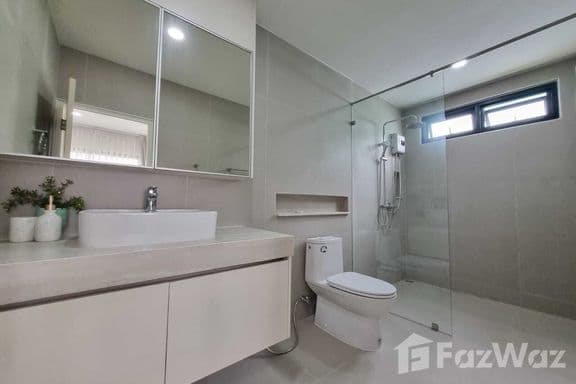
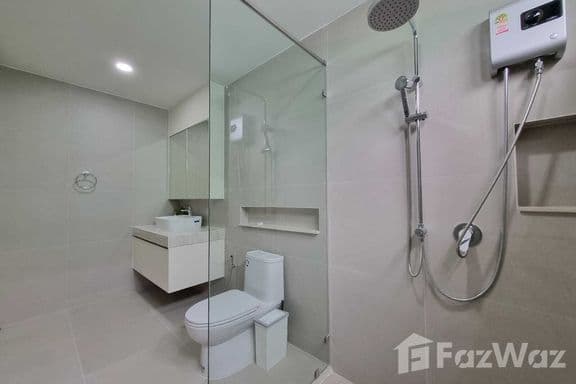

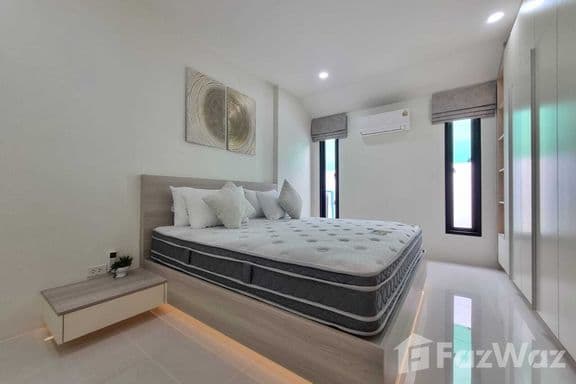
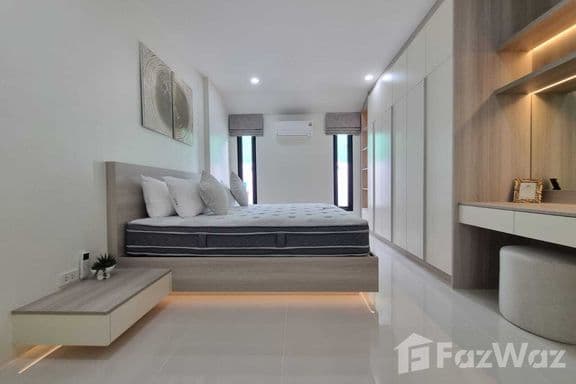

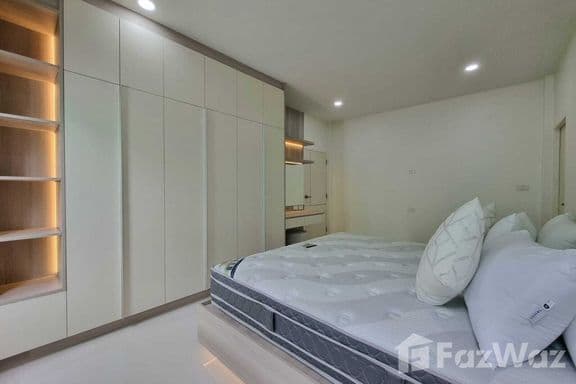

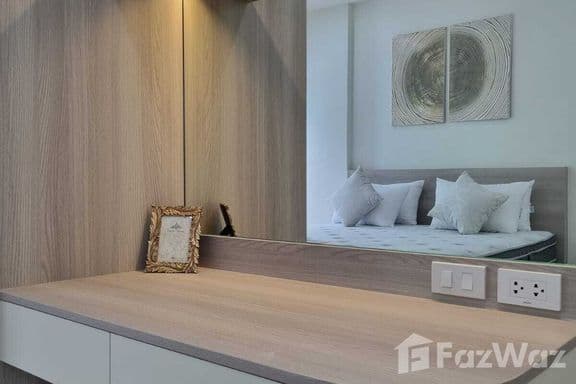
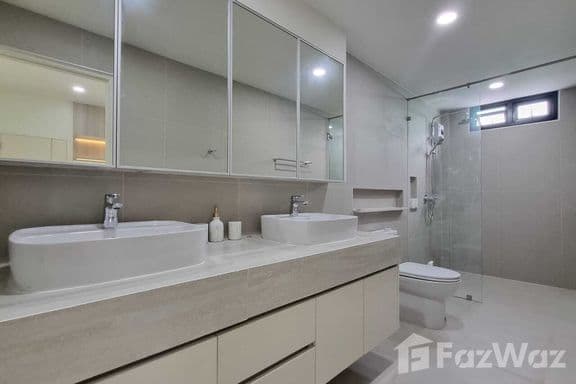
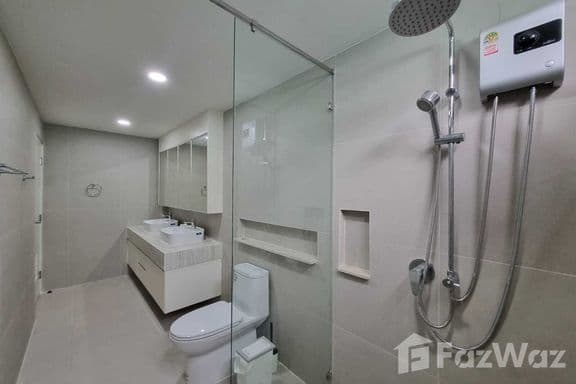
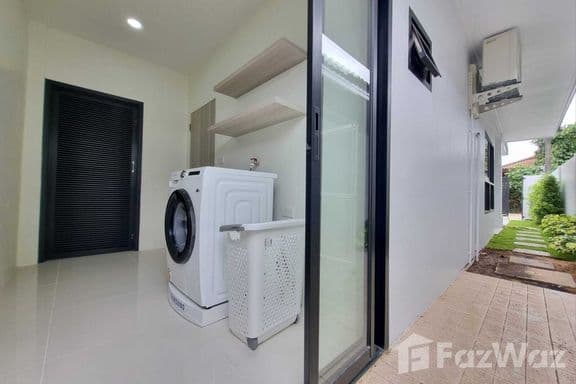



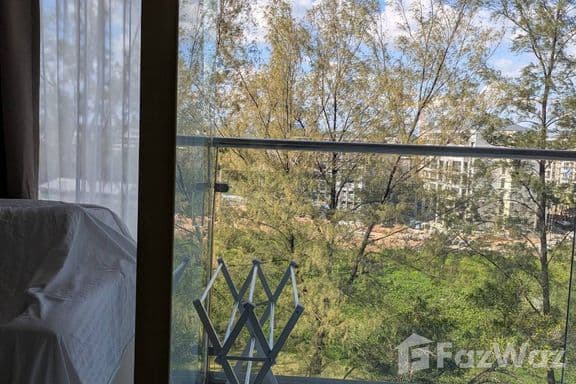
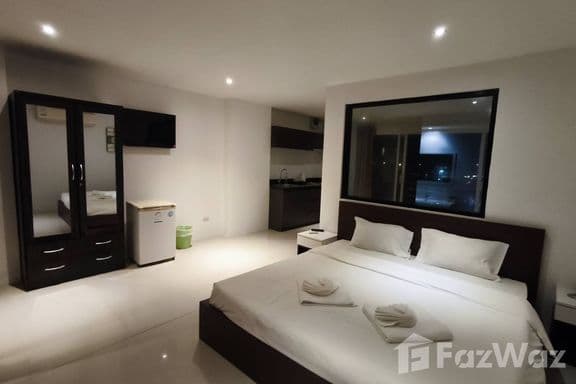
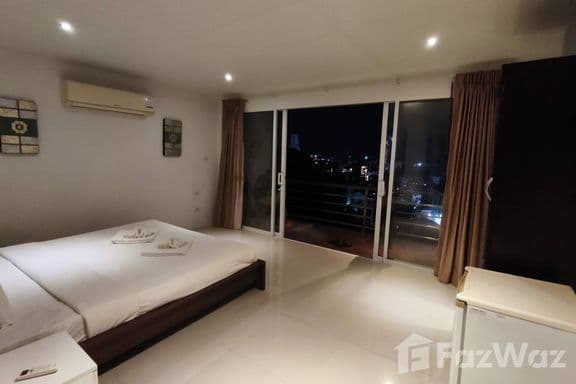
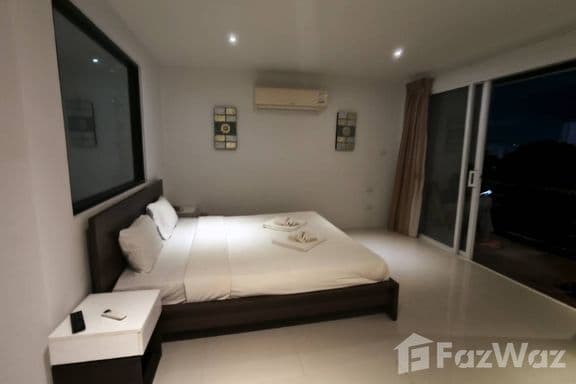
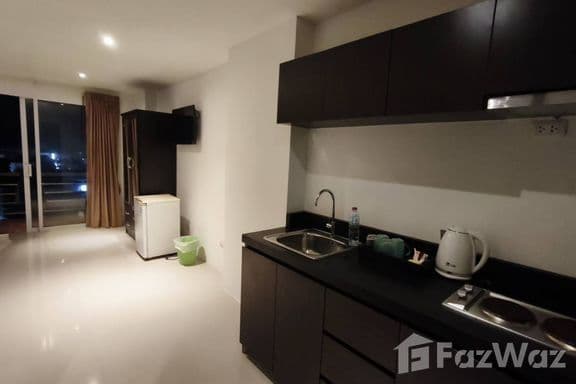
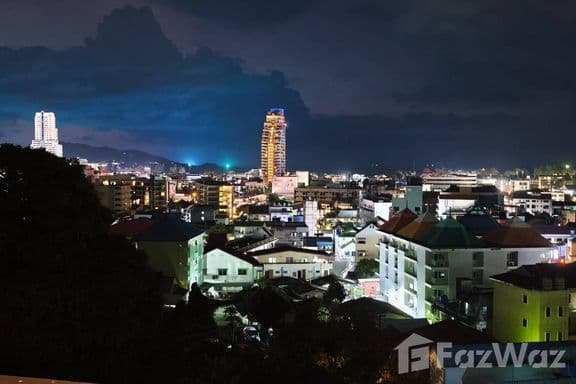
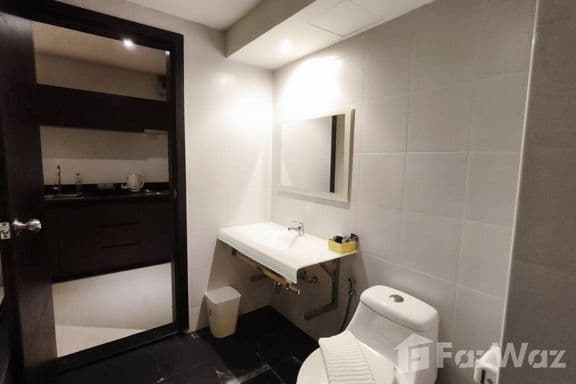
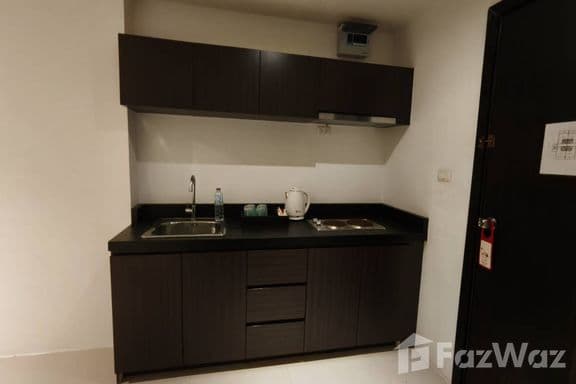
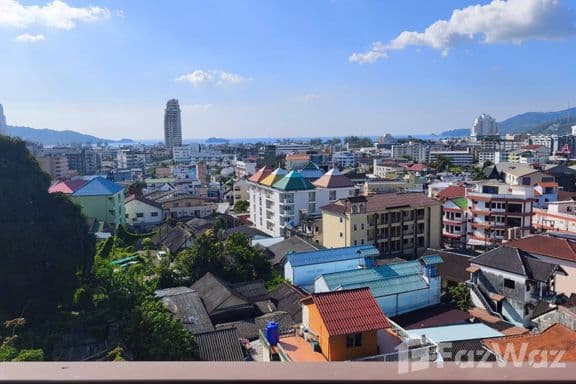
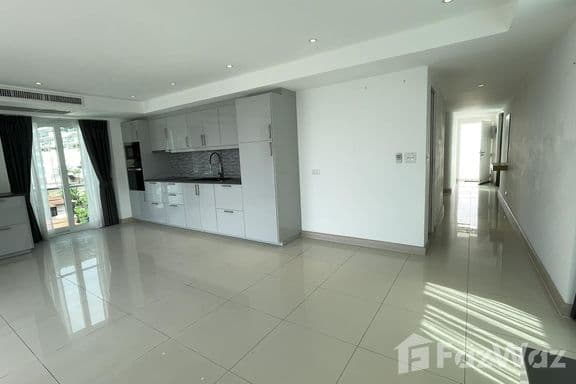
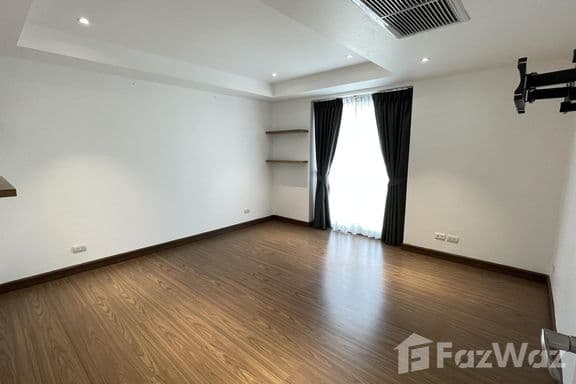
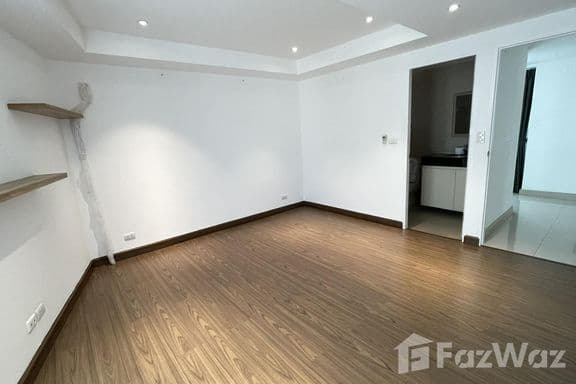
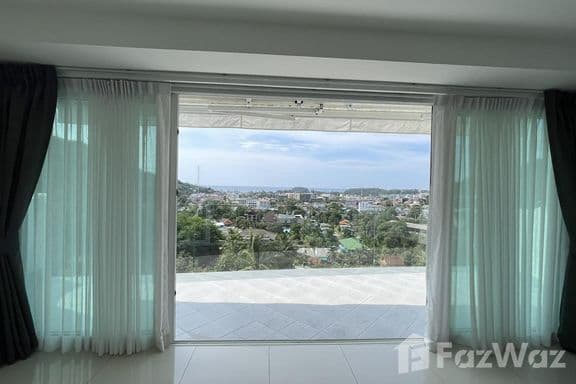
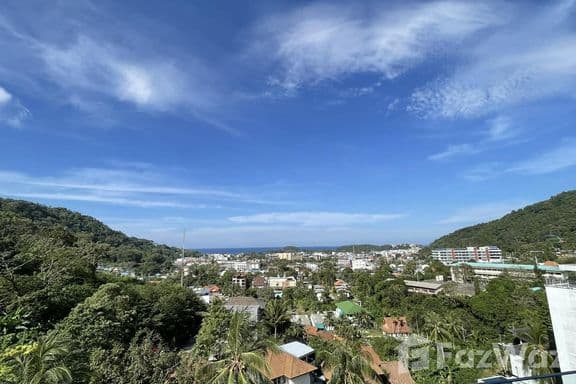

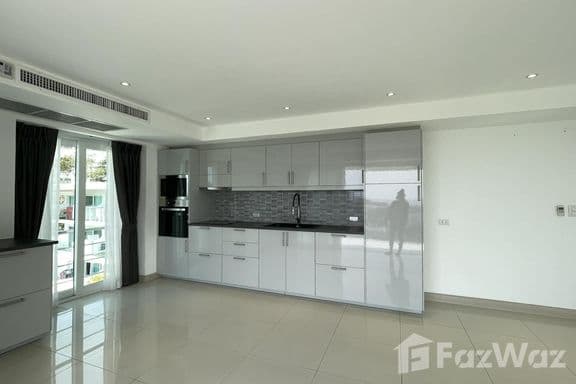
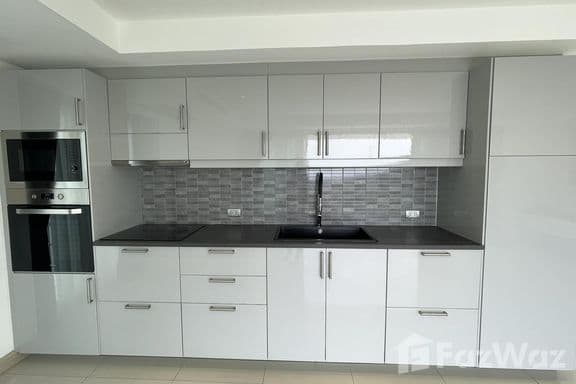
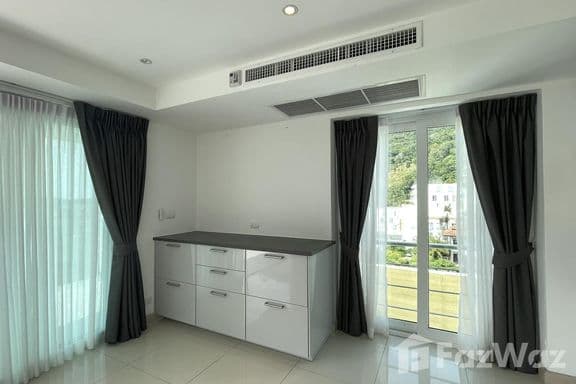
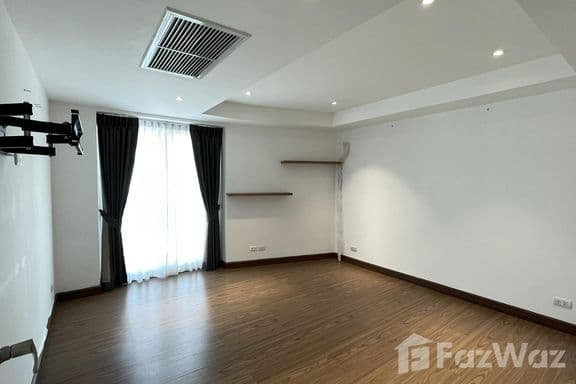
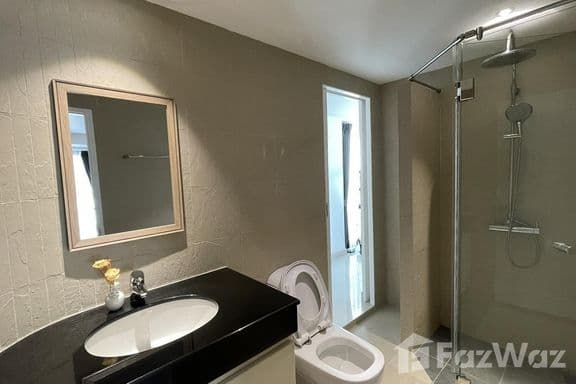








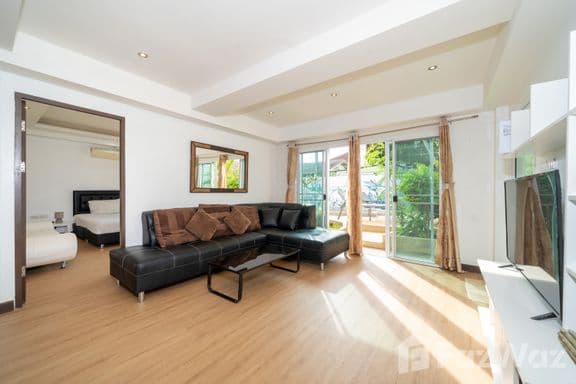

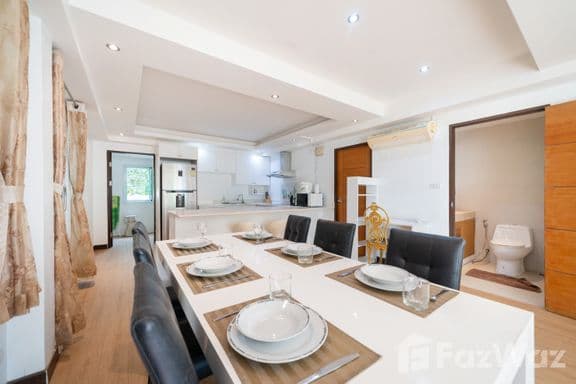
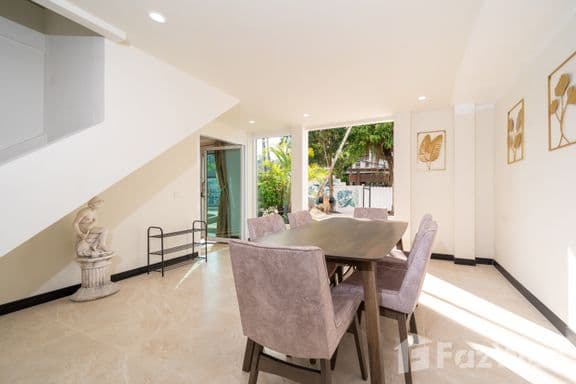
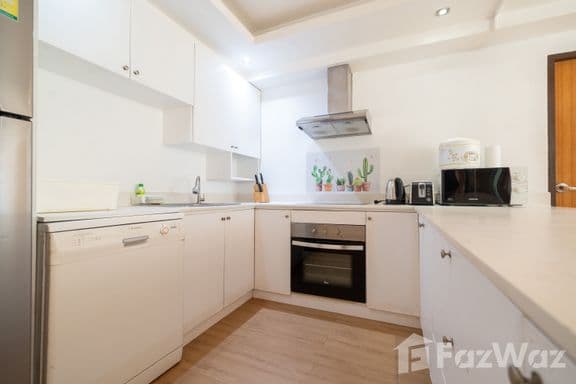
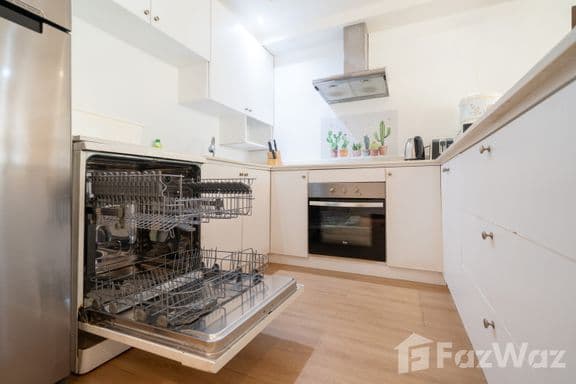
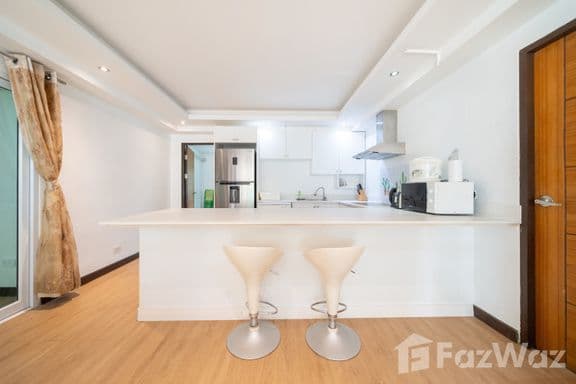
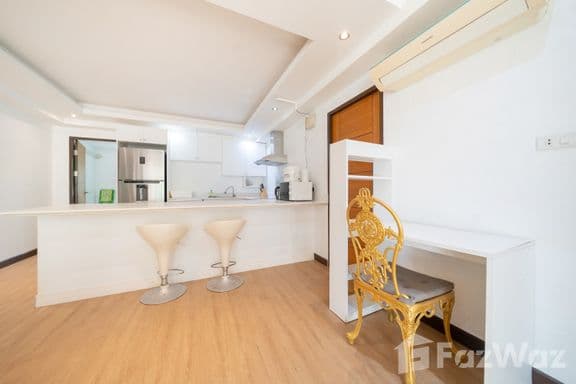
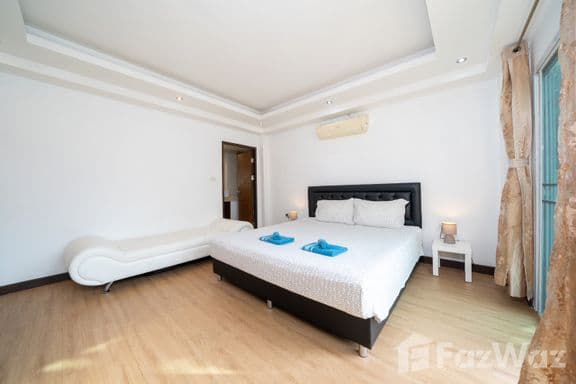
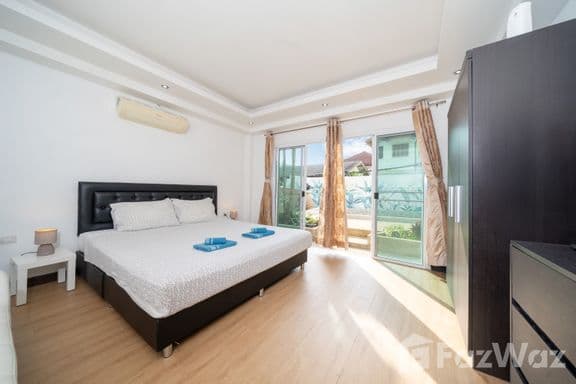
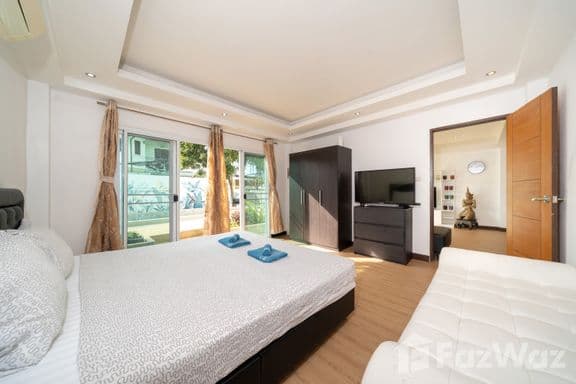
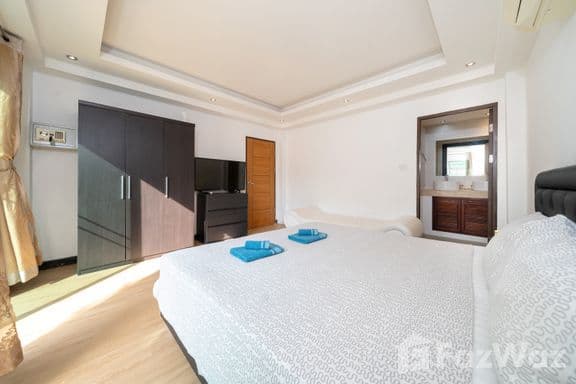

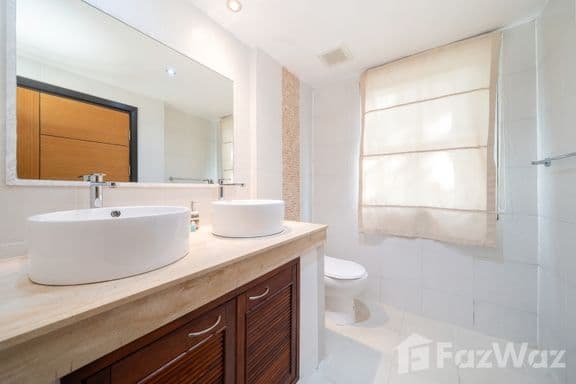
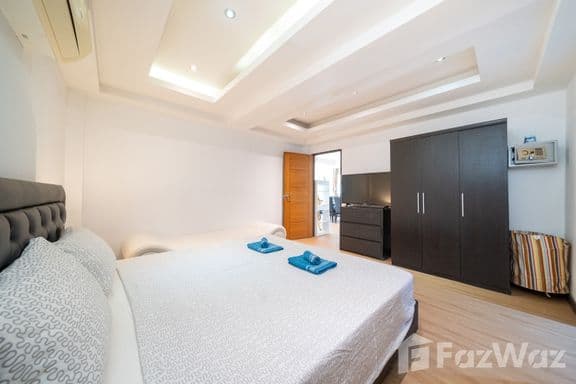
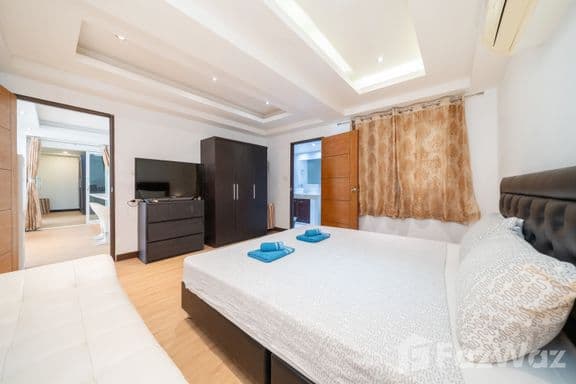
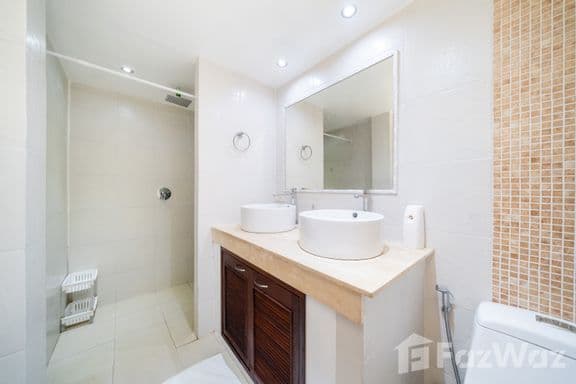
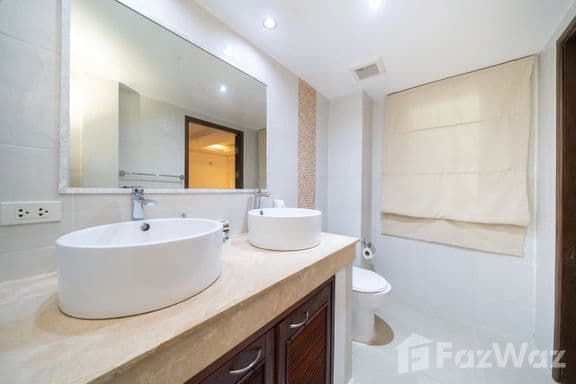
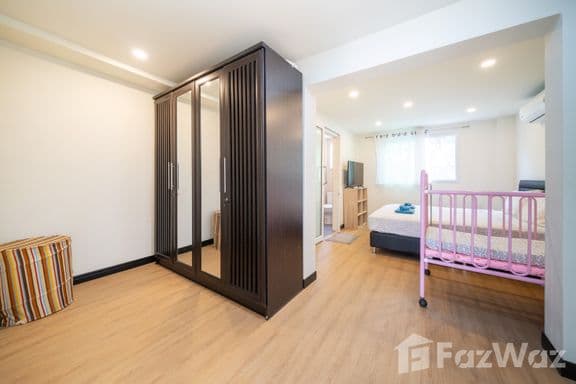
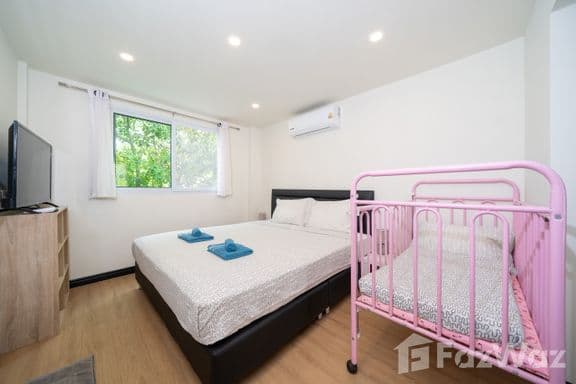
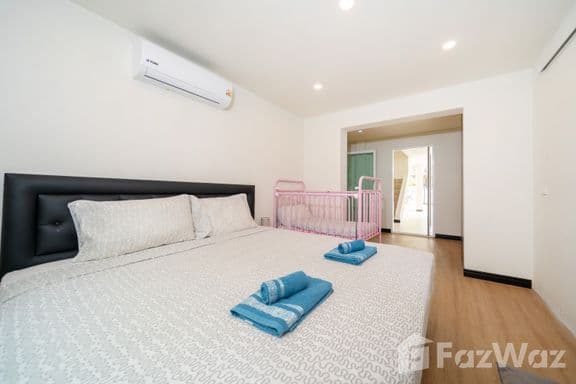





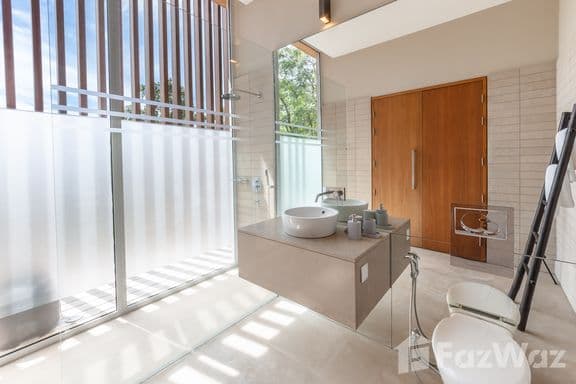
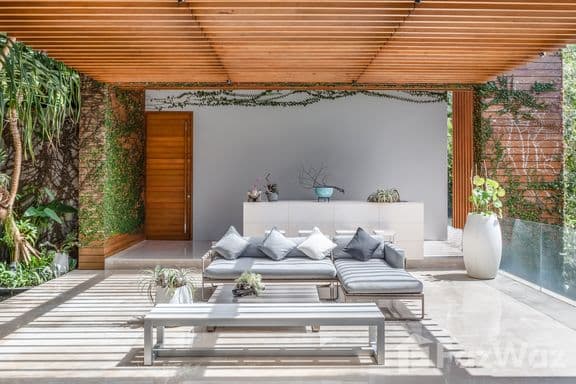
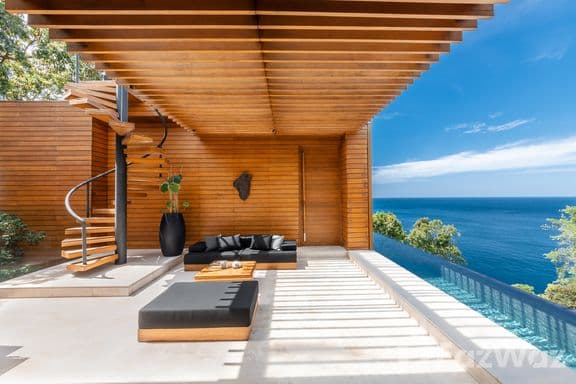
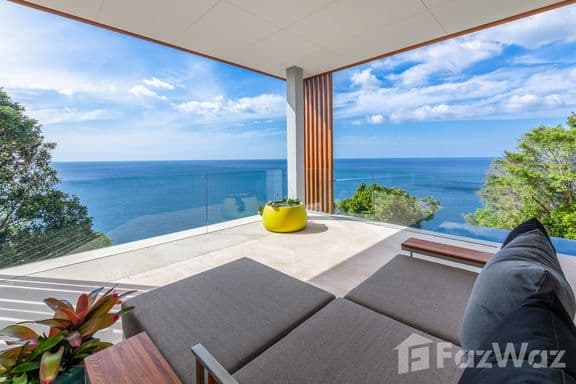









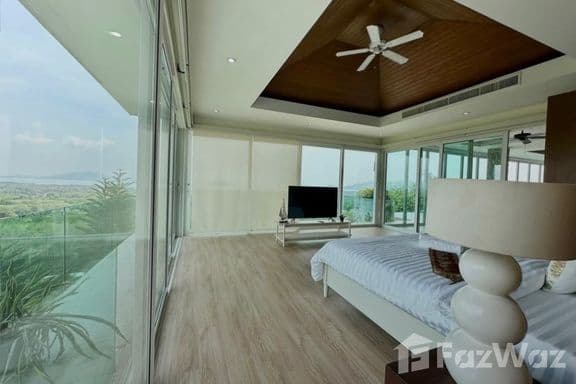




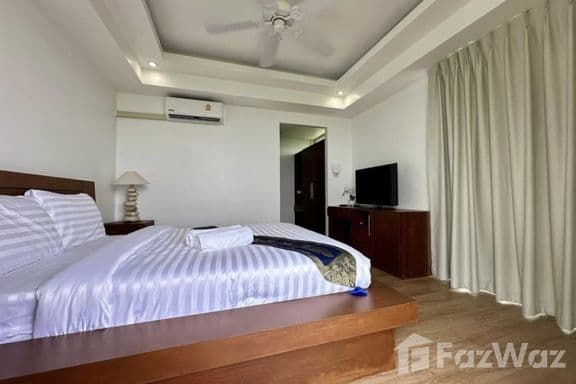


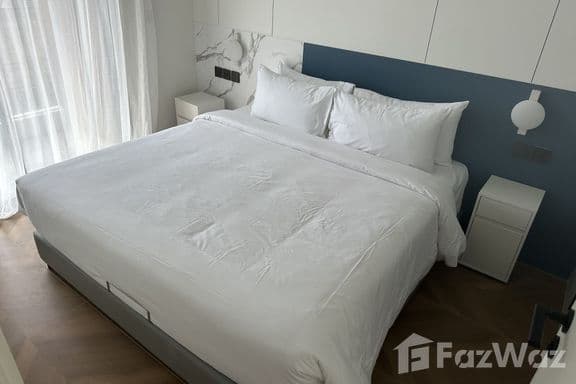


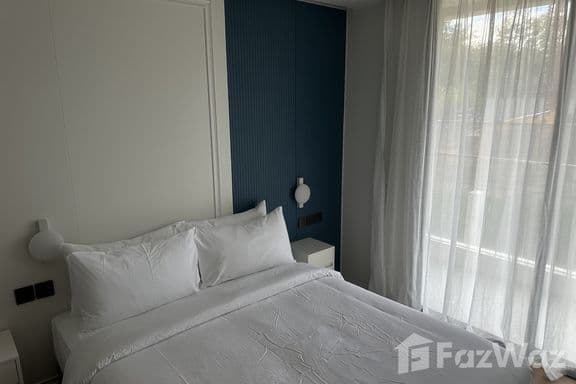


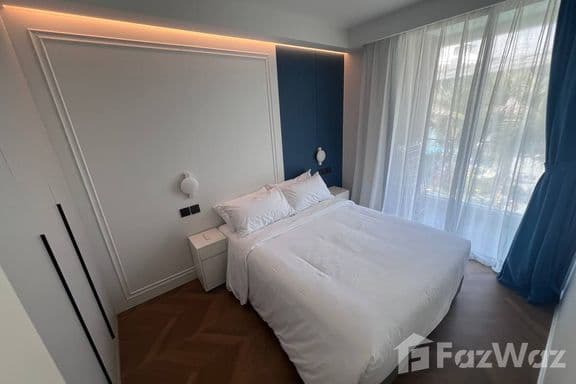
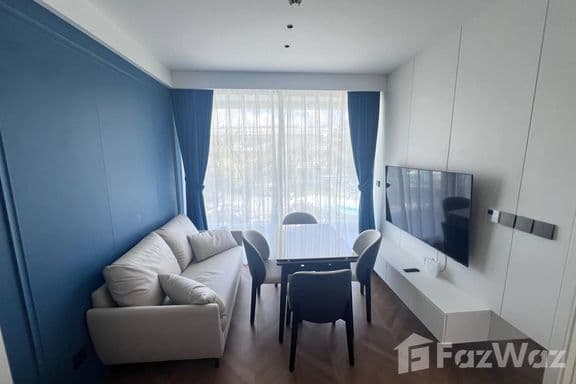


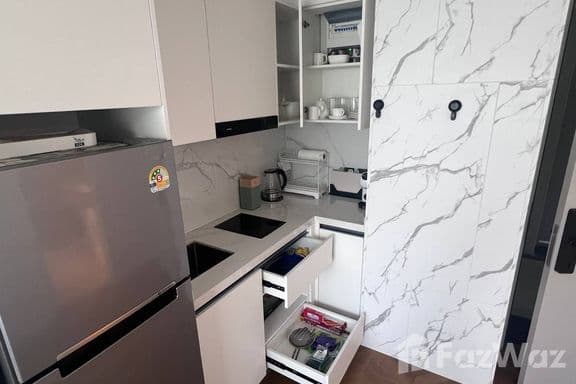
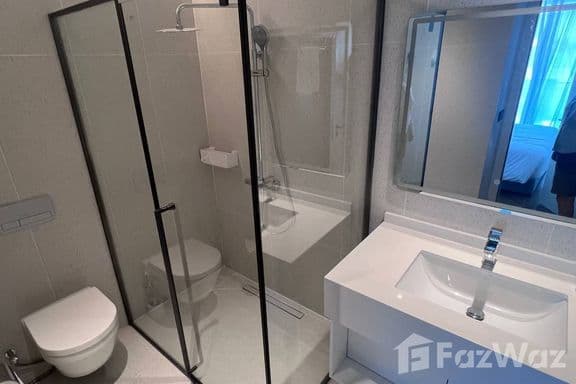
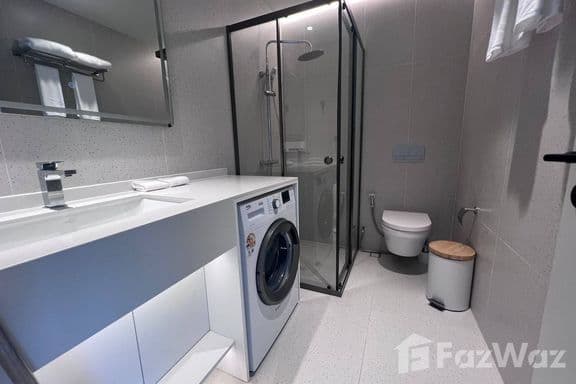
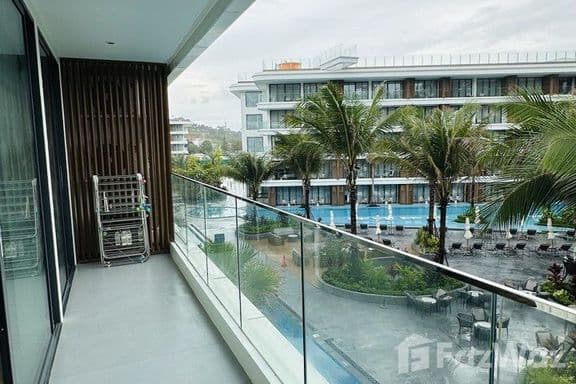

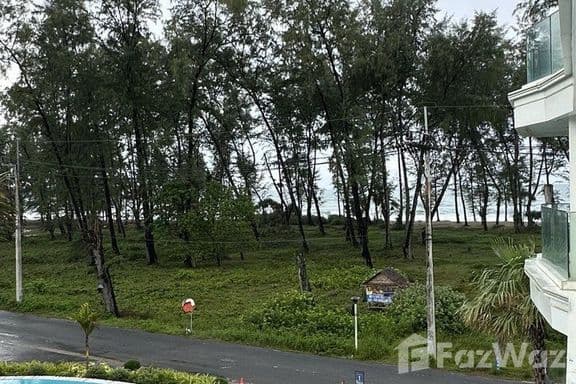
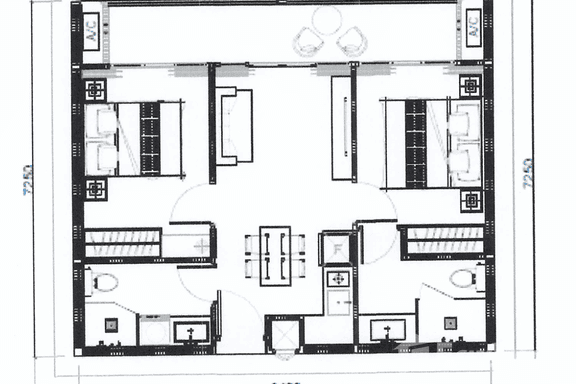

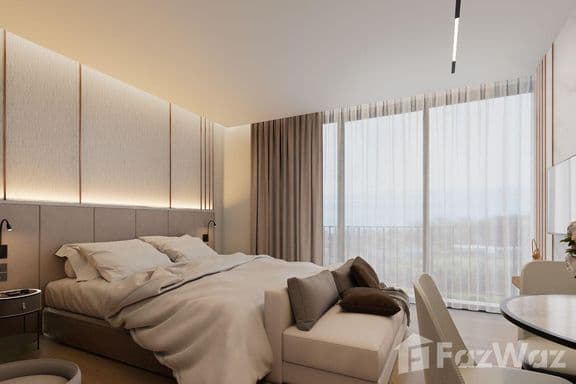


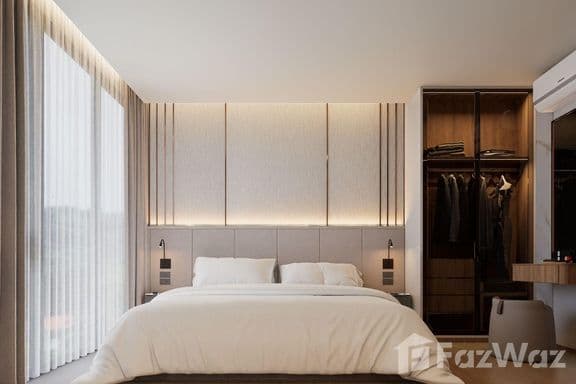


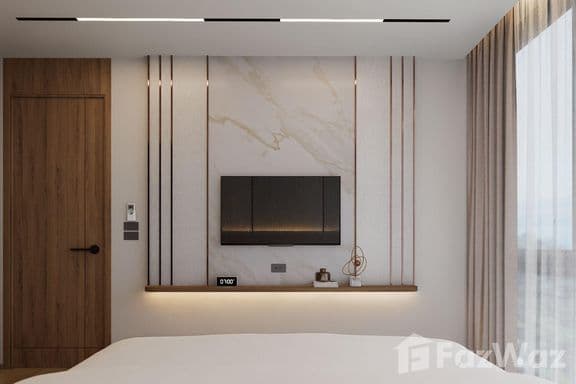


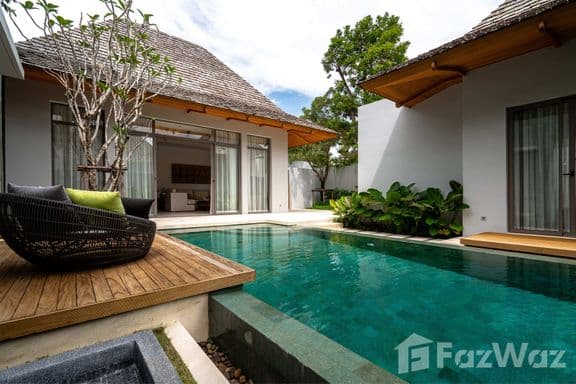
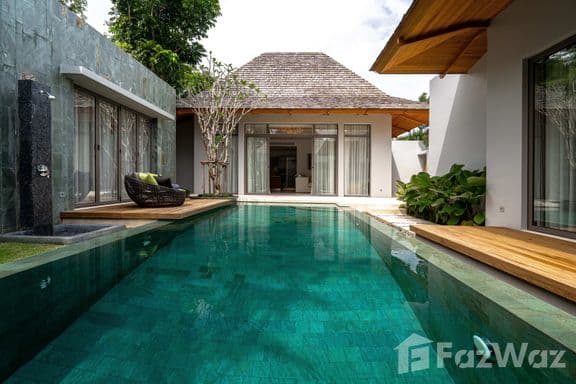





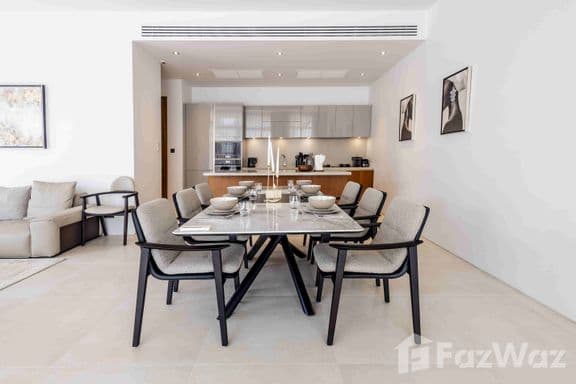
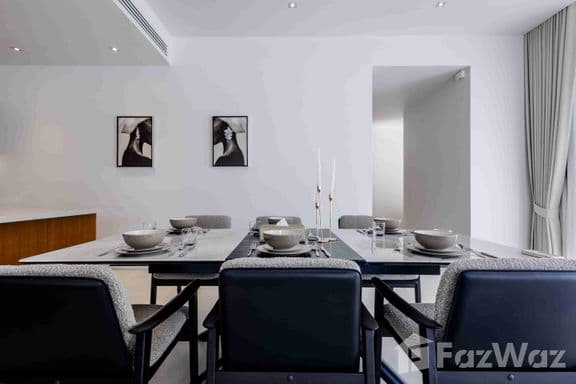
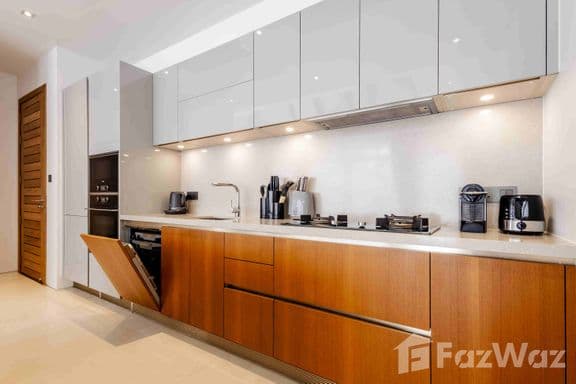
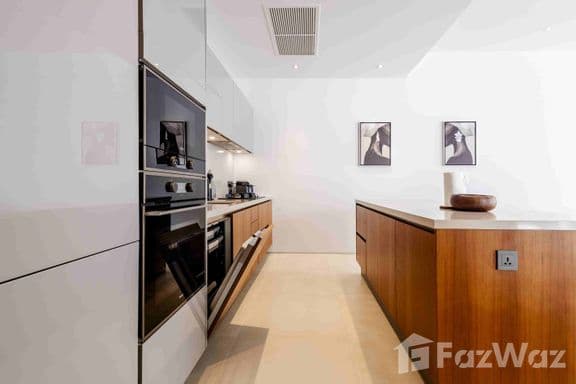


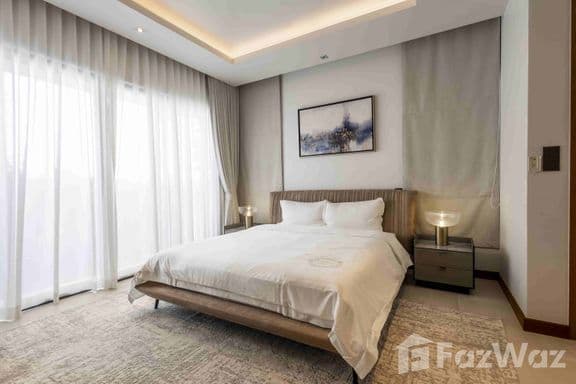
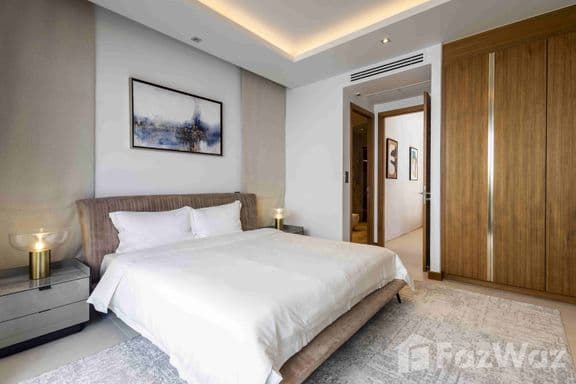
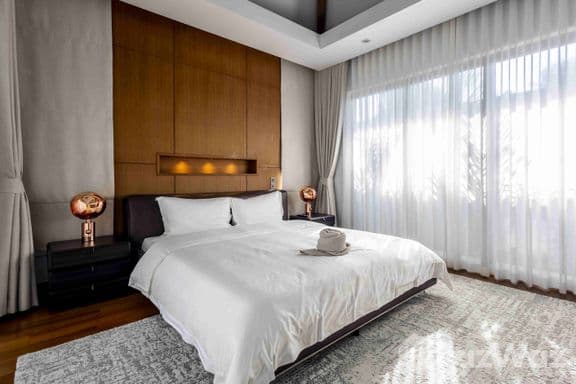
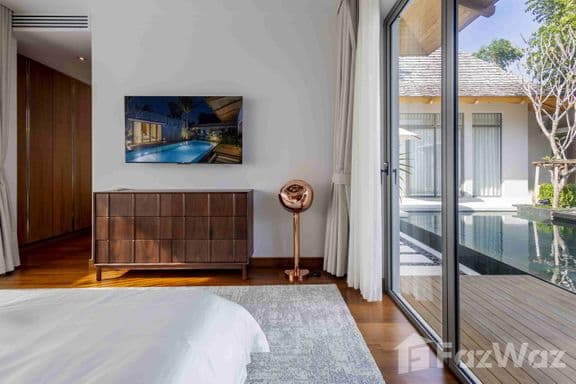











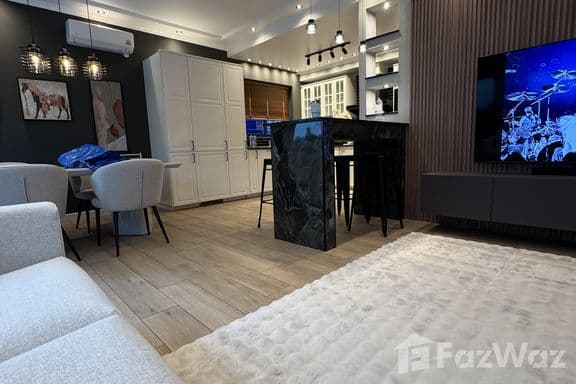
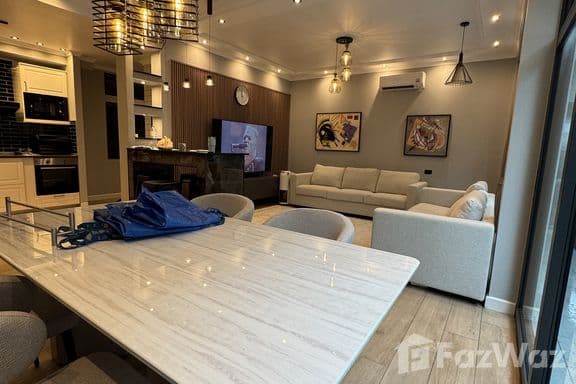
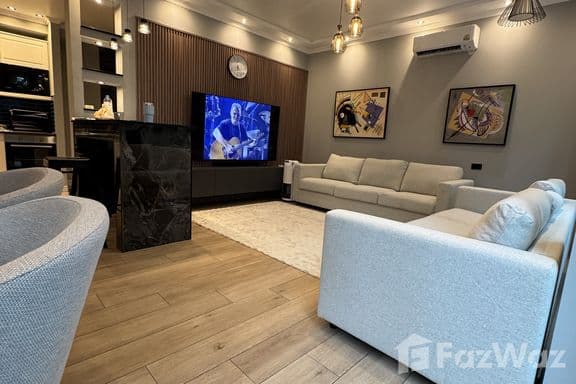
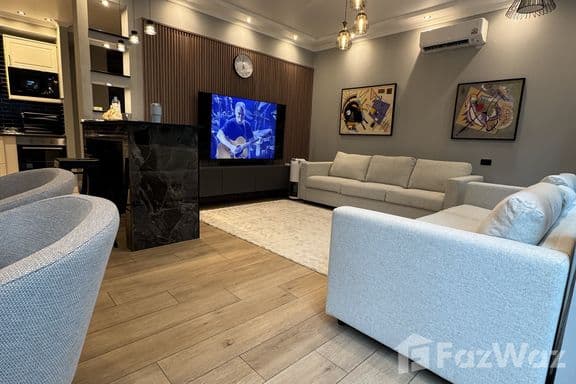

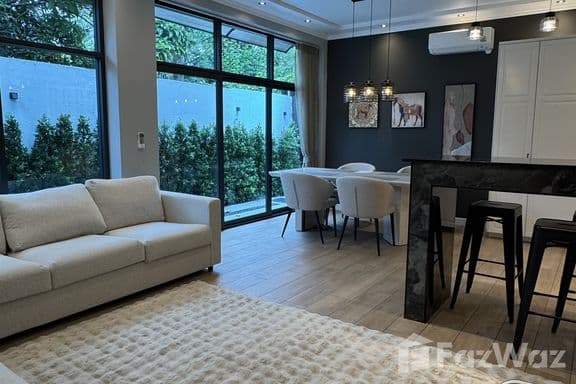

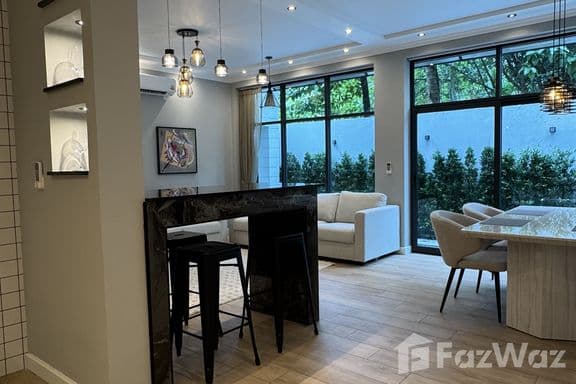
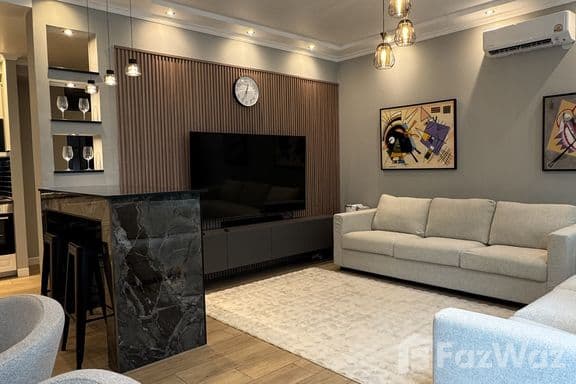

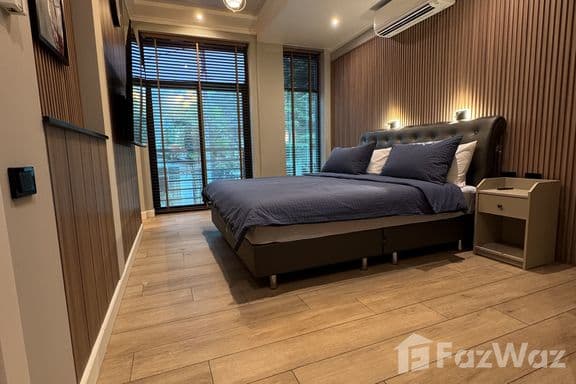
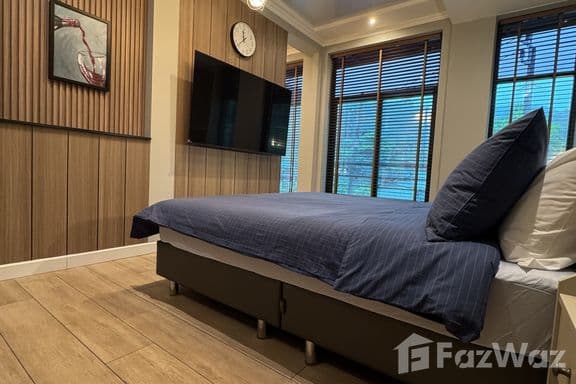
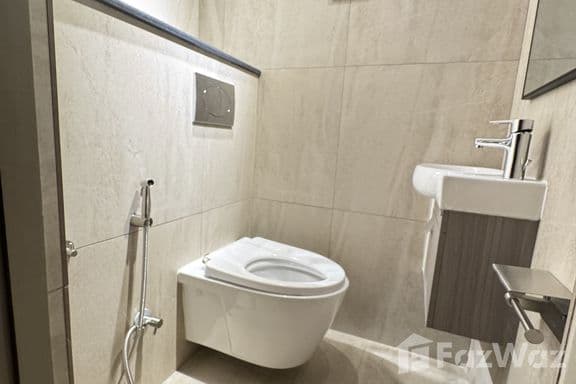
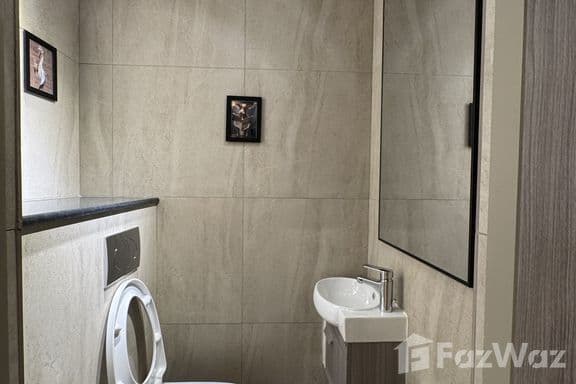

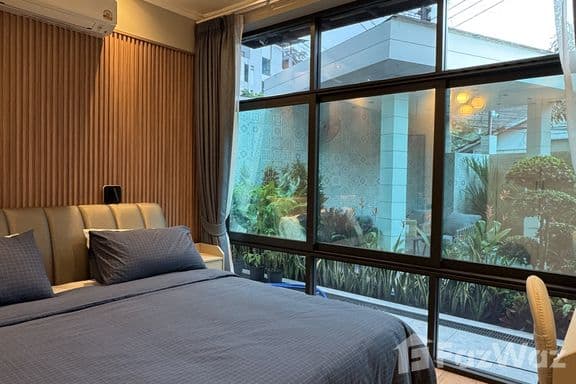
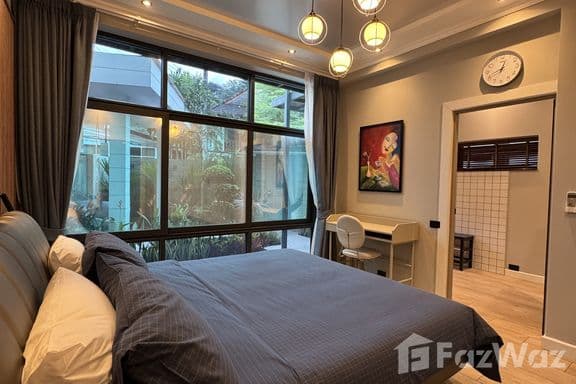

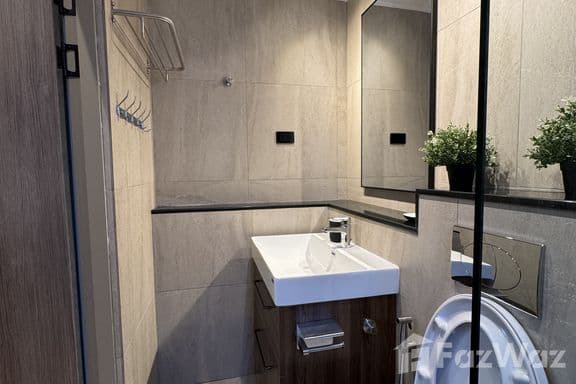


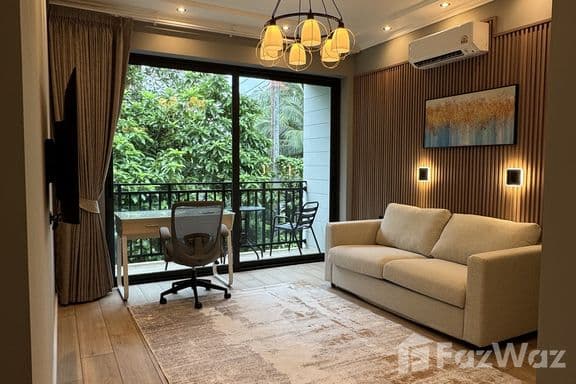

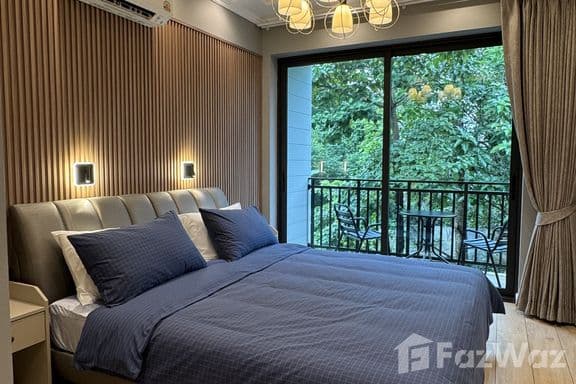

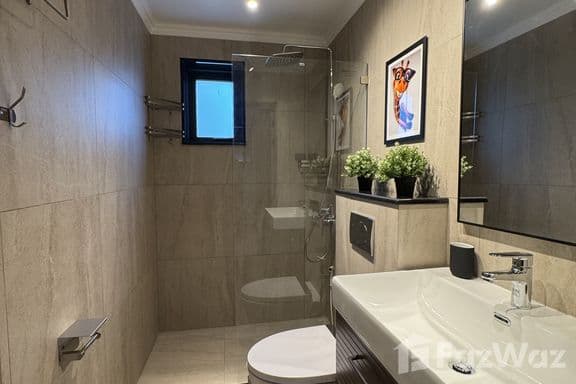
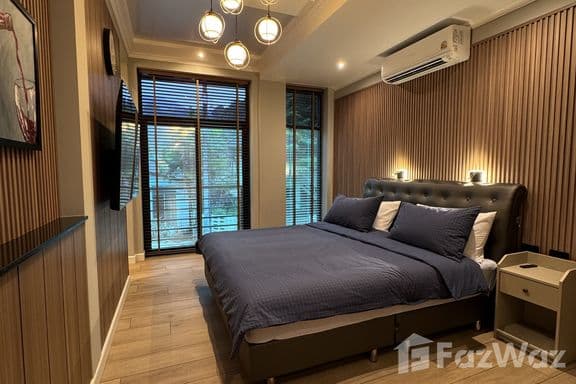
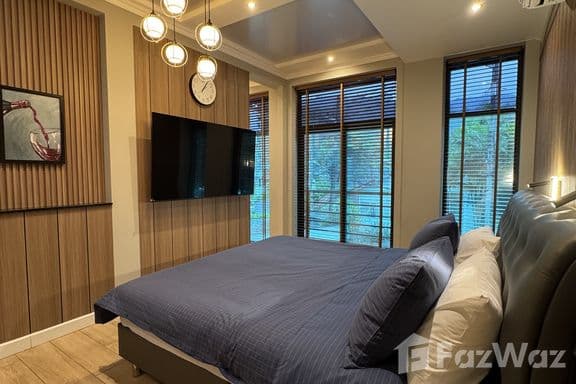
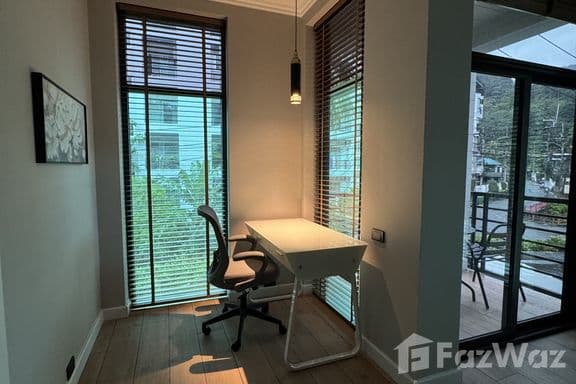


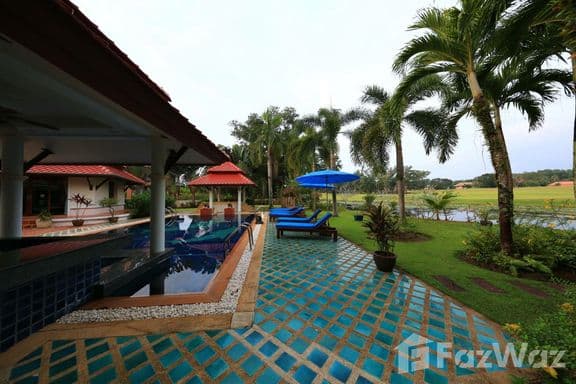
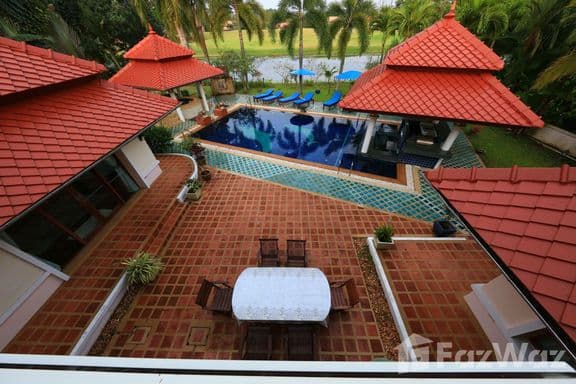

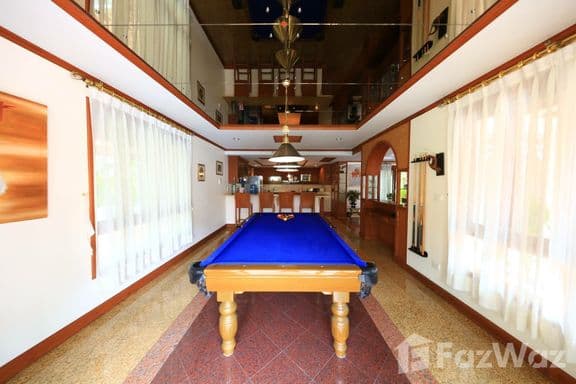









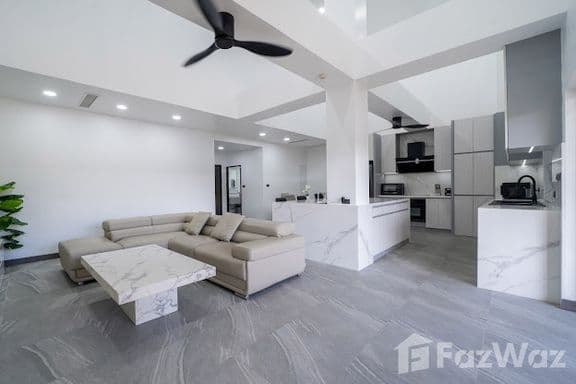

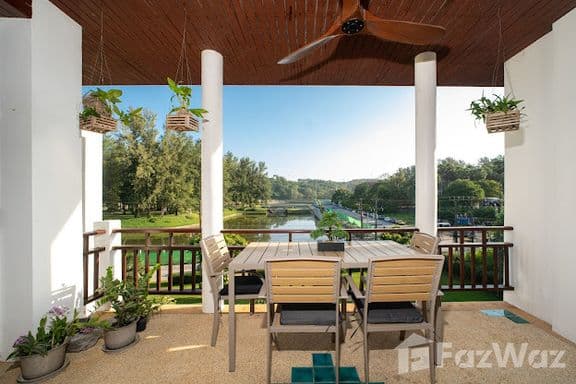
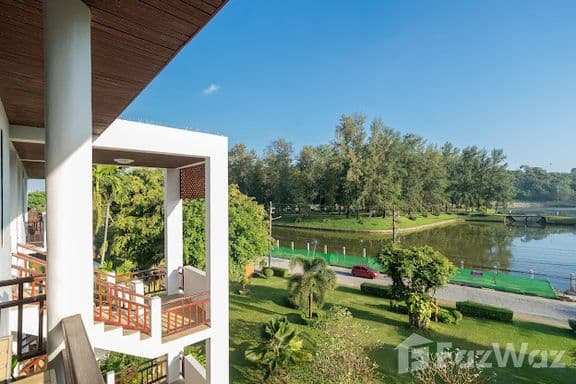
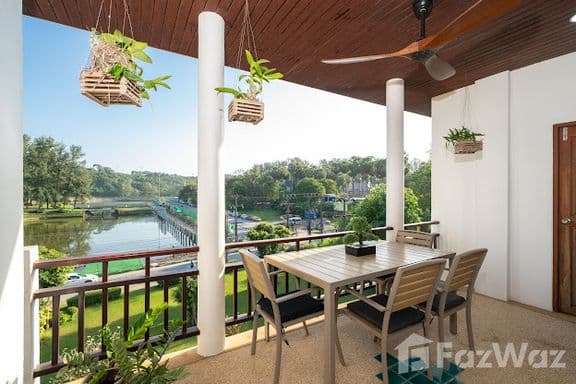
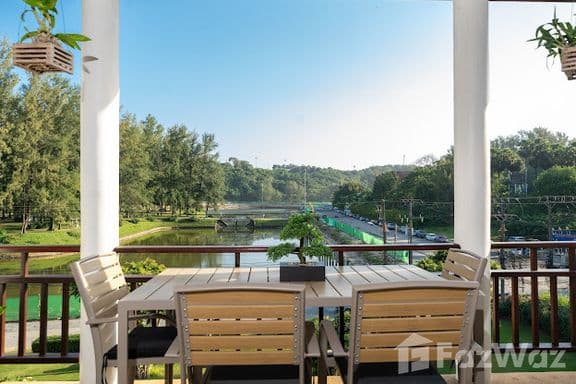
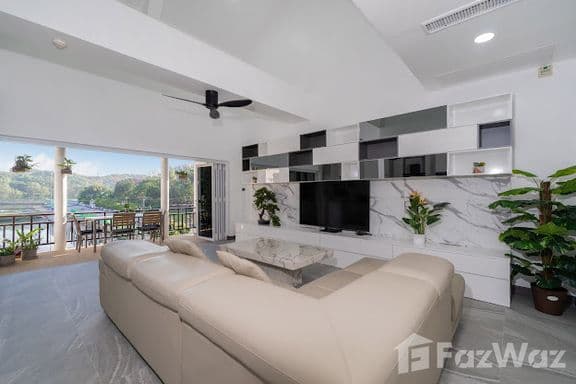
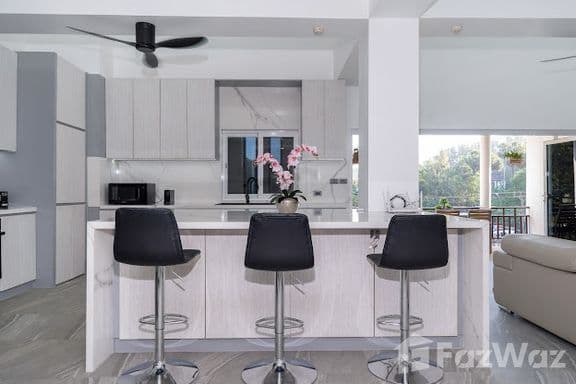
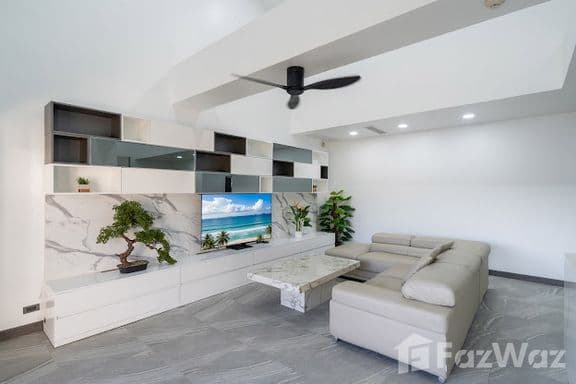
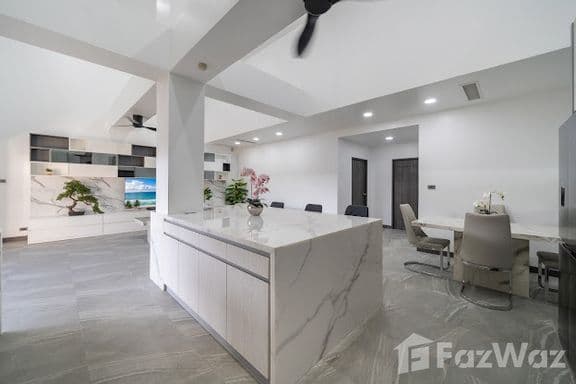
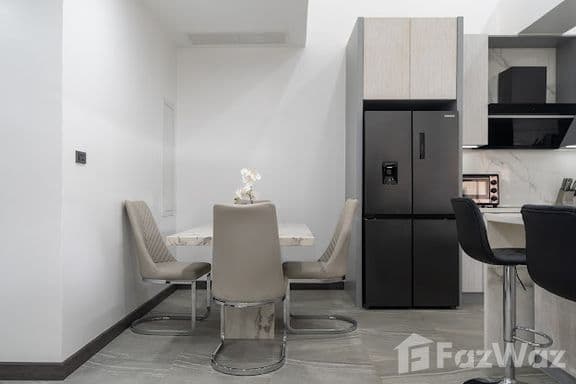
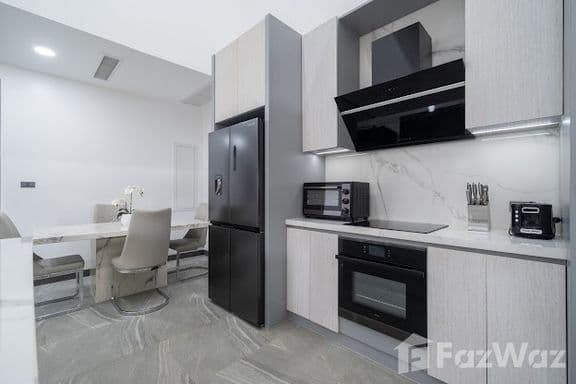
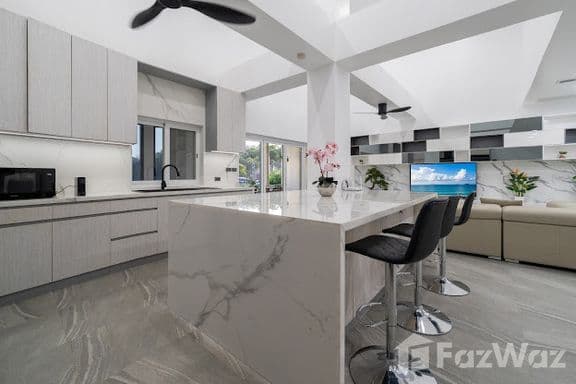
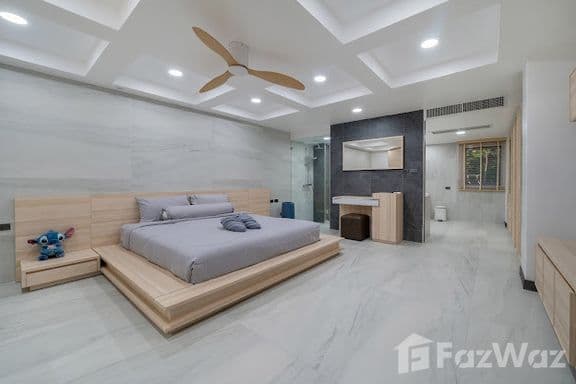
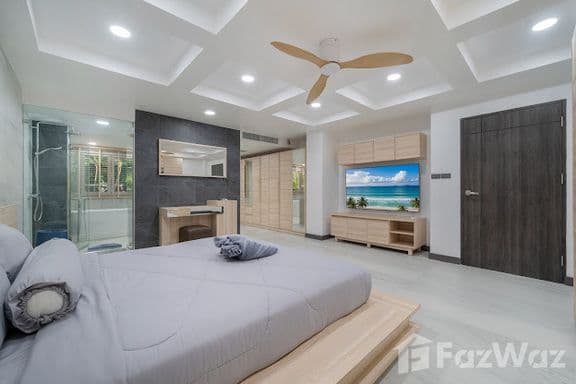
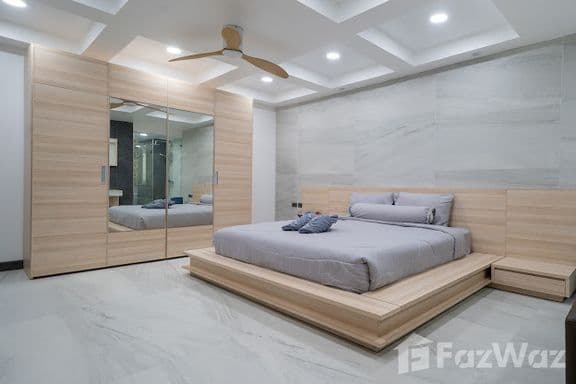
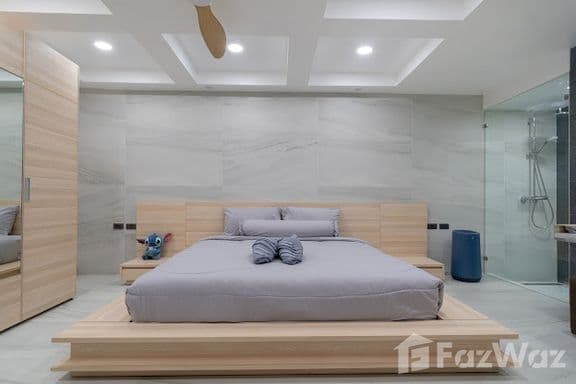
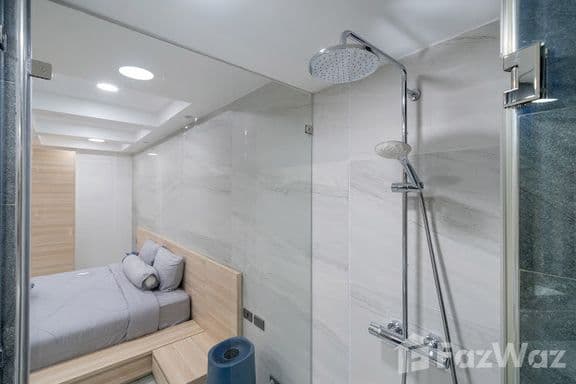
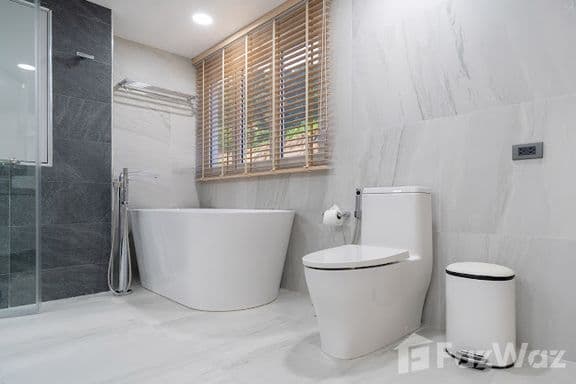
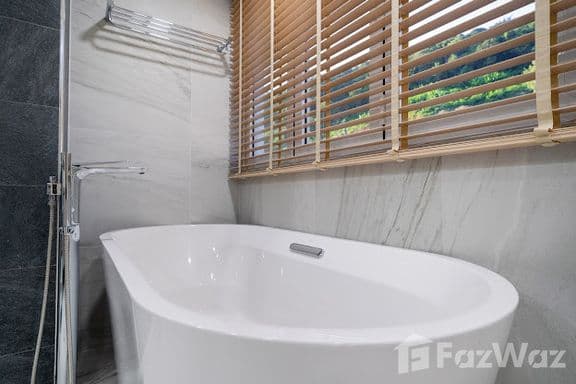
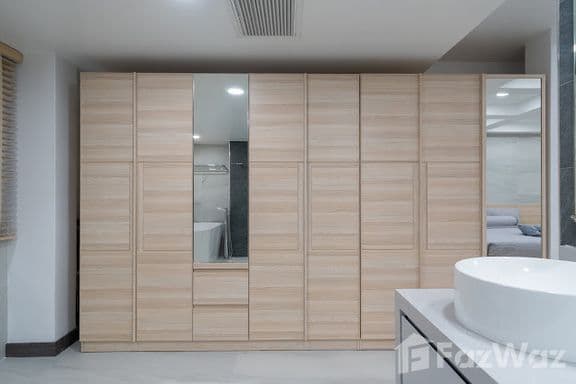
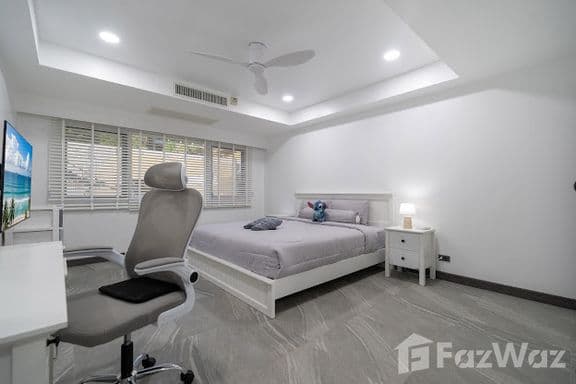
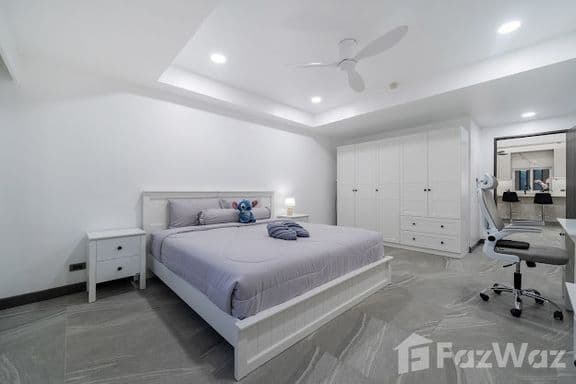
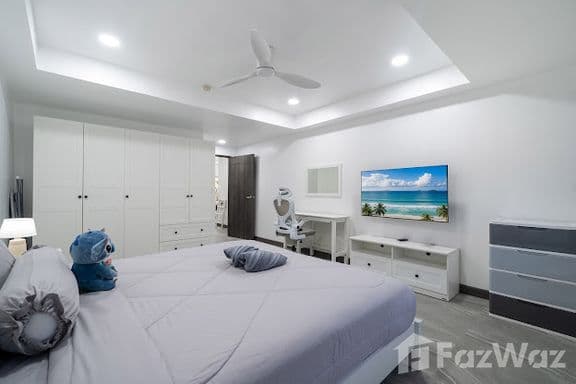
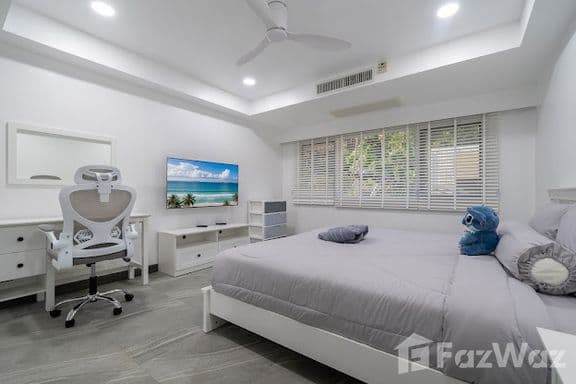







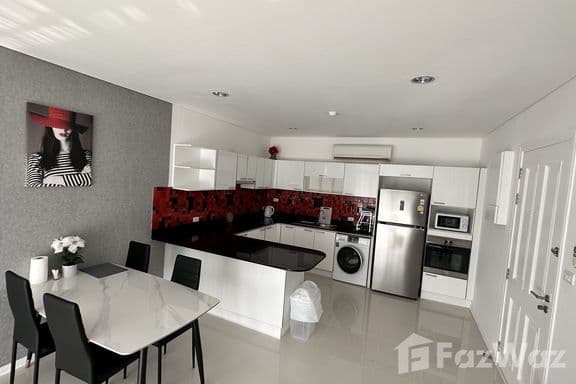
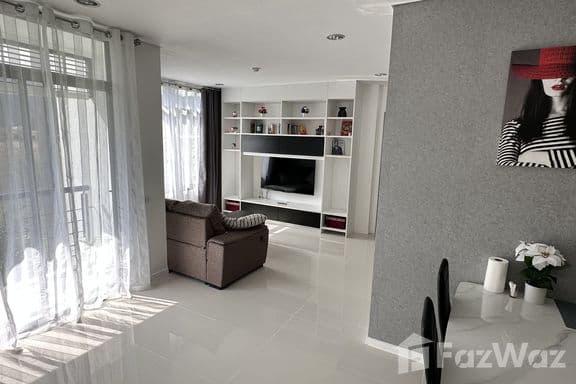
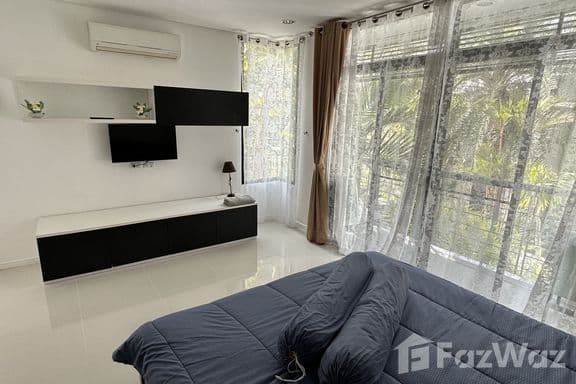
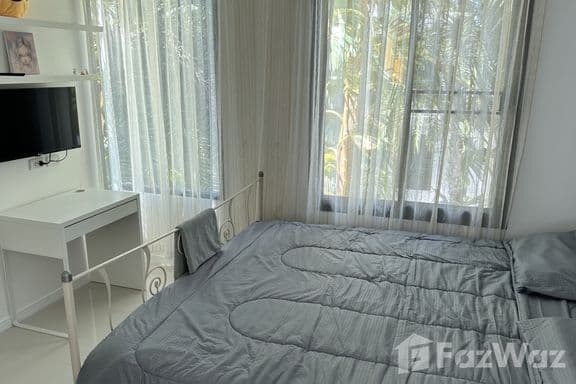




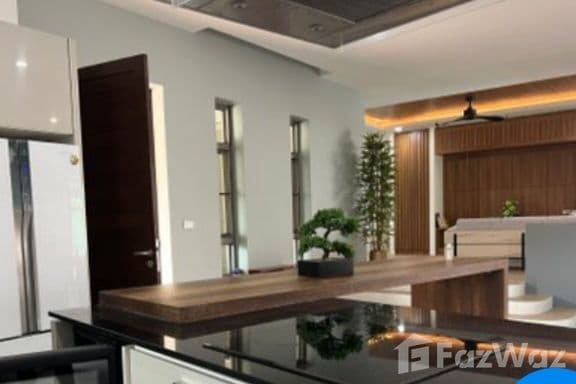
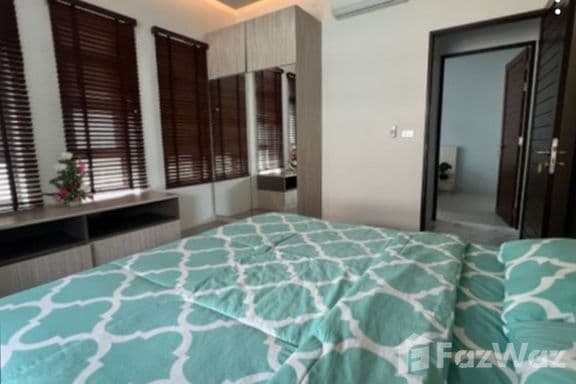

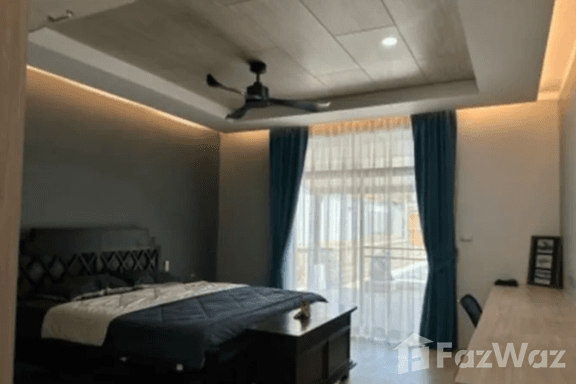




 Popular condos in Phuket

