Koh Samui Villa Market 2025: A Comprehensive Guide for Foreign Buyers
Koh Samui, Thailand’s famed “Coconut Island,” has long attracted international buyers seeking tropical luxury. In 2025, the market for private residential villas on Koh Samui is thriving and evolving. This guide offers foreign buyers a detailed look at current trends, price ranges, and investment insights for mid-range and luxury villas across the island’s major areas. We focus exclusively on private villas (not timeshares or resort residences), providing a clear picture of what to expect in this dynamic market. Short, structured sections and tables will help you quickly scan key information and make informed decisions.
Market Overview: Koh Samui Villa Trends in 2025
Koh Samui’s real estate market continues to gain momentum in 2025, underpinned by a robust post-pandemic recovery in tourism and sustained economic stability in Thailand. Foreign buyers dominate the villa market, accounting for over 70% of property purchases on the island. These buyers hail mainly from Europe, Greater China (including Hong Kong), and Australia, drawn by Samui’s blend of idyllic lifestyle and investment potential. Wealthy international investors are particularly active in the high-end segment (THB 20-40 million villas), seeking both holiday homes and income-generating rentals. Middle-class expatriates and retirees also contribute to demand, often targeting more affordable mid-range villas for long-term living.
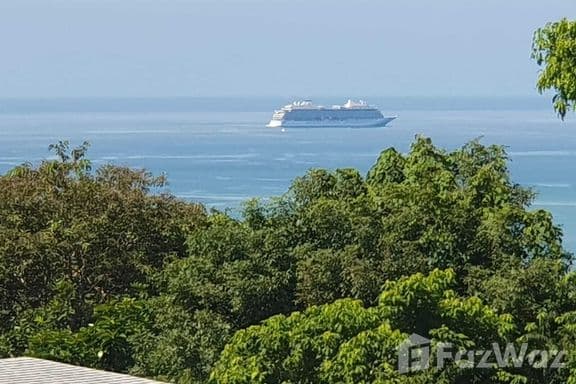
Property values in Koh Samui are on a gentle upward trajectory. Over the past five years, villa resale prices have risen by an estimated 4-5% annually on average. In 2024 alone, beachfront properties appreciated at least 5% in value, reflecting intense interest in prime coastal real estate. This growth is supported by limited supply (due to strict island zoning and building height regulations) and increasing global interest. Notably, sea-view and beachfront villas command significant premiums - ocean-view homes often cost ~30% more than similar inland properties, while private beachfront estates can be 50% pricier than landlocked counterparts. Even so, Koh Samui remains a relative bargain compared to other international resorts; on average, property prices here are around 20% lower than in Bangkok and a fraction of equivalent villas in Europe or Hong Kong.
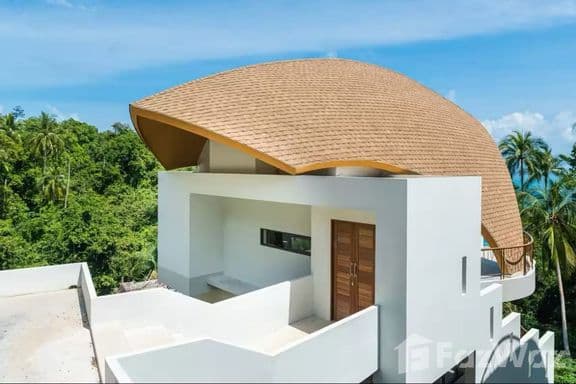
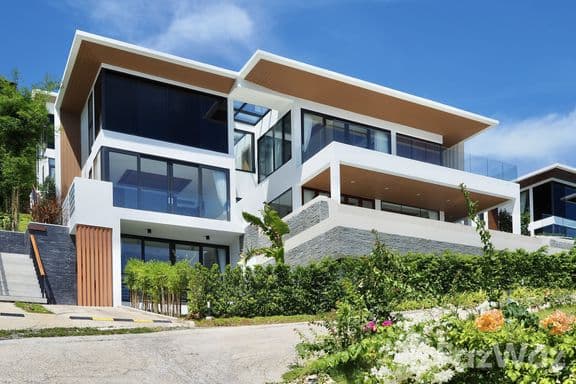
Several market trends define 2025. Developers are responding to strong demand for luxury by building more high-end pool villas and modern hillside homes with panoramic views. There is also a growing emphasis on sustainable and eco-friendly developments (solar panels, rainwater harvesting, energy-efficient designs), aligning with global green trends and buyer preferences. The rental market is booming thanks to surging tourist arrivals - many buyers plan to rent out their villas for part of the year to capitalize on Koh Samui’s high vacation occupancy. Overall, the outlook is positive: with Thailand’s economy projected to grow ~3% annually and improved connectivity (more regional flights and easing travel restrictions), Koh Samui is positioned for continued real estate growth. Foreign investors see the island as both a lifestyle destination and a sound investment, combining personal enjoyment with long-term capital appreciation.
Villa Market Segments: Luxury vs. Mid-Range
Koh Samui offers villas to suit a range of budgets, but two broad segments stand out: luxury villas and mid-range villas. Understanding the differences will help you identify which segment aligns with your goals:
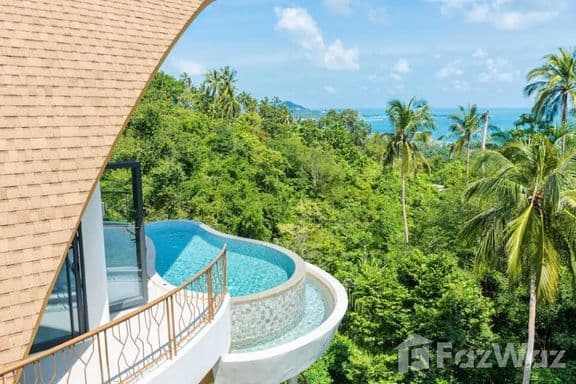
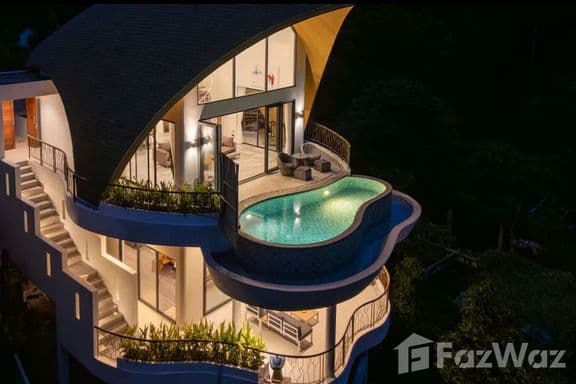
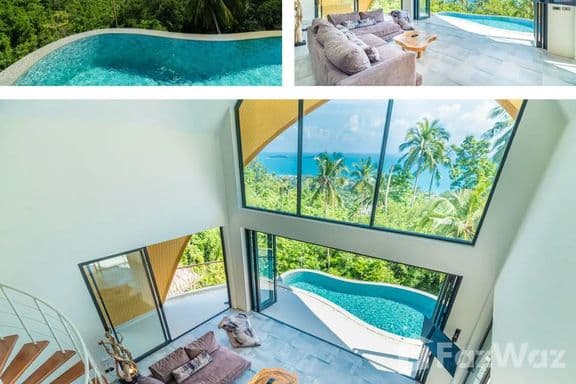
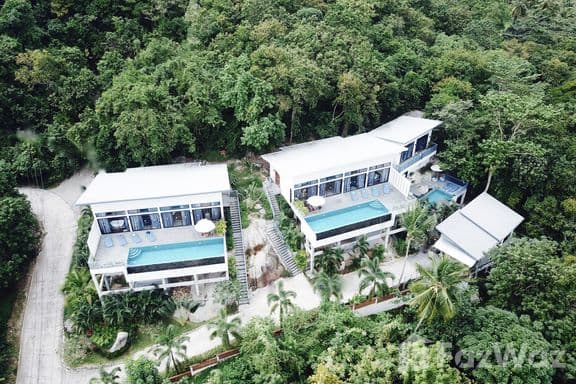
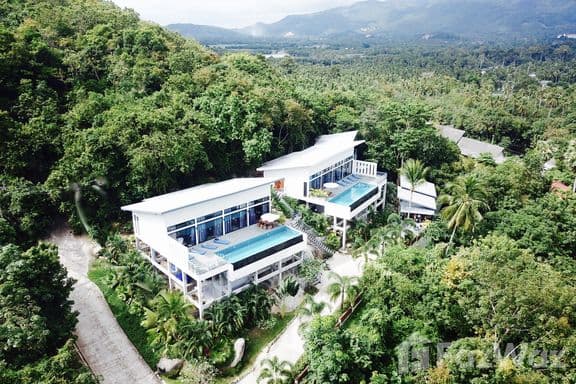
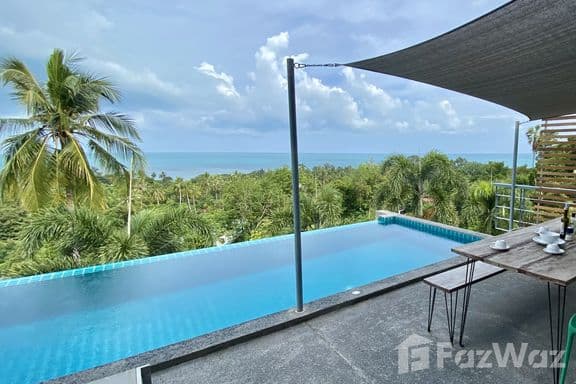
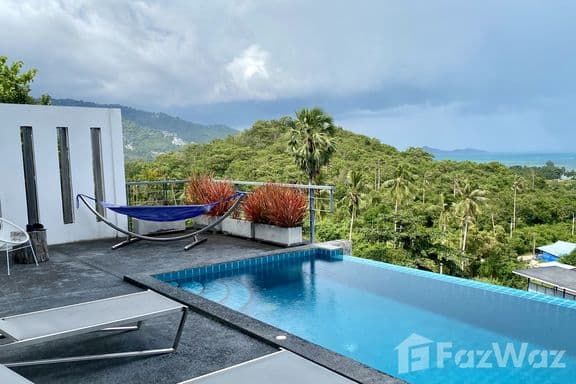
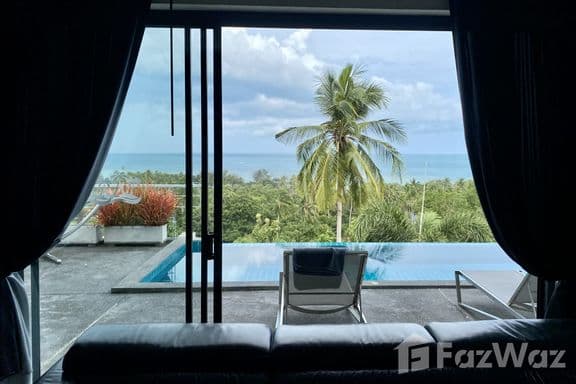
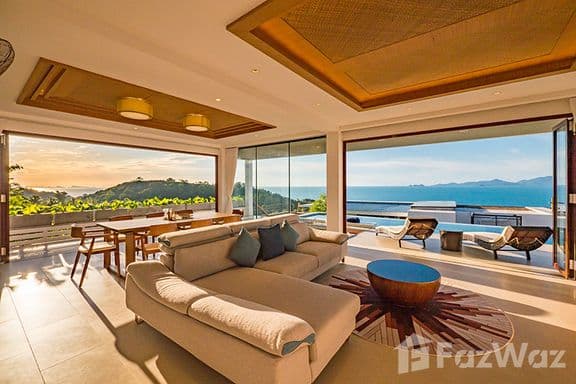
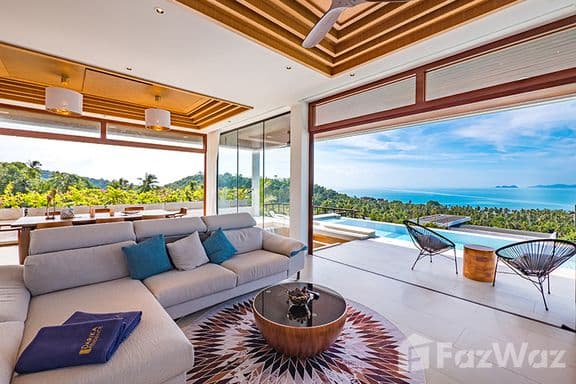
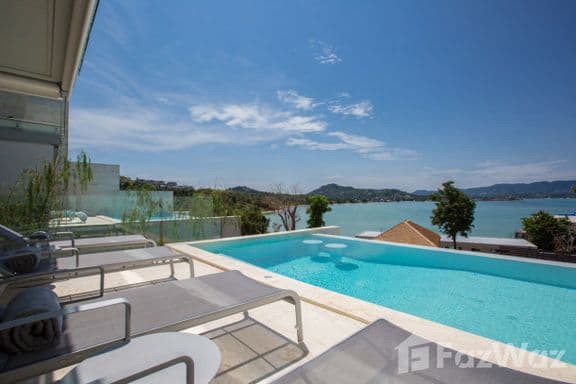
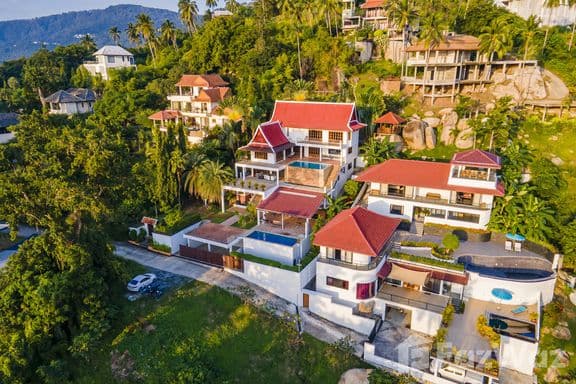
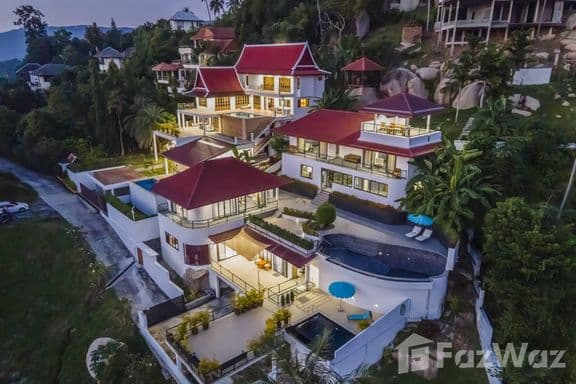
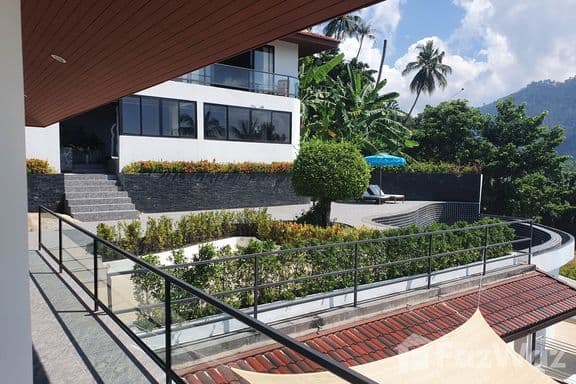
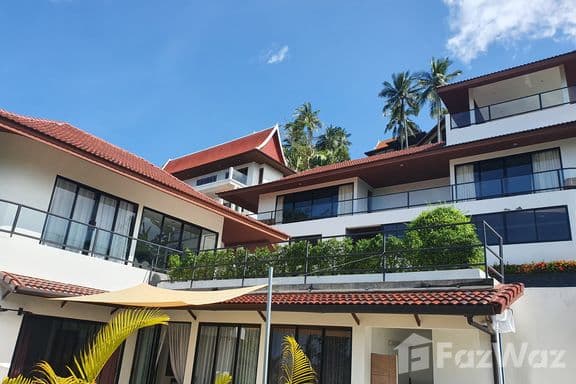
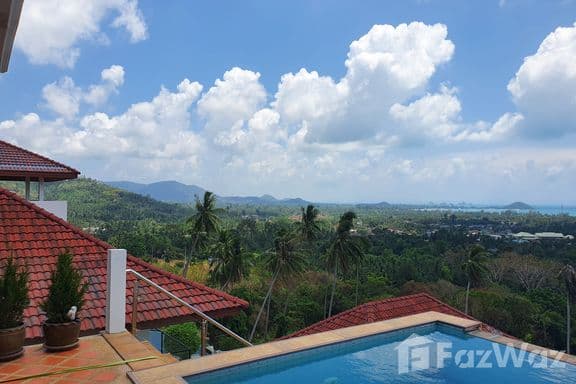
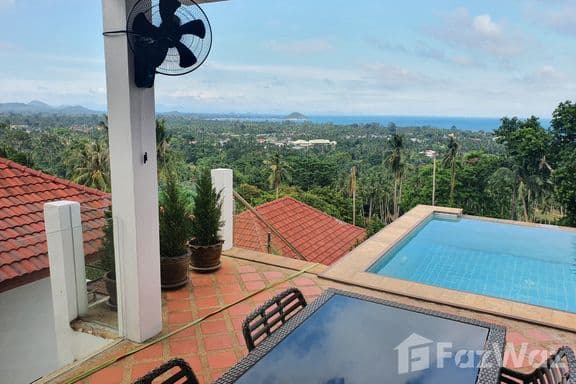
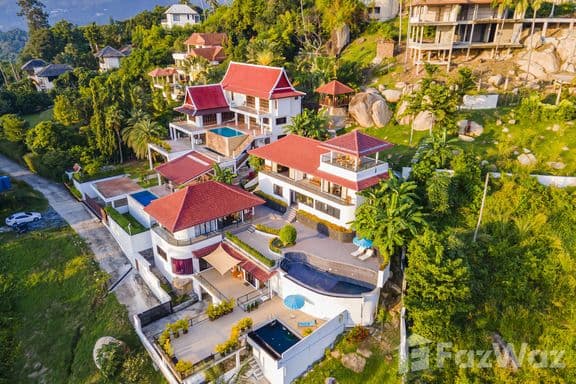
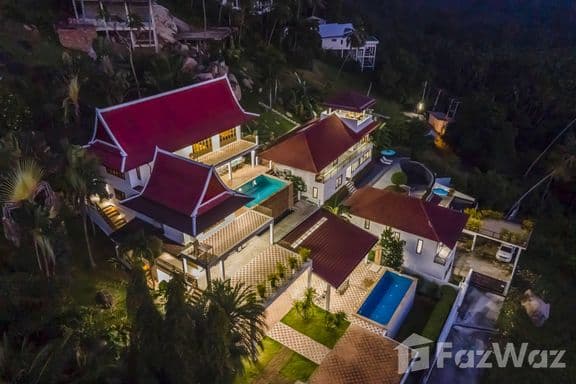
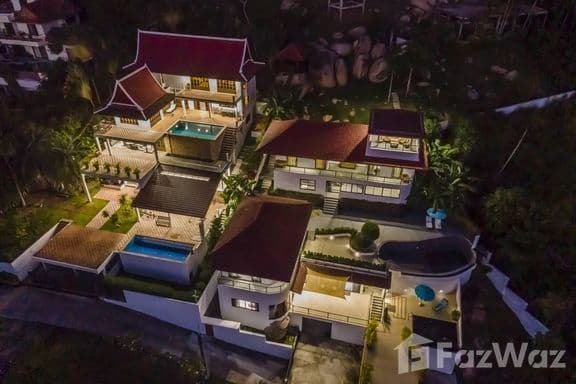
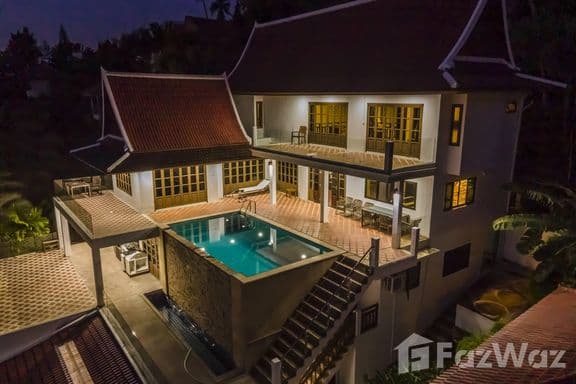
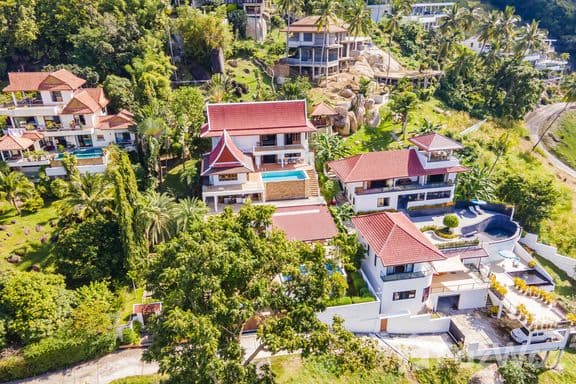
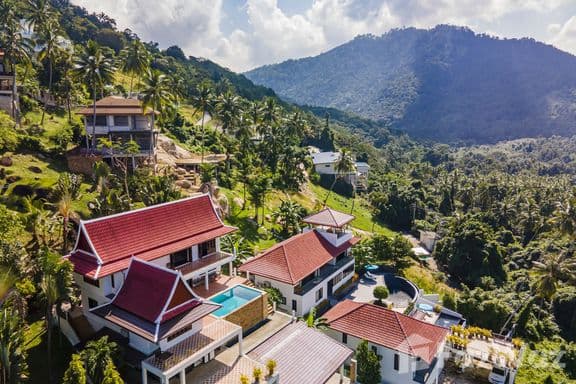
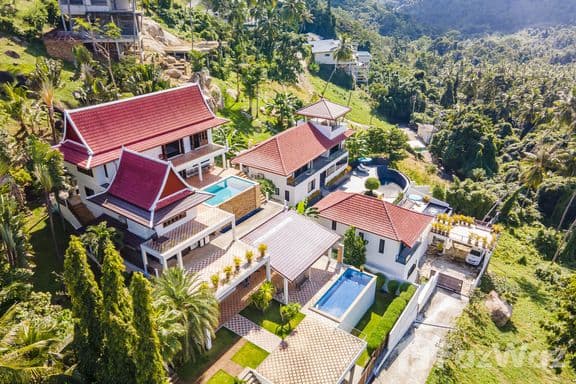
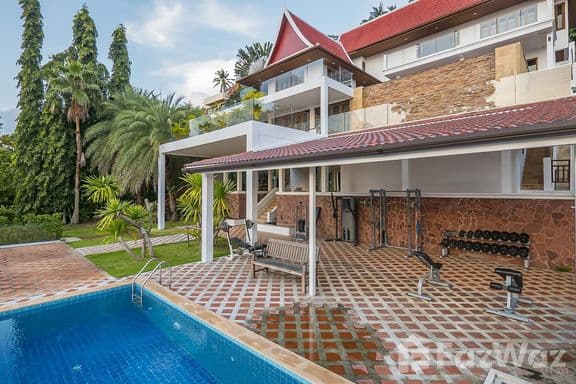
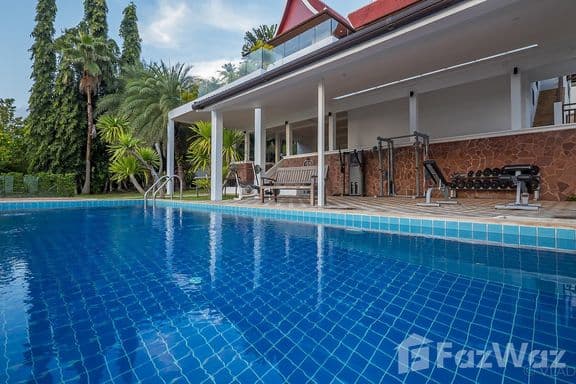
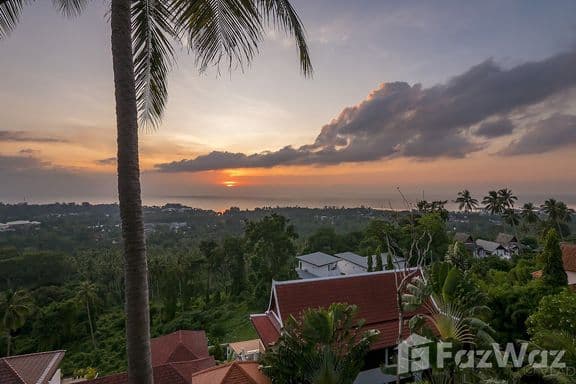
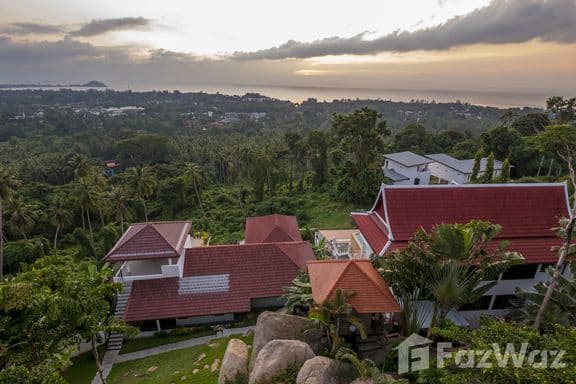
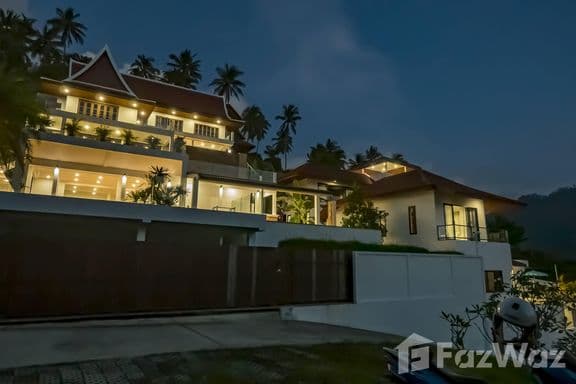
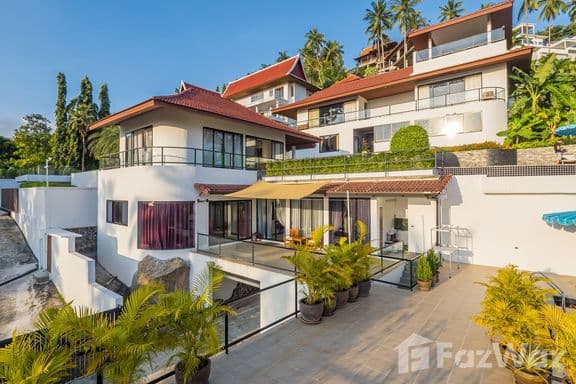
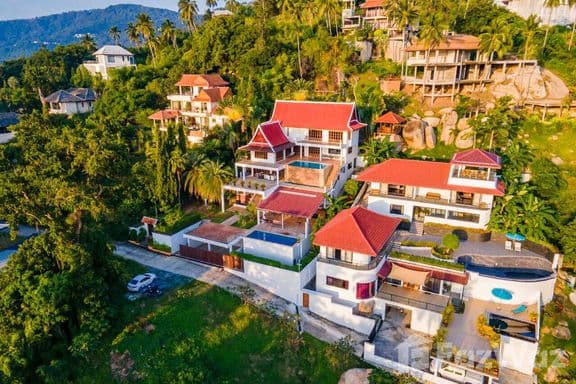
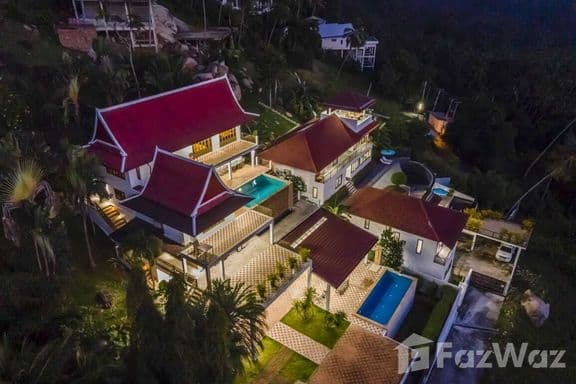
- Luxury Villas (High-End): In Samui, “luxury” typically means properties valued above roughly THB 20-25 million (≈ USD 600,000+), with ultra-premium estates reaching THB 50-80 million (up to USD 2 million or more). These villas boast prime locations - often beachfront or hilltop with panoramic sea views - and feature expansive designs. Expect 4-6+ bedrooms, large infinity pools, lush landscaped gardens, private gyms or cinemas, and high-end finishes like imported materials and smart home systems. Luxury villas offer seclusion, bespoke architecture, and concierge-style amenities (some are part of exclusive managed estates). Owners in this segment are usually high-net-worth individuals who purchase for personal vacation use, prestige, and high rental yields. Luxury villas command the highest nightly rental rates and often appreciate well due to their scarcity and desirability. However, upkeep costs and management are higher, and finding the right buyer on resale can take time given the niche market.
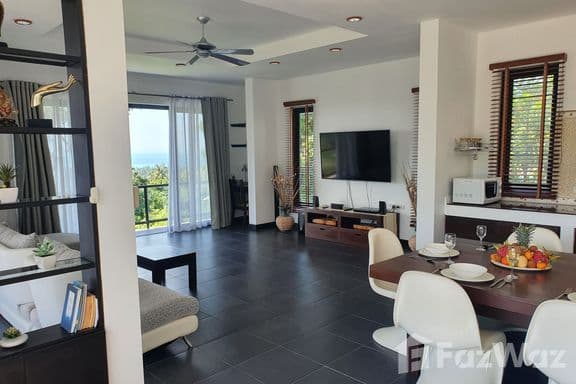
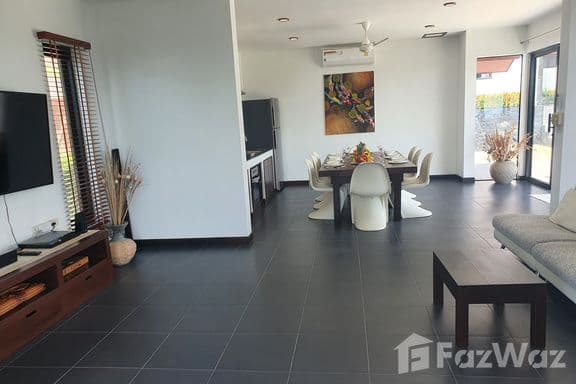
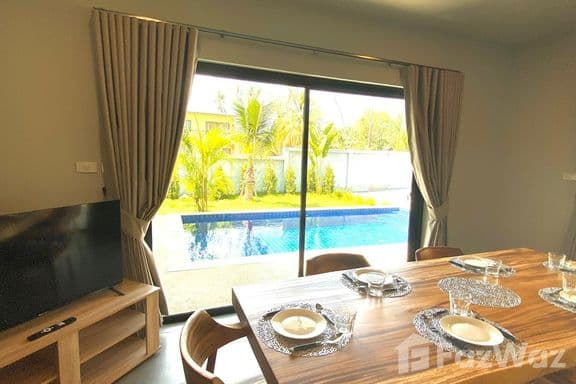
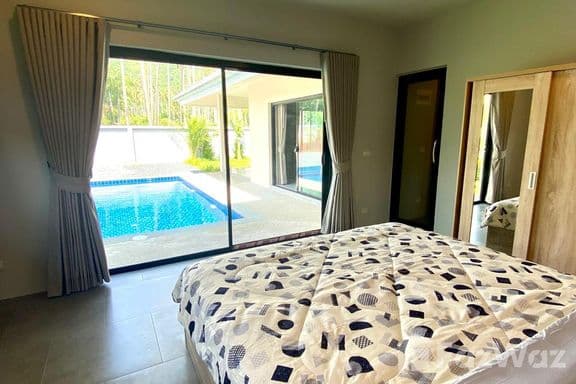
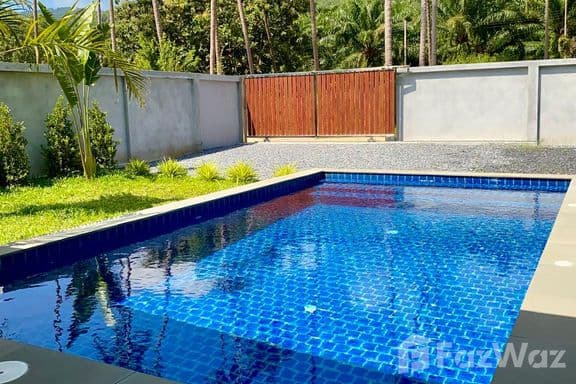
- Mid-Range Villas: The mid-range segment spans approximately THB 5-15 million (roughly USD 150,000-450,000), covering a wide variety of 2-4 bedroom homes. These properties may be slightly inland or in smaller developments, but many still offer modern comforts such as private pools and contemporary design, just on a smaller scale or on less prime land. Mid-range villas might have garden or partial sea views rather than absolute beachfront or cliffside vistas. Build quality ranges from basic Thai-style houses to newer modern pool villas targeted at expats. This segment appeals to expatriates and retirees looking for a full-time residence, as well as investors seeking a more affordable entry point to earn rental income. Mid-range villas can generate steady rentals (for instance, as family holiday homes or long-term rentals to other expats) and tend to have lower maintenance costs. In terms of investment, mid-range properties can offer higher rental yield percentages relative to purchase price (often in the 6-8% range) since demand for affordable rentals is strong. They may not appreciate as dramatically as trophy luxury assets, but they provide solid value and easier resale to a broad market of buyers.
In summary, luxury villas in Koh Samui offer unmatched opulence and exclusivity at a high price, while mid-range villas provide comfortable tropical living and investment potential at more accessible budgets. Foreign buyers focused on maximum rental income or capital growth might lean toward high-end villas in prime areas, whereas those prioritizing personal use, retirement, or lower upfront cost often prefer the mid-tier options. Whichever segment you choose, doing thorough due diligence on location, build quality, and legal structure (more on that later) is key to a successful purchase.
Villa Prices by Area in Koh Samui
Location is perhaps the biggest factor influencing villa prices on Koh Samui. The island’s geography means each region has a distinct character and price level. Below is a comparison of typical villa price ranges by area (in Thai Baht, with approximate USD equivalents), along with a brief description of each location’s appeal:
|
Area
|
Price Range (THB)
|
Price Range (USD)
|
Details
|
|
Bang Por
|
10M - 28M
|
$270K - $750K
|
Sea views, hillside, peaceful but close to town
|
|
Bophut
|
12M - 35M
|
$325K - $940K
|
Popular with families, close to Fisherman’s Village
|
|
Choeng Mon
|
12M - 40M
|
$325K - $1.1M
|
Tranquil upscale beach, family-friendly, near airport
|
|
Chaweng Noi
|
18M - 55M
|
$490K - $1.5M
|
Luxury villas, great sea views, tourist hotspot
|
|
Lamai
|
8M - 30M
|
$220K - $810K
|
Laid-back resort area, scenic beach, vibrant town center
|
|
Laem Sor
|
9M - 25M
|
$240K - $675K
|
Quiet, natural surroundings, beach access
|
|
Maenam
|
7M - 20M
|
$190K - $540K
|
Affordable, flat land, good for families
|
Note: USD figures are approximate and will vary with exchange rates (assumed around 33-35 THB per USD). The price ranges reflect typical asking prices for mid-size villas; ultra-luxury or larger estate properties in these areas may fall above the stated ranges.
As the table shows, northeastern Koh Samui commands the highest prices. Areas like Chaweng Noi (hills just south of Chaweng Beach) and Choeng Mon/Plai Laem (near the northeastern tip and airport) are prized for their stunning views and convenience. Chaweng Noi’s steep hillsides host many of the island’s most spectacular new villas with panoramic Gulf views, making it a premier investment hotspot for luxury buyers despite prices often exceeding THB 50 million. Nearby Choeng Mon, by contrast, offers a quieter upscale environment. With its calm beach and village feel, Choeng Mon is favored by families and those seeking tranquility, yet it remains only minutes from the airport and nightlife in Chaweng - a combination that supports values in the teens to high-30 millions THB for top properties.
Bophut, encompassing the famous Fisherman’s Village and surrounding hills, also lies on the higher end of the price spectrum. Bophut’s appeal is its balance of traditional charm and modern amenities. Buyers here enjoy boutique shops and dining in the historic village, a nice swimming beach, and proximity to international schools and hospitals. Villas in Bophut range broadly: you’ll find everything from THB 12 million family homes in the outskirts up to THB 30-35 million luxury pool villas perched above the bay. For many foreign buyers, Bophut is the ideal middle ground - it’s lively but not chaotic, scenic but still close to Samui’s commercial hubs, making it perennially popular for both residence and rentals.
Moving westward along the north coast, Maenam and Bang Por offer more affordability without sacrificing too much convenience. Maenam features a long, peaceful beach and a mix of local and expat communities. Villas here (often in the THB 7-20 million range) sit on flatter terrain or gentle hills, making land more available and slightly cheaper. Maenam is known for its privacy and family-friendly atmosphere (there’s an international school nearby and a world-class golf course, Santiburi, in the area). Adjacent Bang Por is even quieter - a stretch of coconut groves, quiet coves, and upscale hideaways. Bang Por’s villa market is characterized by “affordable luxury”: one can find beautiful beachfront or ocean-view villas for THB 10-20 million that would cost significantly more on the busier east coast. This has started to attract savvy investors looking for value and future appreciation. While nightlife and shopping are limited in Bang Por, the town of Nathon and the attractions of Maenam are a short drive away, so it suits those seeking a retreat with basic conveniences within reach.
On the east/southeast side of Samui, Lamai stands out as the second-largest tourism center after Chaweng. Lamai provides a charming blend of vibrancy and serenity. The town has plenty of restaurants, bars, and shops, but with a more laid-back vibe than frenetic Chaweng. Villas in the Lamai area can be relatively good value; inland or hillside properties with sea views might list from around THB 8-15 million for mid-range, while luxury beachfront or panoramic-view villas (particularly in the hills overlooking Lamai Bay or nearby Hua Thanon) might reach into the high 20s Millions. Lamai’s beautiful beach, plus new infrastructure improvements in the area, make it attractive for buyers who want a balance of local life, nature, and convenience. Rental demand in Lamai is solid during high season (it’s popular with families and long-stay visitors), though slightly less consistent year-round than in Chaweng or Bophut.
Finally, the southern and southwestern parts of Koh Samui (such as Laem Sor, Laem Set, Taling Ngam, and Lipa Noi) offer the most seclusion - and accordingly, some of the best deals for land and villas, albeit in a very tranquil setting. Laem Sor (in the far south) and neighboring Laem Set are known for yoga retreats, wellness resorts, and a handful of high-end private estates tucked away in the jungle by the sea. A luxury 3-4 bedroom pool villa here might be priced around THB 15-25 million, noticeably lower than an equivalent property up north, despite the gorgeous natural surroundings. The trade-off is remoteness: these areas are 30-45 minutes’ drive from the main tourist hubs. They appeal to buyers prioritizing privacy and connection with nature - for example, retirees or owners who want to establish a boutique retreat. Out west, Taling Ngam and Lipa Noi have pristine beaches and host a few ultra-luxury resorts (the Conrad, InterContinental, etc.), but development remains sparse. Real estate here is an “untapped potential” scenario; prices are still quite reasonable for large beachfront plots or ocean-view hillside land. Investors anticipating Samui’s future growth are quietly acquiring properties in these western locales, banking on long-term appreciation as infrastructure gradually extends island-wide.
In summary, Koh Samui’s villa prices vary from under THB 10 million in quieter districts up to THB 50 million-plus in the most prestigious enclaves. For foreign buyers, it’s wise to match your location to your objectives: if rental income and liquidity are priorities, areas like Chaweng, Bophut, and Choeng Mon (with high tourist demand) are ideal. If you seek a personal sanctuary or retirement home, the calmer corners like Maenam, Bang Por, or the south coast might offer better value and lifestyle fit. Importantly, all areas offer something unique - whether it’s nightlife, authentic local culture, family activities, or unspoiled nature - so take time to visit and get a feel for which part of Samui resonates with you before purchasing.
Investment Value and Rental Yields
One of the biggest draws for foreign buyers in Koh Samui is the potential to earn healthy rental income and long-term gains from their villa purchase. The island’s popularity as a holiday destination translates into robust rental demand, allowing owners to generate revenue when they’re not personally using the property. Here we analyze the investment potential, including rental yields and other financial considerations:
Rental Yields: Koh Samui villas can achieve attractive rental returns relative to their cost. Well-located properties (especially those with ocean views or walking distance to beaches) typically yield around 5% to 10% annually in gross rental income. Yields at the higher end of that range (7% or above) are most common in popular tourist areas like Chaweng, Bophut, and Plai Laem/Choeng Mon, where occupancy rates are high throughout the year. For example, a mid-range villa in Bophut might be rented to vacationers for $200-300 per night in high season, or every month to expat families, adding up to a solid yearly return on a THB 10-15 million investment. Luxury villas, which might command $1,000+ per night in peak periods, can also yield substantial income; however, their very high purchase prices mean their yield percentage may be a bit lower (often in the 5-6% range) unless they achieve consistently high occupancy. Keep in mind that rental income on Samui can be seasonal - the November to April high season (and July/August summer holiday peak) sees near full occupancy, while the rainy season months are slower. Savvy owners maximize returns by using professional villa management and marketing, adjusting rates seasonally, and targeting longer bookings during low season for stability.
Investment Value and Capital Appreciation: Beyond rental cash flow, Koh Samui villas are generally considered a good long-term investment. Property values have been trending upward moderately as discussed, and with the island’s limited land availability (due to geography and strict environmental rules), medium to long-term capital appreciation prospects are positive. Historically, buyers who purchased quality villas five or more years ago have often seen notable appreciation (e.g. 20%+ cumulative) by 2025, especially if they bought in burgeoning areas or did upgrades to their property. Moving forward, factors like ongoing infrastructure improvements (new roads, upgraded utilities, expanded flight routes into Samui’s airport) and Thailand’s steady economic growth are likely to support property values. Additionally, Koh Samui’s global profile is rising - for instance, mentions in popular media (the island is rumored to be a setting for The White Lotus TV series) and the presence of prestigious hotel brands all bolster its reputation as a luxury destination. All these points suggest that a well-chosen villa in Samui can appreciate in value while also providing enjoyment and income in the interim.
Rental Management and Costs: To realize the full investment potential of a Samui villa, owners should consider professional management. Many villas are part of managed estates or use independent management agencies that handle marketing, guest services, and maintenance. These services typically charge a fee or commission (often 20-30% of rental income), but they are invaluable in maintaining quality and occupancy, especially for absentee foreign owners. Even after management costs, taxes, insurance, and maintenance (pool servicing, gardening, etc.), owners often find they have a healthy net income stream. It’s not uncommon for a carefully managed rental villa to pay for its own upkeep and still net a profit annually, essentially letting you enjoy a holiday home that “pays for itself.” When evaluating a purchase, it’s wise to request pro forma rental figures or even look at similar properties on the market to gauge realistic income and expenses.
Resale and Exit Strategy: The villa market on Samui is fairly liquid for mid-range properties, thanks to constant interest from new expatriates and investors. High-end villas have a smaller buyer pool, but truly exceptional properties (e.g. beachfront or unique design villas) tend to hold their value and eventually find buyers, even in economic downturns, due to their rarity. As a foreign owner, it’s important to hold the property for a reasonable horizon to reap the benefits of appreciation - flipping within a year or two is less common here, whereas a 5-10 year hold often yields better returns. Keep an eye on developments in the area (new resorts, infrastructure, changes in regulations) as these can influence your villa’s value. Overall, buying a villa in Koh Samui in 2025 can be seen as a dual investment: it provides personal enjoyment (a tropical home for your family vacations or retirement) and functions as a performing asset that can generate income and appreciate over time.
Foreign Ownership Considerations in Thailand
For foreign nationals, purchasing property in Thailand - especially landed property like villas - requires navigating specific legal restrictions. It’s crucial to understand these foreign ownership rules before you buy, and to structure your purchase correctly to secure your investment.
Land Ownership Law: Thai law prohibits foreigners from owning land freehold in their own name. This means that while a foreigner can own the physical structure of a villa (the house), they generally cannot directly hold the land title (Chanote) that the villa sits on. However, there are legal workarounds commonly used to allow foreigners to effectively control and enjoy villa properties:
- Leasehold: The simplest method is to buy the villa on a leasehold basis. Typically, this involves a 30-year lease contract on the land (the maximum initial term allowed), often with pre-agreed renewal options that can extend the lease to 60 or 90 years. A leasehold gives you long-term rights to use the land and house. It is straightforward and fully legal, though note that the land remains owned by the Thai lessor (often a developer or individual) and the property will revert if not renewed after the lease term.
- Thai Limited Company: Many foreign buyers choose to set up a Thai limited company to hold the land. Thai companies can own land, even if partially foreign-owned. The law requires Thai nationals to hold at least 51% of the company’s shares, so typically a foreign buyer will form a company with one or more Thai shareholders (often trusted individuals or lawyers) who hold 51% in total on paper, while the foreigner retains 49% and control via preferential voting rights or loan agreements. This method essentially allows the foreigner to be the de facto owner of the land through the company. It’s vital to use reputable legal counsel to set up the company and nominee structure correctly. There are maintenance requirements (annual filings, taxes for the company), but it’s a well-trodden path for villa ownership.
- Condominium Structure or Developer Solutions: Another avenue, if available, is to buy a villa that is part of a condominium development structure. Thai law does allow foreigners to own condominium units freehold (up to 49% of a condo project’s area can be foreign-owned). In some cases, villa estates have condominium title structures where the land is shared and owned by the condo juristic entity, and foreigners can directly own their villa unit. This setup is less common but worth exploring if a developer offers it. Additionally, some high-end projects might offer creative solutions like long-term collective leases or share structures that grant ownership-like rights; always have such arrangements vetted by a lawyer.
Due Diligence: Whichever method you choose, professional legal due diligence is a must. Engage a Thai property lawyer to review land titles, check for any encumbrances, and draft contracts that protect your interests. Ensure you understand all terms, such as maintenance fees (if in a gated estate), lease renewal clauses, or company upkeep obligations. Foreign buyers should also be aware of tax implications: for example, there’s a transfer fee and a specific business tax or stamp duty on property transfers, and modest property taxes annually. These are generally not prohibitive (annual property tax on villas is quite low), but it’s wise to get a full picture of costs.
Financing: Note that local financing options for foreigners are limited - Thai banks typically do not lend to non-residents for home purchases (unless via some specialized programs or if you have a Thai spouse co-applicant). Most foreign buyers in Samui pay cash or secure financing from their home country. This is an important consideration when planning your purchase. On the upside, the lack of heavy leverage in the market contributes to its stability, and cash buyers often find the purchasing process relatively quick and straightforward once the legal structure is in place.
In summary, buying a villa in Koh Samui as a foreigner is absolutely feasible, but it comes with extra steps to ensure the property is held securely. By using a long-term lease or a company structure, thousands of foreigners have successfully acquired their dream homes on the island. Always work with qualified legal and real estate professionals, and you’ll navigate the process smoothly and safely, setting yourself up to enjoy your villa with peace of mind.
Conclusion and Key Takeaways
Purchasing a private villa in Koh Samui can be a rewarding endeavor, offering you a slice of tropical paradise along with potential financial returns. The 2025 market presents a favorable climate for foreign buyers: prices, while rising, remain attractive compared to global resort destinations, and the range of options - from cozy mid-range homes to sprawling luxury estates - means there’s something for every investor or lifestyle seeker. We’ve covered a lot of ground, so let’s recap the essential points for easy reference:
- Market Momentum: Koh Samui’s villa market is on an upswing in 2025, buoyed by renewed tourism and a stable Thai economy. Demand is largely driven by overseas buyers, and property values are experiencing steady growth (approximately 4-5% per year in recent years).
- Luxury vs. Value: Both luxury villas (THB 20M+) and mid-range villas (around THB 5-15M) are available. High-end properties offer unparalleled views, design, and prestige - ideal for those seeking a showpiece or strong holiday rental income. Mid-range villas provide comfortable living and solid yields at a lower price point, suiting retirees or first-time investors in Thailand.
- Location Matters: Koh Samui’s major areas each cater to different preferences. For nightlife and central convenience, look at Chaweng and Bophut. For tranquility and family-friendly ambiance, consider Choeng Mon, Maenam, or Bang Por. If you desire seclusion or a wellness retreat vibe, the southern and western shores (Lamai, Laem Sor, Taling Ngam, etc.) offer peace and nature. Property prices vary by area, so use the provided table as a guide when budgeting.
- Rental Income Potential: Villas in prime tourist areas can yield roughly 5-10% annually in rental income, which is quite favorable. By hiring a reputable management service, owners can capitalize on Koh Samui’s nearly year-round holiday season. Well-maintained villas tend to “pay for themselves” through rentals, especially in high season when nightly rates surge.
- Investment Outlook: The island’s long-term prospects are positive. With limited land and increasing global appeal, villa investments on Samui are likely to appreciate over time. Upcoming infrastructure enhancements and the enduring appeal of Thailand as a safe, affordable destination add to the confidence. Investors are also keeping an eye on new trends like eco-friendly developments and branded residences which could further boost the market.
- Foreign Buyer Tips: While foreigners cannot own land directly, solutions like long-term leaseholds or Thai company structures make ownership practical (and commonplace). Always conduct due diligence with legal experts to ensure your purchase is secure. Factor in costs like legal fees, taxes, and any corporate upkeep into your budget. It’s also wise to stay informed about Thai property regulations and any government initiatives (for instance, sometimes there are proposals to extend lease terms or offer residency incentives for large investments).
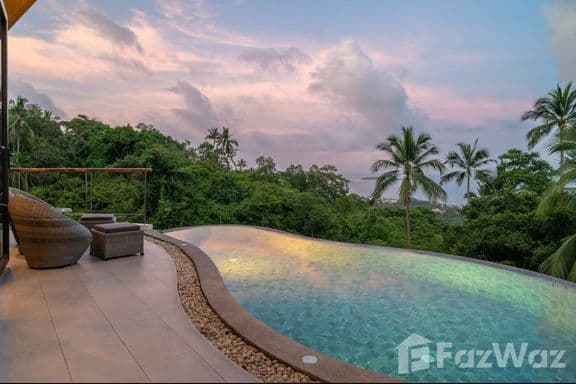
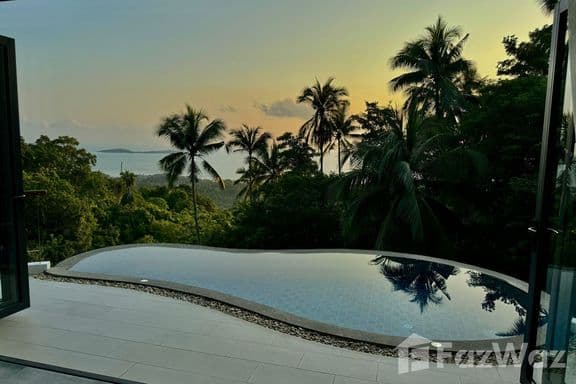
In closing, Koh Samui stands out as a tropical haven where lifestyle and investment merge. A private villa here is not only a retreat for you and your family but also a viable asset in a growing market. By understanding the local market dynamics, price variations by area, and the practical aspects of foreign ownership, you can approach your villa search with confidence. Whether you’re dreaming of sunset views from an infinity pool at a luxury hillside villa or envisioning a comfortable beachside home that generates rental income, Koh Samui offers a wealth of opportunities in 2025.














































































































 Popular condos in Ko Samui

