ตลาดคอนโดให้เช่าในพัทยา: ข้อมูลเชิงลึกและแนวโน้มตลาด ปี 2568
พัทยาเป็นหนึ่งในทำเลยอดนิยมของไทยสำหรับการเช่าคอนโด ทั้งในมุมของนักลงทุนที่มองหาผลตอบแทนจากการปล่อยเช่า และผู้เช่าที่ต้องการที่อยู่อาศัยคุณภาพในเมืองท่องเที่ยวชายทะเลแห่งนี้ การเข้าใจภาพรวมตลาดคอนโดให้เช่าในพัทยาปี 2568 จะช่วยให้ทั้งนักลงทุนและผู้เช่าตัดสินใจได้อย่างมีข้อมูล
ตลาดคอนโดในพัทยาขณะนี้มีความหลากหลายทั้งในด้านทำเลที่ตั้ง ประเภทคอนโดที่เหมาะกับการเช่าระยะสั้นและระยะยาว ระดับราคาที่แตกต่างกัน และพฤติกรรมผู้เช่าที่เปลี่ยนแปลงไป การรู้จักแนวโน้มเหล่านี้จะช่วยให้เข้าใจโอกาสและความท้าทายในตลาดปัจจุบัน
ทำเลที่โดดเด่นในพัทยาแต่ละย่านมีจุดเด่นและกลุ่มเป้าหมายที่แตกต่างกัน ตั้งแต่พัทยากลางที่เป็นศูนย์กลางของความบันเทิง ไปจนถึงนาเกลือและวงค์อมาตย์ที่มีบรรยากาศเงียบสงบกว่า ระดับราคาเช่าจึงปรับตัวตามความต้องการและสิ่งอำนวยความสะดวกในแต่ละพื้นที่
พฤติกรรมผู้เช่าในปี 2568 เปลี่ยนแปลงไปจากเดิม โดยเฉพาะกลุ่ม Digital Nomad และผู้ที่ทำงานระยะไกล ซึ่งมีความต้องการที่พักระยะกลางถึงยาวมากขึ้น สำหรับนักลงทุน การเข้าใจกลยุทธ์การบริหารจัดการและการตลาดจะช่วยเพิ่มอัตราการเช่าและผลตอบแทน ในขณะที่ข้อกฎหมายที่เกี่ยวข้องกับการปล่อยเช่าคอนโดก็มีการปรับปรุงใหม่ที่ควรติดตาม
ภาพรวมตลาดคอนโดให้เช่าในพัทยา ปี 2568
ตลาดคอนโดปล่อยเช่าในพัทยาปี 2568 มีแนวโน้มคึกคักและเติบโตอย่างต่อเนื่องหลังช่วงฟื้นตัวจากโควิด-19 พัทยายังคงเป็นจุดหมายปลายทางยอดนิยมสำหรับทั้งชาวไทยและชาวต่างชาติ ด้วยบรรยากาศชายทะเล สาธารณูปโภคที่ครบครัน และค่าครองชีพที่จับต้องได้เมื่อเทียบกับเมืองใหญ่อย่างกรุงเทพฯ ปัจจัยเหล่านี้ดึงดูด กลุ่มผู้เช่าหลัก เช่น ชาวต่างชาติที่มาทำงาน (expats) นักท่องเที่ยวระยะยาว Digital Nomads ผู้เกษียณจากต่างประเทศ และคนไทยที่ย้ายมาทำงานในพื้นที่เขตพัฒนาพิเศษภาคตะวันออก (EEC) ในจังหวัดชลบุรี
ด้านอุปสงค์ (Demand) พบว่าการกลับมาของนักท่องเที่ยวต่างชาติหลังการเปิดประเทศช่วยเพิ่มความต้องการที่พักระยะสั้นและระยะยาวในพัทยาอย่างมาก ผู้เช่าชาวต่างชาติ โดยเฉพาะจากยุโรป รัสเซีย และจีน มองว่าพัทยาเป็นเมืองที่น่าอยู่จากค่าครองชีพต่ำและมีสิ่งอำนวยความสะดวกครบ ทำให้คอนโดมิเนียมหลายแห่งมีผู้เช่าเต็มอยู่เสมอ ขณะเดียวกัน ผู้เช่าชาวไทย ก็มีมากขึ้น ทั้งกลุ่มคนทำงานที่ย้ายมาปฏิบัติงานในนิคมอุตสาหกรรมใกล้เคียง และครอบครัวไทยที่ต้องการพักผ่อนหรือทำงานทางไกลใกล้ชายทะเล ส่งผลให้อัตราเข้าพัก (Occupancy Rate) ของคอนโดให้เช่าในทำเลหลักสูงขึ้นใกล้เคียงช่วงก่อนโควิด
ด้านอุปทาน (Supply) ตลาดคอนโดพัทยามีการแข่งขันสูง คอนโดเปิดใหม่หลายโครงการทยอยสร้างเสร็จในปี 2566-2568 เพิ่มจำนวนยูนิตในตลาดให้เช่าอย่างต่อเนื่อง อย่างไรก็ตาม โครงการใหม่เหล่านี้มักเน้นเจาะกลุ่มนักลงทุนและชาวต่างชาติ ทำให้คุณภาพและสิ่งอำนวยความสะดวกอยู่ในระดับสูง ตอบโจทย์ความต้องการของผู้เช่ารุ่นใหม่ที่มองหาที่พักอาศัยมีมาตรฐาน พ่วงด้วยบริการจัดการปล่อยเช่า แบบมืออาชีพที่โครงการมีให้นักลงทุน ซึ่งช่วยเพิ่มยูนิตปล่อยเช่าเข้าสู่ตลาดได้อย่างรวดเร็ว
แนวโน้มสำคัญในปี 2568 ที่เห็นได้ชัดคือความต้องการเช่าคอนโดใกล้ชายหาดและคอนโดหรูยังคงแข็งแกร่ง ผู้เช่าต่างชาติและคนไทยที่มีรายได้สูงนิยมคอนโดตากอากาศติดทะเลหรือวิวทะเลเพื่อคุณภาพชีวิตที่ดี ขณะเดียวกันก็มีการเติบโตของดีมานด์ในตลาด คอนโดระดับกลาง-ล่าง โดยเฉพาะในเขตเมืองที่ราคาย่อมเยากว่า เพื่อตอบสนองกลุ่มคนทำงานวัยหนุ่มสาวและครอบครัวคนไทยที่ต้องการประหยัดค่าใช้จ่าย นอกจากนี้ การพัฒนาโครงสร้างพื้นฐานครั้งใหญ่ เช่น โครงการรถไฟความเร็วสูงเชื่อมกรุงเทพ-พัทยา (คาดว่าจะเปิดใช้ช่วงปี 2569) และการขยายสนามบินอู่ตะเภา ช่วยเพิ่มศักยภาพพัทยาในฐานะเมืองรองที่อยู่อาศัยใกล้กรุง ส่งเสริมให้ตลาดเช่ามีแนวโน้มขยายตัว ทั้งในแง่ปริมาณและราคาอย่างต่อเนื่อง
โดยสรุป ภาพรวมตลาดคอนโดให้เช่าพัทยา 2568 มีสัญญาณบวก ทั้งจากปัจจัยหนุนด้านการท่องเที่ยว การลงทุนภาครัฐ และความสนใจของผู้เช่าหลากหลายกลุ่ม นักวิเคราะห์คาดว่าราคาเช่าเฉลี่ยอาจขยับขึ้นในอัตราใกล้เคียง 7-10% เมื่อเทียบปีต่อปี ซึ่งถือเป็นโอกาสที่ดีสำหรับนักลงทุน ขณะเดียวกันผู้เช่าก็มีตัวเลือกมากขึ้นในตลาดที่แข่งขันกันด้านคุณภาพและราคา
ทำเลที่ได้รับความนิยมในพัทยา และจุดแข็ง-จุดอ่อนแต่ละโซน
พัทยามีหลายพื้นที่หลักที่เป็นที่นิยมสำหรับการเช่าคอนโด แต่ละโซนมีลักษณะเฉพาะ ทั้งจุดเด่นและจุดด้อยที่ควรทราบก่อนตัดสินใจลงทุนหรือเช่าเพื่ออยู่อาศัย ส่วนนี้จะแจกแจงทำเลสำคัญของพัทยาพร้อมวิเคราะห์ข้อดี-ข้อเสียของแต่ละพื้นที่:
- พัทยากลาง (Central Pattaya):
- จุดเด่น: เป็นย่านใจกลางเมืองที่คึกคักที่สุด ใกล้ชายหาดพัทยา ห้างสรรพสินค้า (เช่น Central Festival Pattaya), ร้านอาหาร, แหล่งบันเทิงอย่าง Walking Street และสิ่งอำนวยความสะดวกครบครัน การเดินทางภายในเมืองสะดวกสบาย มีรถสองแถววิ่งผ่านตลอด เหมาะกับคนทำงานหนุ่มสาวที่ต้องการใช้ชีวิตใจกลางเมือง หรือผู้เช่าที่ไม่มีรถส่วนตัวเพราะสามารถเดินไปสถานที่ต่างๆ ได้ง่าย
- จุดด้อย: ความเจริญของพัทยากลางมาพร้อมความพลุกพล่าน เสียงดัง และการจราจรหนาแน่นโดยเฉพาะฤดูท่องเที่ยว ความเป็นส่วนตัวและความสงบจะน้อยกว่าโซนอื่น นอกจากนี้ ราคาเช่าคอนโดในพัทยากลางมักสูงที่สุดเมื่อเทียบกับทำเลอื่น เนื่องจากดีมานด์สูงและที่ดินหายาก
- หาดจอมเทียน (Jomtien Beach):
- จุดเด่น: ตั้งอยู่ทางใต้ของพัทยากลาง จอมเทียนให้บรรยากาศที่ผ่อนคลายกว่า มีชายหาดยาวหลายกิโลเมตร บรรยากาศเงียบสงบเหมาะกับการพักผ่อน คอนโดริมชายหาดจอมเทียน เป็นที่นิยมในกลุ่มครอบครัวไทยและผู้เกษียณอายุ รวมถึงนักลงทุนที่มองหาอสังหาฯ ติดทะเลในราคาที่เอื้อมถึง จอมเทียนยังมีร้านอาหารซีฟู้ดและตลาดท้องถิ่น ที่สำคัญคือราคาค่าเช่าและค่าครองชีพบริเวณนี้จะต่ำกว่าพัทยากลางเล็กน้อย
- จุดด้อย: เนื่องจากอยู่ห่างจากตัวเมืองหลักเล็กน้อย ผู้ที่พักอาศัยในจอมเทียนอาจต้องเดินทางเข้าเมืองพัทยากลางประมาณ 10-20 นาทีเพื่อเข้าถึงห้างใหญ่หรือสถานบันเทิง นอกจากนี้ชีวิตกลางคืนที่จอมเทียนค่อนข้างเงียบสงบกว่า หากผู้เช่าชอบความคึกคักยามราตรีอาจรู้สึกว่าบรรยากาศไม่เพียงพอ
- วงศ์อมาตย์/นาเกลือ (Wong Amat / Naklua):
- จุดเด่น: พื้นที่ทางเหนือของตัวเมืองพัทยา มีชายหาดวงศ์อมาตย์ที่ขึ้นชื่อเรื่องความสวยงามและเงียบสงบ คอนโดหรูระดับไฮเอนด์ หลายแห่งตั้งอยู่บริเวณนี้ พร้อมสิ่งอำนวยความสะดวกครบครัน เช่น สระว่ายน้ำริมทะเล ฟิตเนส และการรักษาความปลอดภัยแน่นหนา วงศ์อมาตย์เหมาะกับผู้เช่าที่ต้องการความเป็นส่วนตัว บรรยากาศสงบ มีระดับ และยอมจ่ายค่าเช่าที่สูงขึ้นเพื่อคุณภาพชีวิตที่ดีกว่า พื้นที่นี้ยังได้รับความนิยมในกลุ่มชาวต่างชาติที่มาอยู่ระยะยาวและผู้บริหารที่ย้ายมาทำงานในเขต EEC
- จุดด้อย: เนื่องจากเป็นย่านที่พักอาศัยระดับไฮเอนด์ ค่าครองชีพและค่าเช่า ในวงศ์อมาตย์จึงสูงที่สุดในพัทยา ผู้เช่าที่มีงบประมาณจำกัดอาจเอื้อมไม่ถึง ทำเลนี้ไม่มีแหล่งบันเทิงยามค่ำคืนหรือห้างใหญ่ภายในระยะเดิน ต้องขับรถหรือนั่งรถเข้าสู่พัทยากลางราว 10-15 นาที นอกจากนี้ ความอุดมสมบูรณ์ของร้านสะดวกซื้อหรือร้านอาหารท้องถิ่นอาจน้อยกว่าเขตอื่น เพราะพื้นที่ส่วนใหญ่เป็นโครงการคอนโดและโรงแรมหรู
- เขาพระตำหนัก (Pratumnak Hill):
- จุดเด่น: ทำเลเนินเขาที่ตั้งอยู่ระหว่างพัทยากลางกับจอมเทียน พื้นที่นี้ให้บรรยากาศอยู่อาศัยที่สงบและเป็นส่วนตัว เนื่องจากเป็นย่านที่อยู่อาศัยหนาแน่นน้อยกว่า คอนโดบนเขาพระตำหนัก โดดเด่นเรื่องวิวเมืองและวิวทะเลจากมุมสูง ผู้เช่าจะได้บรรยากาศพักผ่อนคล้ายรีสอร์ท เป็นที่นิยมทั้งในกลุ่มชาวต่างชาติสูงวัยที่มาใช้ชีวิตหลังเกษียณและคนไทยที่ชื่นชอบความเงียบสงบแบบไม่ไกลเมืองมากนัก
- จุดด้อย: การเดินทางอาจไม่สะดวกเท่าที่ควร หากไม่มีรถยนต์ส่วนตัว ถนนขึ้นเขาค่อนข้างชันและระบบขนส่งสาธารณะน้อย ผู้เช่าที่พักบนเขามักต้องพึ่งพารถรับจ้างหรือต้องขับรถเอง อีกทั้งสิ่งอำนวยความสะดวกใกล้เคียงมีจำกัด (ร้านค้า ตลาด ฯลฯ ไม่หนาแน่นเหมือนพัทยากลาง) ค่าเช่าในโซนนี้อยู่ในระดับกลางค่อนไปทางสูง เนื่องจากภาพลักษณ์เป็นย่านพักอาศัยพรีเมียมและมีจำนวนยูนิตน้อย จึงอาจหาเช่ายากในช่วงที่ความต้องการสูง
- พัทยาใต้และโซนถนนเทพประสิทธิ์ (South Pattaya & Thepprasit):
- จุดเด่น: โซนพัทยาด้านใต้รวมถึงบริเวณถนนพัทยาใต้และถนนเทพประสิทธิ์ เป็นพื้นที่รอยต่อระหว่างตัวเมืองพัทยากับอำเภอสัตหีบ ลักษณะเป็นชุมชนท้องถิ่นผสมกับย่านการค้า ราคาที่ดินและค่าเช่าที่อยู่อาศัยมักถูกกว่าโซนอื่น คอนโดในย่านนี้ จึงเป็นตัวเลือกที่ดีสำหรับผู้เช่าที่ต้องการประหยัดงบ แต่ยังได้อยู่ในทำเลที่ขับรถไม่ไกลก็ถึงทะเลและเข้าตัวเมืองพัทยา นอกจากนี้โซนนี้ยังมีตลาดขนาดใหญ่ (เช่น ตลาดเทพประสิทธิ์) ร้านอาหารท้องถิ่น และสิ่งอำนวยความสะดวกในชีวิตประจำวันค่อนข้างครบครันแต่ราคาย่อมเยากว่า
- จุดด้อย: ความเจริญและภาพลักษณ์อาจไม่โดดเด่นเท่าพื้นที่อื่น บางบริเวณเป็นชุมชนดั้งเดิมที่การจัดระเบียบยังไม่ดี ถนนซอยแคบและรถติดในช่วงเย็น การเข้าถึงชายหาดอาจต้องเดินทาง 10-15 นาทีเพราะไม่ได้ติดทะเลโดยตรง อีกทั้งคอนโดในพัทยาใต้ส่วนใหญ่เป็นโครงการเก่าหรือคอนโดมิเนียมระดับกลาง สิ่งอำนวยความสะดวกและความใหม่อาจสู้คอนโดโซนอื่นไม่ได้
บทสรุปสำหรับทำเล: การเลือกทำเลในพัทยาขึ้นอยู่กับความต้องการและงบประมาณ หากผู้เช่าหรือนักลงทุนเน้นชีวิตเมืองและความสะดวกสบาย พัทยากลางคือตัวเลือกที่ตอบโจทย์ แม้ต้องแลกมาด้วยค่าเช่าที่สูงและความวุ่นวายกว่าปกติ ถ้าชอบบรรยากาศสงบติดทะเล จอมเทียนและวงศ์อมาตย์คือทำเลเด่น โดยจอมเทียนจะประหยัดกว่าและเหมาะกับการอยู่อาศัยนานๆ ส่วนวงศ์อมาตย์เน้นตลาดบน สำหรับคนที่ต้องการความสงบเป็นส่วนตัว เขาพระตำหนักเป็นทางเลือกที่ดี แต่ควรมีรถยนต์เพื่อความสะดวก สุดท้ายหากงบประมาณจำกัด และยอมอยู่ห่างศูนย์กลางออกมาหน่อย พัทยาใต้หรือโซนนอกเมืองจะช่วยลดค่าใช้จ่ายได้มาก ดังนั้น ไม่ว่าจะเป็นผู้เช่าหรือนักลงทุน ควรพิจารณาจุดแข็ง-จุดอ่อนของทำเลเหล่านี้ประกอบการตัดสินใจเสมอ
ประเภทของคอนโดที่เหมาะกับการเช่าระยะสั้นและระยะยาว
การปล่อยเช่าคอนโดมีอยู่สองรูปแบบหลัก คือ เช่าระยะสั้น และ เช่าระยะยาว ซึ่งแต่ละแบบเหมาะกับคอนโดประเภทต่างๆ รวมถึงมีข้อควรพิจารณาแตกต่างกัน ดังนี้:
- เช่าระยะสั้น: หมายถึงการเช่ารายวันหรือรายสัปดาห์ ส่วนใหญ่เกี่ยวข้องกับนักท่องเที่ยวหรือผู้เข้าพักช่วงสั้นๆ คอนโดที่เหมาะกับการปล่อยเช่าระยะสั้นควรเป็น คอนโดมิเนียมที่มีลักษณะกึ่งโรงแรม (Resort Condo หรือ Serviced Apartment) ตั้งอยู่ในทำเลท่องเที่ยว เช่น ติดชายหาดหรือใกล้แหล่งท่องเที่ยวใจกลางเมือง ห้องพักมักมีขนาดเล็กถึงปานกลาง (สตูดิโอหรือ 1 ห้องนอน) ตกแต่งครบพร้อมเข้าอยู่ มีสิ่งอำนวยความสะดวกส่วนกลางครบครัน เช่น สระว่ายน้ำ ฟิตเนส รวมถึงระบบรักษาความปลอดภัย 24 ชม. การปล่อยเช่าระยะสั้นช่วยให้นักลงทุน ได้ค่าเช่าต่อคืนสูง และสามารถปรับราคาตามฤดูกาลท่องเที่ยว แต่ก็มีข้อเสียคือผู้ลงทุนต้องบริหารจัดการบ่อยครั้ง (เช่น ทำความสะอาด รับส่งกุญแจ) และมีความเสี่ยงด้านกฎหมายหากไม่ได้ดำเนินการตามข้อบังคับ (ดูรายละเอียดกฎหมายในหัวข้อถัดไป)
- เช่าระยะยาว: หมายถึงการเช่ารายเดือนหรือรายปี เหมาะกับผู้ที่อยู่อาศัยจริงจังหรือทำงานในพื้นที่นั้นๆ คอนโดสำหรับเช่าระยะยาวควรเป็น คอนโดที่อยู่อาศัยเต็มรูปแบบ มีบรรยากาศเหมาะกับชีวิตประจำวัน เช่น อยู่ในย่านสงบหรือย่านชุมชนที่มีร้านค้า ตลาด และบริการที่จำเป็น ห้องเช่าระยะยาวมักมีขนาดใหญ่ขึ้น (ตั้งแต่ 1 ห้องนอนขนาดใหญ่ไปจนถึง 2-3 ห้องนอน) เพื่อรองรับผู้อยู่อาศัยที่อาจเป็นคู่รัก ครอบครัวเล็ก หรืออยู่ร่วมกันหลายคน เฟอร์นิเจอร์อาจมีให้บางส่วนหรือครบชุดก็ได้ แต่ผู้เช่าระยะยาวหลายรายอาจมีเฟอร์นิเจอร์หรือของตกแต่งของตนเองจึงยินดีที่จะต่อเติมเองบางส่วน ข้อดีของการปล่อยเช่าระยะยาว สำหรับนักลงทุนคือมีรายได้สม่ำเสมอทุกเดือน ลดความยุ่งยากในการหาแขกเข้าพักบ่อยครั้ง และผู้เช่ามักดูแลทรัพย์สินเสมือนบ้านของตนเองมากกว่า ข้อดีสำหรับผู้เช่า คือได้ราคาที่ถูกกว่าการเช่าระยะสั้นมาก (คิดเฉลี่ยรายวันจะต่ำกว่า) และรู้สึกมั่นคงเพราะได้สัญญาระยะยาว แต่ทั้งนี้การเช่าระยะยาวมักมีเงื่อนไขสัญญาผูกมัด หากผู้เช่าต้องย้ายออกก่อนกำหนดอาจเสียเงินประกันหรือมีค่าใช้จ่ายตามที่ตกลง
นอกเหนือจากนี้ ยังมีคอนโดบางประเภทที่ได้รับความนิยมในตลาดเช่าพัทยา ได้แก่ คอนโดแบรนด์โรงแรม (Hotel-branded Residence) ที่บริหารงานโดยเครือโรงแรมมีชื่อเสียง ซึ่งมักเปิดให้เช่าทั้งระยะสั้นและยาวในอัตราค่าเช่าสูง แลกกับบริการและสิ่งอำนวยความสะดวกระดับห้าดาว อีกประเภทหนึ่งคือ คอนโดราคาประหยัดขนาดเล็ก นอกใจกลางเมือง ที่เจาะกลุ่มพนักงานโรงงานหรือพนักงานบริการในพื้นที่ ซึ่งห้องอาจมีขนาดเล็ก 20-30 ตร.ม. และค่าเช่าไม่แพง เหมาะกับการเช่าระยะยาวมากกว่าระยะสั้น
ข้อควรระวัง: นักลงทุนควรตรวจสอบระเบียบของนิติบุคคลอาคารชุดหรือคณะกรรมการคอนโดนั้นๆ ด้วย เพราะคอนโดบางแห่ง มีกฎห้ามปล่อยเช่าระยะสั้น (เช่น ไม่อนุญาตให้เช่ารายวัน/Airbnb) ซึ่งหากฝ่าฝืนอาจถูกปรับและสร้างความขัดแย้งกับเพื่อนบ้าน ในขณะเดียวกันผู้เช่าก็ควรเลือกประเภทคอนโดให้เหมาะกับวัตถุประสงค์การพักอาศัยของตน เช่น ถ้าต้องอยู่ระยะสั้นเพียง 1-2 เดือน การเช่าคอนโดที่เน้นปล่อยเช่ารายเดือนแบบพร้อมอยู่จะสะดวกกว่า ในทางกลับกัน หากวางแผนอยู่ยาวเป็นปี การเลือกคอนโดที่มีชุมชนผู้อยู่อาศัยจริงจัง มีนิติบุคคลดูแลดี จะทำให้ใช้ชีวิตได้สะดวกและอุ่นใจขึ้น
ระดับราคาค่าเช่าคอนโดในพัทยา
ค่าเช่าคอนโดในพัทยา มีความหลากหลายขึ้นอยู่กับหลายปัจจัย ได้แก่ ทำเลที่ตั้งของโครงการ ระดับความหรูหราและใหม่ของตัวอาคาร ขนาดห้อง และสิ่งอำนวยความสะดวกที่มีให้ ในปี 2568 ตลาดพัทยามีทั้งคอนโดราคาย่อมเยาที่ปล่อยเช่าในกลุ่มคนทำงาน ไปจนถึงคอนโดหรูระดับลักชัวรีติดทะเลที่ค่าเช่าสูงมาก เพื่อให้เห็นภาพรวม สามารถแบ่งช่วงระดับราคาค่าเช่า (ต่อเดือน) ออกเป็นหมวดหมู่กว้างๆ ได้ดังนี้:
- คอนโดระดับประหยัด: ห้องขนาดเล็กหรือสตูดิโอ ในโครงการที่สร้างมานานหรืออยู่นอกพื้นที่ท่องเที่ยวหลัก เช่น ย่านพัทยาใต้หรือฝั่งสุขุมวิท ห้องประเภทนี้ค่าเช่าเริ่มต้นประมาณ 5,000–8,000 บาท/เดือน เท่านั้น ราคาย่อมเยานี้แลกกับทำเลที่อาจไม่ติดทะเลหรือห่างจากศูนย์กลางเมือง และอาคารอาจมีสิ่งอำนวยความสะดวกพื้นฐานเท่านั้น (ที่จอดรถ, รปภ., ไม่มีสระว่ายน้ำหรู) กลุ่มผู้เช่ามักเป็นพนักงานท้องถิ่นหรือผู้ที่เน้นประหยัดค่าใช้จ่าย
- คอนโดระดับกลาง: ห้องประเภท 1–2 ห้องนอน ในทำเลเมืองหรือใกล้ชายหาดแต่ไม่ใช่โครงการหรูสุด ห้องขนาด 30-50 ตร.ม. มีเฟอร์นิเจอร์ครบและสิ่งอำนวยความสะดวกมาตรฐาน (สระว่ายน้ำ ฟิตเนส) ค่าเช่าเฉลี่ยอยู่ที่ประมาณ 10,000–20,000 บาท/เดือน สำหรับ 1 ห้องนอน และ 18,000–30,000 บาท/เดือน สำหรับ 2 ห้องนอน (ตัวเลขอาจสูงหรือต่ำกว่านี้ขึ้นกับความใหม่และทำเลเฉพาะเจาะจง) ระดับราคานี้ถือว่าเป็นกลุ่มใหญ่ของตลาด มีผู้เช่าทั้งชาวไทยและต่างชาติที่ทำงานประจำในพื้นที่ รวมถึงนักศึกษาฝึกงานในเขตอุตสาหกรรมใกล้เคียง
- คอนโดระดับหรู: ห้องขนาดใหญ่ 2–3 ห้องนอน, ห้องชุดวิวทะเล, เพนท์เฮาส์ หรือคอนโดในตึกใหม่ระดับไฮเอนด์ริมชายหาด พื้นที่ใช้สอยกว้างขวาง 60 ตร.ม. ขึ้นไป ตกแต่งพรีเมียม ครบครันด้วยสิ่งอำนวยความสะดวกพิเศษ เช่น สระว่ายน้ำแบบอินฟินิตี้บนดาดฟ้า สปา ซาวน่า ห้องดูหนังส่วนตัว เป็นต้น ค่าเช่าในกลุ่มนี้มักเริ่มต้นราว 30,000 บาท/เดือนขึ้นไป สำหรับห้อง 2 ห้องนอนวิวทะเล และอาจสูงถึง 50,000–100,000 บาท/เดือนสำหรับห้องชุดขนาดใหญ่พิเศษหรือเพนท์เฮาส์ติดชายหาด กลุ่มผู้เช่าเป้าหมายมักเป็นชาวต่างชาติผู้บริหาร ผู้เกษียณอายุจากยุโรป/อเมริกาเหนือที่มีกำลังเช่ามาก หรือครอบครัวคนไทยที่มีฐานะดีและต้องการใช้ชีวิตตากอากาศระยะยาว
ปัจจัยด้านทำเลและสิ่งอำนวยความสะดวก: นอกจากขนาดห้องและระดับโครงการ ทำเลมีผลอย่างมากต่อราคา เช่น คอนโดใจกลางพัทยาหรือติดชายหาด แม้ขนาดเล็กแต่ค่าเช่าอาจสูงกว่าห้องใหญ่ในทำเลรอง เนื่องจากความต้องการสูง นอกจากนี้ คอนโดที่อยู่ใกล้ห้างสรรพสินค้า โรงเรียนนานาชาติ หรือโรงพยาบาล มักตั้งราคาเช่าสูงกว่าเพราะตอบโจทย์ไลฟ์สไตล์คนเมือง ส่วนสิ่งอำนวยความสะดวกในอาคาร เช่น ที่จอดรถเพียงพอ ห้องฟิตเนสทันสมัย Co-working Space หรือระบบ Smart Home ภายในห้อง ก็เป็นจุดขายที่เจ้าของสามารถตั้งราคาเผื่อไว้ได้สูงขึ้น เพราะผู้เช่ายินดีจ่ายเพื่อความสะดวกสบายเพิ่ม
ค่าใช้จ่ายอื่นๆ: โดยทั่วไป ค่าเช่าที่ประกาศมักไม่รวม ค่าสาธารณูปโภค (ค่าน้ำ ค่าไฟ ค่าอินเทอร์เน็ต) ผู้เช่าต้องรับผิดชอบจ่ายเองตามการใช้จริง ยกเว้นบางกรณีที่เจ้าของห้องรวมค่าน้ำค่าไฟแบบเหมาจ่ายไว้ (มักพบในสัญญาเช่าระยะสั้น) นอกจากนี้ ค่าส่วนกลางคอนโด เช่น ค่าดูแลลิฟต์ รปภ. สระว่ายน้ำ ผู้ให้เช่า (เจ้าของห้อง) จะเป็นผู้จ่ายให้โครงการ ไม่ได้เรียกเก็บจากผู้เช่า แต่ผู้เช่าอาจต้องจ่ายค่าจอดรถเพิ่มเติมหรือค่าใช้บริการพิเศษบางอย่าง (เช่น ซักรีด) ตามระเบียบของแต่ละคอนโด
สรุปด้านราคา: ตลาดเช่าคอนโดพัทยามีตัวเลือกหลากหลายตั้งแต่หลักพันบาทถึงหลักแสนบาทต่อเดือน ผู้เช่าควรสำรวจตลาดเพื่อหาอัตราค่าเช่าที่เหมาะสมกับงบและความต้องการของตน ส่วนเจ้าของหรือผู้ลงทุนควรตั้งราคาตามกลไกตลาดและคุณค่าที่ห้องของตนมี โดยอาจตรวจสอบประกาศเช่าห้องอื่นในโครงการหรือทำเลใกล้เคียงเพื่ออ้างอิง การตั้งราคาค่าเช่าที่เหมาะสมจะช่วยให้ปล่อยเช่าได้เร็วและต่อเนื่อง ลดความเสี่ยงห้องว่างและเพิ่มผลตอบแทนในระยะยาว
พฤติกรรมของผู้เช่าแต่ละกลุ่ม
การเข้าใจ พฤติกรรมและความต้องการของผู้เช่า กลุ่มเป้าหมายเป็นสิ่งสำคัญ ทั้งสำหรับเจ้าของที่ต้องการปล่อยเช่าให้ตรงใจตลาด และสำหรับผู้เช่าเองในการมองหาคอนโดที่ตอบโจทย์ไลฟ์สไตล์ตน ในพัทยาสามารถแบ่งกลุ่มผู้เช่าหลักๆ ออกเป็น 3 กลุ่มใหญ่ แต่ละกลุ่มมีลักษณะและความต้องการเฉพาะดังนี้:
- ครอบครัว (Family): ผู้เช่ากลุ่มครอบครัวมักประกอบด้วยพ่อแม่และลูกเล็ก หรือคู่แต่งงานที่วางแผนจะมีบุตร ความต้องการสำคัญคือพื้นที่ใช้สอยที่เพียงพอและความปลอดภัย คอนโด 2–3 ห้องนอน จึงได้รับความนิยมในกลุ่มนี้ เพื่อให้มีห้องนอนสำหรับเด็กหรือห้องเอนกประสงค์เพิ่มเติม ครอบครัวมักมองหาสิ่งแวดล้อมที่เป็นมิตร เช่น คอนโดที่มีสนามเด็กเล่น สระว่ายน้ำเด็ก และเพื่อนบ้านที่เป็นครอบครัวอื่นๆ เช่นกัน ทำเลที่ชอบคือบริเวณที่สงบ ไม่พลุกพล่านเกินไป (ย่านชานเมืองหรือจอมเทียนตอนใต้) ใกล้โรงเรียนหรือสวนสาธารณะ หากเป็นครอบครัวชาวต่างชาติอาจเลือกคอนโดใกล้โรงเรียนนานาชาติ นอกจากนี้ ครอบครัวจะให้ความสำคัญกับที่จอดรถ (มักมีรถยนต์ส่วนตัว) ระบบรักษาความปลอดภัย และต้องการสัญญาเช่าระยะยาวเพื่อความมั่นคงในการอยู่อาศัย
- คนทำงาน (Working Professionals): กลุ่มคนวัยทำงานทั้งชาวไทยและชาวต่างชาติที่ไม่มีครอบครัวติดตาม มักนิยมเช่าคอนโดขนาดเล็กถึงกลาง (สตูดิโอหรือ 1 ห้องนอน) ที่อยู่ใกล้ที่ทำงานหรืออยู่ในเมืองเพื่อความสะดวกในการเดินทาง คนทำงานรุ่นใหม่ ให้ความสำคัญกับการเดินทางมาก—หากไม่มีรถยนต์ส่วนตัวก็มักเลือกคอนโดติดถนนใหญ่หรือใกล้จุดขึ้นลงรถโดยสาร ความใกล้กับร้านสะดวกซื้อ ร้านกาแฟ หรือย่านร้านอาหารสำหรับพบปะสังสรรค์หลังเลิกงานก็เป็นปัจจัยในการตัดสินใจ คอนโดที่มี Co-working Space อินเทอร์เน็ตความเร็วสูง และฟิตเนส 24 ชั่วโมงจะได้คะแนนพิเศษจากกลุ่มนี้ คนทำงานมักทำสัญญาเช่าเป็นรายปีและสามารถย้ายถิ่นได้หากเปลี่ยนงาน ดังนั้นความยืดหยุ่นในเงื่อนไขสัญญาเช่า (เช่น สามารถเปลี่ยนผู้เช่าหรือบอกเลิกก่อนกำหนดโดยมีเงื่อนไข) จะดึงดูดพวกเขาได้มากขึ้น
- ผู้เกษียณอายุ (Retirees): พัทยาเป็นจุดหมายปลายทางยอดนิยมของผู้เกษียณ ทั้งคนไทยและชาวต่างชาติที่ต้องการใช้ชีวิตบั้นปลายใกล้ทะเล ผู้เช่าสูงวัยเหล่านี้มองหาความสงบและความสะดวกสบายเป็นหลัก คอนโดที่เหมาะควรมีสิ่งแวดล้อมเงียบสงบ (หลีกเลี่ยงย่านผับบาร์เสียงดัง) มีทิวทัศน์ธรรมชาติ เช่น เห็นวิวทะเลหรือสวน เป็นโบนัสสำคัญ นอกจากนี้ ตัวอาคารควรมีลิฟต์ที่รวดเร็วและระบบรักษาความปลอดภัยที่ไว้วางใจได้ ผู้เกษียณหลายคนให้ความสำคัญกับสิ่งอำนวยความสะดวกด้านสุขภาพ เช่น มีฟิตเนส สระว่ายน้ำสำหรับออกกำลังเบาๆ หรืออยู่ไม่ไกลจากโรงพยาบาล คุณภาพของนิติบุคคลและการบำรุงรักษาอาคารก็เป็นปัจจัยใหญ่ เพราะกลุ่มนี้จะเลือกอยู่ระยะยาวเป็นหลัก ไม่ต้องการพบปัญหาจุกจิกในภายหลัง สำหรับผู้เกษียณต่างชาติ ความใกล้ชุมชนเพื่อนร่วมชาติหรือมีกลุ่มสังคมใกล้เคียง (เช่น ชุมชนชาวยุโรปที่จอมเทียน) จะยิ่งเพิ่มความน่าสนใจให้คอนโดนั้นๆ
นอกจากสามกลุ่มหลักข้างต้น ยังมีกลุ่มผู้เช่าอื่นๆ ในตลาดพัทยา เช่น กลุ่มนักลงทุนที่เช่าคอนโดเพื่อปล่อยเช่าต่อ (Subletting) ซึ่งอาจเป็นคนไทยหรือต่างชาติที่เข้ามาเช่าเหมายูนิตหลายห้องเพื่อนำไปทำธุรกิจเช่าระยะสั้นต่อ (กรณีนี้เจ้าของต้องพิจารณาความเสี่ยงและเงื่อนไขสัญญาชัดเจน) รวมถึง กลุ่มนักศึกษาและนักเรียนไทย ที่เข้ามาฝึกงานหรือเรียนระยะสั้นในเขต EEC ซึ่งมักมองหาห้องเช่าราคาประหยัดช่วง 3-6 เดือน ทั้งนี้ การเข้าใจว่าห้องของตนเหมาะกับผู้เช่ากลุ่มใด จะช่วยให้ทั้งผู้ให้เช่าและผู้เช่าเจอกันได้ตรงความต้องการ ลดปัญหาการย้ายออกก่อนกำหนดหรือหาผู้เช่าไม่ได้ลง
ROI และกลยุทธ์การปล่อยเช่าคอนโดสำหรับนักลงทุน
นักลงทุนอสังหาริมทรัพย์ ที่สนใจซื้อคอนโดในพัทยาเพื่อปล่อยเช่า ควรมีกลยุทธ์ที่ชัดเจนเพื่อให้ได้ ผลตอบแทนการลงทุน (ROI) สูงสุดและลดความเสี่ยงในตลาดที่มีความผันผวน การปล่อยเช่าคอนโดสามารถให้ผลตอบแทนสองทางคือ รายได้ค่าเช่า (Rental Yield) และการเพิ่มขึ้นของมูลค่าทรัพย์สิน (Capital Gain) ในระยะยาว ปัจจุบันผลตอบแทนจากค่าเช่าเฉลี่ยในพัทยาอยู่ที่ประมาณ 5-8% ต่อปีของมูลค่าคอนโด ซึ่งสูงกว่าอัตราผลตอบแทนเช่าในกรุงเทพฯ เล็กน้อย เนื่องจากราคาซื้อที่ดิน/คอนโดในพัทยาถูกกว่าแต่สามารถเก็บค่าเช่าจากชาวต่างชาติได้ใกล้เคียงกัน อย่างไรก็ดี การจะบรรลุหรือรักษาผลตอบแทนดังกล่าวไว้ได้ นักลงทุนจำเป็นต้องมีกลยุทธ์การบริหารจัดการที่ดี โดยประเด็นสำคัญมีดังนี้:
- กำหนดกลุ่มผู้เช่าเป้าหมายและรูปแบบการปล่อยเช่าที่ชัดเจน: ก่อนซื้อคอนโด นักลงทุนควรตัดสินใจว่าจะเน้นปล่อยเช่าให้กลุ่มไหนเป็นหลัก (เช่น นักท่องเที่ยวระยะสั้น, Expats ระยะยาว, ครอบครัวคนไทย เป็นต้น) และเลือกวิธีปล่อยเช่าที่เหมาะสมกับกลุ่มนั้น เช่น ถ้าเน้นกลุ่มนักท่องเที่ยว คอนโดควรอยู่ติดชายหาดและบริหารแบบเช่ารายวัน/รายสัปดาห์ แต่ถ้าเน้นกลุ่มชาวต่างชาติทำงานหรือผู้เกษียณ ก็ควรเลือกรูปแบบเช่ารายปีในทำเลสงบ คุณภาพโครงการดี การกำหนดกลุ่มชัดเจนจะช่วยให้การตกแต่ง โปรโมท และตั้งราคาค่าเช่ามีทิศทาง ไม่เสียโอกาสทางการตลาดและลดช่วงห้องว่าง (Vacancy) ลง
- เลือกปล่อยเช่าระยะสั้น vs ระยะยาวอย่างมีกลยุทธ์: ทั้งสองแบบมีข้อดี-ข้อเสีย นักลงทุนบางรายเลือก ผสมผสาน เช่น ปล่อยเช่าระยะสั้นในช่วงไฮซีซั่น (ฤดูท่องเที่ยวที่ค่าเช่ารายวันสูง เช่น เดือนธันวาคม-กุมภาพันธ์) เพื่อกอบโกยรายได้ แล้วปล่อยเช่าระยะยาวในช่วงโลว์ซีซั่นเพื่อประคองรายรับให้สม่ำเสมอ วิธีนี้ต้องอาศัยการวางแผนล่วงหน้าและมีทีมบริหารงานเช่าที่มีประสบการณ์ หรือหากต้องการความเสี่ยงต่ำ ก็อาจทำสัญญาเช่าระยะยาว 1-2 ปีไปเลยเพื่อให้มีรายได้แน่นอน แม้ค่าเช่ารวมต่อปีจะต่ำกว่าการปล่อยเช่าระยะสั้นเต็มที่ก็ตาม นักลงทุนควรประเมินความสามารถในการบริหารของตนและความผันผวนของตลาดท่องเที่ยวก่อนตัดสินใจ
- ตั้งอัตราค่าเช่าที่เหมาะสมและแข่งขันได้: การตั้งค่าเช่าควรพิจารณาจากราคาตลาดเป็นหลัก หากตั้งสูงเกินไปเมื่อเทียบกับห้องอื่นที่ใกล้เคียงอาจปล่อยเช่าไม่ได้ ผู้ลงทุนควรสำรวจประกาศเช่าคอนโดบริเวณเดียวกันในเว็บไซต์ต่างๆ เพื่อทราบช่วงราคาตลาดและความต้องการ เช่น ห้องแบบเดียวกันในโครงการข้างเคียงปล่อยที่ 18,000 บาท/เดือน การตั้งราคาของเราไว้ที่ ~17,000-18,000 จะดึงดูดผู้เช่าได้เร็วกว่าในขณะที่ยังให้ผลตอบแทนดี อย่าลืมคำนึงถึง ค่าใช้จ่ายแฝง ในการปล่อยเช่า เช่น ค่าส่วนกลางรายปี ภาษีที่ดิน/สิ่งปลูกสร้าง ค่าซ่อมแซมระหว่างผู้เช่า ซึ่งต้องหักออกจากรายได้ค่าเช่าเพื่อคำนวณกำไรจริง หากค่าใช้จ่ายเหล่านี้สูง ควรตั้งค่าเช่าให้ครอบคลุมต้นทุน (อย่างน้อยให้ได้ผลตอบแทนสุทธิ 4-5% เป็นขั้นต่ำ)
- เพิ่มมูลค่าห้องและความน่าสนใจด้วยการตกแต่ง/รีโนเวท: คอนโดบางยูนิตโดยเฉพาะมือสองหรือโครงการที่สร้างมาหลายปีแล้ว อาจปล่อยเช่าได้ยากหากสภาพโทรม นักลงทุนสามารถเพิ่มค่าเช่าและดึงดูดผู้เช่าคุณภาพดีขึ้นด้วยการลงทุน ปรับปรุงห้อง เช่น ทาสีใหม่ เปลี่ยนเฟอร์นิเจอร์ให้ทันสมัย ติดตั้งเครื่องใช้ไฟฟ้าประหยัดพลังงาน หรือเพิ่มของตกแต่งเล็กน้อยให้ห้องดูอบอุ่นมีสไตล์ การลงทุนรีโนเวทเหล่านี้แม้มีค่าใช้จ่ายแรกเริ่ม แต่สามารถ เพิ่มค่าเช่า ได้ในระดับ 10-20% จากเดิม และยังช่วยให้หาผู้เช่าได้เร็วขึ้น ลดโอกาสที่ห้องจะว่างนาน ทั้งนี้ควรคุมงบรีโนเวทไม่ให้บานปลาย และเลือกปรับปรุงในส่วนที่คุ้มค่าจริงๆ เช่น เน้นปรับครัวและห้องน้ำซึ่งผู้เช่าให้ความสำคัญมาก
- เลือกทำเลและโครงการที่มีศักยภาพระยะยาว: กลยุทธ์ที่ดีเริ่มตั้งแต่การคัดเลือกซื้อคอนโด ควรศึกษาทำเลที่มีแนวโน้มเติบโต เช่น ใกล้โครงการรถไฟฟ้าความเร็วสูง จุดขึ้นลงมอเตอร์เวย์ หรืออยู่ในพื้นที่ EEC ที่บริษัทต่างชาติตั้งสำนักงานมากขึ้น ทำเลที่มีอุปสงค์เพิ่มจะช่วยเพิ่มโอกาสขึ้นค่าเช่าในอนาคต นอกจากนี้ควรเลือกโครงการที่มีชื่อเสียงด้านการบริหาร มีนิติบุคคลมืออาชีพ ดูแลอาคารดี สิ่งเหล่านี้ทำให้ผู้เช่ายินดีอยู่ยาวและบอกต่อ ทำให้อัตราการว่างลดลง อีกปัจจัยหนึ่งคือการตรวจสอบ สัดส่วนต่างชาติถือครอง ในโครงการ (ไม่เกิน 49%) เพราะคอนโดที่ต่างชาติถือเต็มเพดานมักมีชาวต่างชาติอาศัยมาก ส่งผลให้ดีมานด์เช่าสูงตาม (เครือข่ายผู้เช่าต่างชาติจะรู้จักโครงการนั้นๆ) แต่หากโครงการที่มีผู้ถือครองเป็นคนไทยทั้งหมด ก็อาจโฆษณาหาผู้เช่าต่างชาติได้ยากกว่า
- ใช้บริการผู้จัดการทรัพย์สินหรือเอเจนซี่มืออาชีพ: หากนักลงทุนไม่ได้อยู่ในพื้นที่หรือต้องการความสะดวก สามารถจ้าง บริษัทบริหารการเช่า หรือเอเจนซี่อสังหาริมทรัพย์ในพัทยาช่วยดูแลทรัพย์สิน ตั้งแต่การทำการตลาดหาผู้เช่า คัดกรองผู้เช่าคุณภาพ ทำสัญญา ไปจนถึงเก็บค่าเช่าและประสานงานซ่อมบำรุง ข้อดีคือผู้เชี่ยวชาญเหล่านี้รู้จักตลาดท้องถิ่นดี มีฐานลูกค้ากว้าง โดยเฉพาะชาวต่างชาติ นอกจากนี้ยังช่วยลดภาระงานจุกจิกให้เจ้าของ ค่าใช้จ่ายมักเป็นค่าคอมมิชชั่นประมาณ 1 เดือนของค่าเช่าสำหรับการหาผู้เช่าใหม่ และค่าบริการรายเดือนเล็กน้อยสำหรับการดูแลต่อเนื่อง การใช้มืออาชีพช่วยจะทำให้การลงทุนเป็นแบบ Passive Income ได้ใกล้เคียงมากขึ้น แต่เจ้าของต้องคัดเลือกบริษัทที่น่าเชื่อถือและมีผลงานดี เพื่อป้องกันปัญหาการทุจริตหรือบริการที่ไม่ได้มาตรฐาน
- กระจายความเสี่ยงและบริหารเงินทุน: ไม่ควรทุ่มลงทุนกับคอนโดตัวเดียวหรือประเภทเดียวทั้งหมด นักลงทุนอสังหาฯ มืออาชีพแนะนำให้ กระจายพอร์ต เช่น ลงทุนคอนโด 2 ห้องในทำเล/โครงการต่างกัน แทนที่จะซื้อห้องราคาแพงห้องเดียว เพราะหากห้องใดห้องหนึ่งว่าง อีกห้องยังมีรายได้มาชดเชย หรืออาจผสมการลงทุนระหว่างคอนโดกับอสังหาประเภทอื่น (บ้านเช่า, อาคารพาณิชย์ ฯลฯ) เพื่อลดความเสี่ยง นอกจากนี้ควรเตรียม เงินทุนสำรอง เผื่อกรณีฉุกเฉิน เช่น ผู้เช่าย้ายออกกะทันหันแล้วหาคนใหม่ไม่ได้ทันที หรือค่าใช้จ่ายซ่อมแซมใหญ่ๆ อย่างเปลี่ยนแอร์ เปลี่ยนพื้น ถ้าไม่มีเงินสำรองอาจทำให้ต้องกู้ยืมและกระทบต่อผลตอบแทน
การลงทุนปล่อยเช่าคอนโดสามารถให้ผลตอบแทนที่น่าสนใจในพัทยา ซึ่งเป็นเมืองที่มีดีมานด์เช่าต่อเนื่องทั้งจากต่างชาติและคนไทย แต่ความสำเร็จระยะยาวขึ้นอยู่กับการบริหารจัดการที่รอบคอบ การปรับกลยุทธ์ตามสภาพตลาด และการรักษาความพึงพอใจของผู้เช่า (เช่น ตอบสนองต่อการซ่อมแซมรวดเร็ว รักษาความสะอาดของห้อง) เพราะชื่อเสียงและรีวิวที่ดีจากผู้เช่าส่งผลให้ห้องของคุณเป็นที่ต้องการในอนาคต ช่วยลดต้นทุนการหาลูกค้าใหม่และเพิ่ม ROI โดยรวมได้
ข้อกฎหมายเกี่ยวกับสัญญาเช่าและสิทธิ์ผู้เช่า
การเช่าคอนโดในประเทศไทยมีกฎหมายและกฎระเบียบหลายข้อที่ทั้งผู้ให้เช่า (เจ้าของห้อง) และผู้เช่าควรทราบเพื่อป้องกันปัญหาข้อพิพาทและทำให้การเช่าเป็นไปอย่างถูกต้องยุติธรรม ในพัทยา ซึ่งมีการปล่อยเช่าทั้งระยะสั้นและยาว สิ่งที่ควรระวังเป็นพิเศษคือกฎหมายเกี่ยวกับการเช่ารายวันที่เข้มงวด และสิทธิของผู้บริโภคตามสัญญาเช่าที่รัฐคุ้มครอง สรุปข้อกฎหมายและข้อควรรู้หลักๆ มีดังนี้:
- การปล่อยเช่ารายวันเข้าข่ายผิดกฎหมายโรงแรม: ตามพระราชบัญญัติโรงแรม พ.ศ. 2547 การให้เช่าที่พักอาศัยเป็นรายวันหรือระยะสั้น (น้อยกว่า 30 วัน) โดยไม่มีใบอนุญาตประกอบธุรกิจโรงแรมถือเป็นการกระทำผิดกฎหมาย เจ้าของคอนโดที่ปล่อยเช่ารายวันบนแพลตฟอร์มต่างๆ (เช่น Airbnb) อาจถูกลงโทษปรับไม่เกิน 20,000 บาท หรือจำคุกไม่เกิน 1 ปี หรือทั้งจำทั้งปรับ หากถูกร้องเรียน การบังคับใช้ในทางปฏิบัติอาจไม่ทั่วถึง แต่ก็มีกรณีที่นิติบุคคลอาคารชุดหรือเพื่อนบ้านร้องเรียนเจ้าของห้องที่ให้คนเข้าออกพลุกพล่านแบบรายวัน ทำให้ถูกดำเนินคดีได้ ดังนั้นผู้ลงทุนปล่อยเช่าควรระวัง ถ้าจะปล่อยเช่าระยะสั้น ควรตรวจสอบว่าโครงการตนเองเข้าข่ายยกเว้นทางกฎหมายหรือไม่ (เช่น คอนโดที่มีห้องชุดให้เช่าไม่เกิน 4 ห้อง หรือแขกพักไม่เกิน 20 คนในคราวเดียว ตามประกาศกระทรวง) หากไม่เข้าเกณฑ์ ควรเน้นปล่อยเช่ารายเดือนขึ้นไปเพื่อความปลอดภัย ส่วนผู้เช่ารายวันเองหากมาเข้าพักในคอนโดก็ควรรู้ว่าเป็นลักษณะเกือบผิดกฎหมายนี้ และปฏิบัติตัวเรียบร้อยไม่ส่งเสียงดังรบกวนเพื่อไม่ให้เกิดปัญหา
- สัญญาเช่าต้องมีความเป็นธรรม (ประกาศ สคบ. กำกับสัญญาเช่า): ตั้งแต่ปี พ.ศ. 2561 สัญญาเช่าที่อยู่อาศัยถูกควบคุมโดยสำนักงานคณะกรรมการคุ้มครองผู้บริโภค (สคบ.) เพื่อป้องกันไม่ให้เจ้าของบ้าน/คอนโดเอาเปรียบผู้เช่า โดยข้อกำหนดหลัก ได้แก่
- เงินประกันและค่าเช่าล่วงหน้า: สำหรับผู้ให้เช่าที่ปล่อยห้องตั้งแต่ 5 ยูนิตขึ้นไป (จัดเป็นผู้ประกอบธุรกิจ) สามารถเรียกเก็บเงินประกันความเสียหายได้ไม่เกิน 1 เดือนของค่าเช่า และค่าเช่าล่วงหน้าไม่เกิน 1 เดือน (รวมวันเข้าอยู่เดือนแรก) เท่านั้น หากเก็บเกินถือว่าผิดกฎหมาย แต่ถ้าผู้ให้เช่ามีห้องปล่อยเช่าน้อยกว่า 5 ยูนิต (รายย่อยทั่วไป) กฎหมายนี้ไม่ครอบคลุม แม้ในทางปฏิบัติส่วนใหญ่ยังเก็บกัน 2 เดือนสำหรับเงินประกันและ 1 เดือนล่วงหน้า ผู้เช่าควรสอบถามและต่อรองได้ในกรณีที่เจ้าของเป็นรายใหญ่
- เงื่อนไขการบอกเลิกสัญญา: สัญญาเช่าต้องให้สิทธิผู้เช่าในการบอกเลิกก่อนครบกำหนดได้ โดยผู้เช่าต้องเช่าไปแล้วอย่างน้อยครึ่งหนึ่งของระยะเวลาสัญญา (เช่น เช่ามา 6 เดือนในสัญญา 1 ปี) และต้องแจ้งล่วงหน้าเป็นลายลักษณ์อักษรอย่างน้อย 30 วัน กรณีนี้ผู้ให้เช่าต้องคืนเงินประกันตามส่วนที่เหลือ ห้ามเขียนสัญญาให้ริบเงินประกันทั้งหมดโดยไม่มีเหตุอันควร
- การคืนเงินประกัน: ต้องคืนภายในไม่เกิน 7 วันนับจากสิ้นสุดสัญญา หากไม่มีความเสียหาย โดยห้ามหักเงินประกันในรายการที่ไม่เป็นธรรม เช่น หักค่าทรุดโทรมหรือค่ารีโนเวทนอกเหนือความเสียหายจริง
- ห้ามเงื่อนไขเอาเปรียบอื่นๆ: เช่น ห้ามปรับขึ้นค่าเช่าก่อนครบสัญญาโดยพลการ, ห้ามผู้ให้เช่าตัดน้ำตัดไฟผู้เช่าหากค้างค่าเช่า (ต้องดำเนินการตามกฎหมายเท่านั้น), ห้ามเข้าห้องผู้เช่าโดยไม่ได้รับอนุญาต เป็นต้น
หมายเหตุ: หากพบสัญญามีข้อตกลงที่เอาเปรียบ ผู้เช่าสามารถร้องเรียน สคบ. ให้ช่วยเหลือได้ อย่างไรก็ตาม ในกรณีผู้ให้เช่ารายย่อย (<5 ห้อง) แม้กฎหมายนี้ไม่บังคับเต็มที่ แต่ก็เป็นมาตรฐานจริยธรรมที่ดีที่ควรปฏิบัติตามเพื่อความยุติธรรม
- การรายงานตัวผู้เช่าต่างชาติ (ตม.30): พัทยามีชาวต่างชาติเช่าอยู่จำนวนมาก เจ้าของห้องหรือผู้ให้เช่ามีหน้าที่ตามกฎหมายต้องแจ้งข้อมูลผู้พักอาศัยที่เป็นคนต่างด้าวต่อตำรวจตรวจคนเข้าเมือง (ตม.) หรือสถานีตำรวจท้องที่ ภายใน 24 ชั่วโมงนับแต่ผู้เช่าเข้าพัก (กฎหมาย ตม. มาตรา 38) การแจ้งทำผ่านแบบฟอร์ม ตม.30 หรือระบบออนไลน์ก็ได้ หากเจ้าของไม่แจ้งและถูกตรวจพบ จะมีโทษปรับ ผู้เช่าซึ่งเป็นต่างชาติเองก็ควรถามยืนยันกับผู้ให้เช่าว่าได้แจ้ง ตม. แล้ว เพราะหากไม่แจ้งอาจมีปัญหาตอนต่อวีซ่าหรือทำธุรกรรมอื่นๆ ในไทย เจ้าของห้องในพัทยาควรรู้ขั้นตอนนี้และดำเนินการทุกครั้งที่มีผู้เช่าต่างชาติรายใหม่เข้าพัก
- การทำสัญญาเช่าระยะยาว (เกิน 3 ปี): ตามประมวลกฎหมายแพ่งและพาณิชย์ไทย สัญญาเช่าที่อยู่อาศัยที่มีระยะเวลานานเกิน 3 ปีจะไม่สามารถบังคับตามกฎหมายได้ในส่วนที่เกิน 3 ปี เว้นแต่นำไปจดทะเบียน ต่อพนักงานเจ้าหน้าที่ (กรมที่ดิน) ดังนั้นในทางปฏิบัติสัญญาเช่าคอนโดมักทำระยะเวลา 1 ปีแล้วต่ออายุไปเรื่อยๆ มากกว่าจะทำทีเดียว 3-5 ปี แม้บางกรณีผู้เช่าต้องการความมั่นคงนานๆ ก็ตาม ทั้งนี้หากต้องการทำสัญญายาว เช่น เช่า 5 ปี ควรไปจดทะเบียนที่สำนักงานที่ดินให้ถูกต้อง มิฉะนั้นครบ 3 ปีแล้ว ปีที่ 4-5 จะไม่อยู่ภายใต้การคุ้มครองของกฎหมาย
- ความรับผิดชอบด้านการซ่อมแซมและค่าสาธารณูปโภค: โดยหลักกฎหมายไทย (ป.พ.พ.) ผู้ให้เช่ามีหน้าที่ส่งมอบทรัพย์ที่เช่าให้อยู่ในสภาพพร้อมใช้งาน และรับผิดชอบการซ่อมแซมใหญ่ที่จำเป็นต่อการอยู่อาศัย เช่น ซ่อมโครงสร้าง ระบบท่อหลัก ไฟฟ้าหลักของอาคาร ส่วนผู้เช่ามีหน้าที่ดูแลรักษาทรัพย์สินตามปกติและซ่อมแซมเล็กน้อย เช่น เปลี่ยนหลอดไฟที่ขาด ซ่อมก๊อกน้ำเล็กๆ น้อยๆ ให้ทรัพย์คงสภาพดี หากมีความเสียหายเกินการใช้งานปกติ (เช่น ทำเฟอร์นิเจอร์ชำรุด) ผู้เช่าต้องรับผิดชอบค่าเสียหายนั้น ในกรณีมีข้อพิพาท มาตรา 547 วรรคสองของประมวลกฎหมายแพ่งฯ ระบุไว้ชัดเจนว่าผู้ให้เช่าต้องชดใช้ค่าใช้จ่ายจำเป็นที่ผู้เช่าออกไปในการซ่อมทรัพย์เช่า เว้นแต่เป็นการซ่อมแซมเล็กน้อยตามปกติ ดังนั้นคู่สัญญาควรทำความเข้าใจร่วมกันและอาจระบุรายละเอียดในสัญญาว่าส่วนใดถือเป็นซ่อมแซมปกติที่ผู้เช่าต้องดูแล และส่วนใดที่ผู้ให้เช่ารับผิดชอบ เพื่อป้องกันปัญหาเมื่อย้ายออก
- กฎระเบียบของคอนโดที่ผู้เช่าต้องปฏิบัติตาม: คอนโดทุกแห่งมีกฎของนิติบุคคลที่ผู้อยู่อาศัยต้องถือปฏิบัติ เช่น กฎเรื่องเสียงรบกวน (ห้ามส่งเสียงดังหลังเวลาที่กำหนด) กฎเรื่องการใช้ส่วนกลาง (เช่น เวลาปิดเปิดสระว่ายน้ำ ฟิตเนส) กฎเรื่องการสูบบุหรี่และสัตว์เลี้ยง (หลายคอนโดไม่อนุญาตให้นำสัตว์เลี้ยงเข้า หรือห้ามสูบบุหรี่ในพื้นที่ส่วนกลาง) รวมถึงข้อกำหนดเรื่องการทิ้งขยะ การจอดรถ เป็นต้น ผู้เช่าควรขอสำเนากฎเหล่านี้จากผู้ให้เช่า หรือจากสำนักงานนิติฯ ตั้งแต่วันแรกที่เข้าอยู่ เพื่อหลีกเลี่ยงการทำผิดกฎโดยไม่รู้ตัว ซึ่งอาจนำมาซึ่งค่าปรับหรือการถูกตักเตือนได้ เจ้าของห้องควรแจ้งผู้เช่าล่วงหน้าหากมีข้อห้ามสำคัญ เช่น ห้ามเลี้ยงสัตว์ ไม่เช่นนั้นหากผู้เช่านำสัตว์เลี้ยงมาอยู่ด้วยก็อาจถูกร้องขอให้ออกจากคอนโดและเกิดความเสียหายทั้งสองฝ่าย
โดยสรุป การเช่าคอนโดเป็นธุรกรรมทางกฎหมาย ผู้ให้เช่าและผู้เช่าควรศึกษาและทำความเข้าใจสิทธิหน้าที่ของตน สัญญาเช่าที่ร่างอย่างรัดกุมและเป็นธรรมคือกุญแจสำคัญที่จะลดปัญหา นอกจากบทกฎหมายแล้ว การรักษาคำพูดและความรับผิดชอบต่อกันตามสัญญาก็สำคัญไม่แพ้กัน เพื่อสร้างความน่าเชื่อถือและบรรยากาศที่ดีในการเช่าอยู่ร่วมกัน เมื่อทั้งสองฝ่ายปฏิบัติตามข้อตกลง การเช่าคอนโดก็จะเป็นไปอย่างราบรื่นและปลอดภัย
เทคนิคการเลือกคอนโดให้เช่าให้เหมาะกับงบและไลฟ์สไตล์
สำหรับผู้เช่าที่กำลังมองหา คอนโดในพัทยา ให้เหมาะสมกับงบประมาณและรูปแบบการใช้ชีวิตของตน มีปัจจัยหลายอย่างที่ควรพิจารณาอย่างรอบคอบ เพื่อให้ได้ที่พักที่คุ้มค่าและมีความสุขในการอยู่อาศัย เคล็ดลับต่อไปนี้จะช่วยในการตัดสินใจเลือกเช่าคอนโดได้อย่างเหมาะสม:
- กำหนดงบประมาณอย่างชัดเจน: เริ่มต้นด้วยการประเมินกำลังทรัพย์ของตนเอง ค่าเช่าคอนโดไม่ควรเกินประมาณ 30-40% ของรายได้ต่อเดือน เพื่อไม่ให้เป็นภาระการเงินมากเกินไป อย่าลืมรวม ค่าใช้จ่ายอื่นๆ นอกเหนือค่าเช่า เช่น ค่าน้ำ ค่าไฟ ค่าอินเทอร์เน็ต และค่าส่วนกลาง (ถ้าผู้เช่าต้องจ่ายเอง) เข้าไปในงบด้วย หากมีงบประมาณจำกัด ควรพิจารณาคอนโดในทำเลรองหรือขนาดห้องเล็กลงแทนที่จะฝืนเช่าโครงการหรูเกินตัว เพราะอาจส่งผลต่อสภาพคล่องทางการเงินในระยะยาว
- เลือกทำเลที่ตอบโจทย์ไลฟ์สไตล์การใช้ชีวิต: ทำเลที่ตั้งของคอนโดจะกำหนดความสะดวกสบายในชีวิตประจำวันของผู้เช่า หากคุณทำงานในเมืองพัทยา การอยู่คอนโดในพัทยากลางจะช่วยประหยัดเวลาเดินทาง แต่ถ้าคุณทำงานนอกเมืองหรือโซนนิคมอุตสาหกรรม อาจเลือกคอนโดแถบชานเมืองหรือใกล้มอเตอร์เวย์เพื่อความสะดวก กรณีชอบบรรยากาศสงบ จอมเทียนหรือพระตำหนักอาจเหมาะกว่าใจกลางเมือง แต่ถ้าชอบสังคมและชีวิตกลางคืน คอนโดย่านถนนเลียบชายหาดพัทยาหรือใกล้แหล่งบันเทิงจะทำให้ใช้ชีวิตสนุกกว่า นอกจากนี้ควรดูสภาพแวดล้อมรอบโครงการด้วย เช่น มีร้านอาหาร ตลาด ซูเปอร์มาร์เก็ตใกล้เคียงหรือไม่ เพราะสิ่งเหล่านี้จะอำนวยความสะดวกในชีวิตประจำวันได้มาก
- ตรวจสอบสิ่งอำนวยความสะดวกและบริการของโครงการ: คอนโดแต่ละแห่งมี สิ่งอำนวยความสะดวก (Amenities) แตกต่างกันออกไป ผู้เช่าควรลิสต์ความต้องการของตนว่าต้องการอะไรบ้าง เช่น จำเป็นต้องมีที่จอดรถประจำไหม (กรณีมีรถยนต์) ต้องการสระว่ายน้ำ ฟิตเนส ห้องประชุม Co-working Space หรือไม่ บางคนอาจให้ความสำคัญกับระบบรักษาความปลอดภัย 24 ชม. กล้องวงจรปิด รอบอาคาร ถ้าคุณรักการออกกำลังกาย ควรเลือกคอนโดที่ฟิตเนสอุปกรณ์ครบและเปิดใช้ได้ตลอด ถ้าชอบว่ายน้ำ ก็ดูขนาดสระว่ายน้ำและจำนวนผู้อยู่อาศัยต่อสระเพื่อไม่ให้แออัดเกินไป หรือถ้ามีสัตว์เลี้ยง ต้องมองหาคอนโดที่ Pet-friendly (ซึ่งหายากในพัทยา แต่มีบางแห่งอนุญาตเฉพาะสัตว์เลี้ยงขนาดเล็ก) การมีสิ่งอำนวยความสะดวกที่ตรงกับไลฟ์สไตล์จะทำให้การอยู่อาศัยมีความสุขและคุ้มค่ากับค่าเช่าที่จ่ายไป
- ศึกษาเงื่อนไขสัญญาและกฎระเบียบของคอนโด: ก่อนตัดสินใจเช่า อย่าลืมสอบถามและอ่านรายละเอียด สัญญาเช่า อย่างรอบคอบ ดูเงื่อนไขเรื่องระยะเวลาขั้นต่ำ (ส่วนมาก 6 เดือนถึง 1 ปี) เงื่อนไขการต่อสัญญา การคืนเงินประกัน รวมถึงข้อตกลงเกี่ยวกับการสูบบุหรี่หรือเลี้ยงสัตว์ในห้อง ถ้าคุณมีแผนอยู่ระยะสั้น ควรหาเจ้าของที่ยืดหยุ่นให้เช่า 3-6 เดือนได้โดยไม่คิดค่าเช่าเพิ่มมากนัก หรือถ้าคุณต้องการอยู่ยาว ให้สอบถามความเป็นไปได้ในการทำสัญญาระยะยาวและตรึงค่าเช่า นอกจากนี้ควรขอสำเนา ข้อบังคับนิติบุคคล ของอาคารชุดนั้นมาอ่าน เช่น เวลาที่ห้องฟิตเนสเปิด-ปิด นโยบายการใช้สระว่ายน้ำ การจอดรถ เงื่อนไขการใช้พื้นที่ส่วนกลางอื่นๆ เพื่อให้แน่ใจว่าคุณสามารถปฏิบัติตามได้และไม่มีข้อจำกัดใดที่ขัดกับวิถีชีวิตของคุณ
- เยี่ยมชมห้องจริงและตรวจสอบสภาพก่อนเช่า: อย่าตัดสินใจจากรูปถ่ายหรือข้อมูลบนอินเทอร์เน็ตเท่านั้น ควรนัดหมายขอเข้าชมห้องจริง สังเกตสภาพห้องทั้งภายนอกและภายใน เช่น ผนังมีรอยร้าวหรือน้ำรั่วซึมหรือไม่ เครื่องใช้ไฟฟ้า (แอร์ ตู้เย็น เครื่องทำน้ำอุ่น) ยังทำงานดีหรือเปล่า รวมถึงลองเปิด-ปิดน้ำดูแรงดันน้ำ เช็คสัญญาณมือถือและอินเทอร์เน็ตในห้อง ถ้ามีเฟอร์นิเจอร์ให้ ดูความแข็งแรงและสภาพความสะอาด นอกจากนี้ให้สำรวจ บรรยากาศรอบๆ โครงการ เช่น ระดับเสียงจากถนน กลิ่นจากร้านอาหารหรือคลอง/บ่อใกล้เคียง ในช่วงเวลาต่างๆ (กลางวัน vs กลางคืน) เพื่อประเมินว่ารับได้ไหม หากพบจุดชำรุดหรือสิ่งที่ต้องแก้ไข ควรเจรจากับผู้ให้เช่าก่อนเซ็นสัญญาว่าจะซ่อมให้หรือบันทึกไว้ในสัญญาเพื่อป้องกันการถูกปรับจากเงินประกันในภายหลัง
- ตรวจสอบความน่าเชื่อถือของผู้ให้เช่า: ในกรณีเช่าจากเจ้าของห้องโดยตรง (ไม่ใช่โครงการหรือเอเจนซี่) ผู้เช่าควรประเมินบุคคลผู้ให้เช่าด้วย เช่น ชื่อผู้ให้เช่าตรงกับชื่อในโฉนด/หนังสือกรรมสิทธิ์ห้องหรือไม่ เพื่อป้องกันมิจฉาชีพ หากเป็นไปได้ควรทำสัญญาที่ระบุชัดถึงข้อมูลคู่สัญญาทั้งสองฝ่าย บางครั้งการพูดคุยกับเพื่อนบ้านหรือนิติบุคคลอาคารเกี่ยวกับเจ้าของเดิมก็อาจให้ข้อมูลเช่น เจ้าของรายนี้ดูแลผู้เช่าดีหรือไม่ เคยมีปัญหากับผู้เช่าก่อนหน้าหรือเปล่า ทั้งนี้เพื่อความสบายใจของฝ่ายผู้เช่าเอง
- เปรียบเทียบหลายๆ ตัวเลือกก่อนตัดสินใจ: พัทยามีคอนโดให้เช่าหลายพันยูนิต กระจายหลายทำเลและช่วงราคา อย่ารีบด่วนตัดสินใจเช่าห้องแรกที่ดูแล้วโอเค ควรคัดเลือก 3-5 ห้องจากประกาศที่สนใจ แล้วไปดูห้องจริงทั้งหมดเพื่อเปรียบเทียบ ข้อดีของการดูหลายตัวเลือกคือทำให้เห็นภาพรวมราคาตลาด รู้ว่าห้องไหนให้ข้อเสนอคุ้มค่าที่สุด เช่น ห้อง A ค่าเช่า 15,000 บาท/เดือน แต่อยู่ชั้นสูงและเห็นวิวทะเล ในขณะที่ห้อง B 14,000 บาทแต่ชั้นล่างวิวกำแพง การมีข้อมูลเปรียบเทียบจะช่วยในการต่อรองราคาและเลือกดีลที่ดีที่สุด นอกจากนี้ควรเปรียบเทียบ โปรโมชั่น ที่อาจมี เช่น บางห้องเจ้าของอาจเสนอลดค่าเช่าเดือนแรก หรือติดตั้ง Wi-Fi ให้ฟรี เพื่อจูงใจผู้เช่า ก็เป็นประโยชน์ที่ควรรับพิจารณา
- พิจารณาใช้บริการนายหน้าหรือแพลตฟอร์มเช่าที่น่าเชื่อถือ: ถ้าคุณไม่คุ้นเคยกับพัทยา ไม่มีเวลาหาห้องเอง หรือกังวลเรื่องการสื่อสารกับเจ้าของห้องที่เป็นชาวต่างชาติ การใช้เอเจนซี่หรือนายหน้าอสังหา ที่ประจำพื้นที่พัทยาสามารถช่วยได้มาก นายหน้าที่มีประสบการณ์จะคัดห้องตามเงื่อนไขที่คุณต้องการและพาคุณชมหลายๆ ตัวเลือกโดยจัดตารางให้สะดวก ที่สำคัญในไทย ผู้เช่าไม่ต้องเสียค่านายหน้า ค่าคอมมิชชั่น 1 เดือนจะเรียกเก็บจากเจ้าของห้อง ดังนั้นบริการนี้ฟรีสำหรับคุณ นอกจากนี้การเช่าผ่านแพลตฟอร์มหรือเว็บไซต์ใหญ่ที่มีระบบรีวิวและการันตีบางอย่าง เช่น ผู้ให้เช้ายืนยันตัวตนแล้ว มีการทำสัญญาผ่านระบบ escrow ฯลฯ ก็เพิ่มความมั่นใจได้ระดับหนึ่ง อย่างไรก็ตาม แม้ผ่านนายหน้าหรือแพลตฟอร์ม คุณก็ควรอ่านสัญญาและเงื่อนไขต่างๆ ด้วยตนเองอยู่ดี เพื่อปกป้องสิทธิของตน
การเลือกคอนโดให้ตรงกับงบประมาณและไลฟ์สไตล์อาจต้องใช้เวลาและความพยายามในการค้นหา แต่การบ้านเหล่านี้จะคุ้มค่าเมื่อคุณได้ที่พักที่ลงตัว ช่วยให้การใช้ชีวิตในพัทยาเป็นไปอย่างราบรื่น มีความสุข และไม่เกิดปัญหาจุกจิกตามมา
คำถามที่พบบ่อยเกี่ยวกับการเช่าคอนโดในพัทยา
ในการเช่าคอนโด โดยเฉพาะอย่างยิ่งในเมืองท่องเที่ยวอย่างพัทยา ผู้เช่ามักมีข้อสงสัยหรือคำถามต่างๆ ที่ต้องการคำตอบอย่างชัดเจน ส่วนนี้ได้รวบรวม คำถามที่พบบ่อย (FAQ) เกี่ยวกับการเช่าคอนโดในพัทยาพร้อมคำตอบสั้นๆ เพื่อเป็นแนวทางให้ทั้งผู้เช่าและผู้ให้เช่า
- ถาม: ค่าเช่าคอนโดในพัทยาเฉลี่ยประมาณเท่าไร?
ตอบ: ค่าเช่าเฉลี่ยสำหรับคอนโดขนาด 1 ห้องนอนในพัทยาอยู่ที่ประมาณ 10,000–20,000 บาทต่อเดือน ขึ้นอยู่กับทำเลและความใหม่ของโครงการ คอนโดหรูติดทะเลหรือห้องขนาดใหญ่ 2-3 ห้องนอนอาจมีค่าเช่า 30,000 บาทต่อเดือนขึ้นไป ส่วนคอนโดห้องสตูดิโอหรือโครงการเก่าในทำเลรอง ค่าเช่าอาจต่ำกว่า 8,000 บาทต่อเดือน ได้ ทั้งนี้ช่วงราคาจะแตกต่างกันไป ควรสำรวจตลาดเฉพาะพื้นที่ที่สนใจเพื่อข้อมูลที่แม่นยำยิ่งขึ้น
- ถาม: โดยทั่วไปต้องวางเงินมัดจำและค่าเช่าล่วงหน้ากี่เดือน?
ตอบ: มาตรฐานทั่วไป ในตลาดเช่าคอนโดไทยจะเรียกเก็บเงินมัดจำ (เงินประกันความเสียหาย) 2 เดือน และเก็บค่าเช่าล่วงหน้า 1 เดือน ณ วันทำสัญญาเข้าอยู่ รวมต้องชำระ 3 เดือนก่อนรับกุญแจ อย่างไรก็ตาม มีข้อกฎหมายที่กำหนดว่าหากผู้ให้เช่าเป็นรายใหญ่ (มีห้องปล่อยเช่ามากกว่า 5 ห้อง) ควรเก็บมัดจำไม่เกิน 1 เดือนและล่วงหน้า 1 เดือน ผู้เช่าบางรายอาจสามารถ ต่อรอง ลดเงินมัดจำลงได้ในกรณีเช่าระยะยาวหลายปีหรือเช่าห้องราคาสูงมากๆ ทั้งนี้เมื่อหมดสัญญาและไม่มีค่าเสียหาย เจ้าของต้องคืนเงินมัดจำให้ผู้เช่าตามเงื่อนไขที่ระบุไว้ในสัญญา
- ถาม: ค่าเช่าคอนโดมักรวมค่าน้ำไฟหรือไม่?
ตอบ: โดยปกติ ค่าเช่าที่ระบุจะไม่รวมค่าน้ำค่าไฟ ผู้เช่าต้องจ่ายค่าน้ำประปาและค่าไฟฟ้าแยกต่างหากตามบิลที่ใช้จริงแต่ละเดือน อัตราค่าน้ำและไฟในคอนโดมักคิดตามเรทที่การประปา/การไฟฟ้ากำหนด หรือบางแห่งนิติบุคคลคิดเพิ่มเล็กน้อยเป็นค่าบริการ ถามเจ้าของห้องหรือสำนักงานนิติฯ ล่วงหน้าว่าอัตราเท่าไรเพื่อคำนวณรายจ่าย นอกจากนี้ ค่าอินเทอร์เน็ตและเคเบิลทีวี ส่วนใหญ่ผู้เช่าต้องติดตั้งและชำระเอง เว้นแต่ห้องที่ประกาศเช่าระบุว่า "รวมเน็ตและเคเบิล" ซึ่งก็มีบ้างแต่ไม่มาก ส่วน ค่าส่วนกลางคอนโด (ค่าดูแลอาคาร สิ่งอำนวยความสะดวก) ผู้เช่าไม่ต้องจ่าย เจ้าของห้องเป็นผู้รับผิดชอบอยู่แล้ว
- ถาม: การเช่าคอนโดรายเดือนในพัทยาสามารถเช่าระยะสั้นแค่ 1-2 เดือนหรือไม่?
ตอบ: มีคอนโดหลายแห่งในพัทยาที่ปล่อยเช่าระยะสั้นแบบรายเดือน (1-3 เดือน) โดยเฉพาะในช่วงนอกฤดูกาลท่องเที่ยวหรือเจ้าของที่ไม่อยากปล่อยว่าง แต่หากเป็นช่วงไฮซีซั่นหรือเจ้าของส่วนใหญ่จะชอบสัญญา ขั้นต่ำ 6 เดือนถึง 1 ปี มากกว่าเพื่อลดความยุ่งยาก หากต้องการเช่าระยะสั้นจริงๆ ควรหาโครงการที่มีลักษณะบริการ (Serviced Condo) หรือคอนโดที่ประกาศรับเช่ารายเดือนบนเว็บไซต์ตัวกลาง นอกจากนี้มีทางเลือกคือ เช่าโรงแรม/เซอร์วิสอพาร์ตเมนต์ ซึ่งคิดเป็นรายเดือนในราคาพิเศษ ช่วยหลีกเลี่ยงข้อจำกัดกฎหมาย อย่างไรก็ดี การเช่าคอนโดต่ำกว่า 30 วันตรงๆ โดยไม่ผ่านระบบโรงแรมอาจมีความเสี่ยงทางกฎหมาย (ตาม พรบ. โรงแรม) ดังที่กล่าวไว้ ควรพิจารณาให้รอบคอบ
- ถาม: ถ้าจำเป็นต้องย้ายออกก่อนหมดสัญญาเช่า จะทำได้หรือไม่?
ตอบ: ขึ้นอยู่กับเงื่อนไขในสัญญาเช่า ที่ตกลงกันไว้ หากสัญญาเช่าปีต่อปีแบบทั่วไป ผู้เช่าไม่มีสิทธิบอกเลิกก่อนกำหนดโดยไม่เสียผลประโยชน์ เว้นแต่ผู้ให้เช่าใจดีอนุโลม โดยมากหากผู้เช่าต้องย้ายออกก่อนครบสัญญา จะต้องแจ้งล่วงหน้าให้เจ้าของทราบ และมักยอมให้ ยึดเงินมัดจำบางส่วนหรือทั้งหมด เพื่อเป็นค่าเสียโอกาสของผู้ให้เช่า อย่างไรก็ดี หากเข้าเกณฑ์ตามประกาศ สคบ. (เช่าไปแล้วเกินครึ่งของสัญญา) ผู้เช่าสามารถบอกเลิกได้โดยแจ้งล่วงหน้า 30 วันและรับเงินมัดจำคืนตามส่วนที่เหลือ การหาผู้เช่ารายใหม่มาแทนตนเองก็เป็นอีกทางที่อาจช่วยเจรจาให้เจ้าของยอมปล่อยออกโดยคืนเงินมัดจำได้ ทั้งนี้ คำแนะนำคือ ก่อนเซ็นสัญญาควรสอบถามเจ้าของถึงนโยบายกรณีฉุกเฉินต้องย้ายออก และพยายามให้มีระบุในสัญญาเป็นลายลักษณ์อักษรเพื่อลดปัญหาขัดแย้งภายหลัง
- ถาม: คอนโดในพัทยาอนุญาตให้เลี้ยงสัตว์เลี้ยงหรือไม่?
ตอบ: คอนโดส่วนใหญ่ในพัทยาไม่อนุญาตสัตว์เลี้ยง ตามกฎของนิติบุคคลอาคารชุด มีเพียงบางโครงการที่ Friendly กับสัตว์เลี้ยงขนาดเล็ก (เช่น สุนัขพันธุ์เล็กหรือแมว) ซึ่งมักเป็นคอนโดโลว์ไรส์หรือโครงการที่เน้นกลุ่มครอบครัวเป็นหลัก ผู้เช่าที่มีสัตว์เลี้ยงต้องแจ้งเรื่องนี้กับผู้ให้เช่าก่อนทุกครั้งและตรวจสอบกฎของคอนโดด้วย หากฝ่าฝืนอาจถูกปรับและถูกขอให้นำสัตว์ออกนอกอาคาร นอกจากนี้การมีสัตว์เลี้ยงอาจทำให้เจ้าของห้อง เรียกเก็บเงินประกันเพิ่ม เนื่องจากความเสี่ยงความเสียหาย (เช่น รอยขีดข่วน เฟอร์นิเจอร์เสียหาย) หากคุณมีสัตว์เลี้ยง แนะนำให้หา อพาร์ตเมนต์หรือบ้านเช่า แทนคอนโด เพราะกฎจะยืดหยุ่นกว่า และอย่าลืมคำนึงถึงการรบกวนเพื่อนบ้านด้วย เช่น เห่าเสียงดัง หรือกลิ่น ซึ่งอาจนำไปสู่ข้อร้องเรียน
- ถาม: ควรเช่าคอนโดผ่านนายหน้าหรือหาเช่าเองดี?
ตอบ: ทั้งสองวิธีมีข้อดีต่างกัน การหาเช่าเอง (ผ่านเว็บประกาศเช่า, กลุ่ม Facebook, ป้ายโฆษณา) ทำให้คุณคุยตรงกับเจ้าของและอาจต่อรองราคาได้ง่ายกว่า และไม่มีบุคคลที่สามเข้ามาเกี่ยวข้อง ส่วน การเช่าผ่านนายหน้า/เอเจนซี่ ข้อดีคือสะดวก เอเจนต์จะช่วยคัดห้องตามสเปคและพาชมหลายที่ในวันเดียว ประหยัดเวลา อีกทั้งเอเจนต์มีความรู้เรื่องสัญญาและรายละเอียดเชิงลึก สามารถช่วยประสานงานและต่อรองในนามคุณได้ สำหรับประเทศไทย ค่านายหน้าจ่ายโดยเจ้าของห้อง ผู้เช่าไม่ต้องเสียค่าใช้จ่าย ทำให้การใช้เอเจนต์น่าสนใจ อย่างไรก็ตาม บางครั้งเอเจนต์อาจเสนอแต่ห้องที่อยู่ในลิสต์ของตน (อาจไม่ครอบคลุมทุกตัวเลือกในตลาด) หากต้องการราคาดีที่สุดและมีเวลามาก การหาเองหลายช่องทางแล้วเปรียบเทียบอาจได้ผลลัพธ์ที่ตรงใจกว่า ทางเลือกผสม คือ หาเองไปบางส่วนและใช้นายหน้าช่วยบางส่วน เพื่อให้แน่ใจว่าไม่พลาดตัวเลือกดีๆ ในตลาด
คำถามเหล่านี้เป็นเพียงส่วนหนึ่งของเรื่องที่ผู้เช่าคอนโดในพัทยามักสงสัย หากมีข้อสงสัยอื่นเพิ่มเติม ควรปรึกษากับผู้ให้เช่าหรือผู้เชี่ยวชาญในท้องถิ่นเพื่อให้ได้ข้อมูลที่ถูกต้องและเป็นปัจจุบัน การมีความรู้ความเข้าใจที่ดีจะช่วยให้การเช่าและอยู่อาศัยในคอนโดเป็นไปด้วยความมั่นใจและไร้ปัญหา
สรุป
ตลาดคอนโดให้เช่าในพัทยาปี 2568 เป็นตลาดที่เต็มไปด้วยโอกาสและความท้าทาย สำหรับนักลงทุน การเข้าใจภาพรวมแนวโน้มตลาด ทำเลที่มีศักยภาพ ประเภทห้องที่เป็นที่ต้องการ และการมีกลยุทธ์บริหารจัดการที่ดี จะช่วยให้การปล่อยเช่าประสบความสำเร็จ ได้ผลตอบแทนคุ้มค่ากับเงินทุนที่ลงทุนไป ด้านผู้เช่าเอง การมีข้อมูลครบถ้วนเกี่ยวกับทำเล ราคา และเงื่อนไขต่างๆ จะช่วยให้หาที่อยู่อาศัยที่ตรงใจและอยู่ได้อย่างสบายใจไร้ปัญหา พัทยาในปีนี้ยังคงเติบโตในฐานะเมืองท่องเที่ยวและเมืองเศรษฐกิจ ดังนั้นทั้งผู้ให้เช่าและผู้เช่าควรเตรียมพร้อมปรับตัวตามสถานการณ์ เช่น อัตราค่าเช่าที่อาจปรับสูงขึ้นเล็กน้อยหรือการแข่งขันที่มากขึ้นของห้องเช่า
สุดท้ายนี้ ไม่ว่าจะอยู่ในฐานะเจ้าของคอนโดหรือผู้มองหาเช่าคอนโด สิ่งสำคัญคือ การสื่อสารที่ชัดเจนและการรักษาความเป็นมืออาชีพ ผู้ให้เช่าควรซื่อสัตย์ ตรงไปตรงมา และดูแลผู้เช่าเหมือนลูกค้า VIP เพื่อสร้างความประทับใจและชื่อเสียงที่ดี ในขณะที่ผู้เช่าควรมีวินัยในการอยู่อาศัยและเคารพกฎระเบียบของที่พัก เมื่อต่างฝ่ายต่างทำหน้าที่ของตนอย่างดี ตลาดเช่าคอนโดพัทยาก็จะน่าอยู่และน่าลงทุนต่อไปในระยะยาว
ทั้งนี้ การทำคอนเทนต์และ Landing Page เพื่อโปรโมทคอนโดให้เช่าก็เป็นอีกปัจจัยที่ช่วยสนับสนุนความสำเร็จ การมีเนื้อหาที่ครบถ้วน ตรงใจกลุ่มเป้าหมาย และปรับให้เหมาะสมกับ SEO จะช่วยเพิ่มการมองเห็นและดึงดูดลูกค้าใหม่ๆ ในโลกออนไลน์ได้มากขึ้น ท้ายที่สุดแล้ว ความรู้ + กลยุทธ์ + การปฏิบัติที่ดี จะเป็นกุญแจสำคัญที่นำไปสู่การเช่าคอนโดที่ราบรื่น ผลตอบแทนดี และประสบการณ์ที่ดีของทุกฝ่ายในเมืองพัทยาแห่งนี้


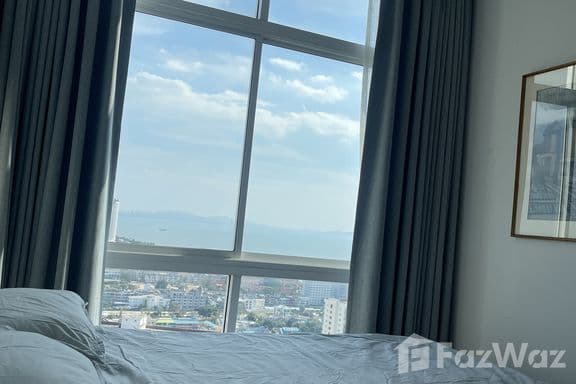
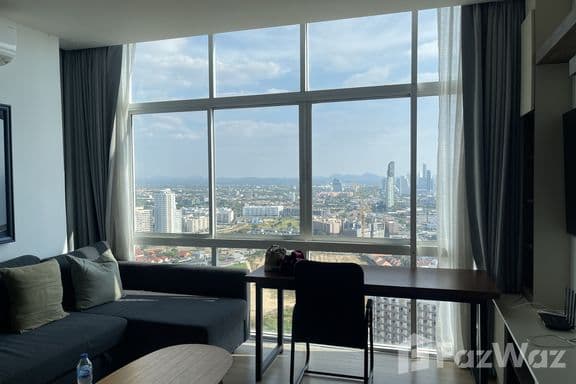
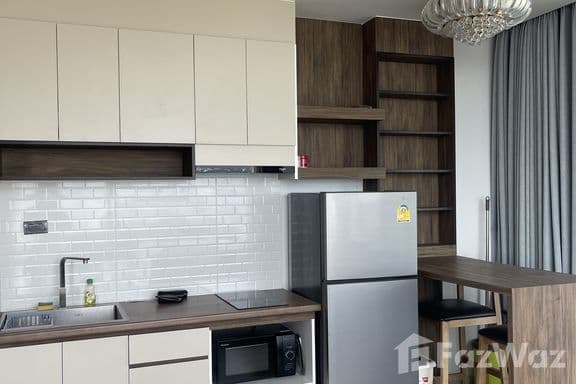




 คอนโดยอดนิยมใน Pattaya

