Comprehensive Guide: Renting Houses in Thailand – A Foreigner's Essential Handbook
1. Introduction: Your Home Away From Home – Renting a House in Thailand
Thailand continues to captivate the hearts of millions worldwide, drawing in not just tourists but also a growing number of expatriates, digital nomads, retirees, and families seeking a long-term haven. While condominiums offer convenient city living, the appeal of a private house for rent in Thailand is undeniable. The desire for more space, a private garden, a dedicated home office, or the comforts of a family-friendly neighborhood often leads individuals and families to choose a detached home or a townhouse over a high-rise apartment.
This comprehensive guide is designed to be your definitive resource for successfully renting a house in Thailand. We will explore the diverse types of houses available across the Kingdom, analyze the dynamics of the rental market from 2021 to 2025 with forecasts for 2026-2027, guide you through the step-by-step rental process, clarify legal considerations, detail all associated costs, and provide invaluable tips for securing a high-quality and secure rental home. Whether you dream of a beachfront villa, a suburban family house, or a quiet countryside retreat, understanding the nuances of the Thai house rental market is your first step towards settling into your perfect Thai home.
2. Types of Houses Available for Rent in Thailand
The variety of houses for rent in Thailand is as diverse as its landscapes, catering to a wide range of budgets, family sizes, and lifestyle preferences. Understanding these types will help you narrow down your search for the ideal rental home.
- Detached Houses/Villas:
- Luxury Pool Villas:
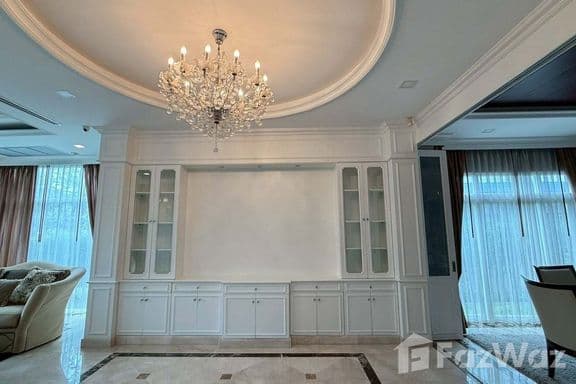
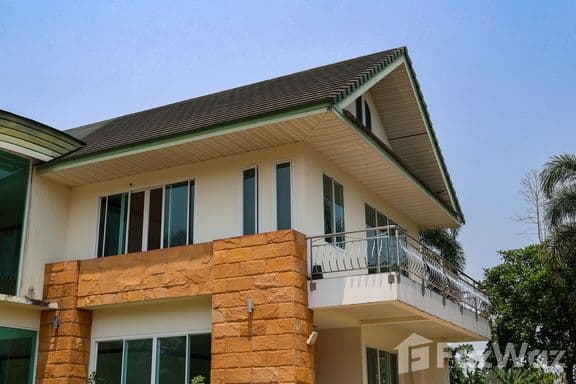
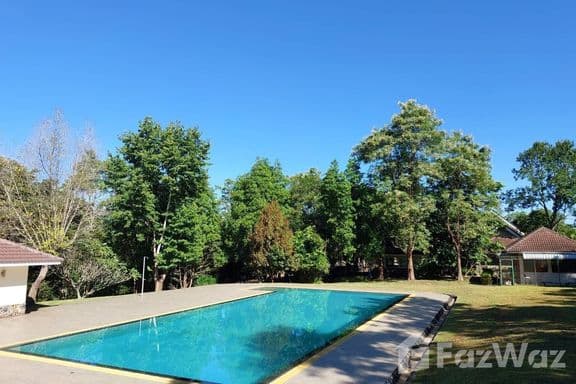
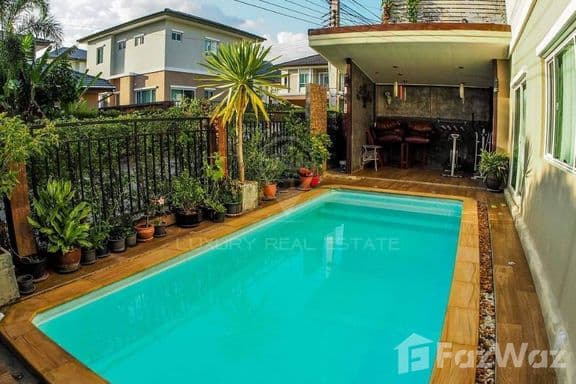
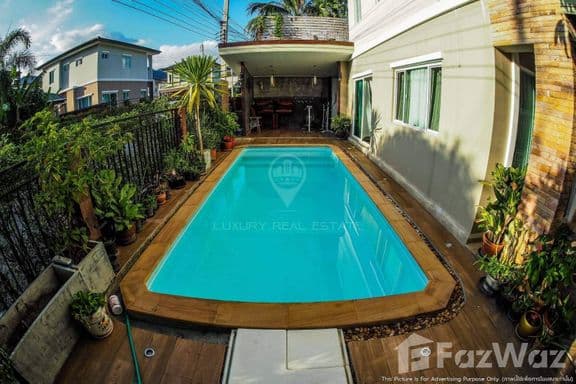
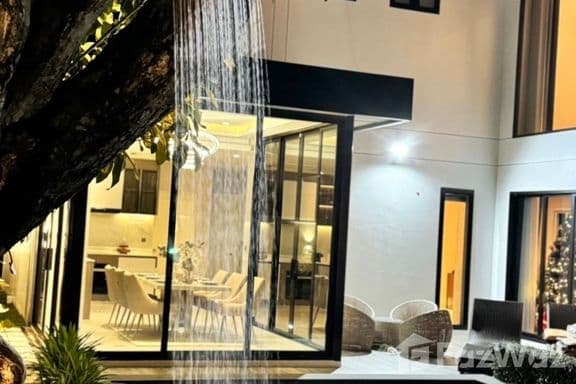
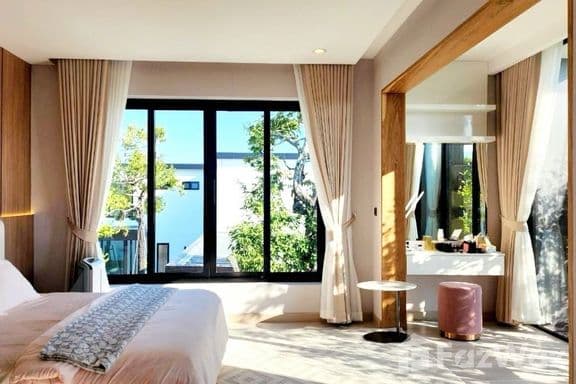
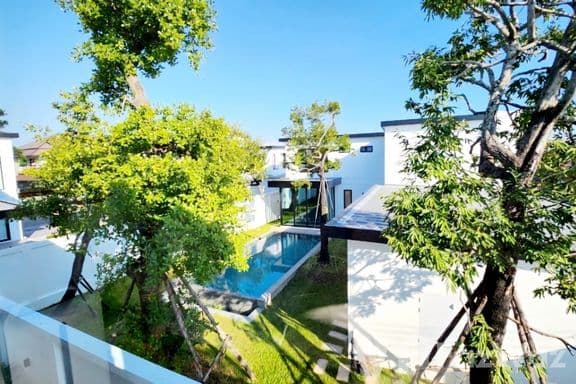
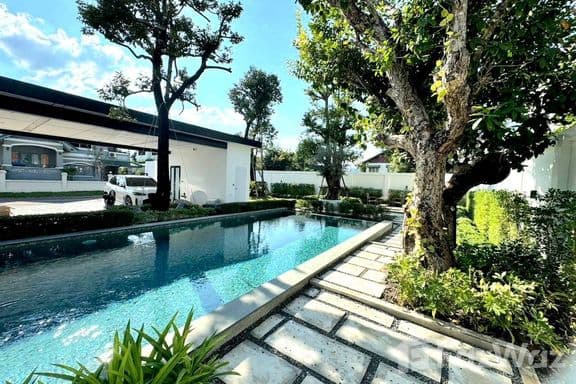
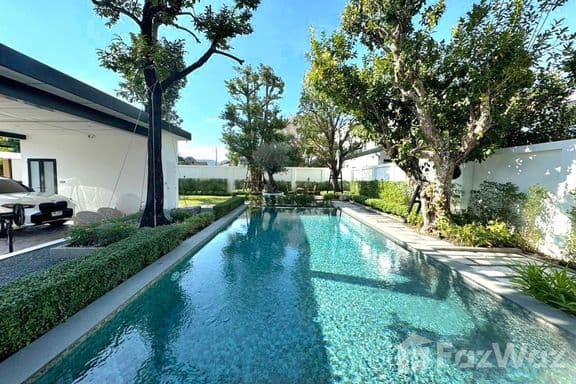
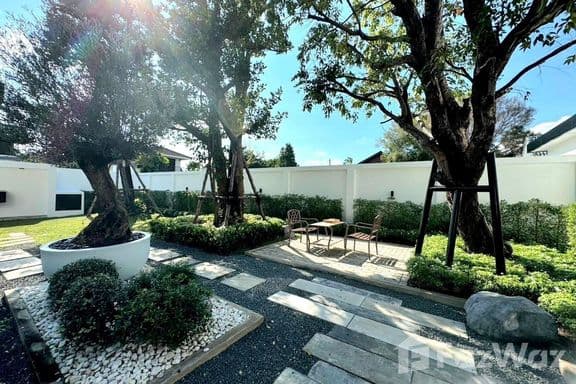
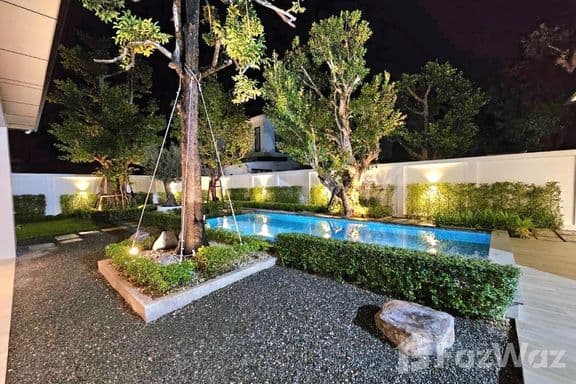
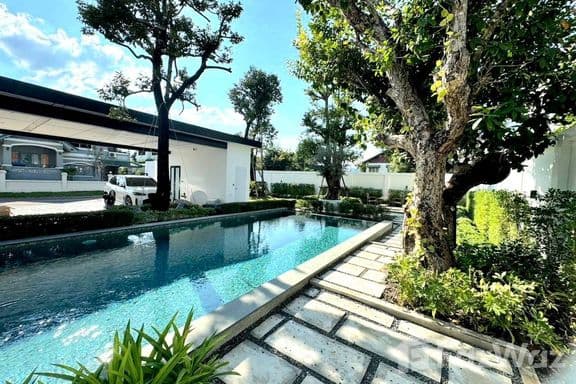
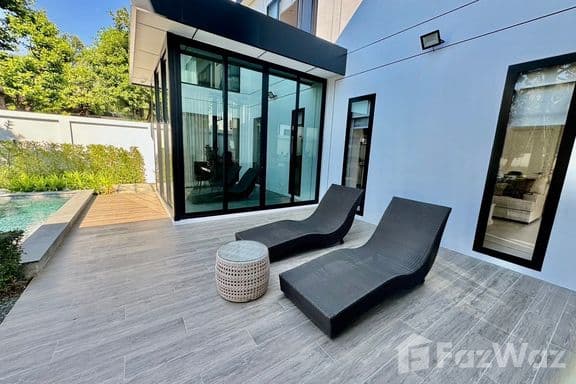
- Description: Predominantly found in resort destinations like Phuket, Pattaya, Koh Samui, and sometimes in exclusive Bangkok suburbs. These are high-end, spacious homes often featuring private swimming pools, expansive landscaped gardens, multiple bedrooms with en-suite bathrooms, and premium finishes. They are popular for both short-term holiday rentals and long-term stays for affluent individuals or families.
- Ideal For: Families, high-net-worth individuals, those seeking privacy, luxury, and dedicated outdoor space. Often come fully furnished to a high standard.
- Standard Family Homes in Gated Communities (Moo Baan):
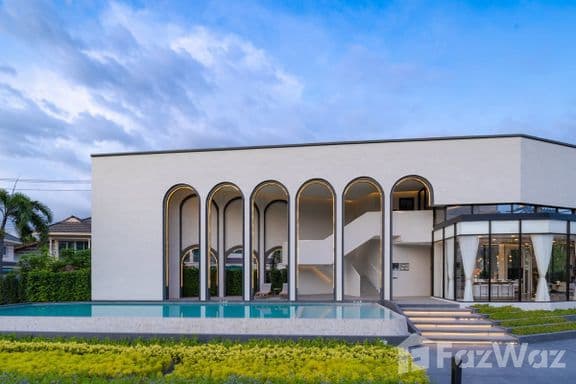
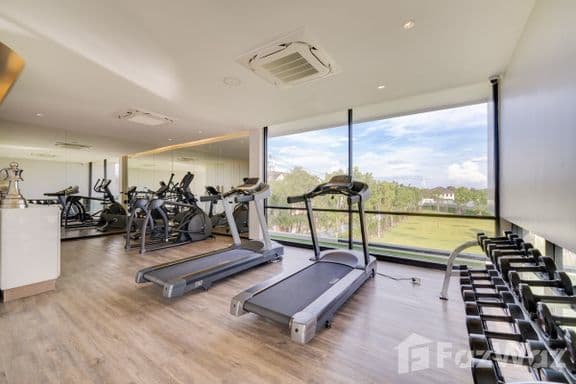
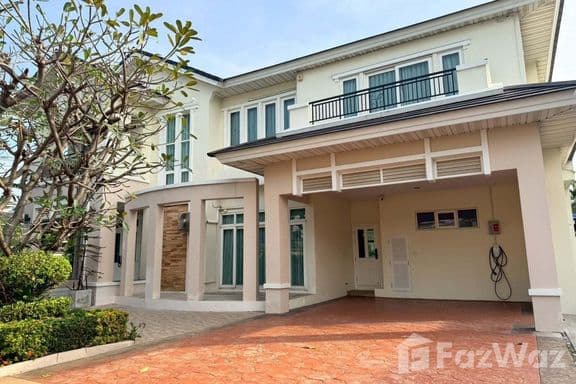
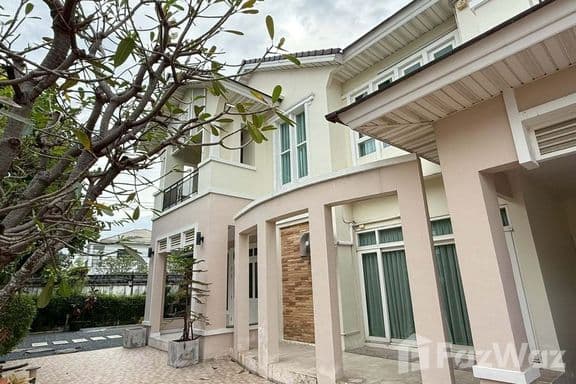
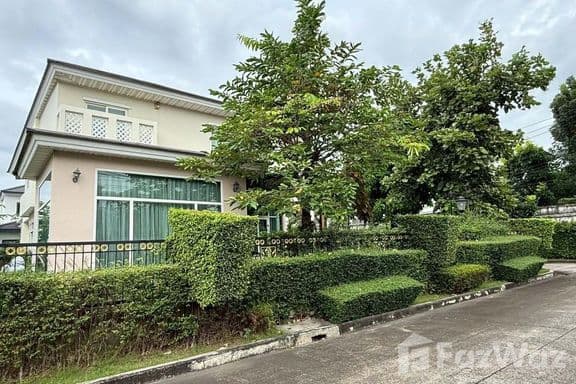
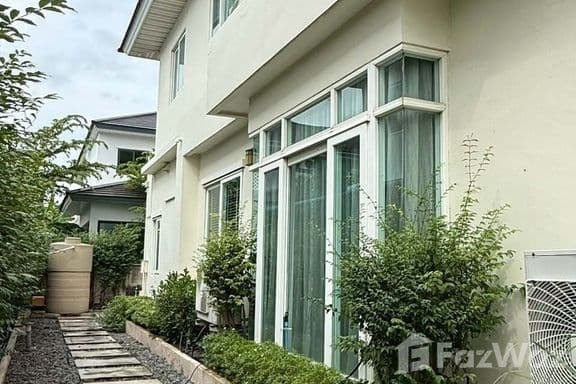
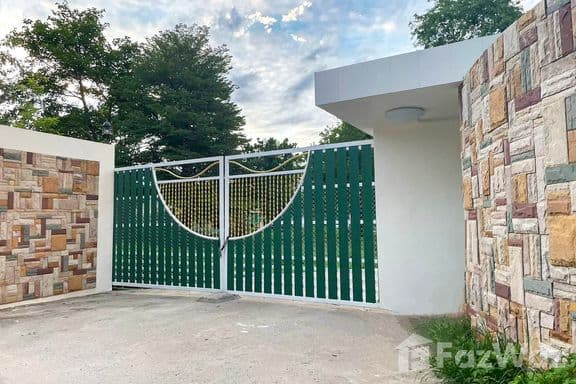
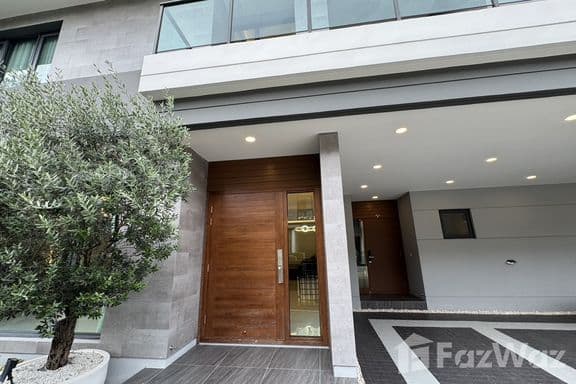
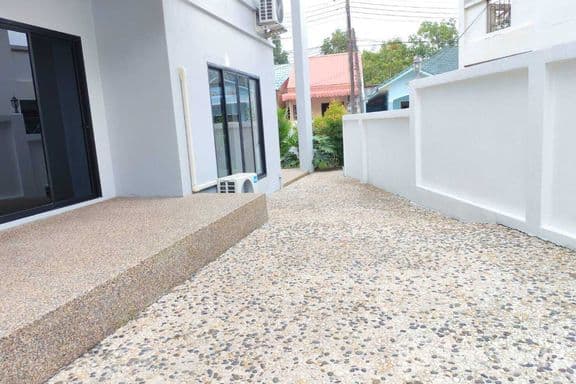
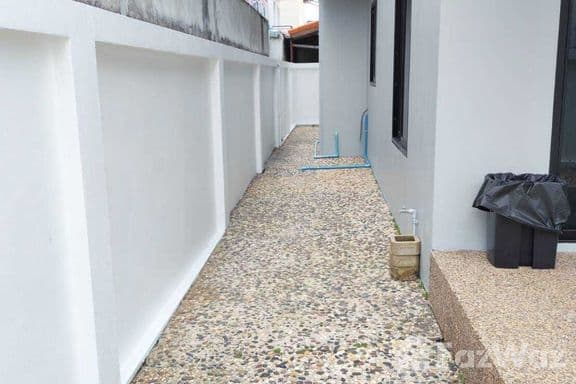
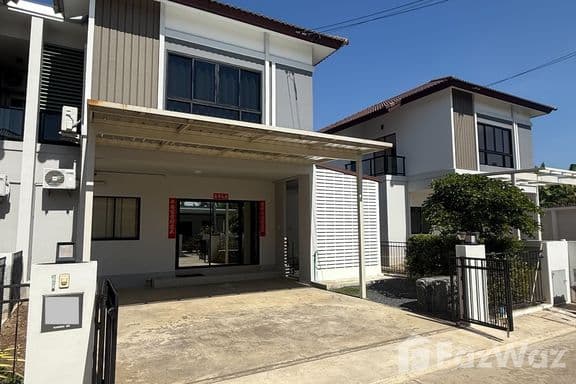
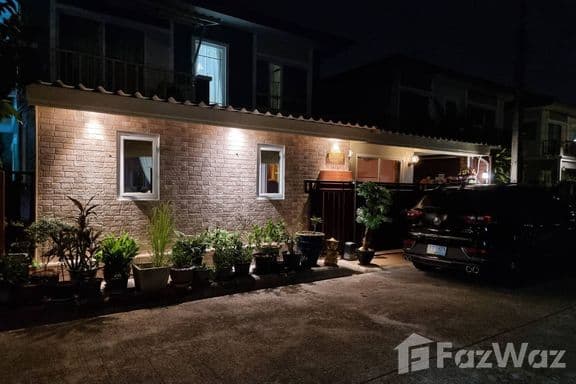
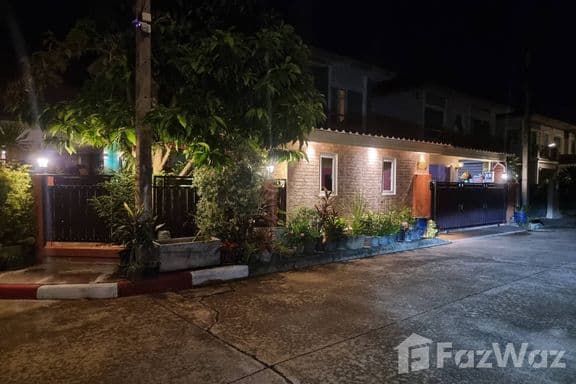
- Description: The most common type of detached house rental, found extensively in the suburbs of major cities (Bangkok, Chiang Mai, Pattaya, Hua Hin) and residential areas in Phuket. These homes are part of planned developments with shared amenities (e.g., communal pools, gyms, parks) and 24-hour security. They range in size from compact 2-bedroom homes to larger 4-5 bedroom residences with small private gardens.
- Ideal For: Expat families, retirees, long-term residents seeking security, community, and more space than a condo.
- Countryside/Rural Homes:
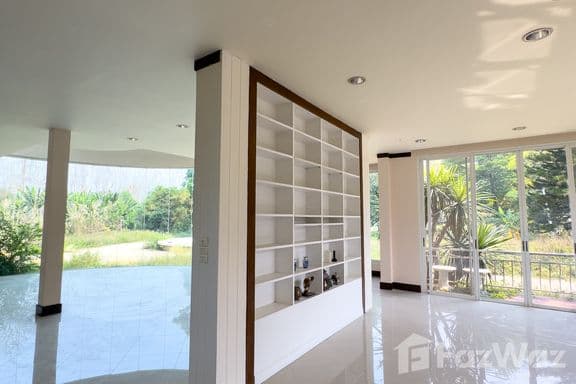
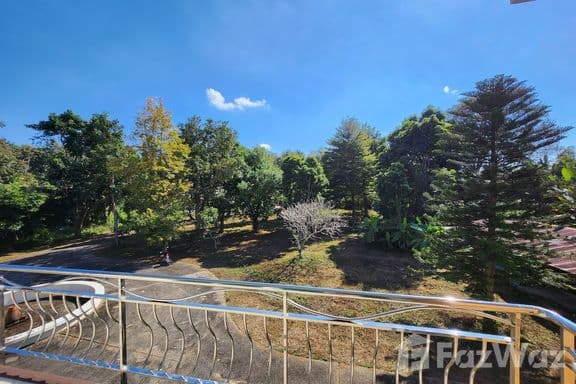
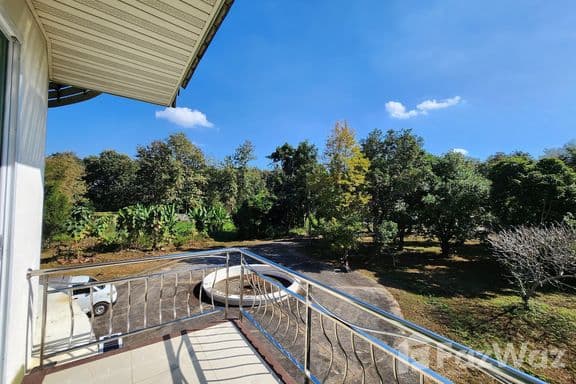
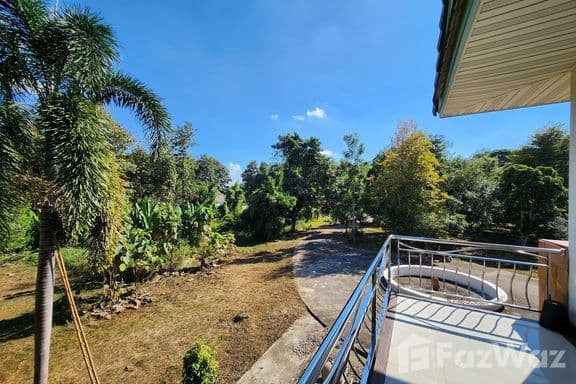
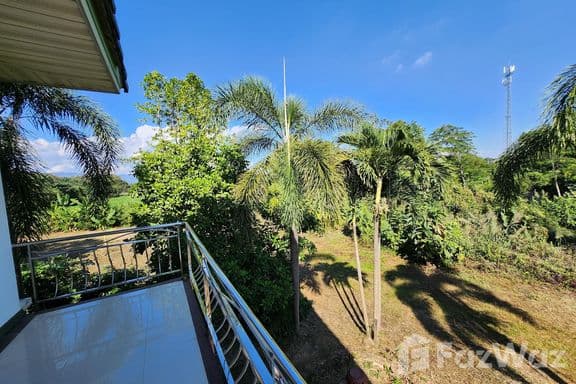
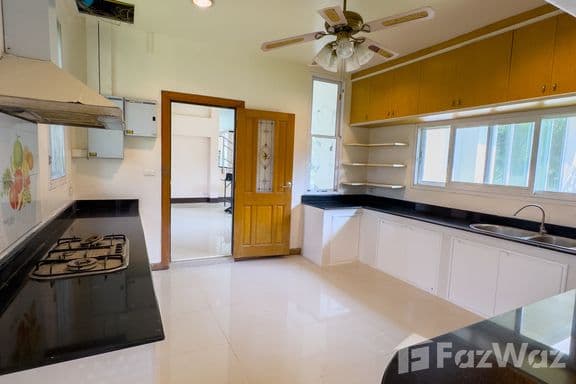
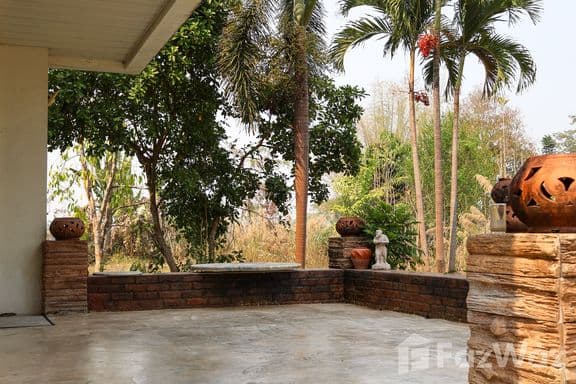
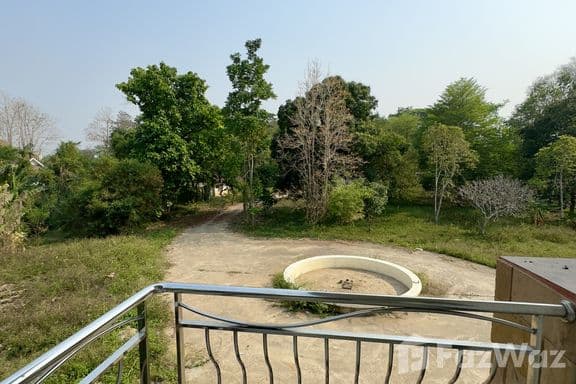
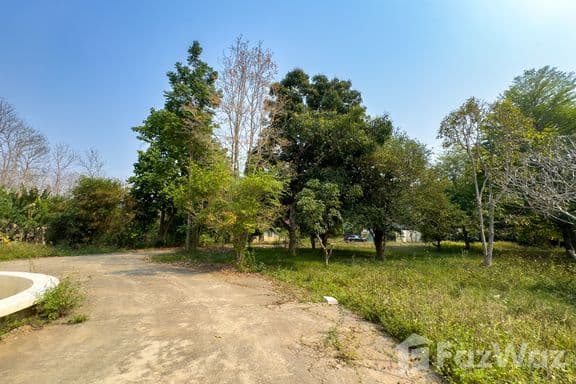
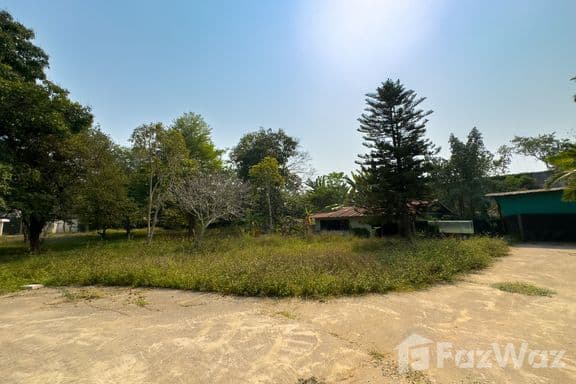
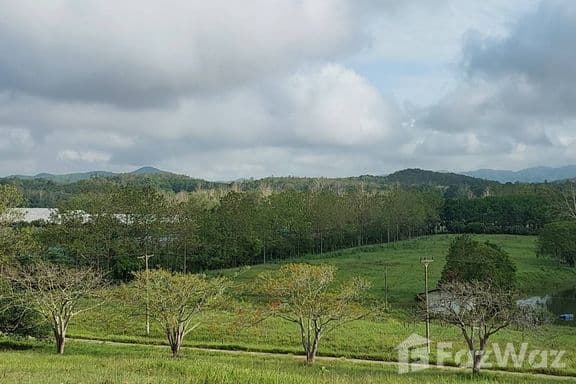
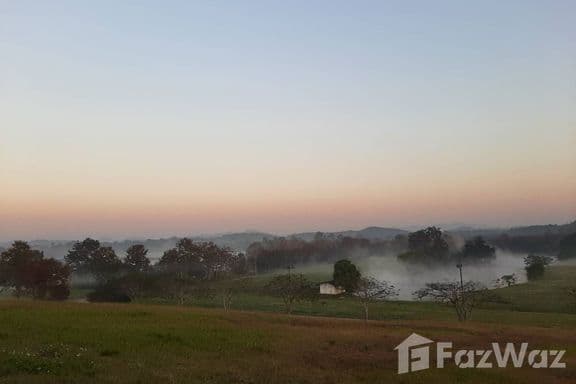
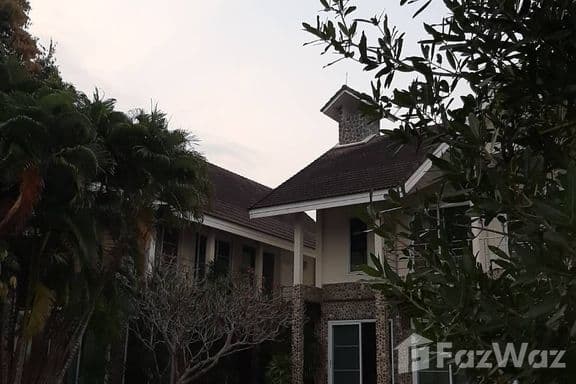
- Description: Located outside urban centers, these homes offer tranquility, larger land plots, and a closer connection to nature. They can range from simple Thai-style wooden houses to modern custom-built residences.
- Ideal For: Those seeking peace, quiet, larger personal space, or a retreat from city life. Often less expensive but may require private vehicle access.
- Townhouses/Townhomes:
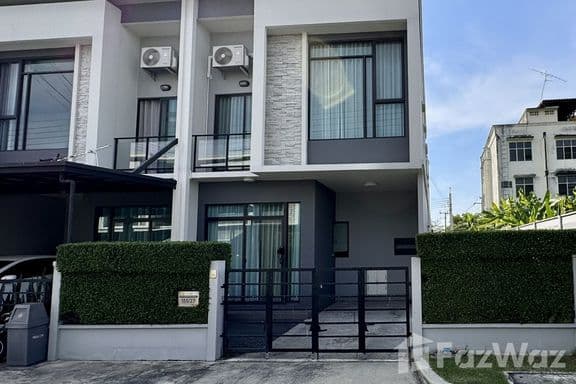
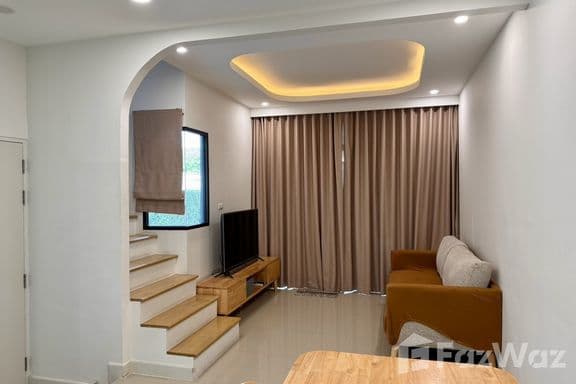
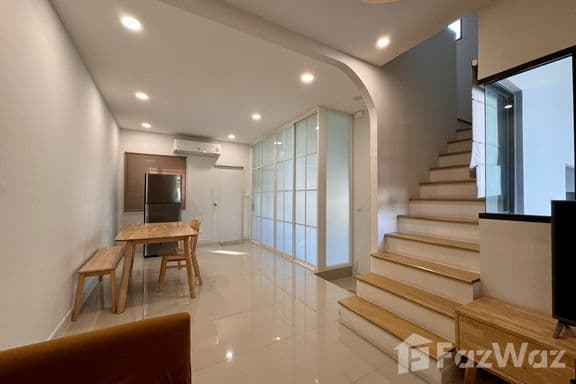
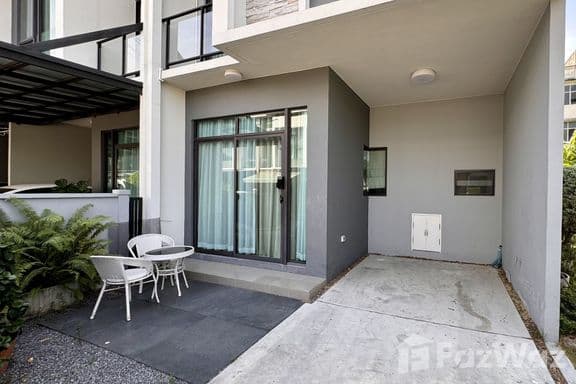
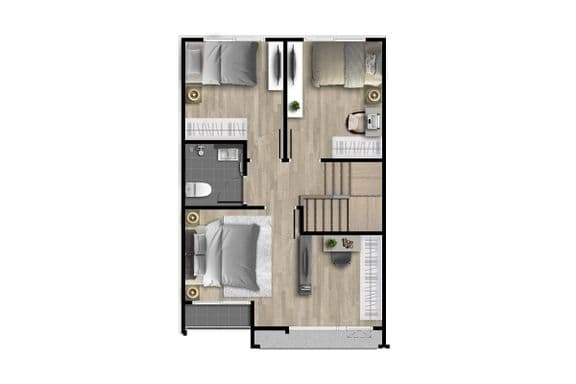
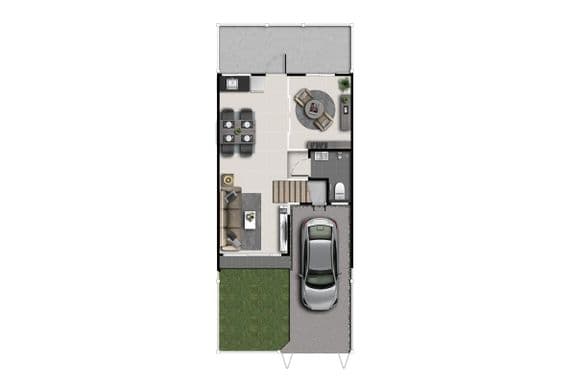
- Description: Multi-story terraced homes, typically sharing side walls with neighbors. Common in urban and suburban areas where land is more expensive. They offer vertical living space, often with 2-4 stories, and usually a small front/back yard or none.
- Ideal For: Budget-conscious renters in urban areas, small families, young professionals, or those who want a central location without the cost of a detached house.
- Pros: More affordable than detached houses, often in convenient locations, lower maintenance on exterior.
- Cons: Less privacy than detached homes, limited outdoor space, shared walls.
- Shop-Houses (Commercial-Residential Mix):
- Description: Traditional Thai buildings, typically 3-5 stories high, with a commercial storefront on the ground floor and residential living areas above. Found along busy streets in towns and cities. While primarily commercial, the upper floors are often rented out as residential units.
- Ideal For: Renters looking to combine living and business, or those seeking a very central, vibrant location with a unique living arrangement.
- Pros: Very central, good for combined living/business.
- Cons: Can be noisy, may not have modern residential amenities, less privacy.
- Furnishing Levels:
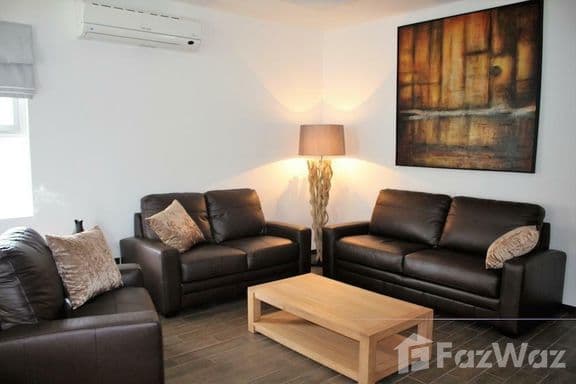
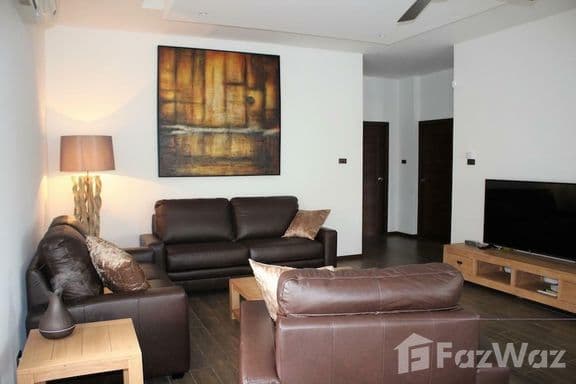
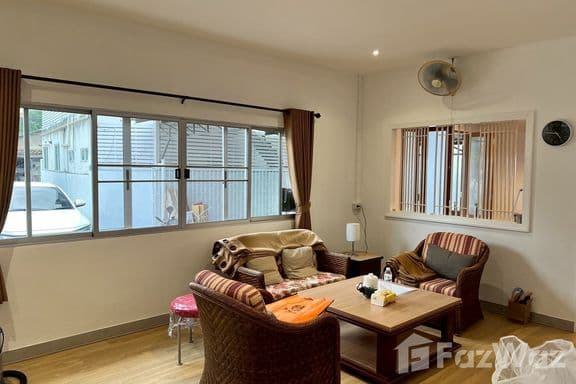
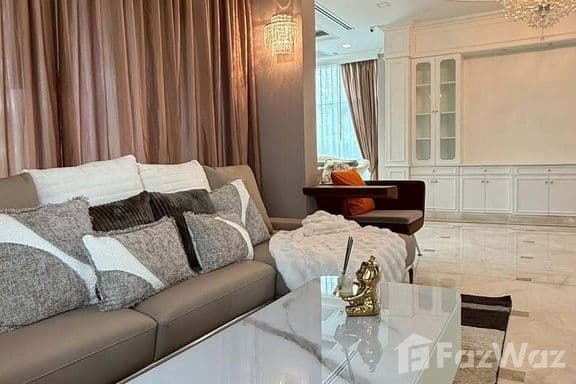
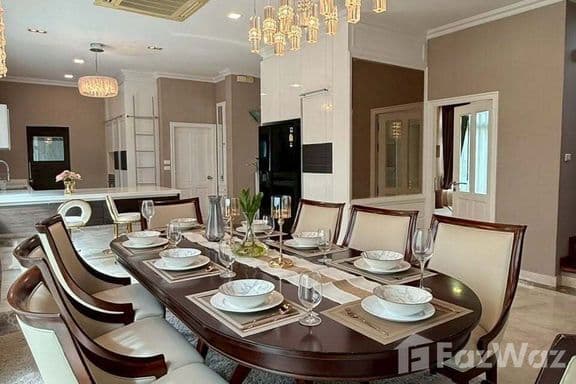
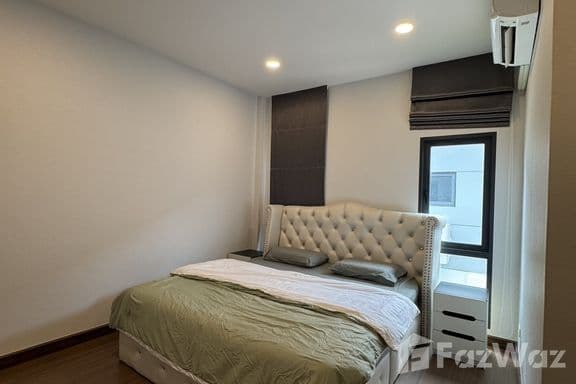
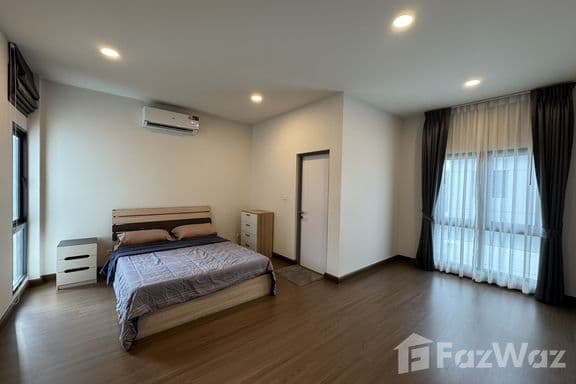
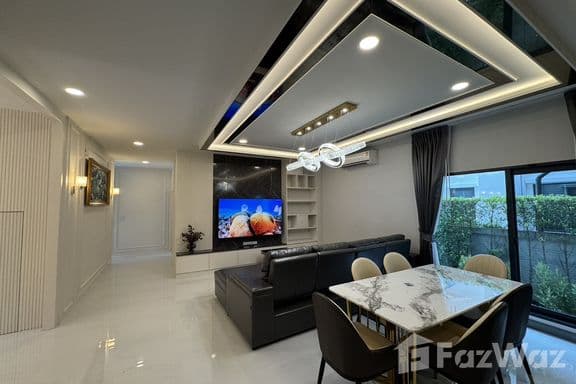
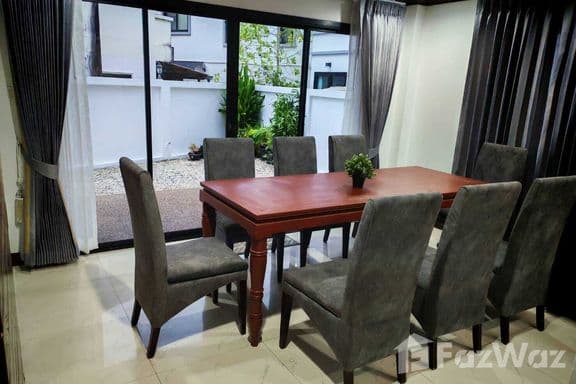
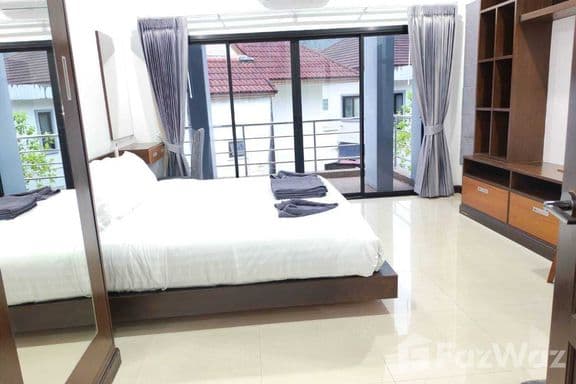
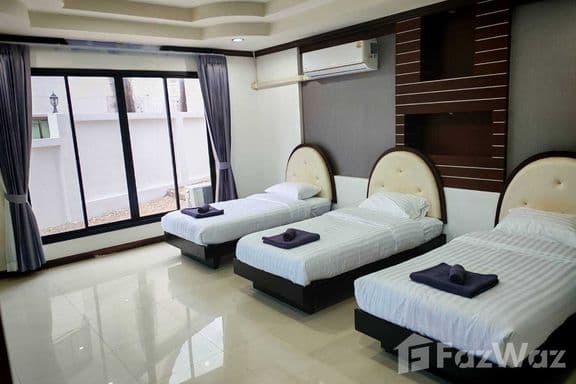
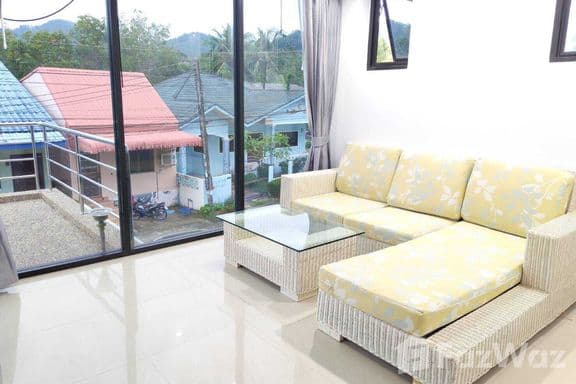
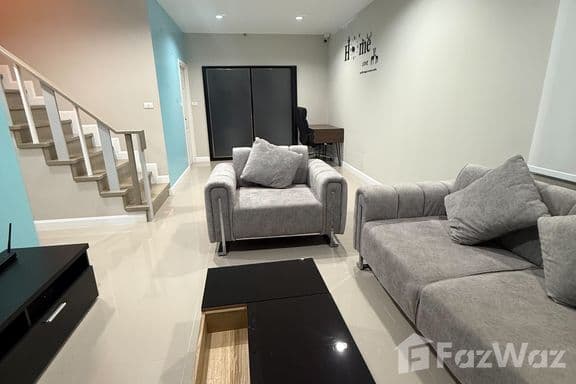
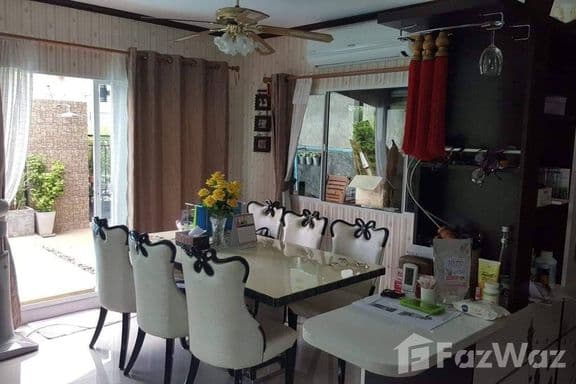
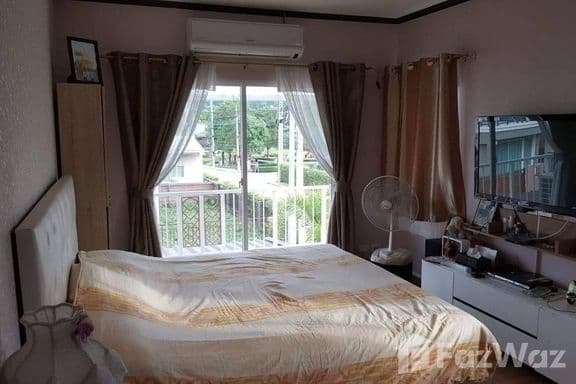
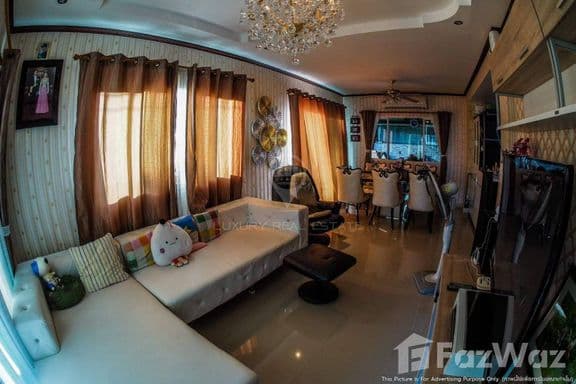
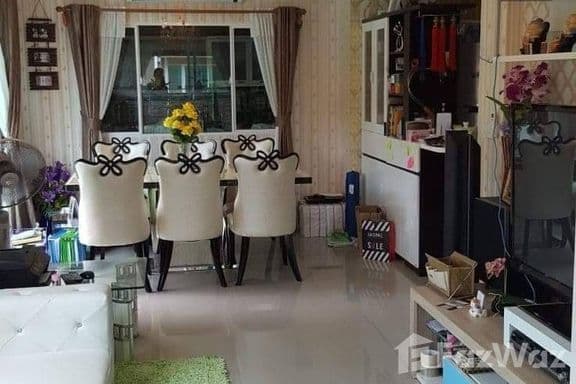
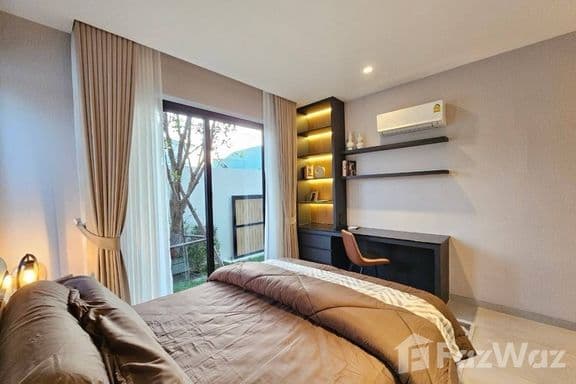
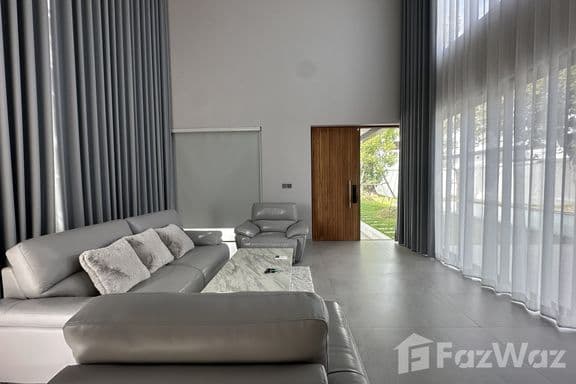
- Fully Furnished: Most common for rental houses targeting foreigners. Includes all essential furniture (beds, sofas, dining table), major appliances (fridge, washing machine, TV), and sometimes even basic kitchenware. Move-in ready.
- Partially Furnished: May include some basic furniture or appliances but requires the tenant to bring most of their own. Offers more flexibility for personalizing the space.
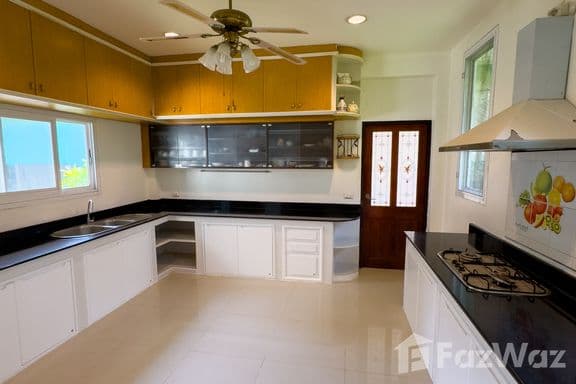
- Unfurnished: Less common for the foreign market, but available. Typically includes only built-in fixtures (kitchen cabinets, wardrobes). Requires the tenant to provide all furniture and appliances. Ideal for long-term renters bringing their own belongings.
- Condition & Age:
- Newer Builds (0-5 years old): Modern designs, energy-efficient, typically well-maintained, and part of contemporary housing estates with good facilities.
- Older Homes (5+ years old): Can offer larger spaces or unique, traditional Thai designs. May be more affordable but could require more maintenance or have older appliances. Thorough inspection is key.
3. The House Rental Market in Thailand (2021-2025 Trends)
The house rental market in Thailand has undergone significant shifts from 2021 to mid-2025, heavily influenced by global travel restrictions, economic changes, and the subsequent rebound of tourism and expat communities.
2021-2022: Pandemic's Deepest Impact & Renter-Friendly Market
- Low Demand: With international borders largely closed and global uncertainty, the demand for long-term house rentals, especially from expats and long-stay tourists, plummeted. Many existing foreign renters left Thailand.
- Increased Vacancy Rates: Housing estates and private villas that typically catered to foreigners saw high vacancy rates.
- Renter's Market: Landlords, keen to secure tenants, offered significant discounts, flexible lease terms, and waived some fees. It was an opportune time for those already in Thailand to find good deals. Rental prices saw declines of 10-20% in some areas.
2023: The Recovery Begins
- Border Reopening & Influx: Thailand's full reopening triggered a gradual return of expats, digital nomads, and long-term tourists. This led to a steady increase in demand for house rentals.
- Absorption of Inventory: Vacant properties began to be absorbed. Landlords started to reduce their discounts, and rental prices began to stabilize and slightly increase (2-5%) in popular areas as demand improved.
2024: Sustained Growth & Shifting Demographics
- Robust Demand: Demand for house rentals remained strong, particularly in family-friendly suburbs of Bangkok, and expat hubs in Phuket, Pattaya, and Chiang Mai. The appeal of larger spaces post-pandemic continued.
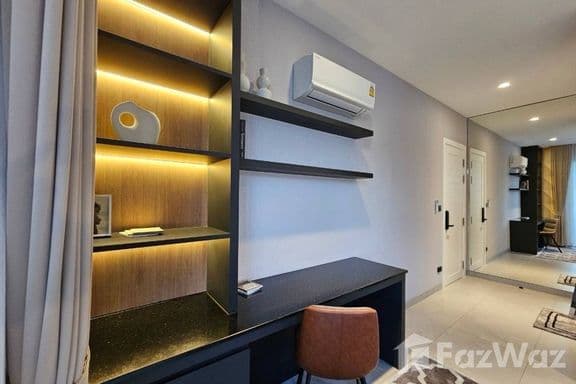
- Digital Nomads & Remote Workers: This segment actively sought houses that could double as living and dedicated workspace, driving demand for well-equipped properties with good internet.
- Price Appreciation: Rental prices continued to increase moderately (3-7%) in desirable locations, reflecting the improved demand and overall economic recovery.
2025 (Mid-Year Snapshot): Balanced & Competitive
As of mid-2025, the house rental market in Thailand is largely balanced and competitive. It has fully recovered from the pandemic's downturn and is now characterized by steady demand and more normalized pricing.
- Market Sentiment: Generally positive, with consistent interest from various foreign renter profiles.
- Overall Price Trends: Rental prices are showing sustainable growth, reflecting the increased demand and rising cost of living/maintenance. The aggressive discounts of 2021 are mostly gone.
- Supply vs. Demand:
- Bangkok (Suburban): New housing developments continue to add supply, but demand from expat families and local professionals keeps absorption healthy.
- Phuket/Pattaya: High demand for well-maintained villas and family homes, especially those with good security and facilities.
- Chiang Mai: Steady demand from the digital nomad and retiree communities.
4. Best Cities and Neighborhoods to Rent Houses
Choosing the right location for renting a house in Thailand is key to a fulfilling experience, impacting lifestyle, daily commute, and access to amenities. Each major city and its neighborhoods offer distinct advantages for different renter profiles.
Phuket: The Island Villa Dream
Phuket is a premier destination for those seeking villas and spacious family homes, offering a mix of resort living and established expat communities.
- Popular Areas:
- Cherng Talay/Bangtao (Northwest): High-end villas and family homes in exclusive gated communities. Close to international schools, luxury resorts, golf courses, and the Laguna complex. Ideal for affluent families and long-term residents.
- Rawai/Nai Harn (South): Known for its laid-back atmosphere, beautiful beaches, and a strong expat community. Offers a mix of traditional Thai houses, modern homes, and some villas. Popular with retirees and families seeking a quieter life.
- Patong Outskirts/Kathu: More affordable housing options away from the immediate beach bustle, often in residential estates, appealing to those working in Patong but desiring a home.
- Renter Profile: Expat families, retirees, high-end tourists seeking long-term stays, individuals valuing space and privacy.
Pattaya: Affordable Coastal Homes
Pattaya offers a diverse range of houses for rent, often at more affordable prices than Phuket or prime Bangkok, making it attractive to retirees and long-term budget-conscious expats.
- Popular Areas:
- East Pattaya: The most popular area for house rentals, featuring numerous gated housing estates (Moo Baan). Offers a quieter, more suburban environment with good value, various amenities, and easier access to the city's main roads.
- Jomtien & Na Jomtien: While largely condo-heavy, there are some housing developments further back from the beach, providing a more relaxed beachside living feel.
- Renter Profile: Retirees, long-term expats, those seeking more space for their budget, families.
Chiang Mai: Northern Charm & Green Living
Chiang Mai attracts a unique demographic of digital nomads, artists, and retirees drawn to its rich culture, cooler climate, and relaxed pace. House rentals here offer a blend of traditional charm and modern comforts.
- Popular Areas:
- Hang Dong: Southwest of the city, this area is very popular with expat families due to its green landscapes, international schools, and numerous modern housing estates.
- Mae Rim/Sansai: To the north, offering a more rural and peaceful setting with larger plots of land, ideal for those seeking tranquility and a connection to nature.
- City Outskirts: Various housing estates are available on the edges of the main city, providing modern homes within a reasonable commute to urban amenities.
- Renter Profile: Digital nomads, retirees, families, and individuals seeking a culturally rich and peaceful environment.
Hua Hin: Royal Retreat & Family-Friendly
Hua Hin is a serene seaside town, historically favored by the Thai Royal Family. It offers a relaxed atmosphere, beautiful beaches, golf courses, and excellent healthcare, making it ideal for retirees and families.
- Popular Areas:
- South Hua Hin (Khao Takiab, Nong Kae): Features beautiful beaches, upscale resorts, and a growing number of private villa and housing estate rentals.
- Inland Hua Hin/Pranburi: Offers more affordable and spacious homes in a tranquil rural setting, yet still conveniently close to Hua Hin's amenities.
- Renter Profile: Retirees, families (including those from Bangkok seeking weekend/holiday homes), individuals seeking a quiet, comfortable coastal lifestyle.
Bangkok: Suburban Family Living
While Bangkok is predominantly known for its condos, the demand for houses for rent is strong in its suburban areas, catering primarily to expat families and high-level executives seeking more space.
- Popular Areas:
- Sukhumvit (Limited): Very rare and high-end detached houses or compound homes, usually for high-budget executives, offering privacy within prime areas.
- Bangna, Srinakarin, Nonthaburi, Ladprao: These are the primary areas for well-planned housing estates. They offer spacious homes with gardens, often within gated communities with facilities. Access to international schools is a major draw. Commutes to the CBD are longer but manageable via expressways or extended BTS/MRT lines.
- Renter Profile: Expat families, corporate executives, those needing significant space and security, particularly near international schools.
Other Notable Destinations:
- Koh Samui: Predominantly known for luxury villa rentals, catering to tourists and high-end long-term residents.
- Krabi/Koh Lanta: Offer a more rustic, nature-focused experience with charming homes and villas, appealing to those seeking tranquility and outdoor activities.
The choice of location for your house rental in Thailand will largely define your experience. Consider your lifestyle, budget, and access to necessary amenities when making your decision.
5. Rental Process: Step-by-Step Guide for Foreigners
Renting a house in Thailand is generally a straightforward process, but understanding each step, particularly the legal aspects of the lease agreement, is crucial for a smooth and secure tenancy.
- A. Define Requirements & Search:
- Budget: Determine your monthly rental budget, including utilities and other ongoing costs.
- Location: Identify preferred cities, neighborhoods, and proximity to work, schools, or amenities.
- House Type & Size: Detached house, townhouse, number of bedrooms, furnishing level (fully, partially, unfurnished).
- Amenities: Private pool, garden, gated community facilities (gym, communal pool, security).
- Start Your Search: Utilize reputable online platforms like Dot Property, which offers extensive listings of houses for rent in Thailand. Use filters to refine your search.
- B. Property Viewings:
- Schedule Viewings: Work with a trusted real estate agent to arrange viewings of shortlisted properties.
- What to Look For:
- Condition: Inspect the house thoroughly for any existing damage, leaks, or maintenance issues.
- Utilities: Check water pressure, electricity points, and internet connectivity.
- Appliances: Test all provided appliances (AC, fridge, washing machine).
- Neighborhood: Observe noise levels, traffic, and general environment at different times of day.
- Security: Evaluate the security of the property and the surrounding area (especially for non-gated homes).
- C. Offer & Negotiation:
- Once you find a suitable house, you'll make an offer through your agent or directly to the landlord.
- Negotiate:
- Rent Price: Especially if the property has been vacant or if you're signing a longer lease.
- Lease Term: Typically 1 year, but 6-month or 2-year terms are sometimes negotiable.
- Inclusions/Exclusions: Clarify what's included (e.g., communal fees, gardening, pool maintenance, internet) and what isn't (utilities).
- Maintenance: Discuss who is responsible for minor vs. major repairs.
- Furnishing: If partially furnished, negotiate additional items.
- D. Lease Agreement (Rental Contract):
- Importance: This is the most critical document. It should be in Thai with a clear, accurate English translation. Always have an independent lawyer review the contract thoroughly before signing.
- Key Clauses to Scrutinize:
- Parties: Correct names and details of landlord and tenant.
- Property Details: Accurate address and description of the house.
- Rent Amount & Payment Schedule: Monthly rent, due date, payment method.
- Lease Term: Start and end dates.
- Security Deposit: Amount, conditions for refund, timeframe for refund after tenancy ends.
- Advance Rent: Amount (usually one month's rent).
- Renewal Clause: If you desire an option to renew, ensure it's clearly stated.
- Termination Clause: Conditions under which either party can terminate the lease early (e.g., notice period, penalties for tenant breaking lease).
- Maintenance & Repairs: Clear division of responsibilities (e.g., landlord for structural/major repairs, tenant for minor wear and tear, lightbulbs).
- Utilities: Who is responsible for utility bills (electricity, water, internet).
- Inventory List: A detailed list of all furniture, appliances, and fixtures provided with the house.
- Pet Policy: If you have pets, ensure this is clearly addressed and allowed.
- Rules & Regulations: Any specific rules for the property or gated community.
- E. Security Deposit & Advance Rent:
- Security Deposit: Typically 1 to 3 months' rent. This is held by the landlord to cover potential damages or unpaid bills at the end of the tenancy. It should be refunded after deducting any valid claims.
- Advance Rent: Usually one month's rent, paid upfront to cover the first month of your tenancy.
- F. Inventory Check & Handover:
- Before moving in, meticulously check the property against the inventory list provided in the contract.
- Document the condition of all items and the property itself with dated photos and videos. This is crucial evidence to protect your security deposit upon moving out.
- Both landlord/agent and tenant should sign off on the inventory and condition report.
- G. Utility Connections & Fees:
- Registration: The landlord will usually assist in transferring existing utility accounts (electricity, water) into your name or ensuring you can pay the bills directly.
- Internet/Cable: You will typically be responsible for setting up and paying for your own internet and cable TV services.
6. Legal Considerations for House Rentals in Thailand
While generally straightforward, renting a house in Thailand involves specific legal nuances that foreigners should be aware of to protect their rights and ensure a smooth tenancy.
- Lease Term & Registration:
- Short-Term (Up to 3 Years): A lease agreement for a term of up to three years does not need to be registered at the Land Department. A simple signed contract between landlord and tenant is legally binding. This is the most common duration for house rentals.
- Long-Term (Over 3 Years): For a lease term exceeding three years (e.g., 5, 10 years), the lease agreement must be registered at the Land Department to be legally enforceable for the full term. If not registered, it is only legally enforceable for a maximum of three years, regardless of what the contract states. Registration incurs a fee (typically 1% of the total rent over the registered period).
- Termination Clauses:
- Mutual Agreement: A lease can always be terminated by mutual agreement between tenant and landlord.
- Breach of Contract: Either party can terminate the lease if the other party breaches significant terms (e.g., non-payment of rent by tenant, landlord failing to maintain property). The contract should specify the notice period and procedures.
- Early Termination by Tenant: Most standard 1-year lease agreements for houses include penalties for early termination by the tenant (e.g., forfeiture of security deposit, requirement to pay a certain number of months' rent). Negotiate a clear early termination clause if you anticipate needing flexibility.
- Tenant & Landlord Responsibilities (Common Practice & Legal Norms):
- Landlord's Responsibilities:
- Ensuring the property is habitable and safe.
- Major structural repairs (e.g., roof, main plumbing, electrical wiring).
- Ensuring quiet enjoyment of the property for the tenant.
- Paying annual property taxes.
- For gated communities, often responsible for the village common area fees (though this is sometimes passed to the tenant in negotiation).
- Tenant's Responsibilities:
- Paying rent on time.
- Paying utility bills (electricity, water, internet).
- Maintaining cleanliness.
- Minor repairs and general upkeep (e.g., changing lightbulbs, clearing drains).
- Not causing damage beyond normal wear and tear.
- Adhering to the lease agreement terms and community rules.
- Often responsible for garden and pool maintenance (especially for private villas).
- Security Deposit Refund:
- The lease agreement should clearly state the conditions for the security deposit refund, including what deductions can be made (e.g., damages beyond normal wear and tear, unpaid bills, cleaning fees).
- It should also specify the timeframe for the refund after the tenancy ends (e.g., 30 days).
- The importance of the initial inventory and photographic evidence cannot be overstated to prevent disputes.
- Dispute Resolution:
- Most rental disputes are resolved through negotiation, often mediated by a real estate agent.
- If informal resolution fails, legal action through the Thai courts is an option, but it can be time-consuming and costly. Clear contract terms minimize disputes.
- Visa Implications:
- A house rental contract does not automatically grant you a long-term visa or residency in Thailand. You will still need to obtain an appropriate visa (e.g., Retirement Visa, Education Visa, Business Visa, Long-Term Resident Visa) based on your circumstances.
- However, a valid rental agreement is often a required document when applying for or renewing certain visas, as it proves your address in Thailand.
- Subleasing:
- If you plan to sublease any part of the house, ensure the lease agreement explicitly allows it, or obtain written permission from the landlord. Unauthorized subleasing is a breach of contract.
7. Rent Price Trends (2021–2025) with 2026–2027 Forecasts
Understanding the rental market's performance for houses in Thailand is essential for budgeting and identifying value. The period from 2021 to mid-2025 has seen significant fluctuations, transitioning from a renter's market to a more balanced one.
Key Drivers of House Rental Prices
- Tourism Recovery: The return of international tourists, especially long-stay visitors and families, directly impacts demand for houses in resort areas.
- Expat Inflow: The number of expats relocating to or returning to Thailand for work or retirement significantly influences demand for houses, particularly in urban and expat-favored hubs.
- Digital Nomad Popularity: Thailand remains a top destination for digital nomads. While many choose condos, an increasing number seek houses for more space and dedicated workspaces.
- Economic Conditions: Broader economic stability and growth in Thailand and key source countries affect disposable income and relocation decisions.
- New Supply of Housing Estates: The launch of new housing developments can increase competition, especially in suburban areas, potentially impacting prices.
- Cost of Living & Inflation: Rising maintenance costs, property taxes, and general inflation can pressure landlords to increase rents.
- Lifestyle Preferences: Post-pandemic, the demand for more space, private gardens, and amenities (like private pools) has surged, leading to higher prices for such properties.
House Rent Price Trends: A Historical Look (2021-2025)
- 2021: Deepest Discounts
- With international travel severely restricted, demand plummeted. Landlords offered substantial discounts (sometimes 20-30% off pre-pandemic rates) and highly flexible terms to attract any available tenants. This was a clear renter's market.
- 2022: Gradual Stabilization
- As internal restrictions eased and cautious re-openings began, demand slowly started to pick up. Discounts became less steep but were still prevalent. Rental prices began to stabilize, with slight increases of 0-5% in the latter half of the year in some areas.
- 2023: Strong Rebound
- Full border reopening led to a significant surge in demand from returning expats, new arrivals, and long-term tourists. Vacancy rates decreased sharply.
- Landlords began to restore pre-pandemic rental rates, leading to substantial rent increases of 10-20% across many popular regions, particularly for well-located houses and villas.
- 2024: Sustained Growth
- The market continued to grow at a healthy pace. Rental prices for houses saw further, more sustainable increases of 5-10%, as the market normalized and absorbed the backlog of demand.
- Demand for specific property types, like villas with pools in resort areas, remained particularly strong.
- 2025 (Mid-Year Snapshot): Stable & Balanced
- As of mid-2025, the Thailand house rental market is generally stable. While aggressive rent hikes have subsided, prices continue to show moderate appreciation due to sustained demand.
- The market is now balanced, with fair pricing and healthy competition for quality homes.
Table: Estimated Average Monthly House Rent Range (THB) by Region & Type (Mid-2025 Estimates) (Note: These are broad estimates. Actual prices vary significantly based on exact location, size, age, furnishing, amenities, and specific community within each area.)
|
Unit Type/Region
|
Price Range (THB)
|
|
Bangkok (Suburban Housing Estates)
|
|
|
3-Bed House
|
35,000 - 80,000+
|
|
4+ Bed House/Luxury
|
80,000 - 200,000+
|
|
Phuket (Villas/Houses)
|
|
|
2-Bed House (Standard)
|
30,000 - 60,000
|
|
3-Bed Villa (Pool)
|
60,000 - 150,000+
|
|
4+ Bed Luxury Villa
|
150,000 - 300,000+
|
|
Pattaya (Houses/Townhouses)
|
|
|
2-3 Bed House
|
20,000 - 45,000
|
|
4+ Bed House/Villa
|
45,000 - 90,000+
|
|
Chiang Mai (Houses)
|
|
|
2-3 Bed House
|
18,000 - 40,000
|
|
4+ Bed House/Villa
|
40,000 - 80,000+
|
|
Hua Hin (Houses)
|
|
|
2-3 Bed House
|
25,000 - 55,000
|
|
4+ Bed House/Villa
|
55,000 - 100,000+
|
|
Koh Samui (Villas/Houses)
|
|
|
2-3 Bed House
|
30,000 - 70,000
|
|
4+ Bed Villa (Pool)
|
70,000 - 200,000+
|
Export to Sheets
House Rent Price Forecasts: Looking Ahead to 2026-2027
The outlook for renting houses in Thailand for 2026-2027 remains positive, with a continuation of steady growth in rental values.
- Overall Outlook: Expect average rent prices to increase by 3-7% annually, varying by location and property type. The market will continue to be fueled by robust foreign demand and steady domestic requirements for quality housing.
- Key Factors Influencing Future Rents:
- Sustained Expat & Digital Nomad Influx: Thailand's enduring appeal as a lifestyle and remote work hub will ensure consistent demand.
- New Development Pipeline: While new housing estates will add supply, strong demand in prime locations should absorb it effectively, preventing significant downward pressure on prices.
- Tourism Sector Strength: A thriving tourism industry supports local economies and encourages short-term villa rentals, indirectly influencing long-term rental rates.
- Cost of Living & Inflation: Rising operating costs for landlords (e.g., property taxes, maintenance, utility costs) will likely be passed on, leading to slight rent increases.
- Emphasis on Quality & Amenities: Houses offering modern designs, smart home features, good security, and well-maintained communal facilities will command premium rents.
- Hotspots for Rent Growth:
- Phuket's Luxury Villa Segment: Continues to be a high-demand, high-value market.
- Bangkok's Desirable Suburban Housing Estates: Especially those with good international school access and connectivity.
- Well-located Houses in Chiang Mai & Hua Hin: Will see steady increases, particularly those catering to the growing retiree and long-stay segments.
Table: Forecasted Annual House Rent Growth (2026-2027) by Region & Type (Note: These are generalized forecasts. Actual growth will depend on specific local market dynamics, supply levels, and overall economic conditions.)
|
Region/Type
|
2026 (Forecast)
|
2027 (Forecast)
|
|
Bangkok (Suburban Houses)
|
4% - 7%
|
4% - 6%
|
|
Phuket (Villas/Houses)
|
5% - 9%
|
5% - 8%
|
|
Pattaya (Houses)
|
3% - 6%
|
3% - 5%
|
|
Chiang Mai (Houses)
|
3% - 6%
|
3% - 5%
|
|
Hua Hin (Houses)
|
3% - 6%
|
3% - 5%
|
|
Koh Samui (Villas/Houses)
|
4% - 8%
|
4% - 7%
|
Export to Sheets
In conclusion, the Thailand house rental market offers a compelling range of options for foreigners seeking a comfortable and spacious home. With a clear understanding of the market, the rental process, and legal considerations, finding your perfect rental house in this enchanting country is an achievable and rewarding endeavor.
8. Monthly Costs, Utilities, and Hidden Fees
Beyond the headline rent, renting a house in Thailand involves several additional ongoing and one-time costs. Budgeting for these is essential to avoid surprises.
- Rent: This is your primary monthly expense, as stipulated in your lease agreement.
- Security Deposit:
- Amount: Typically 1 to 3 months' rent.
- Nature: This is a one-time, refundable payment held by the landlord to cover damages, unpaid bills, or early termination penalties. It should be returned at the end of the tenancy after deductions (if any).
- Advance Rent:
- Amount: Usually one month's rent.
- Nature: This is paid upfront to cover your first month of tenancy. So, upon signing, you typically pay 1 month's advance rent + 1-3 months' security deposit.
- Utilities (Monthly):
- Electricity: The largest utility expense, especially with heavy air conditioning use. Charged by the Provincial Electricity Authority (PEA) or Metropolitan Electricity Authority (MEA). Costs vary significantly based on usage. Expect THB 2,000 – 8,000+ per month for a house, depending on size and AC use.
- Water: Charged by the Provincial Waterworks Authority (PWA) or Metropolitan Waterworks Authority (MWA). Relatively inexpensive, usually THB 200 – 1,000 per month for a house.
- Internet/Wi-Fi: You will typically arrange and pay for your own internet service (e.g., fibre optic from AIS, True, TOT). Plans range from THB 500 – 1,000+ per month.
- Gas (for cooking): If your house uses a gas stove, you'll need to purchase gas cylinders, which are relatively cheap.
- Common Area/Village Fees (Monthly/Annually):
- When Applicable: If you rent a house within a gated community (Moo Baan).
- What it Covers: Maintenance of communal roads, lighting, security, shared amenities (pool, gym, parks), and waste collection within the estate.
- Who Pays: Often, the landlord covers these fees, but sometimes they are passed on to the tenant or negotiated. Clarify this in your lease agreement. Fees can range from THB 1,000 – 5,000+ per month, depending on the community's facilities and luxury level.
- Gardening & Pool Maintenance (Monthly):
- When Applicable: For houses with private gardens and/or private swimming pools.
- Who Pays: It is very common for the tenant to be responsible for the cost of gardening and pool cleaning services. This should be explicitly stated in the lease agreement.
- Costs: Gardening services might be THB 1,000 – 3,000 per month, and pool maintenance THB 2,000 – 5,000 per month, depending on frequency and size.
- Cleaning Services (Optional):
- Many expats hire cleaners for weekly or bi-weekly service. Costs are generally affordable, ranging from THB 500 – 1,500 per session.
- Minor Repairs:
- The lease agreement will typically stipulate that the tenant is responsible for minor repairs due to daily use (e.g., replacing lightbulbs, fixing a leaky faucet, clearing minor blockages). Major structural repairs are the landlord's responsibility.
- Property Insurance (Optional but Recommended):
- While the landlord typically insures the structure, tenants may consider contents insurance for their personal belongings, though this is less common.
Example Monthly Budget Breakdown (Illustrative for a 3-bedroom house rental in a Bangkok suburb, THB 50,000/month rent):
- Rent: THB 50,000
- Electricity: THB 4,000 (average use with AC)
- Water: THB 500
- Internet: THB 700
- Common Area Fees: THB 2,500 (if tenant pays)
- Gardening: THB 1,500 (if tenant pays)
- Total Estimated Monthly Outgoings: THB 59,200 (Note: This excludes initial security deposit/advance rent. Costs are estimates and will vary significantly based on location, property size, and personal usage.)
9. Common Renter Profiles for Houses in Thailand
The demand for houses for rent in Thailand comes from diverse groups, each with specific needs and preferences. Understanding these profiles helps landlords and agents tailor their offerings, and helps renters identify suitable communities.
- Expat Families:
- Needs: Spacious homes (3+ bedrooms), private gardens, safe and secure gated communities (Moo Baan), proximity to international schools, family-friendly amenities (parks, communal pools), good connectivity to work.
- Locations: Suburban Bangkok (Bangna, Srinakarin, Nonthaburi), Phuket (Cherng Talay, Rawai), Hang Dong (Chiang Mai), East Pattaya, Hua Hin.
- Retirees:
- Needs: Tranquil environment, single-story homes or homes with easy access, low maintenance, secure community, access to healthcare facilities, community activities, often a small garden. Affordability is often a key factor.
- Locations: Hua Hin, Chiang Mai, East Pattaya, Rawai/Nai Harn (Phuket).
- Digital Nomads/Remote Workers:
- Needs: Reliable high-speed internet, dedicated workspace (extra bedroom or specific area), comfortable living space, access to cafes/co-working spaces, vibrant community but also quiet for work. Often prefer more space than a condo.
- Locations: Chiang Mai (Nimman periphery, Hang Dong), East Pattaya, some areas of Phuket, suburban Bangkok.
- Long-Term Tourists/Seasonal Residents:
- Needs: Comfortable, furnished homes for stays longer than typical holidays (e.g., 3-6 months), often seeking private pools in resort areas, proximity to beaches or tourist attractions, good value for money.
- Locations: Phuket, Pattaya, Koh Samui, Hua Hin.
- Local Thais:
- Needs: Family homes in housing estates, often for multi-generational living, proximity to local schools, markets, and workplaces. This is the largest segment of the housing rental market.
- Locations: Predominantly suburban areas of all major cities.
10. Tips for Finding High-Quality, Secure House Rentals
A successful house rental experience in Thailand depends heavily on diligence and informed decision-making.
- Use Reputable Online Real Estate Platforms: Start your search on well-established websites like Dot Property. These platforms offer a wide selection, detailed descriptions, and often high-quality photos.
- Work with Licensed and Experienced Real Estate Agents: A good agent who specializes in house rentals for foreigners will understand your needs, have access to a broader range of properties, negotiate on your behalf, and guide you through the local customs and process. Verify their license and check reviews.
- Prioritize Location: Think beyond just the house. Consider commute times, proximity to schools, hospitals, supermarkets, public transport (if applicable), and your social circles. Traffic can be a major factor in Thai cities.
- Read the Lease Agreement Thoroughly – With Legal Help: Never sign a lease agreement you don't fully understand. Hire an independent Thai lawyer to review it, explain all clauses, and ensure it protects your interests. This is critical for security deposits, maintenance responsibilities, and termination clauses.
- Document Everything with Photos and Videos: Before moving in, take clear, dated photos and videos of every room, every piece of furniture, and any existing damage. Share this documentation with your landlord/agent and attach it to your lease. This is your best defense against unfair claims against your security deposit.
- Verify Landlord Identity: Your agent or lawyer should ensure the person you are renting from is indeed the legal owner or has proper authorization to rent out the property.
- Understand Maintenance Responsibilities: Clarify in the contract who is responsible for what. For private villas, it's common for tenants to pay for garden and pool maintenance. For houses in gated communities, confirm if common area fees are included in the rent.
- Check Mobile Signal and Internet Availability: Especially for remote workers, reliable internet is paramount. Check signal strength for your mobile provider and inquire about fiber optic internet availability from major providers (AIS, True, TOT).
- Beware of "Too Good to Be True" Deals: Extremely low rental prices compared to market rates might indicate underlying issues with the property, location, or landlord.
- Don't Rush: Take your time viewing properties, asking questions, and getting comfortable with your choice before committing.
11. Outlook for the Thailand House Rental Market in 2026 and Beyond
The future of the house rental market in Thailand is set for continued growth and evolution, driven by its enduring appeal as a global hub for diverse demographics.
- Continued Strong Demand from Expats and Long-Stay Visitors: Thailand's attractive lifestyle, affordability (relative to many Western countries), and improving infrastructure will continue to draw international professionals, families, and retirees.
- Growth in New Housing Developments: Developers will continue to launch new housing estates, particularly in suburban areas of major cities, to meet the demand for modern, secure family homes. This will ensure a healthy supply, offering renters more choices.
- Potential for Slight Rent Increases in Prime Areas: While not expected to be as aggressive as the post-pandemic rebound, well-located, high-quality houses, especially those with desirable amenities (private pools, large gardens) or in proximity to international schools, will likely see moderate rent increases.
- Emphasis on Quality, Amenities, and Security: Renters are increasingly prioritizing properties that offer not just space but also modern conveniences, robust security systems (especially in gated communities), and excellent property management services.
- Technological Integration: Online rental platforms will become even more sophisticated, offering virtual tours, online contract signing, and integrated property management tools, enhancing convenience for both renters and landlords.
- Sustainability and Smart Homes: There will be a growing preference for houses designed with energy efficiency and smart home technologies, reflecting global trends.
In conclusion, renting a house in Thailand offers a fantastic opportunity to experience the country's unique charm with the comfort and space of a private home. By understanding the market dynamics, navigating the rental process with professional assistance, and being aware of all costs and legalities, your journey to finding your ideal rental home in the Land of Smiles will be both secure and deeply rewarding. The market's positive outlook ensures that Thailand will remain a prime destination for house rentals in the years to come.






































































 Popular condos in Thailand

