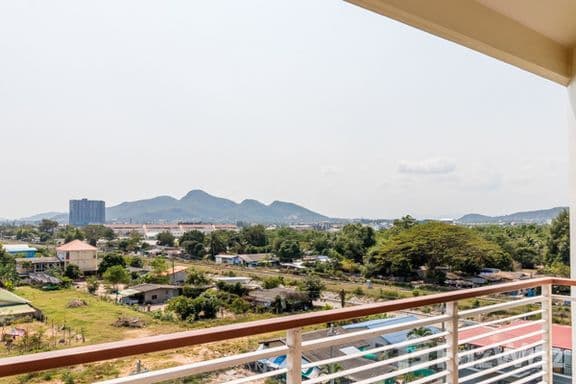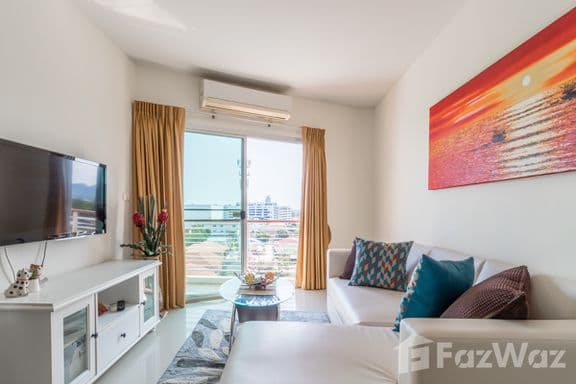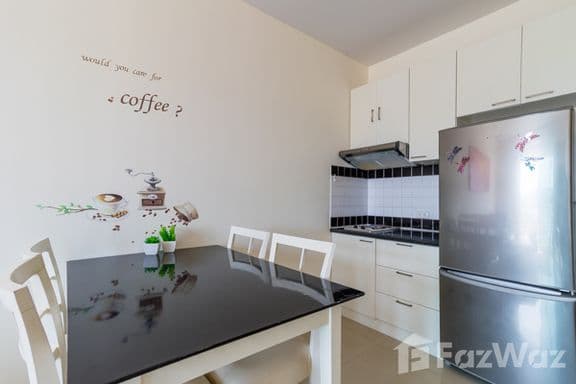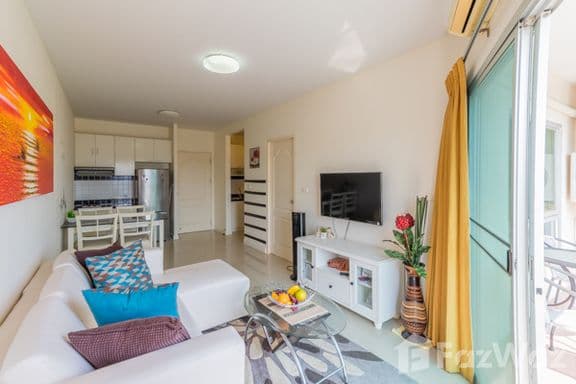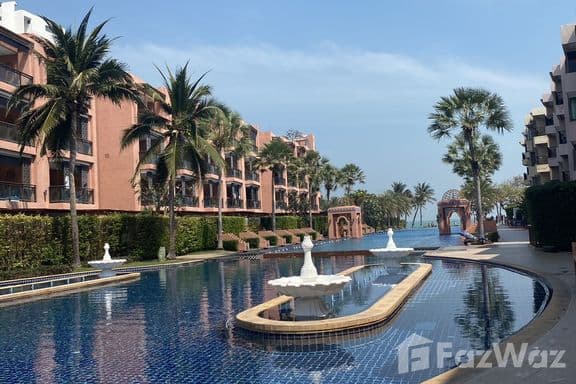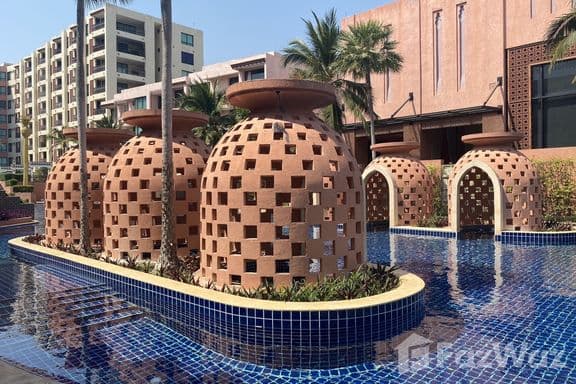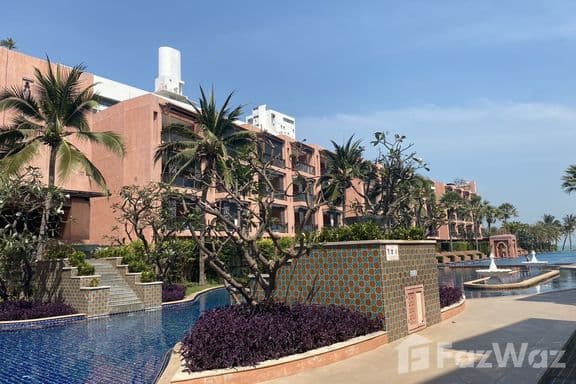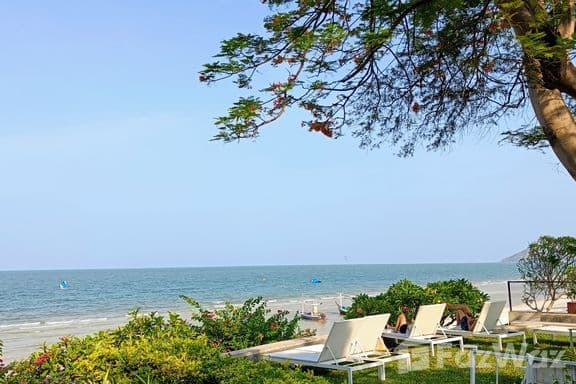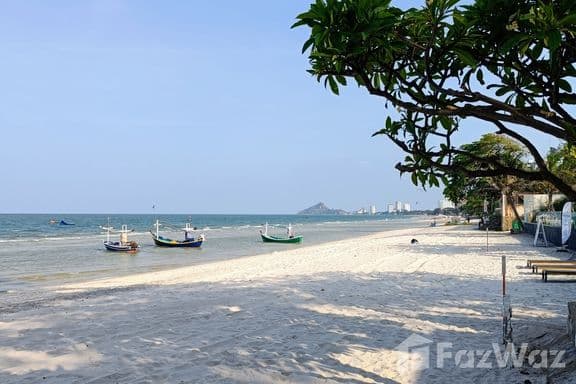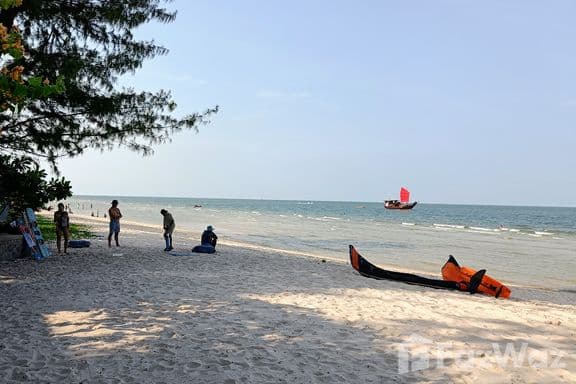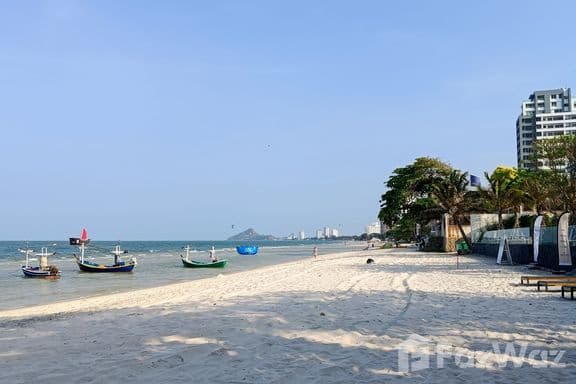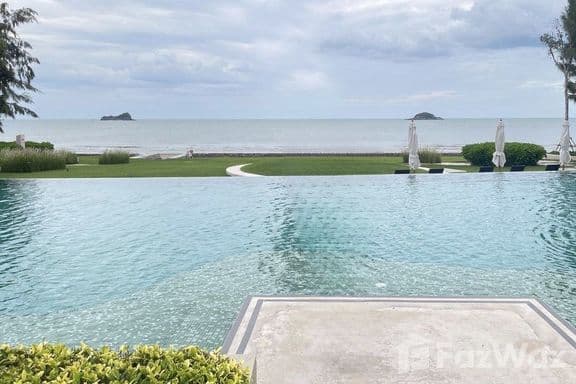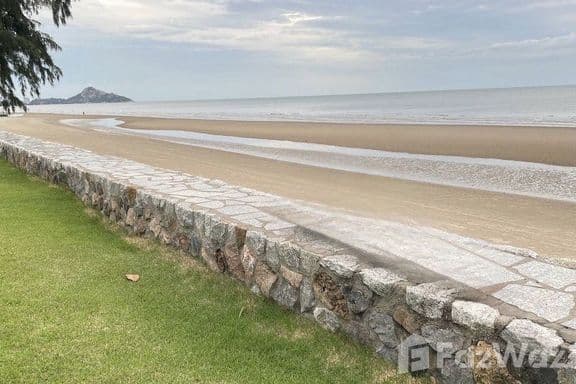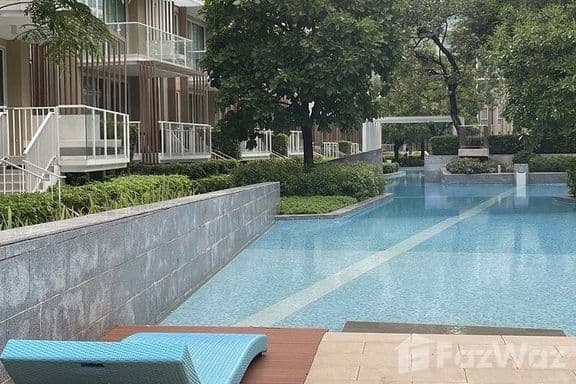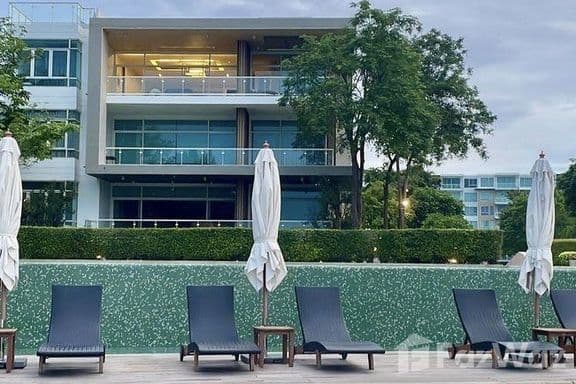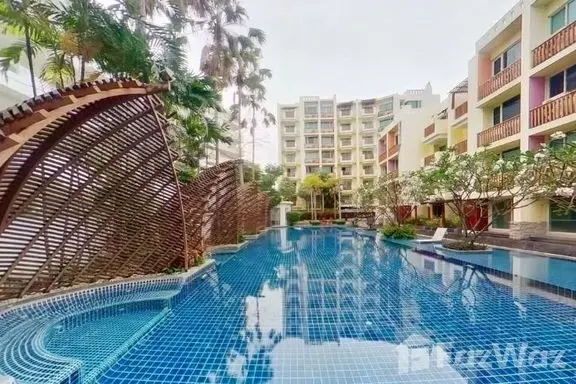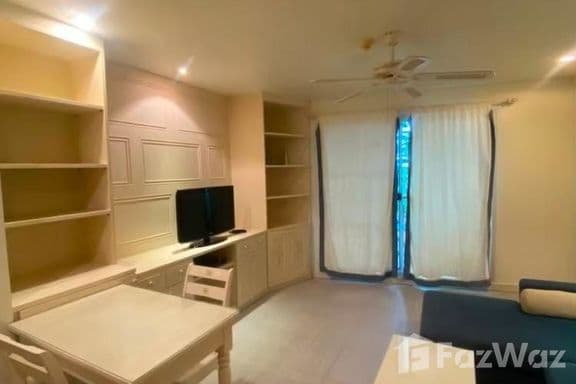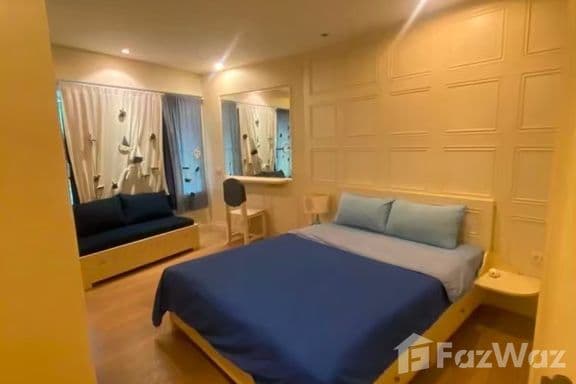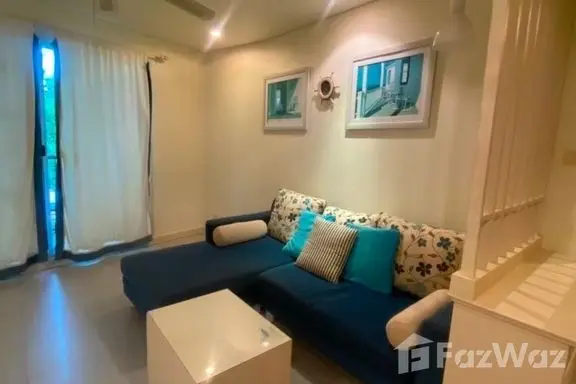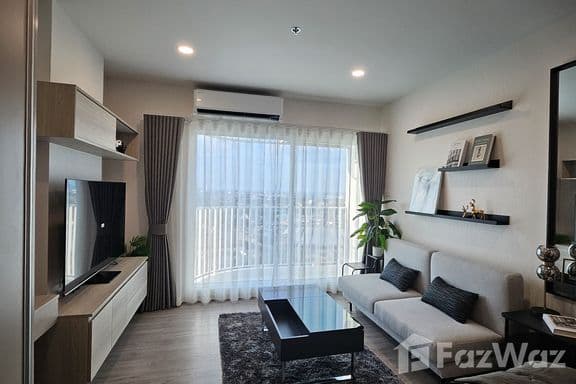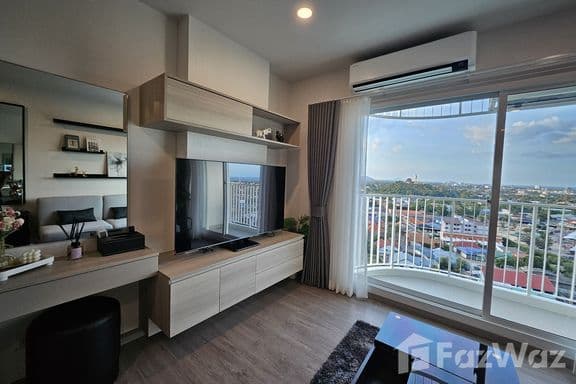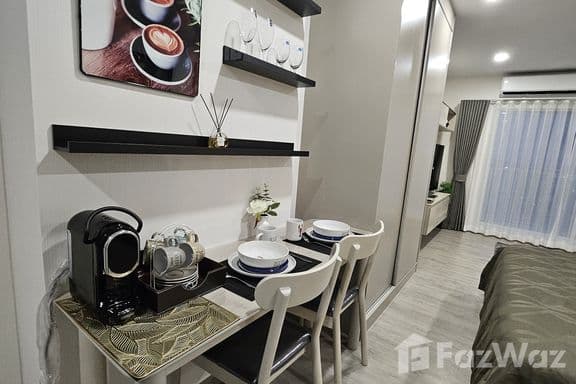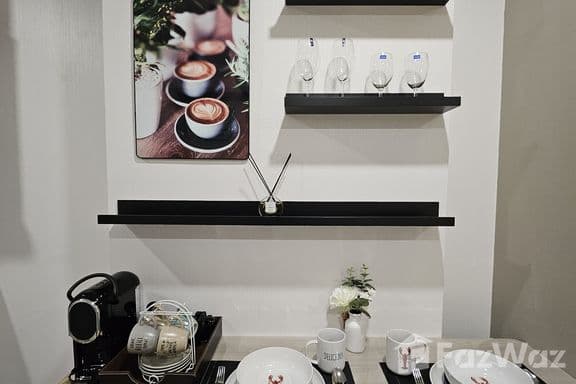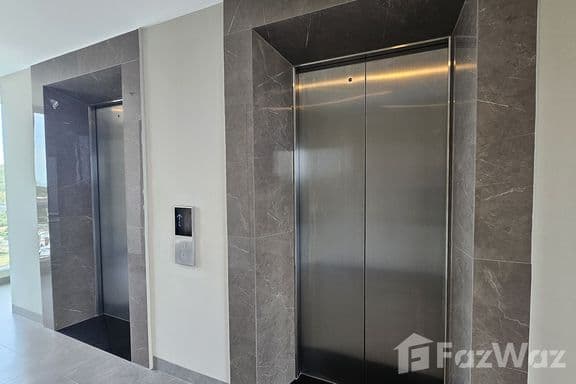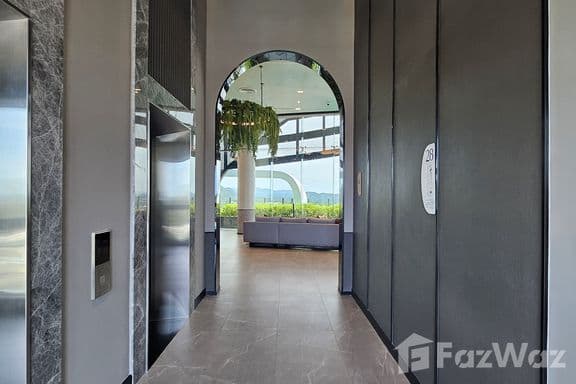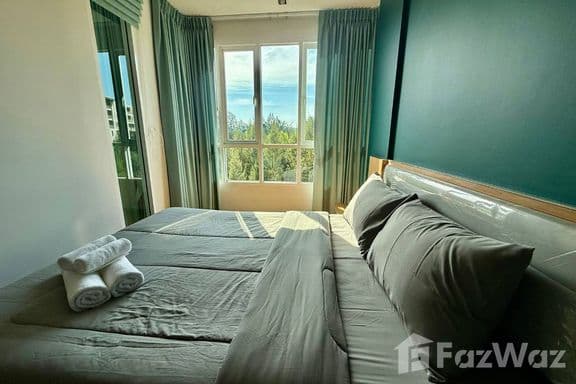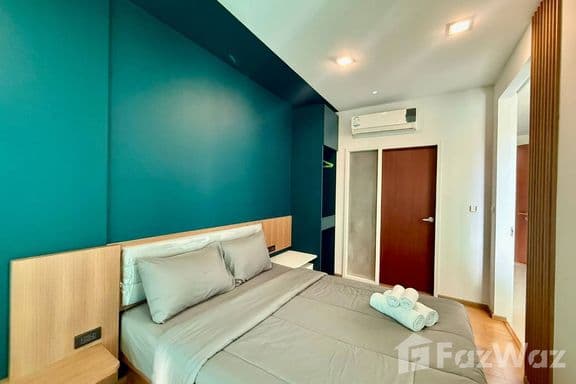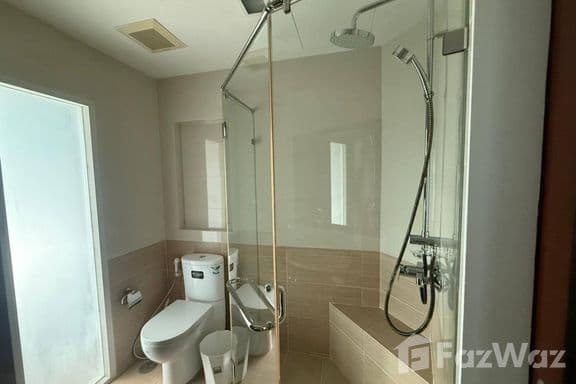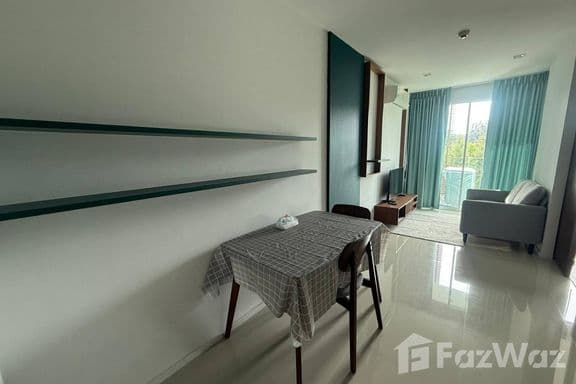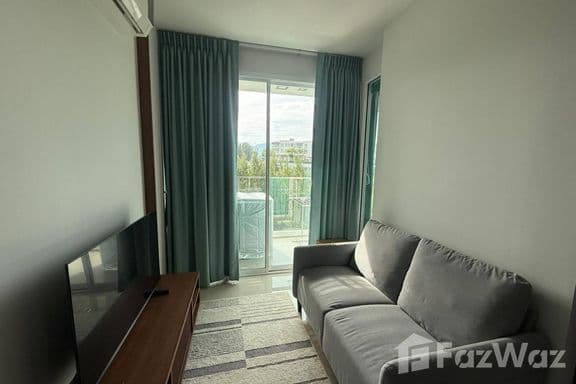
Condos For Rent in Hua Hin, Prachuap Khiri Khan
1,156 ResultsThe 2025 Investor’s Guide to Renting a Condo in Hua Hin
Introduction: Why Hua Hin is a Hot Rental Market in 2025
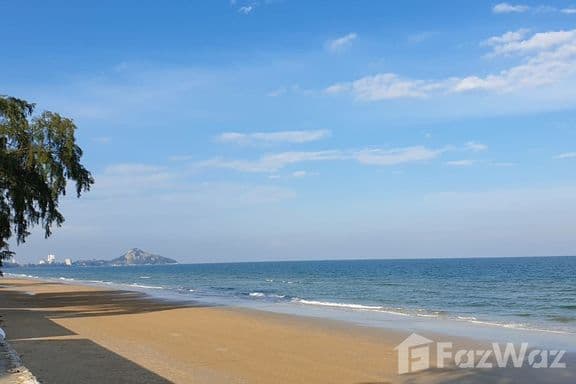
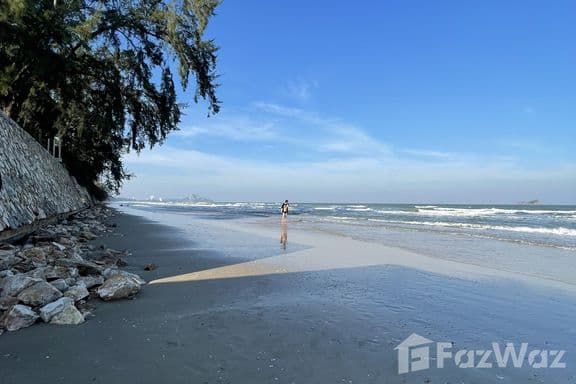
Hua Hin’s pristine beaches and laid-back lifestyle continue to draw both tourists and long-term foreign residents, fueling a thriving rental market. Nestled on Thailand’s Gulf coast, Hua Hin has emerged in 2025 as one of the country’s hottest rental property markets. Several factors drive this trend: a robust tourism rebound, government-backed infrastructure upgrades, and the town’s enduring appeal to expats and retirees. In 2024, Prachuap Khiri Khan province (home to Hua Hin) recorded 11.38 million visitors, with international arrivals up nearly 35% year-on-year. This surge in visitors – largely domestic weekenders but also a growing number of Western retirees and “snowbirds” – has boosted demand for rental condos. The Thai government is also catalyzing Hua Hin’s growth: plans are underway to expand Hua Hin Airport to international standards by 2025, enabling direct flights and greater accessibility. Local authorities even aim to designate Hua Hin as a “special tourist city” by late 2025, granting it more autonomy to promote investment and tourism.
From an investor’s standpoint, Hua Hin offers an attractive combination of affordability and returns. Property prices here are about 30% lower than in Bangkok, yet rental yields are comparable or higher. In fact, gross rental yields in Hua Hin average around 5–7% annually, which is quite favorable by international standards. This stability is underpinned by consistent property value appreciation – Hua Hin real estate values rose roughly 5–10% in 2024 alone – and by a steady influx of tenants seeking the city’s relaxed, high-quality lifestyle. Overall, 2025 finds Hua Hin at a sweet spot: a mature resort town with modern amenities, an expanding condo for rent in Hua Hin market, and data-driven signs of sustainable growth rather than overheated speculation. For investors, landlords, and even long-term renters, Hua Hin presents a professional, data-driven opportunity worth a closer look.
Market Overview: Rental Prices, Inventory Trends, and Occupancy Rates
Rental Prices: Hua Hin’s condo rental prices have remained stable and balanced over the past couple of years, with modest growth heading into 2025. The average monthly condo rent in Hua Hin for a standard one-bedroom unit is expected to fall between ฿20,000 and ฿25,000 in 2025. This aligns closely with recent figures – for instance, one-bedroom condos averaged about ฿21,900 per month in 2023. The overall median rent (all housing types) in Hua Hin was approximately ฿24,000 per month as of 2023, highlighting how typical condo rents cluster in the low-20k THB range. Larger units command higher prices: two-bedroom properties rent for around ฿36,000 per month on average, and luxury villas or penthouses can fetch monthly rents well above that. In fact, rental listings span a wide range – from budget studios around ฿10,000 up to sprawling beachfront villas at ฿150,000+ per month, depending on location and amenities. Such a wide pricing spectrum reflects a diverse inventory catering to everyone from cost-conscious local tenants to high-end expatriates seeking luxury living.
Inventory Trends: The Hua Hin rental market is characterized by abundant private ownership and a relatively limited role of large corporate landlords. Over 90% of rental listings in Hua Hin are offered by individual private owners, not big developers. This means the market is quite fragmented and flexible – many units are individually owned condos or homes put up for rent by their owners, leading to negotiable terms and a personal touch in many deals. Condo supply still dominates the market: for example, in mid-2023 there were roughly 110 condos listed for rent versus only 51 villas/houses, indicating condos are the primary rental product available. However, demand for houses and pool villas has been surging. In 2023, Hua Hin saw a spike of over 50% in villa rental prices, driven by a shortage of supply relative to eager tenants. Many larger villas were quickly snapped up by tenants seeking long-term stays, causing their average rents to jump to about ฿22,355 per month (a huge rise from the prior year). This highlights an important trend: inventory constraints in certain segments (like family-sized villas) are pushing rents upward, whereas the condo segment has remained more affordable and steady (with only mild ~3-4% rent increases year-on-year).
Geographically, Hua Hin’s rental inventory is concentrated in a few key districts. Nong Kae, the large sub-district covering the southern part of town (including areas like Khao Takiab), boasts the highest number of listings – nearly 300 properties for rent – and some of the higher price averages in town. By contrast, Hua Hin’s city center and nearby neighborhoods have fewer total listings but at slightly lower price points on average. This distribution suggests that much of the new development (and thus rental supply) has been in the outskirts and beachside districts, while central Hua Hin offers more limited, typically smaller rental units. Notably, certain upscale zones like Thap Tai (west of the town center) command premium rents (averaging ~฿41k for 1-bedroom places, indicating many are resort-style villas). Meanwhile, more urbanized areas like Hua Hin City itself see median rents closer to ฿18k–฿19k for studios and small condos, catering to those seeking value and convenience. Overall, inventory has grown post-pandemic but developers have been cautious – new project launches in Hua Hin remain measured, meaning the rental supply is not wildly outpacing demand. This balance bodes well for landlords: oversupply risks are minimal in 2025, and well-priced rentals tend to find tenants without much delay.
Occupancy Rates: Thanks to recovering tourism and steady expat interest, Hua Hin’s rental occupancy levels are healthy. In the long-term rental segment, vacancy rates are low for desirable properties – for example, many villa landlords report tenants booking multi-month stays, with over 35% of villa rentals being occupied for longer than one month at a time. This reflects the strong trend of expatriates and long-stay visitors choosing Hua Hin for extended periods. Even in the short-term rental arena (like Airbnb-style condos), demand is on the upswing. Recent data shows Hua Hin’s short-term rentals running at about a 42% occupancy rate on average, with an Average Daily Rate (ADR) of roughly $110 per night. While 42% may seem modest, it represents “moderate demand with room for growth,” and importantly the short-term rental revenues grew ~32% year-on-year – a sign that occupancy is improving as travel rebounds. High season months see peak occupancy (December is typically the top month for rental earnings), whereas the low season (e.g. June) still drags occupancy down. For investors, these figures are encouraging: they suggest that while the Hua Hin condo rental market is not yet saturated, there is steady uptake. Many owners achieve near full occupancy during high season and maintain long-term tenants in low season to smooth out the year. Additionally, external indicators show tenant demand is broadly rising – nationwide in Thailand, rental inquiries for condos jumped by over 10–12% in 2024, and Hua Hin has certainly felt that uplift in interest. All told, occupancy trends in Hua Hin point to a landlord’s market for certain property types (villas, beachfront condos) and a balanced market for condos overall, with solid demand ensuring that competitively priced units do not stay vacant for long.
Best Areas to Rent Condos: Comparative Insights by Location
Choosing the right location is vital for condo rentals in Hua Hin, as each neighborhood presents a distinct lifestyle, rental rate, and demand profile. Here’s a comparison of key areas:
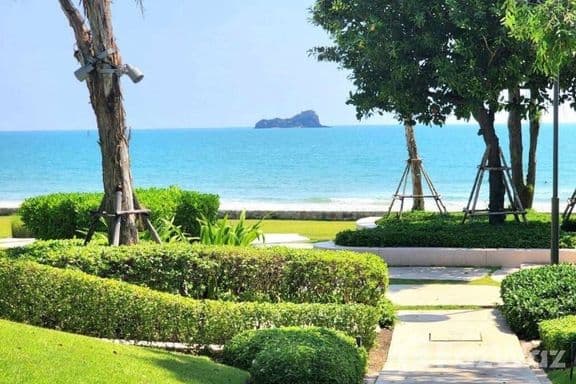
- Khao Takiab (South Hua Hin) This upscale, tranquil beachfront district near "Monkey Mountain" attracts expats and weekenders with luxury sea-view condos and resort amenities. Rents are higher, typically ฿25,000–฿35,000 per month, yielding a solid 5–7% due to consistent demand from long-term and short-term tenants. Its strengths are quiet beaches and high-end facilities, though it’s slightly removed from the city center. Khao Takiab condos command a rental premium, ensuring high occupancy and quality tenants.
- Hua Hin City Center Ideal for those valuing convenience, the downtown area (near the Night Market) offers smaller, more affordable condos and serviced apartments within walking distance of amenities. Median rents for a one-bedroom are around ฿18,000–฿19,000 per month, appealing to budget-conscious expats and digital nomads. While units may be cozier with less greenery, high year-round occupancy supports yields around 5%. The vibe is lively and central, with properties near key attractions seeing capital appreciation, making it a stable investment.
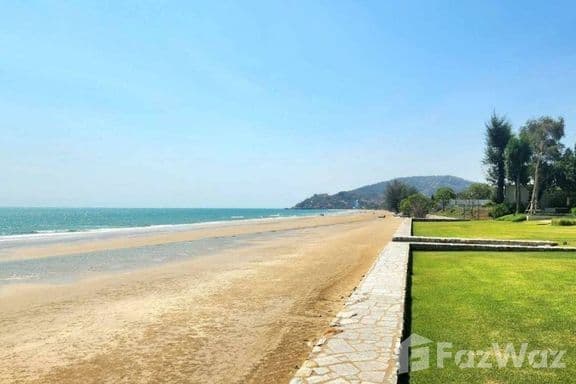
- Nong Kae & Kao Tao (South Hua Hin suburbs) This large southern sub-district, extending towards Kao Tao, features many new condo developments and resort communities, offering mid-range to luxury options. Rental prices average ฿22,000–฿30,000 per month (median ~฿22k for 1-2 bedrooms), though high-end listings are pricier. Yields can range from 4% to 8%. It attracts expats and long-stay tourists seeking quieter living near less crowded beaches, like Scandinavians and families. While demand is strong, growing competition means unique property features are advantageous.
- West Hua Hin (Hin Lek Fai and Surroundings) The hills west of Hua Hin offer villas, townhouses, and low-rise condos with mountain views. This quieter, residential area is favored by long-term expats and retirees for its value and privacy. Rental rates are lower (e.g., a two-bedroom condo around ฿15,000–฿20,000), with yields of 4–6% reflecting lower purchase prices. The main trade-off is the 15–20 minute drive to the beach. This area suits investors targeting the long-term retiree market, offering a yield play with lower entry costs and potential for appreciation as Hua Hin expands.
Each neighborhood in Hua Hin comes with its own character and investment profile. Beachfront zones like Khao Takiab and central Hua Hin will continue to command the highest rents and face the strongest demand, especially from foreigners. Emerging areas a bit farther out – such as the area around Soi 88 (a booming local community) or northward toward Cha-Am – may offer better bargains and future upside if infrastructure projects (like a proposed high-speed rail line to Hua Hin) materialize. A smart strategy for investors is to align the property’s location with the target tenant: young professionals often prefer the city core, retirees seek tranquility (south or west of town), and short-term vacationers love direct beach access. By understanding Hua Hin’s micro-markets, landlords can ensure their condo’s location maximizes appeal to the intended renter segment, thereby reducing vacancy and enhancing rental yield.
Condo Features in Demand: Amenities and Features Renters Want
In Hua Hin's 2025 rental market, certain condo features significantly boost appeal and achievable rent, meeting high tenant expectations. Landlords should prioritize these:
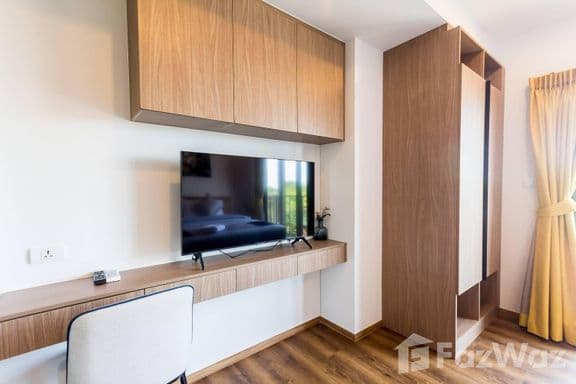
High-Speed Internet and Work-Friendly Spaces With many tenants working remotely, reliable high-speed private internet (ideally fiber-optic) is essential, not just basic building Wi-Fi. Condos offering a designated work desk, comfortable chair, good lighting, or access to an in-building co-working space are highly sought after, particularly by digital nomads and IT professionals.
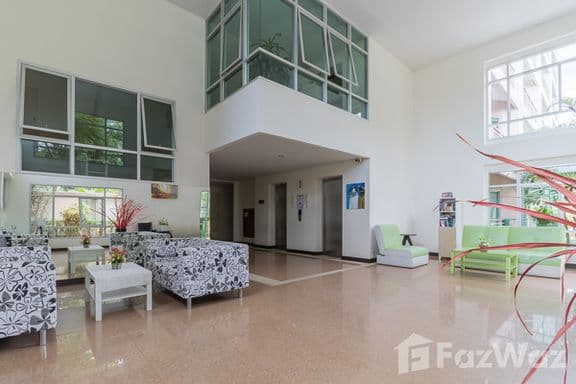
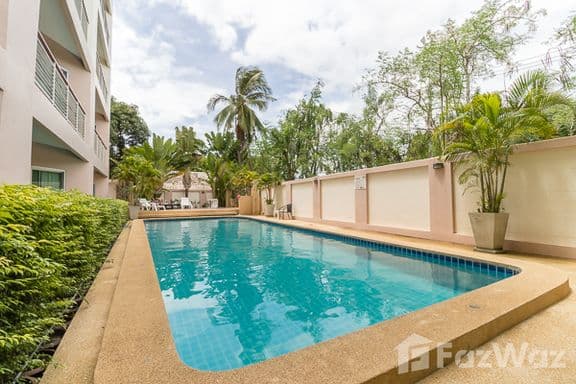
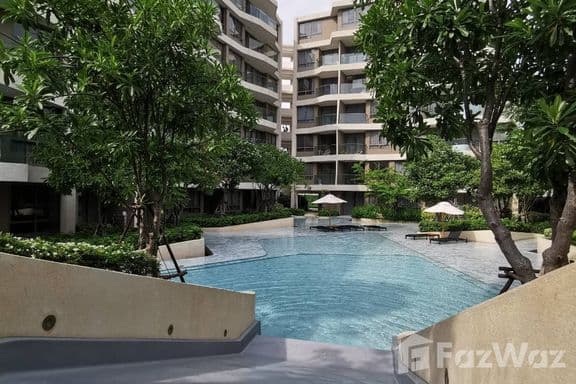
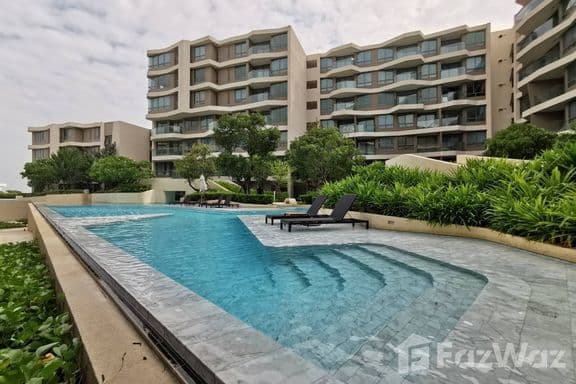
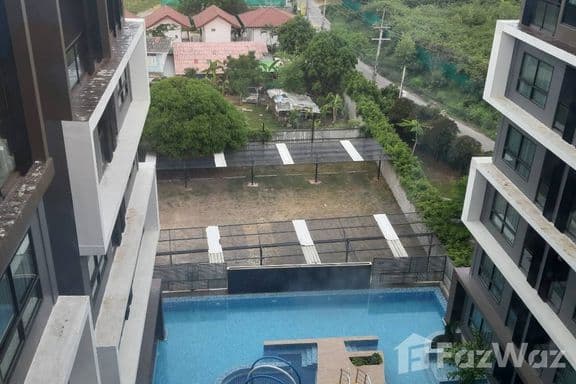
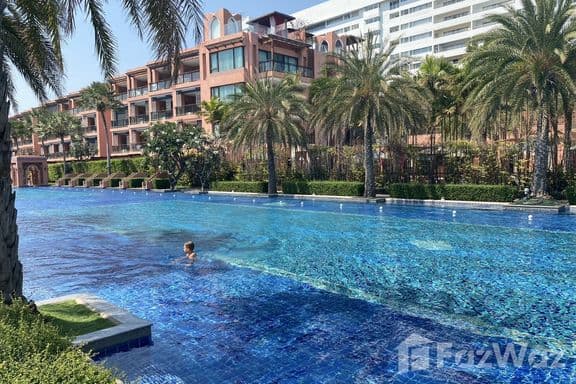
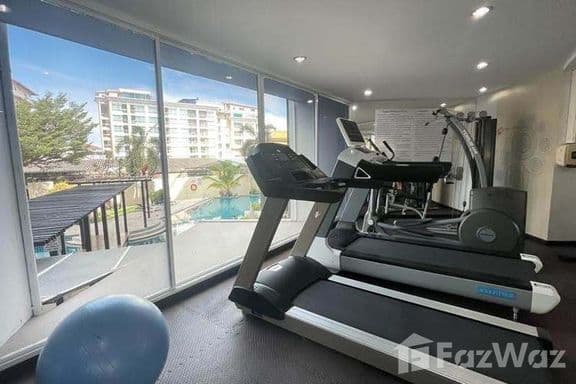
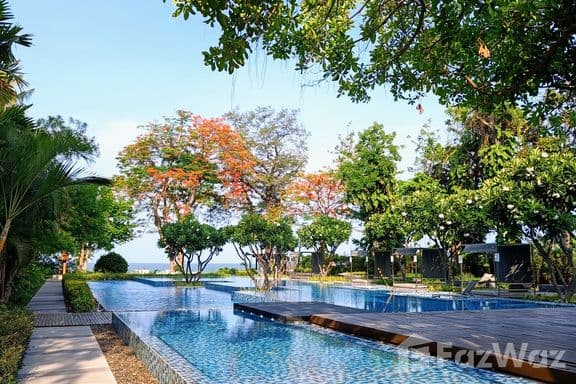
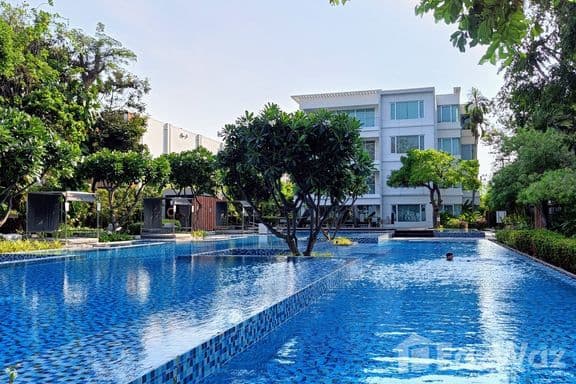
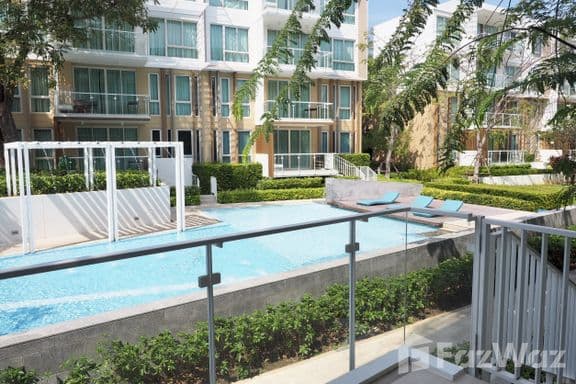
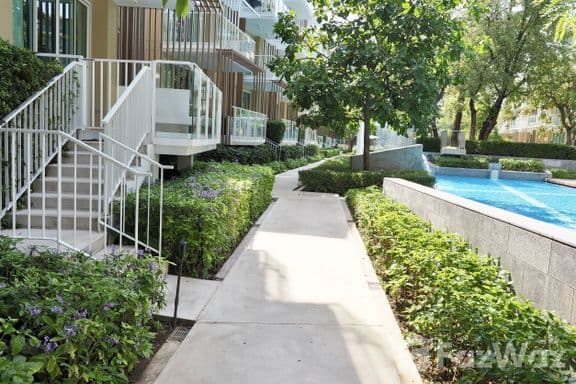
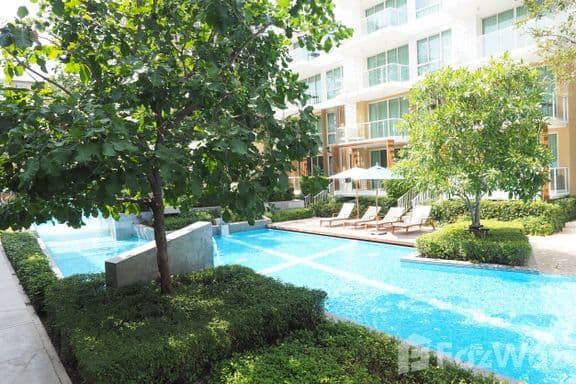
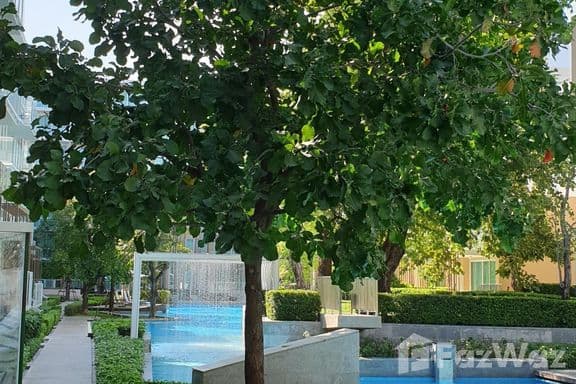
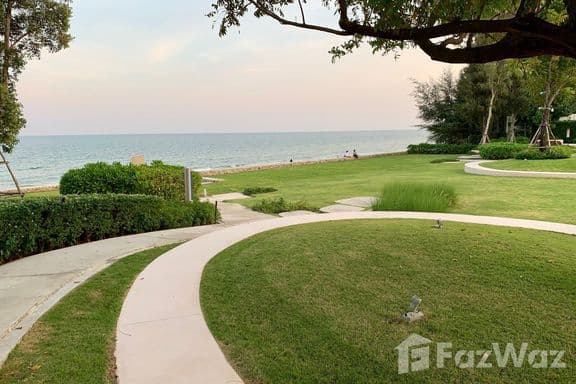
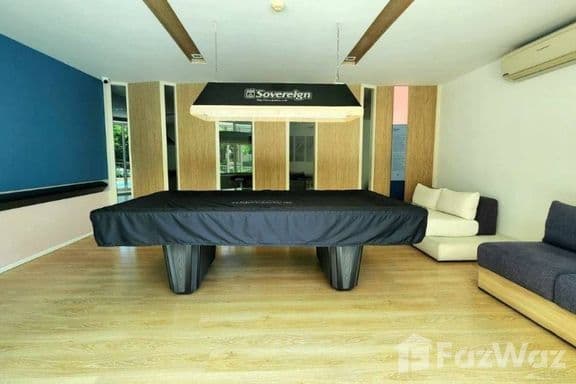
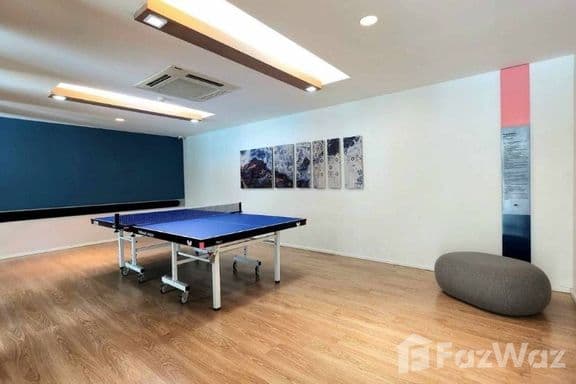
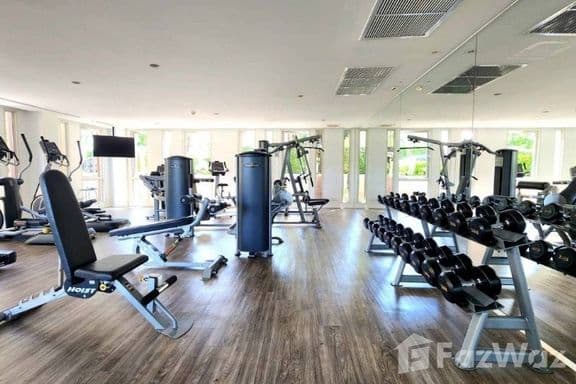
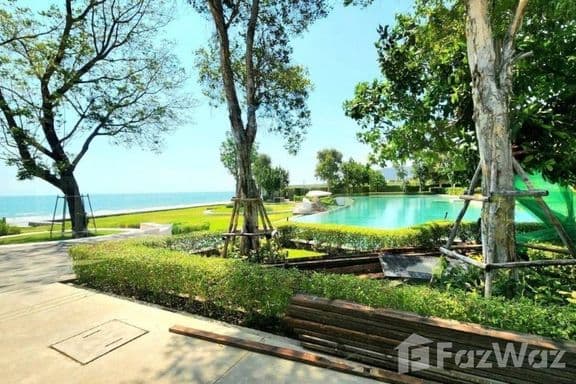
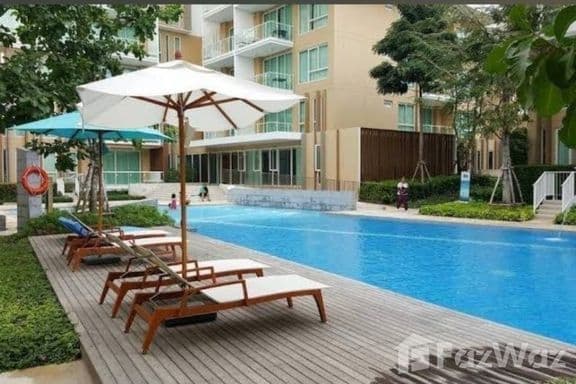
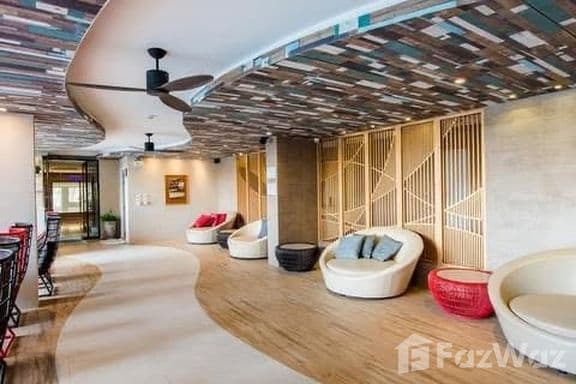
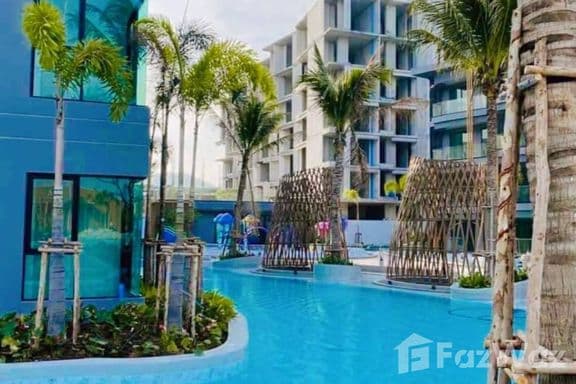
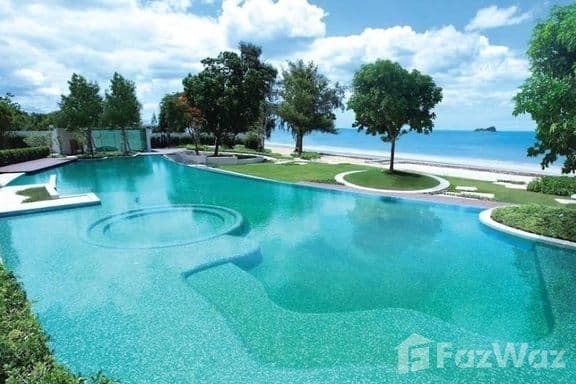
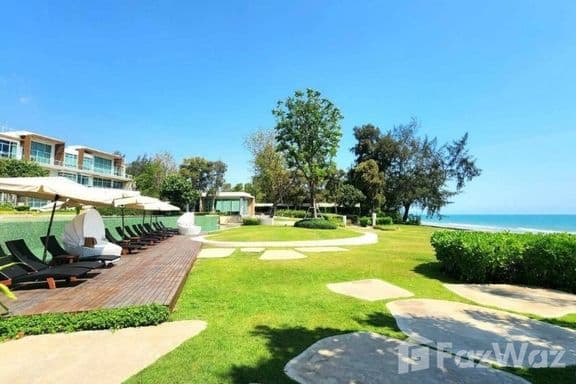
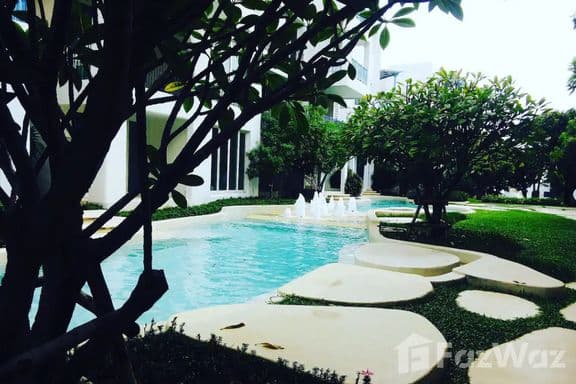
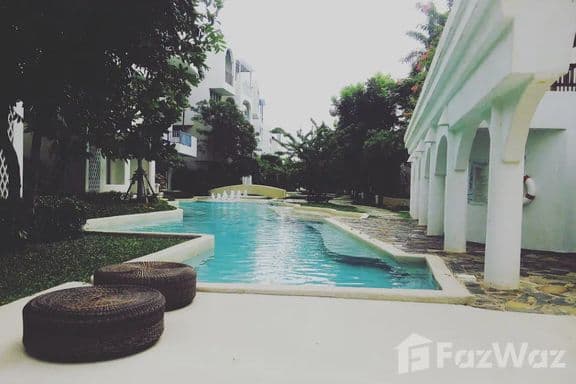
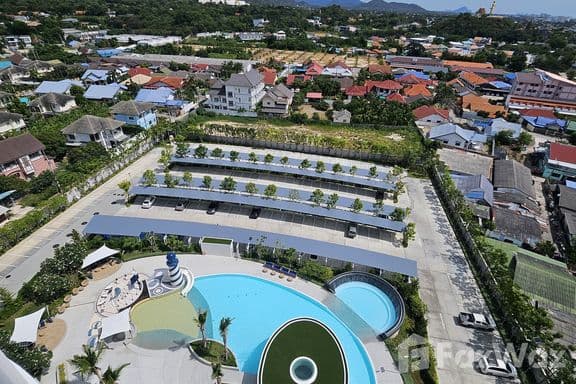
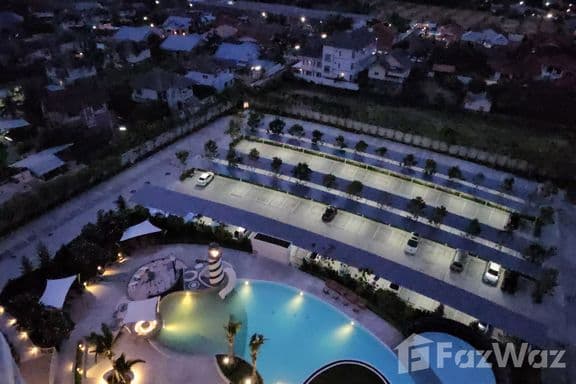
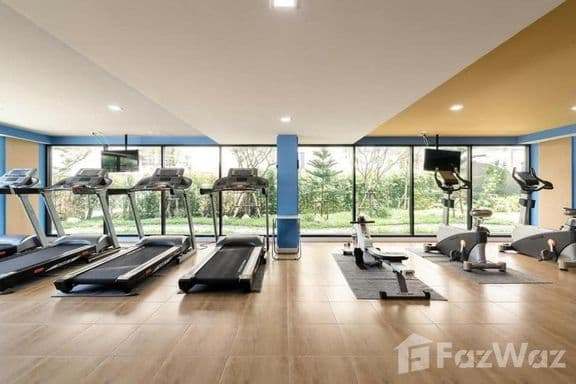
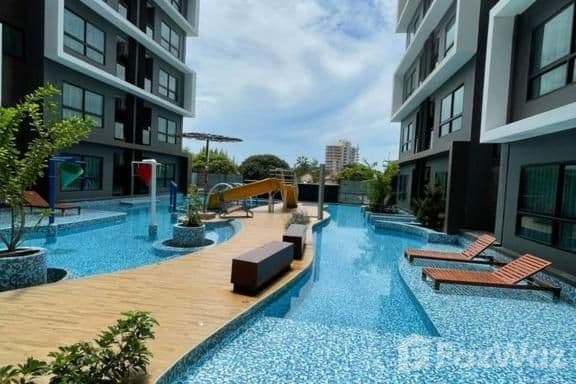
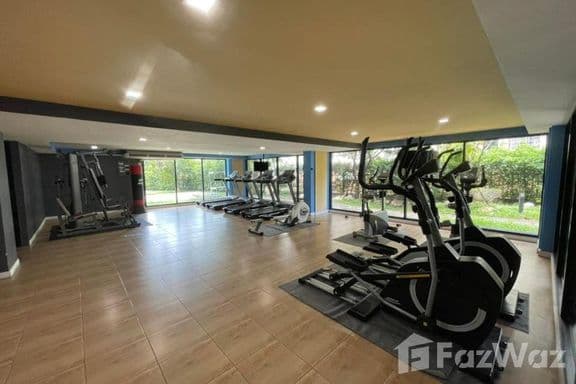
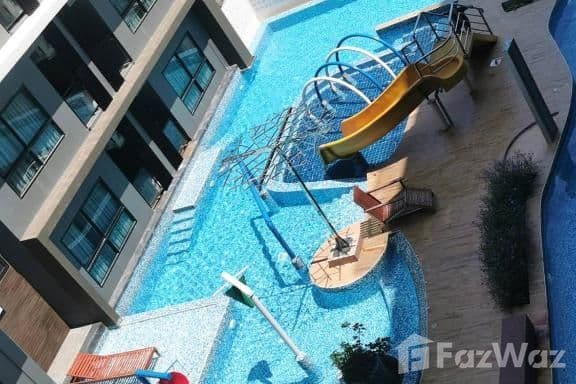
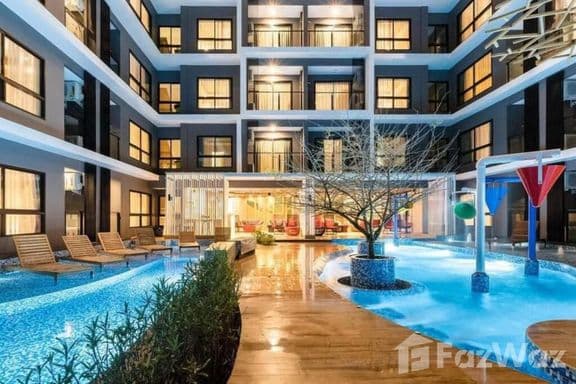
Resort-Style Amenities (Pools, Gyms, and More) Renters in Hua Hin expect a resort-like lifestyle. Swimming pools and fitness centers are top demands; properties without them may struggle. Many tenants specifically filter for these. Additional perks like rooftop terraces, gardens, kids’ playrooms, 24-hour security, CCTV, and even concierge services or on-site cafes contribute to a complete lifestyle package that justifies higher rents and reduces vacancies. These amenities are key drivers of rental rates.
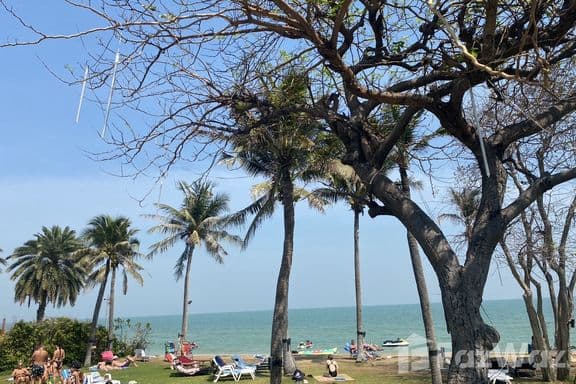
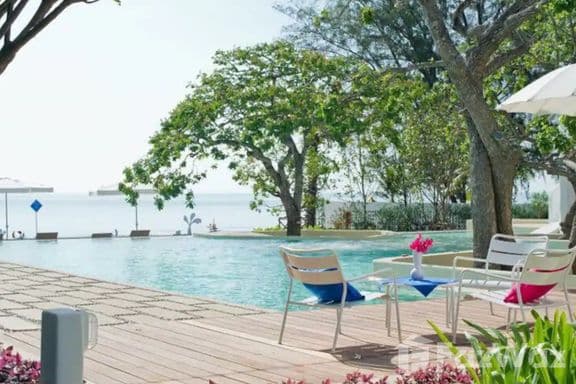
Proximity to Beach and Attractions Location is paramount. Being within walking distance to the beach (like Hua Hin Beach or Khao Takiab Beach) or popular venues such as Cicada Night Market or BluPort Mall considerably increases rental value. Properties with direct beach access can command significantly higher rents. Marketing these lifestyle benefits is crucial; convenience and nearby entertainment are major draws.
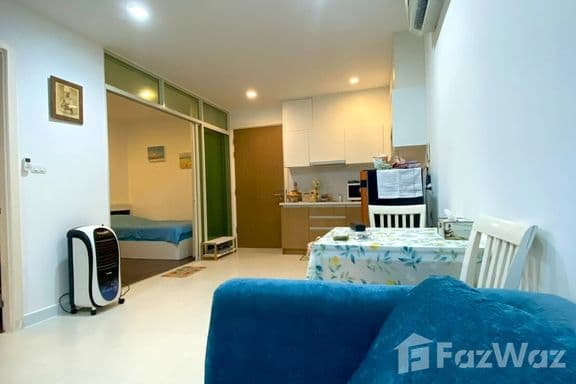
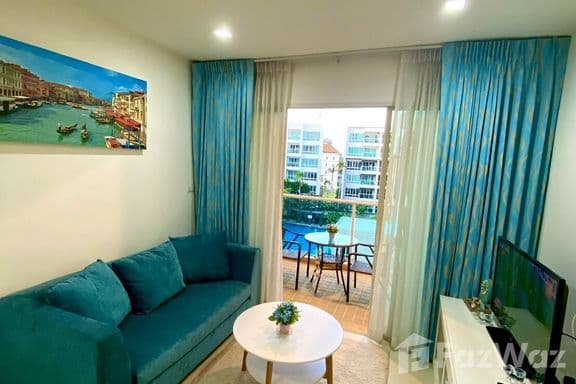
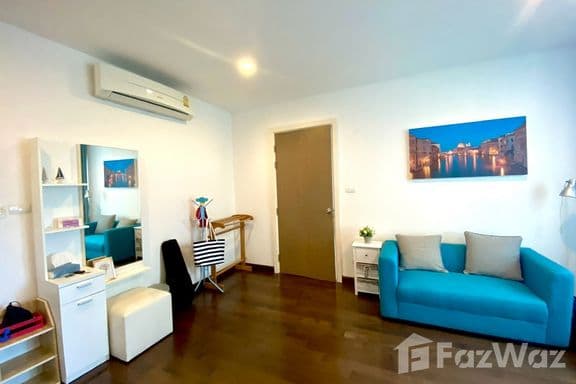
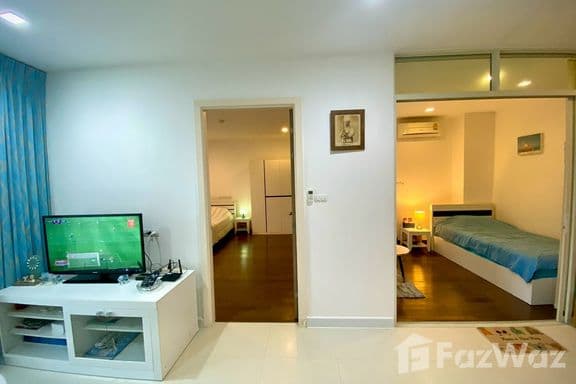
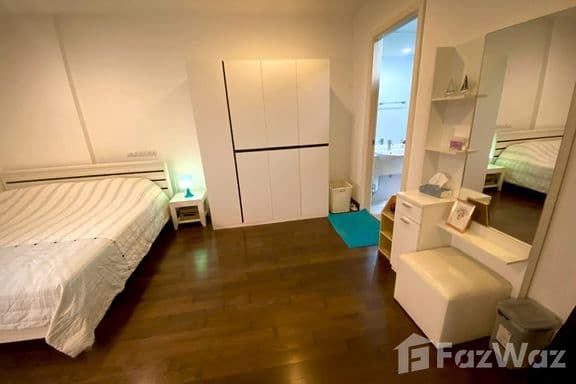
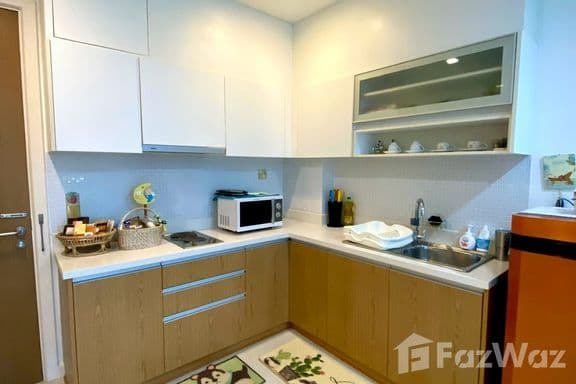
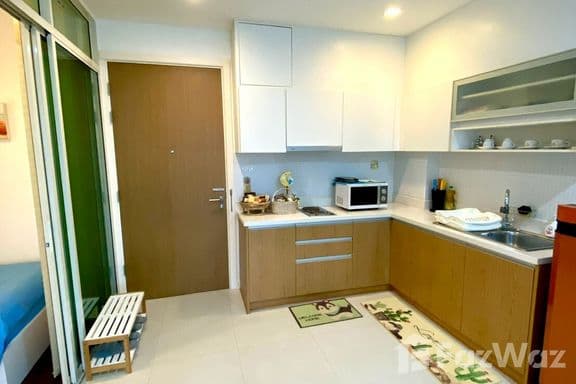
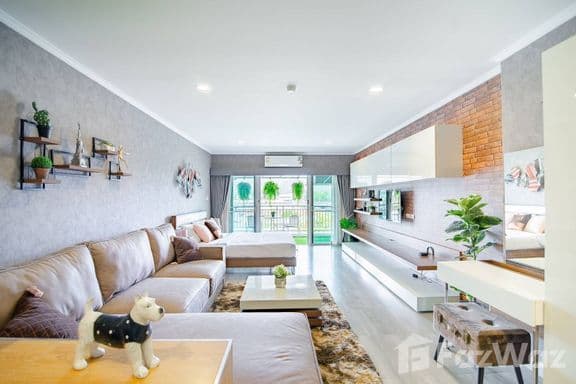
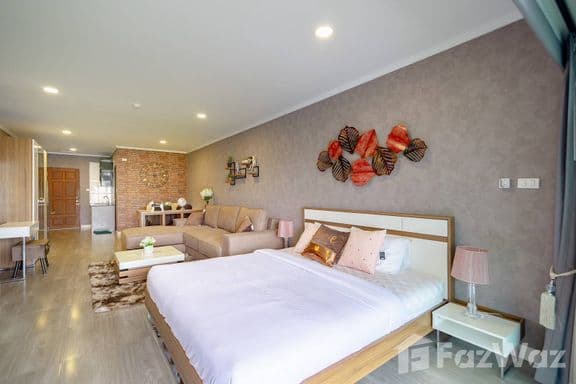
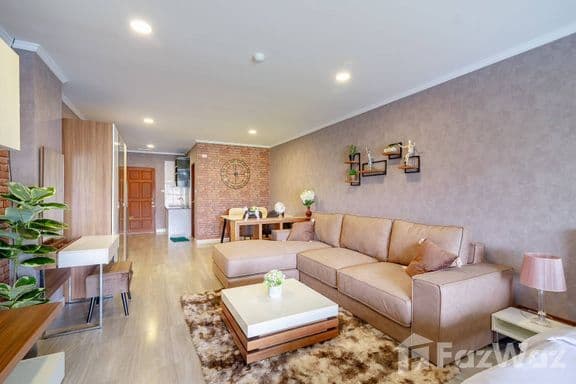
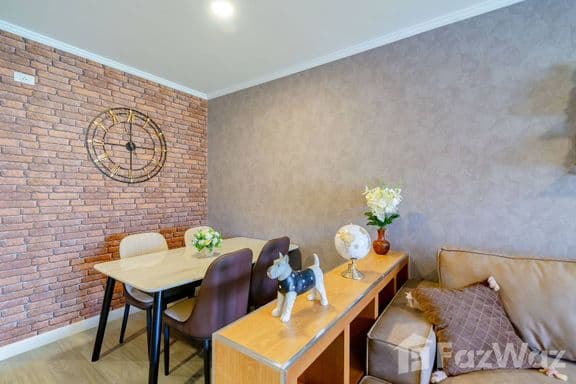
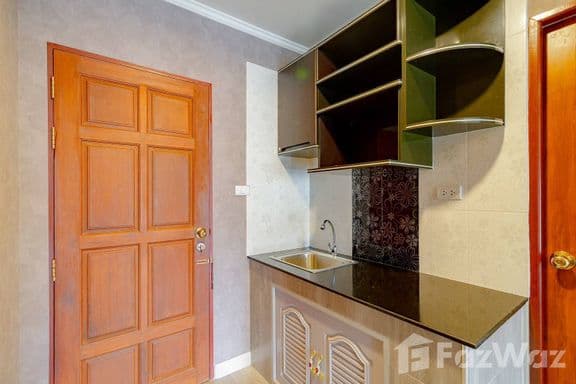
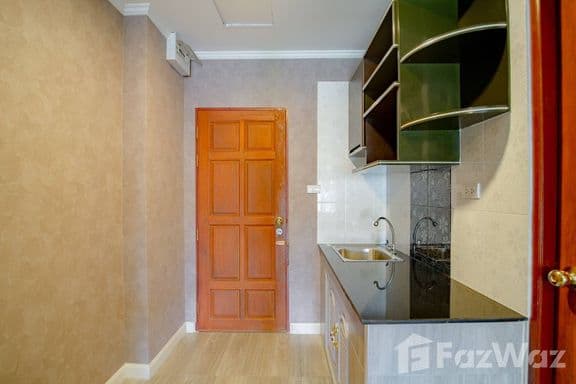
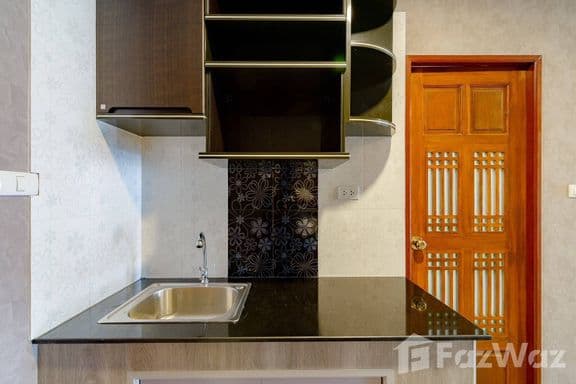
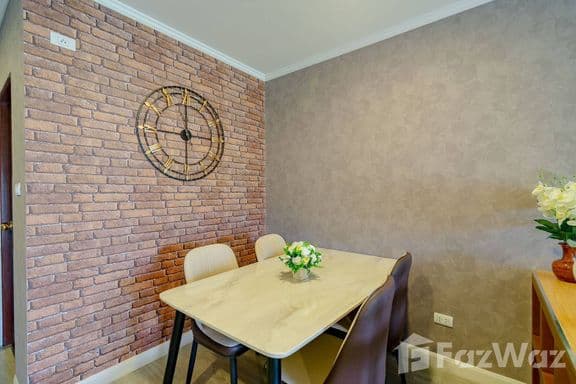
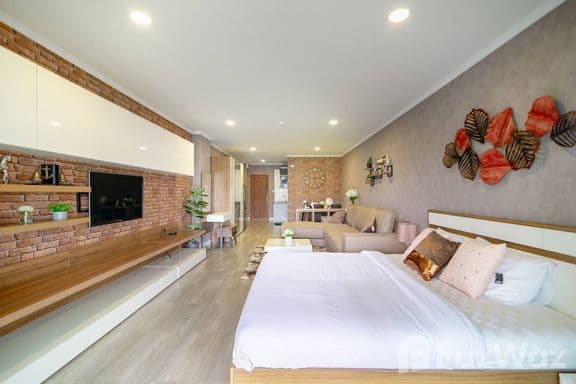
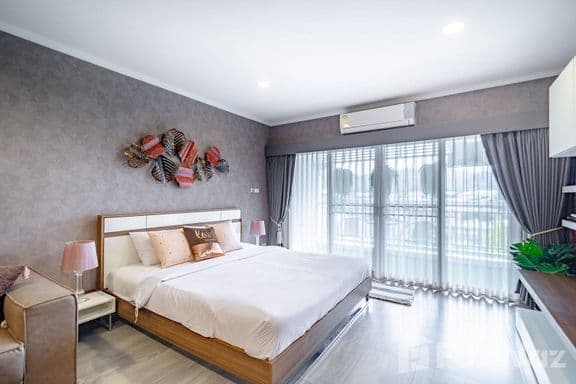
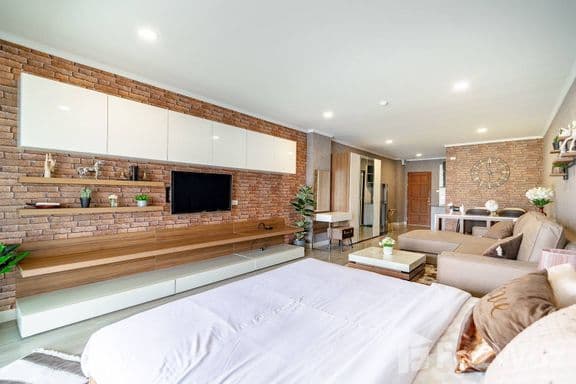
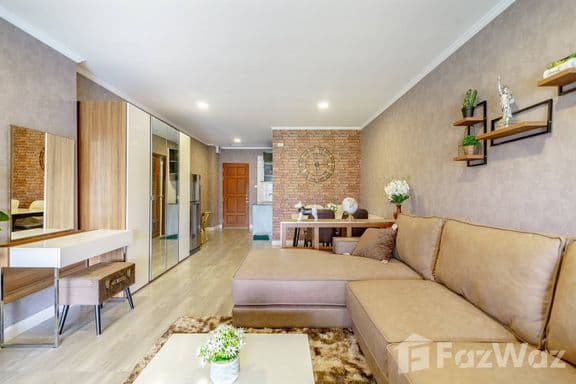
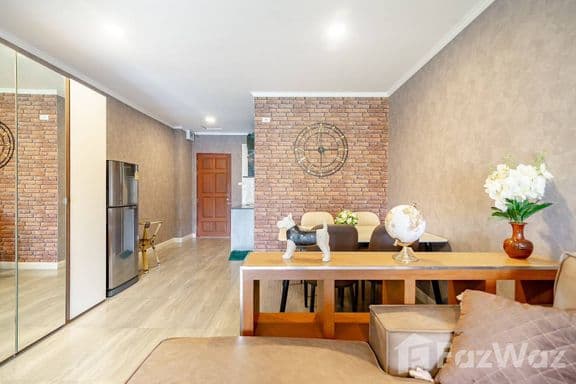
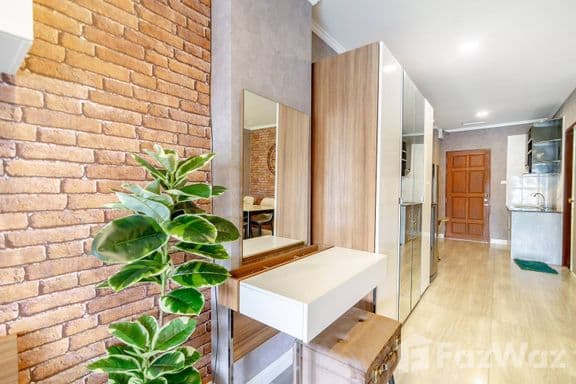
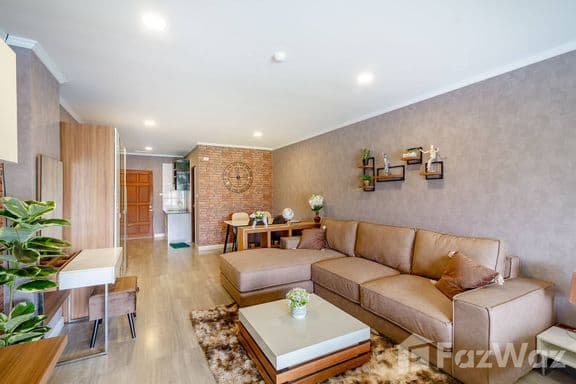
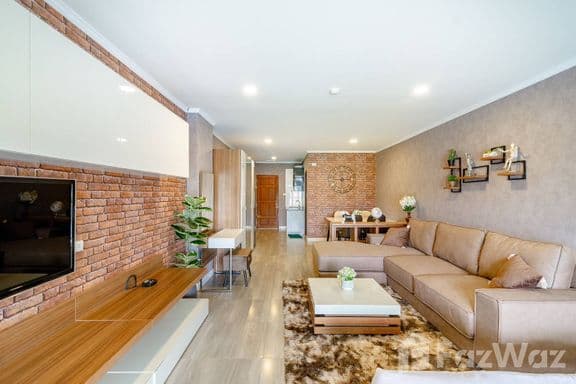
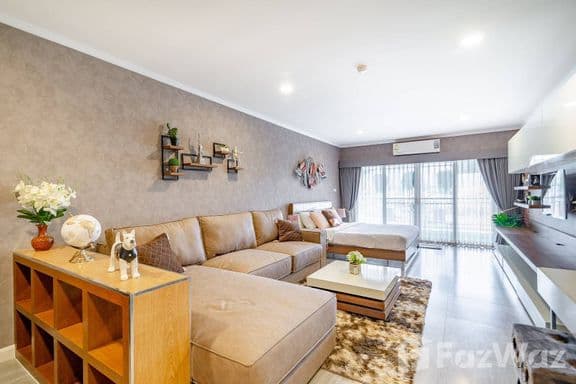
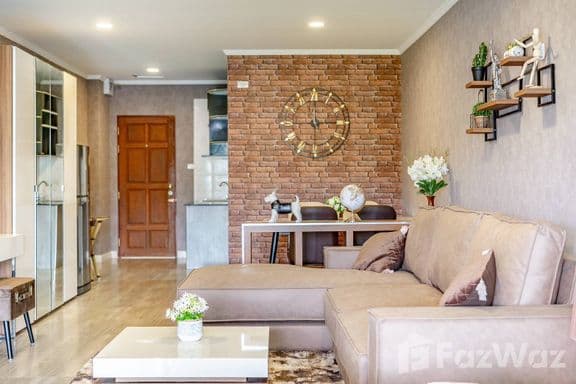
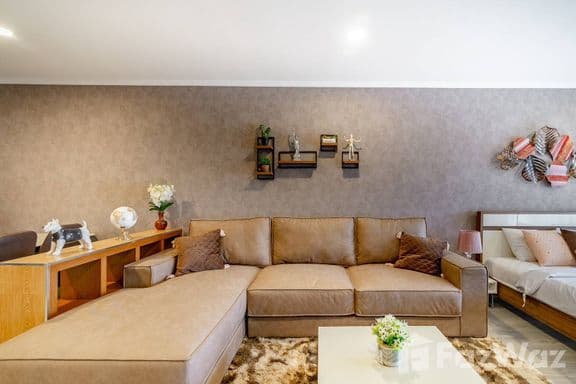
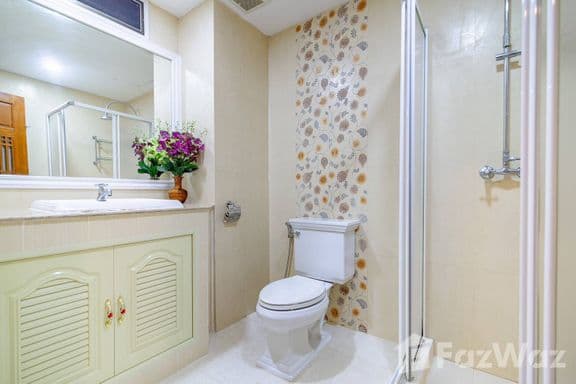
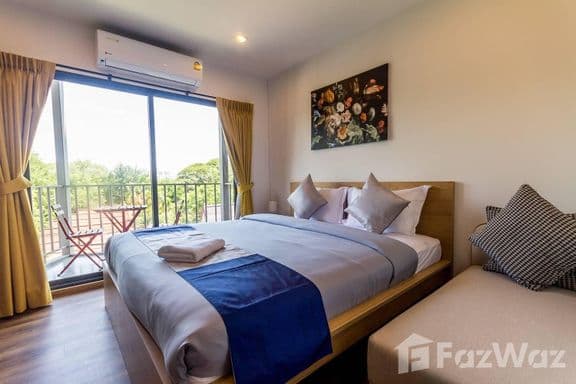
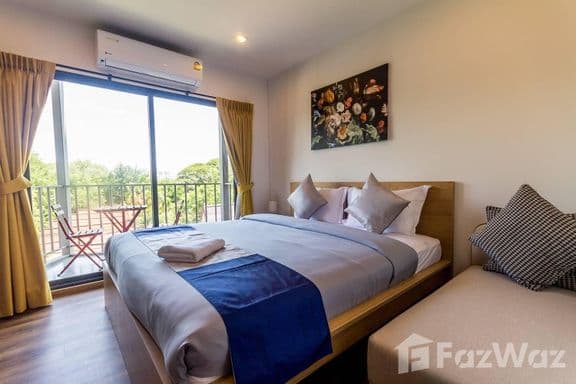
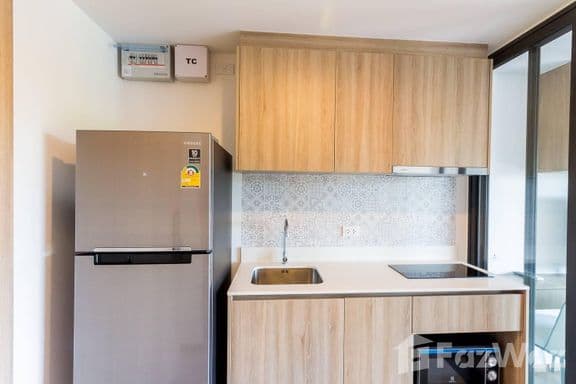
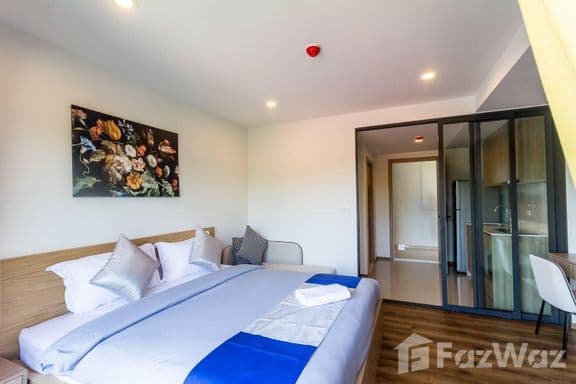
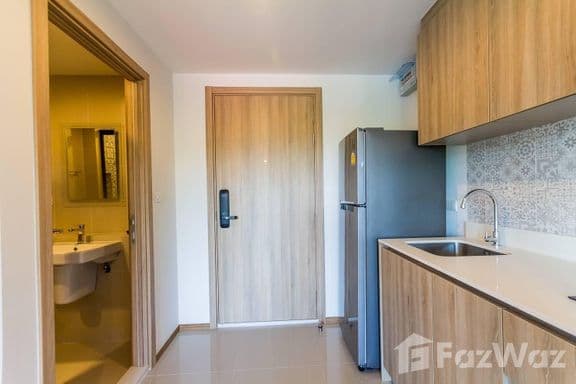
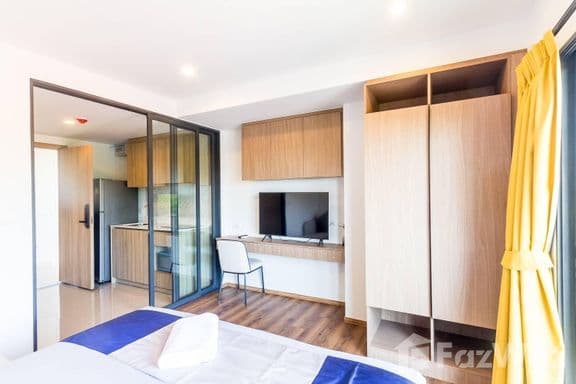
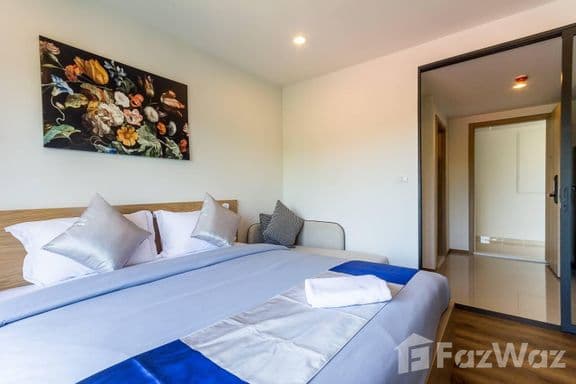
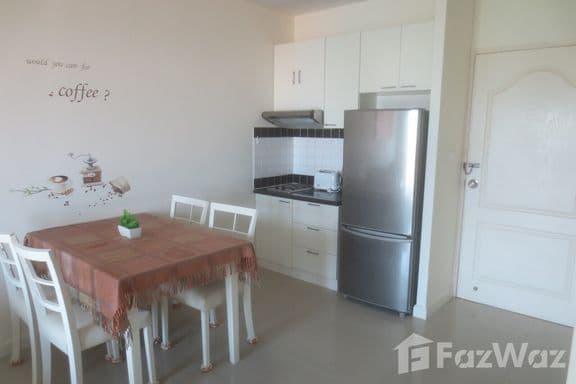
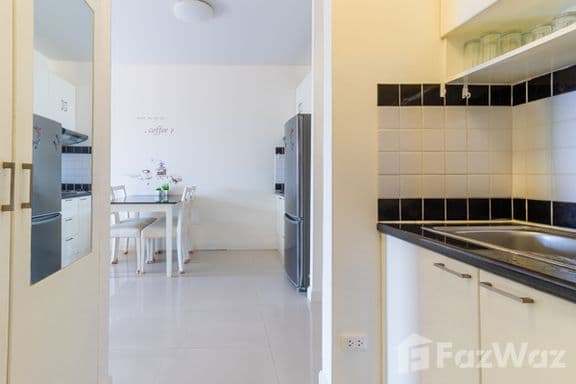
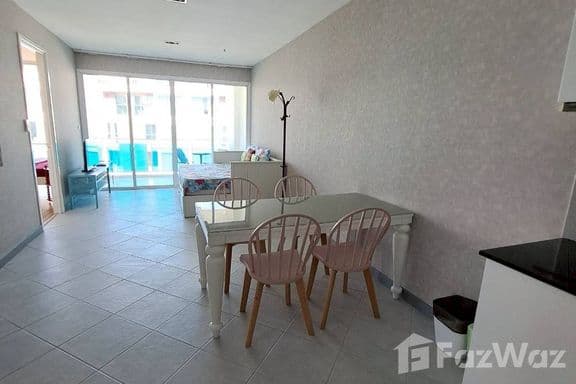
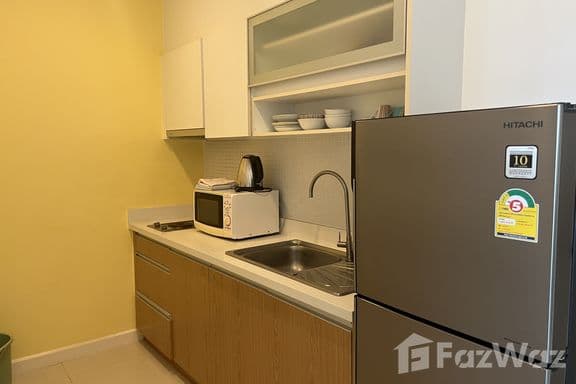
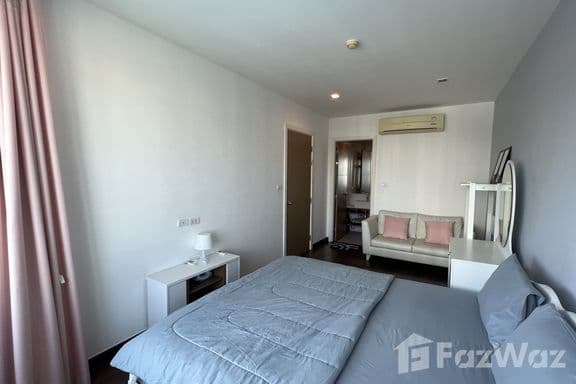
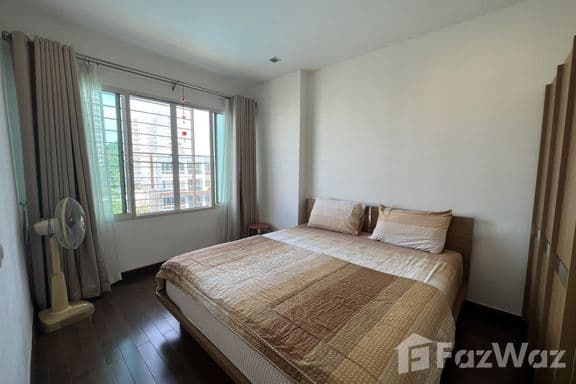
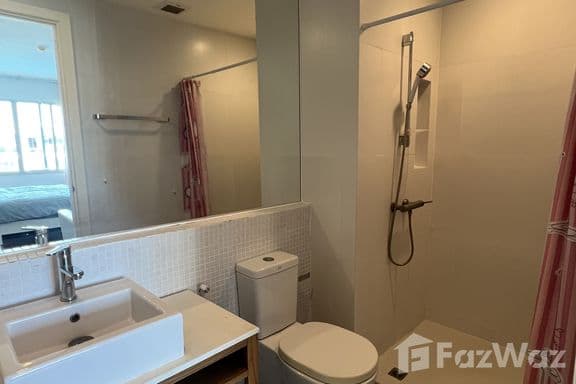
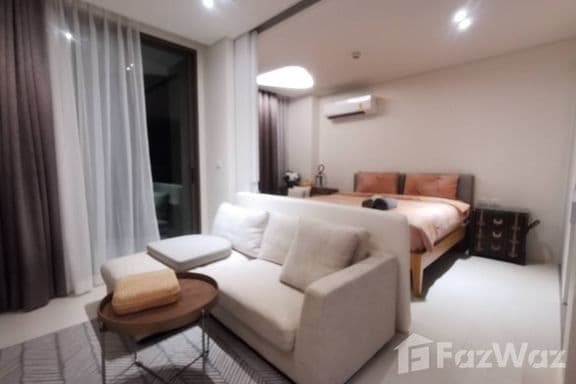
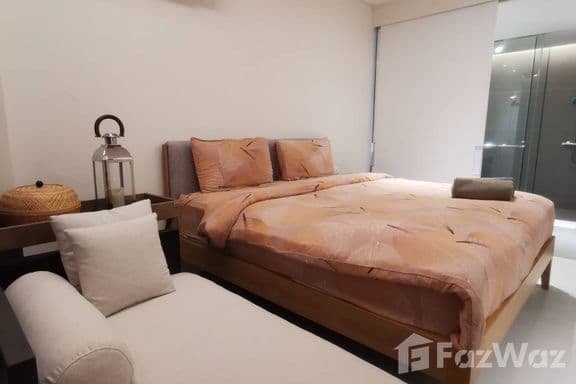
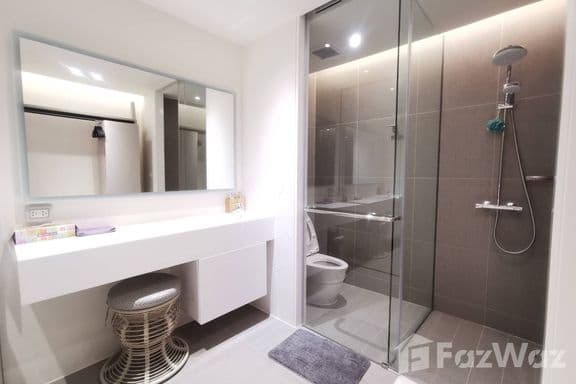
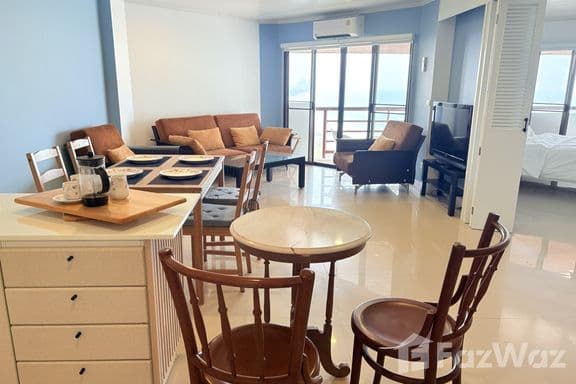
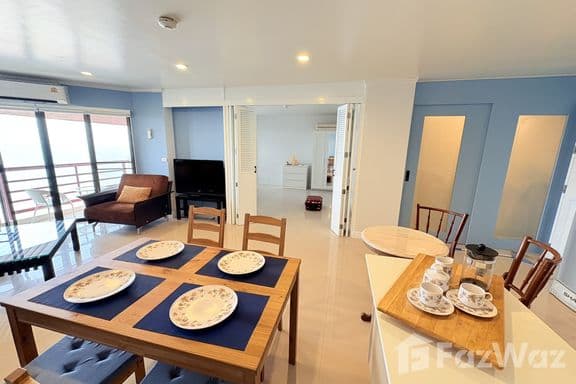
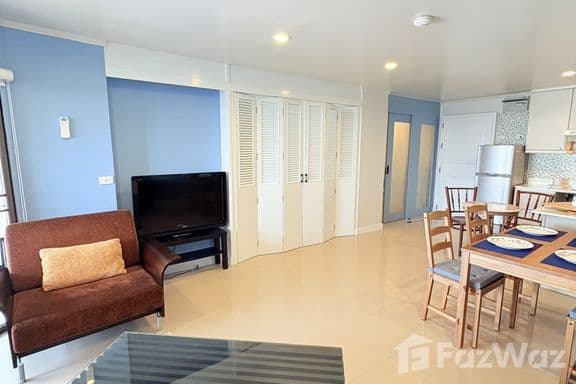
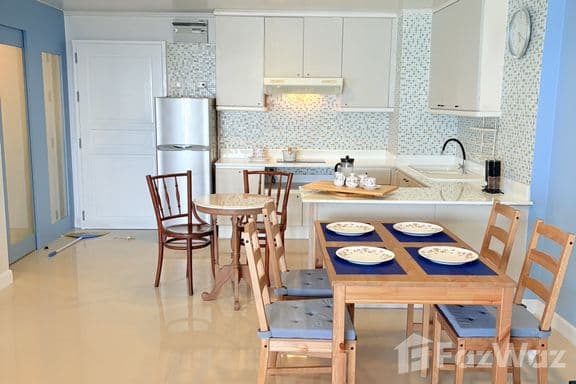
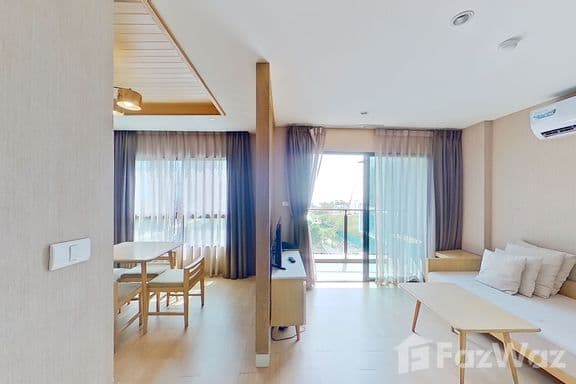
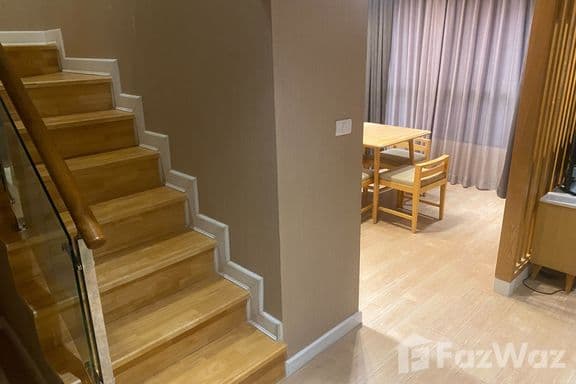
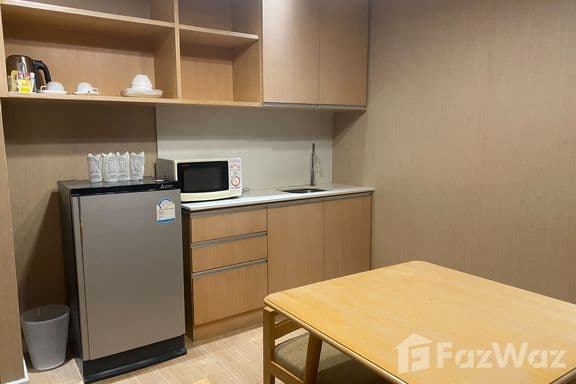
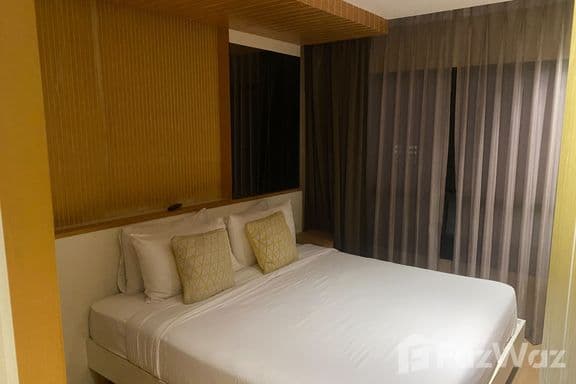
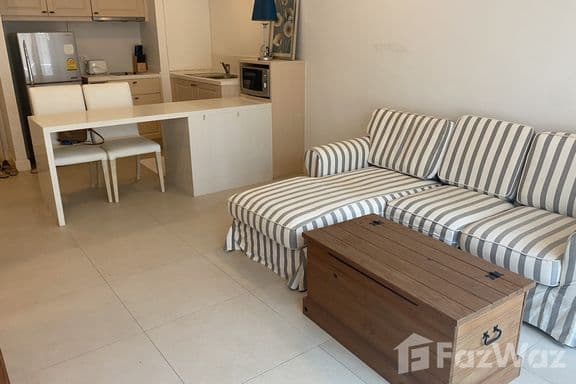
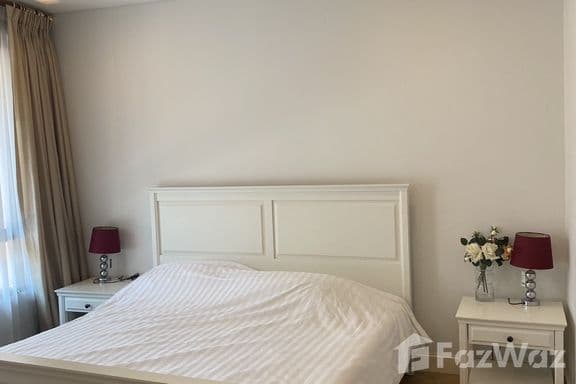
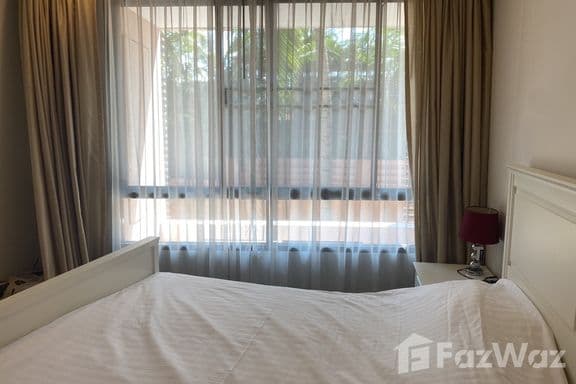
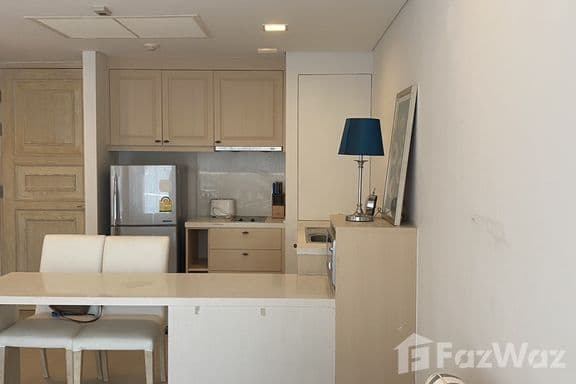
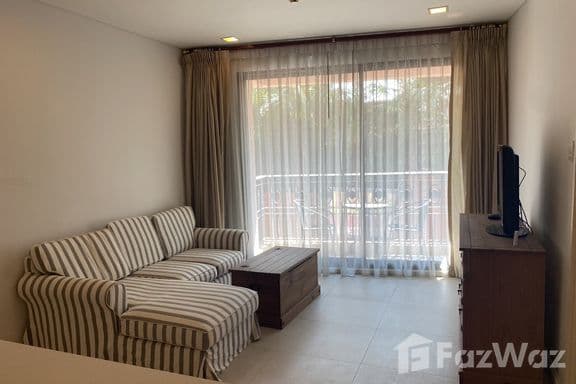
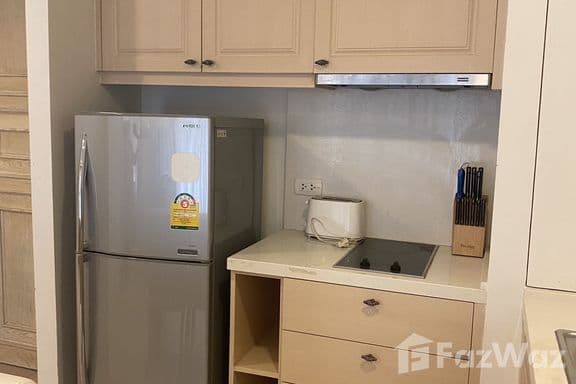
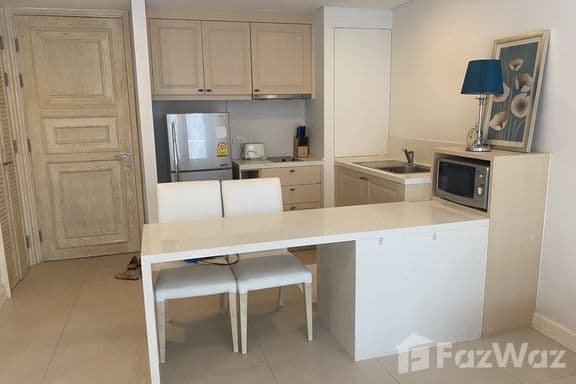
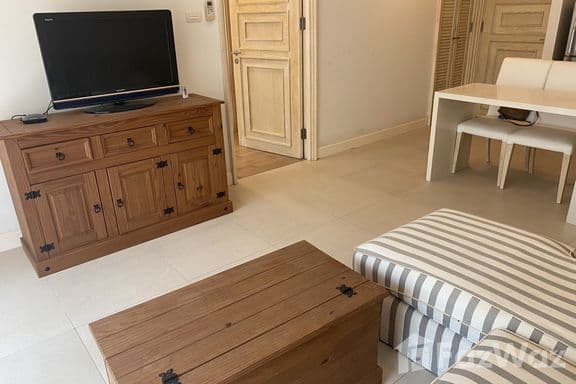
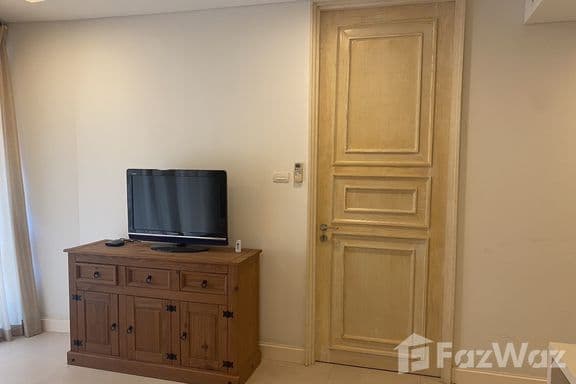
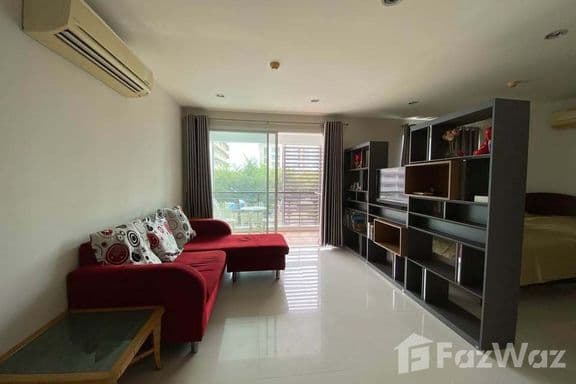
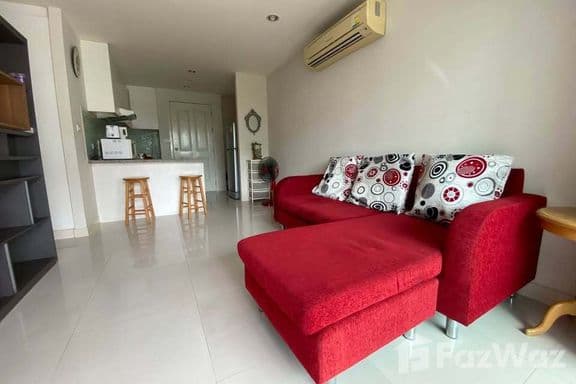
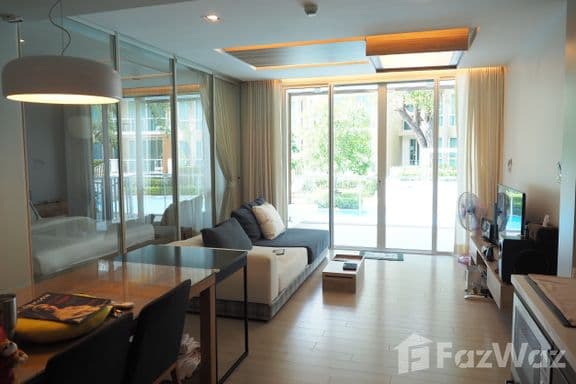
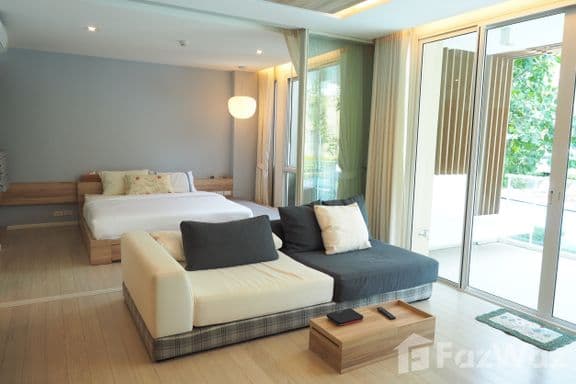
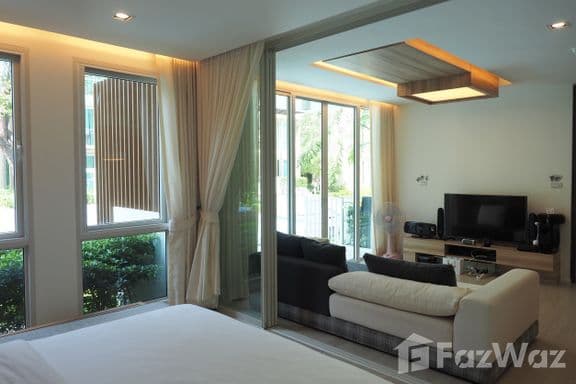
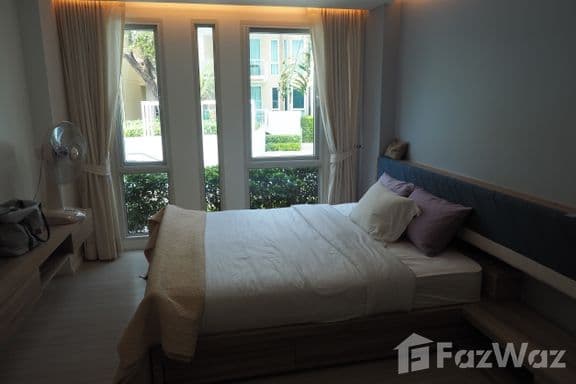
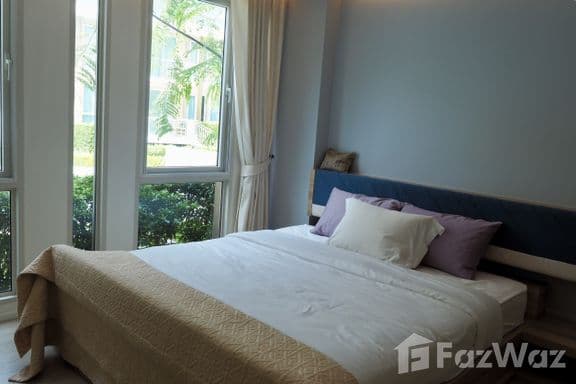
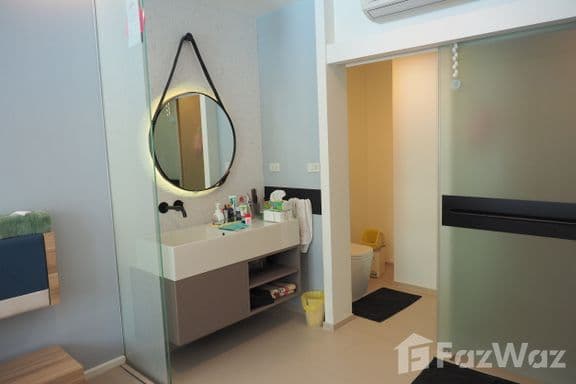
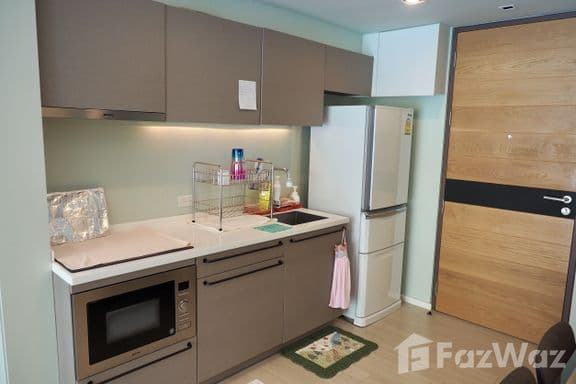
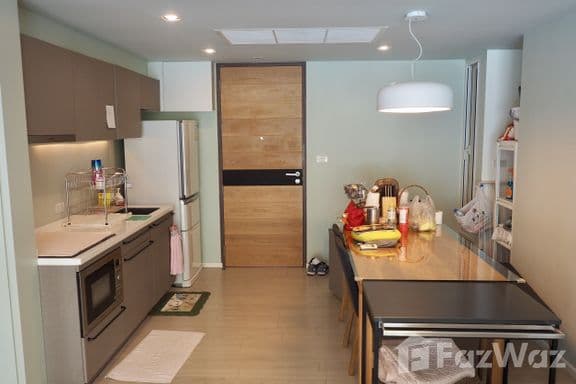
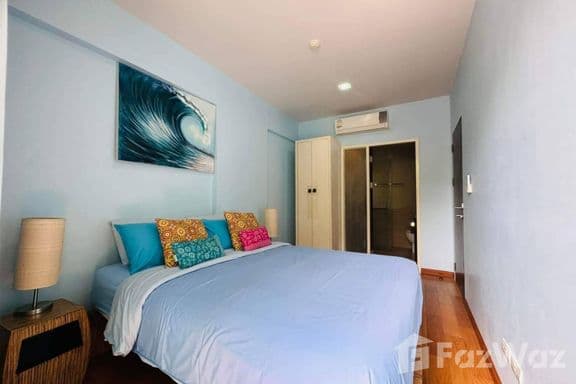
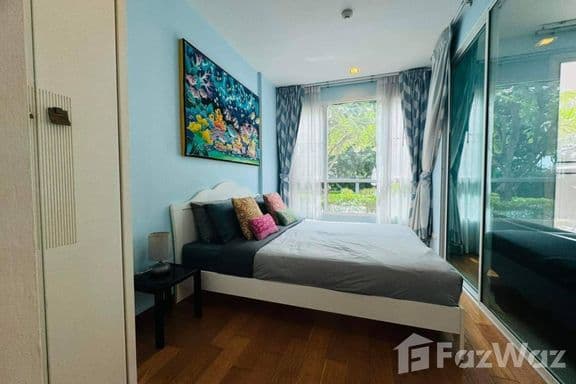
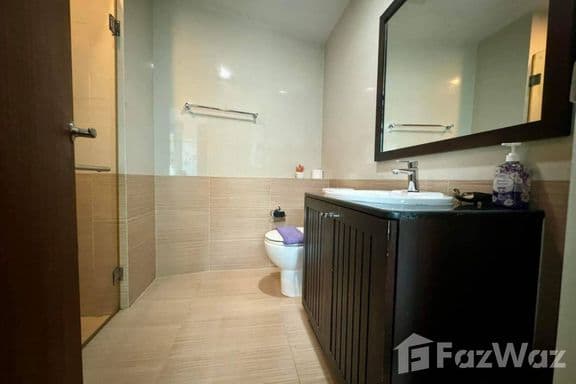
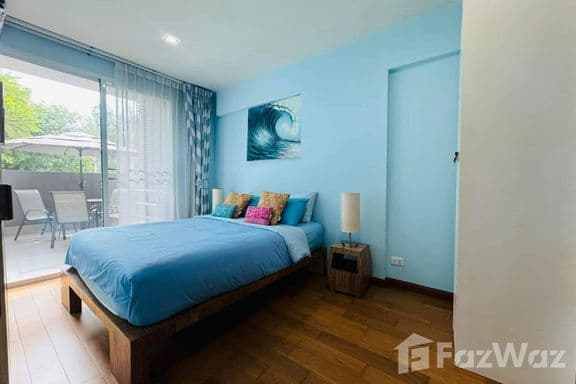
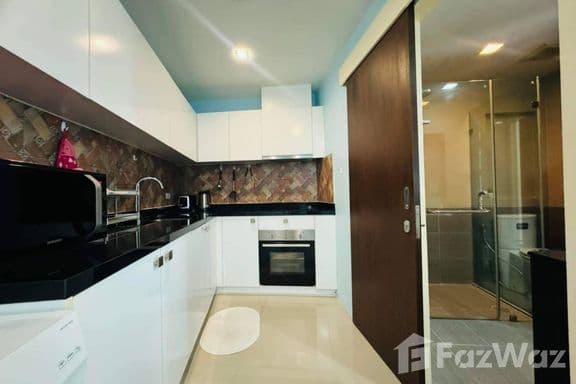
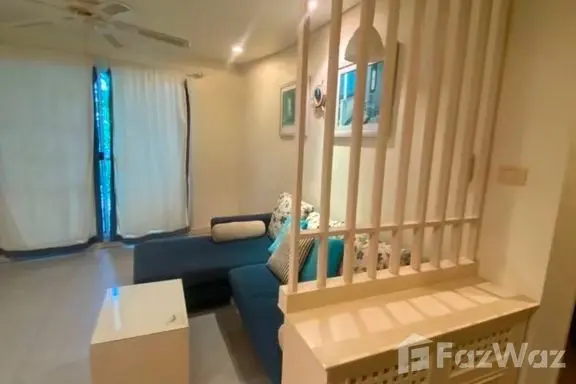
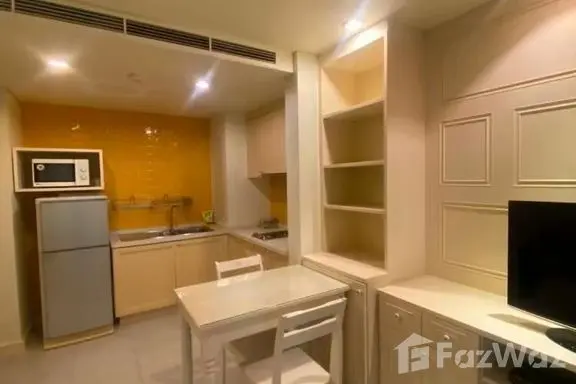
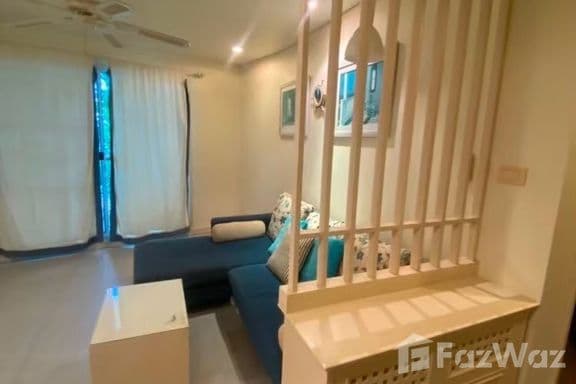
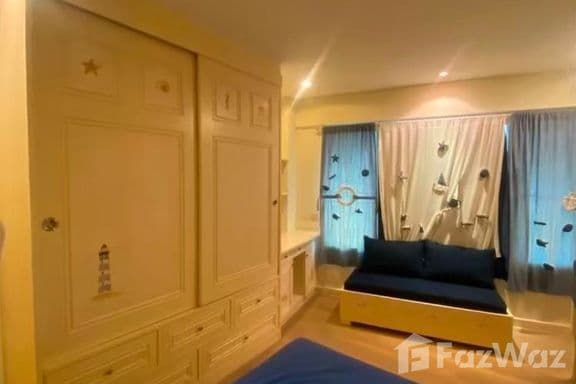
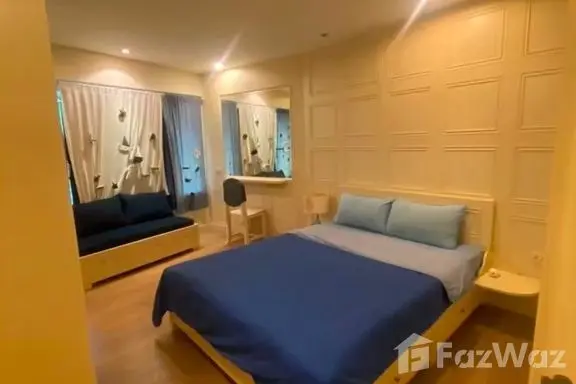
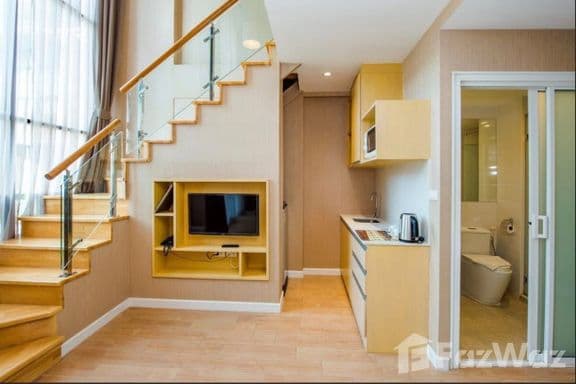
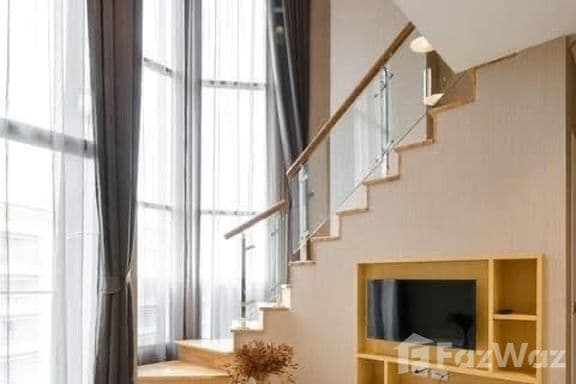
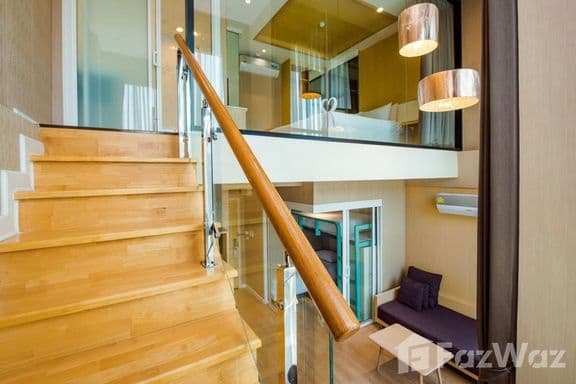
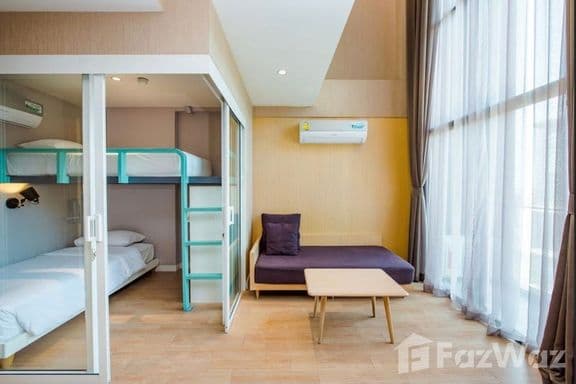
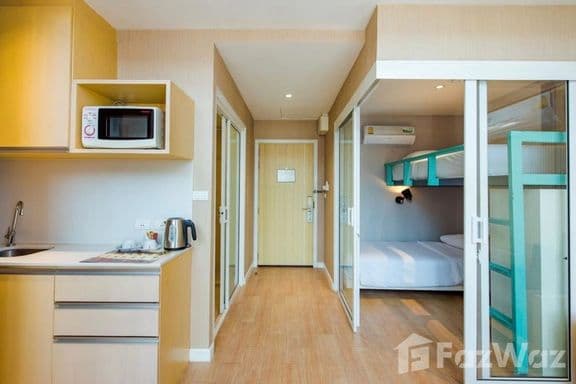
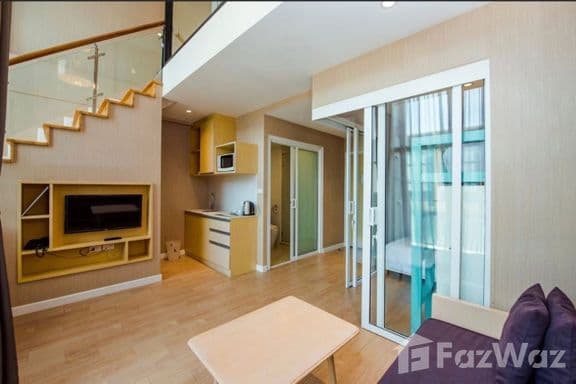
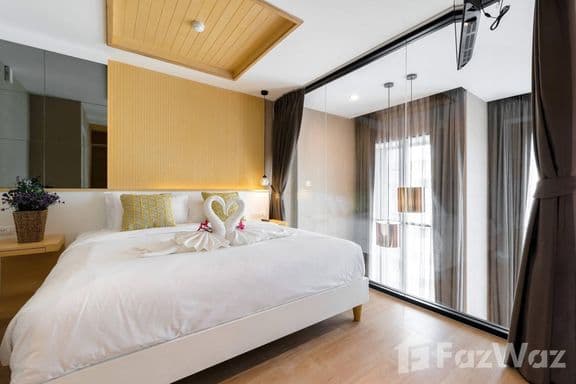
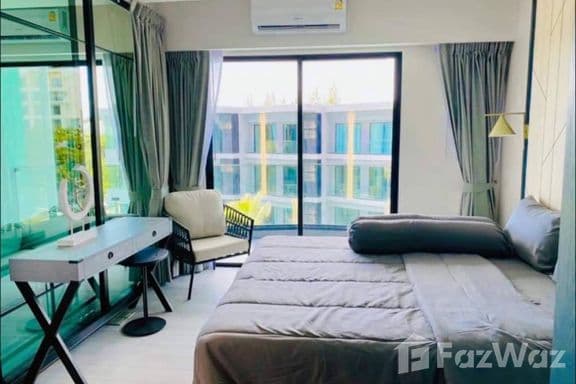
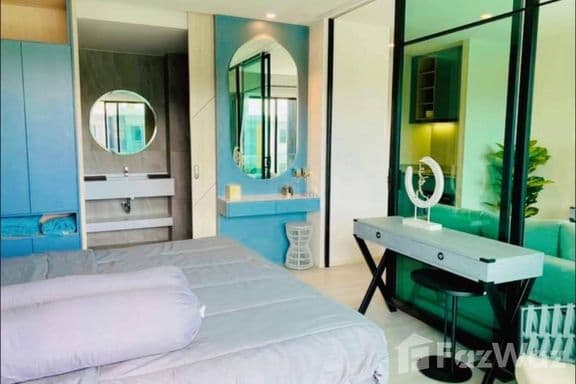
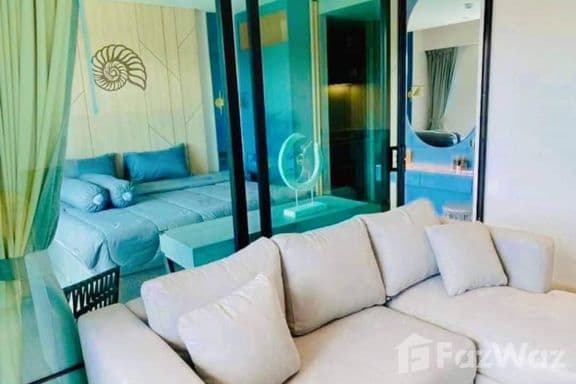
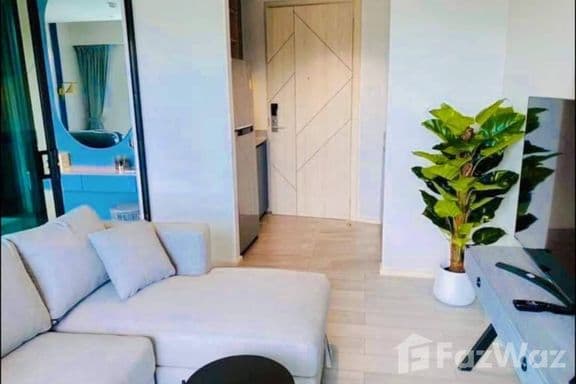
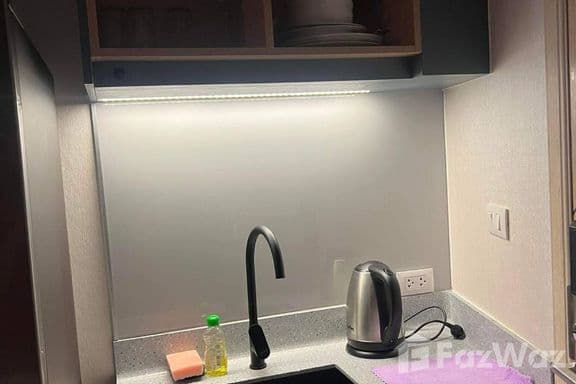
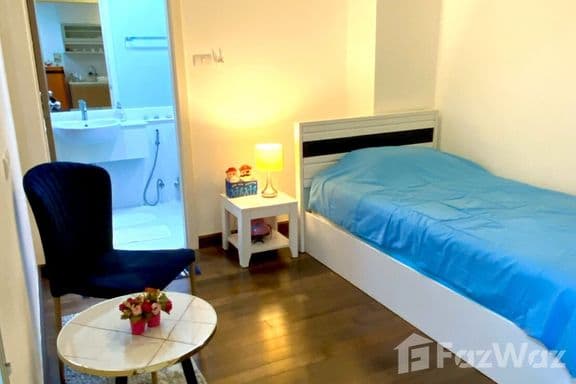
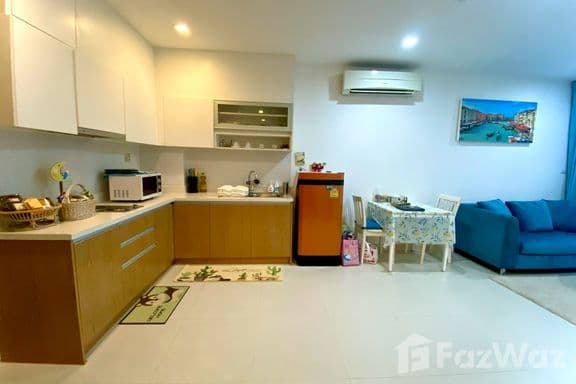
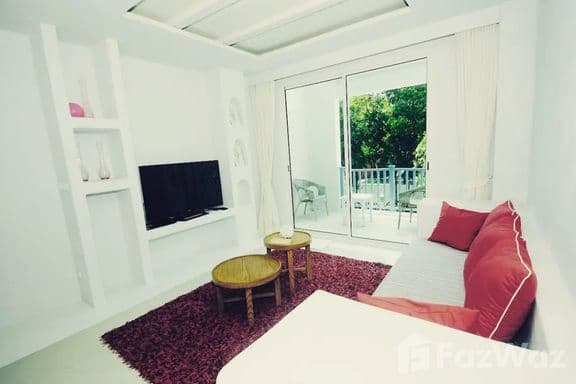
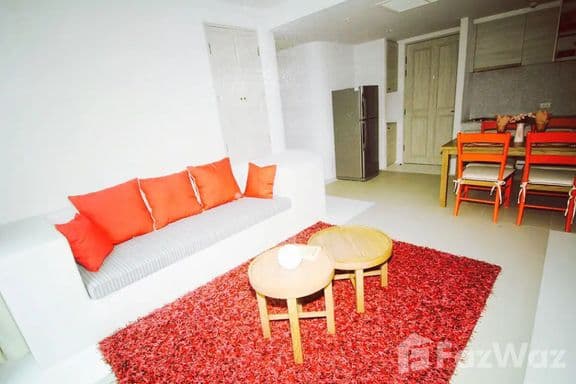
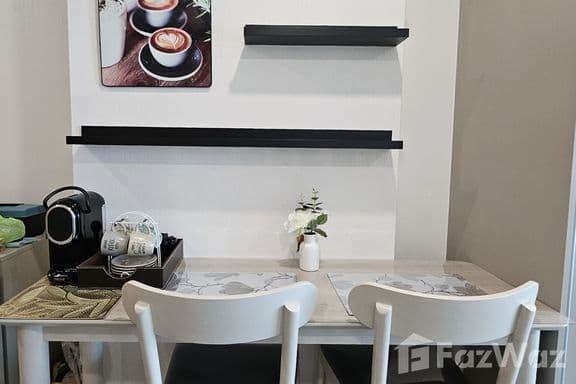
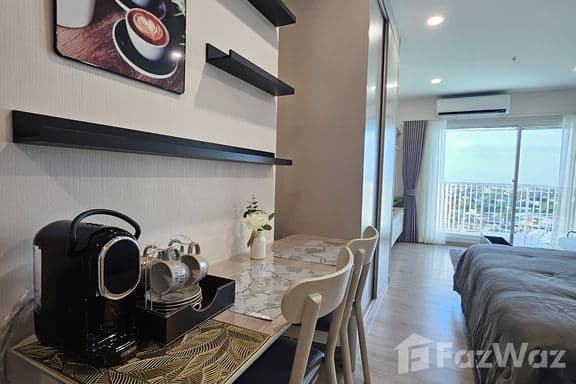
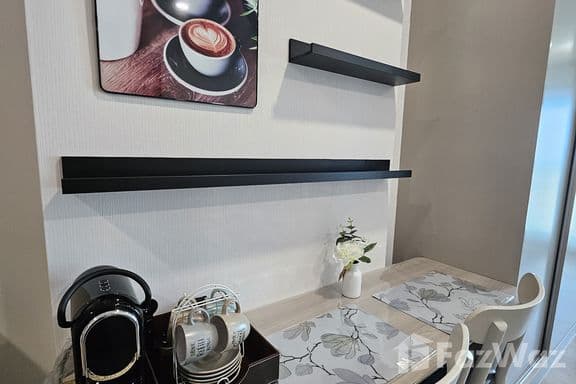
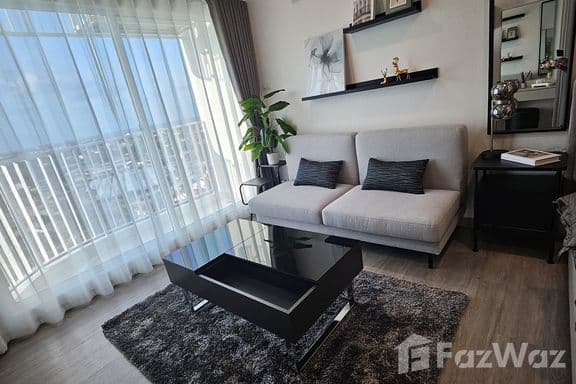
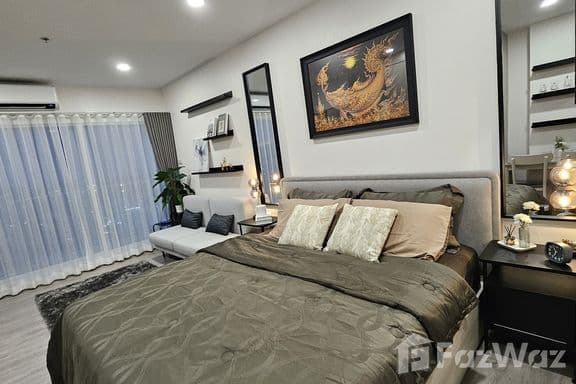
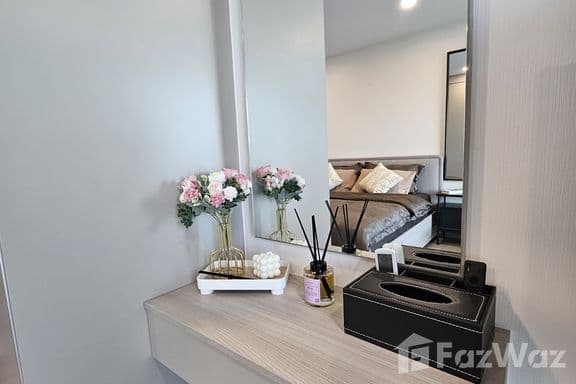
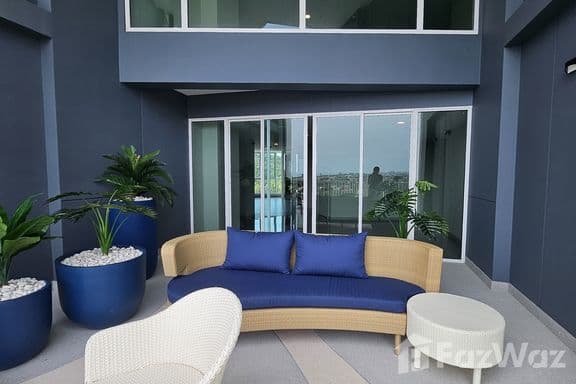
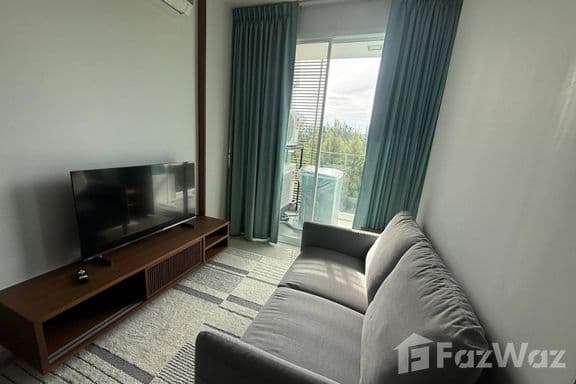
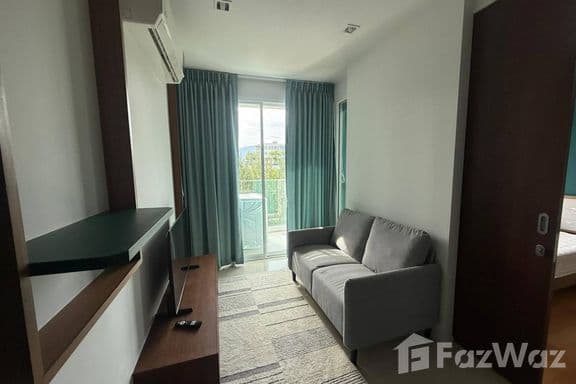
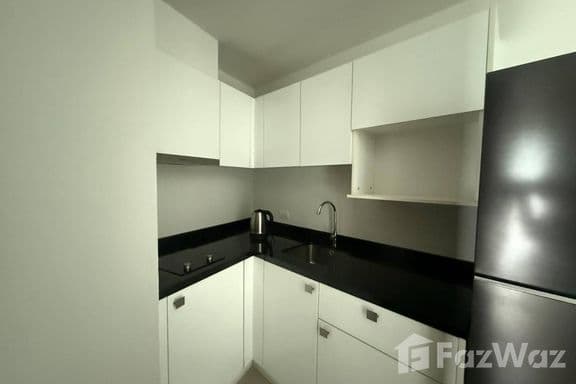
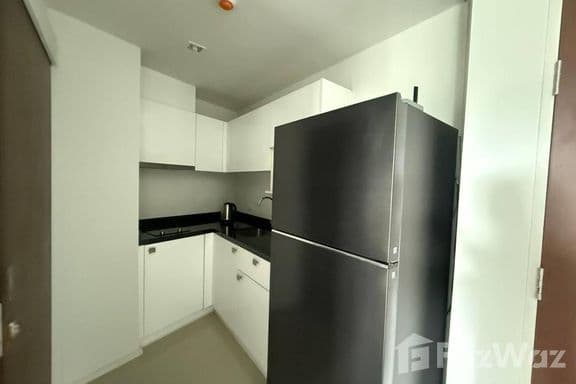
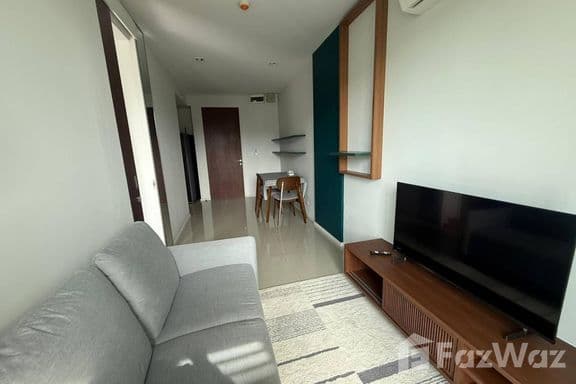
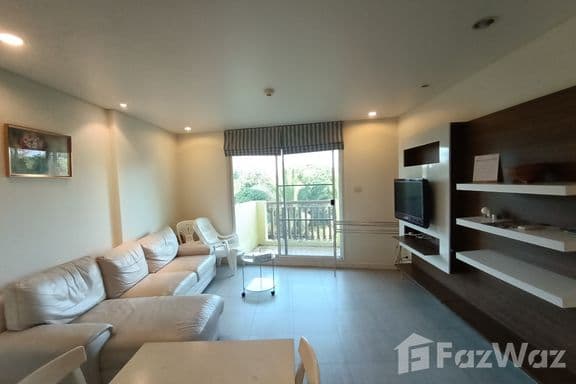
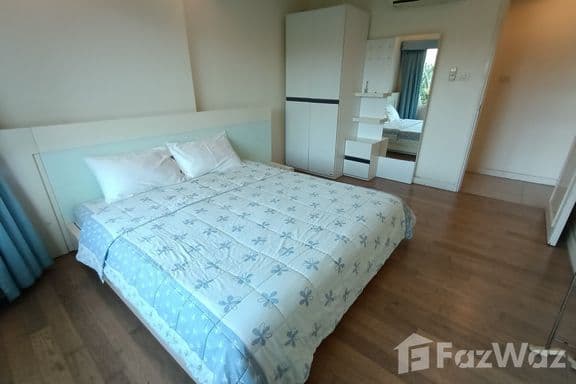
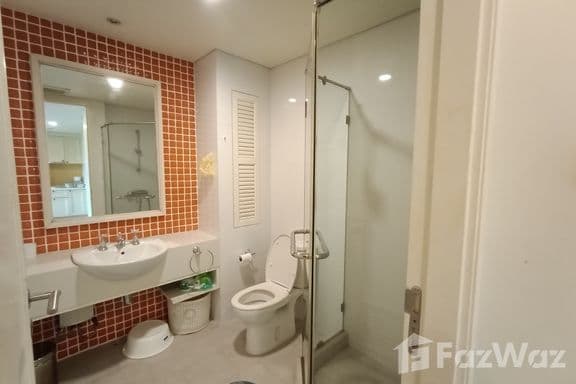
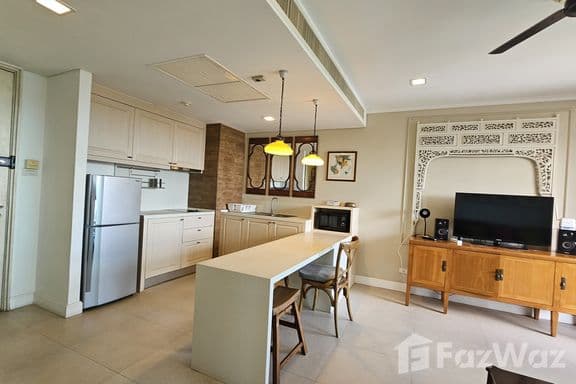
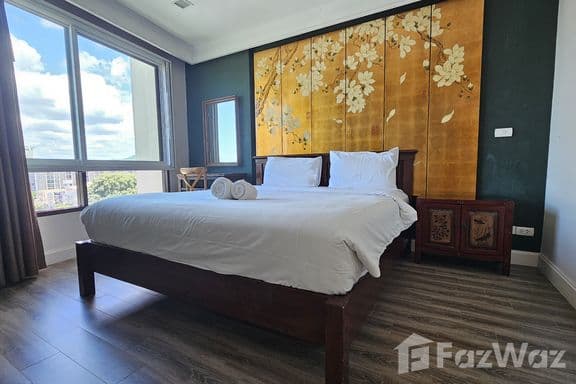
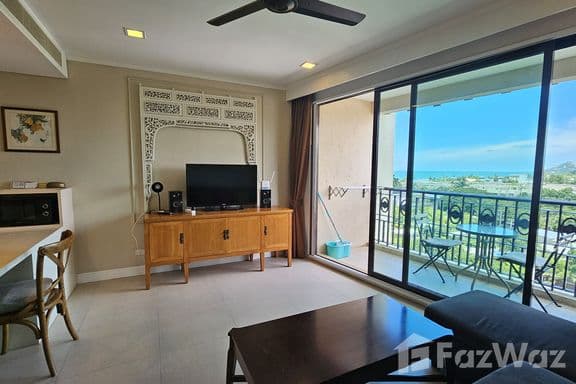
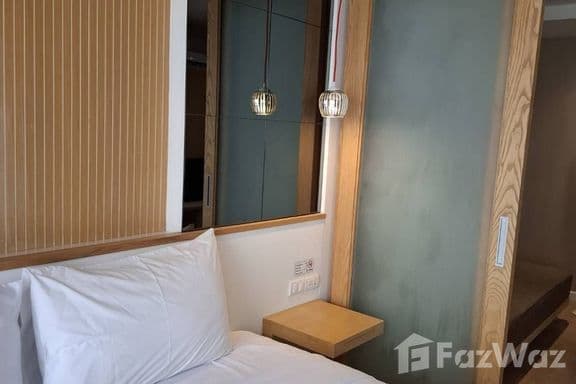
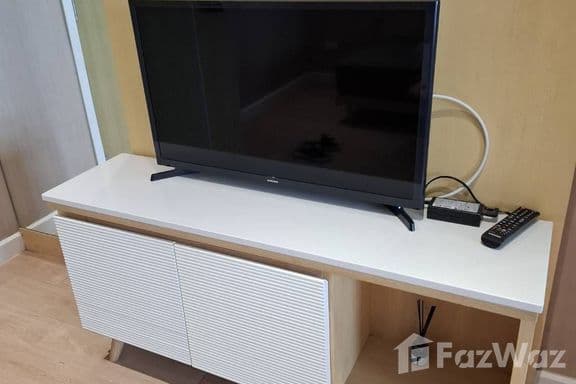
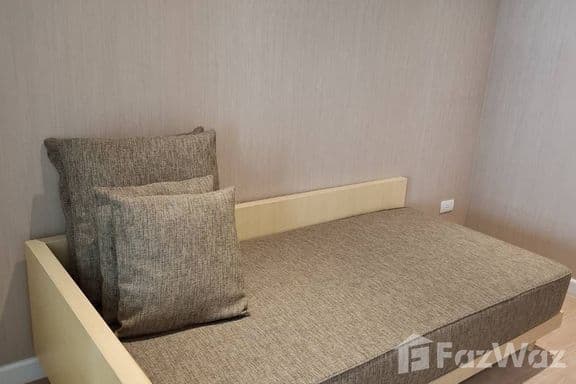
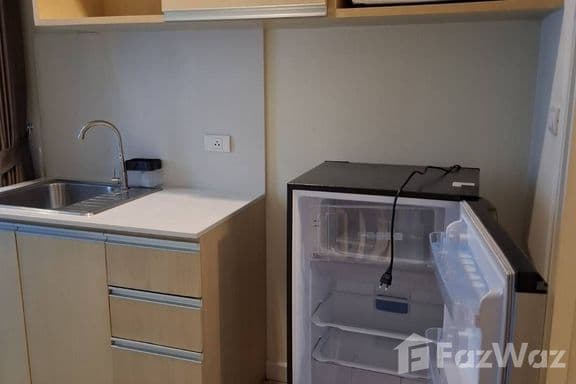
Quality Furnishings and Modern Design Most Hua Hin condos are rented fully furnished. Tenants expect quality, so bright, modern decor with comfortable furniture, ample storage, and a well-equipped kitchen (including large fridge, microwave, washer/dryer, smart TV) is vital. Newly renovated or well-designed units photograph better and attract more interest. An inviting, homely atmosphere is key for long-stay visitors and retirees. Investing in quality furnishings is an investment in higher yield.
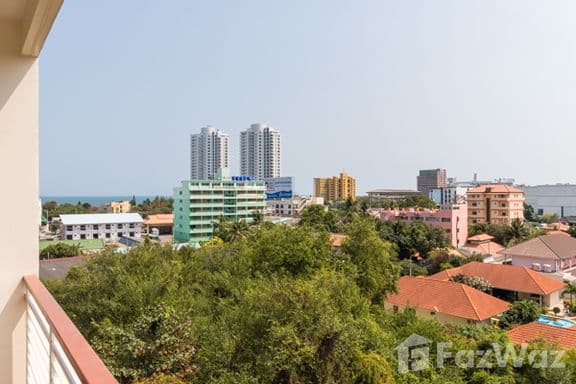
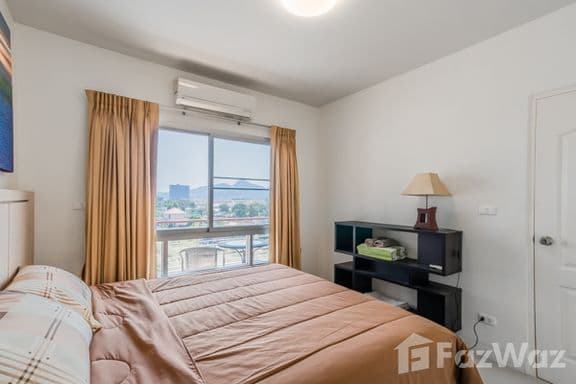
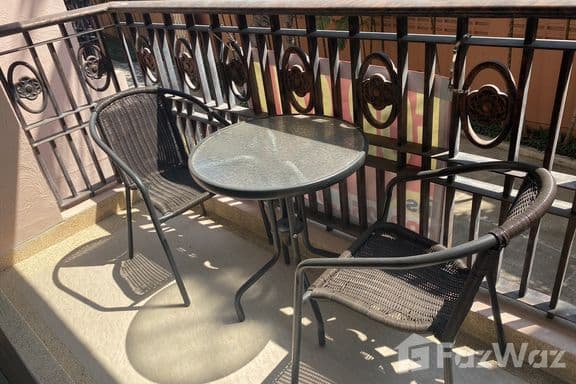
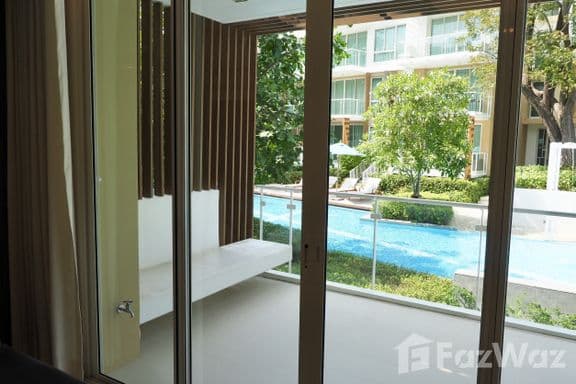
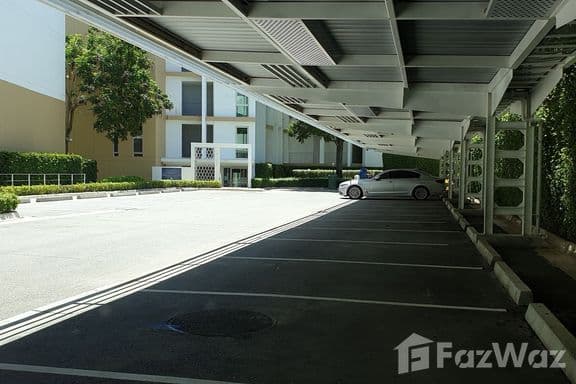
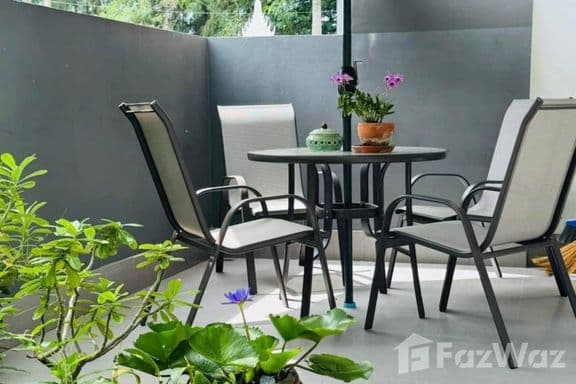
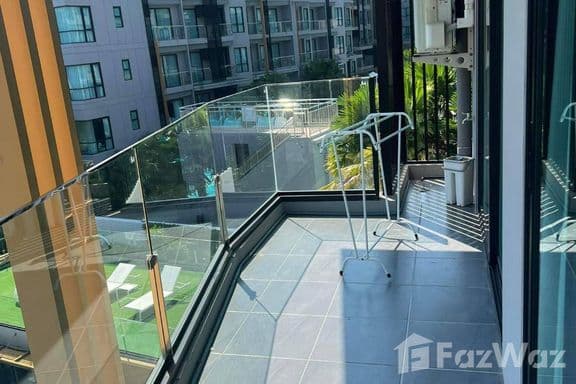
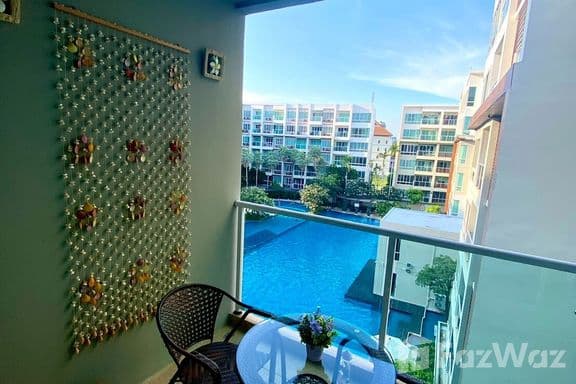
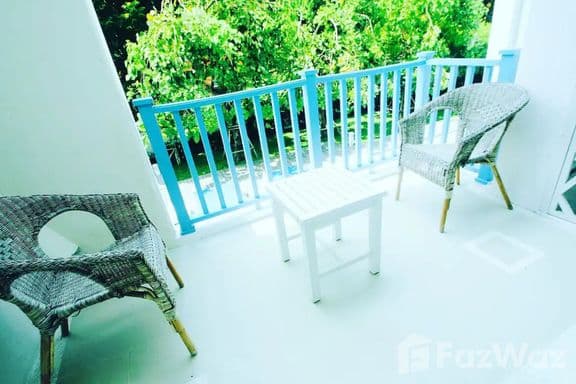
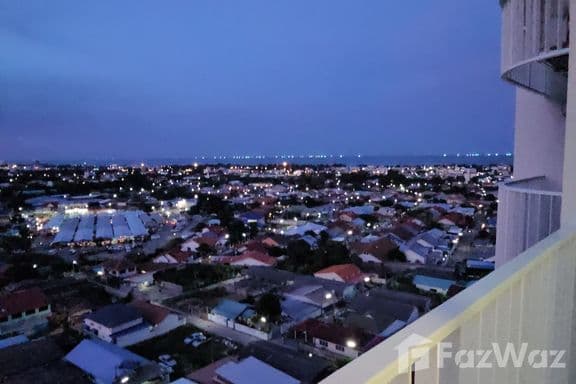
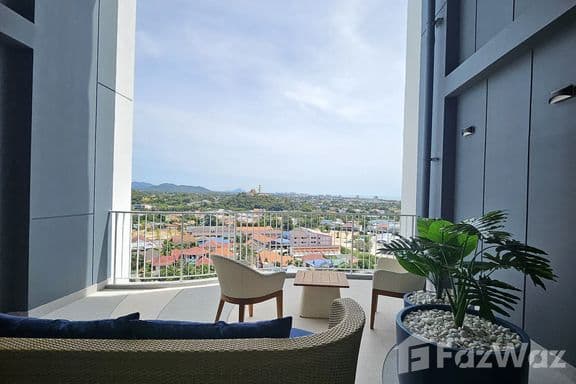
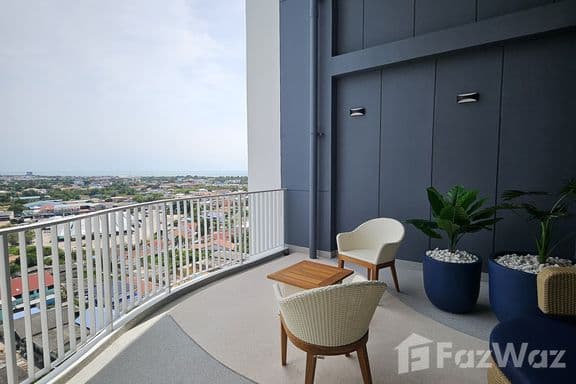
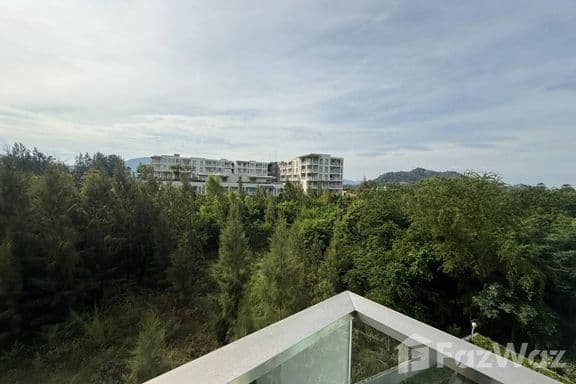
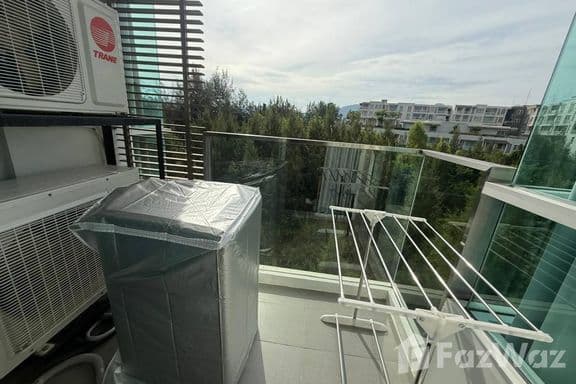
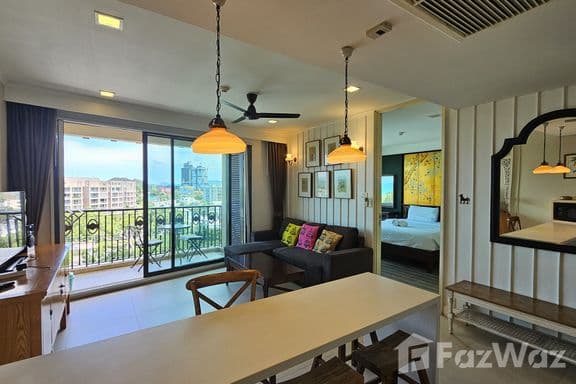
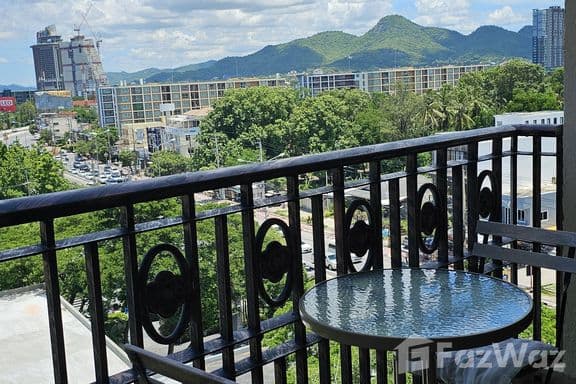
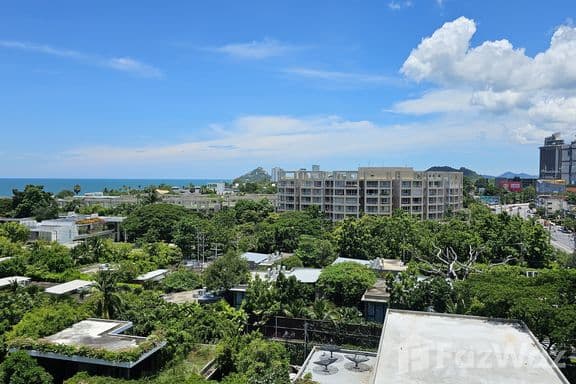
Other Desirable Features Parking spaces for cars or motorbikes are important. Pet-friendly condos, though rare, cater to a specific niche and are in demand. Balconies offering sea or mountain views are practically expected and greatly enhance a property's appeal. Good airflow, ceiling fans, and energy-efficient air conditioning are also appreciated in Hua Hin’s climate.
Ultimately, investors should consider what makes a condo a delightful place to live. Ensuring the unit and building provide these in-demand features will translate to higher rental income and satisfied tenants.
Lease Structures and Legal Framework in Hua Hin
Understanding Hua Hin's lease arrangements and Thai laws is crucial for landlords and tenants. The framework is generally pro-landlord, with key points for both parties.
- Monthly vs. Annual Leases Hua Hin offers lease terms from short 1-3 month holiday rentals to 12-month (annual) or longer contracts. Most expatriates and long-term tenants prefer 6 or 12-month leases, which often include a discounted monthly rate compared to short-term deals. Monthly agreements provide flexibility but landlords favor longer terms. Critically, Thai law considers private condo rentals under 30 days as hotel-like, requiring a hotel license. Thus, the standard minimum lease in Hua Hin's condo market is one month, and many condo rules forbid daily/weekly lets. Investors should plan for monthly or longer tenancies; tenants should expect at least one-month agreements, often discounted for 3+ month commitments. Demand for 6–12 month tenants is strong, especially during high season for well-presented properties.
- Security Deposits and Advance Payments Typically, Thai rental practice involves collecting a refundable security deposit plus advance rent. In Hua Hin, it's standard to pay two months’ rent as security and one month’s rent upfront upon lease signing, meaning a new tenant effectively pays three months' rent to move in. This 2-month deposit is common for yearly leases; shorter rentals might require only a one-month deposit. This structure protects landlords against unpaid bills or damages. A 2018 law restricts "professional" landlords (owning multiple units) to a one-month deposit for residential leases under consumer protection, but most individual Hua Hin condo owners are unaffected and can maintain the 2-month norm. Clear documentation of the unit's handover condition is vital to prevent deposit disputes. Landlords should use written, often bilingual (English/Thai), lease agreements detailing notice periods, utilities, and rules. Hua Hin lease contracts are generally straightforward, often agency templates, defaulting to the Thai Civil and Commercial Code for landlord-tenant law, which is relatively basic (e.g., facilitating eviction for non-payment). Ensure any lease a foreigner signs is in Thai or officially translated, as Thai is the legally binding language.
- “30-Day Law” and Short-Term Rental Rules A critical legal point is Thailand’s restriction on short-term rentals. The Hotel Act deems any property rented for under 30 days at a time without a hotel license illegal. This means typical Airbnb-style nightly condo rentals are unlawful unless the building has hotel licensing or the owner is registered as a guesthouse, which is uncommon. While enforcement has been inconsistent, Hua Hin condo juristic offices (building management) have increasingly clamped down on short stays to maintain security and regulatory compliance. Landlords should stick to 30-day or longer rentals or engage an agency capable of navigating hotel licensing (few condos qualify). Tenants seeking stays under 30 days should legally opt for hotels or licensed resorts. Some circumvent this by signing one-month leases for shorter stays. Hua Hin is not yet designated a "hospitality zone" with more flexible short-term rental rules. Consequently, monthly rentals are the legal minimum and norm, benefiting investors by encouraging longer stays and reducing tenant turnover. Caution is advised: advertising daily rates online can attract fines.
- Legal Structure for Foreign Landlords Foreign investors often buy condos in Hua Hin, as it's a property type they can own freehold. Thailand permits foreign owners to earn rental income, provided they comply with tax and immigration regulations (self-managing on a tourist visa can be a "work" gray area). Many foreign landlords use local property agents for tenant management and maintenance. Condominium foreign ownership quotas (maximum 49% of units to foreigners) don't directly impact rentals but might mean more competition if a building is at its foreign limit. Foreigners can freely rent properties without special permits, and leases can be under their name. Long-term foreign tenants must comply with immigration reporting (90-day report and TM30), which landlords should assist with by reporting the tenant's residence. Hua Hin's familiarity with foreign tenants and landlords ensures a generally smooth process.
- Tax Considerations for Rental Income Investors must be aware of tax obligations on rental income, which is considered personal income taxed on a 0%-35% sliding scale. For the Thai tax year (calendar year), rental income should be declared. The law allows a standard 30% deduction for expenses (taxing 70% of gross rent) or itemized actual expenses. While many individual, especially non-resident, landlords handle this flexibly, increased data sharing and TM30 registration make it prudent to budget for taxes. For instance, a condo renting at ฿20,000/month might incur an annual income tax of around ฿5,000–฿10,000. Thailand's new Land & Building Tax imposes a very low levy on second/rental homes, often negligible for condos. If rent is paid by a Thai company for a foreigner, the company must withhold 5% tax. Taxes will reduce net yield (e.g., from 6% gross to ~5% net), but Thailand's tax regime is fairly standard. Compliance is increasingly important.
- Legal Protections and Dispute Resolution Thai rental laws are often pro-landlord: there's no rent control, and owners can terminate leases for non-payment with due notice. Court actions are rare in Hua Hin; the community is small, and most expat tenants honor contracts. Leases over three years require Land Department registration, uncommon for typical 1-year condo leases. Both parties must adhere to lease terms, and special agreements (pets, repairs) should be written. Mediation, often via the original real estate agent, is the common first step for disputes. Good communication, possibly through a property manager for overseas owners, fosters smooth tenancies. The legal framework is straightforward. While professional legal advice is always recommended, most Hua Hin rentals proceed without issues when handled professionally.
Target Tenant Demographics: Who’s Renting Hua Hin Condos?
Hua Hin’s rental condo market serves a diverse mix of tenant demographics, each with their own preferences and impact on the market. Understanding who your target renters are (or, for tenants, which group you belong to) can help in making informed investment and leasing decisions. Here are the primary groups fueling demand in 2025:
- Western Expats and Retirees: Hua Hin has long been known as a retirement haven for foreigners, especially Europeans. This is reflected in inquiries data – in 2023, roughly 50% of rental leads in Hua Hin came from European nationals (notably from the UK, Germany, Scandinavia, etc.). These Western expats often prefer villas or large condos where they can enjoy a comfortable, home-like environment for the long term. Retirees in particular are drawn by Hua Hin’s excellent healthcare facilities and tranquil lifestyle. The presence of top-notch hospitals (like Bangkok Hospital Hua Hin) is a big selling point, as older expats want to be near quality medical care. Typically, Western retirees sign annual leases and tend to treat the property as their own home, resulting in low turnover and stable occupancy for landlords. They value safety, convenience (being near markets and hospitals), and often seek properties with a spare bedroom for visiting family. This group has helped drive demand for “retiree-friendly” developments – properties catering to seniors appreciated by about 6% in value in 2024 due to their popularity. In summary, Western expats and retirees form a bedrock of Hua Hin’s rental market, providing steady, long-term tenancy. Many landlords specifically target this demographic by furnishing their condos in a Western style and highlighting features like elevators, few stairs, and proximity to golf courses or healthcare – all key concerns for retirees.
- Digital Nomads and Remote Professionals: While Chiang Mai and Bangkok might be more famous among digital nomads, Hua Hin is quietly attracting its share of remote workers and “work-from-paradise” professionals. These tenants are often in their 20s–40s, from various countries (including Thai urbanites who move to Hua Hin for remote work), and they typically look for shorter-term rentals of 1-3 months, though some end up settling longer. The city’s relatively low cost of living, beach scenery, and proximity to Bangkok (just 3 hours by car) make it appealing. Digital nomads tend to favor condos in the city center or popular areas like Khao Takiab, where cafes, co-working spaces, and social scenes are accessible. They also require fast internet and often an extra room or space to set up a home office. Hua Hin’s city center, for instance, has seen a notable presence of this demographic – the availability of studio and one-bedroom units there (with a median rent around ฿18k) caters well to singles or couples working remotely. The demand from these “Generation Rent” professionals is part of a wider trend in Thailand where younger people prefer renting for flexibility. For landlords, catering to digital nomads might mean offering fully inclusive rentals (with utilities, internet, cleaning included) on a monthly basis, as this group appreciates simplicity and may not have a vehicle (so location is key). They also rely heavily on online listings and reviews. In Hua Hin, digital nomads contribute to high occupancy in winter months and often network among each other – a good experience by one can lead to word-of-mouth referrals for your property.
- Short-Term Tourists and Vacationers: Hua Hin is a major domestic tourism destination and a growing international one, so a segment of the rental market is effectively “holiday rentals.” These tenants are people (Thai or foreign) who rent a condo for a few weeks to a month for vacation. They differ from typical expats in that they’re on holiday rather than relocating. Many Bangkok families, for example, rent condos for the entire month of April (school break) or over the new year holiday, to enjoy the seaside. Similarly, foreigners escaping winter might take a condo for 1-2 months in peak season. The 30-day minimum stay rule means these are often structured as monthly rentals, but the usage is like a holiday rental. Such tenants desire resort-like condos – hence the popularity of developments with multiple pools, on-site cafes, and beachfront access. According to Airbnb data, Hua Hin had about 700 active short-term rental listings in 2024 and an occupancy rate of ~42%, indicating many owners do tap into the tourist market. However, since nightly rentals are restricted, a lot of tourist demand funnels into “monthly” stays at serviced condos or apart-hotels. Landlords targeting this group often do so via holiday rental platforms or local agents, and may charge a premium for high-season months (December, January, etc.). From an investment perspective, tourist renters can yield higher monthly rates (especially if you break it down weekly) but involve more operational effort (cleaning, check-ins) and seasonal variance. In Hua Hin, many landlords prefer the stability of long-term tenants, but some successfully operate hybrid models where their condo is a vacation rental during peak months and then they secure a long-term tenant for the off-season. The steady growth in tourism – international visitor numbers to Hua Hin’s province jumped 35% last year – means this demographic will likely expand, especially once the airport starts receiving international flights. In summary, short-term vacationers are a lucrative but more management-intensive segment of Hua Hin’s tenant mix.
- Thai Professionals and Families: While much attention is given to foreign renters, a significant portion of Hua Hin’s rental market is domestic. Hua Hin’s economy (hotels, schools, government offices) brings many Thais from other provinces who seek long-term rentals. Additionally, Hua Hin is increasingly home to Bangkok-based individuals or families who decide to relocate for a better quality of life, while perhaps commuting occasionally to Bangkok. Data from 2023 showed 128 rental inquiries from Thai nationals in Hua Hin over just two quarters, underlining that local demand is strong alongside foreign. Thai tenants typically look for value – many are renting because they cannot yet afford to buy, or they are on work assignments. They might prefer houses/townhouses if they have families (for space and allowing pets), or modern condos if single. Areas slightly outside the tourist hotspots (e.g., around Soi 94, or Hin Lek Fai) are popular with local renters due to lower cost. Landlords should note that Thai tenants will expect to pay utility bills at government rates (not inflated), and often negotiate on price (culturally, a small discount or the inclusion of an appliance can sway a deal). Unlike some expats, Thai renters might not insist on a full Western kitchen or fancy décor – but they do care about practical things like proximity to their workplace, parking availability, and whether the unit faces good feng shui (yes, some consider it!). From a market perspective, domestic renters add stability; even if tourism dips, there’s a baseline of local demand for rentals. Notably, Hua Hin’s emergence as an education hub (with new international schools and a university campus nearby) could bring more Thai and Asian expat families into long-term rentals in coming years.
- Other Niche Demographics: A few other groups deserve mention. Golfers and Seasonal Sports Enthusiasts: Hua Hin is famous for golf courses and kitesurfing; some retirees or professionals rent condos seasonally to pursue these hobbies. They often want storage space (for golf clubs or equipment) and are willing to pay for a convenient location (like near Black Mountain golf course or near the beach for kitesurfers). Medical Tourists: With the town’s good hospitals, occasionally foreigners come for extended medical treatments and rent a condo for recovery – they prioritize proximity to hospital and quiet environment. Contractors/Project Workers: Sometimes, large projects (construction, hospitality) bring in a team of out-of-town staff for 6-12 months; these groups might rent several units at once. Catering to them might involve offering multiple similar units in one building and dealing with a corporate lease. While these niches aren’t huge, they contribute to Hua Hin’s rental tapestry.
In conclusion, Hua Hin’s tenant demographics in 2025 are a rich mix of expat retirees (seeking comfort), remote-working professionals (seeking lifestyle), tourists (seeking fun), and locals (seeking opportunity). For an investor, this means there are multiple avenues to success – you could tailor a property to be a retiree’s dream home, or a digital nomad’s workstation by the sea, or a family’s weekend haven. Each demographic has its demands and seasonality, so savvy landlords often decide on a target market and renovate/market accordingly. And for renters, it means whether you’re a 70-year-old pensioner from Norway or a 25-year-old web developer from Bangkok, Hua Hin likely has a condo option that fits your needs. This diverse demand is a major reason why the Hua Hin condo rental market remains resilient and attractive year after year.
Rental Yields and Landlord ROI: An Investor’s Perspective
For property investors and landlords, Hua Hin’s condo rental market offers a compelling balance of yield and growth. By 2025, Hua Hin has proven to deliver solid rental yields in line with (or even above) Thailand’s national averages, alongside the potential for capital appreciation. Let’s break down the returns one can expect:
Gross Rental Yields: Depending on the property type and location, rental yields in Hua Hin typically range from about 4% up to 8% annually. On the conservative end, many standard condos net around 5–6% gross yield, which is quite favorable compared to other markets. For example, a mid-range condo bought for, say, ฿3 million might rent for around ฿15,000 per month, giving a gross yield of 6% – and that’s before any price negotiations or occupancy improvements. In prime locations, yields can edge higher: a beachfront or city-center condo might fetch a premium rent relative to its purchase price, pushing yields to 7% or more. A Knight Frank study noted that luxury condos in Hua Hin can yield up to ~6–8% annually in rental return (thanks to their exclusive appeal and high occupancy), which aligns with anecdotal evidence from investor forums. Specific areas illustrate the range: Khao Takiab condos often see 5–7% yields because of constant expat demand, while some properties in Nong Kae have reported yields as high as 8% if acquired at low cost and rented short-term. On the lower side, large villas or houses (which cost more to buy relative to rent) might yield only ~4%, but often those appreciate well. It’s worth noting that Thailand’s overall gross rental yield average was about 6.17% in Q1 2025, so Hua Hin is right in that sweet spot. For investors, these numbers mean Hua Hin can generate better income returns than many Western markets (where yields of 2–4% are common), all while you own a piece of a growing tourist town.
Occupancy and Net Yield: Of course, headline yield assumes full occupancy and no costs. Realistically, Hua Hin investors should factor in some vacancy (especially if targeting seasonal tourists) and running costs. However, as discussed, occupancy is high for long-term rentals and moderate but rising for short-term. Many landlords managing their property for year-long tenancies manage 90%+ occupancy in a year (a vacant month or so between tenants). If one targets only high-season short lets, occupancy might be lower but nightly rates higher – the strategy should be chosen based on whether maximizing yield or minimizing hassle. Net yield after expenses (maintenance, common fees, property management, and taxes) will typically be ~1–2% lower than gross. For instance, that 6% gross might become ~4–5% net after you pay the condo monthly maintenance fee, some utilities (if included), agent commissions, and taxes. Hua Hin’s advantage is that maintenance fees are relatively low (often ฿35-฿50 per sqm per month for condos, which on a 50 sqm unit is only ฿2,500/month), and property taxes are negligible. So, many landlords find they can keep a good portion of the gross income. If you self-manage and keep vacancy very low with a long-term tenant, you might only deduct minor costs and approach gross yield. On the other hand, hiring a property manager (common if you live abroad) might cost 10% of rent, and short-term rental operations incur cleaning and booking platform fees. In any case, compared to say stocks or bonds, a well-managed Hua Hin property can provide a steady ~5% cash yield net, which is attractive especially when bank deposit rates are low.
Capital Appreciation: Beyond the rental cashflow, Hua Hin offers the prospect of capital gains. While it’s not a speculative boom town, it has shown consistent price appreciation in recent years. As noted earlier, property values in Hua Hin rose around 5–10% in 2024 depending on area. Demand drivers – retirees, Bangkok second-home buyers, and some foreign investors – have steadily pushed prices up, particularly for desirable condos and land near new infrastructure. For instance, properties labeled “retiree-friendly” (good access, amenities) saw about a 6% price uptick in 2024, and those near tourist hotspots like night markets gained ~5–6%. In some emerging pockets (near the future transport hubs or where new malls are planned), land prices jumped even more (as high as 8–10%). Historically, Hua Hin’s property price growth has been gentler than Bangkok or Pattaya – often in the low-to-mid single digits annually – but it also hasn’t seen severe crashes. This stability is a plus for risk-conscious investors. If you take a medium-term horizon, you might expect your Hua Hin condo to appreciate perhaps ~3–5% per year in value under normal conditions, on top of the rental yield. That means the total return (ROI) could be in the range of 8–12% per year when combining yield and capital growth. Indeed, many investors view Hua Hin as a “lifestyle investment” that pays for itself: you get rental income now, and down the line, you have a property that’s likely worth more and can even be a retirement home for yourself. It’s not the kind of place for quick flipping profits, but the trajectory is upward. One should, however, keep an eye on new supply; if a flood of new condos enters the market, it could cap price growth. At present, developers are building but at a moderate pace, so oversupply is not a major concern.
Comparative Advantage: Another ROI consideration is how Hua Hin compares to other markets. As mentioned, Hua Hin real estate is cheaper than Bangkok by at least 30% on a per-square-meter basis, yet rental rates are not 30% lower – they’re somewhat closer. For example, a 1-bedroom condo in central Hua Hin might be ฿20k/month vs the same in Bangkok central maybe ฿25k – but the purchase price in Bangkok could be double. This suggests better yield efficiency in Hua Hin. Compared to Phuket or Pattaya, Hua Hin’s yields are similar or a bit lower (Phuket can be higher with holiday rentals, but it’s more volatile and subject to higher management costs). Many investors like Hua Hin for its stability and lower volatility – during the pandemic, Hua Hin rents and occupancy bounced back faster and with less oversupply issues than heavily tourist-dependent markets. It’s also worth noting that government policies might soon further encourage investment: there’s talk of extending leasehold terms and raising foreign condo ownership quotas – if such changes occur, it could boost property values (and thus ROI) as more foreign capital flows in.
Maximizing ROI Tips: Investors seeking to maximize returns in Hua Hin should consider a few strategies supported by data: (1) Choose high-demand property types: One-bed and two-bed condos near the beach or town tend to have the highest occupancy and decent yields, as smaller units often yield better percent returns (a trend seen across Thailand). (2) Leverage peak season pricing: If you don’t mind the work, renting short-term in peak season (Nov–Feb) at high rates and then securing a long-term tenant for the low season can outperform a flat year-long rent. Just be mindful of the 30-day rule. (3) Offer value-added services: Some landlords differentiate by including a cleaner once a week or having a local agent on call – this can justify higher rent and attract long stays, improving effective yield. (4) Keep the property well-maintained: This sounds obvious, but even minor issues (old A/C, leaky faucet) can hurt reviews and make it harder to justify top rent. A small annual maintenance budget will pay off in sustained rent levels and fewer gaps between tenancies. (5) Monitor market trends: Keep an eye on any big developments (new mall, new train station) – being early to buy in a neighborhood that’s improving can mean both higher future rent and price appreciation. Hua Hin is expanding southward and westward, and past data already showed land near new transport projects jumped in value, which eventually translates to rental desirability as new communities form.
In summary, Hua Hin offers landlord ROI that is more about steady income than speculative gain, yet the numbers are appealing: mid-single digit yields with the bonus of capital growth and a relatively low-risk profile. Many investors find this combination ideal for a long-term hold, essentially letting rental income subsidize a property that they can later use or sell at a profit. As always, individual results will vary – a lot depends on buying the right property at the right price. But as the data and trends in 2025 show, a well-chosen Hua Hin condo can be a cash-flow-generating asset in the here and now, and a valuable piece of real estate for the future.
Conclusion: Outlook for Hua Hin Condo Rentals in Late 2025
Looking ahead, the outlook for Hua Hin’s condo rental market through late 2025 and beyond is decidedly optimistic. All the key indicators – demand, supply, infrastructure, and macro trends – suggest that Hua Hin will continue to be a rewarding arena for real estate investors and a delightful home for renters.
Several factors underpin this positive forecast. First, tourism is projected to return to (or even exceed) pre-pandemic levels by 2025, injecting more short-term and long-term tenants into the market. Hua Hin’s unique position as both a Thai domestic vacation spot and an international retirement destination means it benefits from multiple traveler streams. With the government’s focus on turning Hua Hin into a “special tourist city” and boosting its profile, we can expect more marketing and events drawing visitors. The planned airport expansion is a potential game-changer – if international flights resume regularly by 2025, Hua Hin could see a new wave of foreign tourists and snowbirds who may choose monthly condo rentals over hotels. This would elevate demand, especially in condo complexes oriented toward hospitality (with multiple pools, hotel-like services).
Second, infrastructure improvements continue to enhance Hua Hin’s appeal. Beyond the airport, there are ongoing upgrades to roads and public facilities, and longer-term projects like the high-speed rail link to Bangkok (though still in planning) hold promise for making weekend commutes easier. Notably, land near these transport hubs has already appreciated, indicating investor confidence. Better connectivity and city planning will likely lead to new development nodes (for example, areas around the bypass road or near the airport might see new condos), expanding the rental map of Hua Hin. However, given that developers in Thailand have been cautious post-Covid, a flood of new supply is not expected in the immediate term. This is actually good for existing landlords – it means the market shouldn’t tip into oversupply quickly, and rents can rise gradually with demand. As of 2025, developers are focusing on projects aligned with real demand (e.g. mid-market housing under 7M THB), so luxury oversupply is not a big worry in Hua Hin the way it was in some other resort areas. We anticipate rental prices to inch up moderately (perhaps a few percent per year) in the next couple of years, rather than any dramatic jumps – in other words, a healthy, sustainable growth pattern.
From the investor’s perspective, Hua Hin in late 2025 is poised to remain a strong “buy and hold” market. Rental yields around 5–7% are likely to persist, which, combined with Thailand’s relatively low interest rates for financing, means property investors can achieve positive cash flow in many cases. The government’s consideration of more foreigner-friendly property laws (like extending leaseholds or raising foreign condo quotas), if enacted, could further stimulate foreign investment interest in Hua Hin. Even if those changes take time, Hua Hin already enjoys a reputation as a foreigner-friendly town, and we might see more overseas buyers from new markets (for instance, more interest from Chinese or ASEAN country investors as Thailand remains a safe haven). An uptick in foreign property ownership – already at 10% of luxury segment buyers in 2024 – could increase rental supply slightly, but also often these owners buy specifically to rent out, adding to the professionally managed rental pool, which could improve standards.
On the tenant side, the outlook is equally bright. Hua Hin should continue to offer a wide selection of rental options for all budgets. Renters can expect relatively stable rents (still far cheaper than Bangkok or Phuket for comparable quality), and if anything, more choice in modern, amenity-rich condos as new projects complete. The lifestyle that Hua Hin offers – relaxed seaside living with urban conveniences – is unlikely to lose its charm. In fact, global trends like remote work and early retirement favor Hua Hin: more people are realizing they can live anywhere, so why not a sunny beach town with good Wi-Fi? Thailand’s cost of living advantage remains compelling in 2025, which will keep drawing expats. Additionally, as Thailand’s domestic economy evolves, younger Thai generations preferring to rent (“Generation Rent”) could bolster long-term rental demand even further. Hua Hin, being a secondary city with a slower pace, might attract those who find Bangkok too expensive or intense. So the tenant base could widen.
In conclusion, Hua Hin’s condo rental market in 2025 is set on a stable growth trajectory. Investors can look forward to sustained rental income, backed by a diversified tenant pool and supportive developments in the region. Landlords who do their homework – picking the right locations and catering to renter preferences – are likely to see not just ongoing yields but also appreciation in their asset value. Renters, whether they are retirees seeking a peaceful retreat or digital nomads seeking a balanced lifestyle, will find Hua Hin continually improving and investing in its livability. The town’s motto could well be “tranquility with progress,” and that combination bodes well for real estate.
While no investment is without risk (one should keep an eye on macro factors like global travel trends or exchange rates), the data and trends analyzed give confidence that Hua Hin will remain one of Thailand’s most appealing rental markets. The remainder of 2025 and the years beyond should see Hua Hin strengthening its position as a top choice for property investors who value reliable returns and for tenants who value quality of life. In the ever-evolving world of real estate, Hua Hin offers a refreshing case of a market where fundamentals trump hype – and that is exactly what long-term investors and savvy landlords should be looking for when building their portfolios. Hua Hin’s horizon is bright, and those investing in or renting a condo there are well-positioned to enjoy the journey.